Mindful Eating: How Slowing Down at Meals Helps You Eat Less
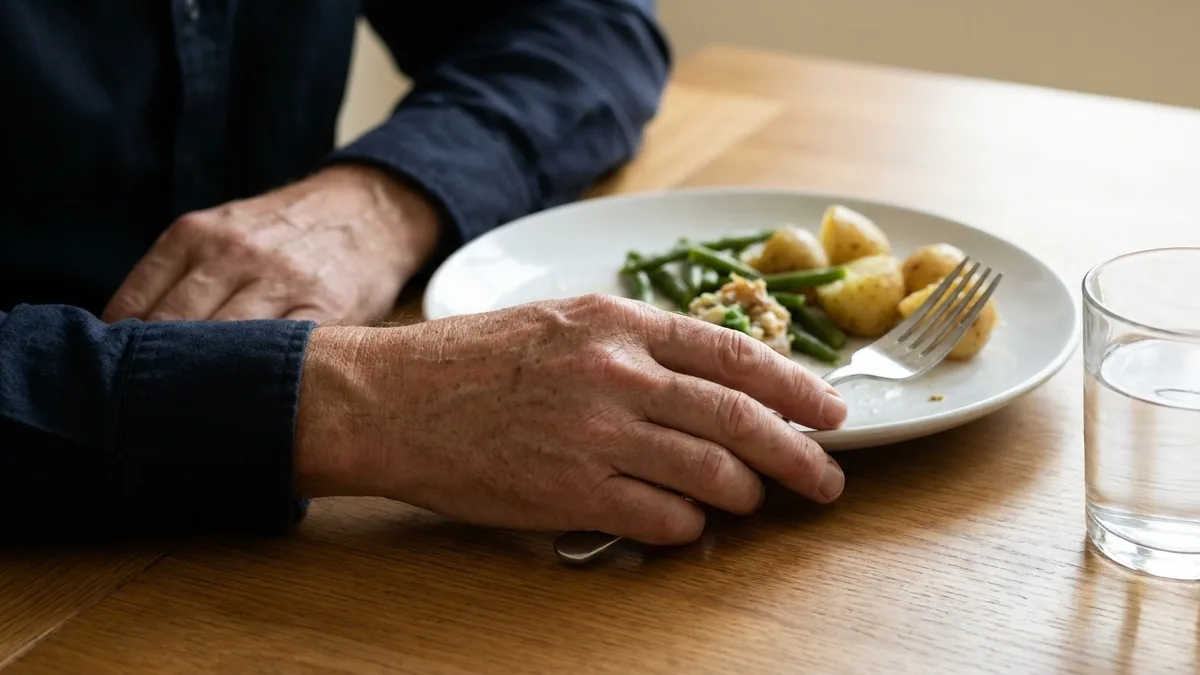
Slowing your meal doesn’t burn calories. It builds small pauses where fullness registers and you decide whether to keep going. Here’s the three-cue method.
Slowing your meal doesn’t burn calories. It builds small pauses where fullness registers and you decide whether to keep going. Here’s the three-cue method.

You want to know whether your daily reading habit actually helps your brain or simply feels productive. Headlines promise sharper memory and protection from dementia, but they often blur a brain responding to a story with a habit preventing disease. That confusion can leave you chasing a reading target researchers never established. The real findings … Read more

You keep losing your train of thought, and a 21-day brain reset sounds worth trying. Rereading the same paragraph or forgetting why you opened your phone can turn ordinary tasks into daily frustrations. These 17 actions offer a practical place to start, with clear explanations of what each may help. The next three weeks can … Read more

Your circle of friends can shrink with age until days pass without a real conversation. Those quiet stretches can leave you without support and with fewer chances to keep your thinking skills busy. Research on social connection and brain health links isolation with higher dementia risk, although it does not prove isolation causes it. The … Read more

You want hobbies that challenge your brain, but should you choose puzzles, a language app, or music lessons? It is easy to spend weeks chasing higher scores or longer streaks without knowing what those gains mean beyond the activity. Getting better at a game doesn’t automatically mean you’ll remember appointments more easily. Research offers a … Read more

Waking up tired after a full night in bed, hearing complaints about loud snoring, or being told that your breathing stops during sleep can be frustrating. For people with obstructive sleep apnea, the problem goes beyond poor sleep. Repeated breathing interruptions can lower oxygen levels, worsen daytime fatigue, and increase the risk of health complications … Read more

Learning something new after 50 can feel harder than it used to. When a lesson takes longer to stick, it’s easy to decide you’re too old and quit something you wanted to try. That decision can close the door on an activity you might enjoy for years. Research offers a reason to keep going, and … Read more

You want to keep your memory sharp, but most days you barely get out for a walk. When sitting fills your day, you miss a simple chance to support the brain you rely on for names, plans, and everyday tasks. Research on walking and your brain offers a reason to change that routine. The useful … Read more

Your mind keeps wandering, but your body feels too tense to settle. You reread the same paragraph, lose your place, and grow frustrated when trying harder does not help. Brain-friendly yoga offers a gentle way to practice focus while easing physical tension. The starting point is simpler than a deep stretch or a perfect pose. … Read more

The way you start your morning can affect how you feel throughout the day, including your heart health. Some common habits may seem harmless, but they can cause problems for people with high blood pressure or existing heart conditions. From rushing out of bed to choosing a sugary breakfast, small daily choices can influence blood … Read more