
Waking up tired after a full night in bed, hearing complaints about loud snoring, or being told that your breathing stops during sleep can be frustrating. For people with obstructive sleep apnea, the problem goes beyond poor sleep.
Repeated breathing interruptions can lower oxygen levels, worsen daytime fatigue, and increase the risk of health complications when the condition remains untreated.
The good news is that mouth and throat exercises may help reduce some sleep apnea symptoms by improving the function of muscles around the upper airway.
However, these exercises do not work for everyone, and they are not a guaranteed cure. The goal is to understand which movements may help, how to practice them safely, and when medical treatment is still necessary.
1. The Roof Press
Your tongue is a massive muscle that often falls backward during sleep. This exercise targets the genioglossus muscle at the base of your tongue. A strong genioglossus stays forward and out of the way of your windpipe.
Place the entire surface of your tongue against the roof of your mouth. Press upward with firm force and hold it there for three seconds. You should feel tension under your chin. Repeat this motion 10 times in a row.
2. The Tongue Slide
This movement builds coordination and flexibility in the upper airway. It specifically targets the muscles that control the soft palate. The soft palate is the fleshy area at the back of your mouth that vibrates when you snore.
Start by placing the tip of your tongue behind your top front teeth. Slide your tongue backward along the roof of your mouth as far as it can go. Hold it at the furthest point for three seconds before releasing. Do this 10 times.
3. The Downward Stretch
Weak throat muscles contribute heavily to snoring and airway blockages. This stretch pulls on the muscles of the lower pharynx to increase their resting tone. A tighter resting tone prevents the throat walls from caving in on themselves.
Stick your tongue out of your mouth as far as you can. Try to touch your chin with the tip of your tongue. Hold this extended position for three to five seconds until you feel a deep stretch. Repeat 10 times.
4. The Vowel Shout

Singers rarely suffer from severe sleep apnea because their throat muscles are highly conditioned. Rapidly pronouncing vowels exercises the muscles of the larynx and the back of the throat. It forces the airway to open wide and close tightly.
Say the vowels A, E, I, O, U out loud. Stretch your mouth wide and exaggerate the pronunciation of each letter. Speak them rapidly and forcefully. Repeat the entire vowel sequence 10 times.
5. The Cheek Hook

The buccinator muscles in your cheeks support the sides of your mouth and jaw. Weak cheek muscles can contribute to a narrow oral cavity. A narrow cavity leaves less room for your tongue to rest properly.
Place your right index finger inside your mouth against your right cheek. Pull the cheek outward while using your cheek muscle to pull inward against your finger. Hold the tension for three seconds. Do 10 repetitions on the right side, then switch to the left.
6. The Jaw Shift
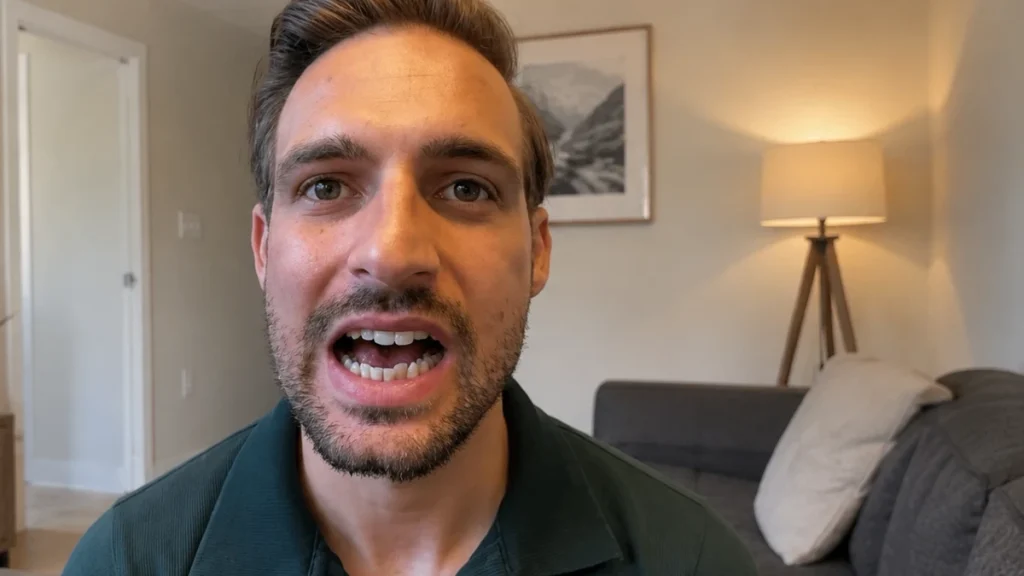
Your jaw position determines how much space you have at the back of your throat. A recessed jaw is a primary anatomical cause of sleep apnea. This movement conditions the masseter and temporalis muscles to maintain a healthy forward posture.
Keep your mouth closed and your lips sealed. Slide your lower jaw to the right side and hold for three seconds. Slide it to the left side and hold for three seconds. Perform 10 shifts on each side.
7. The Swallowing Hold

Swallowing requires a complex sequence of kbneuh muscle contractions. People with sleep apnea often have uncoordinated swallowing mechanisms. This exercise isolates the pharyngeal muscles and builds endurance.
Take a tiny sip of water or gather saliva in your mouth. Swallow normally but freeze the motion halfway through when your Adam’s apple is raised. Hold that raised position for three seconds before relaxing. Repeat this sequence five times.
8. The Tiger Yell
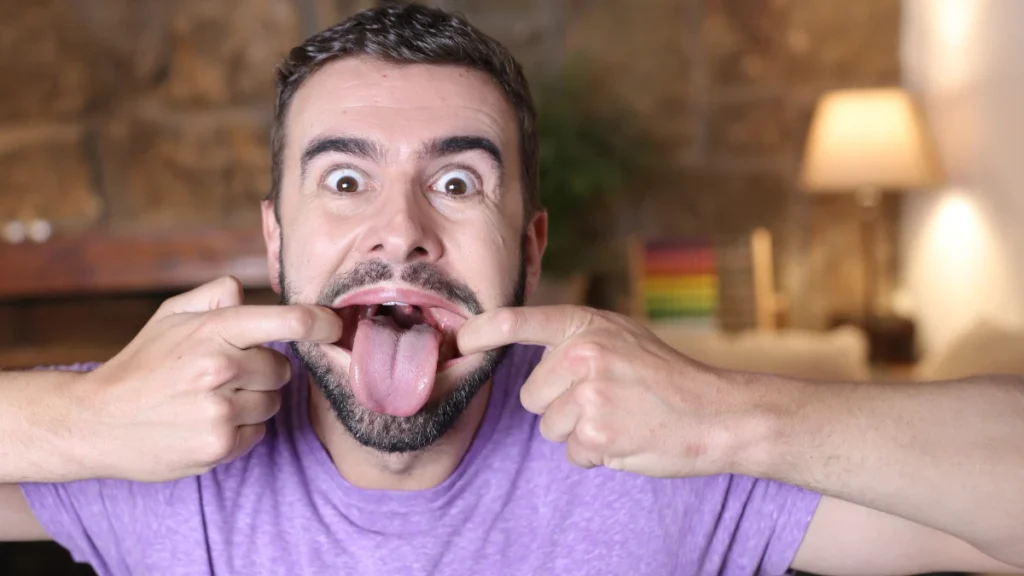
Opening your mouth extremely wide engages the muscles at the very back of the throat. This mimics yawning, which naturally opens the airway to its maximum capacity. It also stretches the soft palate upward.
Open your mouth as wide as physically possible. Stick your tongue straight out and say the word “ah” loudly. Hold this wide-open position for three seconds. Do this 10 times.
9. The Lip Pucker
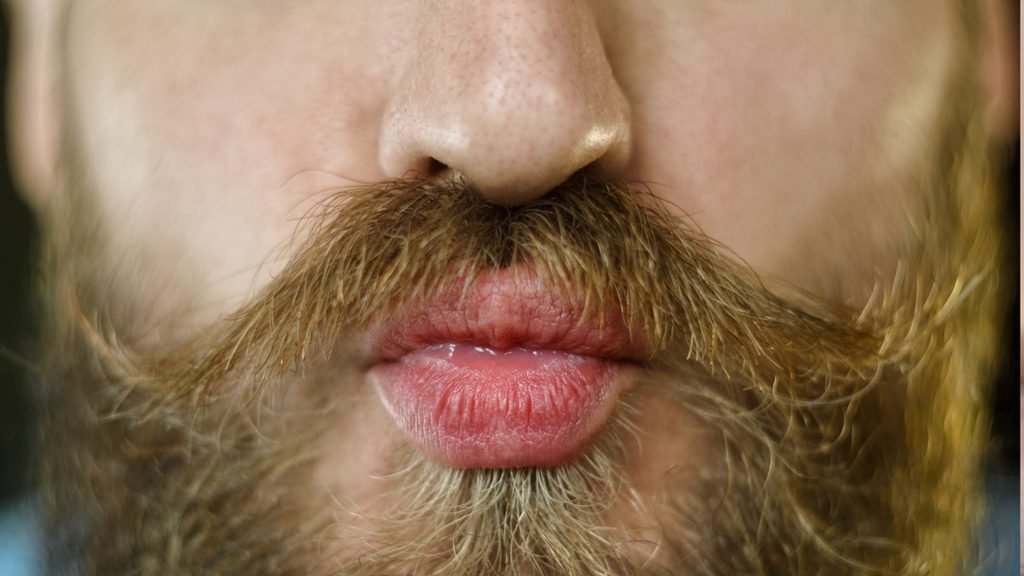
Breathing through your mouth during sleep practically guarantees a collapsed airway. Keep your lips sealed to promote nasal breathing. This exercise strengthens the orbicularis oris muscle around your mouth.
Pucker your lips tightly together as if you are going to kiss someone. Hold the tight pucker for three seconds. Now stretch your lips into a massive, closed-mouth smile and hold for three seconds. Alternate between puckering and smiling 10 times.
10. The Spoon Resistance
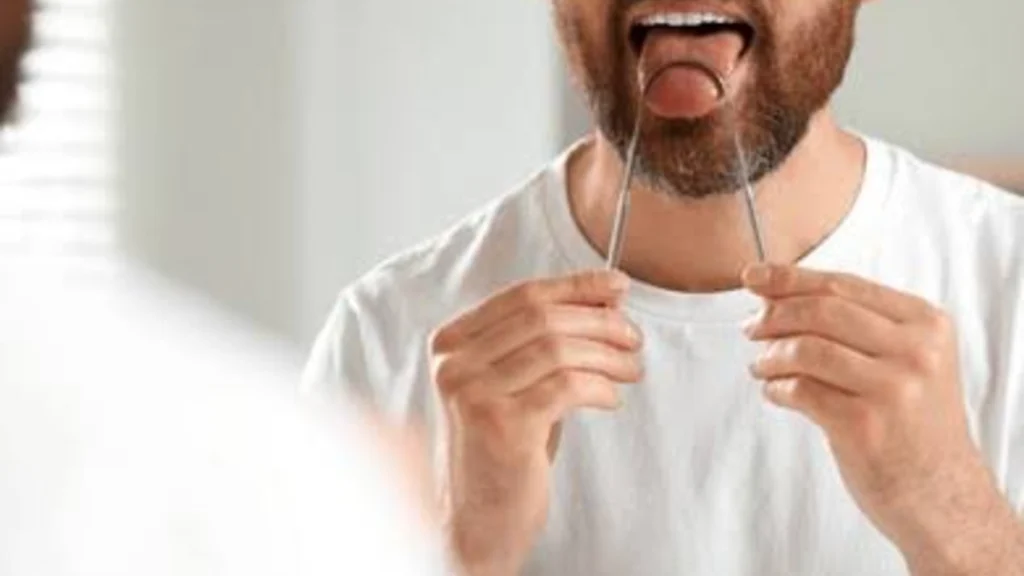
Adding physical resistance to your tongue muscles forces them to work harder. This is exactly like lifting weights for your airway. The added resistance builds muscle fiber density faster than free movement.
Take a clean spoon and hold it in front of your lips. Stick your tongue out and push the tip against the bowl of the spoon. Push hard for three seconds while holding the spoon steady with your hand. Repeat this resistance press 10 times
How to Build a Routine
Consistency matters more than intensity when it comes to myofunctional therapy. You cannot do these exercises once a week and expect your snoring to stop. The muscles in your throat need daily conditioning to change their resting state.
Most clinical studies require participants to practice for 20 to 30 minutes every single day. You will likely start seeing a reduction in snoring within three to four weeks. Real changes to your apnea events usually take three months of dedicated daily practice.
Quick Reference Exercise Schedule
You can split the exercises throughout the day to make the routine manageable.
| Time of Day | Exercises to Focus On | Goal |
| Morning | The Roof Press, The Tongue Slide, The Downward Stretch | Wake up the oral muscles and stimulate blood flow |
| Afternoon Commute | The Vowel Shout, The Jaw Shift, The Lip Pucker | Build endurance during idle time |
| Before Bed | The Swallowing Hold, The Tiger Yell, The Spoon Resistance | Precondition the airway for sleep |
