

Your circle of friends can shrink with age until days pass without a real conversation. Those quiet stretches can leave you without support and with fewer chances to keep your thinking skills busy. Research on social connection and brain health links isolation with higher dementia risk, although it does not prove isolation causes it.
The useful starting point is finding which kind of connection your week is missing. From there, keeping meaningful friendships can become more manageable.
How Social Connection and Brain Health Fit Together
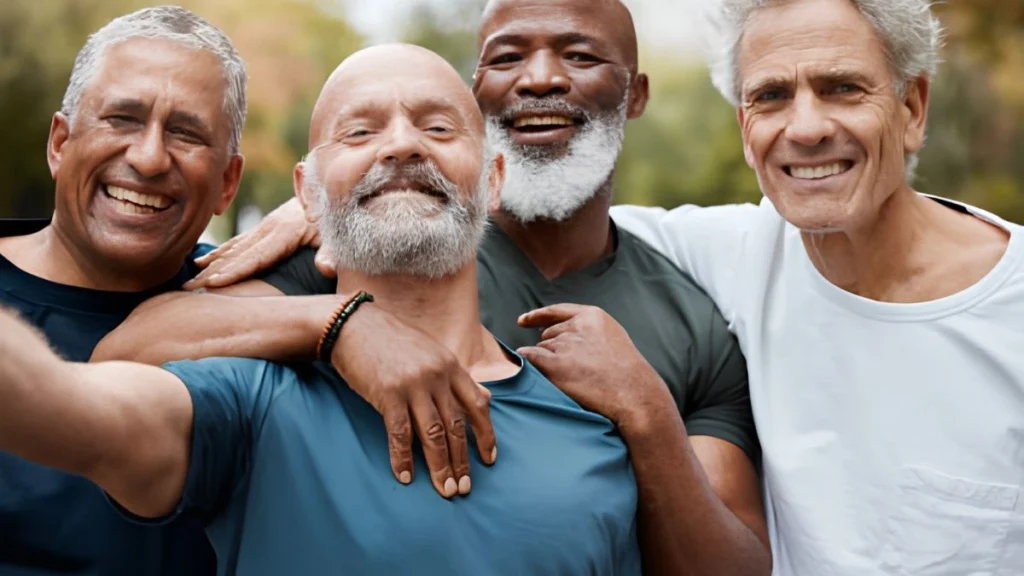
A conversation asks your brain to do several jobs at once. You follow the topic, remember details, read expressions, and decide how to respond.
Even a familiar story involves attention and language. When a friend mentions someone you both know, you connect the name with memories and keep track of what happened next.
Harvard Health explains that social exchanges engage several thinking skills together. This helps explain why researchers study conversation as one possible way to support cognitive health with age.
Friendship adds something else: a reason to keep participating. You may look forward to discussing a book or hearing how someone’s appointment went because the person matters to you.
What Those Dementia Risk Numbers Really Mean

A Johns Hopkins study followed 5,022 adults aged 65 and older for nine years. Social isolation was associated with a 27% higher relative risk of developing dementia compared with not being socially isolated.
That does not mean an isolated person has a 27% chance of developing dementia. It describes a comparison between groups, rather than a prediction for one person.
A separate 2024 analysis in Nature Mental Health examined loneliness. Its dementia analysis combined 21 samples involving 608,561 people and found an association with about 31% higher relative dementia risk.
| Research | What it examined | Main finding | Important limit |
|---|---|---|---|
| Johns Hopkins study, 2023 | Social isolation in 5,022 older adults over nine years | Isolation was associated with 27% higher relative dementia risk. | It could not establish cause and effect. |
| Nature Mental Health analysis, 2024 | Loneliness across 21 samples involving 608,561 people | Loneliness was associated with about 31% higher relative dementia risk. | Results varied across studies and cannot predict personal risk. |
These findings concern related but different experiences. The percentages should not be added together or treated as proof that making friends will prevent dementia.
They do give social health a place in the conversation about aging. Feeling disconnected deserves attention without turning every quiet weekend into a medical warning.
Alone and Lonely Are Different Experiences
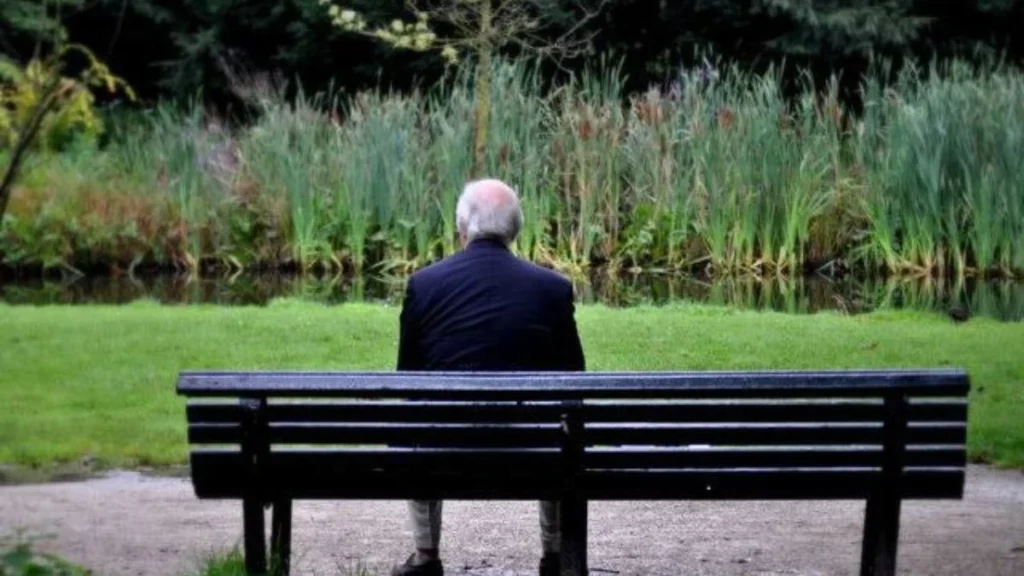
Social isolation means having limited relationships, contact, or support. Loneliness means feeling that the connection you have falls short of what you need.
A person who lives alone may enjoy dependable friendships. Someone surrounded by people may still feel unheard or disconnected, which is why the CDC distinguishes the two experiences.
Before filling your calendar, ask what feels missing. Is it conversation, practical help, companionship, or someone with whom you can speak honestly?
The answer can shape your next step. More group activities may help when contact is scarce, while a quieter conversation may better suit someone who already sees people but lacks closeness.
Enjoyable solitude also deserves respect. The aim is to build access to welcome connection, with room for the time alone you value.
Why Friendship Can Become Harder to Maintain
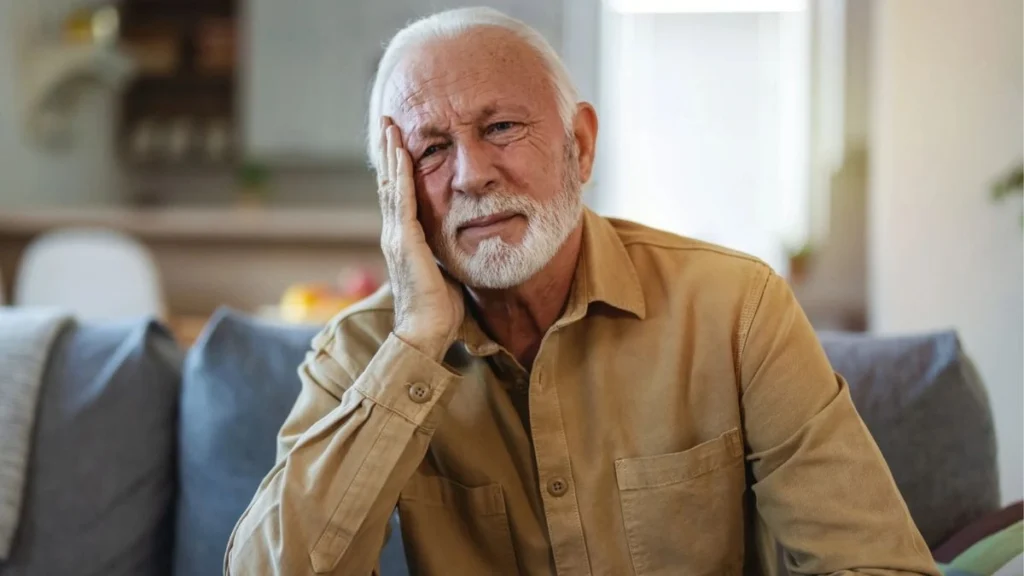
Retirement can remove the casual conversations that once happened without planning. Moving, caring responsibilities, and the death of loved ones can also change who is available.
Health can create another barrier. The National Institute on Aging identifies hearing loss, vision loss, and difficulty getting around as factors that can increase the risk of disconnection.
That matters when someone keeps declining invitations. A restaurant may be too noisy, transport may be difficult, or the outing may require more energy than they have.
Ask what would make meeting easier. An invitation becomes more useful when it comes with a workable place, time, and way to get there.
| Barrier | What may make contact difficult | A practical adjustment |
|---|---|---|
| Hearing difficulties | Background noise makes speech harder to follow. | Choose a quiet room and speak with one person at a time. |
| Mobility limitations | Travel, stairs, or long distances limit access. | Offer transport, an accessible venue, or a home visit. |
| Bereavement | Familiar companionship and shared plans have disappeared. | Offer a specific visit and continue checking in. |
| Distance | Meeting regularly is difficult. | Agree on a recurring phone or video call. |
These are practical responses to barriers described by NIA, rather than treatments for memory problems. Choose an adjustment with the person, allowing them to say what feels helpful.
Friendship Can Support More Than Conversation

Supportive friends can help people cope with illness, loss, and other difficult events. Mayo Clinic also notes that friends can encourage healthier habits, including being more active.
This gives friendship several possible routes to better health. A walking partner offers company and a reason to get outside, while a trusted listener offers space to talk through a worry.
Researchers also study stress as a possible link. NIA explains that prolonged loneliness can activate stress responses and may contribute to chronic inflammation.
These pathways overlap, which makes the science difficult to separate. Better sleep, movement, mood, and support may all influence the relationship between social life and health.
There is no need to treat a friend as a health coach. Choose activities you both enjoy, allowing companionship and healthy routines to fit together naturally.
Can a Phone or Video Call Make a Difference?

Distance and limited mobility make this a useful question. Researchers have tested whether regular conversation delivered at home can support thinking skills.
The I-CONECT trial enrolled 186 socially isolated adults aged 75 and older without dementia. Some had normal cognition, while others had mild cognitive impairment.
The intervention involved structured video conversations for 30 minutes, four times weekly for six months, followed by a less frequent phase. Researchers reported benefits on some cognitive tests, making this promising evidence for further study.
The trial tested a planned intervention with trained interviewers. It did not establish that ordinary video calls prevent dementia or that everyone should follow its schedule.
The conversation schedule used in I-CONECT was a research protocol, not a personal treatment plan. There is no established number of calls or visits that guarantees better memory.
For everyday friendship, choose technology that both people can use comfortably. If video settings turn a catch-up into a frustrating task, a familiar phone call may be easier to maintain.
Make the Next Invitation Specific

“Stay in touch” expresses a kind intention but leaves the work unfinished. A suggested time and activity makes it easier for someone to answer.
Try offering a short call on Tuesday or a visit after lunch. Leave room for the other person to suggest a different plan.
Harvard Health recommends beginning with a simple message when reconnecting. Mentioning a shared memory can provide an easy opening after a long gap.
Avoid making the first message an apology that requires reassurance. A brief note saying you were thinking of the person gives them a clear, friendly invitation.
If they respond warmly, make the next plan together. If they do not, respect their space and consider another connection you would enjoy renewing.
Try This Today
- Message one person and suggest a specific time to talk.
- Put one agreed call or visit on your calendar.
- Choose somewhere quiet enough for comfortable conversation.
- Ask whether transport or technology could make meeting easier.
- Bring up a shared interest and leave time to listen.
Three Questions Readers Often Ask
How Many Friends Are Enough?

Mayo Clinic emphasizes that the quality of friendships matters more than the number. Close, meaningful relationships deserve attention even when your circle is small.
A friend count cannot tell you whether your social needs are met. Consider whether you feel heard and whether there are people you can turn to for company or support.
The table below offers different ways to connect. Use it to choose a realistic starting point rather than to fill every row.
| Form of contact | What it can offer | A manageable starting point |
|---|---|---|
| A trusted conversation | Emotional support and belonging | Arrange a quiet catch-up with time for both people to speak. |
| A shared walk | Companionship alongside physical activity | Choose a route and pace that suit both people. |
| A phone or video call | Contact when meeting is difficult | Agree on a time and use familiar technology. |
| A message to an old friend | An opening to reconnect | Mention a shared memory and ask how they are. |
These options reflect Mayo’s friendship guidance and Harvard’s advice on reconnecting. They offer different ways to begin, without promising a particular cognitive result.
How Soon Might Memory Improve?
Research does not provide a dependable timetable for memory changes after making friends or increasing contact. Findings from a structured trial cannot become a promise about what you will notice.
Harvard Health also notes that an established minimum amount of social connection is lacking. Avoid judging a new routine by whether recall improves after a few calls.
Instead, notice whether you enjoy the contact and want to continue it. Friendship has value even when no measurable memory change follows.
What If Socializing Feels Exhausting?

Start by identifying what takes the effort. Noise, travel, long visits, and hearing difficulties may each call for a different adjustment.
A shorter visit or quieter setting can be a practical choice. NIA’s guidance recognizes that sensory and mobility changes can limit connection, so addressing access belongs in the plan.
If the reluctance is new or comes with low mood or other health changes, discuss it with a clinician. You do not have to solve every barrier by pushing yourself to attend more events.
Give Friendship a Place in Your Week

Friendship creates opportunities for conversation, support, and shared routines as life changes with age. Research connects social well-being with cognitive health, while leaving important questions about cause and effect unanswered.
Begin with one person and a plan you can both manage. A regular exchange can give you something to look forward to and someone with whom to share what matters.
