

The way you start your morning can affect how you feel throughout the day, including your heart health. Some common habits may seem harmless, but they can cause problems for people with high blood pressure or existing heart conditions.
From rushing out of bed to choosing a sugary breakfast, small daily choices can influence blood pressure, blood sugar, and overall cardiovascular health. The good news is that you do not need to change your entire routine to make healthier choices.
A few simple adjustments can help you build a more heart-friendly morning. Here are seven habits worth paying attention to and some practical ways to improve them.
1. Leaping Out of Bed Immediately

Getting out of bed too quickly may leave you feeling dizzy, lightheaded, or unsteady, especially if your blood pressure drops when you stand up. During sleep, your body rests.
The transition from lying down to standing requires your circulation to adjust to the change in position. For some people, particularly older adults and those taking certain blood pressure medicines, this adjustment does not happen quickly enough. As a result, less blood may briefly reach the brain, causing dizziness or a feeling of weakness.
Instead of jumping straight to your feet, take a moment to wake up properly. Sit on the edge of your bed, move your feet gently, and give yourself time before standing. If you often feel dizzy in the morning, discuss it with your doctor rather than assuming it is a normal part of getting older.
2. Drinking Coffee Before Water

For many people, coffee is the first thing they reach for after waking up. However, after several hours of sleep without drinking anything, starting your morning with a glass of water can be a sensible habit.
Your body continues to lose water overnight through breathing and other normal processes, although the amount varies from person to person. Drinking water helps replace those fluids and supports normal circulation. Coffee also contributes to your daily fluid intake, so there is no need to believe that one cup automatically causes dehydration.
Still, caffeine can temporarily raise blood pressure in some people, particularly those who do not consume it regularly or are sensitive to its effects. Try drinking a glass of water after waking, followed by your usual coffee if it suits you.
If you have a heart or kidney condition that requires fluid restriction, follow your healthcare provider’s advice about how much water is appropriate.
3. Taking a Steaming Hot Shower

A hot shower can feel relaxing first thing in the morning, especially during cold weather. However, very hot water can widen your blood vessels and cause your blood pressure to fall temporarily.
Some people may experience dizziness, weakness, or a racing heartbeat as their bodies respond to the change in temperature.
The effects can be more noticeable in older adults and people who already have low blood pressure or take certain medications. You do not necessarily need to give up your morning shower, but choosing comfortably warm water instead of extremely hot water may help you feel more comfortable.
Avoid standing under very hot water for long periods if you tend to become lightheaded. Taking your time when getting out of the shower can also reduce the chance of losing your balance.
If hot showers repeatedly leave you dizzy or unusually breathless, speak with a healthcare professional to find out what may be causing the symptoms.
4. Skipping Your Morning Warm-Up
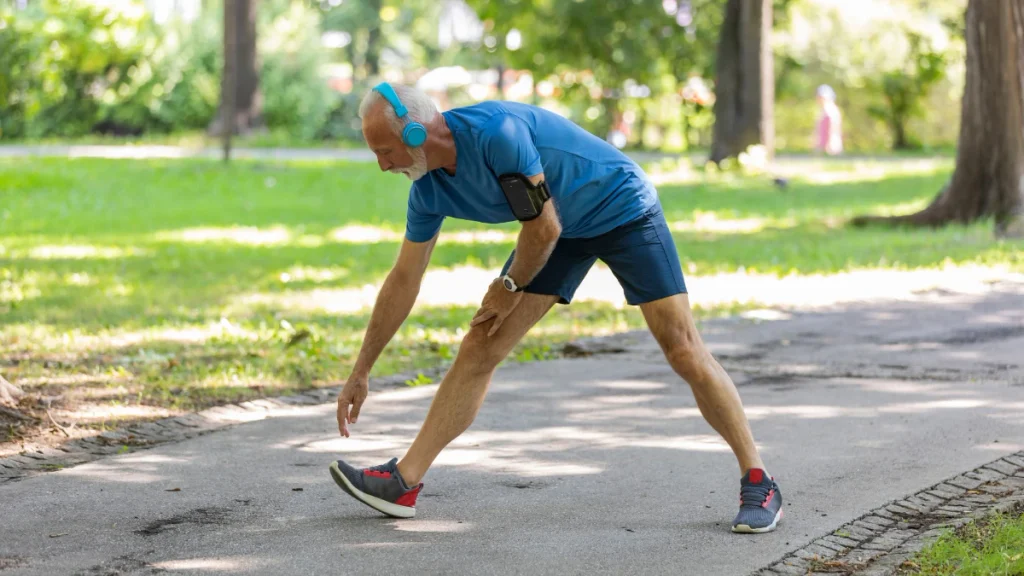
Exercise matters for heart health, but moving suddenly from hours of rest to intense activity can be uncomfortable for your body. If you begin your morning with fast running, heavy lifting, or a demanding workout, your heart rate and blood pressure can rise quickly.
A gradual warm-up gives your body time to adjust and prepares your muscles and joints for more vigorous movement. Start with a few minutes of easy walking, gentle marching in place, or comfortable movements that suit your fitness level. Then slowly increase the intensity if you feel well.
There is no need to push yourself hard immediately after waking to get the benefits of exercise. Regular physical activity throughout the week matters more than forcing yourself through an intense morning workout.
If you have heart disease, experience chest discomfort during exercise, or have been advised to limit physical activity, ask your healthcare provider which exercises and intensity levels are safe for you.
5. Eating a High-Sugar Breakfast

A sugary breakfast may provide quick energy, but it might not keep you satisfied for very long. Sweet pastries, sugar-coated cereals, and heavily sweetened drinks can contain large amounts of added sugar while providing little protein or fiber.
These foods can raise blood glucose levels quickly, especially in people with diabetes or insulin resistance. Over time, a diet consistently high in added sugars can contribute to weight gain and increase the risk of health problems that affect the heart.
A more balanced breakfast can help you start the day with steadier energy and better overall nutrition. Consider oatmeal with nuts, eggs with whole-grain toast, or plain yogurt with fruit, depending on your preferences and dietary needs.
These options provide a mixture of nutrients that can help you feel full for longer. You do not have to avoid every sweet food, but making balanced choices most mornings is a practical way to support your cardiovascular health.
6. Delaying Your Blood Pressure Medication

If you take medication for high blood pressure, following your prescribed schedule is an important part of protecting your health. It can be tempting to delay a dose when you are rushing to get ready for work or dealing with a busy morning.
Repeatedly missing or changing doses can make blood pressure more difficult to control. Blood pressure often follows a daily pattern and may rise after waking, but the timing and size of this increase differ among individuals.
Choose a routine that helps you remember your medication, such as taking it alongside an established daily activity, if that fits your prescription.
Never double a missed dose or change the timing without checking the medicine’s instructions or asking a pharmacist or doctor. Consistency is far more useful than following a timing rule that may not suit your treatment plan.
7. Shoveling Snow or Lifting Heavy Objects

Heavy physical work in cold weather can place considerable demands on the cardiovascular system, particularly in people who are not used to strenuous activity. When temperatures drop, blood vessels may narrow, which can increase blood pressure.
At the same time, lifting heavy objects or shoveling snow requires the heart to work harder to supply the muscles with oxygen. For someone with underlying coronary artery disease or poorly controlled blood pressure, this combination can increase the risk of a serious cardiac event.
The danger is not limited to people over 50, although age and existing health conditions can affect individual risk. If you have heart disease or have been told to avoid strenuous activity.
Do not ignore chest pressure, unusual breathlessness, or faintness while working. These symptoms require immediate attention rather than an attempt to finish the task.
8. Hitting snooze repeatedly

Fragmented sleep is uniquely stressful for your cardiovascular system. Every time your alarm goes off, your brain releases a fresh burst of adrenaline to shock you awake. Hitting the snooze button five times means you are putting your heart through five separate adrenaline surges.
This constant state of start and stop raises your resting heart rate for the rest of the day. It also keeps your cortisol levels artificially high. Set your alarm for the exact time you actually need to get up, and force yourself to turn it off once
9. Reading stressful news in bed

Grabbing your phone and reading stressful headlines while still under the covers activates your amygdala. This is the fear center of your brain, and it responds to bad news by flooding your body with stress hormones. You are essentially triggering a fight-or-flight response before you have even brushed your teeth.
This mental stress translates into physical vasoconstriction and an elevated heart rate. Your heart does not know the difference between a stressful email and a physical threat. Wait at least an hour before checking the news to let your morning hormones stabilize.
10. Chugging ice-cold water

Hydration is critical, but ice-cold water can shock your vagus nerve. This nerve runs directly from your brain down into your chest and controls your resting heart rate. A sudden blast of ice water can trigger a vagal response, causing your heart rate to drop suddenly and dangerously.
This sudden drop can lead to fainting or trigger an irregular heartbeat in sensitive individuals. Always drink room-temperature or slightly warm water first thing in the morning. This hydrates your thick blood gently without shocking your delicate nervous system.
11. Skipping breakfast completely

Intermittent fasting is popular, but skipping breakfast entirely can stress the cardiovascular system in some older adults. Prolonged fasting forces your body to keep cortisol levels elevated to maintain your blood sugar. For people with existing hypertension, this ongoing stress response keeps morning blood pressure dangerously high.
You do not need a massive meal, but a small handful of almonds or a piece of fruit signals your body that the fast is over. This allows your stress hormones to lower naturally. Listen to your body and never force a morning fast if it makes you feel lightheaded or jittery.
12. Jumping Into a Cold Plunge

Cold exposure therapy is highly trendy, but it can be lethal for an aging heart. Plunging into freezing water triggers the cold shock response, causing instantaneous and massive total-body vasoconstriction. Your heart has to work incredibly hard against this sudden extreme resistance.
For healthy young athletes, this builds resilience. For an adult over 50 with hidden arterial plaque, this shock can easily trigger a heart attack or a fatal arrhythmia. Stick to mild temperature changes and never shock your system without strict medical supervision.
Better Morning Swaps for Heart Health

Building a heart-friendly morning does not mean giving up every habit you enjoy. In many cases, small and realistic changes are easier to maintain than a complete lifestyle overhaul.
Drinking water after waking, choosing a balanced breakfast, and giving yourself enough time to get ready can make your morning feel less rushed. Regular physical activity, a consistent sleep schedule, and taking prescribed medication as directed also support long-term health.
Remember that no single drink or breakfast food can protect you from heart disease on its own. The bigger picture includes your overall diet, activity level, sleep, stress, and management of conditions such as high blood pressure and diabetes.
| Common Habit | A Healthier Alternative | Why It May Help |
|---|---|---|
| Drinking coffee as soon as you wake up | Start with a glass of water if you are thirsty | Helps replace fluids lost overnight |
| Rushing out of bed | Sit briefly before standing | May reduce dizziness caused by sudden position changes |
| Eating sugary cereal every morning | Try oatmeal with nuts or seeds | Provides fiber and may help you feel full longer |
| Starting exercise at full intensity | Begin with gentle movement | Allows your body to adjust to increasing activity |
| Forgetting blood pressure medicine | Follow a consistent reminder routine | Helps you take medication as prescribed |
| Doing heavy outdoor work without breaks | Pace yourself and rest when needed | Helps avoid sudden, excessive physical strain |
