

Learning something new after 50 can feel harder than it used to. When a lesson takes longer to stick, it’s easy to decide you’re too old and quit something you wanted to try. That decision can close the door on an activity you might enjoy for years.
Research offers a reason to keep going, and a clue about the kind of learning that may help your memory. The difference lies in what the activity asks your brain to do.
Learning Something New After 50 Is Still Possible

A slower start does not mean your brain has lost the ability to learn. The National Institute on Aging reports that older adults can still learn skills, form memories, and improve their vocabulary. Extra time can help with unfamiliar tasks.
That matters when you are staring at a confusing camera menu or trying to remember three guitar chords. The first few lessons measure how unfamiliar the task is, not your final ability.
By midlife, many people spend much of the day using skills they already know. Becoming a beginner changes that comfortable pattern, which can make ordinary mistakes feel more personal than they need to.
What Changes When Your Brain Learns
The brain’s ability to adapt through experience is called neuroplasticity. Cleveland Clinic explains that learning can involve changes in connections between nerve cells. This ability continues throughout life, although older learners may need more time and patience.
A new skill can ask you to use several thinking abilities together. You may need to hold an instruction in mind, recall an earlier lesson, and decide what to do when something goes wrong.
Consider learning to sew a cushion cover. You have to interpret a pattern, measure fabric, follow a sequence, and correct mistakes. The finished cushion is useful, but the learning happens during those decisions.
This does not mean every difficult task improves every part of thinking. It does explain why researchers study activities that require people to acquire and apply new knowledge.
The Study That Put Hobbies to the Test
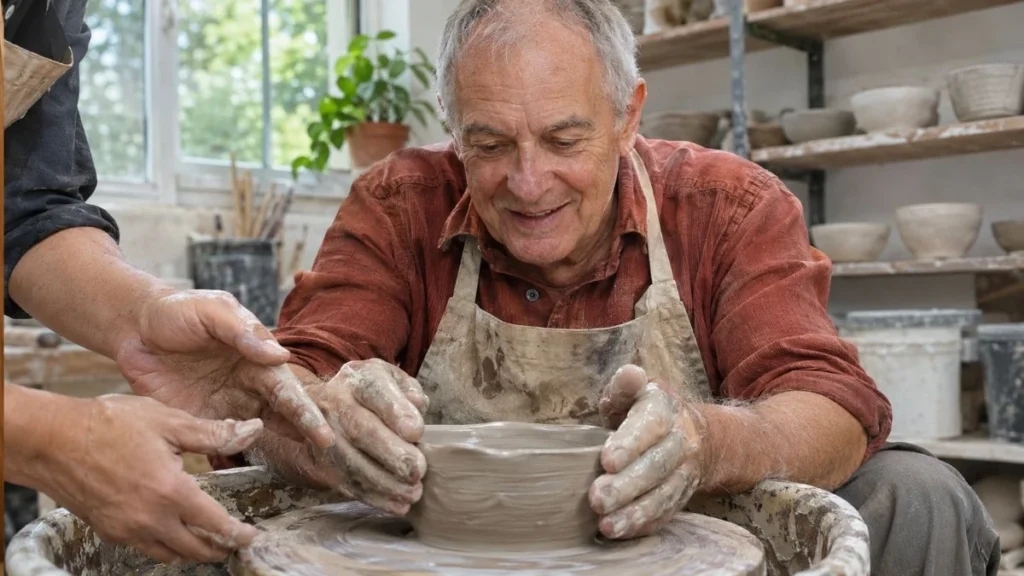
The Synapse Project offers a concrete example of this research. Led by Denise Park at the University of Texas at Dallas, it examined whether sustained learning could improve thinking abilities in older adults.
Published in Psychological Science in 2014, the study enrolled 259 adults ages 60 to 90. Of those, 221 completed the 14-week program. The demanding learning groups studied photography, quilting, or both.
| Study feature | What researchers reported | Why it matters |
|---|---|---|
| Age range | Participants were 60 to 90 | The trial did not directly test people in their 50s |
| Duration | A 14-week program | Results followed sustained engagement |
| Practice time | Demanding learning groups averaged about 16.5 hours weekly | This was a substantial commitment |
| Main finding | Greater episodic memory improvement than in less demanding comparison conditions | The benefit concerned a particular memory ability |
Episodic memory helps people remember events and experiences. The study’s demanding activities called on working memory, longer term memory, and reasoning as participants learned unfamiliar procedures.
The findings are encouraging, but their limits lie beside them. The trial did not prove that every hobby works equally well, that the same results apply to everyone over 50, or that taking a class prevents dementia.
Choose a Skill With Somewhere to Go

The most useful question is not simply whether an activity keeps you occupied. Ask what it will require you to learn next.
In the Synapse Project, people acquired unfamiliar skills and used them in practical projects. Photography participants learned camera and computer skills, while quilting participants learned design and sewing techniques.
| Studied activity | What participants learned | Examples of thinking demands |
|---|---|---|
| Digital photography | Photography and photo editing skills | Learning software, remembering procedures, applying techniques |
| Quilting | Designing and sewing quilts | Following patterns, planning steps, solving construction problems |
| Combined learning | Photography and quilting during different parts of the program | Applying unfamiliar procedures across two activities |
For an adult over 50, the right starting point depends on experience. A simple sewing project may challenge a complete beginner, while someone who has sewn for decades may need a new technique to encounter unfamiliar material.
The same practical idea can guide other interests. A musician could try a different style, or a language learner could move from memorized phrases to a short conversation. These are learning options, not activities shown by this particular trial to produce the same memory results.
Choose something you would still value without a brain health promise. Enjoying the skill gives you a reason to return when a lesson feels awkward.
Make Practice Easier to Return To

An ambitious plan can become another reason to put learning off. Start by choosing a task small enough to finish during an ordinary week.
For photography, that might mean learning one camera setting. For sewing, it could mean practicing a straight seam on spare fabric. A clear task gives the session a purpose.
Reduce competing demands while you practice. Mayo Clinic recommends limiting distractions, focusing on information you want to remember, and repeating new information when learning it.
That could mean turning off the television, closing unrelated tabs, and keeping instructions nearby. Notes are a useful tool, especially when an unfamiliar device has several steps.
Try This Today
- Choose one skill you want to learn.
- Set aside 15 quiet minutes for one small task.
- Turn off phone notifications during practice.
- Write down what worked and the next thing to try.
This is a manageable starting plan, not a proven dose for improving memory.
Expect Effort Without Making Every Lesson a Struggle
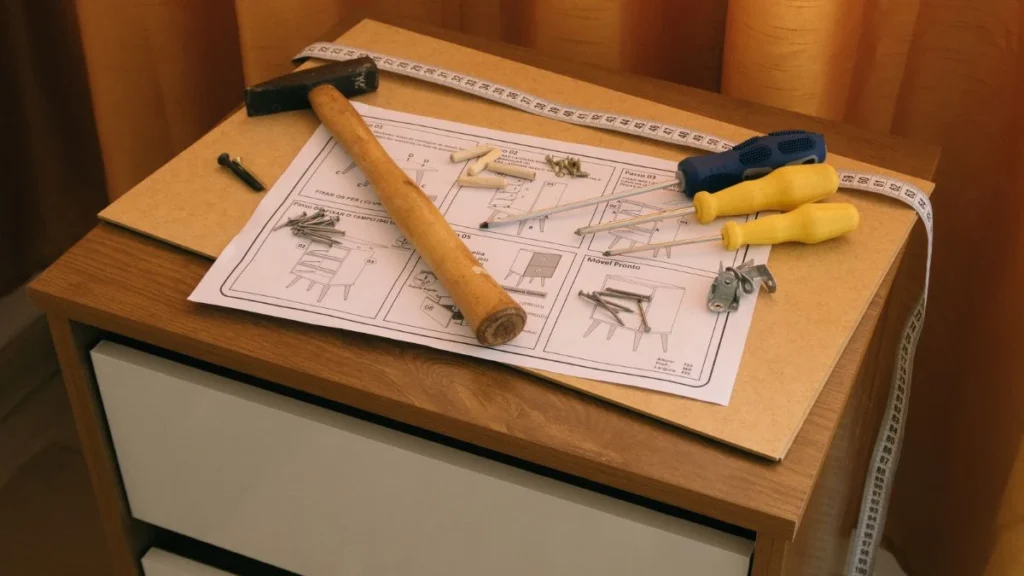
An unfamiliar activity will probably require concentration. You may forget a step or need to repeat a demonstration, particularly when several new instructions arrive at once.
The National Institute on Aging notes that some older adults perform less well on complex learning tests but can do as well when given enough time. Speed and ability are not the same thing.
If every session feels impossible, adjust the task. Ask for a slower demonstration, choose a simpler project, or practice one part before adding another.
You can also adjust the setting. A larger screen, clearer instructions, or a quieter room may make the lesson easier to follow without changing what you are trying to learn.
The goal is steady progress you can sustain. There is no need to turn a hobby into a test of whether your brain is aging well.
How Long Before You Notice a Benefit?
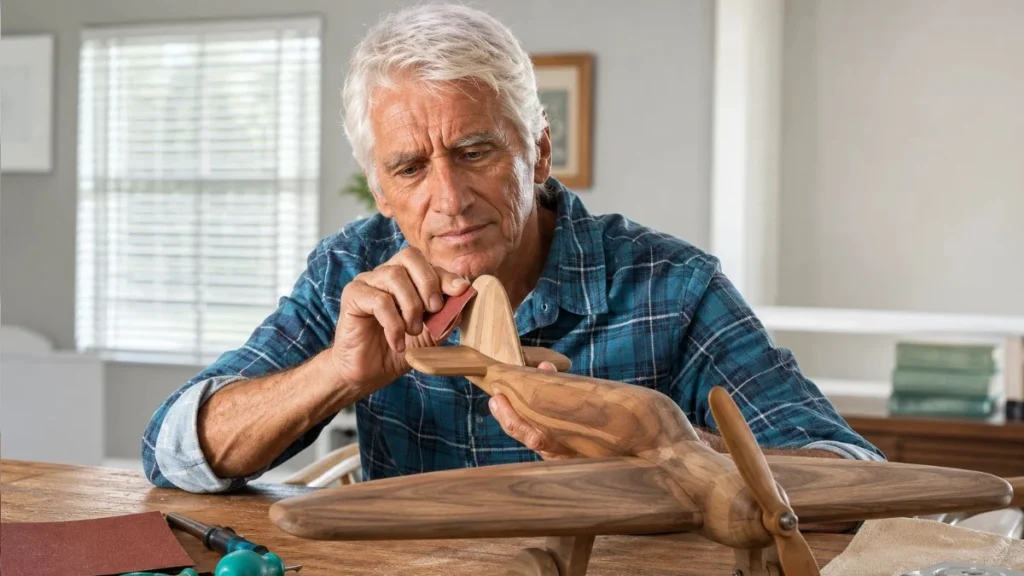
The honest answer is that researchers cannot give every learner a reliable timetable. The Synapse results followed a 14-week program, not a single class or a few short practice sessions.
For your own progress, watch the skill itself. Perhaps you can follow a pattern with fewer reminders or explain a camera setting that confused you last month.
These are signs that you are learning. They do not establish that your general memory has improved or measure your risk of dementia.
NIA says evidence for lasting cognitive benefits from these types of activities is not definitive. More research involving larger, more diverse groups is needed.
That uncertainty does not make learning pointless. A skill can earn its place in your life through enjoyment, usefulness, or the satisfaction of making progress.
Does Learning With Other People Help?

A class can provide instruction, feedback, and a regular time to practice. It can also give adults over 50 a reason to meet people beyond familiar work or family circles.
However, the social part should not be confused with the learning result. In the Synapse Project, the demanding learning conditions produced greater memory improvement than activities centered on social engagement or lower cognitive demands.
Social contact still matters for other reasons. NIA describes promising research on creative activities that may support quality of life, self-esteem, and social interaction, while stressing the need for further study.
Choose a group if it helps you show up and enjoy the process. Learning at home is also an option when transport, cost, or scheduling makes a class difficult.
Be Careful With Brain Training Promises

A game score can tell you that you are getting better at a game. It cannot, by itself, prove that the improvement extends to managing appointments, remembering conversations, or preventing disease.
NIA warns that commercially available brain training applications have not established the same effects as training used in major clinical trials. Research findings about a particular training program should not be treated as evidence for every app.
Before paying for a subscription, consider whether you enjoy using it and whether its claims are realistic. An enjoyable tool may be worthwhile without being a medical intervention.
A practical skill offers another way to track progress. You can see the photograph you edited, hear the tune you practiced, or use the item you made.
Keep Learning Beside the Rest of Brain Health

A new hobby does not remove the need to care for sleep, movement, and existing health conditions. Brain health involves more than mental practice.
NIA describes healthy eating, physical activity, and learning as parts of maintaining cognitive health. These habits belong together rather than competing for the title of the single best answer.
If concentration is difficult, consider what else is happening. Poor sleep, depression, hearing loss, and some medicines can affect memory, according to Mayo Clinic. Those concerns deserve attention rather than being dismissed as a lack of effort.
For adults over 50, this can make learning more realistic. A useful plan accounts for health needs and daily responsibilities instead of demanding perfect performance.
Know When Memory Changes Need Medical Attention

Difficulty with a new skill is different from increasing difficulty with familiar daily tasks. One frustrating lesson does not diagnose a memory disorder, but worsening changes should not be brushed aside.
| Situation | What it may mean for your next step |
|---|---|
| A new task takes longer to learn | Allow more time and repetition |
| Distractions interrupt practice | Try a quieter setting and focus on one task |
| Memory problems keep getting worse | Arrange a medical assessment |
| Changes interfere with daily activities or concern someone close to you | Contact a healthcare professional |
Mayo Clinic specifically advises seeking help when memory worsens, affects daily activities, or concerns family or friends. A healthcare professional can assess possible causes and decide whether testing is needed.
When to Contact a Healthcare Professional
- Memory problems are becoming more frequent or severe.
- Forgetfulness interferes with familiar daily activities.
- A family member or friend notices concerning changes.
These signs deserve an appointment. A new hobby should not become a reason to delay assessment.
Let Yourself Be New at Something

Learning after 50 does not require pretending that age changes nothing. It requires leaving room for the fact that learning remains possible.
Research supports cautious optimism about demanding new skills and certain memory benefits. It does not offer a guarantee, a universal schedule, or a hobby that prevents dementia.
Choose something you want to know how to do, and make the first task manageable. Give yourself time to move beyond the awkward beginning and find out what you can learn.
