
Portion Size Tricks That Help You Eat Less Without Noticing

Fourteen physical swaps — smaller plates, measured spoons, pre-portioned packs — that shrink servings before hunger gets a vote. No counting, no weighing.
 Claudia Dionigi
Fourteen physical swaps — smaller plates, measured spoons, pre-portioned packs — that shrink servings before hunger gets a vote. No counting, no weighing.
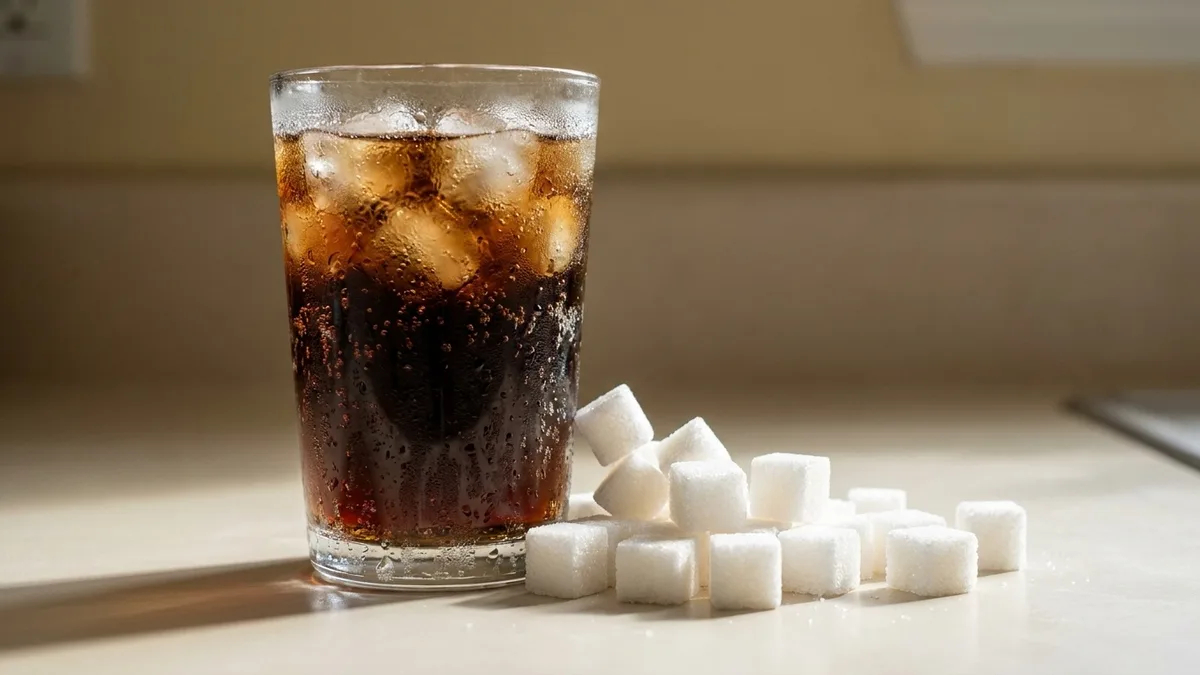
Your daily soda, juice or latte may be the reason the scale won’t budge. Here’s how liquid calories hide in plain sight and the one swap to make first.
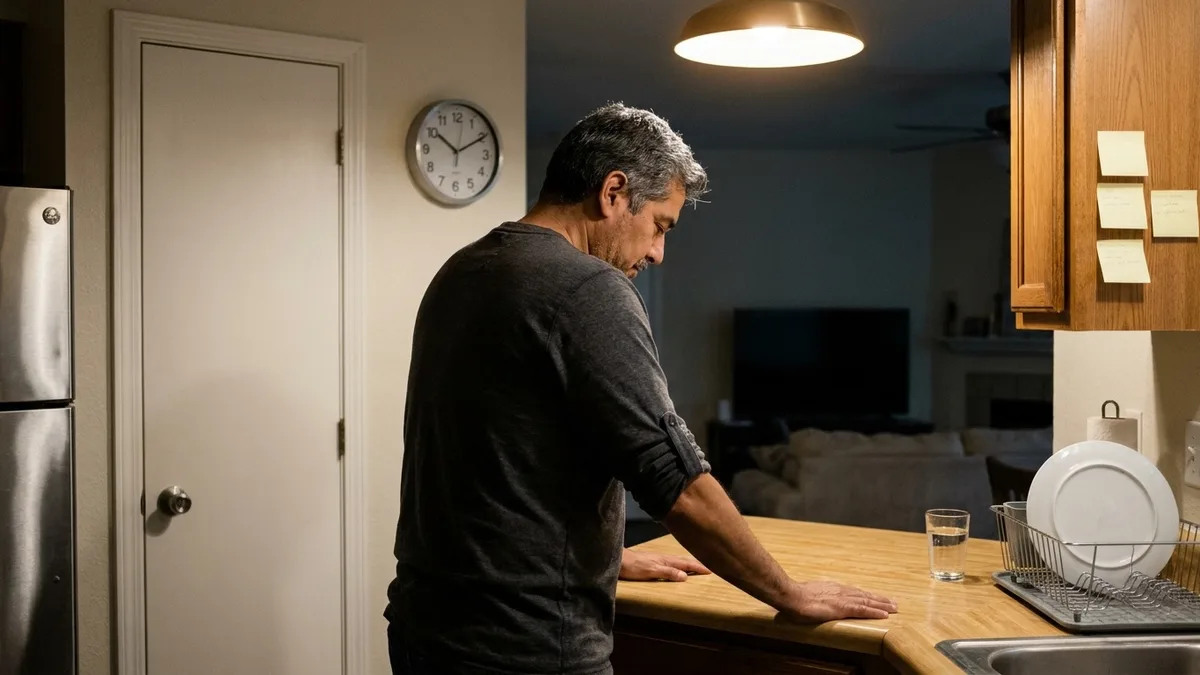
The 9:45 pm cupboard trip is one specific driver, not a willpower problem. Here are seven matched fixes and how to run the one that fits for five days.
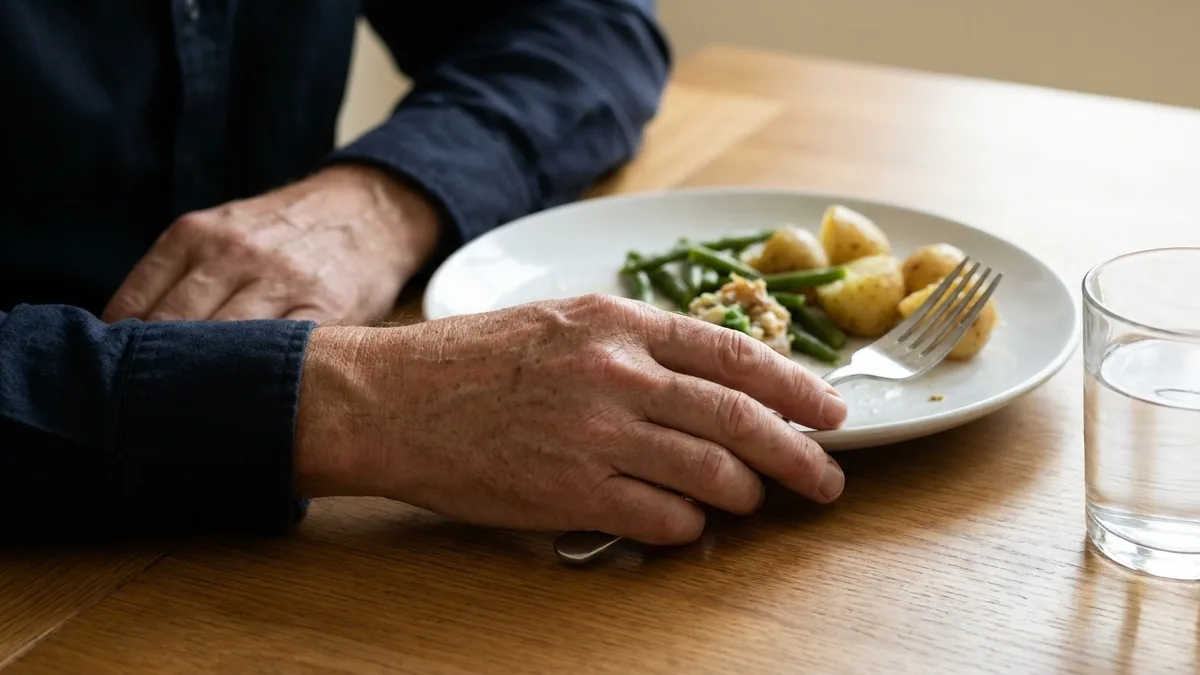
Slowing your meal doesn’t burn calories. It builds small pauses where fullness registers and you decide whether to keep going. Here’s the three-cue method.

Your eyesight can change slowly enough that you barely notice it happening. Reading becomes harder, headlights glare more at night, or the center of a page starts looking less sharp. The problem is that aging eyes face years of oxidative stress, and conditions such as cataracts and age-related macular degeneration become much more common later … Read more
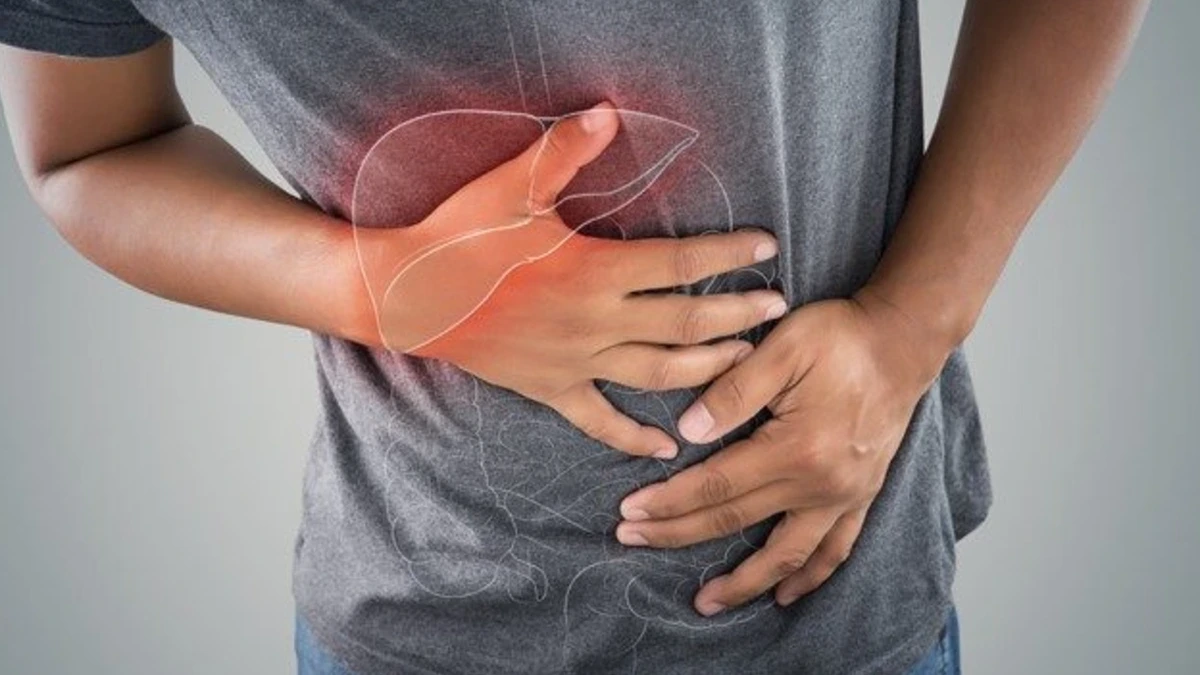
Pancreatic cancer is frightening partly because the earliest changes can be easy to mistake for ordinary digestive trouble, aging, or blood sugar problems. But the headline needs one important correction: the body does not always give months of obvious warning. Early pancreatic cancer often causes no noticeable symptoms at all, which is one reason it … Read more

Your brain changes as you get older, but scientists are learning that some of those changes may be far more flexible than people once assumed. The real concern is that shrinking brain tissue, poorer blood vessel health, and changes in neural connections can begin before obvious memory trouble appears. Yet one of the most interesting … Read more

Many people think protecting their brain means doing crossword puzzles, taking supplements, or memorizing lists of words. But one surprisingly simple activity has caught researchers’ attention for years: dancing. A study often mentioned for its 76% dementia risk reduction finding looked at older adults who regularly participated in leisure activities, including dancing. The result was … Read more

Your last HbA1c number felt like a report card you didn’t study for. You know the drill: eat better, move more, but nothing seems to move that number. Ignore it long enough, and it adds up. Higher HbA1c over years is linked to nerve damage, vision loss, and heart disease. Real studies, not wellness blog … Read more

Michelle had a diet soda in her hand when she read the study that changed everything. She had spent years recommending sugar-free sweeteners to clients trying to lose weight or manage diabetes, telling them it was the smarter swap. Then she read what one sweetener was actually doing to their blood, and she has not … Read more