
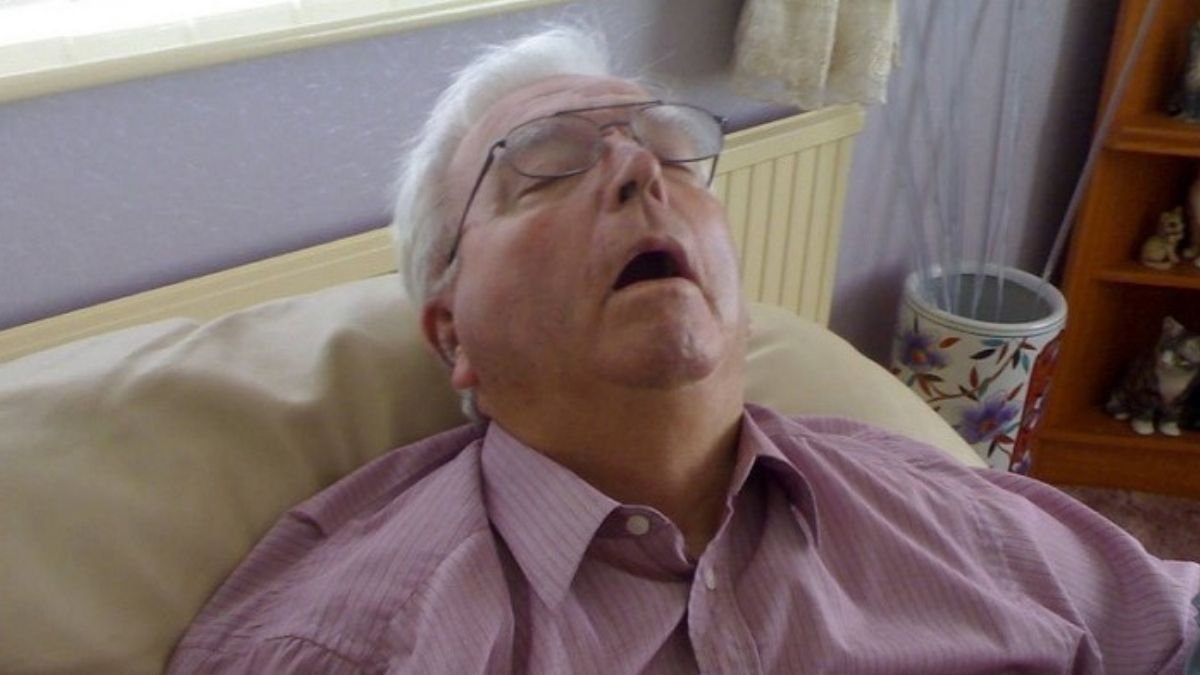
Your husband’s loud snoring may sound like a harmless nighttime habit, but sometimes it is a warning sign that his heart is under stress while he sleeps.
When breathing repeatedly stops and starts during the night, oxygen levels can drop, blood pressure can rise, and the body can remain stuck in a cycle of stress without anyone noticing. Many people ignore these signs for years because they believe snoring is only a sleep problem.
Loud snoring does not always mean someone has sleep apnea or heart problems. Before making health decisions based on symptoms discussed here, speak with a healthcare professional, especially if you have existing heart conditions, high blood pressure, or other medical concerns.
The good news is that recognizing hidden clues early can help protect long-term health. The first step is knowing when ordinary snoring becomes something doctors want you to take seriously.
When Loud Snoring Becomes a Heart Health Warning Sign
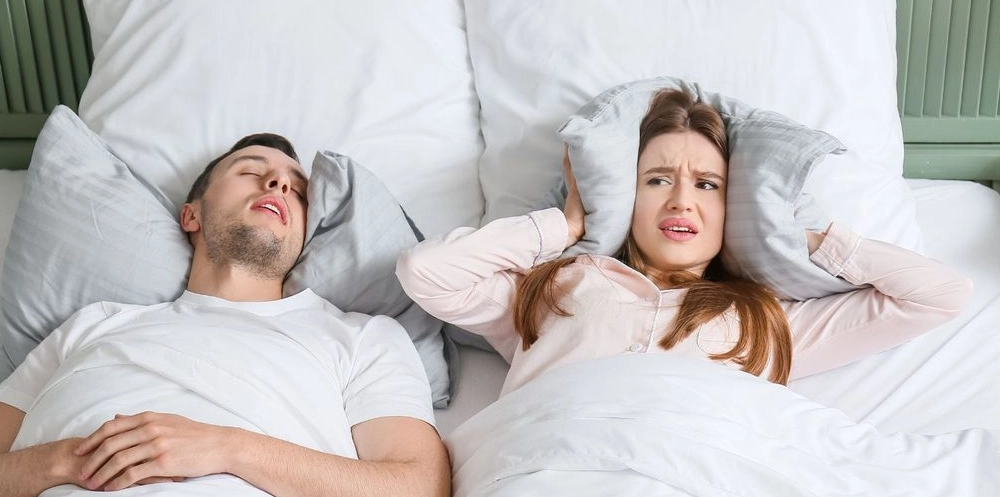
Millions of adults snore, and not every person who snores has a serious medical condition. The concern begins when loud snoring is connected with obstructive sleep apnea, a condition where the airway becomes blocked during sleep.
During normal sleep, throat muscles naturally relax. In some people, the tissues in the throat, tongue, or soft palate can narrow the airway too much, making breathing difficult or causing it to stop for short periods.
The brain notices the oxygen drop and briefly wakes the body to restart breathing. This can happen many times during a single night, often without the person remembering it.
The result is not just poor sleep. The heart and blood vessels are repeatedly exposed to stress signals.
A person may wake up thinking they slept for seven or eight hours, but their body may have spent the night fighting to breathe.
The Difference Between Normal Snoring and a Possible Heart Warning
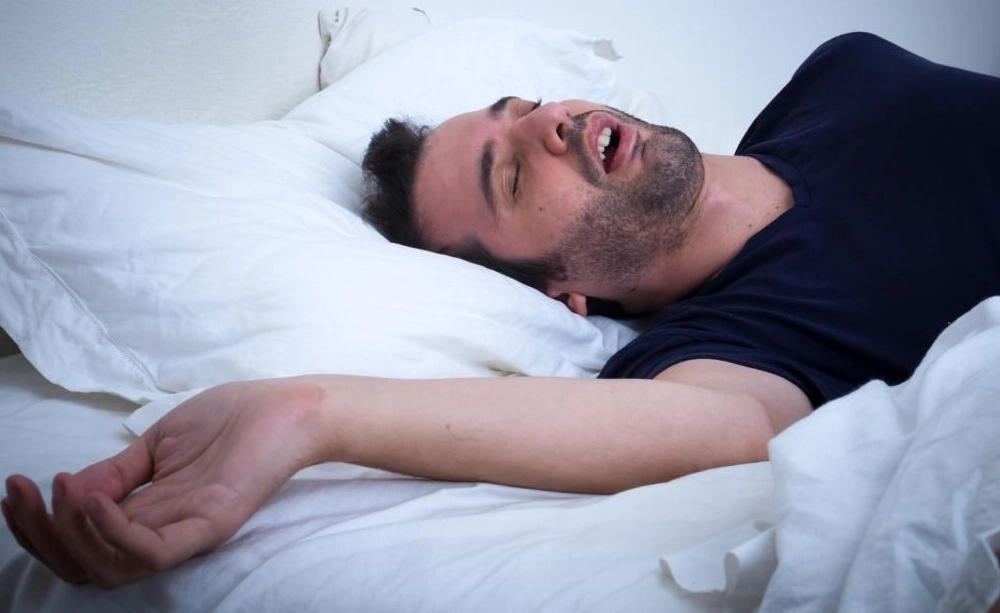
Many couples become used to snoring over time. The sound becomes background noise, especially when it has been happening for years.
The problem is that some warning signs are easy to dismiss. A spouse may notice the issue before the person who snores does.
| Sign | Typical Snoring | Possible Sleep Apnea Warning Sign |
|---|---|---|
| Snoring pattern | Occasional or mild noise during sleep | Loud snoring that happens most nights |
| Breathing | Regular breathing continues | Breathing pauses followed by gasping or choking |
| Morning symptoms | Usually feels rested | Wakes with headaches, dry mouth, or fatigue |
| Daytime effects | Little impact on energy | Sleepiness, poor focus, mood changes |
| Blood pressure | No clear concern | May occur with difficult to control high blood pressure |
The biggest clue is not simply the volume of the snoring. It is what happens between the sounds.
A partner who notices silence followed by a sudden gasp or choking sound may be seeing a sign of interrupted breathing.
What Happens Inside the Body When Breathing Stops at Night
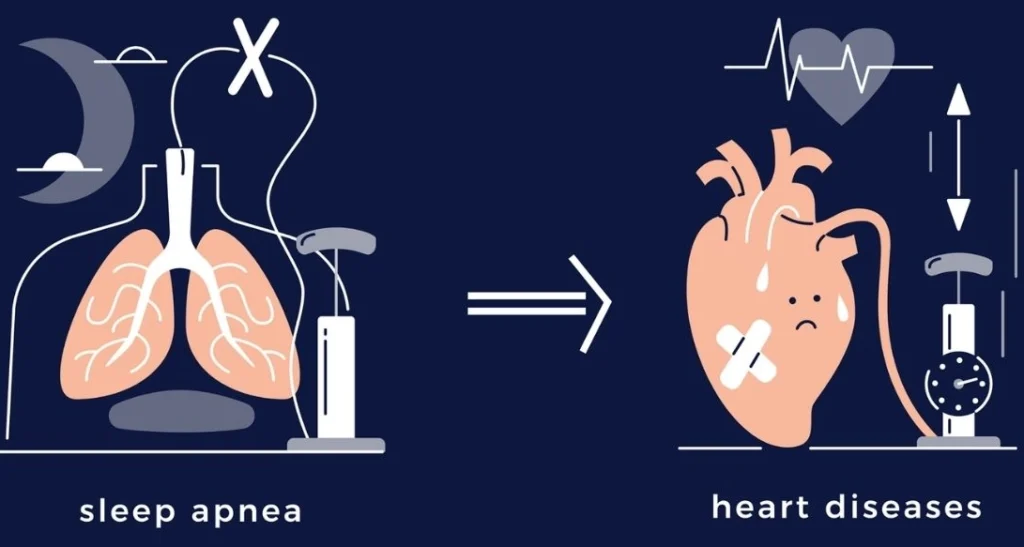
The connection between sleep apnea and heart health comes down to what happens during repeated breathing interruptions.
When oxygen levels fall, the body reacts as if it is facing an emergency. The nervous system releases stress hormones that increase alertness and help restart breathing.
That response is useful for survival, but it becomes harmful when repeated dozens of times during the night.
Over time, this repeated stress may contribute to:
- Higher blood pressure
- Increased strain on blood vessels
- Changes in heart rhythm
- Greater cardiovascular risk
The heart is designed to slow down and recover during sleep. Sleep apnea can interfere with that recovery period.
| What Happens During Sleep | Body Response | Why It Matters |
|---|---|---|
| Airway becomes narrowed or blocked | Breathing becomes shallow or stops briefly | Oxygen levels can fall |
| Oxygen drops | Stress hormones are released | Heart rate and blood pressure may increase |
| Brain wakes the body briefly | Breathing restarts | Deep sleep becomes interrupted |
| Episodes repeat overnight | Cardiovascular system experiences repeated strain | Long term heart stress may increase |
Research has linked untreated obstructive sleep apnea with conditions including high blood pressure, atrial fibrillation, stroke, and heart disease.
That does not mean every person who snores will develop heart disease. The concern is the pattern of repeated breathing interruptions and oxygen changes.
Why Many People With Sleep Apnea Never Know They Have It
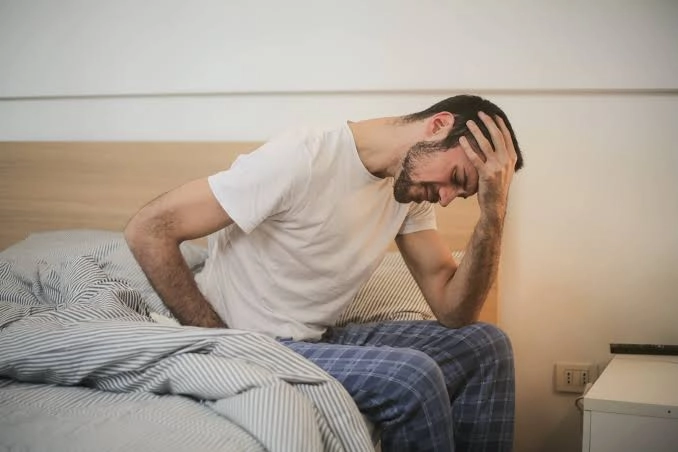
One reason sleep apnea remains undiagnosed is simple: people are asleep when the problem happens.
A person may not remember waking up dozens of times during the night. They may only notice the results the next day.
Common signs include:
- Feeling tired despite enough time in bed
- Morning headaches
- Trouble concentrating
- Irritability
- Waking with a dry mouth
- Falling asleep during quiet activities
A spouse or partner often becomes the first person to notice the problem.
They may hear:
- Loud snoring followed by silence
- Sudden choking sounds
- Restless movements
- Frequent waking during the night
These observations can provide important information for a doctor.
The Signs Cardiologists and Sleep Doctors Want People to Notice
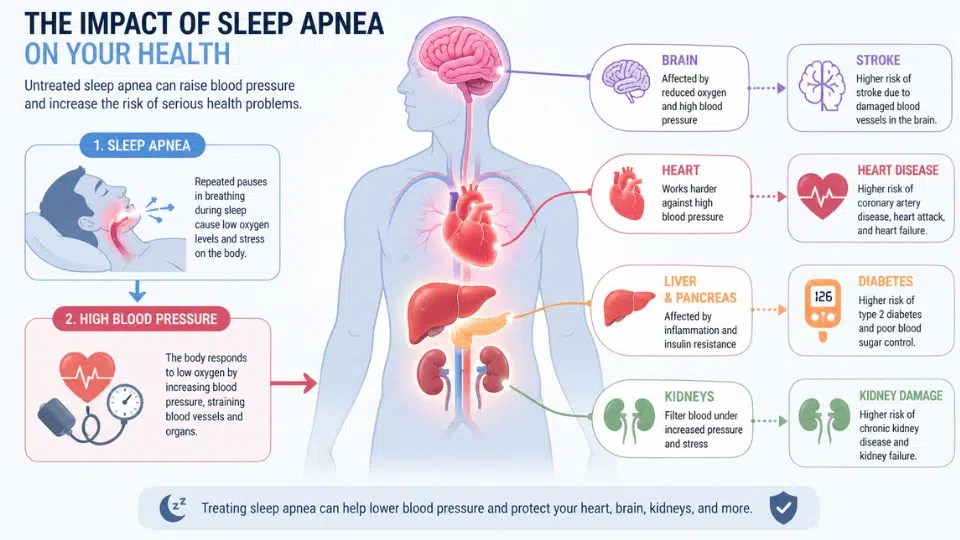
Doctors pay attention when snoring appears alongside other health concerns. For example, someone with loud snoring and uncontrolled high blood pressure may need to be evaluated for sleep apnea.
The same is true for people who experience daytime exhaustion, irregular heartbeat sensations, or breathing interruptions noticed by someone else.
A quick self check can help identify whether a conversation with a healthcare professional may be worthwhile.
Ask yourself:
- Has anyone noticed that I stop breathing during sleep?
- Do I wake up exhausted even after enough hours in bed?
- Do I regularly wake with headaches?
- Has my blood pressure been difficult to control?
- Do I feel unusually sleepy during the day?
These questions cannot diagnose sleep apnea, but they can highlight patterns worth discussing.
What Doctors Usually Recommend After a Warning Sign Appears
The first step is usually a conversation about symptoms, medical history, and risk factors. A doctor may ask about snoring intensity, daytime fatigue, blood pressure, medications, and family history.
If sleep apnea is suspected, testing may be recommended.
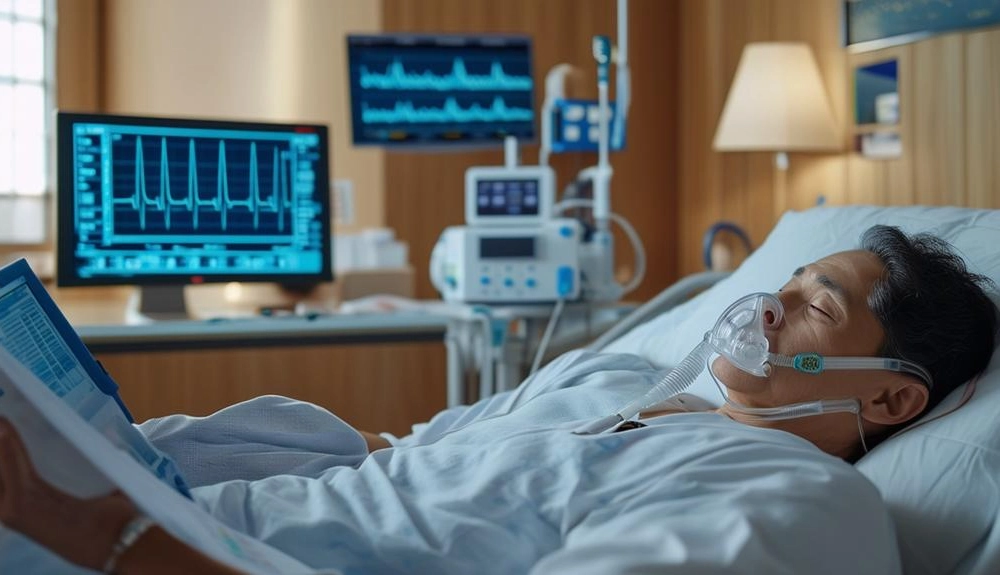
Some people complete a home sleep apnea test. Others may need a sleep study in a clinic where professionals measure breathing, oxygen levels, heart rate, and sleep patterns.
Treatment depends on the person and the severity of the condition.
Common approaches include:
CPAP therapy
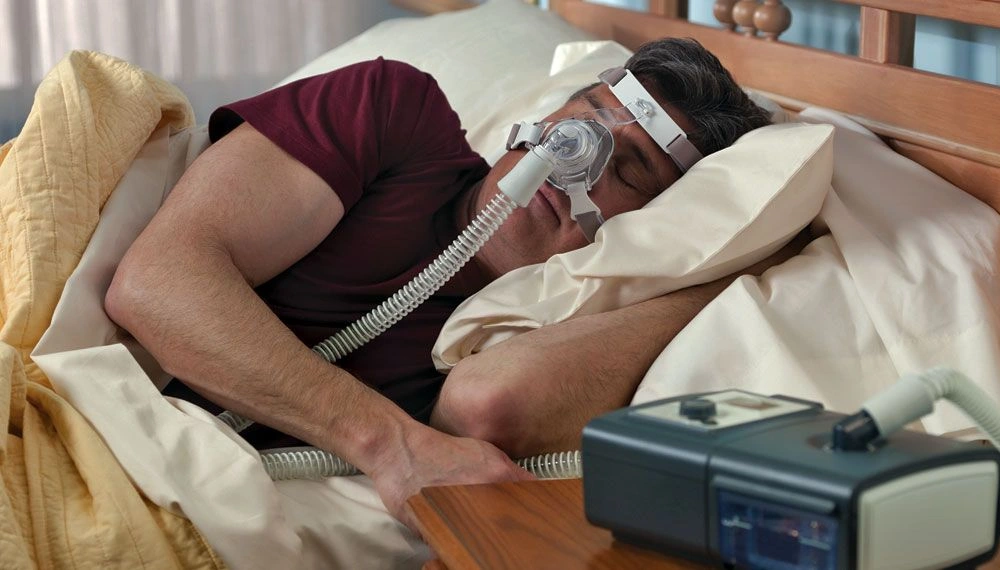
A continuous positive airway pressure machine uses gentle air pressure to help keep the airway open during sleep.
Oral appliances
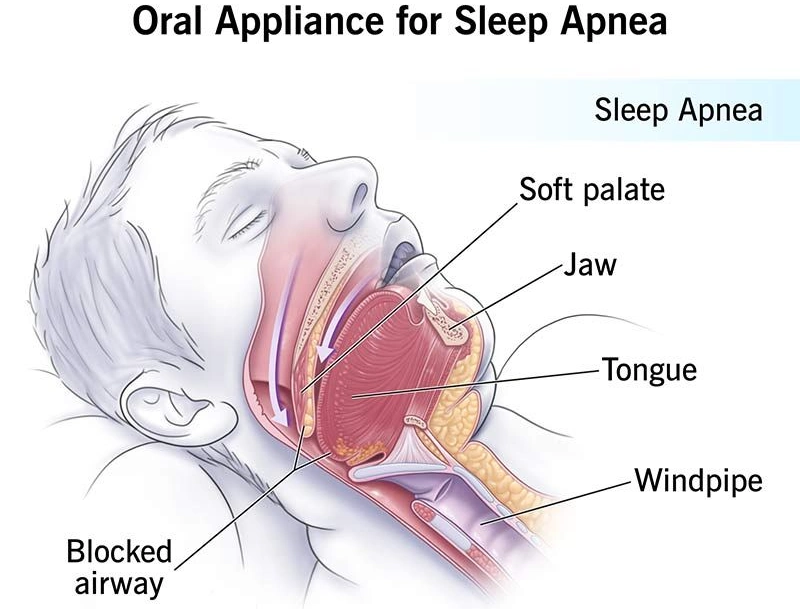
Some people benefit from dental devices that help position the jaw or tongue to improve airflow.
Lifestyle changes
Doctors may recommend weight management, regular physical activity, limiting alcohol before bedtime, and improving sleep habits.
Everyone’s situation is different. Talk with your doctor before starting new sleep routines, exercise changes, or treatments, especially if you have heart disease, high blood pressure, breathing conditions, or take medications.
Small Daily Changes That May Support Better Sleep
Treatment decisions should come from a healthcare professional, but daily habits can support healthier sleep patterns.
Try This Tonight: Simple Sleep Health Checks
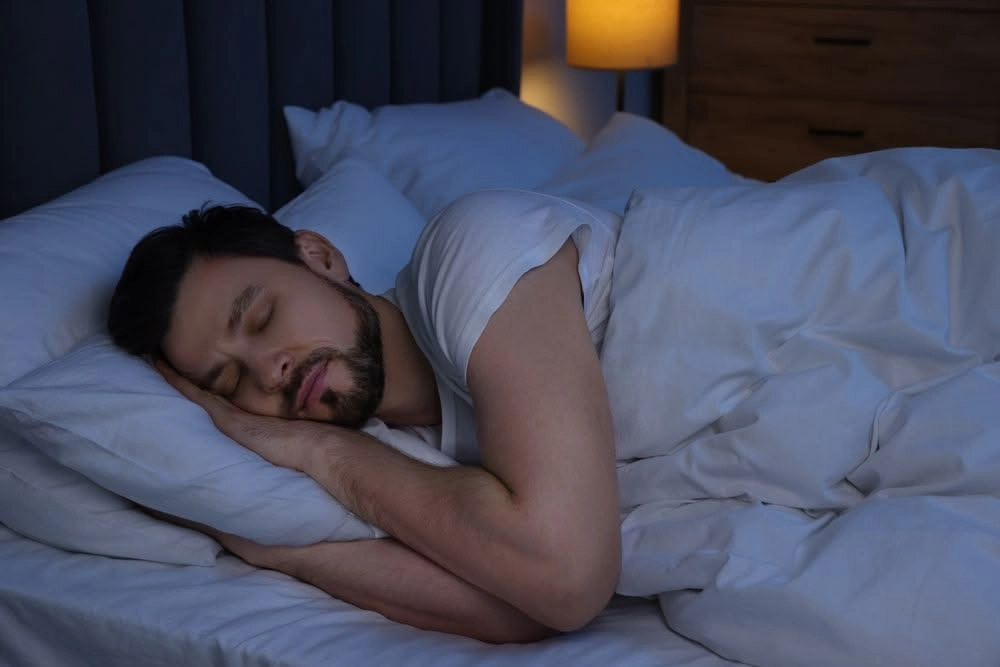
- Ask your partner whether they notice breathing pauses, choking sounds, or sudden gasps.
- Keep a consistent bedtime and wake up schedule.
- Avoid alcohol close to bedtime if snoring becomes worse afterward.
- Try sleeping on your side if back sleeping increases snoring.
- Write down morning symptoms so you can discuss patterns with your doctor.
These small observations can help turn a confusing sleep problem into useful information.
Habits That May Help Your Sleep Quality

| Habit Change | Why It May Help | Practical Step |
|---|---|---|
| Consistent sleep schedule | Supports healthier sleep patterns | Keep similar bedtime and wake times |
| Side sleeping | May reduce airway collapse in some people | Use pillows or positioning methods that encourage side sleeping |
| Limiting alcohol before bed | Alcohol can relax throat muscles | Avoid drinking close to bedtime |
| Regular activity | Supports cardiovascular health and healthy weight | Move regularly based on your ability and doctor advice |
| Medical evaluation | Identifies possible sleep disorders | Discuss persistent loud snoring and symptoms |
When Loud Snoring Needs a Doctor’s Attention
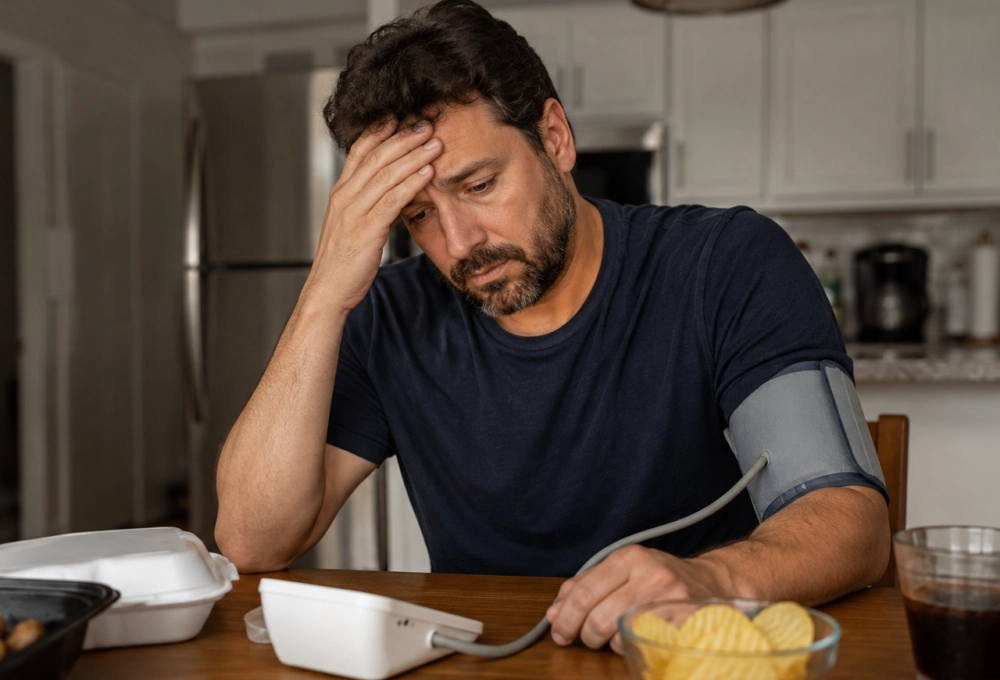
Do not ignore these warning signs:
- A partner notices repeated pauses in breathing during sleep.
- You wake up choking, gasping, or struggling to breathe.
- You experience severe daytime sleepiness despite getting enough sleep.
- Your blood pressure remains high or difficult to manage.
These signs do not automatically mean someone has sleep apnea, but they deserve medical attention.
The Heart Problem That May Be Hiding Behind the Snoring

Loud snoring is easy to joke about, but it can sometimes point to a problem happening quietly every night.
Obstructive sleep apnea affects breathing, oxygen levels, stress hormones, and the cardiovascular system. Recognizing the signs early gives people more options for protecting their health.
For many couples, the first warning does not come from a medical test. It comes from one person saying, “I noticed something unusual when you sleep.”
That conversation could be the reason someone finally gets the help they need.
This article is for informational purposes only and is not a substitute for professional medical advice, diagnosis, or treatment. Always consult your doctor or a qualified healthcare provider before making changes to your diet, exercise routine, sleep habits, or medications, especially if you have an existing health condition.
