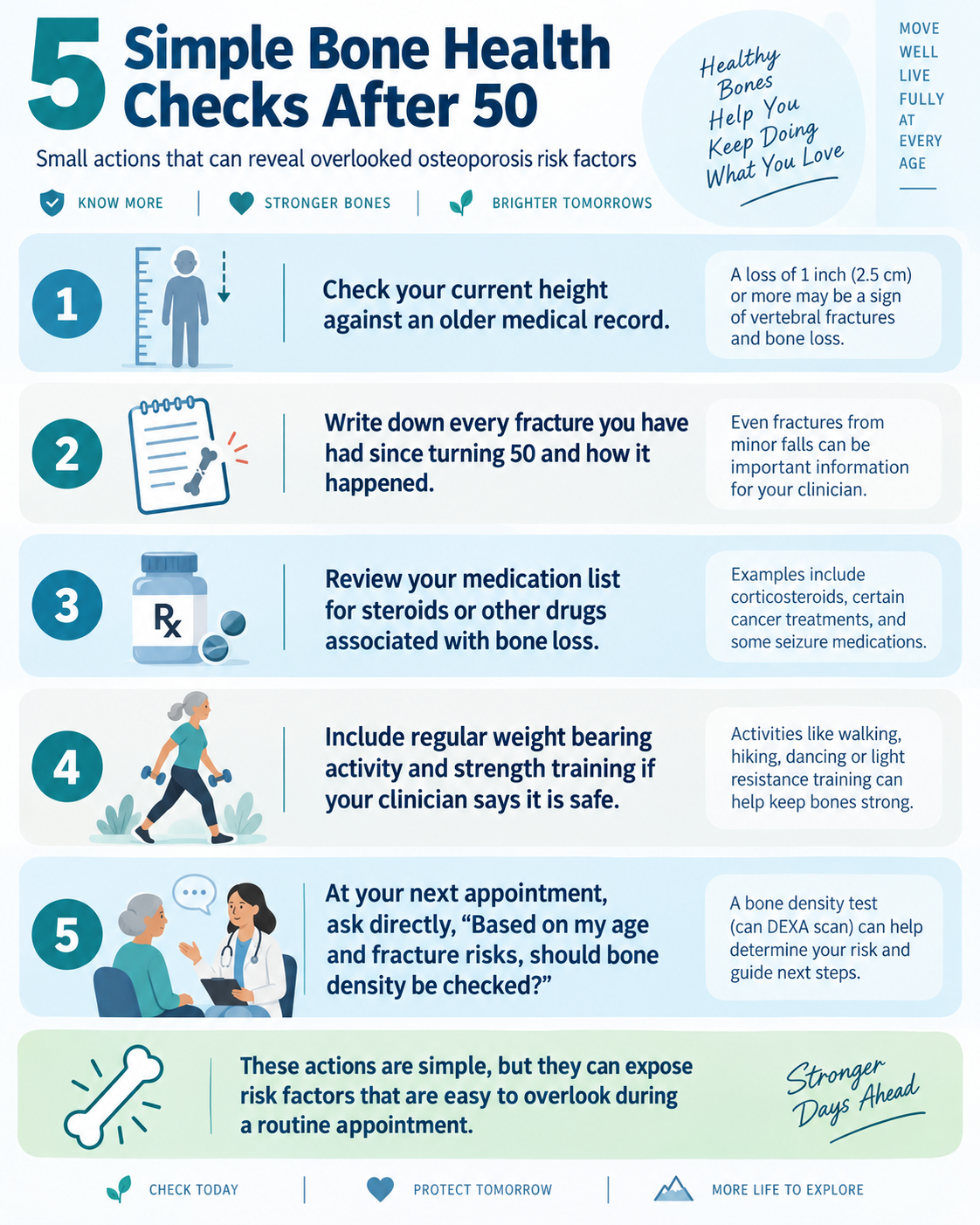
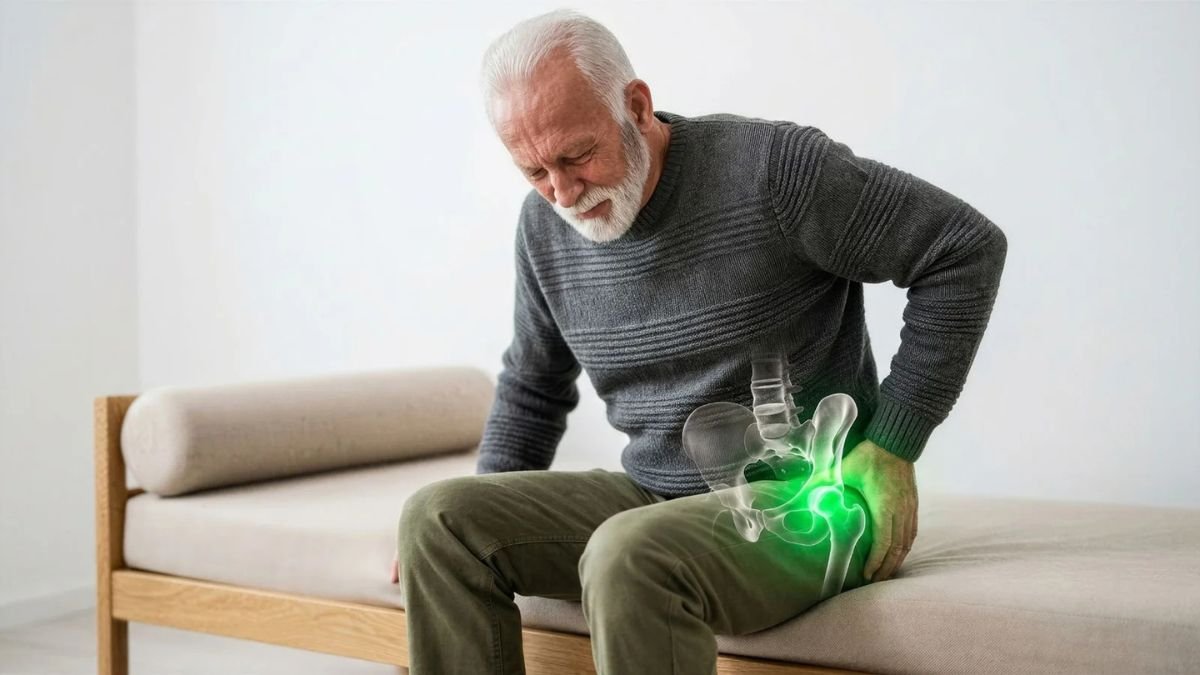
Weakening bones after 50 rarely hurt while the damage is building. That silence matters because the first obvious warning can be a wrist, spine, or hip fracture after a fall that once would have caused little more than a bruise.
For men, the danger is easier to overlook. Osteoporosis is still widely viewed as a women’s condition, yet older men develop it too, and men are less likely to receive an osteoporosis evaluation after a fracture.
The signs below can help reveal risk before another broken bone does. Osteoporosis cannot be diagnosed from symptoms alone, and several conditions can cause similar problems.
The Most Important Thing to Know About Weak Bones After 50
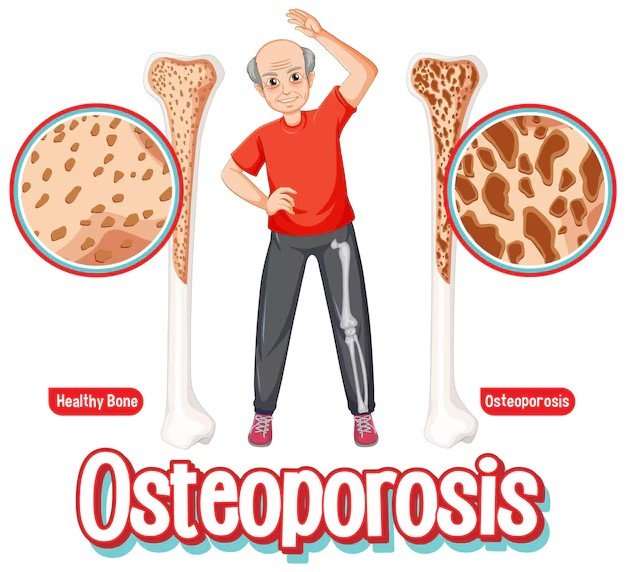
Osteoporosis is often called a silent disease because bone mineral density can decline without producing noticeable symptoms. Many people do not discover the problem until a bone fractures.
That means some of the 19 signs below are actual symptoms, while others are clinical clues that indicate higher osteoporosis risk. Neither type proves that osteoporosis is present, but both can justify a conversation about bone density testing.
| What you notice | What it may suggest | What to consider |
|---|---|---|
| Fracture after a minor fall | Possible fragility fracture | Ask about osteoporosis evaluation |
| Height loss | Possible vertebral compression | Height measurement and possible spine evaluation |
| Increasingly rounded upper back | Vertebral changes may be present | Medical examination |
| T score below minus 1 | Low bone density | Discuss overall fracture risk |
| Steroid use, low hormones, or malabsorption | Higher risk of secondary osteoporosis | Discuss DXA and laboratory evaluation |
| Fracture after age 50 in a man | Important osteoporosis warning | Do not assume it is simply aging |
1. A Bone Breaks After a Minor Fall
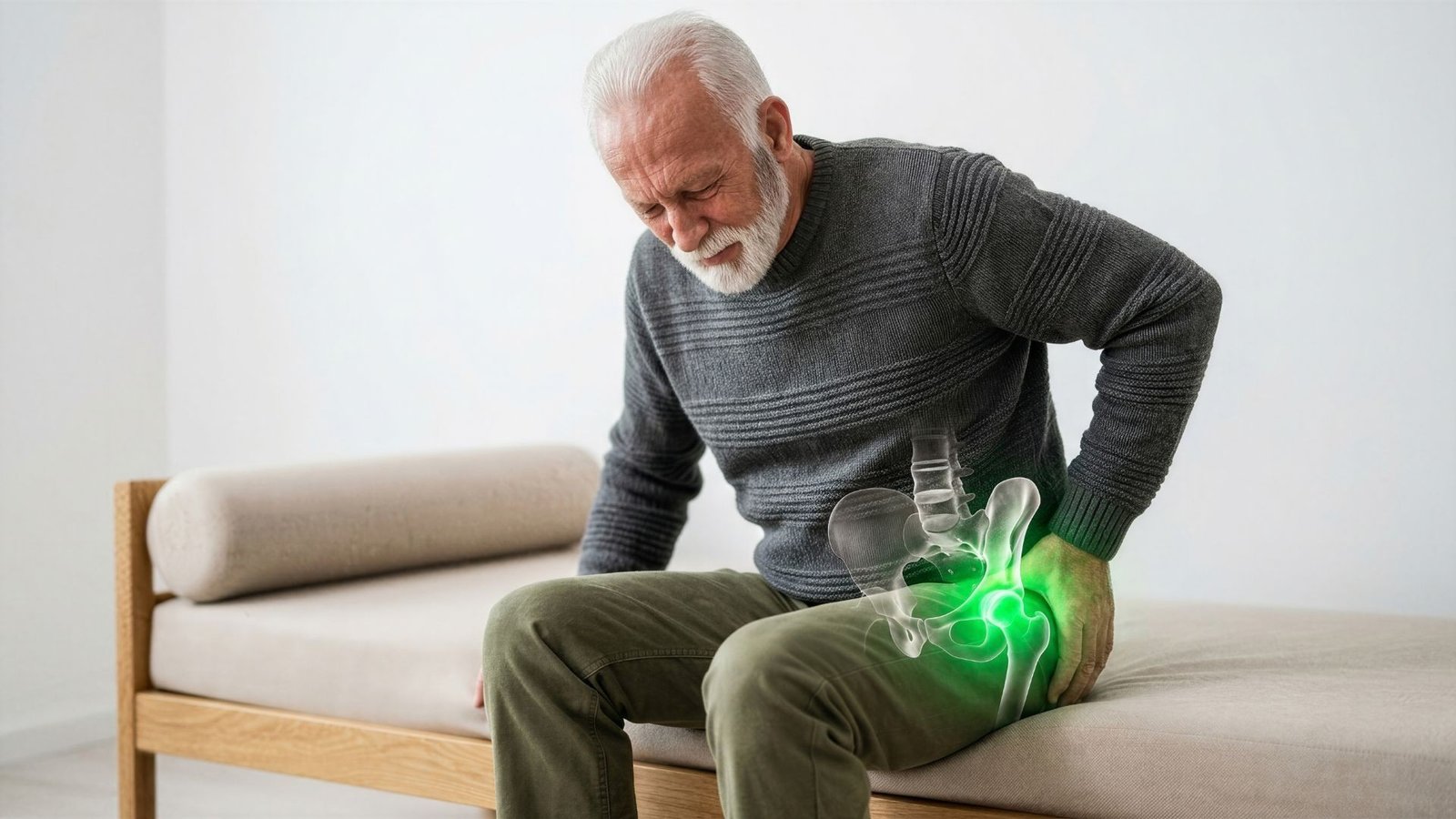
A fracture from falling from standing height or less deserves attention after 50. Doctors often call this a fragility fracture because the impact would not normally be expected to break healthy bone.
The hip, spine, wrist, shoulder, ribs, and pelvis are common sites linked with osteoporosis. NIAMS specifically identifies a fracture after age 50 as an important warning that osteoporosis may be present.
Do not treat the fracture as an isolated accident without asking what made the bone vulnerable.
2. You Break Your Wrist After 50
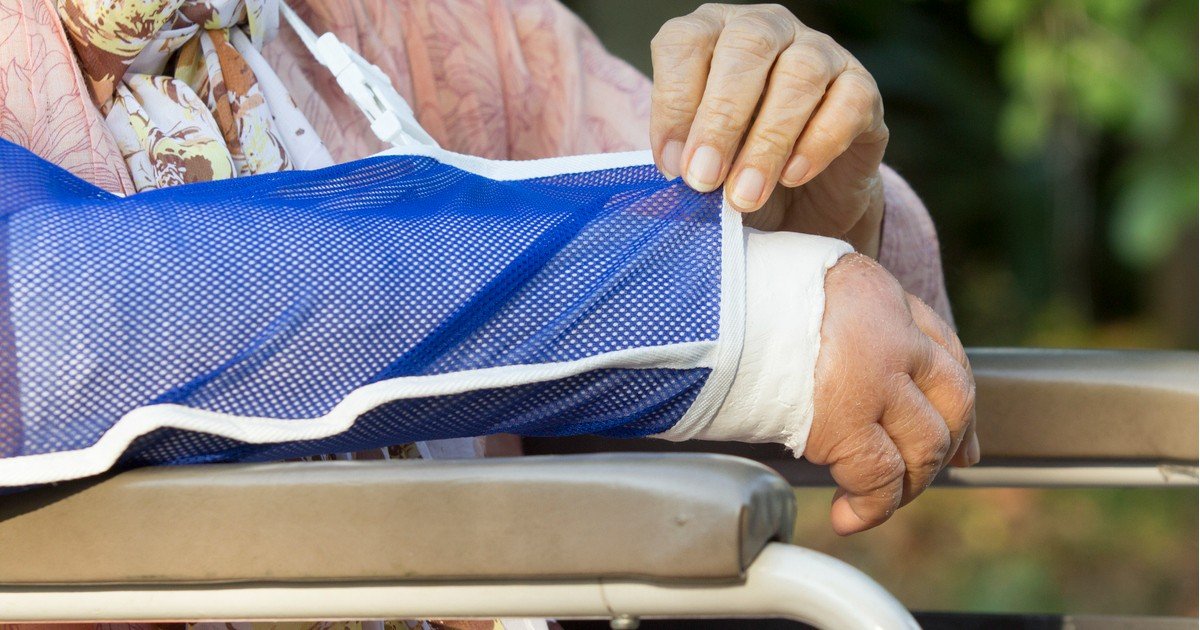
A wrist fracture may seem less alarming than a hip fracture, especially if it happened after slipping on ice or catching yourself during a fall. But it can be an early osteoporosis clue.
Bone health specialists recommend osteoporosis evaluation after fractures occurring after age 50, particularly when relatively modest trauma caused the injury. A wrist fracture can appear years before a more disabling hip fracture.
For men, this warning is especially easy to miss because osteoporosis testing after fracture occurs less often.
3. An X Ray Finds an Old Spine Fracture You Never Felt
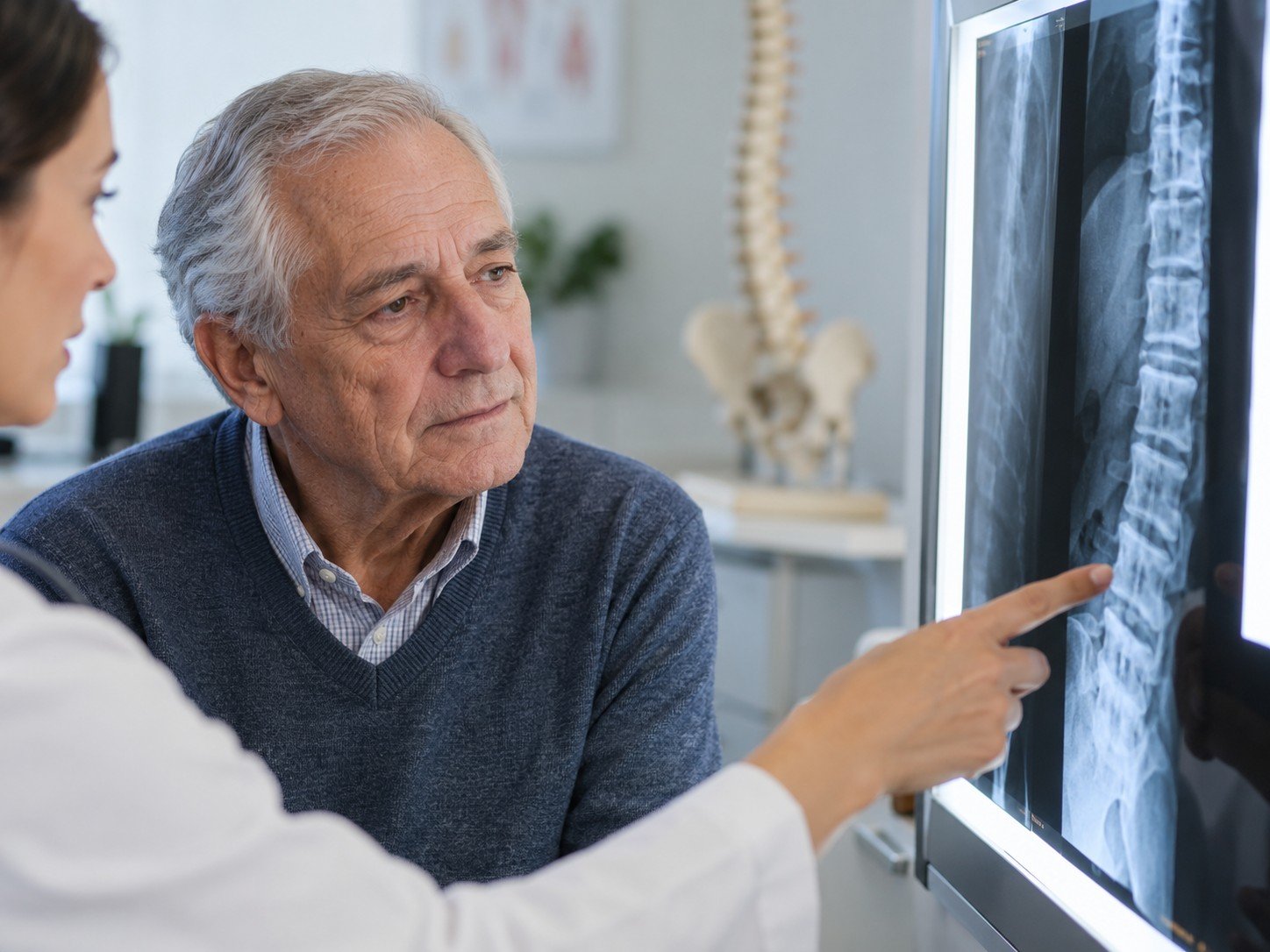
One of the stranger features of osteoporosis is that a vertebra can fracture without producing dramatic pain. Some people discover old compression fractures only when imaging is performed for another reason.
The Bone Health and Osteoporosis Foundation notes that many people with vertebral fractures do not know they have them. These fractures can eventually cause height loss and changes in posture.
An unexpected vertebral fracture should trigger a discussion about bone strength even if your back feels fine today.
4. You Are Getting Shorter

Pull out an old medical record and compare your recorded height with your height today. Progressive height loss can occur when weakened vertebrae compress.
The Bone Health and Osteoporosis Foundation notes that losing about an inch or more within one year may signal a problem involving the spine. Multiple vertebral fractures can gradually shorten the torso.
Normal aging can cause some height loss, so the change does not prove osteoporosis. A noticeable or rapid decline deserves medical evaluation.
5. Your Upper Back Is Becoming More Rounded
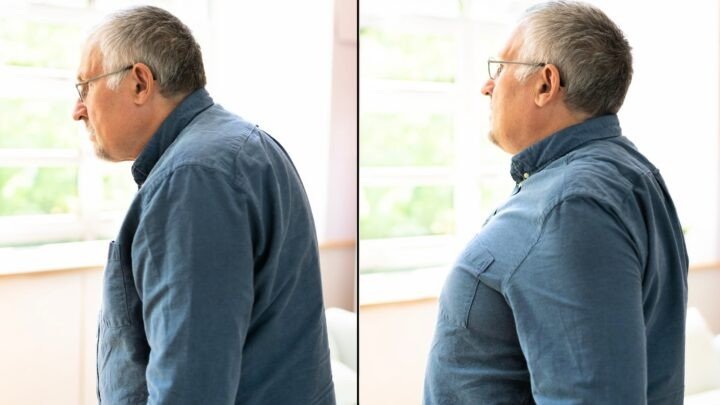
A gradually stooped or hunched posture can develop when vertebrae weaken and collapse. Doctors call an exaggerated forward curve of the upper spine kyphosis.
This change may happen slowly enough that the person does not notice it. Family members may spot it first in photographs or while walking behind them.
Mayo Clinic and NIAMS both list stooped posture as a potential consequence of vertebral osteoporosis.
6. New Back Pain Appeared After an Ordinary Movement
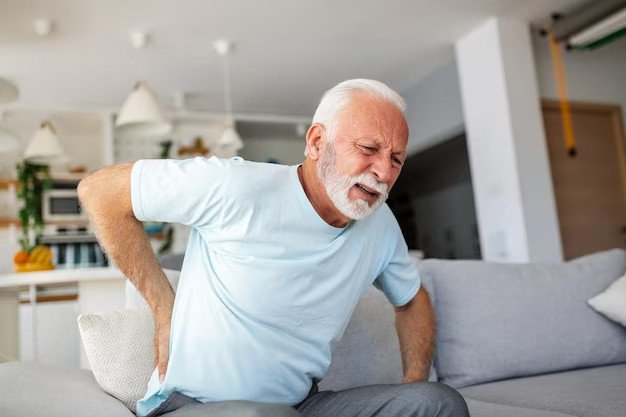
A vertebral compression fracture does not always require a dramatic fall. Severely weakened vertebrae may fracture during ordinary stresses such as bending, lifting, or even coughing.
The pain may appear suddenly and remain focused in one section of the back. It may worsen while standing or moving.
New severe back pain after minor strain is not something to diagnose at home, particularly after 50.
7. Your Clothes Suddenly Fit Differently Around the Torso
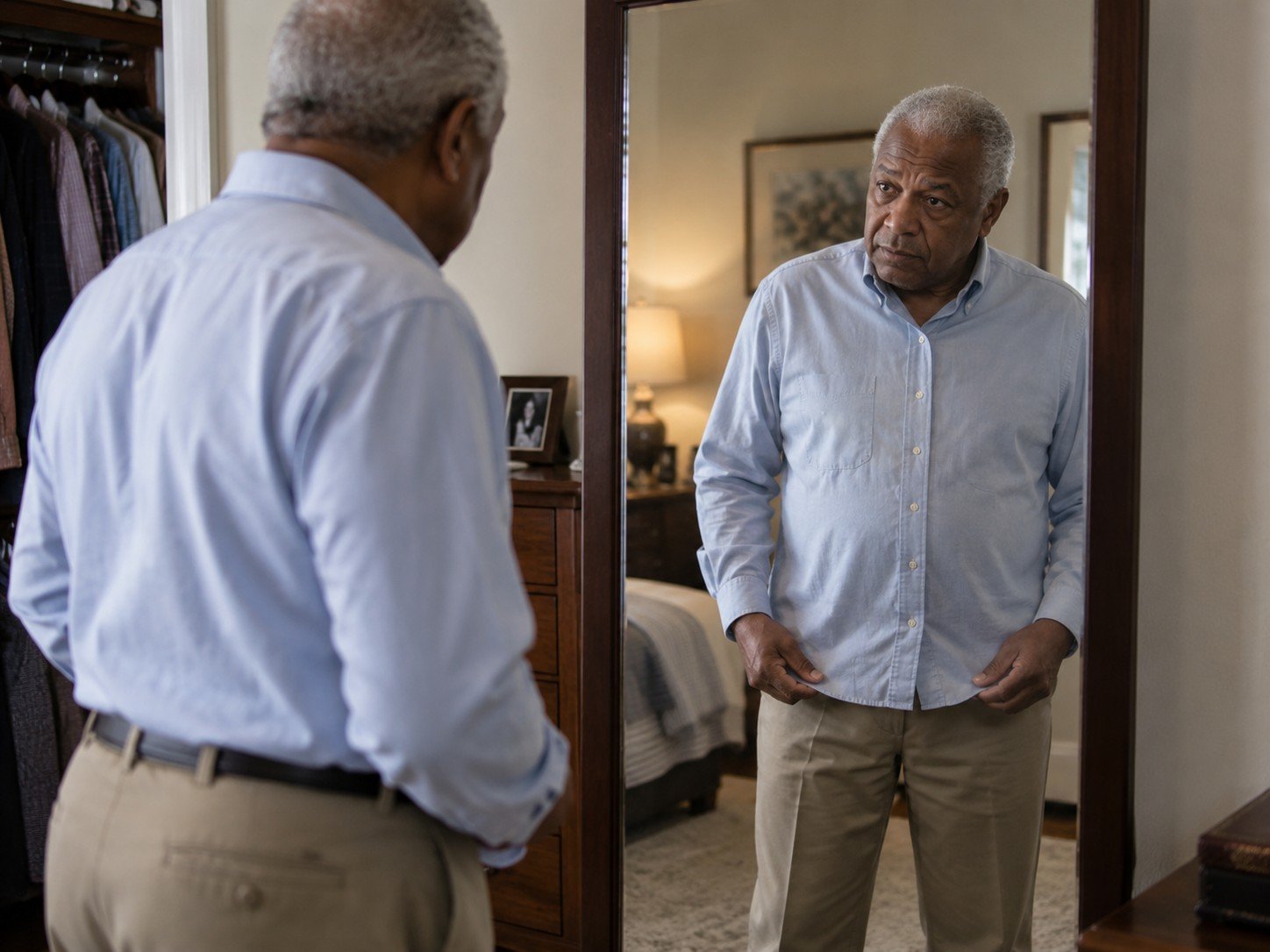
Pants may fit normally while shirts, jackets, or dresses suddenly seem longer. The ribs may seem closer to the pelvis, and the abdominal area may look more compressed.
That change can occur when vertebral compression fractures reduce the length of the spine. The Bone Health and Osteoporosis Foundation specifically notes that clothes may begin fitting differently as height and spinal shape change.
Clothing changes alone do not diagnose bone loss, but they become more meaningful when combined with measured height loss or back pain.
8. You Have Had More Than One Fracture Since Turning 50
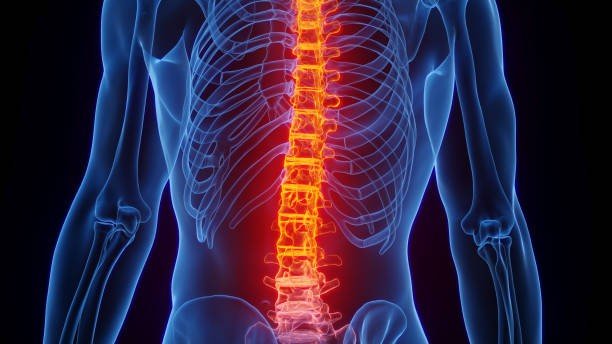
One fracture deserves investigation. Several low trauma fractures create a much stronger reason to evaluate bone health. A previous fracture also predicts greater future fracture risk, which is why fracture history is included in tools such as FRAX.
A spine or hip fracture in an older adult can establish osteoporosis clinically even when the DXA number is not below the usual osteoporosis threshold. The goal after one fracture should be preventing the next one.
9. Your DXA Shows Low Bone Density
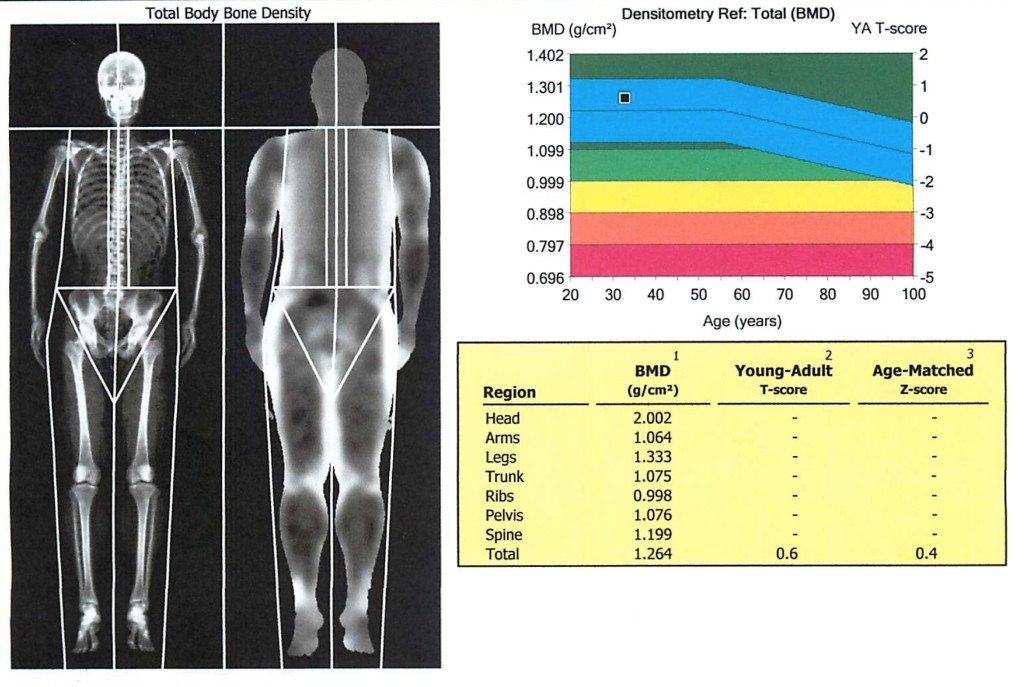
A DXA scan measures bone mineral density, usually at the hip and spine. For adults age 50 and older, results are commonly reported as a T score.
NIAMS describes a T score of minus 1 or higher as normal, between minus 1 and minus 2.5 as low bone density, and minus 2.5 or lower as consistent with osteoporosis. Fracture risk rises as the T score falls.
Low bone density does not mean a fracture is inevitable. It means the rest of your risk factors matter more.
| T score | General interpretation | What it means |
|---|---|---|
| Minus 1 or higher | Normal bone density | Fracture risk still depends on age and other factors |
| Between minus 1 and minus 2.5 | Low bone density | Risk is higher than with normal bone density |
| Minus 2.5 or lower | Osteoporosis range | Medical evaluation and treatment discussion are appropriate |
| Any score plus hip or vertebral fragility fracture | High concern | Bone health guidelines may classify this clinically as osteoporosis |
10. One of Your Parents Broke a Hip
Family history matters because genetics influence peak bone mass and fracture susceptibility. NIAMS lists parental osteoporosis or hip fracture among factors associated with greater osteoporosis risk.
Tell your doctor specifically about a parent who fractured a hip, rather than simply saying osteoporosis runs in the family. That information can also influence fracture risk calculations.
A family history becomes even more meaningful when combined with low body weight, smoking, medication use, or a previous fracture.
11. You Are Very Thin or Have Lost Significant Weight
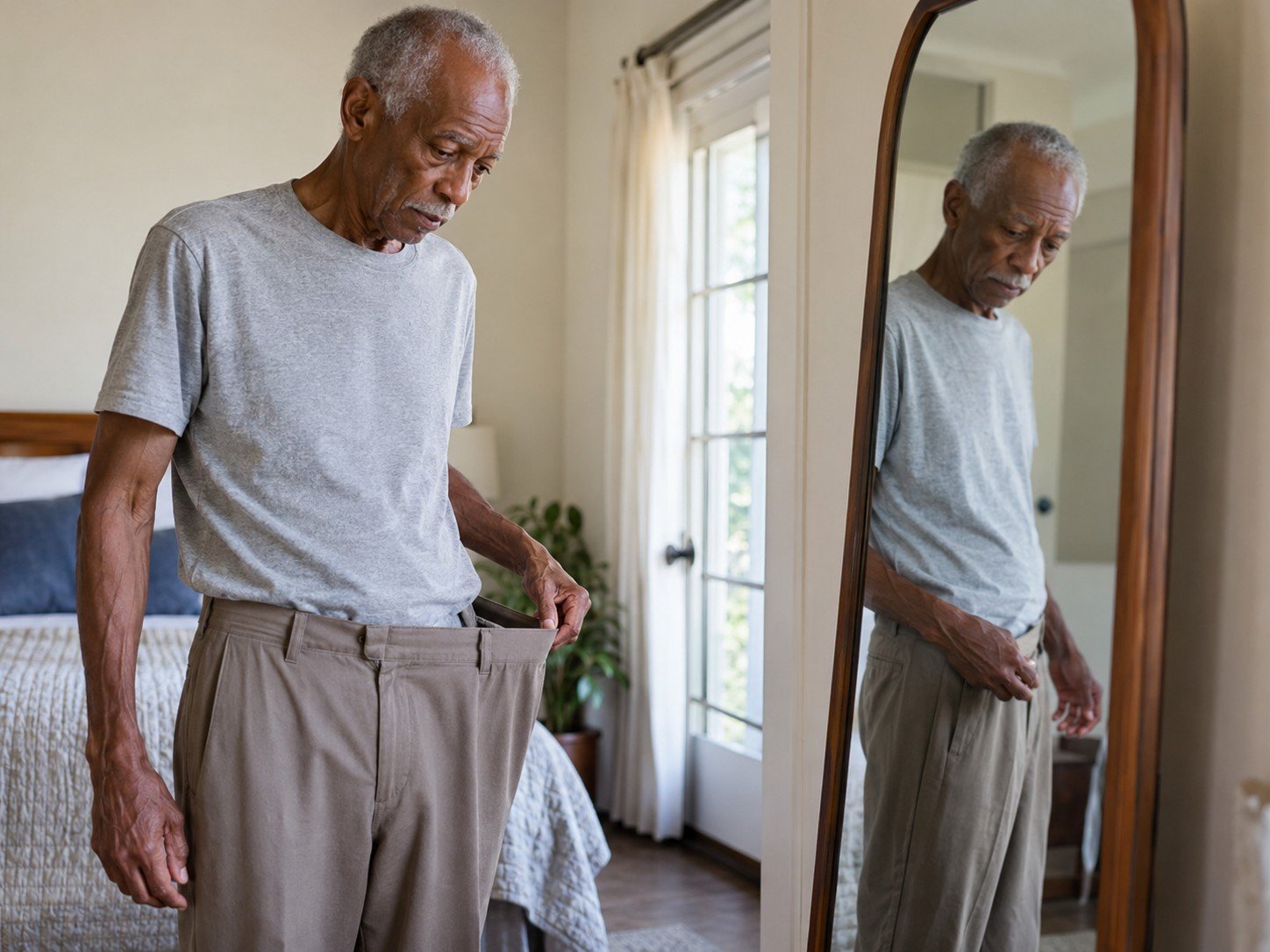
People with smaller frames generally have less bone mass available to lose as aging progresses. NIAMS identifies slender body size as an osteoporosis risk factor in both women and men.
Unexplained weight loss deserves medical assessment for reasons beyond bone health as well. Poor nutrition, illness, hormone problems, and gastrointestinal disorders can affect both body weight and bone strength.
A low number on the scale is therefore not a diagnosis, but it can increase concern when other warning signs are present.
12. Menopause Happened Early
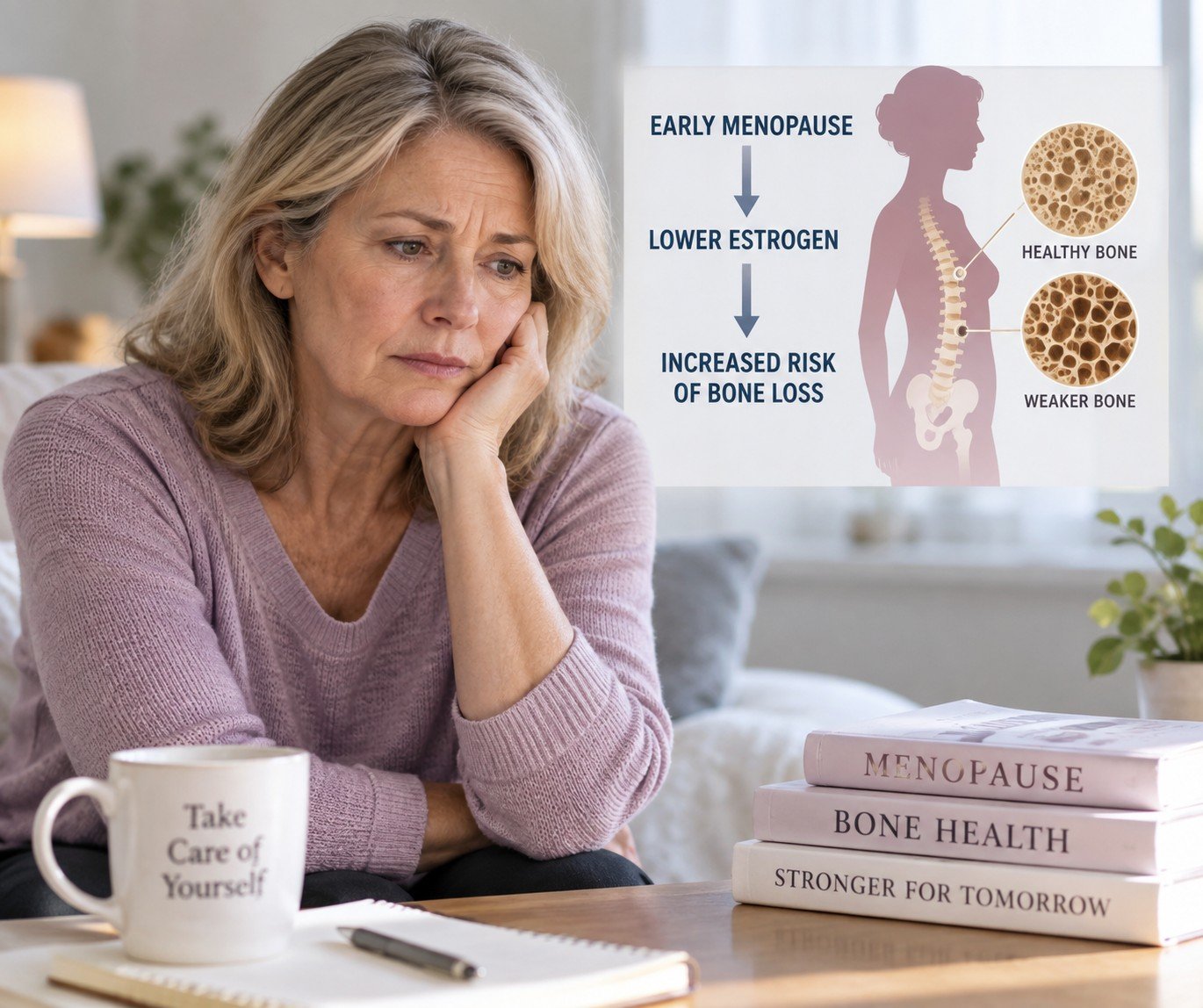
Estrogen helps limit bone breakdown. When estrogen falls around menopause, the balance between removal of old bone and formation of new bone can shift toward bone loss.
NIAMS notes that osteoporosis can begin developing around the menopausal transition and that lower estrogen increases risk. Early menopause therefore means more years living with lower estrogen exposure.
Women younger than 65 who are post menopause and have osteoporosis risk factors may qualify for screening based on current USPSTF guidance.
13. A Man Has Low Testosterone or Other Hormonal Problems
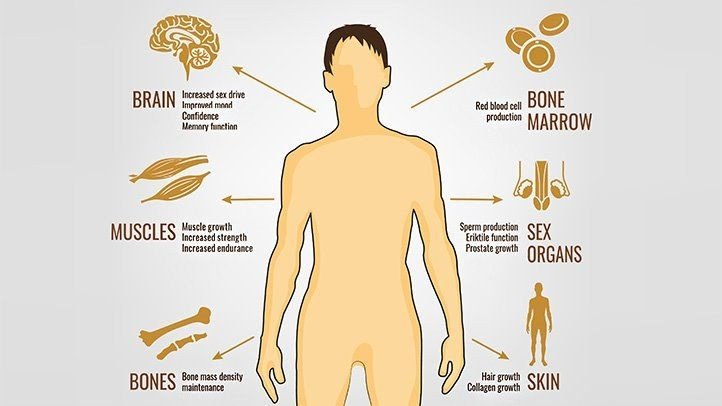
Osteoporosis is not simply a menopause problem. Low testosterone and low estrogen levels can contribute to weaker bones in men too.
NIAMS identifies low sex hormone levels as a male osteoporosis risk factor. A review of male osteoporosis also reported that secondary causes can be identified in a substantial proportion of affected men, making medical evaluation especially valuable.
Low testosterone should not automatically be treated simply to protect bone. The cause and appropriate treatment need individual medical assessment.
14. You Have Used Steroid Medicines for Long Periods
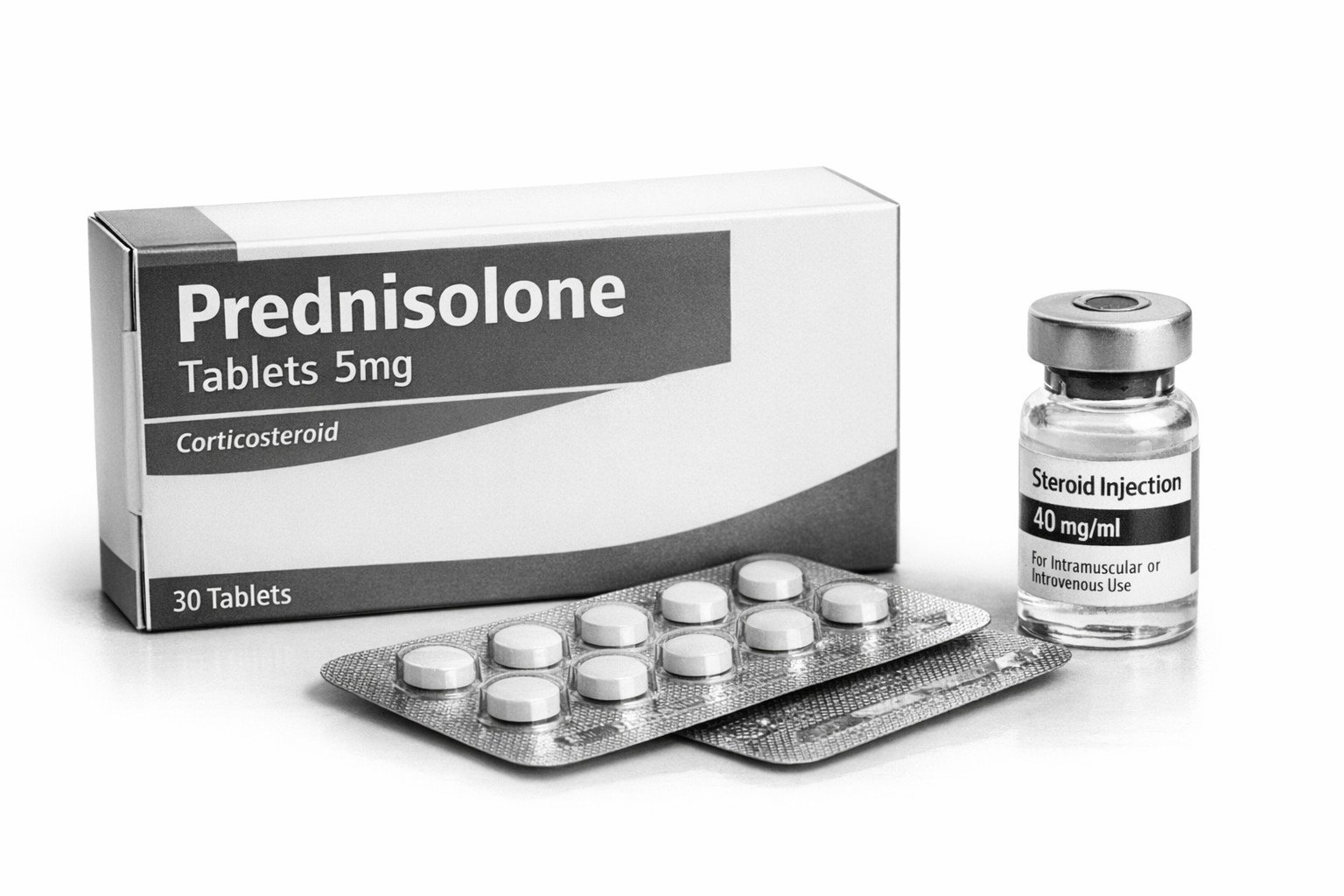
Glucocorticoid medicines such as prednisone can interfere with bone formation and calcium metabolism. Regular or prolonged exposure is a recognized cause of secondary osteoporosis.
Risk depends on factors including dose, treatment duration, age, and other health conditions. People who require these medicines should not stop them suddenly.
Instead, ask the prescribing clinician whether bone protection, DXA testing, calcium intake, vitamin D status, or osteoporosis medication should be considered.
15. You Are Receiving Certain Cancer Treatments
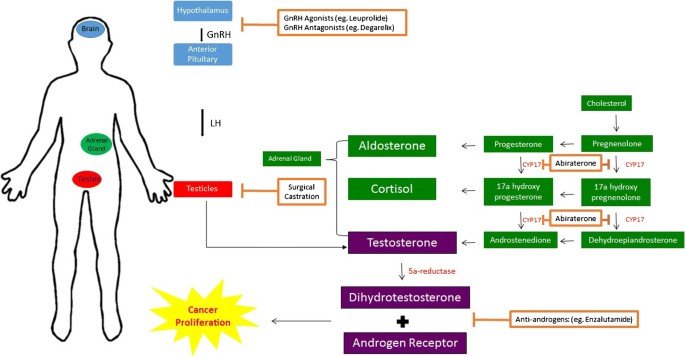
Some treatments for prostate and breast cancer deliberately reduce sex hormone activity. Unfortunately, those hormones also help maintain bone.
NIAMS lists hormone based cancer medicines among medications that can increase osteoporosis risk. Bone protective medications are sometimes used for people experiencing bone loss during prostate or breast cancer treatment.
Men receiving androgen suppression for prostate cancer should be particularly alert to this connection.
16. You Have Celiac Disease or Another Absorption Problem
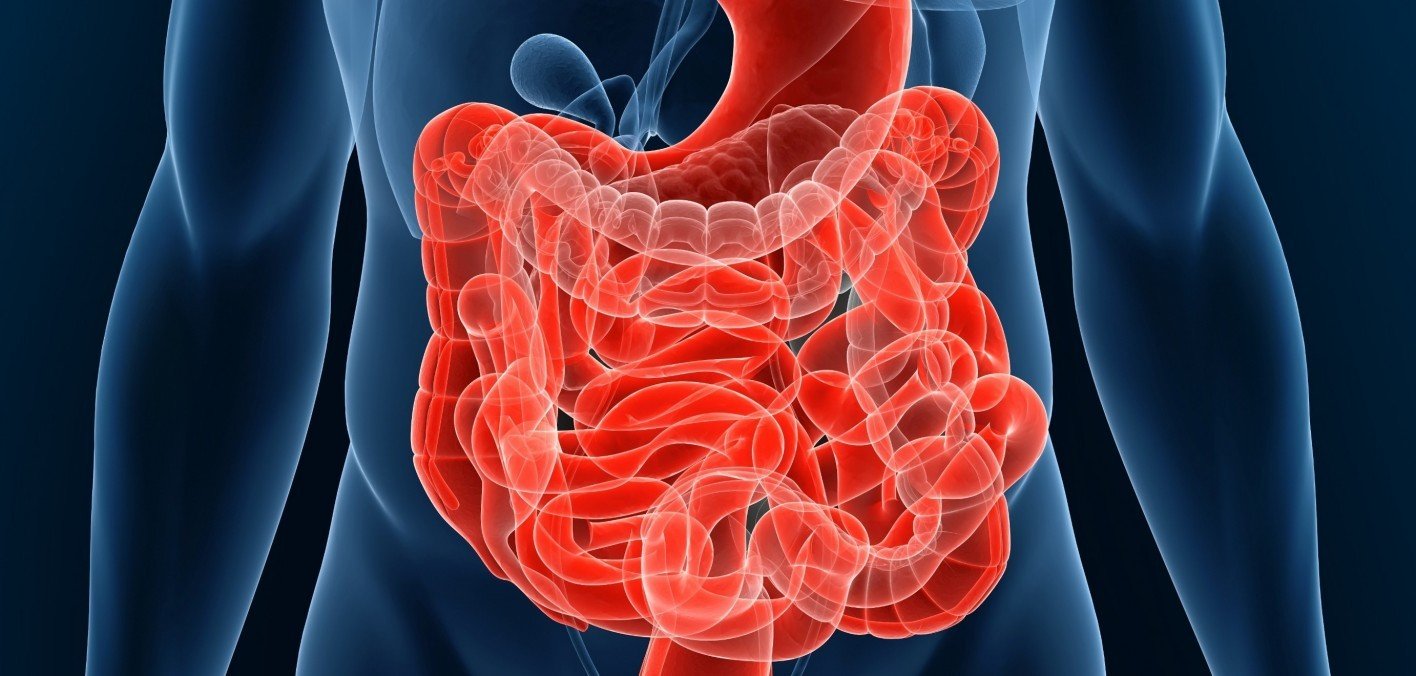
Bones need a steady supply of nutrients, including calcium, vitamin D, and adequate protein. Diseases that interfere with digestion or nutrient absorption can quietly reduce that supply.
NIAMS lists gastrointestinal diseases among conditions associated with osteoporosis. Malabsorption is also included among factors that can justify earlier bone density testing.
People with celiac disease, inflammatory bowel disease, chronic intestinal problems, or major gastrointestinal surgery should make sure their bone health is part of routine follow up.
17. You Live With Rheumatoid Arthritis or Certain Chronic Diseases
Bone health does not exist separately from the rest of the body. Rheumatoid arthritis, diabetes, endocrine disorders, kidney disease, and several other chronic conditions can increase osteoporosis or fracture risk.
Sometimes the disease contributes directly. In other cases, inflammation, inactivity, weight loss, falls, or medications add to the problem.
That combination is one reason doctors often look for secondary causes when osteoporosis appears in men.
18. Smoking or Heavy Alcohol Use Has Been Part of Your Routine
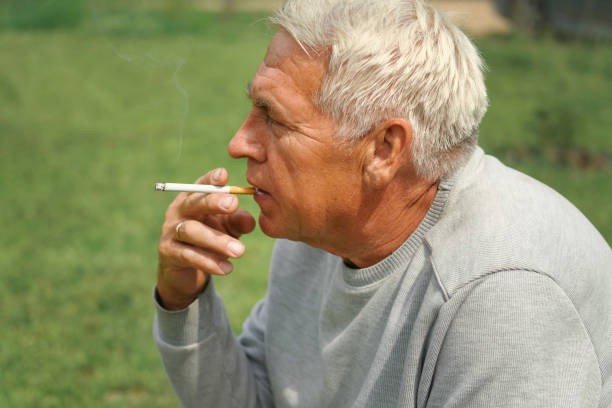
Smoking is associated with osteoporosis and fracture risk. Chronic heavy alcohol use is another recognized risk factor.
Both can exist quietly for years before a fracture exposes vulnerable bone. Alcohol can also increase fall risk, adding another route to injury.
If either applies, changing the habit can support bone health while also improving many other areas of health.
19. Your Muscles Are Getting Weaker and You Are Moving Less
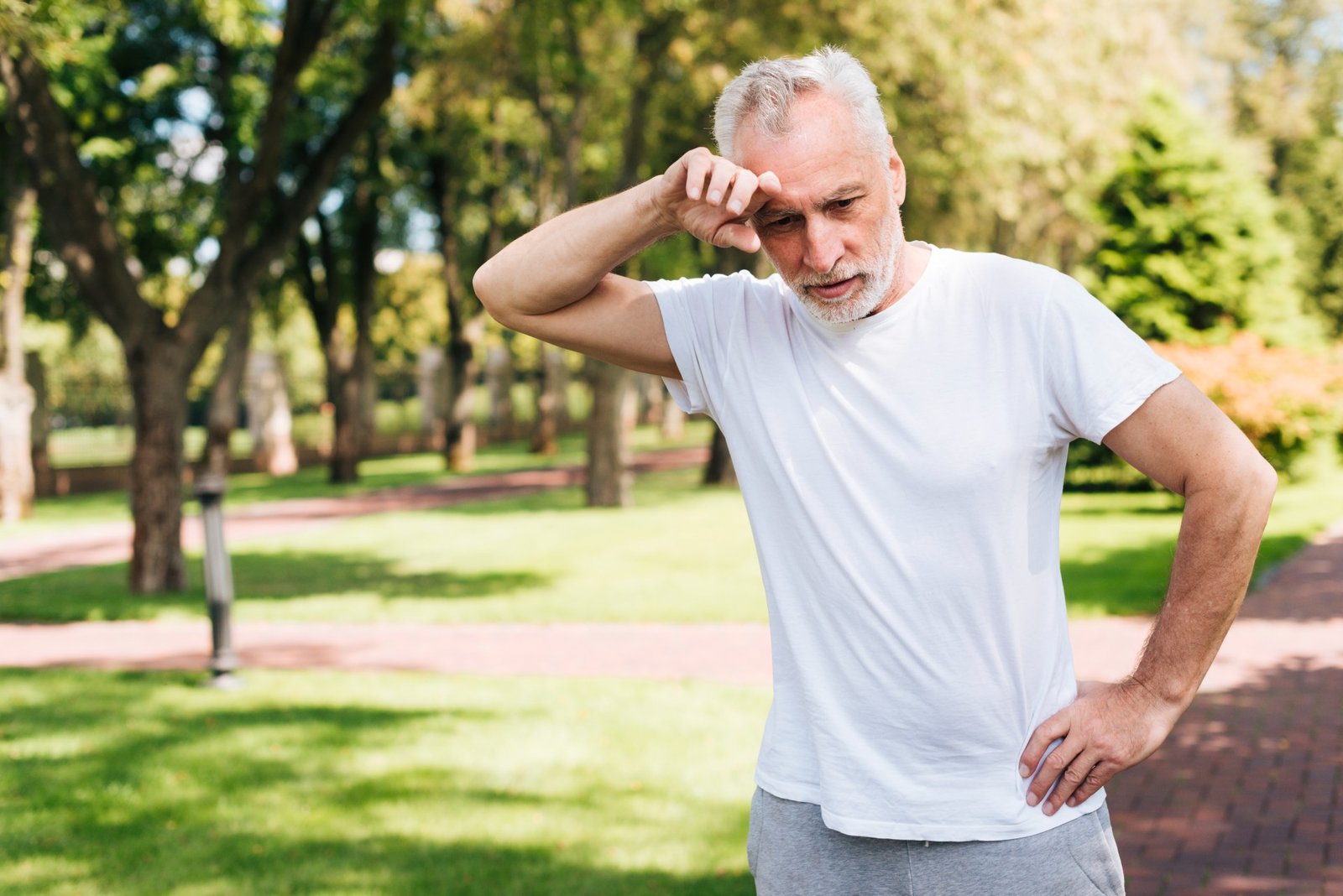
Muscle and bone work together. Long periods of inactivity can accelerate bone loss, while weaker muscles and poorer balance increase the chance of falling.
Adults are generally advised to work toward at least 150 minutes of moderate activity each week and muscle strengthening activity at least twice weekly, when medically appropriate.
If osteoporosis or a previous fracture is already present, exercise selection needs more care because certain high impact movements or forceful spinal bending may be unsafe.
Why Men Are Diagnosed Too Late

Men usually start adulthood with greater peak bone mass and tend to lose bone more slowly than women earlier in life. Their fractures therefore tend to occur later, which can create a false sense that osteoporosis is mainly a women’s problem.
The screening landscape also differs. The USPSTF recommends screening women age 65 and older, plus younger postmenopausal women at increased risk, but concluded in its January 2025 recommendation that evidence remains insufficient to determine the benefits and harms of routine osteoporosis screening in men.
The care gap is visible after fractures too. NIAMS notes that men are less likely than women to receive osteoporosis evaluation and treatment after a fracture, and recent research continues to describe osteoporosis in men as underrecognized and undertreated.
That matters because major fractures can be particularly serious for men. NIAMS reports that men experiencing a major fracture such as a hip fracture are more likely to have complications and die afterward than women.
Who Should Ask About a Bone Density Test?
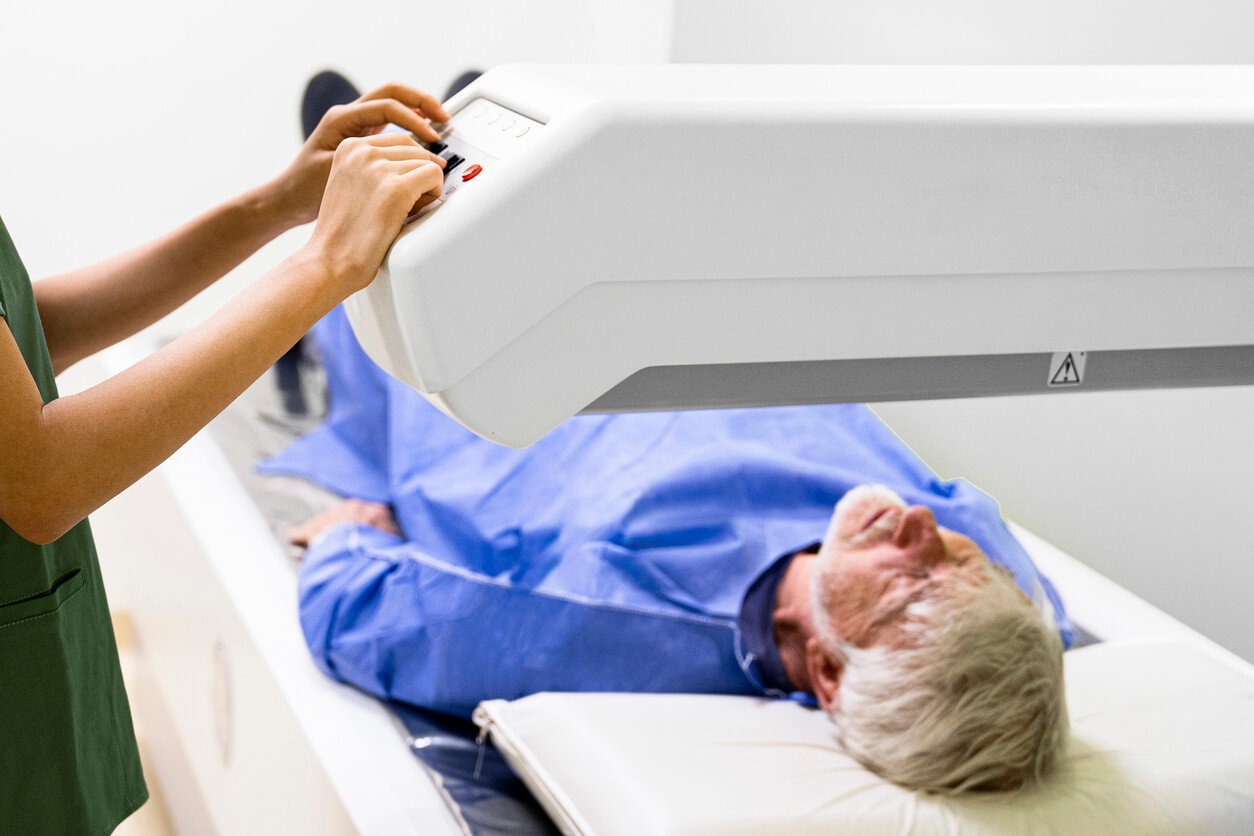
Recommendations differ somewhat between organizations, especially for men. The table below summarizes commonly used guidance rather than replacing individual medical judgment.
| Situation | Reason to discuss DXA |
|---|---|
| Woman age 65 or older | USPSTF recommends screening |
| Postmenopausal woman under 65 with risk factors | USPSTF recommends risk assessment followed by screening when risk is increased |
| Man age 70 or older | Endocrine Society and BHOF recommend testing |
| Man age 50 through 69 with important risk factors | Endocrine Society and BHOF recommend considering testing |
| Anyone with a fracture after age 50 | BHOF recommends bone density evaluation |
| Long term steroid use or another condition linked with bone loss | Individual evaluation may be needed earlier |
Try This Today