

A bruise on your arm may look harmless, but certain patterns make hematologists consider blood work. The concern is not just the bruise itself, but when it appears without injury, keeps returning, or comes with tiny red spots or unusual bleeding.
Many people blame aging skin and wait too long. Dr. Nolan explains that the timing, location, and pattern of a bruise can reveal problems involving platelets, clotting proteins, medications, or other blood-related issues.
Before making any changes based on this article, talk with your doctor, especially if you are currently taking medication or have a diagnosed condition.
The Bruise Pattern That Changes a Hematologist’s Next Step
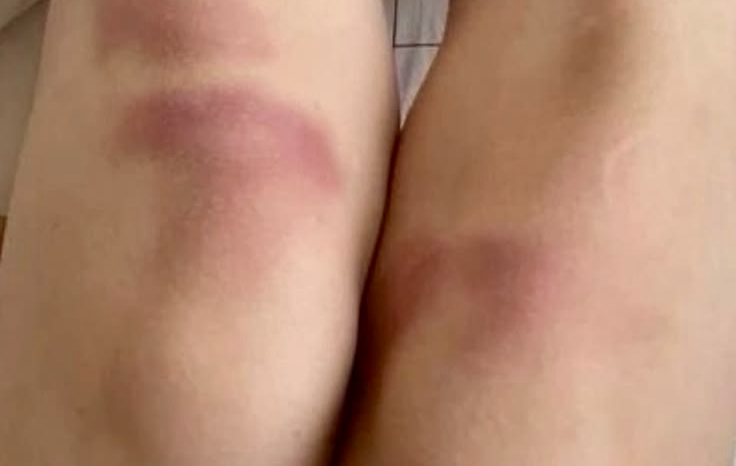
A random bruise after bumping into furniture is usually not a reason for concern. As people get older, skin becomes thinner, the protective fat layer decreases, and small blood vessels become easier to damage.
But Dr. Nolan pays attention when bruising starts to look different from a person’s normal experience.
The pattern that raises concern is large, unexplained bruising that appears without a clear injury or keeps returning in different areas.
A hematologist is not simply looking at the color of a bruise. They are asking several questions:
Did the person hit something?
Is this happening more often than before?
Are there other signs of bleeding?
Are medications or supplements involved?
Are blood cells and clotting systems working correctly?
The body normally stops small amounts of bleeding through a careful process. First, platelets gather at the damaged blood vessel. Then clotting proteins create a stronger repair.
When one part of this system does not work properly, blood can leak beneath the skin more easily.
| Bruise Feature | Often Normal | May Need Medical Evaluation |
|---|---|---|
| Cause | Clear bump, pressure, or minor injury | Appears without remembering an injury |
| Size | Small or moderate | Large bruises that spread or return |
| Frequency | Occasional | New bruises appearing often |
| Healing | Gradually fades over time | New bruises appear before old ones heal |
| Other symptoms | No unusual changes | Nosebleeds, bleeding gums, fatigue, tiny spots |
Why Hematologists Look at the Pattern, Not Just the Bruise
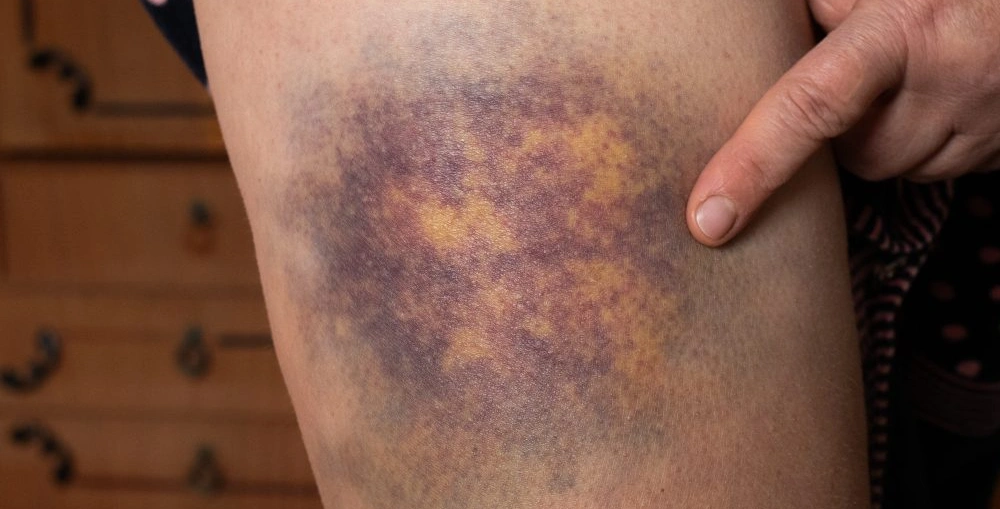
A bruise is simply a visible sign that blood escaped from small vessels beneath the skin. The reason behind that bleeding is what matters.
Dr. Nolan explains that hematologists often separate bruising problems into a few major categories.
The first involves platelets, which are small blood cells that help form the first plug after a blood vessel injury.
When platelet counts are too low, or platelets don’t function properly, even minor vessel damage can cause more noticeable bleeding under the skin. Possible causes include immune conditions, certain medications, infections, and bone marrow-related problems.
The second category involves clotting proteins.
Even if platelet levels are normal, problems with clotting factors can make it harder for the body to finish the repair process after a vessel breaks.
The third category involves outside factors, especially medications and supplements that affect bleeding. Many people remember their prescription medications but forget to mention vitamins, herbal products, or over the counter pain relievers.
The Tiny Purple Spots That Doctors Take Seriously
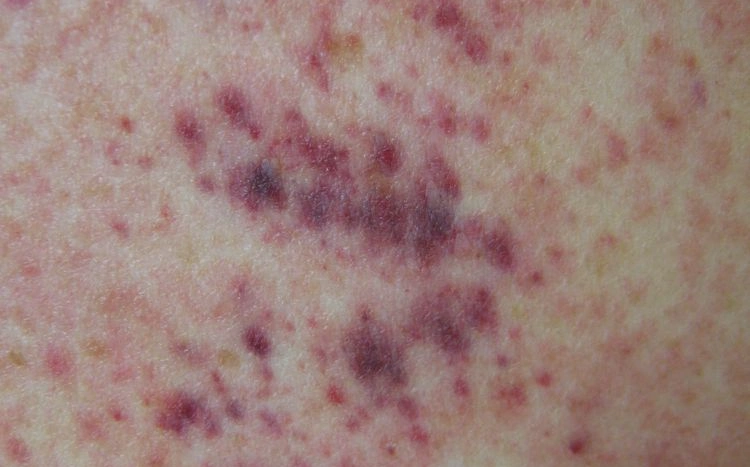
Not every skin mark is a typical bruise.
One pattern doctors pay close attention to is petechiae, which are tiny red, purple, or brown spots caused by small amounts of bleeding beneath the skin. Unlike a regular bruise, petechiae often appear as pinpoint dots.
They may develop when platelets are too low, when platelets are not working properly, or with certain infections and medical conditions.
A doctor may ask:
Did these spots appear suddenly? Are they spreading? Are they combined with fever, weakness, or unusual bleeding?
The reason this matters is simple. A normal bruise usually follows a clear injury. Tiny bleeding spots appearing without an obvious reason tell doctors to look deeper.
Blood Tests Doctors Use When Bruising Looks Unusual
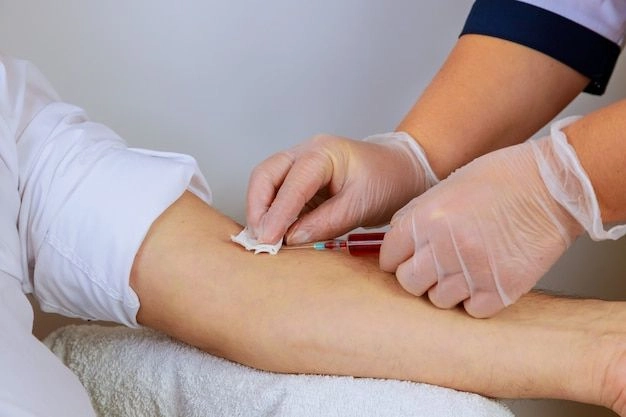
When unexplained bruising reaches the point where testing is needed, doctors are usually trying to understand which part of the blood clotting process may be involved.
The goal is not to assume the worst. The goal is to separate common causes from problems that need treatment.
| Blood Test | What It Checks | Why It Matters |
|---|---|---|
| Complete Blood Count (CBC) | Blood cells and platelet levels | Can reveal low platelets or unusual blood cell changes |
| Platelet Count | Number of platelets available | Low levels can increase bleeding risk |
| PT or INR | One pathway involved in clotting | Helps evaluate clotting problems and medication effects |
| aPTT | Another clotting pathway | Checks different clotting proteins |
| Liver Function Tests | Liver health markers | The liver produces many clotting proteins |
| Vitamin Testing | Certain nutrient levels when needed | Helps identify possible deficiencies |
A blood test does not mean a serious condition has been found. It simply gives doctors information about how the body is handling bleeding and clot formation.
Everyone’s body responds differently, and bruising can have many causes. Check with your doctor before changing medications, stopping supplements, or making decisions based on symptoms alone.
Medications That Can Quietly Change Bruising Risk

One of the most common things hematologists review is a patient’s medication list.
Some medications are designed to reduce clot formation, which can be helpful for preventing dangerous blood clots. However, they may also make bruising easier.
Common examples include:
- Aspirin
- Warfarin
- Apixaban
- Rivaroxaban
- Clopidogrel
- Ibuprofen
- Naproxen
Certain supplements may also affect bleeding tendency in some people.
Ginkgo biloba is one example that doctors often ask about because some research suggests it may influence platelet activity.
Steroid medications can also contribute to easier bruising because long-term use may thin the skin and weaken supportive tissues.
The important point is not to stop a medication because of bruising without medical advice. The right decision depends on why the medication was prescribed and the person’s overall health.
The Hidden Triggers Many People Forget To Mention

A doctor cannot evaluate unexplained bruising accurately without knowing the full picture. Many patients forget smaller details that may matter.
| Possible Trigger | How It May Affect Bruising | Helpful Action |
|---|---|---|
| Blood thinning medication | Reduces clot formation | Review medication list with a doctor |
| Pain relievers like ibuprofen | May affect platelet activity | Ask about alternatives if bruising increases |
| Steroid use | Can make skin thinner | Discuss long term use with healthcare provider |
| Herbal supplements | Some may affect bleeding | Mention every supplement taken |
| Nutrient deficiency | Severe deficiencies may affect blood vessels or clotting | Maintain a balanced diet |
| Repeated minor injuries | Small vessel damage can add up | Protect fragile skin and track changes |
Try This Today: A Simple Bruise Tracking Habit

Small details can help doctors understand whether bruising is changing.
- Take a photo of unusual bruises before they fade.
- Write down where each bruise appeared and when you noticed it.
- Keep an updated list of medications and supplements.
- Notice whether bruises appear after normal activities or without explanation.
- Mention new bruising patterns during routine medical visits.
This simple habit can give your healthcare provider much better information than memory alone.
When Unexplained Bruising Needs Medical Attention
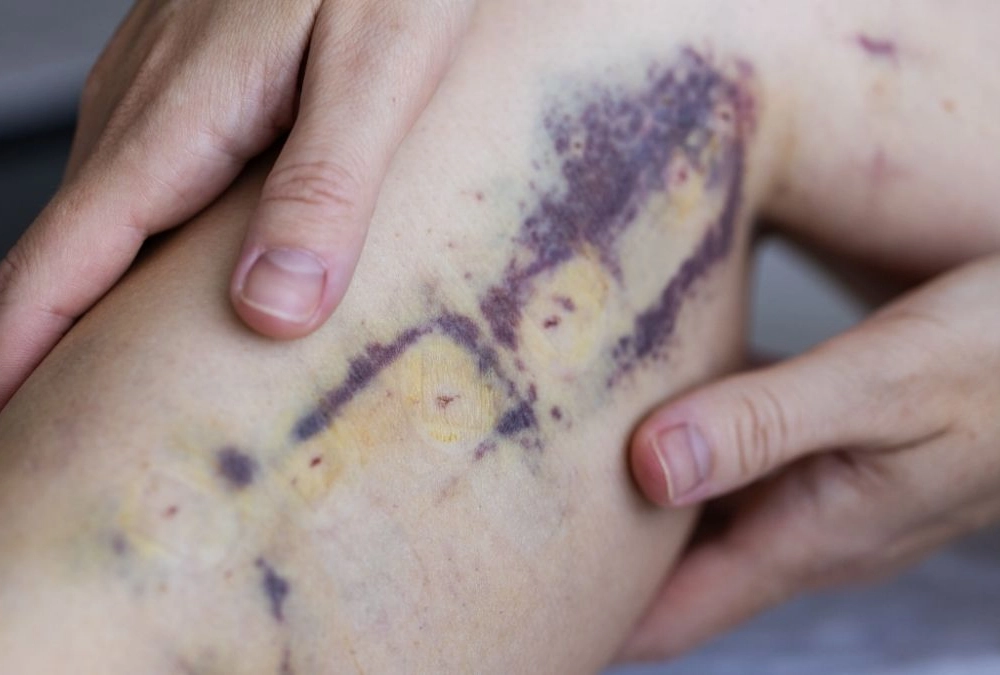
Contact a healthcare professional if you notice:
- Large bruises appearing without a known injury.
- Frequent new bruises that continue developing.
- Tiny red or purple spots appearing on the skin.
- Bruising combined with nosebleeds, bleeding gums, blood in urine or stool, severe fatigue, or weakness.
These signs do not automatically mean something serious is happening. They mean the pattern deserves a proper medical evaluation.
Common Questions About Unusual Bruising
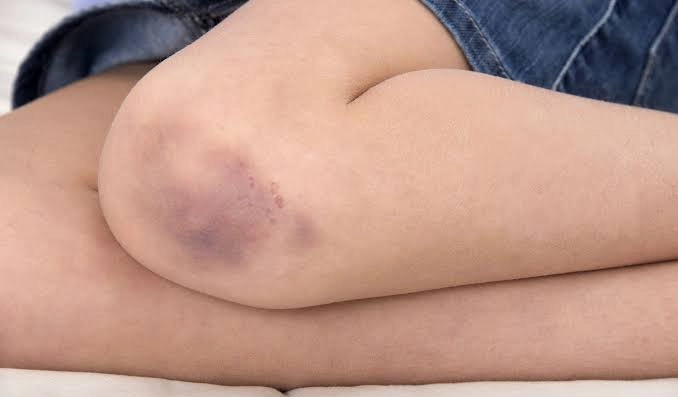
Is easy bruising always a sign of a blood problem?
No.
Many people bruise more easily with age because skin becomes thinner and blood vessels become more fragile. The concern is usually a sudden change from your normal pattern or bruising that appears with other symptoms.
How many bruises are considered too many?
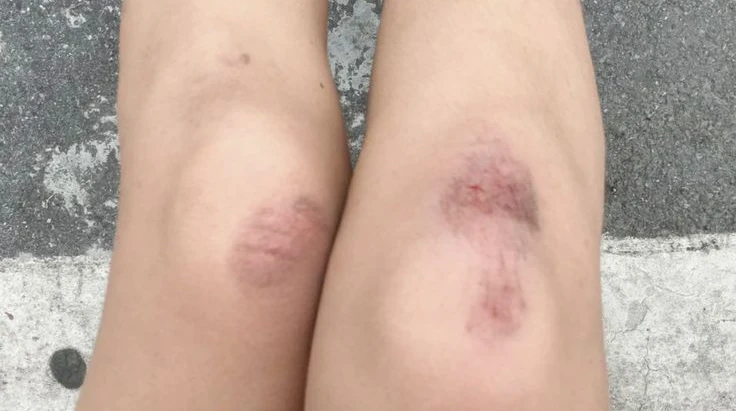
There is no exact number that applies to everyone. Doctors look at whether bruising is new, unexplained, increasing, or happening with other signs of bleeding.
Should unusual bruises be photographed?
Yes. A photo can help show the size, color, and location of a bruise if it disappears before your appointment.
Can diet affect bruising?
Severe deficiencies in certain nutrients, including vitamin C, can affect blood vessel strength. However, most unexplained bruising is not fixed by simply taking supplements. The cause needs to be understood first.
The Bruise Pattern To Remember
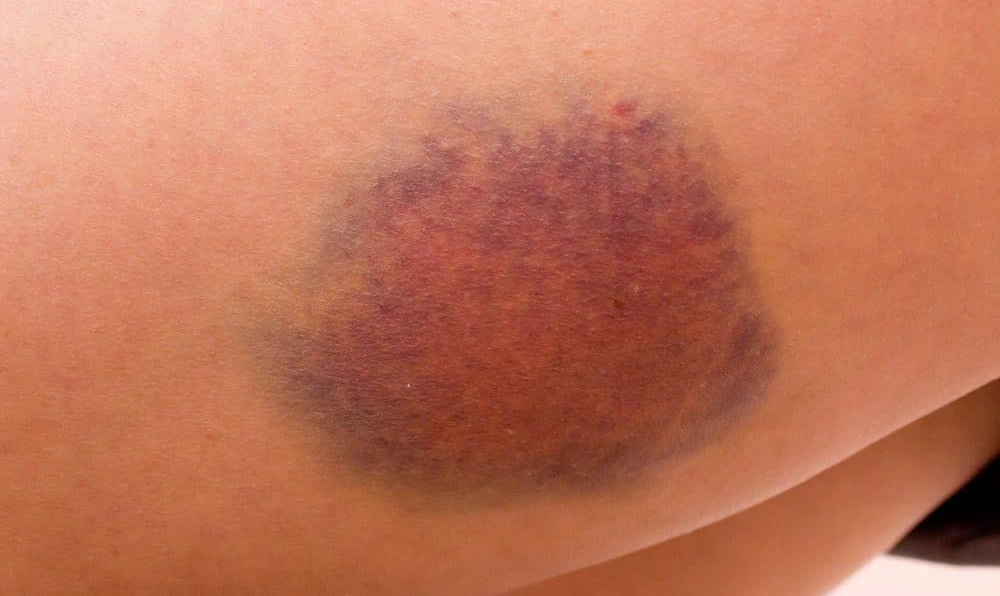
The biggest lesson from hematology is that the bruise itself is only one piece of information. The pattern behind it matters more.
A bruise after a small injury may simply reflect normal aging changes. But bruises that appear without explanation, return frequently, or come with other bleeding signs deserve attention.
Dr. Nolan’s approach is simple: do not judge a bruise only by how it looks. Look at why it appeared, how often it happens, and what else the body is showing.
This article is for informational purposes only and is not a substitute for professional medical advice, diagnosis, or treatment. Always consult your doctor or a qualified healthcare provider before making changes to your diet, exercise routine, or medications, especially if you have an existing health condition.
