
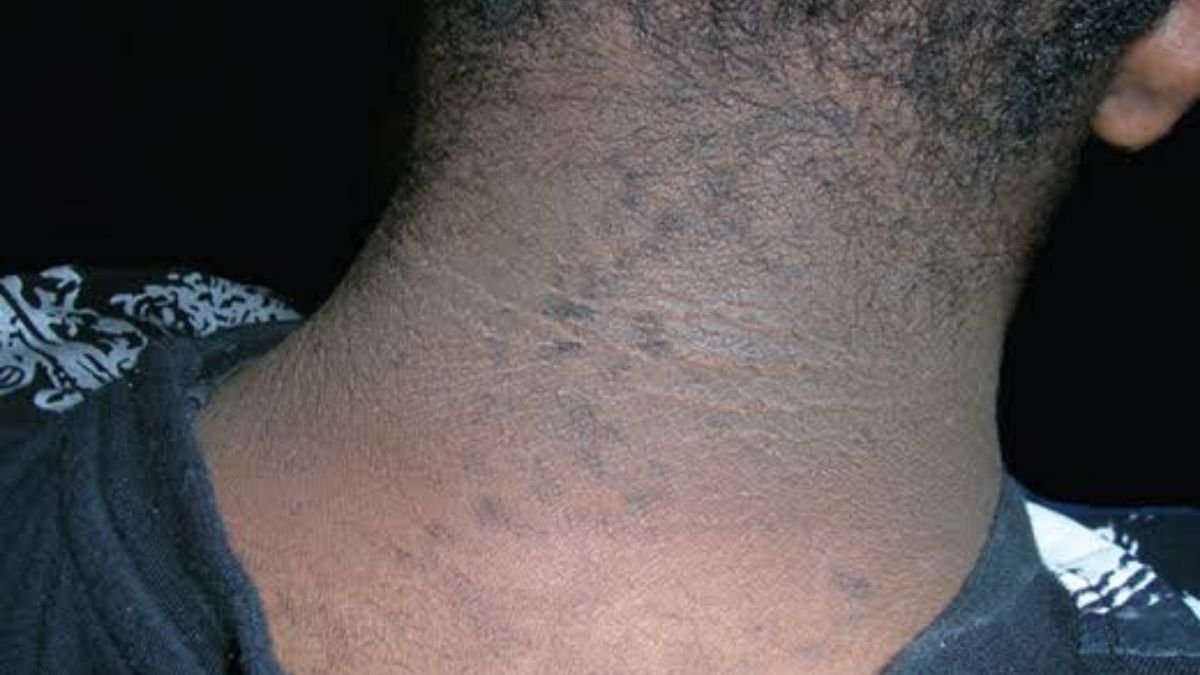
That dark, velvety skin patch on your neck may look like a harmless skin change, but an endocrinologist may recognize it as a possible sign of insulin resistance. Known as acanthosis nigricans, this patch can appear when the body produces higher levels of insulin and may be linked with prediabetes or type 2 diabetes risk.
Many people try scrubbing or skin products, but the patch often does not disappear because the cause is happening beneath the skin. This small change may not diagnose a condition by itself, but it can give doctors an important clue about what to check next.
Before making any health decisions based on a skin change you notice, talk with your doctor, especially if you have diabetes, take medications, or have another diagnosed condition. A skin appearance can provide clues, but it cannot confirm a diagnosis by itself.
The Neck Skin Patch Endocrinologists Notice First
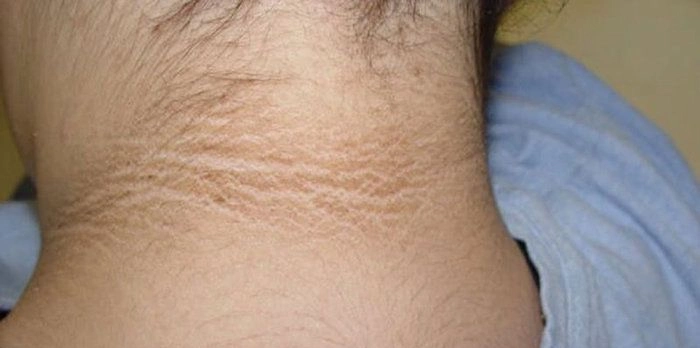
The skin change doctors often recognize is called acanthosis nigricans. It usually appears as darker, thicker, velvety skin that develops in body folds.
The neck is one of the most common places where people notice it. It can appear on the back or sides of the neck and may look like a shadow, stain, or area of rough skin.
A key detail is the texture.
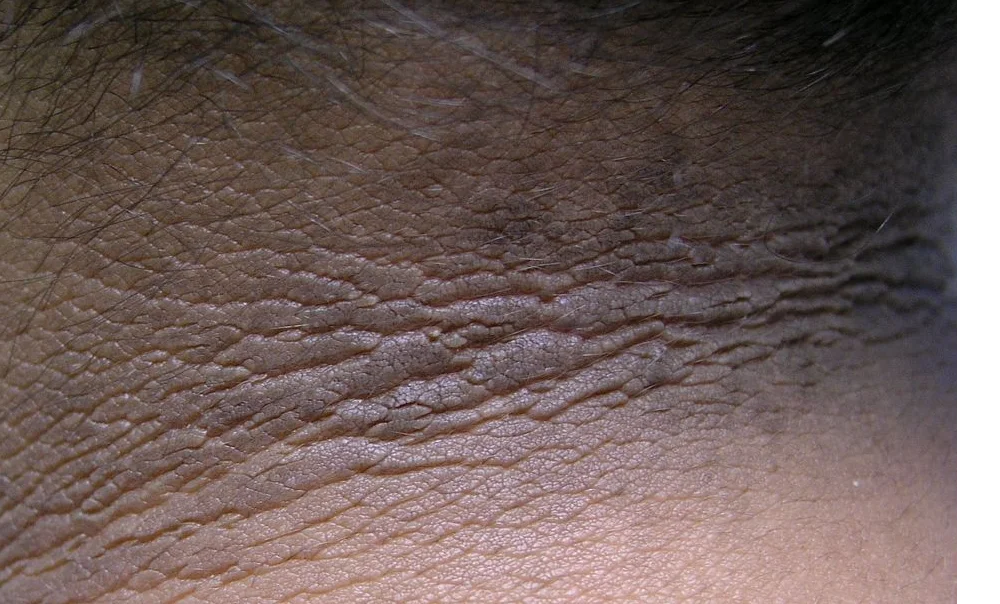
Acanthosis nigricans is not simply darker skin. The affected area often feels thicker and smoother than nearby skin, almost like the surface has changed.
Doctors pay attention to this pattern because it can sometimes appear when the body is producing unusually high amounts of insulin.
| Skin Feature | What It May Look Like | Common Location | Why Doctors Pay Attention |
|---|---|---|---|
| Darkened skin | Brown, gray, or black discoloration | Back or sides of the neck | Common location for acanthosis nigricans |
| Thickened texture | Skin feels thicker than surrounding areas | Neck folds and creases | Suggests changes in skin growth |
| Velvety surface | Smooth, raised appearance | Neck, armpits, groin | Classic feature of the condition |
| Skin tags | Small soft growths near affected skin | Neck and body folds | May occur with insulin resistance |
The important distinction is that this skin sign is a warning clue, not a diagnosis.
A person with this patch does not automatically have diabetes. However, it may be a reason to consider reviewing blood sugar, insulin levels, hormones, or medications.
Why Acanthosis Nigricans Happens Inside the Body
The connection starts with insulin.
Insulin is a hormone that helps move glucose from the bloodstream into cells where it can be used for energy.
When someone develops insulin resistance, the body does not respond to insulin as effectively as it should. The pancreas often compensates by making more insulin.
Gradually, higher insulin levels may affect different tissues, including the skin.
One explanation researchers discuss is that elevated insulin may stimulate growth signals in skin cells. This can contribute to the thickened, darker appearance seen with acanthosis nigricans.
This is why endocrinologists notice the skin. They are not only looking at the patch itself. They are considering whether it reflects a larger metabolic pattern.
The Hidden Link Between Your Skin and Blood Sugar
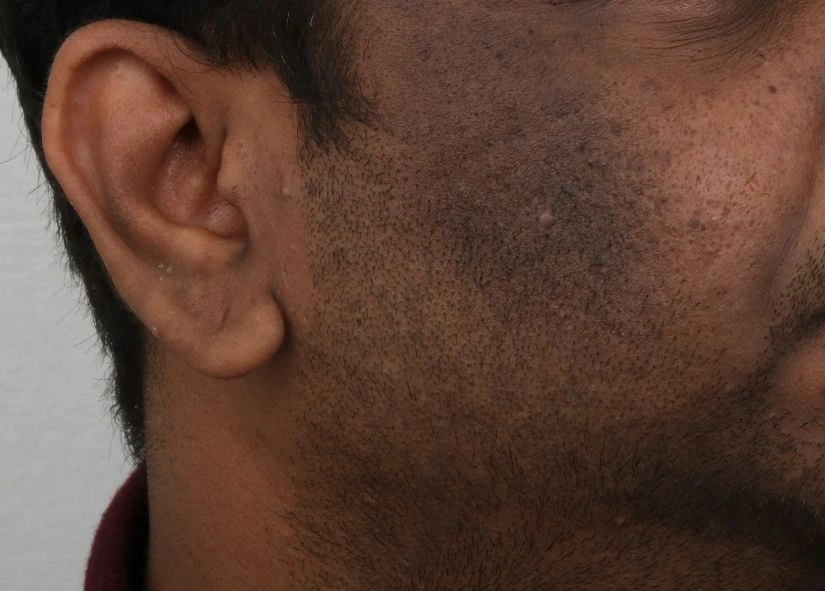
Many people think diabetes appears suddenly when blood sugar becomes high. In reality, changes in insulin sensitivity can develop years before a diabetes diagnosis.
During this stage, the body may still keep blood sugar within a normal range by producing extra insulin.
A neck skin patch may sometimes appear during this period, especially in people who have other risk factors.
Those risk factors can include:
- Family history of type 2 diabetes
- Excess body weight
- Limited physical activity
- Polycystic ovary syndrome
- Certain medications
- Previous blood sugar problems
Acanthosis nigricans is one reason doctors may consider checking markers such as fasting blood glucose or HbA1c.
| Possible Cause | How It Can Affect The Skin | What Doctors May Check |
|---|---|---|
| Insulin resistance | Higher insulin levels may influence skin cell growth | Fasting glucose, HbA1c, metabolic history |
| Prediabetes or type 2 diabetes | Blood sugar problems may occur with insulin resistance | Diabetes risk factors and blood tests |
| Weight related metabolic changes | Increased insulin resistance risk in some people | Weight history and lifestyle factors |
| Hormonal conditions such as PCOS | Hormone changes may affect insulin response | Hormone symptoms and medical history |
| Certain medications | Some medicines can trigger skin changes | Medication review |
The skin does not replace a blood test. It simply gives doctors another piece of information.
Everyone’s body responds differently to changes in weight, diet, exercise, and medications. Talk with your doctor before making major lifestyle changes, especially if you have diabetes, hormone conditions, or take prescription medications.
What This Skin Patch Does Not Mean
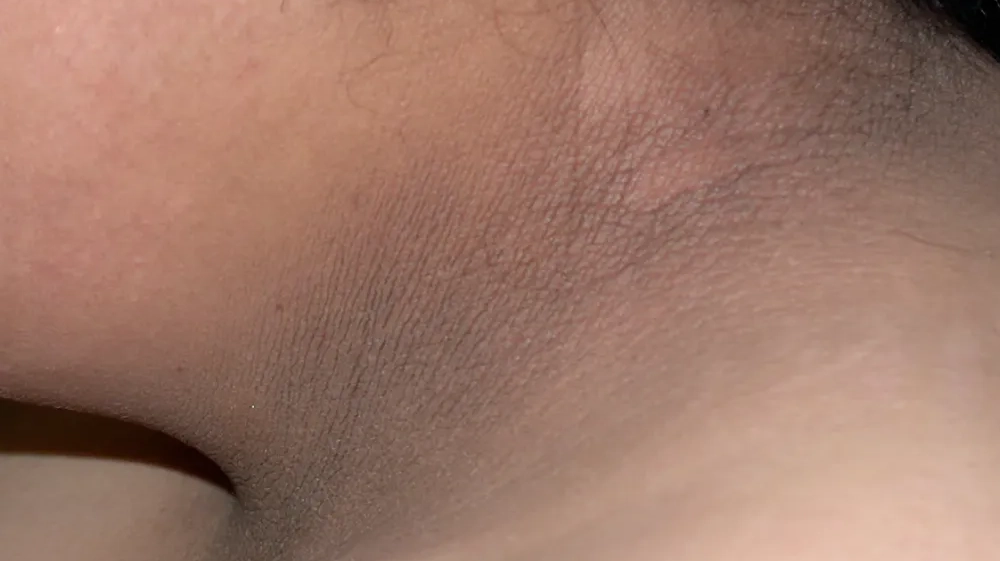
A dark patch on the neck can be concerning, but it is important not to jump to conclusions. Not every dark neck area is acanthosis nigricans.
Skin can change because of:
- Natural pigmentation differences
- Friction
- Skin conditions
- Hormonal changes
- Certain medications
Acanthosis nigricans itself also has different causes.
For many people, insulin resistance is the main connection. But doctors also consider other possibilities based on the person’s overall health history.
This is why a proper evaluation matters.
A doctor may ask:
- When did the patch appear?
- Has it changed quickly?
- Are there similar patches elsewhere?
- Has weight changed recently?
- Are there symptoms such as increased thirst or fatigue?
The goal is not to diagnose from appearance alone. The goal is to understand why the change happened.
Small Habits That Support Better Metabolic Health

- Take a short walk after meals: A 10 to 15 minute walk can help muscles use glucose after eating.
- Add strength training regularly: Resistance exercise two to three times per week can help maintain muscle, which plays a role in insulin sensitivity.
- Choose more fiber rich foods: Vegetables, beans, lentils, and whole grains can support steadier blood sugar levels.
- Include protein with meals: Protein can help improve fullness and support muscle maintenance.
- Pay attention to body changes: Notice new skin changes, weight changes, or symptoms and discuss them with a healthcare provider.
These habits do not guarantee that a skin patch will disappear, but they support overall metabolic health.
Can You Scrub Away A Dark Neck Patch?

This is one of the biggest misunderstandings.
Many people assume a darker neck means dirt, poor hygiene, or buildup. They scrub harder or use harsh products.
But acanthosis nigricans is not caused by dirt sitting on the skin. The change happens within the skin layers themselves. Aggressive scrubbing can actually irritate the area and make the skin feel worse.
If the patch is caused by an underlying condition, improving that condition is usually more helpful than focusing only on the appearance.
When This Skin Change Needs Medical Attention

A dark neck patch is often related to common metabolic issues, but some changes deserve quicker evaluation.
See a doctor if you notice:
- A dark, thick, velvety patch appearing suddenly
- The patch spreading rapidly to several areas
- New skin changes along with increased thirst, frequent urination, or unexplained tiredness
- A widespread skin change without an obvious reason
Most cases are not caused by something serious, but sudden changes should not be ignored.
What Actually Helps Improve Acanthosis Nigricans?

Treatment depends on the reason it developed. If insulin resistance is contributing, improving metabolic health may help.
Doctors often focus on:
- Improving blood sugar control
- Increasing physical activity
- Supporting healthy weight changes when appropriate
- Reviewing medications that may contribute
- Treating hormone related conditions if present
Skin treatments may sometimes improve appearance, but they usually do not solve the underlying trigger. The goal is to understand what the skin is trying to reveal.
Questions People Ask About A Neck Skin Patch
Does this mean I have diabetes?
No. Acanthosis nigricans can be associated with insulin resistance and diabetes risk, but it does not prove that someone has diabetes. A healthcare provider can decide whether blood sugar testing is appropriate.
How long does it take for the skin to improve?
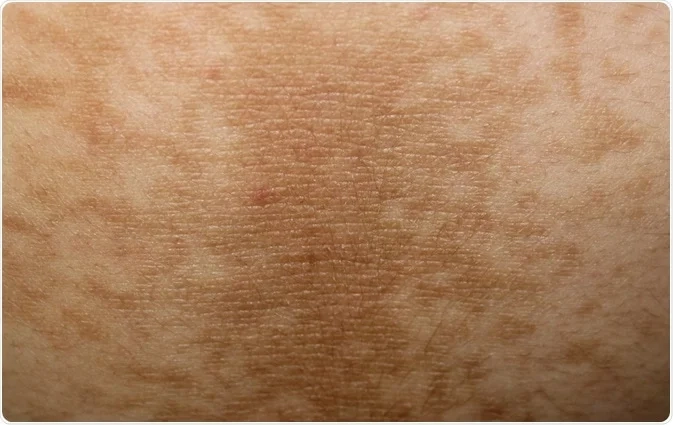
It depends on the cause. If the underlying reason improves, the skin may gradually become less noticeable, but changes often take time.
Can thin people get acanthosis nigricans?
Yes. Although it is commonly associated with insulin resistance and excess weight, it can also occur in people who are not overweight.
Doctors consider the full picture, including genetics, hormones, medications, and health history.
Is every dark neck patch dangerous?
No. Many causes are harmless. The reason doctors pay attention is because the appearance can sometimes provide an early clue that deserves evaluation.
The Skin Clue Worth Paying Attention To
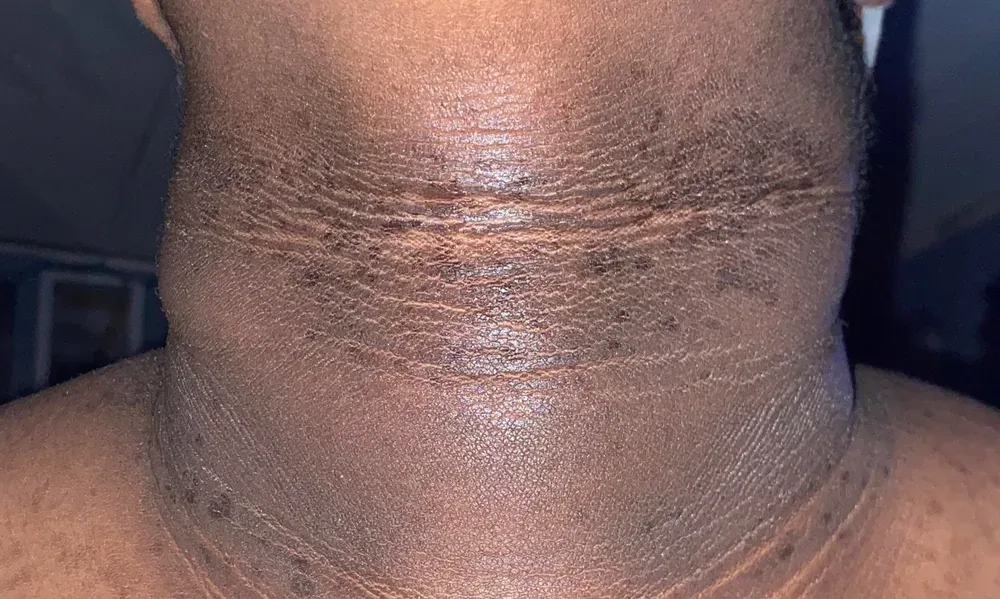
That dark patch on your neck may seem like a cosmetic issue, but sometimes the skin is showing changes happening deeper inside the body.
Acanthosis nigricans is not a diagnosis by itself. It is a visible sign that may encourage doctors to look closer at insulin resistance, blood sugar, hormones, and overall metabolic health.
The most helpful step is not panic and not aggressive skin treatments. It is understanding what the change may mean and getting the right evaluation.
This article is for informational purposes only and is not a substitute for professional medical advice, diagnosis, or treatment. Always consult your doctor or a qualified healthcare provider before making changes to your diet, exercise routine, or medications, especially if you have an existing health condition.
