
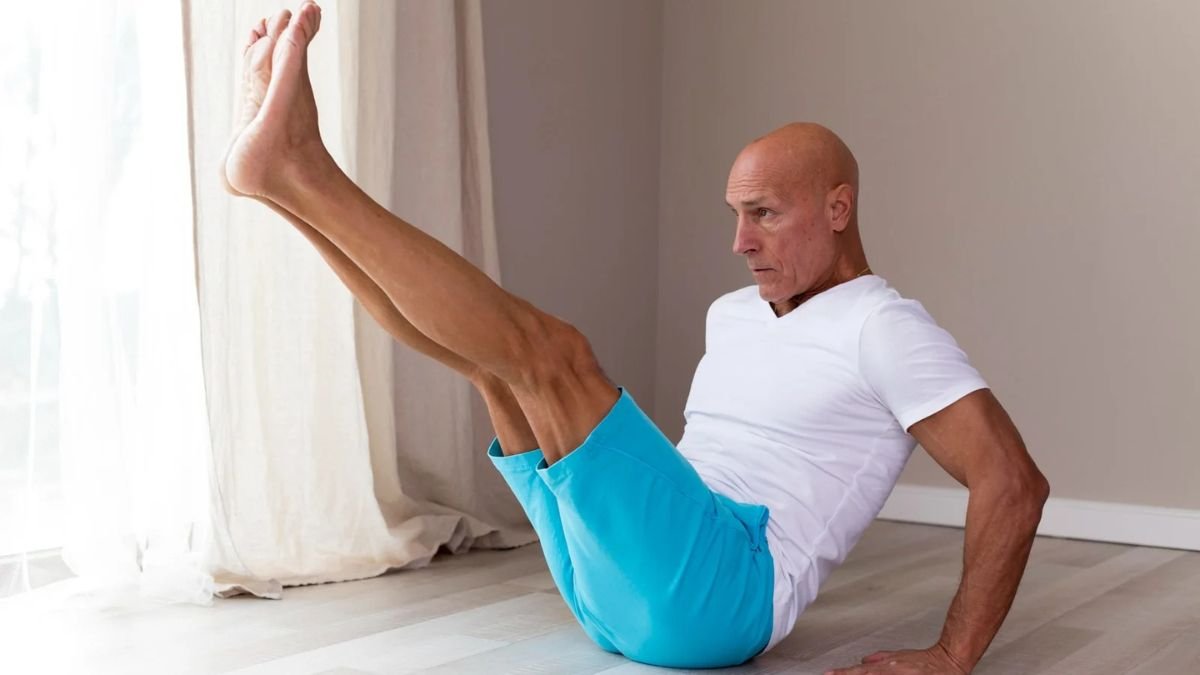
A small loss of balance after 60 can feel harmless at first. You may grab a chair more often, avoid uneven sidewalks, or notice that stairs do not feel as easy as they once did.
But falls are not just a normal part of aging. A single fall can lead to fractures, fear of movement, less activity, and a faster decline in strength and confidence.
The good news is that balance can be trained. Physical therapists often use specific balance exercises to improve stability, leg strength, coordination, and reaction time.
The first exercise on this list is simple enough to start tonight, and it targets one of the biggest skills your body needs to prevent falls.
Why Balance Gets Worse After 60
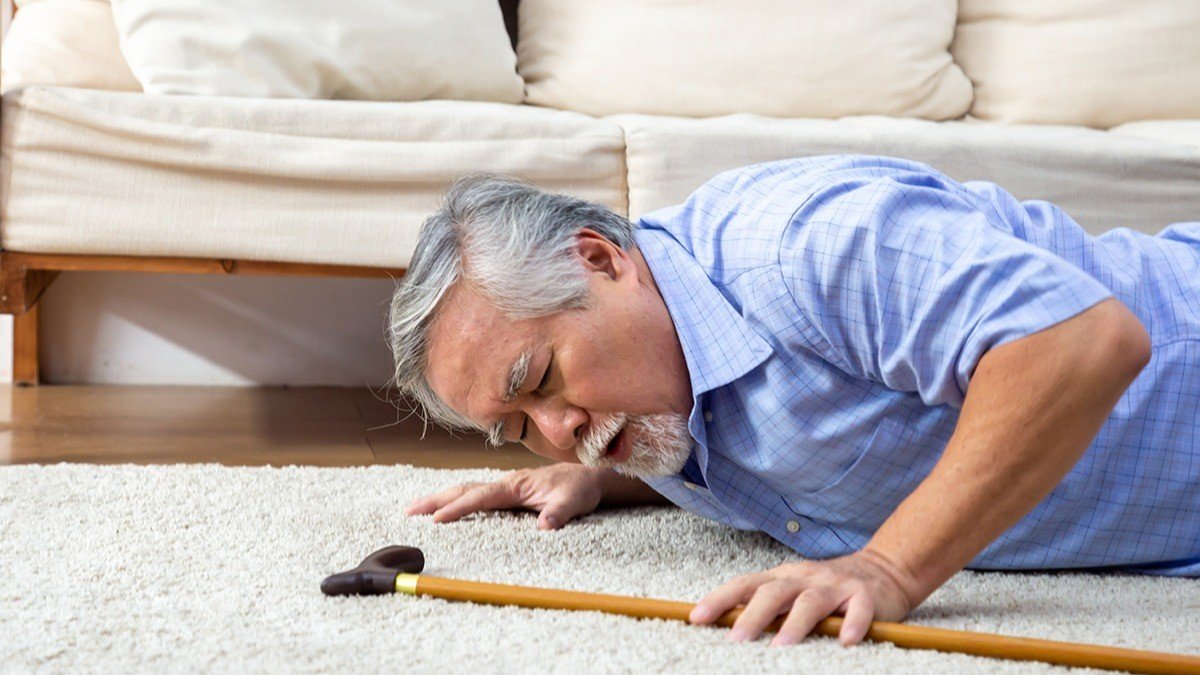
Balance is not controlled by one single system. Your brain combines signals from your eyes, inner ear, muscles, joints, and nervous system to help you stay upright. As people age, several changes can affect this system.
Muscle mass naturally decreases, especially in the legs. Vision changes can make it harder to judge obstacles. Nerve sensitivity in the feet may decline, which can reduce awareness of where your body is positioned.
Physical therapists usually focus on three areas:
| Balance System | What It Controls | Why It Matters After 60 |
|---|---|---|
| Muscle strength | Ability to stabilize the body | Weak legs make recovery from a stumble harder |
| Proprioception | Knowing where your body is in space | Helps prevent missteps and trips |
| Reaction control | Quickly correcting movement | Helps catch yourself before falling |
The goal is not perfect balance.
The goal is a body that responds faster when something unexpected happens.
1. Single Leg Stand: The Exercise Physical Therapists Often Start With
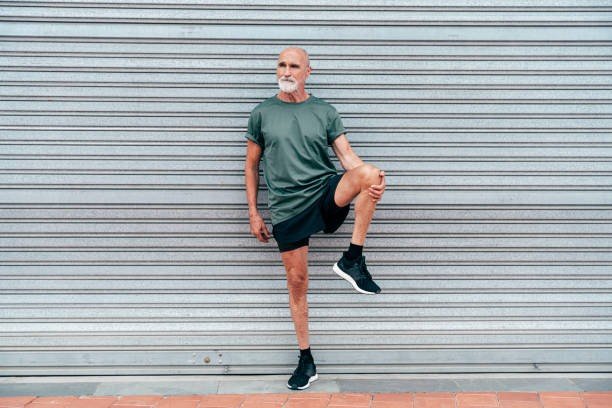
Standing on one leg looks easy until you try it. This exercise challenges your ankle muscles, hip stabilizers, and nervous system at the same time. These muscles help keep your body upright when you step over a curb, turn quickly, or walk on uneven ground.
Start beside a kitchen counter or sturdy chair. Lift one foot slightly off the floor and hold your balance for 10 seconds. Switch sides and repeat. As your confidence improves, gradually increase the time.
| Beginner Version | Progression |
|---|---|
| Hold for 10 seconds with support nearby | Hold 30 seconds without touching support |
| Keep both eyes open | Turn your head slowly while balancing |
| Practice once daily | Practice several times per week |
2. Heel-to-Toe Walking
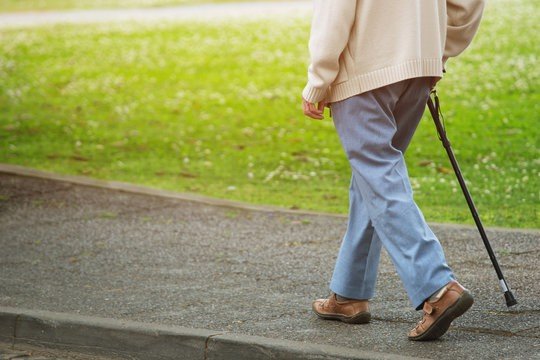
Heel-to-toe walking improves coordination and challenges your ability to maintain a straight path.
It mimics situations where balance is tested, such as walking through a crowded room or stepping around objects.
Place the heel of one foot directly in front of the toes of the other foot. Walk slowly forward for 10 to 20 steps. Keep a wall nearby when starting.
3. Sit-to-Stand Practice
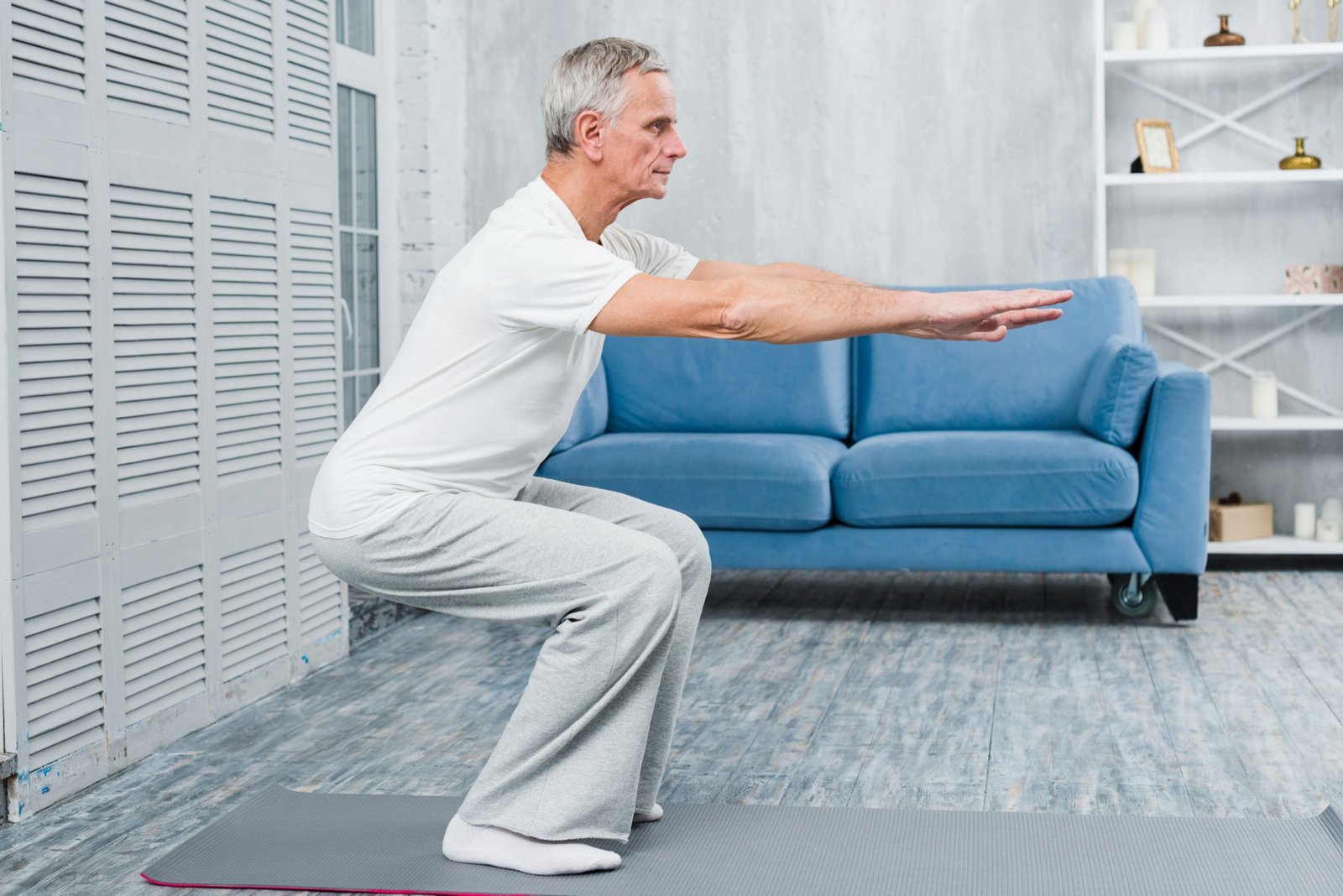
Strong legs are one of the best defenses against falls. The sit-to-stand movement trains your thighs, hips, and core muscles. These muscles are needed to rise from a chair, climb stairs, and regain stability after losing balance.
Practice standing up from a firm chair without using your hands. Try 10 repetitions once or twice daily.
4. Side Leg Raises
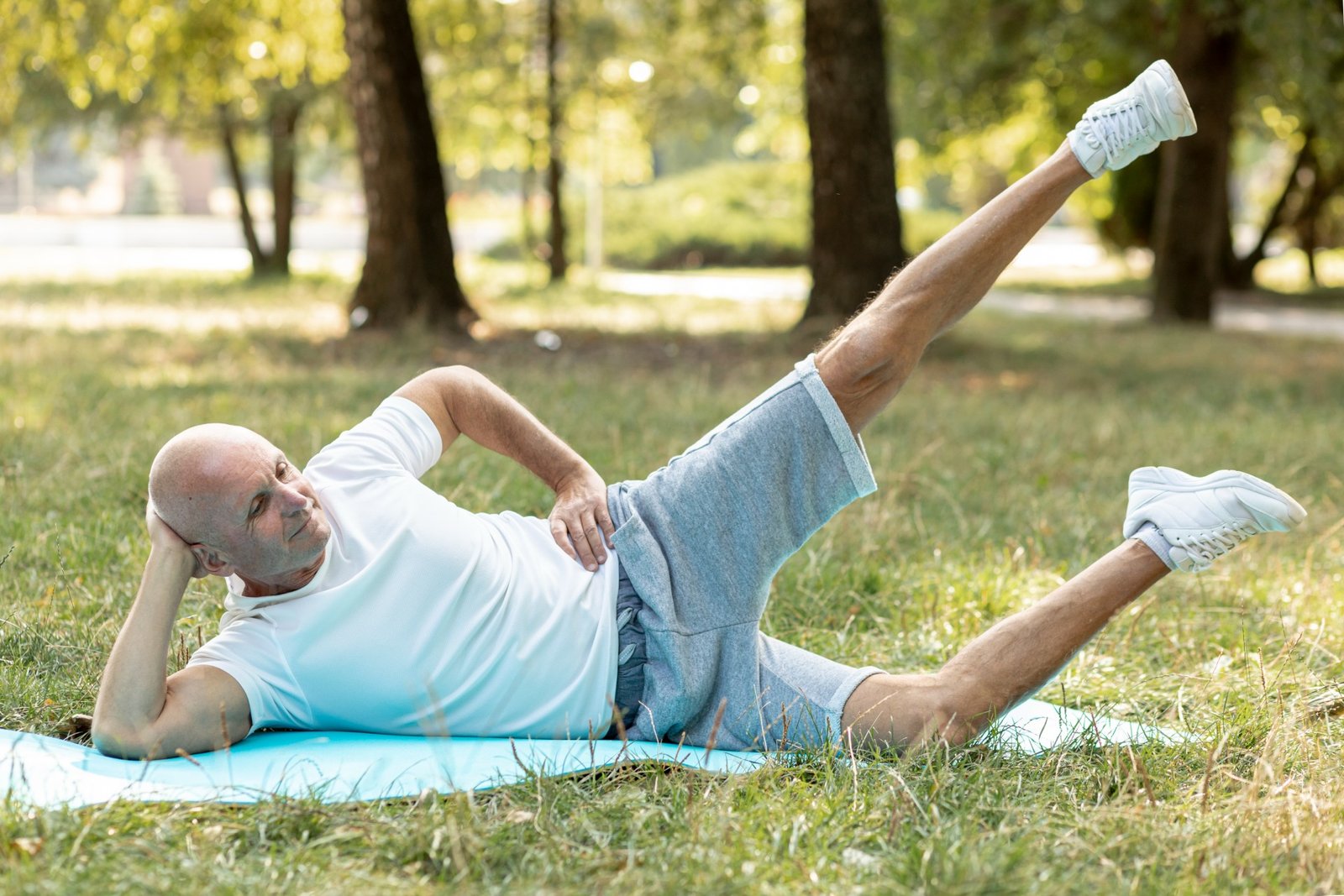
Side leg raises strengthen the hip muscles that control side-to-side stability. Weak hip muscles are common in older adults and can make walking less steady.
Stand tall while holding a chair. Lift one leg slowly out to the side, then lower it with control. Aim for 10 repetitions on each side.
5. Heel Raises
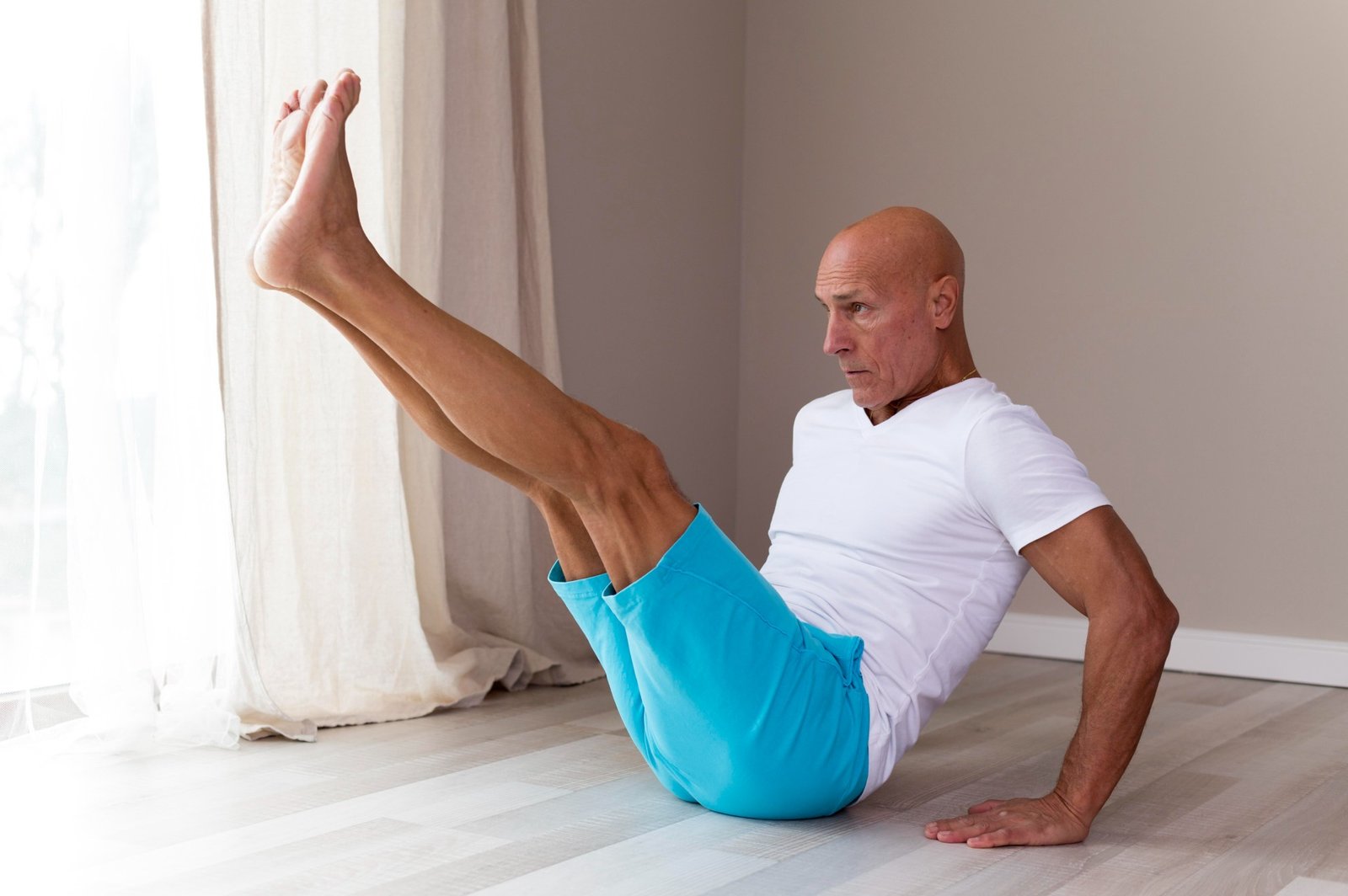
Your calf muscles help control ankle movement and keep you stable while walking. Stand behind a chair and slowly rise onto your toes.
Lower your heels with control. Repeat 10 to 15 times. This simple movement can help improve the strength needed for stepping and balance reactions.
6. Toe Taps
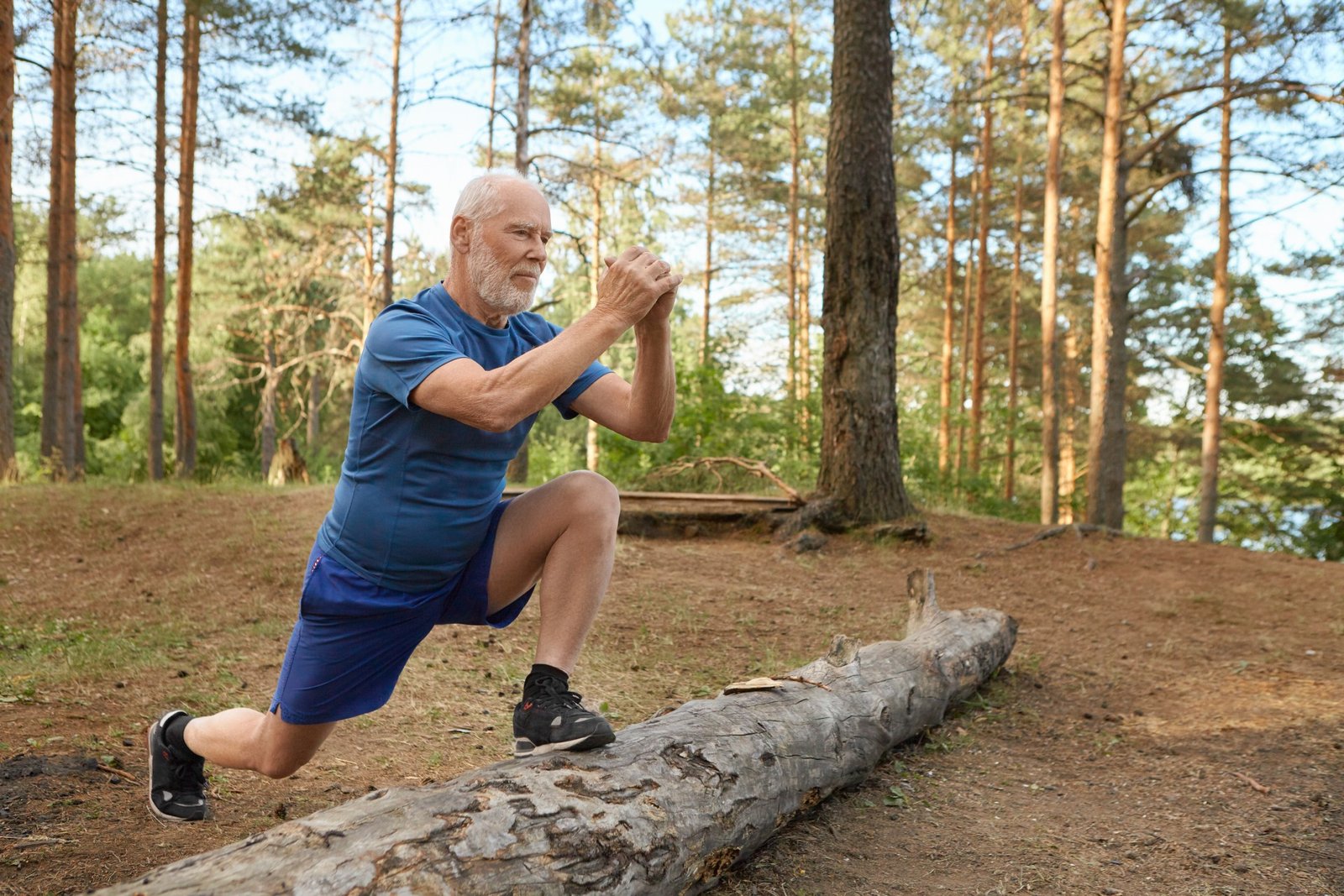
Toe taps improve coordination and help train your ability to shift weight safely. Stand near support and tap one foot forward, sideways, and backward.
This teaches your body how to move your center of gravity without losing control. Everyone’s body responds differently. Check with your doctor before increasing exercise intensity if you have osteoporosis, joint problems, heart conditions, or a history of falls.
7. Marching In Place
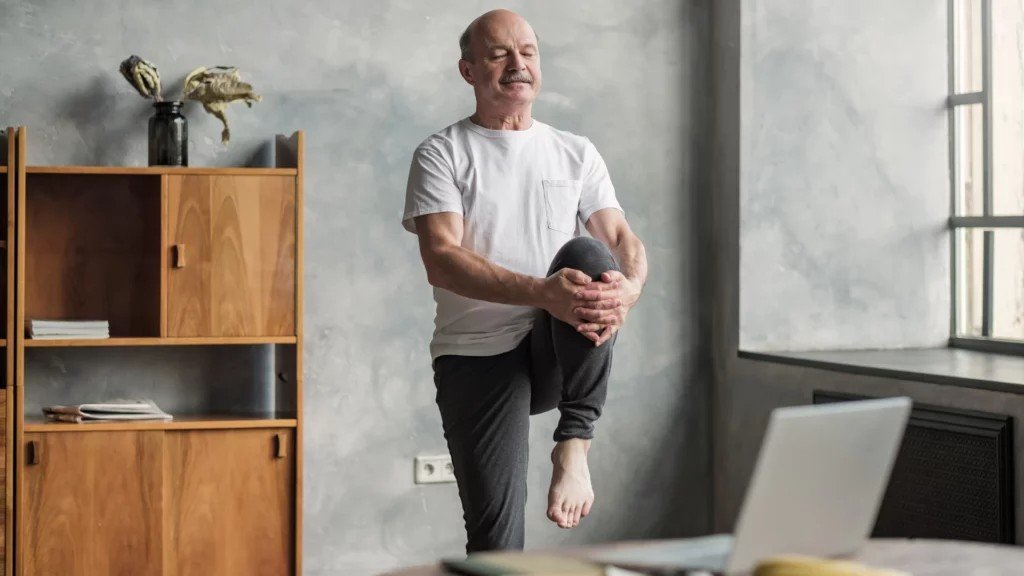
Marching challenges balance while strengthening hip flexors and improving movement confidence.
Lift one knee at a time while standing tall for 20 steps. Increase slowly as your balance improves.
8. Standing Hip Extensions
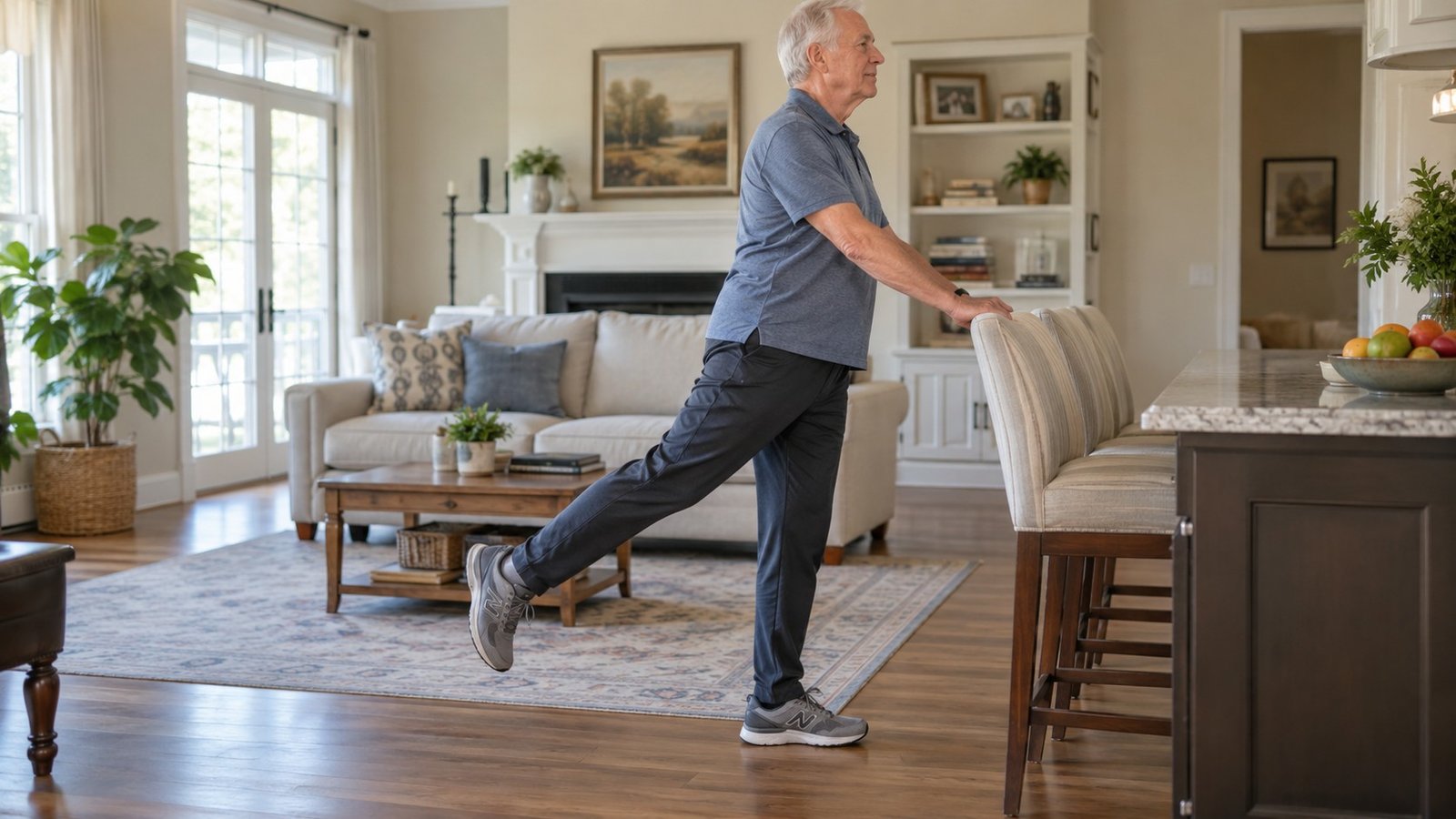
Standing hip extensions strengthen the muscles at the back of your hips, especially the glutes, which play an important role in keeping your body stable while walking, climbing stairs, and standing upright.
This exercise also trains your body to keep your balance while one leg moves behind you, which is a movement pattern used when taking steps, changing direction, or recovering from a small stumble.
To perform it, stand tall behind a sturdy chair or countertop and hold on lightly for support. Slowly move one leg straight backward while keeping your back upright and your hips facing forward.
9. Clock Reach Exercise
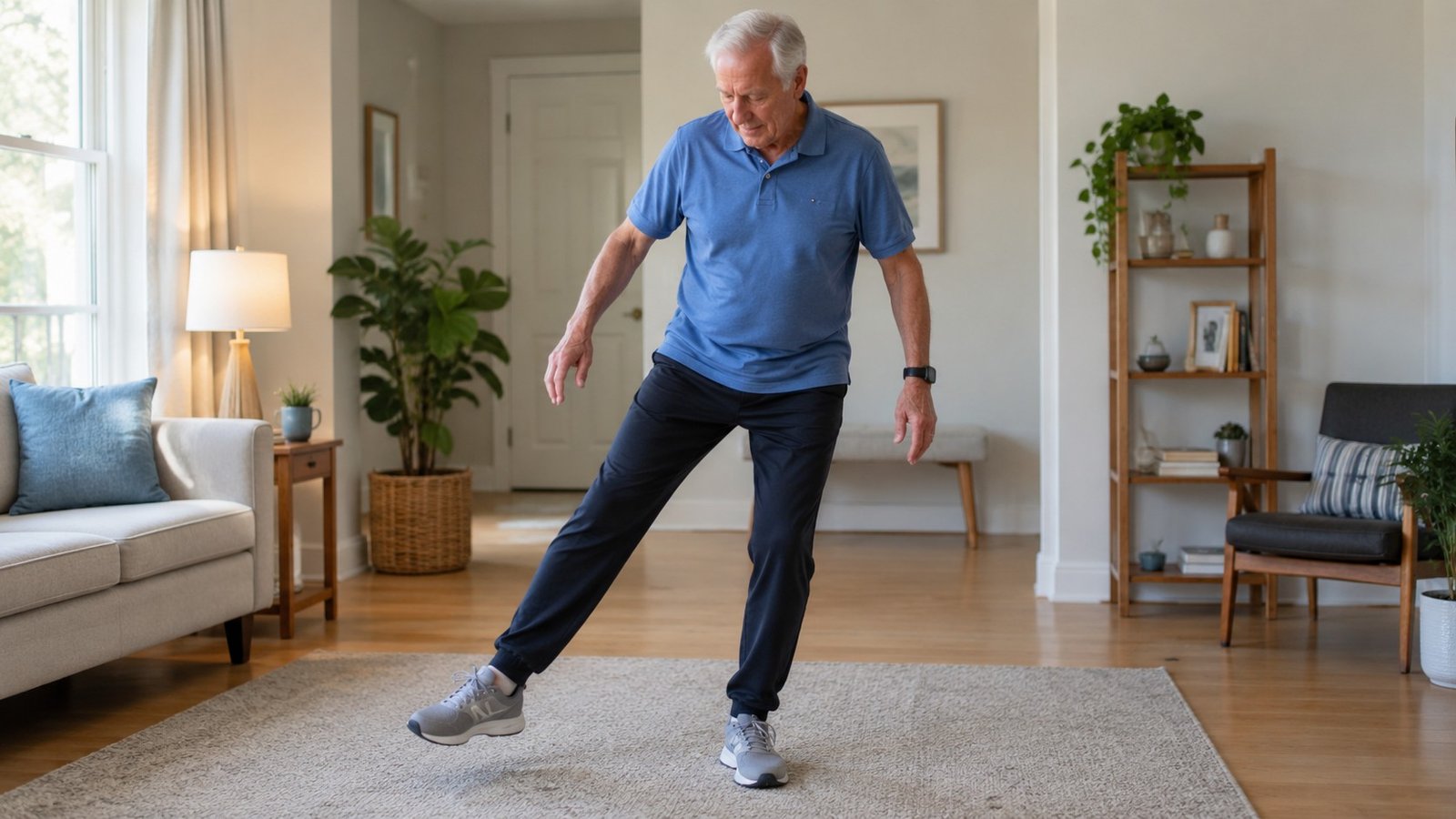
This exercise teaches controlled movement in different directions. Imagine standing in the center of a clock.
Reach one foot toward different clock positions, then return to the starting point. This challenges balance while improving coordination.
10. Mini Squats
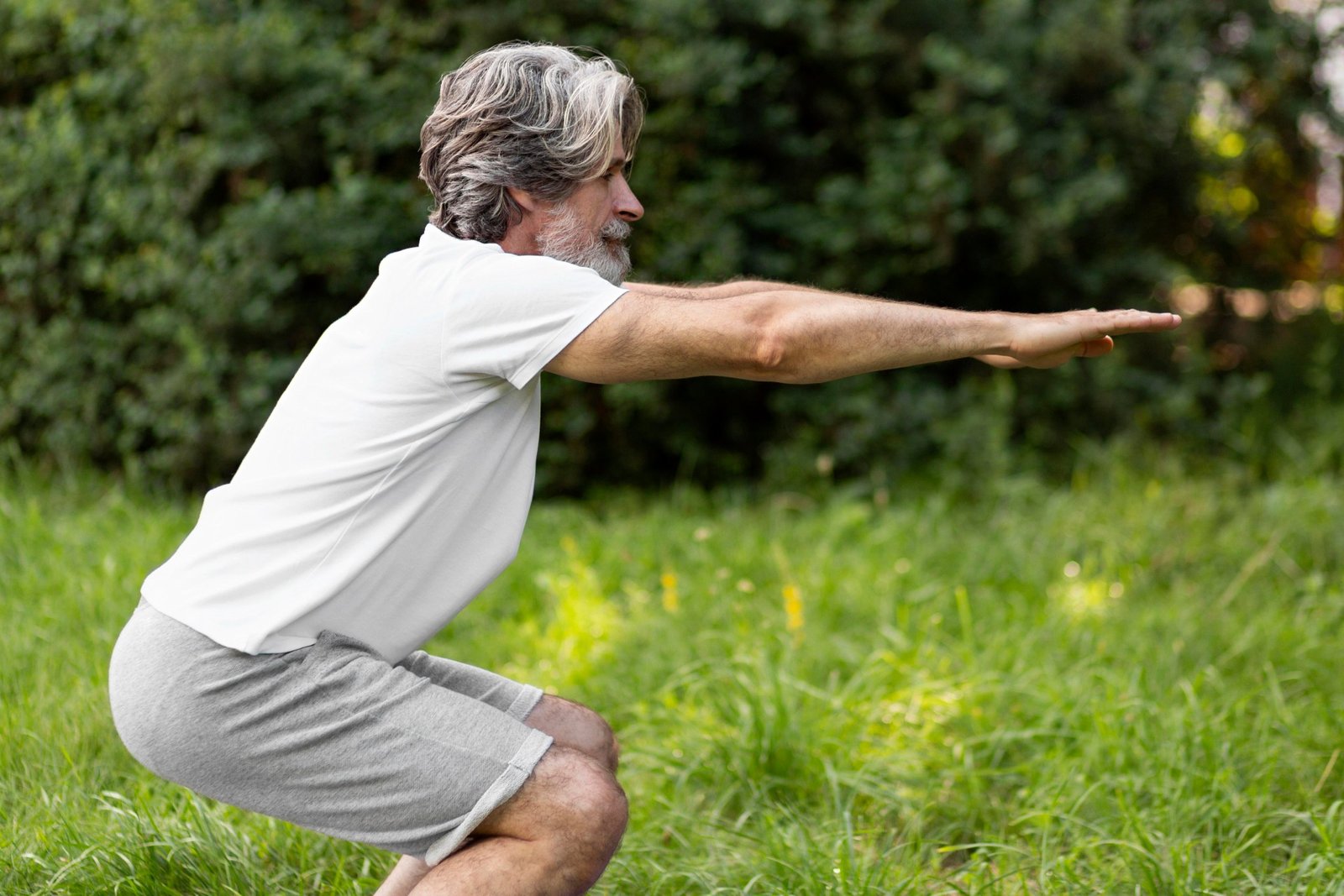
Mini squats strengthen the muscles responsible for controlling your body during daily movements.
They are especially useful because many falls happen during transitions, such as sitting down or standing up. Bend slightly at the knees while keeping your back straight. Perform 10 repetitions.
11. Tandem Stance
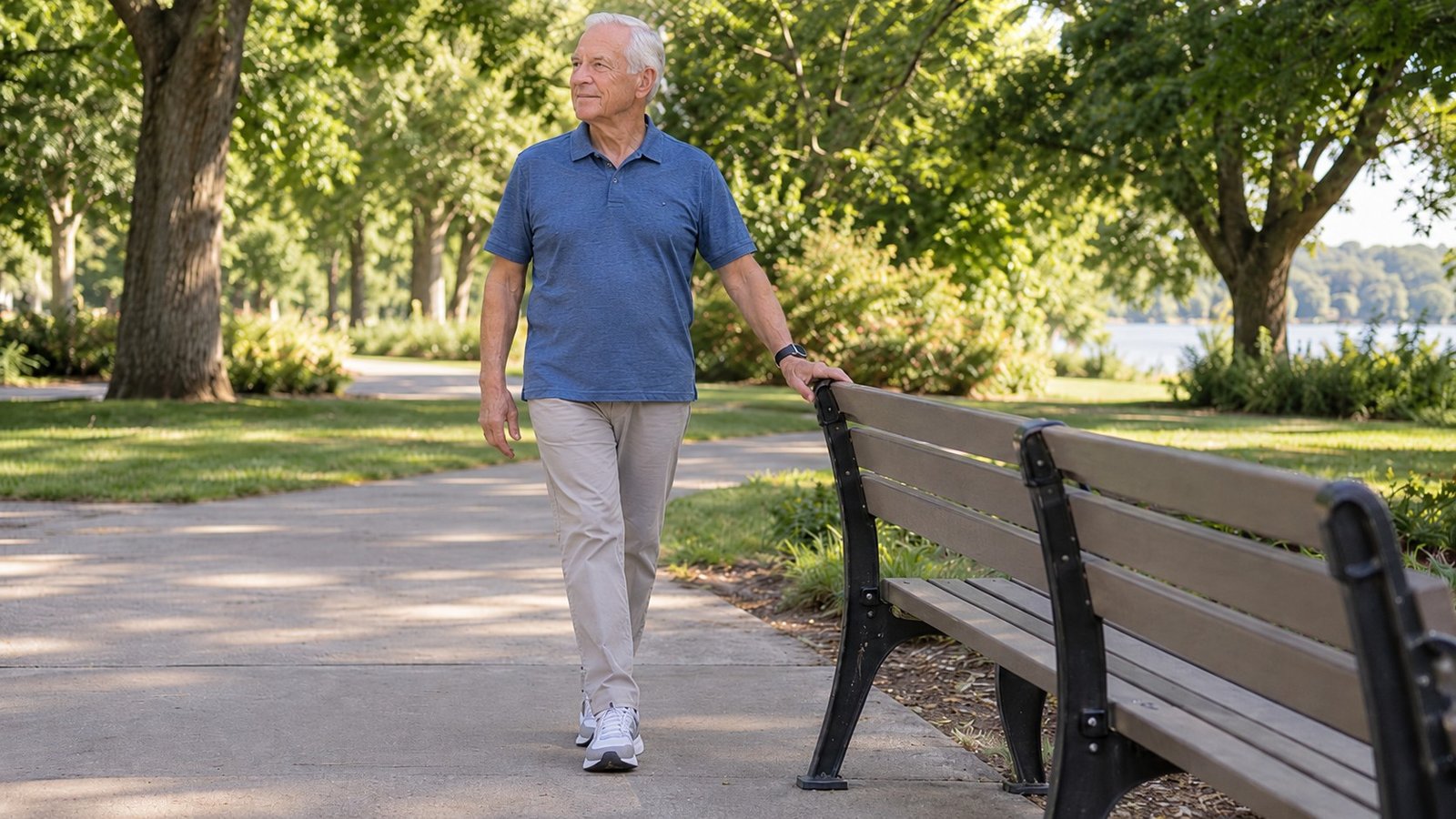
The tandem stance is a simple balance exercise that closely challenges the way your body controls stability while walking. It involves placing one foot directly in front of the other, with the heel of the front foot touching or nearly touching the toes of the back foot.
Start by standing near a countertop or sturdy chair for support. Hold the position for 20 seconds, then switch which foot is in front. As your balance improves, increase the holding time or try turning your head slowly from side to side while maintaining your stance.
12. Step Ups
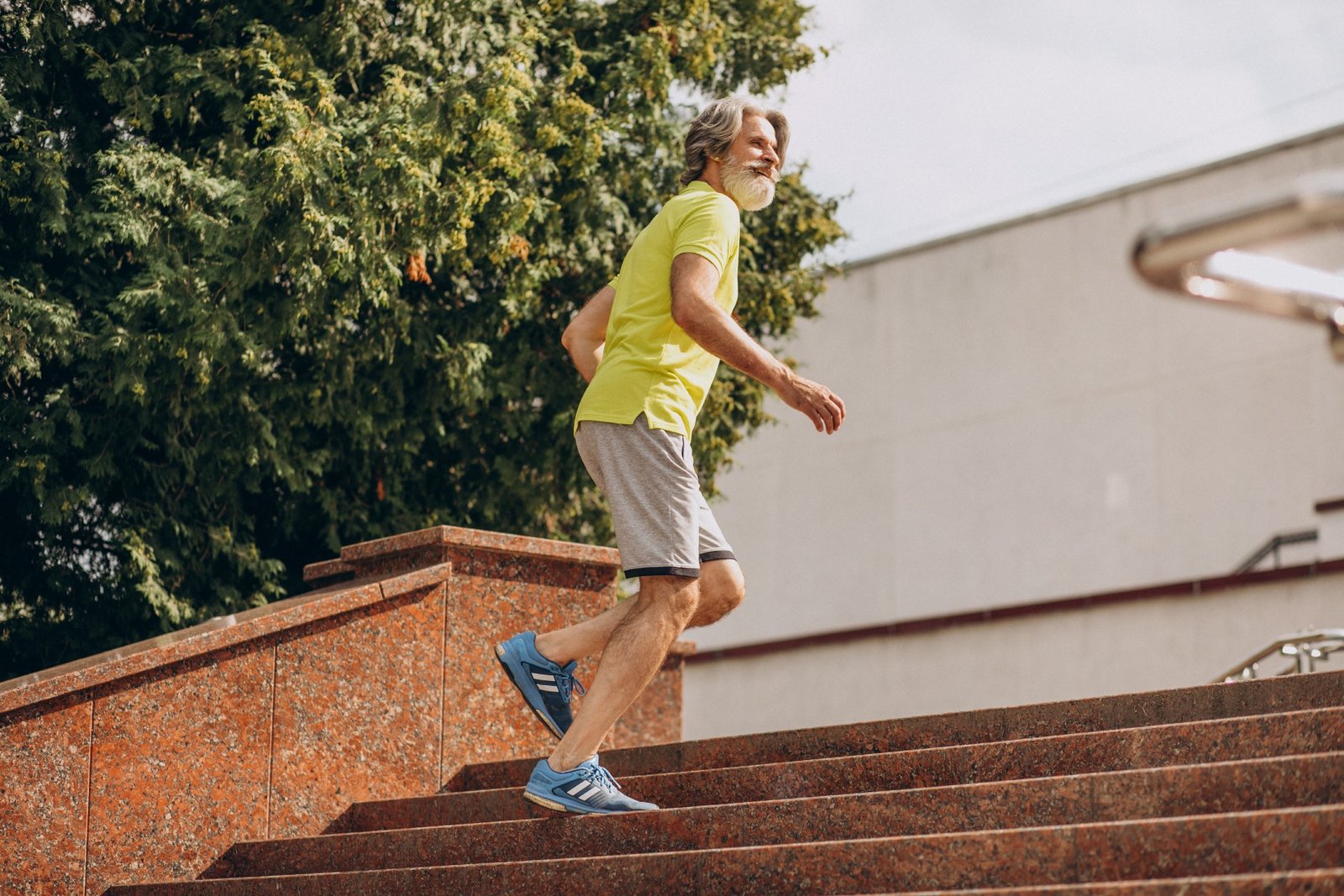
Step-ups strengthen the muscles that help you handle common daily challenges like climbing stairs, stepping onto curbs, or getting into a vehicle. This movement targets the quadriceps, glutes, and hip muscles.
Use a low step or sturdy platform at first. Hold onto a railing or countertop if needed, step up with one foot, bring the other foot up, then slowly step back down. Start with 8 to 10 repetitions per leg and focus on slow, controlled movements rather than speed.
13. Backward Walking
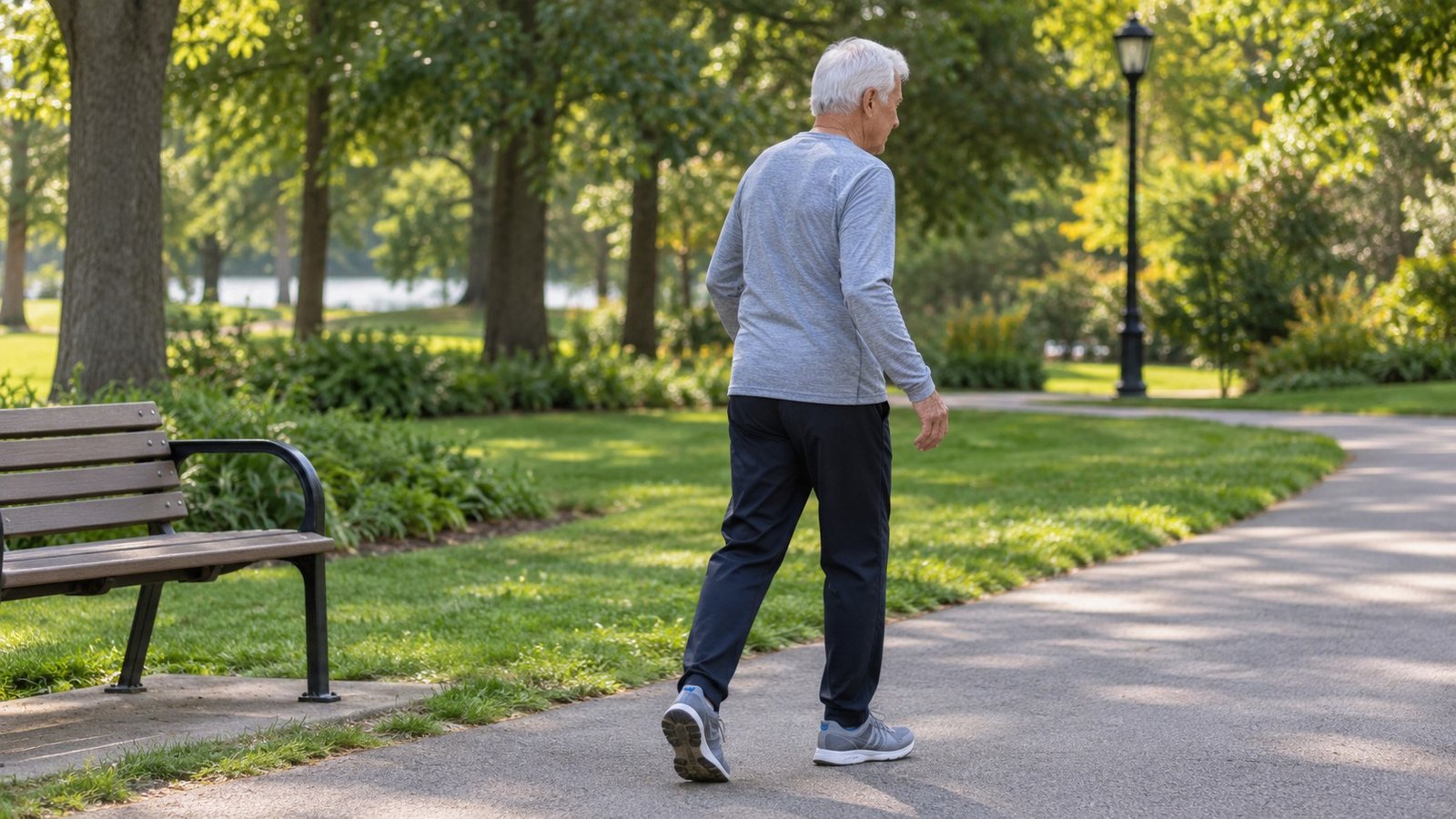
Backward walking may feel unusual, but it is a valuable balance exercise because it challenges your body in a way forward walking does not. When moving backward, your brain cannot depend on the same visual information it normally uses, so your muscles and nervous system must work harder to control each step.
Practice backward walking in a clear hallway or open space without obstacles. Take small steps, keep your posture upright, and use a wall or nearby support if you feel unstable.
14. Standing Knee Lifts
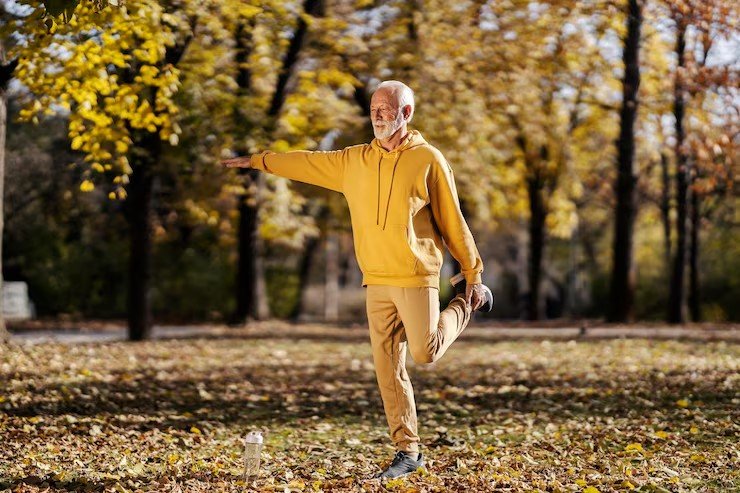
Standing knee lifts help improve balance while strengthening the hip flexors and abdominal muscles that support steady movement. The exercise copies a common walking action, lifting one leg while the opposite leg supports your body weight.
This movement helps your body practice weight shifting, which is essential for walking safely, stepping over objects, and changing direction without losing stability.
Stand tall while holding onto a chair if needed. Slowly lift one knee toward hip height, pause briefly, then lower your foot back to the floor with control.
15. Resistance Band Side Steps
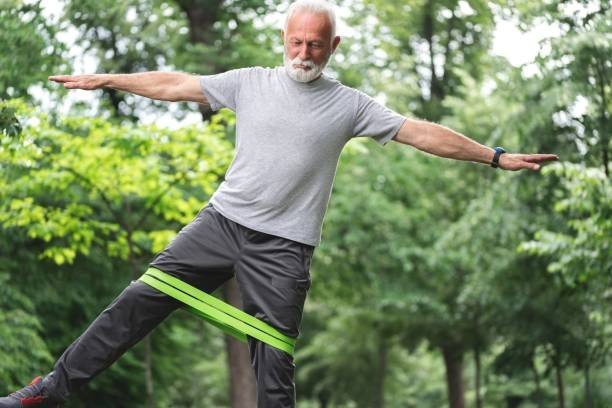
Resistance band side steps strengthen the muscles along the hips and outer thighs, especially the gluteus medius. These muscles help keep your pelvis stable when walking and are important for preventing side-to-side balance problems.
Place a resistance band around your thighs or ankles, depending on your strength level. Keep your knees slightly bent and take slow steps to the side while maintaining control.
16. Yoga-Based Balance Poses
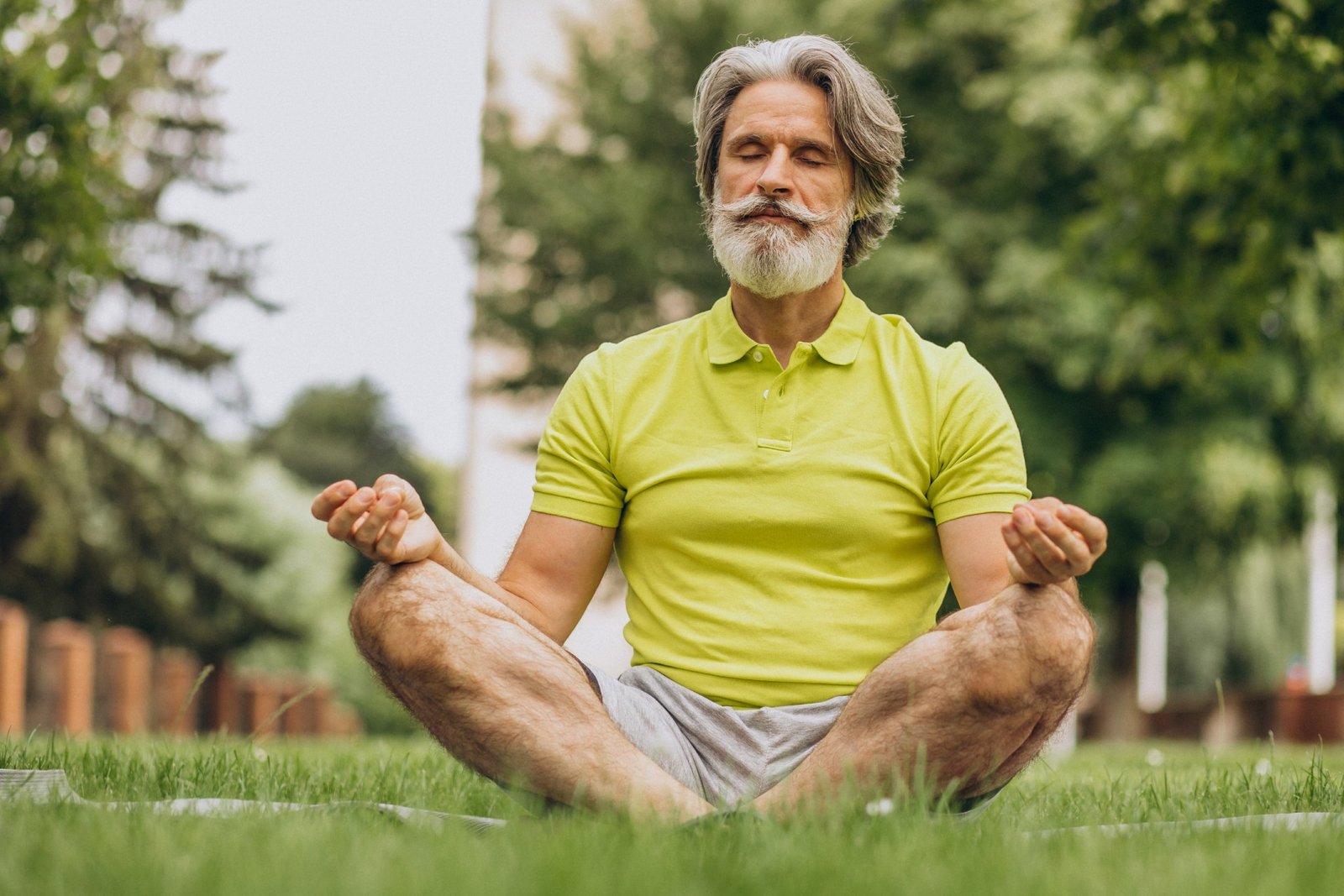
Certain yoga-inspired balance poses can improve flexibility, muscle control, and body awareness. Movements such as tree pose and warrior poses require you to stabilize your body while maintaining a controlled position.
These exercises train your core, legs, and smaller stabilizing muscles that support posture and balance. They may also help improve confidence for older adults who have started avoiding certain movements because of fear of falling.
Start with a chair or wall nearby for support. Hold each pose for 10 to 20 seconds and focus on slow breathing and steady posture.
17. Tai Chi Movements
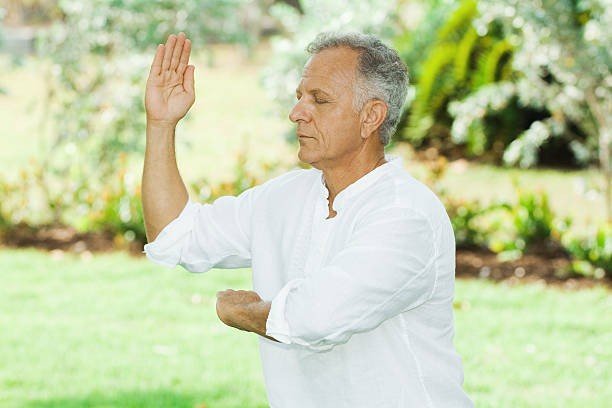
Tai chi is a gentle movement practice that combines slow shifting of body weight, controlled breathing, and coordinated movements. Unlike exercises that focus only on strength, tai chi trains balance by teaching your body how to move smoothly while maintaining stability.
Tai chi can be adapted for different ability levels, including people who need seated modifications or extra support. Practicing a few times each week can help improve body awareness, confidence, and comfort with movement.
A Simple 10 Minute Balance Routine To Start Tonight
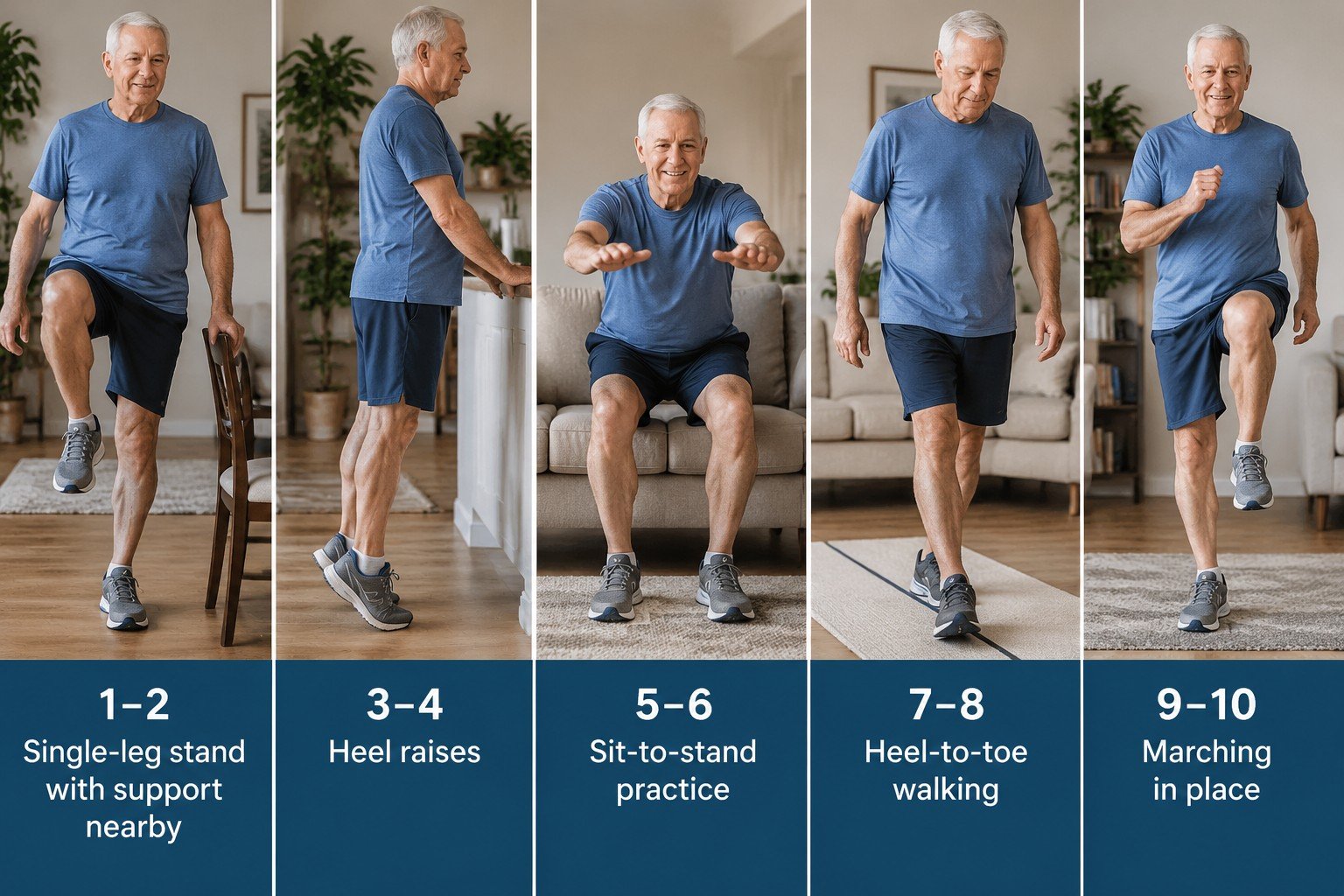
You do not need a gym membership or complicated equipment. Try this beginner routine:
Minute 1 to 2: Single-leg stand with support nearby
Minute 3 to 4: Heel raises
Minute 5 to 6: Sit-to-stand practice
Minute 7 to 8: Heel-to-toe walking
Minute 9 to 10: Marching in place
