
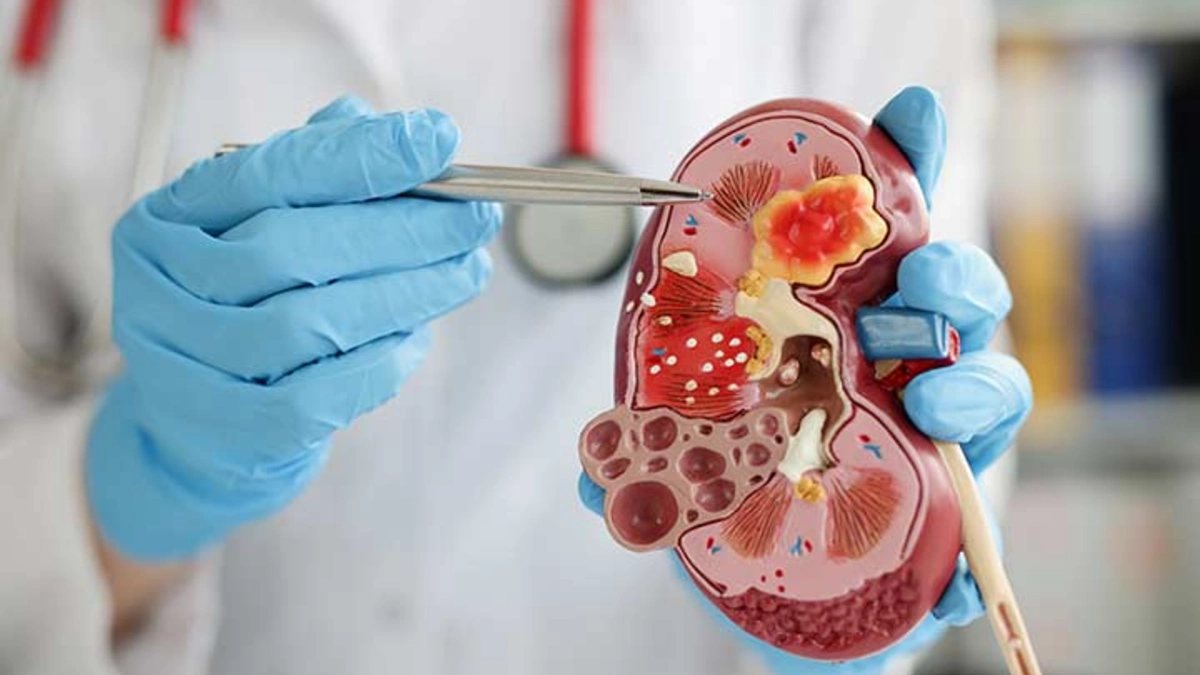
You can pack a blender with banana, spinach, yogurt, nut butter, juice, protein powder, and coconut water and still believe every sip is good for your kidneys. The problem is that these healthy smoothie ingredients can stack potassium, phosphorus, protein, sugar, supplements, and fluid into one easy drink.
For someone with kidney disease, diabetes, high potassium, or certain kidney stones, that stack can matter. Mark’s main message is simple: the word healthy tells you very little until you look at the whole blender and the person drinking it.
Before changing your potassium, phosphorus, protein, calcium, supplements, or fluid intake, talk with your doctor or kidney dietitian. Kidney nutrition can change based on your lab results, kidney function, medicines, and whether you receive dialysis.
About 37 million American adults, or 14 percent of adults, were estimated to have chronic kidney disease in 2026. Many people can have CKD without realizing it. That makes this more than a problem for people already following a strict kidney diet.
Why “Healthy” Does Not Always Mean Kidney-Friendly?

Bananas are nutritious. Spinach is nutritious. Yogurt can provide protein and calcium. Nuts contain healthy fats. None of the changeacts changes just because they go into a smoothie. What changes is the amount you can fit into one glass.
A person may never sit down to eat a banana, several handfuls of greens, a bowl of yogurt, a spoonful of nut butter, fruit juice, protein powder, and coconut water at the same breakfast. A blender makes that much easier. Kidney disease adds another layer.
Healthy kidneys help keep potassium, phosphorus, fluid, and other minerals in balance. As kidney function falls, some people have more trouble removing extra amounts. NIDDK stresses that there is no single CKD meal plan that works for everyone.
Current National Kidney Foundation guidance says the same thing. Your plan can depend on CKD stage, lab results, diabetes, medicines, dialysis, transplant status, appetite, blood pressure, and other health needs.
Here is a useful reality check using recipes from kidney organizations themselves.
| Real smoothie example | Serving | Potassium | Sugar | Protein |
|---|---|---|---|---|
| NKF Power Golden Smoothie | 1.25 cups | 502 mg | 24.6 g | 2.9 g |
| AKF Smoothie Bowl | 1 cup | 478 mg | 33 g | 2 g |
| AKF Mango Plus Smoothie | About 1.25 cups | 442 mg | 18 g | 8 g |
The NKF and AKF recipes are designed with kidney nutrition in mind, yet their potassium numbers still differ and are not tiny. That is the lesson. A nutrient number does not make a smoothie bad. Context does.
The Potassium Stack Is What Most People Miss
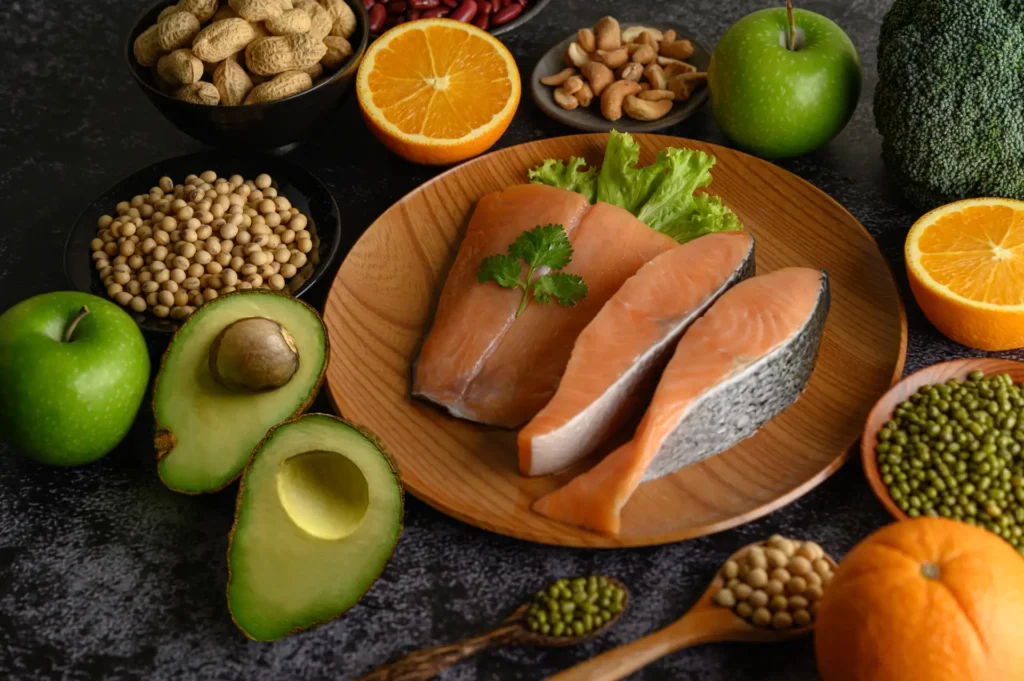
Potassium gets most of the attention in kidney diets, but the common advice is often too simple. People hear that bananas are high in potassium, so they remove bananas.
Then they make a smoothie with orange juice, spinach, yogurt, avocado, coconut water, and a mineral powder. That may miss the real problem.
Current KDIGO guidance says people with CKD and a history of high potassium should pay close attention to foods with highly available potassium, especially processed foods and potassium additives. It also notes that potassium from fresh plant foods may be less available to the body than many people assume.
KDIGO estimates potassium absorption at about 50 to 60 percent from plant foods, about 70 to 90 percent from animal foods, and roughly 90 percent from potassium salts used in processed foods.
That changes how this conversation should sound.
It should not be, “Never eat vegetables because they contain potassium.” It should be, “Where is the most available potassium coming from, how large is the portion, and is your blood potassium actually high?”
Watch for Potassium Chloride
If potassium has been high, read the ingredients on electrolyte powders, salt substitutes, protein products, packaged drinks, and smoothie bases.
Look for potassium chloride. NIDDK warns that potassium chloride is sometimes added to packaged products in place of sodium. The front of the package may say clean, natural, mineral rich, or reduced sodium. The ingredient list tells you more.
The Ingredient You Cannot See May Be Phosphorus
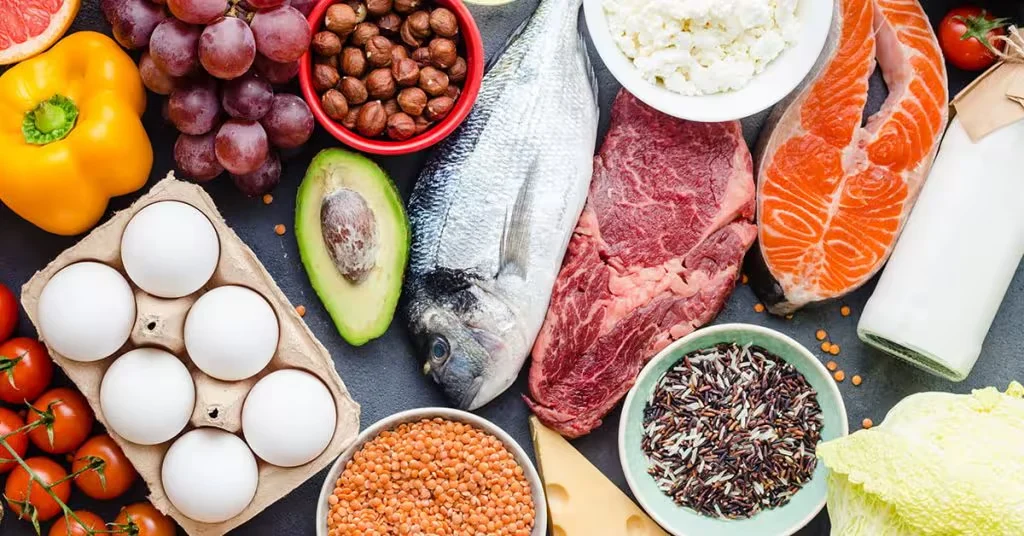
The fruit usually gets blamed first. Phosphorus may be hiding farther down the label.
Dairy, protein powders, fortified drinks, chocolate mixes, meal replacement powders, and processed ingredients can contain phosphorus. Some is naturally present in food, while some is added during processing.
The National Kidney Foundation reports that natural phosphorus from many foods is absorbed less completely than added inorganic phosphorus. Phosphate additives can be absorbed at very high rates.
Look for PHOS.
Common examples include phosphoric acid, disodium phosphate, monosodium phosphate, tricalcium phosphate, and sodium tripolyphosphate.
NIDDK specifically advises people who need to reduce phosphorus to scan ingredient lists for words containing PHOS.
NKF reported in 2026 that manufacturers use more than 50 types of phosphate additives and that nearly all top-selling grocery products contain added phosphorus. That figure covers grocery foods in general, not smoothies alone.
Here is what deserves a closer label check.
| Smoothie addition | What to look for | Why it may matter |
|---|---|---|
| Protein powder | PHOS ingredients, potassium, protein | Can adkidney-relevant nutrients at once |
| Plant milk | Phosphate additives, potassium, sugar | Recipes vary greatly between brands |
| Greens powder | Potassium, minerals, herbs | Concentrated ingredients may differ from whole vegetables |
| Electrolyte powder | Potassium, sodium | Designed to add minerals |
| Yogurt | Potassium, phosphorus, protein | Amount matters when several dairy foods are combined |
| Meal replacement powder | Potassium, phosphorus, protein, sodium | One scoop may contain several concentrated nutrients |
Do not assume almond milk, oat mplant-basedlant based product is automatically better for every kidney patient.
Protein Powder Can Turn Breakfast InHigh-Proteingh Protein Meal

Protein is everywhere right now. A person can add Greek yogurt, milk, nut butter, seeds, and protein powder to the same smoothie because every ingredient sounds helpful. Mark’s concern is not that protein is harmful by definition. The issue is total intake.
KDIGO currently suggests about 0.8 grams of protein per kilogram of body weight each day for adults with CKD stages G3 to G5 in the general situation. It also advises adults with CKD who are at risk of progression to avoid high intake above 1.3 grams per kilogram per day.
For a person weighing 70 kilograms, 0.8 grams per kilogram works out to about 56 grams of protein for the day. A large shake containing yogurt, nut butter, milk, seeds, and a large protein scoop could take up a meaningful part of that amount before lunch.
But there is an important exception. People receiving dialysis often need more protein because dialysis can remove protein from the blood. NIDDK specifically notes that protein needs may rise during dialysis.
So a person on dialysis should not copy the protein advice meant for someone with CKD who is not receiving dialysis.
Protein targets are personal. Older adults, people losing weight or muscle, dialysis patients, and people who are undernourished may need a different plan. Do not cut protein based on one number without discussing it with your care team.
A Daily Spinach Smoothie Can Matter for Some Stone Formers
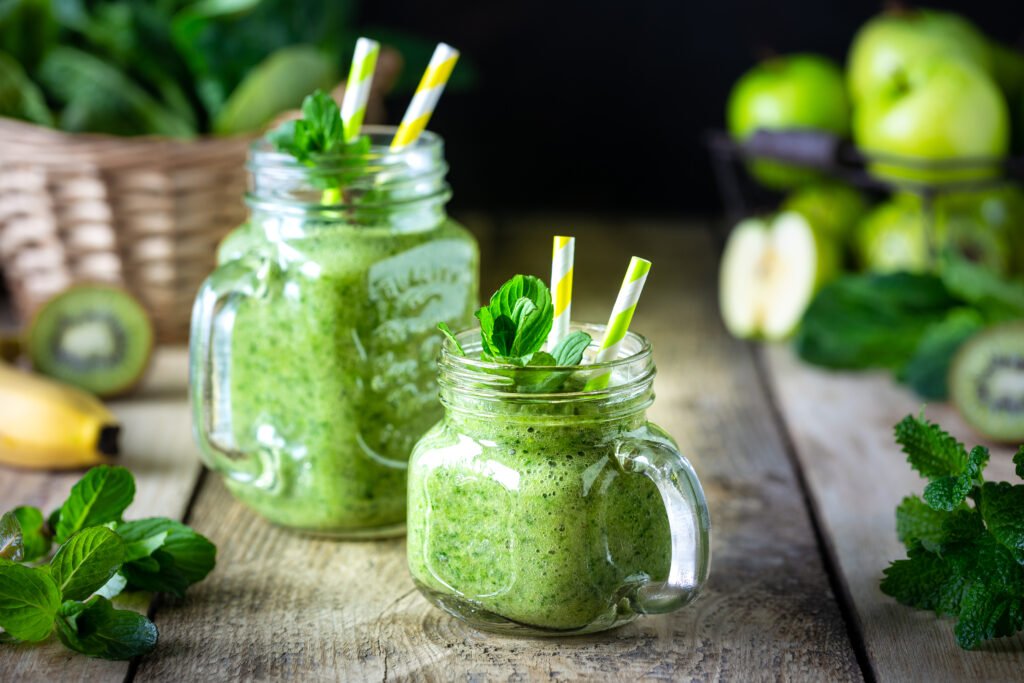
For someone who forms calcium oxalate kidney stones and has testing that points to high urine oxalate, a large spinach smoothie every day may deserve a closer look.
The National Kidney Foundation lists spinach, rhubarb, beets, Swiss chard, sweet potatoes, peanuts, chocolate, and tea among foods that can contain higher amounts of oxalate.
The key phrase is if needed. Not every kidney stone is an oxalate stone. Not every person who forms calcium oxalate stones needs the same food limits.
There is another common mistake. People hear “calcium oxalate” and cut calcium. That may work against them.
NKF explains that eating the right amount of calcium with meals can help calcium bind with oxalate in the digestive tract. This can reduce the amount of oxalate that reaches the urinary system. So the answer is not to build a long forbidden food list.
Fruit Sugar Is Still Worth Counting
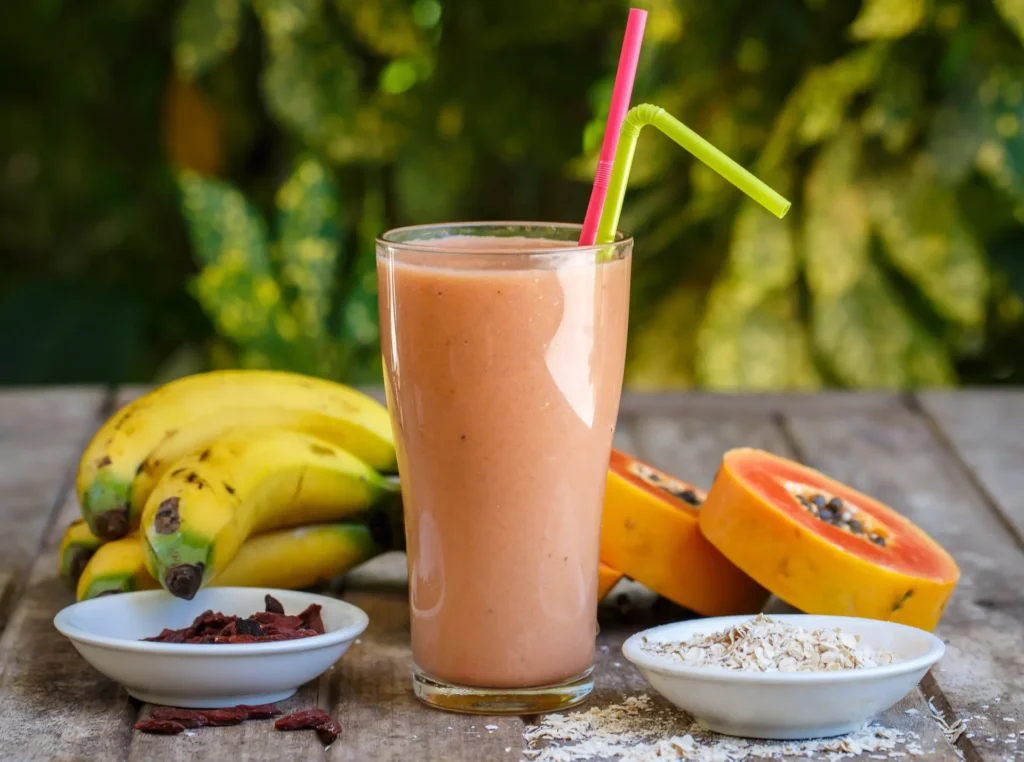
A smoothie made with real fruit is different from soda. It still deserves a portion check. Blending does not remove all the fiber from whole fruit, but adding fruit juice can raise the carbohydrate load while contributing far less fiber than whole fruit.
Cleveland Clinic also points out how quickly fruit portions can grow inside a dietitian’s guidance notes that one large banana can count as about two fruit servings. Now add berries, mango, orange juice, honey, and sweetened yogurt. The drink can become much larger than the breakfast you pictured.
This matters especially for people with diabetes because diabetes is a major cause and risk factor for kidney disease. CDC estimates that about 4 in 10 adults with diabetes have CKD.
The goal is not to fear fruit. It is to notice when several servings plus juice and sweeteners have quietly landed in Greenass.
Greens Powders Deserve More Attention Than Their Marketing
A teaspoon of powder looks harmless. Its ingredient list may tell a different story.
National Kidney Foundation guidance says labels using terms such as electrolyte support, high in minerals, or superfood green powders can be clues that a product may contain substantial potassium.
NKF also notes that some algae products, seed based supplements, seaweed products, and herbal blends may contain meaningful phosphorus.
The FDA does not approve dietary supplements for safety and effectiveness before they reach the market. Companies carry the first responsibility for safety and labeling, while the FDA can take action when products break the law.
That does not make supplements automatically unsafe. It means the words wellness, natural, cleanse, or green do not replace a careful label check.
Try This Today
- Photograph the labels of every powder that goes into your smoothie.
- Check potassium, sodium, protein, and serving size.
- Search the ingredient list for PHOS.
- Look for potassium chloride if potassium has been high.
- Count how many servings your blender recipe actually makes.
Your Smoothie May Also Count Toward a Fluid Limit

Most people with early CKD do not automatically need to limit fluids. NKF says fluid restrictions become more relevant for some people as kidney disease becomes more advanced, especially when the kidneys cannot remove extra water well.
If your medical team has given you a fluid allowance, a smoothie counts. Do not count only the water you poured into the blender.
The finished drink includes milk, juice, yogurt, ice, fruit water, and other liquid ingredients. Measure the final serving.
Use This 60 Second Check Before Your Next Smoothie

You do not need to memorize every kidney food chart. Start with your own medical problem.
| If this applies to you | Check first | Useful next question |
|---|---|---|
| Blood potassium is high | Potassium rich ingredients and additives | Does the whole recipe fit your potassium plan? |
| Phosphorus is high | PHOS additives and fortified products | Are additives adding pthat hosphorus you did not notice? |
| CKD before dialysis | Total protein | How many grams should you eat each day? |
| Dialysis | Protein and fluid | Are you meeting your dialysis nutrition plan? |
| Calcium oxalate stones | High oxalate foods | Do urine tests show oxalate is a problem for you? |
| Diabetes | Total carbohydrate, juice, added sugar | How does this serving fit your glucose plan? |
| Fluid restriction | Finished smoothie size | How much of your daily fluid allowance does it use? |
Then count the whole recipe. The banana is not the recipe. Neither is the spinach. The recipe is everything that went into the blender plus the amount you actually drank.
That last point causes plenty of confusion. A recipe may list nutrition for one serving while the blender contains two servings. Drinking the whole blender means the numbers need to be doubled.
Get Medical Help Now

High potassium often causes few or no symptoms, so feeling normal does not prove your potassium is normal. But sudden or severe high potassium can affect the heart.
Seek emergency medical care if you have:
- Chest pain
- Shortness of breath
- A pounding, fast, or irregular heartbeat
- Severe nausea or vomiting with concern for very high potassium
The National Kidney Foundation says sudden or severe hyperkalemia can be life threatening and requires immediate medical attention.
Muscle weakness, numbness, or tingling can also occur with potassium problems and deserve medical attention, especially if you have kidney disease.
The Real Problem Is the Whole Blender
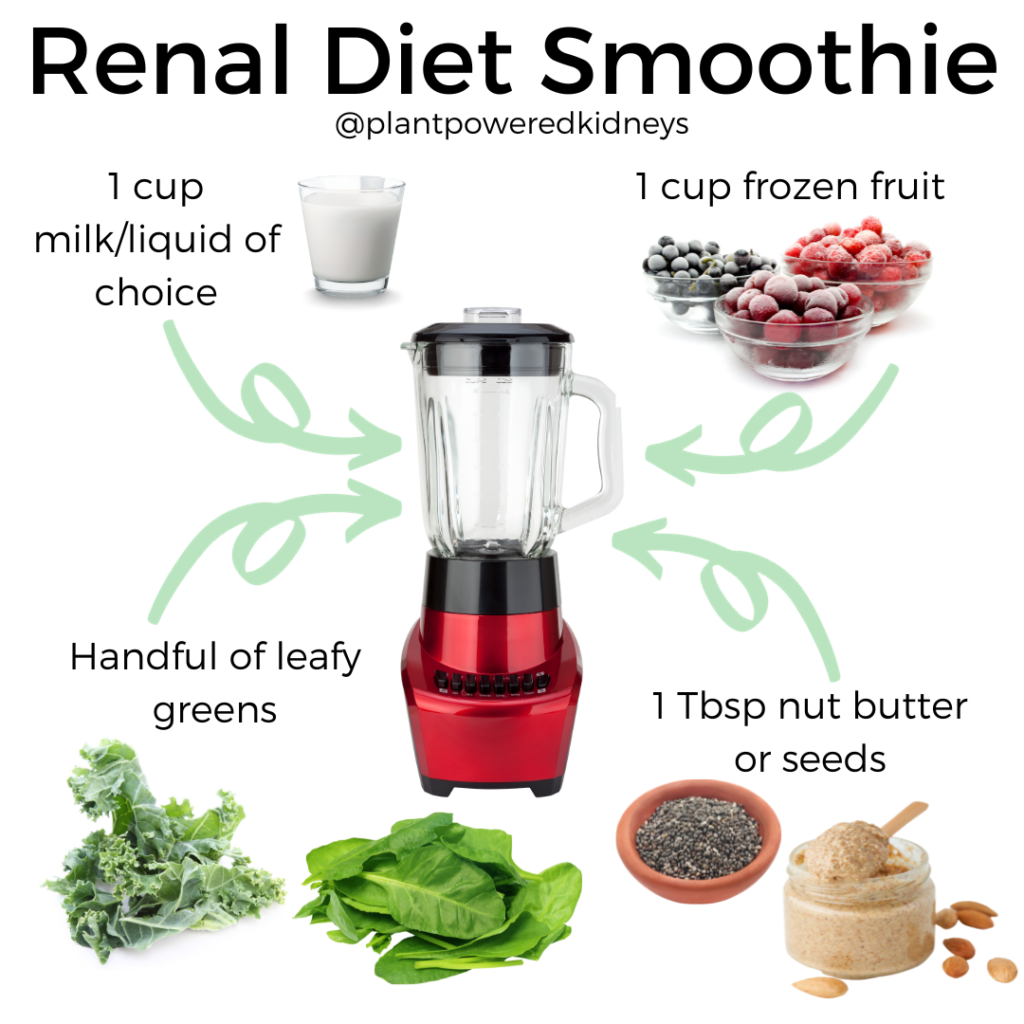
Mark’s message is much less dramatic than banning bananas, spinach, or smoothies. It is also more useful.
A healthy smoothie can still contamount large stack of potassium, phosphorus, protein, carbohydrate, supplements, or fluid. Whether that stack is a problem depends on your blood tests, kidney function, medicines, stone type, treatment, and serving size.
People with normal kidney function may have no reason to fear a banana and spinach smoothie.Someone with repeated high potassium may need to look closely at banana, juice, coconut water, dairy, powders, and potassium additives.
Someone receiving dialysis may need more protein than a person with CKD who is not on dialysis. A calcium oxalate stone former may need to care about spinach for a completely different reason.
That is why the most useful question is not, “Are smoothies healthy?”
Ask this instead:
“Does this exact smoothie fit what my kidneys need right now?”
Take a photo of your usual ingredients and labels to your next appointment. A kidney dietitian can help turn that blender full of ingredients into numbers that actually mean something for you.
This article is for informational purposes only and is not a substitute for professional medical advice, diagnosis, or treatment. Always speak with your doctor or a qualified healthcare provider before changing your diet, supplements, fluid intake, or medicines, especially if you have kidney disease, diabetes, high potassium, kidney stones, or receive dialysis.
