

Your favorite jeans are suddenly loose, and the scale looks great, but your body may be getting weaker. Weight loss medications can reduce cravings, but they may also lead to muscle loss along with fat, leaving you tired, weak, and at greater risk of regaining weight later.
After watching patients celebrate weight loss while quietly losing strength, Rachel developed 16 daily habits to help protect muscle, support overall health, and make the weight loss process healthier and more sustainable.
The Sixteen Essential Habits to Preserve Muscle During Weight Loss
Protecting your body composition while appetite suppression is active requires deliberate daily action across your nutrition, hydration, and movement routines.
1. Frontload Your Morning Protein Intake
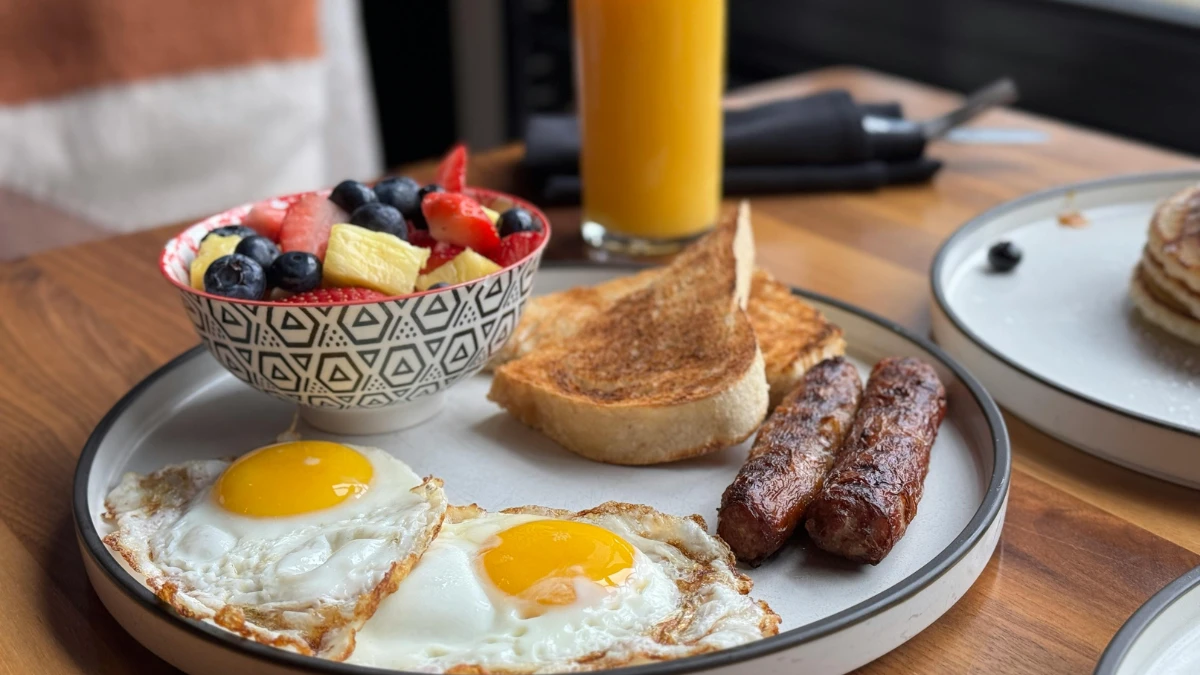
Start your day with a protein-rich breakfast instead of waiting until lunch to get most of your protein. After going several hours without food overnight, a balanced morning meal with protein can help support muscle maintenance and keep you feeling full for longer.
Simple choices like eggs, Greek yogurt, cottage cheese, milk, or other protein-rich foods can make breakfast more satisfying. If you are taking a medication that affects appetite, getting enough protein throughout the day is especially worth discussing with a doctor or dietitian.
2. Eat Protein Before Anything Else on Your Plate
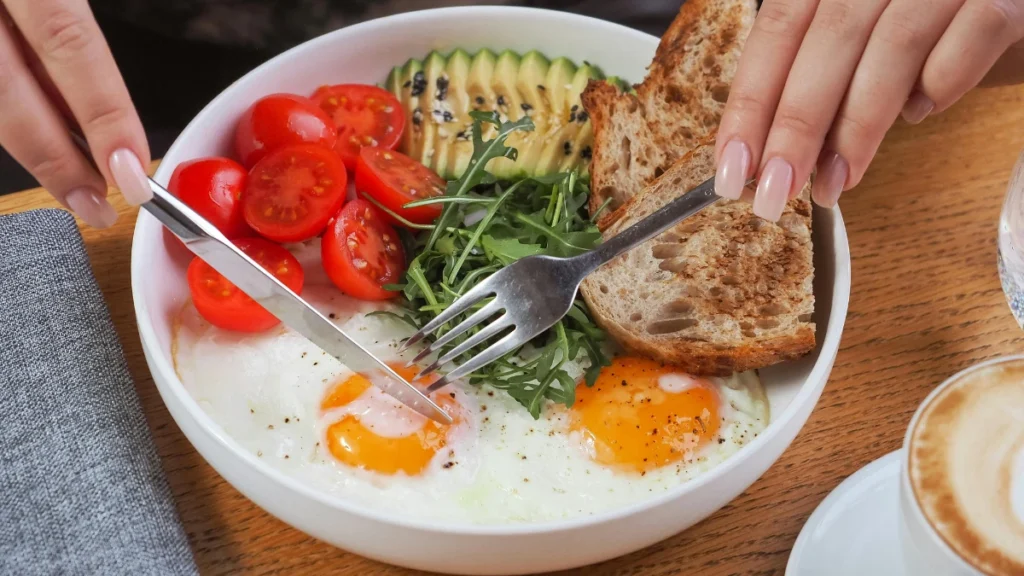
When your appetite is low, finishing a full meal can feel difficult. You may start with bread, rice, vegetables, or other lighter foods and feel full before you get to the protein your body needs. That is why it helps to eat your main protein source first at each meal.
Starting with eggs, chicken, fish, yogurt, beans, or another protein-rich food provides your body with essential amino acids before you become too full to eat more. This simple habit can make it easier to get enough protein throughout the day, especially when large meals are not easy to finish.
3. Track Your Daily Grams With Absolute Precision
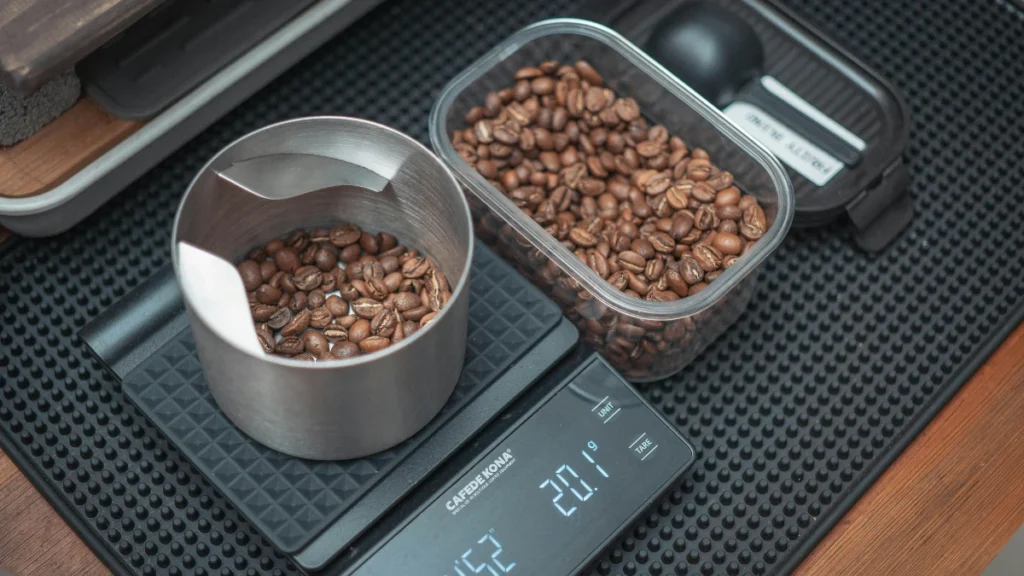
It is easy to think you are eating enough protein when you are only guessing the amount on your plate. When your appetite is low, even small differences can add up, leaving you eating much less protein than your body needs. Using a digital kitchen scale for the first few weeks can help you understand how much protein is actually in your meals.
Weighing foods such as chicken, eggs, fish, yogurt, or beans can give you a better idea of portion sizes and make tracking much easier. Once you get used to the amounts, you may not need to weigh everything because you will have a clearer idea of what your usual protein portions look like.
4. Distribute Amino Acids Across Three Equal Windows
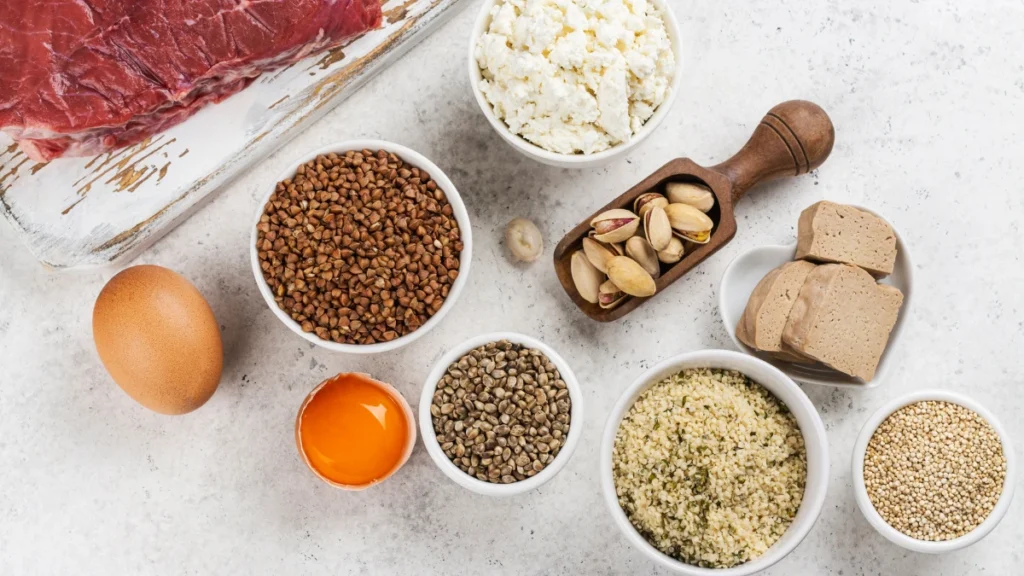
Instead of trying to eat all your protein in one large meal, spread it throughout the day. Having a good source of protein at breakfast, lunch, and dinner gives your body regular access to the amino acids it needs
. This can be especially helpful when your appetite is low and large meals feel difficult to finish. For example, you could include eggs or yogurt at breakfast, chicken or beans at lunch, and fish, lean meat, or another protein-rich food at dinner.
Keeping your protein intake spread across three meals also makes it easier to stay consistent rather than trying to catch up with a large amount of protein at the end of the day.
5. Incorporate Daily Mechanical Tension Movements

Photo Credit: Canva
Keeping your muscles active is important when you are losing weight, especially if you are eating less than usual. You do not need a complicated workout or heavy equipment to give your muscles regular work. Simple movements such as pushing against a wall, standing up and sitting down from a chair, or doing gentle bodyweight exercises can be added to your daily routine.
These movements give your muscles a reason to stay active and strong while your weight changes. Try to include a few easy strength-based movements each day and focus on doing them regularly rather than making every workout difficult.
6. Hydrate Far Beyond Normal Thirst Cues

Photo Credit: Canva
Reduced food intake means you miss out on the substantial amount of water naturally contained in whole foods. Dehydration mimics physical fatigue and accelerates muscle cramping, so sipping fluids consistently throughout the day is non-negotiable.
| Hydration Marker | Standard Intake Level | Optimized Target Level |
| Daily Water Volume | 64 ounces | 90 to 100 ounces |
| Electrolyte Balance | Often neglected | Daily sodium and potassium addition |
| Fatigue Sign | Mistaken for lack of sleep | Corrected with targeted hydration |
7. Avoid Drastic Starvation Diets
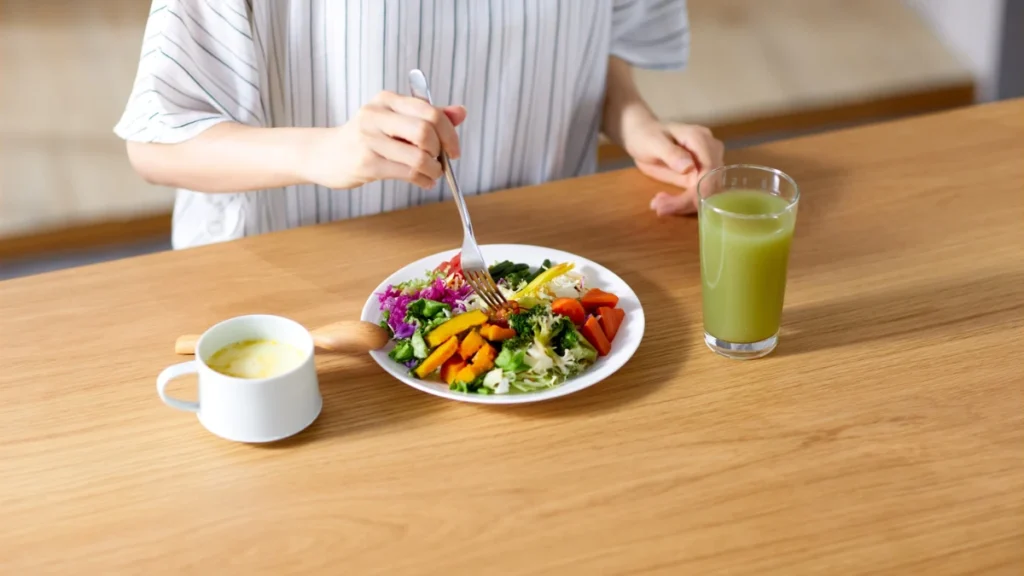
When your appetite is already lower because of medication, there is no need to make things harder by eating extremely little. Cutting your food intake too much can leave you without enough protein, vitamins, energy, and other nutrients your body needs.
It can also make it harder to maintain muscle while you are losing weight. Instead of trying to survive on very small meals, focus on eating enough nutritious food throughout the day. Include protein, vegetables, healthy carbohydrates, and other nutrient-rich foods in your meals.
The goal should be steady, healthy weight loss while still giving your body the fuel it needs to stay strong.
8. Prioritize Resistant Starches for Gut Health
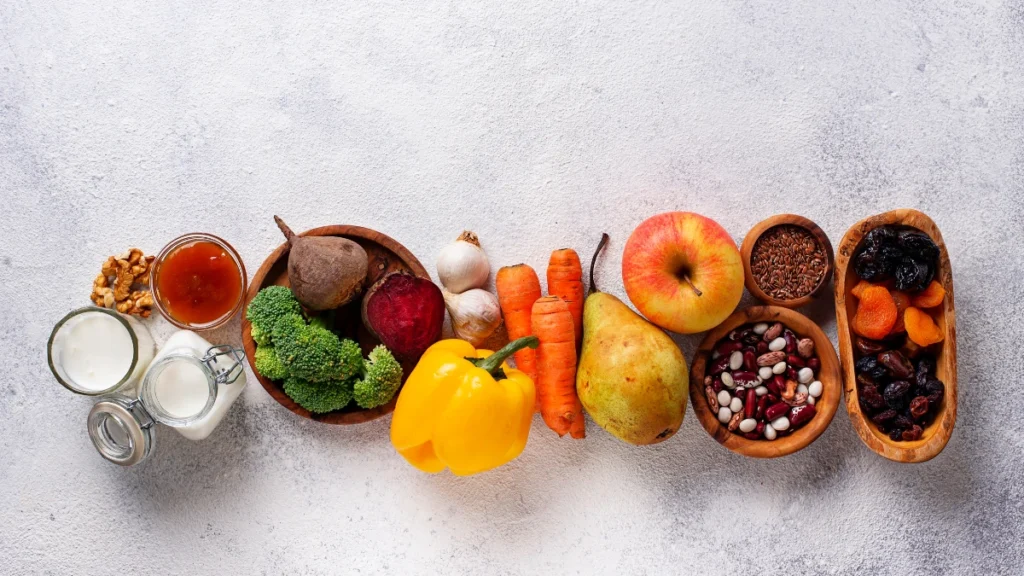
GLP-1 medications slow down gastric emptying, which can occasionally lead to digestive sluggishness and discomfort. Incorporating cooled potatoes, green bananas, or cooked rice provides beneficial prebiotic fiber that supports smooth gut motility without causing bloating.
9. Supplement Wisely With Essential Micronutrients

Rapid dietary shifts often introduce nutrient gaps that leave you feeling weak and shaky during routine tasks. Rachel regularly reviews blood panels with her patients to ensure iron, vitamin D, and B12 levels remain optimal during rapid weight loss phases.
10. Walk Outdoors for Ten Minutes After Meals

Gentle movement immediately following a meal enhances glucose disposal and supports natural insulin sensitivity without stressing depleted energy reserves. This simple habit helps shuttle nutrients into active muscle tissue rather than storing them as new fat.
11. Sleep Seven to Eight Hours Every Single Night

Sleep deprivation elevates cortisol levels, which actively promote the breakdown of lean muscle tissue while encouraging fat retention around the abdomen. Deep rest is the primary biological window in which your muscles repair and rebuild themselves.
12. Eliminate Ultra-Processed Protein Bars
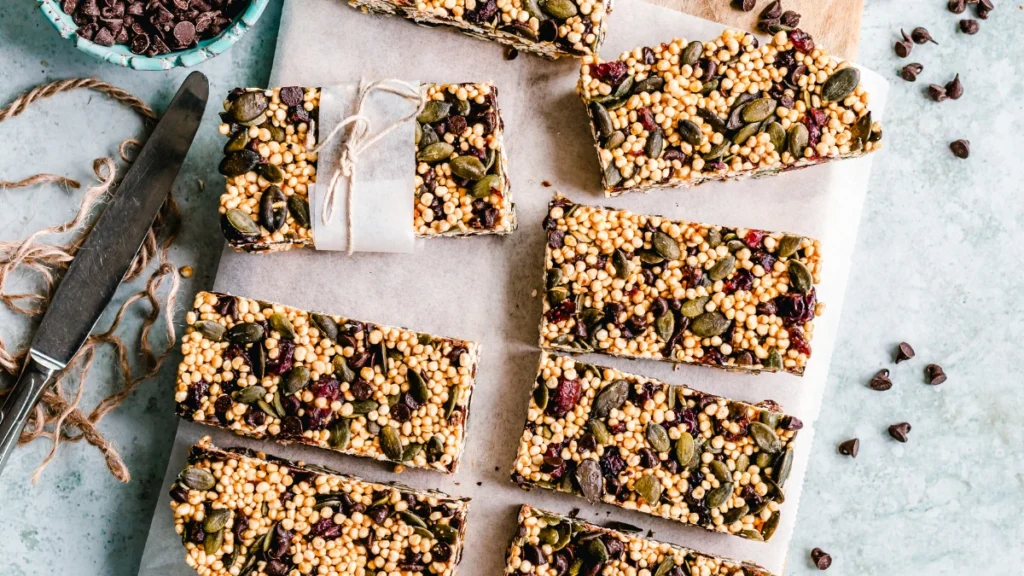
Many commercial protein bars are packed with sugar alcohols and artificial additives that severely disrupt gut comfort when you are already managing medication side effects. Real food sources like eggs, poultry, fish, and Greek yogurt are vastly superior for maintaining lean mass.
13. Monitor Your Body Composition Weekly

The bathroom scale tells you your total weight, but it cannot tell you whether you are losing fat or muscle tissue. Using a smart impedance scale or taking weekly waist and arm measurements gives you an honest picture of your true physiological progress.
| Measurement Type | What the Scale Shows | What Body Composition Shows |
| Total Weight Drop | Pounds lost overall | Fat loss versus muscle loss |
| Visual Appearance | Can look soft or hollow | Stays firm, toned, and strong |
| Metabolic Health | May decline with muscle loss | Remains robust and active |
Everyone’s body responds differently, so check with your doctor before trying this if you have an existing condition or take medication.
14. Keep Daily Sodium Within Healthy Limits
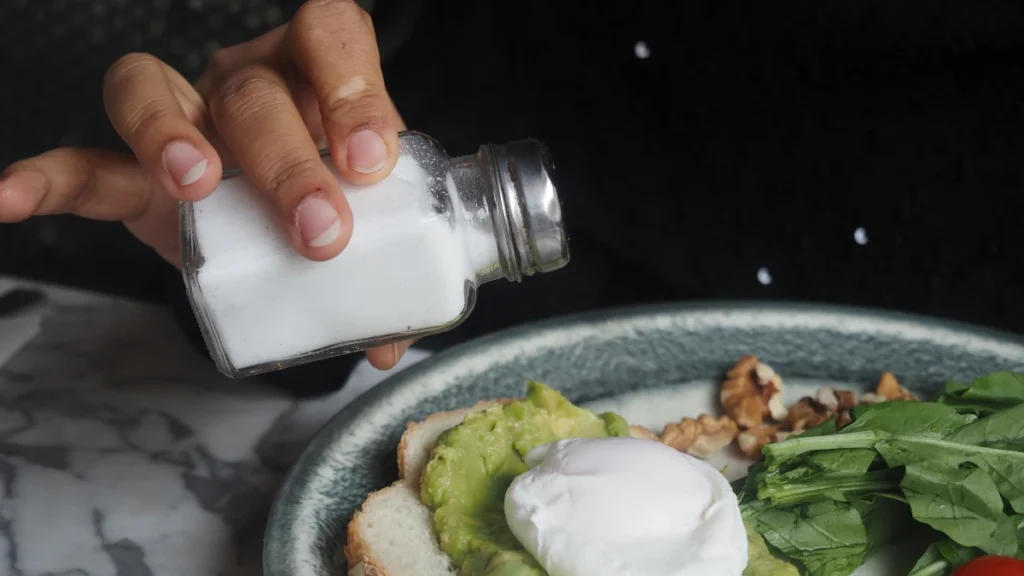
Drastic weight loss often flushes electrolytes out of your system rapidly, leading to lightheadedness and unexplained exhaustion. Salting your whole food meals appropriately ensures your cellular pumps function correctly and your muscles stay responsive.
15. Avoid Excessive High-Intensity Cardio

Slamming your body with grueling endurance workouts while eating in a deep caloric deficit is a recipe for severe muscle wasting. Swap punishing cardio sessions for moderate walking and resistance training to preserve your physical strength.
16. Build a Sustainable Maintenance Exit Strategy
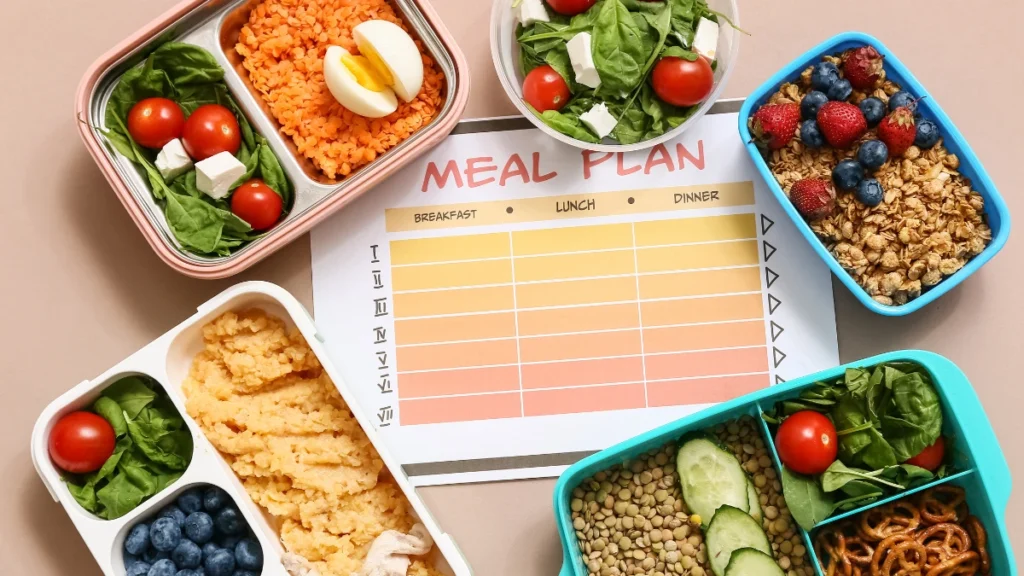
Medications are powerful tools, but your long-term success depends entirely on the habits you build while taking them. Rachel emphasizes that every lifestyle shift you practice now becomes your permanent armor against regaining weight later.
The Daily Habit That Actually Works
- Eat protein first: Consume your protein source before touching carbs or vegetables at every meal.
- Walk daily: Take a ten-minute walk after lunch and dinner to aid digestion and glucose clearance.
- Track intake: Log your food for one week to verify you hit your daily protein minimums.
- Hydrate smart: Add a pinch of sea salt and lemon to your water glass to maintain electrolyte balance.
Common Mistakes That Sabotage Weight Loss Quality
Even with the best intentions, many people stumble when trying to balance medication use and nutrition. A major error is ignoring physical fatigue and pushing through workouts when your body is begging for recovery.
Another frequent pitfall is relying on liquid meal replacements that lack the chewing stimulus and fiber required for natural satiety signals. Rachel encourages her patients to chew whole foods mindfully to support healthy digestion and brain signaling.
Consistency always beats perfection in this journey. Small daily choices compound over time to create a strong, resilient, and healthy body.
When to Seek Immediate Medical Attention
While optimizing your nutrition is empowering, rapid physiological shifts can sometimes signal underlying medical complications that require professional evaluation.
- Severe, unrelenting abdominal pain radiating toward your back, which can indicate gallbladder or pancreatic distress.
- Persistent vomiting or inability to keep fluids down, leading to rapid dehydration and electrolyte imbalance.
- Sudden vision changes or extreme dizziness when standing up, which may point to dangerous blood pressure drops or nutritional deficiencies.
- Unexplained rapid heart palpitations or chest discomfort during routine daily activities.
Transforming your body with the help of modern medicine is an incredible opportunity, but the quality of your results depends entirely on how you fuel the process. By adopting these sixteen habits and protecting your lean mass, you ensure that your weight loss journey leads to lasting strength and vitality.
