

You bought the castor oil. You rubbed it into your scalp for two weeks straight, maybe even smeared some around your belly button because a video told you to. And nothing happened.
So you tossed it in the back of the cabinet and decided castor oil was just another wellness fad. Here’s the problem: a viral video is currently telling millions of people that they have been doing it wrong this whole time, and the fix involves your liver.
Some of what that video claims is backed by real research. Some of it is not, no matter how confidently it is presented. Below is what the video actually says, what holds up under scrutiny, and how to use castor oil in a way that will not waste your time or your money.
Before making any changes based on this article, talk to your doctor, especially if you are currently taking medication or have a diagnosed condition.
Where This Trend Actually Came From
This exact argument is the subject of a widely shared video called Castor Oil Works… You’re Just Doing This Wrong, from Debbie Williams of Ask Debbie About Hair, who describes herself as a nutritionist and detox educator with over 20 years of experience.
Her core claim is simple. Most people only use castor oil on their hair, skin, or belly button, get disappointing results, and give up. She argues the real key is a castor oil pack placed over the liver, combined with consistent, correct application elsewhere.
She frames the body’s ability to process toxins around what she calls five elimination pathways, arguing that if those pathways, including the liver, are “overloaded,” castor oil will not work as well no matter how you use it. It is a compelling framework. It is also a framework that goes well beyond what current clinical research can actually confirm.
What Castor Oil Actually Is
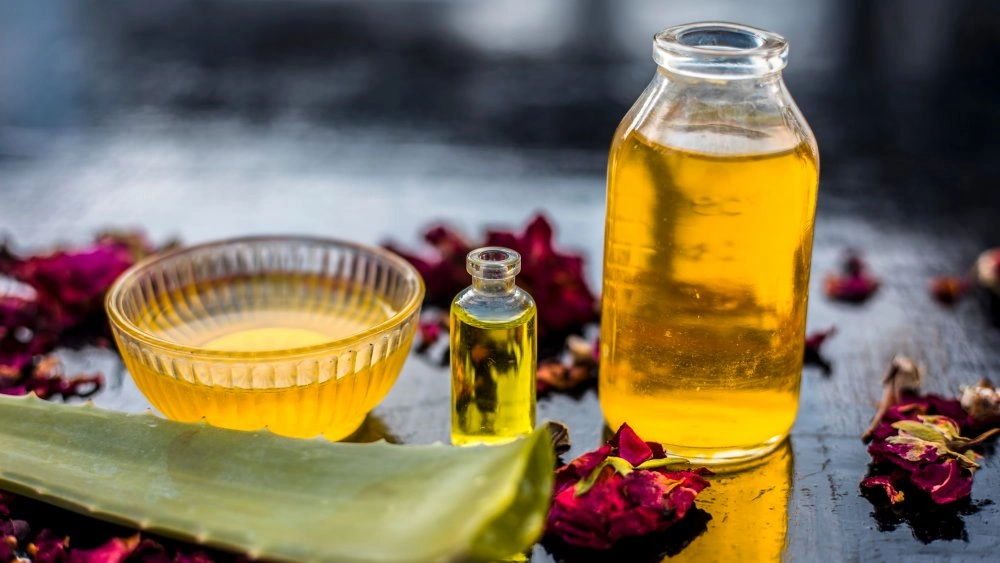
Castor oil comes from the seeds of the Ricinus communis plant. Williams notes, correctly, that it has been used medicinally for thousands of years, and she points to ricinoleic acid, which makes up roughly 90 percent of the oil’s fatty acid content, as the active ingredient.
That compound is the reason castor oil does anything at all. When swallowed, ricinoleic acid activates receptors in the intestinal wall that trigger smooth muscle contractions. This part is well established medicine, not a theory.
The catch is that what happens when you swallow castor oil is not automatically what happens when you rub it on your skin or place it near your liver. This distinction is where the video’s claims start to outrun the science.
The One Use That Is Actually Proven
Oral castor oil is a recognized stimulant laxative.
NCBI’s clinical reference database confirms that castor oil taken by mouth is an accepted over the counter treatment for occasional constipation. This is the single use of castor oil with the strongest evidence behind it, and it is barely mentioned in the video at all.
Everything the video spends the most time on, the liver pack, the belly button method, the lymphatic drainage claims, sits on much shakier ground. Cleveland Clinic specifically states that claims about castor oil packs detoxifying the body are not supported by scientific evidence.
Everyone’s body responds differently, so check with your doctor before trying this if you have an existing condition or take medication.
The Castor Oil Liver Pack

This is the centerpiece technique from the video, and it is worth laying out exactly as she demonstrates it.
- Soak a cloth or pack material with castor oil, ideally organic, cold pressed, and hexane free.
- Position the pack over the right upper abdomen, where the liver sits.
- Add gentle heat, such as a heating pad, over the pack.
- Leave it in place for roughly 30 to 60 minutes while resting.
- Repeat consistently, rather than trying it once and judging results.
Williams connects this routine to lymphatic drainage, liver support, reduced inflammation, better digestion, and less bloating. Those are big claims for a warm cloth. Cleveland Clinic and other clinical sources have not found evidence that a topical castor oil pack meaningfully improves liver function or drains the lymphatic system in any measurable way.
That does not make the practice harmful. Thirty quiet minutes with a warm pack on your stomach can genuinely feel relaxing. It just is not detoxification in any medical sense, no matter how the video frames it.
How the Video’s Claims Line Up Against the Evidence
| Method (as shown in the video) | What Williams Claims | What the Evidence Actually Shows |
|---|---|---|
| Oral castor oil | Barely discussed | Well established, recognized stimulant laxative |
| Castor oil liver pack | Detox, lymphatic drainage, liver support | Not supported by clinical evidence |
| Castor oil in belly button | Digestion, hormones, bloating relief | No evidence of meaningful absorption or systemic effect |
| Castor oil on scalp | Hair regrowth, healthier follicles | No strong evidence for regrowth, may condition hair |
| Castor oil on joints or scars | Reduced inflammation, faded scars | Some anti inflammatory interest in research, not proven as treatment |
The pattern holds. The uses the video spends the most time promoting have the least evidence behind them, while the one use with real clinical backing gets almost no airtime.
What About Hair Growth?

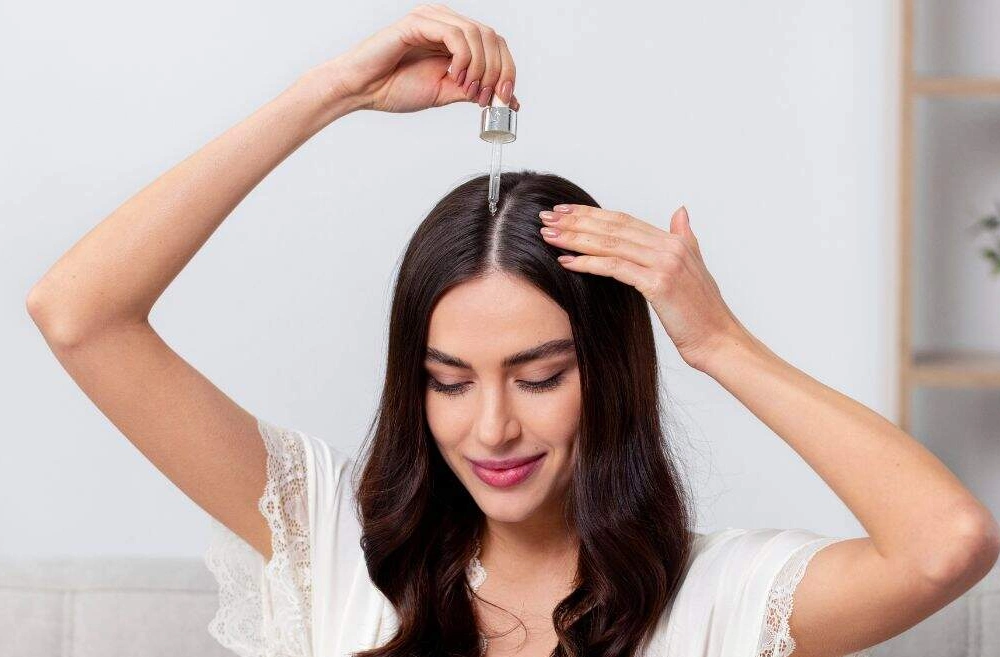
This is likely why most viewers clicked on the video in the first place, since Williams spends a full section, starting around the 11 minute mark, on applying warmed castor oil directly to the scalp and massaging it in to “support healthier follicles.”
A systematic review looking at coconut, castor, and argan oil found no strong evidence that castor oil causes hair to grow. It can coat the hair shaft, add shine, and possibly reduce breakage, which can make hair look fuller. That is a cosmetic effect, not a follicle stimulating one.
A more recent 2026 dermatology review found some promising potential uses for castor oil in skin care, but the authors themselves said more clinical research is needed before any of it can be called proven.
So if your hair looks shinier after using castor oil the way Williams describes, that tracks. If you were expecting regrowth in bald or thinning patches, the current research does not support that outcome.
The Belly Button Method
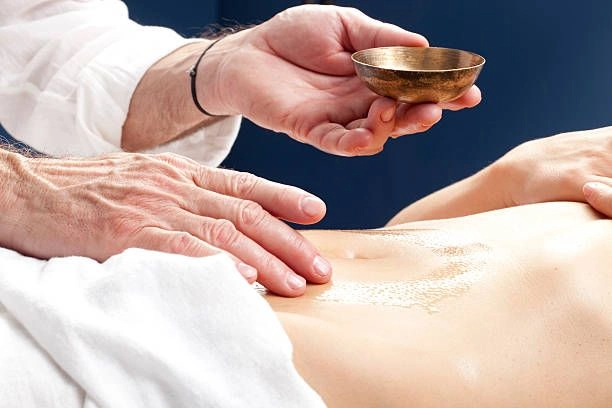
Williams recommends combining the liver pack with placing a few drops of castor oil in or around the belly button, describing it as a more general, systemic application.
A 2026 medical review specifically addressed this exact practice and found no strong clinical evidence that castor oil placed in the belly button is absorbed in any meaningful way or that it affects internal organs, hormones, or digestion.
The stomach area does have a lot of nerve endings and blood flow near the surface, so people may feel warmth or relaxation from the massage itself. That sensation is not the same thing as the oil reaching your liver or your hormones.
Her Three “Mistakes” (And What’s Actually Useful About Them)

Toward the end of the video, Williams outlines three mistakes she believes explain disappointing results. They are worth taking seriously, even if her explanation for why they matter goes further than the evidence supports.
- Using low quality castor oil. She recommends organic, cold pressed, hexane free oil in a dark glass bottle over heavily processed versions. This is reasonable advice for skin and hair use, regardless of the detox claims attached to it.
- Giving up too quickly. She argues natural approaches need consistent use before judging results. This is fair for cosmetic effects like hair shine, but consistency will not create a proven medical benefit that does not otherwise exist.
- Expecting castor oil to fix everything on its own. She states plainly that castor oil cannot fix underlying issues with diet, mineral balance, liver function, or gut health by itself. This is arguably the most honest point in the entire video.
Try This Today
If you want to actually test castor oil for yourself instead of guessing, here is a grounded starting point.
- Buy one bottle of organic, cold pressed, hexane free castor oil, since quality does matter for skin and hair use.
- Pick one use only, either scalp conditioning or an oral dose under medical guidance, not five uses at once.
- Patch test on your inner arm and wait a full day before wider use.
- Track results for two full weeks before deciding if it is worth continuing.
- Skip the belly button and liver detox claims entirely unless new research changes the picture.
A Realistic Timeline
| Timeframe | What You Might Notice |
|---|---|
| First use | Skin feels moisturized, warmth from pack if used |
| 1 to 2 weeks | Hair may look shinier, less breakage if applied consistently |
| 3 to 4 weeks | No measurable change in “detox” markers, digestion, or hormone symptoms |
| Ongoing oral use (under medical guidance only) | Relief from occasional constipation |
Notice there is no line on this table for “liver detox” or “hair regrowth.” That is intentional. The research simply does not support a timeline for benefits that have not been proven to exist.
This article is for informational purposes only and is not a substitute for professional medical advice, diagnosis, or treatment. Always consult your doctor or a qualified healthcare provider before making changes to your diet, skin care routine, or medications, especially if you have an existing health condition.
When To Stop and Call a Doctor

Castor oil is generally low risk when used topically in small amounts, but there are situations where you should not treat it casually.
Watch for these red flags:
- A rash, hives, or worsening irritation after applying it to your skin
- Severe cramping, diarrhea, or dehydration after oral use
- Any use during pregnancy, since oral castor oil has historically been linked to inducing contractions and should never be self administered for that purpose
- Persistent bloating, fatigue, or hair loss that does not improve, since these can signal an underlying condition unrelated to castor oil entirely
That last point matters more than people realize. Hair loss, fatigue, and bloating are extremely common symptoms with dozens of possible causes, including thyroid issues, iron deficiency, hormonal shifts, or digestive conditions. Rubbing oil on the outside of your body will not fix an internal medical issue, and treating these symptoms with only a home remedy can delay a real diagnosis.
