
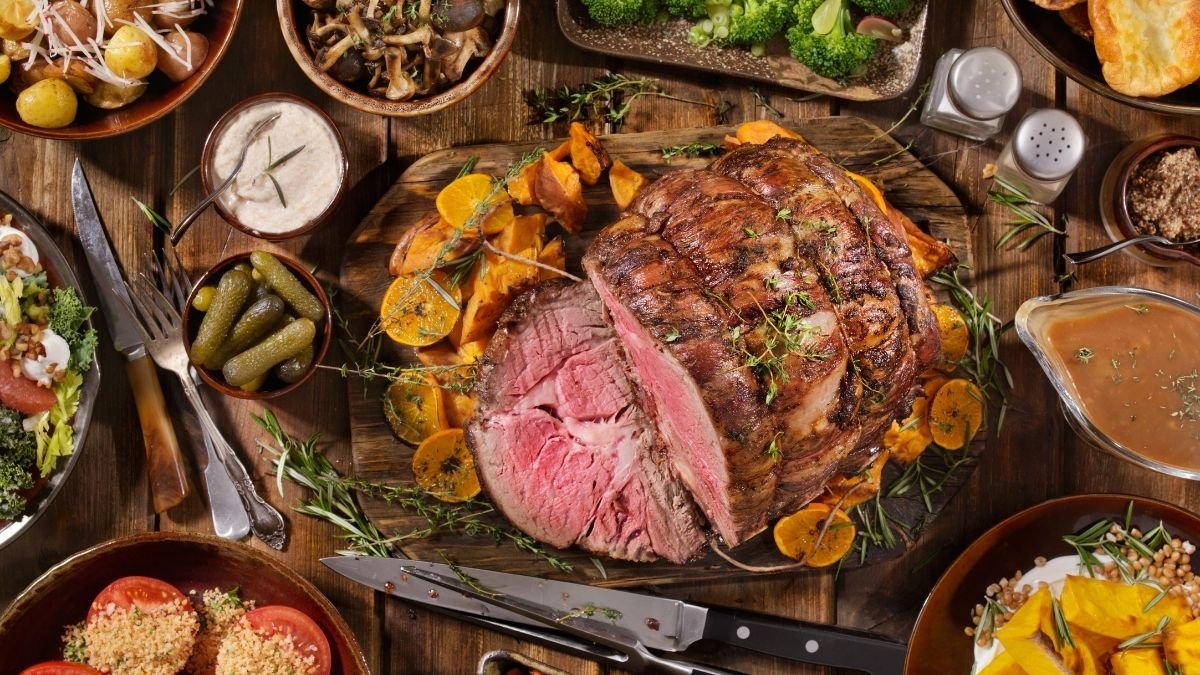
Somewhere online right now, someone is telling you that 17 Biblical Meals can heal your body almost overnight, straight from Scripture to your dinner plate. That claim is bold, and it’s built on foods with real, documented benefits, but the details make all the difference.
Buried in these 17 meals is genuine, research-backed nutrition, the kind dietitians recommend every day. Here’s the honest breakdown: real mechanisms, real numbers, and exactly how to use each food the way the research actually supports.
Before making any changes based on this article, talk to your doctor, especially if you are currently taking medication or have a diagnosed condition.
What these 17 Biblical Meals actually have in common
Every one of these 17 meals traces back to a specific verse or Old Testament food tradition. Once you strip away the “instant healing” language, they share one real pattern: whole grains, legumes, fruit, olive oil, herbs, and modest amounts of meat and dairy. That pattern lines up closely with what nutrition researchers already call the Mediterranean style diet, one of the most studied eating patterns for heart and metabolic health.
Here’s the full list at a glance before the breakdown.
| # | Meal | Biblical Reference | Main Benefit |
|---|---|---|---|
| 1 | Seven Foods Feast Bowl | Deuteronomy 8:8 | Fiber and polyphenol diversity |
| 2 | Barley Bread with Olive Oil | John 6, feeding of the 5,000 | Cholesterol lowering fiber |
| 3 | Chickpea and Olive Salad | Ancient Near Eastern staple | Legume fiber and healthy fat |
| 4 | Figs and Almonds | Isaiah 38, 2 Kings 20 | Fiber, magnesium, vitamin E |
| 5 | Roasted Lamb with Dates | Central to Old Testament meals | Iron, zinc, B12 |
| 6 | Grapes, Goat Cheese and Herbs | Vines and goat’s milk throughout Scripture | Polyphenols and protein |
| 7 | Dates Stuffed with Nuts | Date palm tradition | Balanced quick energy |
| 8 | Pomegranate and Barley Bowl | Pomegranate symbolism, barley staple | Fiber and antioxidants |
| 9 | Garlic Herb Lentil Soup | Genesis 25, garlic elsewhere | Plant protein and sulfur compounds |
| 10 | Cucumber, Mint and Yogurt | Numbers 11 | Hydration and gut cultures |
| 11 | Fish with Barley Loaves | John 6 | Omega 3 fatty acids |
| 12 | Onions and Leeks | Numbers 11 | Allium sulfur compounds |
| 13 | Melon | Numbers 11 | Hydration and vitamin C |
| 14 | Milk and Honey | Exodus 3:8, land flowing with milk and honey | Calcium and quick energy |
| 15 | Cinnamon Spiced Dishes | Exodus 30:23, Song of Solomon 4:14 | Possible fasting glucose support |
| 16 | Raisins | 1 Samuel 25:18 | Iron and portable energy |
| 17 | Bread Dipped in Vinegar | Ruth 2:14 | Blunted blood sugar spikes |
1. Seven Foods Feast Bowl
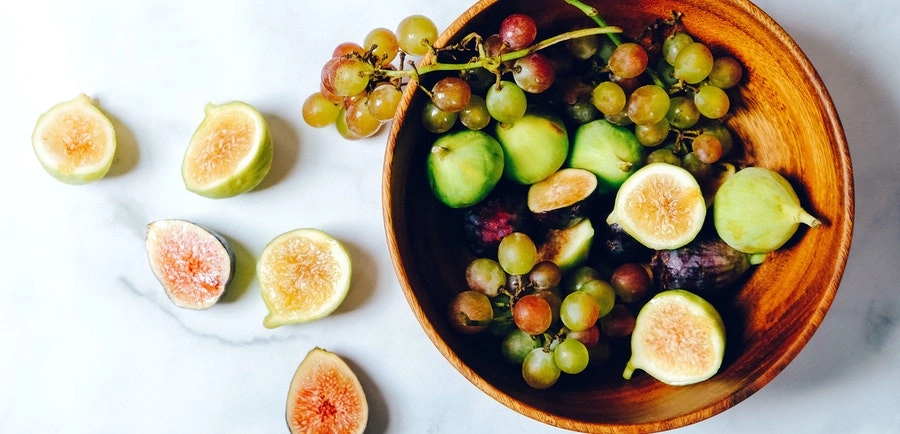
This is the big one, based on Deuteronomy 8:8, which describes a land of wheat, barley, grapes, figs, pomegranates, olive oil, and honey. That honey is often interpreted as date honey, a common reading tied to the traditional Seven Species of Israel.
Combining all seven in one bowl gives you complex carbohydrate, several different fiber types, fruit polyphenols, and monounsaturated fat all in a single meal. Different fiber types feed different populations of gut bacteria, which is part of why food variety matters more than any single “superfood.”
How to build it: cooked barley or wheat berries as the base, topped with sliced figs, grapes, pomegranate seeds, and chopped dates, finished with a drizzle of extra virgin olive oil.
2. Barley Bread with Olive Oil
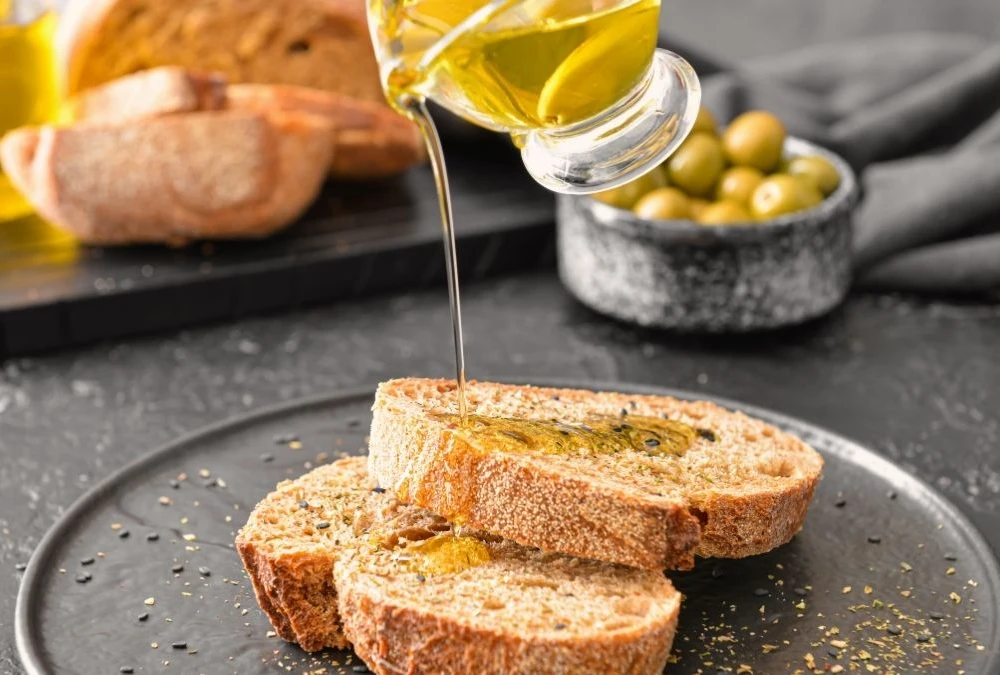
This comes from the feeding of the 5,000 in John 6, where barley loaves are specifically named. Barley is one of the richest food sources of beta glucan, a soluble fiber with real clinical backing.
A meta analysis of randomized controlled trials found that around 3 grams of barley beta glucan a day lowers LDL cholesterol by roughly 6 percent, which is enough that both the FDA and European regulators approved a heart health claim for it. Olive oil adds monounsaturated fat and polyphenols on top of that.
Actionable detail: about 1 cup of cooked pearled barley delivers close to that 3 gram beta glucan target.
3. Chickpea and Olive Salad
There isn’t one dramatic verse behind this meal. It leans instead on the region’s long agricultural history with chickpeas.
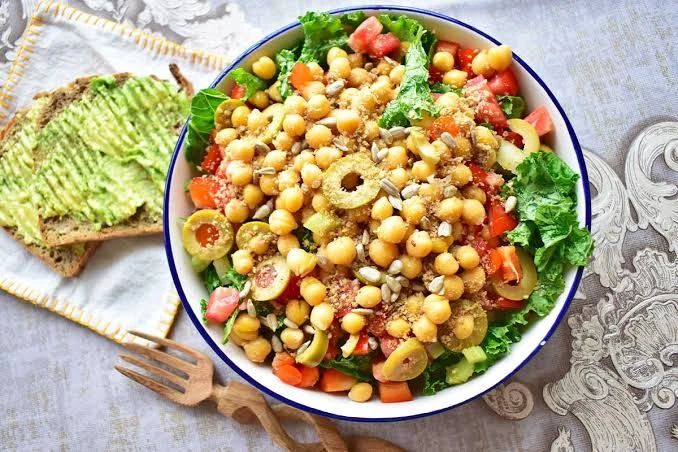
Nutritionally, this is a straightforward win: chickpeas bring fiber, plant protein, and resistant starch, while olive oil supplies unsaturated fat. That combination is exactly what most current dietary guidelines already recommend for blood sugar and heart health.
Try it as: chickpeas with cucumber, parsley, red onion, lemon juice, and olive oil.
4. Figs and Almonds
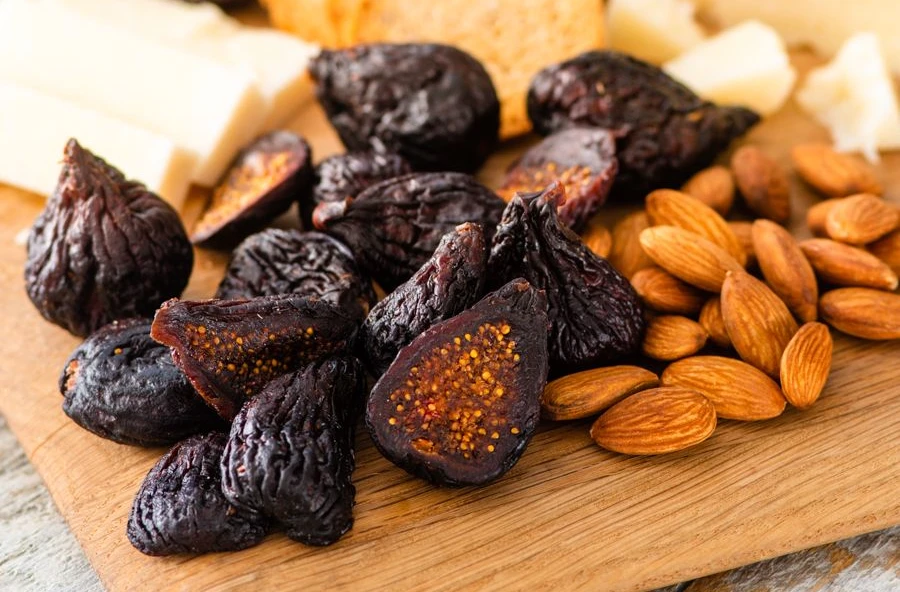
This one connects to King Hezekiah, whose boil was treated with a fig preparation in Isaiah 38 and 2 Kings 20. As food, figs and almonds together are genuinely useful: figs bring fiber and minerals, almonds bring vitamin E, magnesium, and healthy fat.
The wound treatment part of that story is where people get into trouble. Applying fig paste to a cut, boil, or infection today is not supported by modern wound care and can introduce bacteria into broken skin.
Actionable detail: pair 2 to 3 dried figs with a small handful of almonds as a fiber rich snack, not a topical treatment.
5. Roasted Lamb with Dates and Herbs
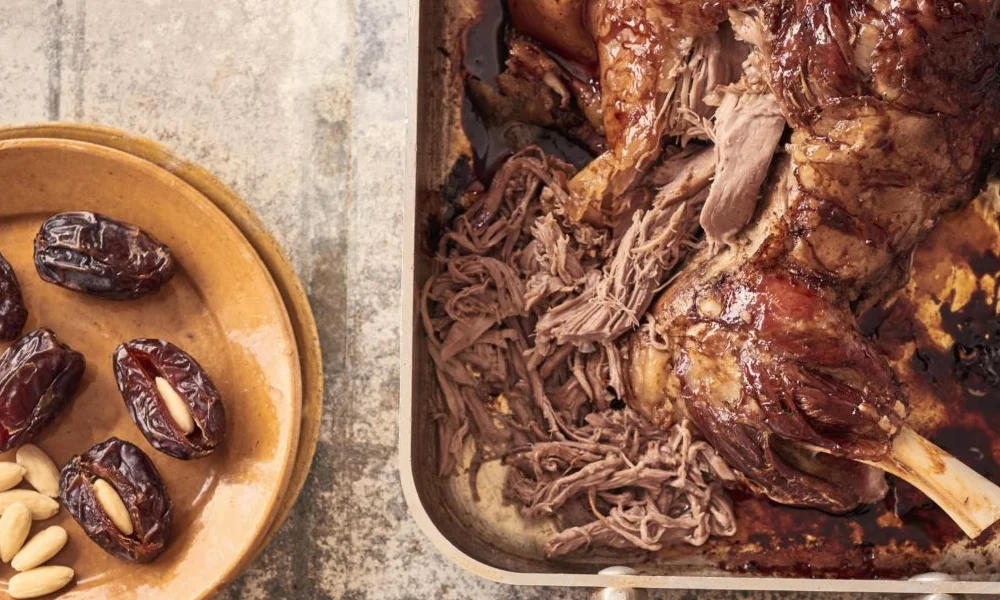
Lamb holds enormous cultural and religious weight throughout the Old Testament. Nutritionally, it is a strong source of heme iron, vitamin B12, zinc, and complete protein, all nutrients tied to energy and immune function.
Adding dates and rosemary rounds out the plate with fiber and antioxidant compounds. This is a solid, satisfying meal, but calling it “restorative” for illness is cultural framing rather than a clinical claim.
Actionable detail: a 3 ounce portion of roasted lamb covers a meaningful share of daily zinc and B12 needs for most adults.
6. Grapes, Goat Cheese and Herbs
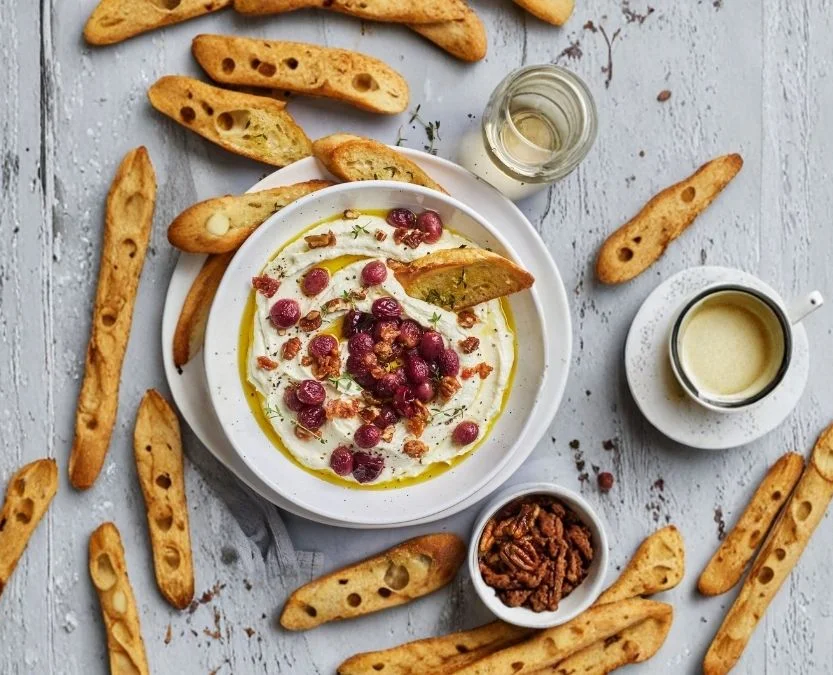
Grapes and goat’s milk both appear frequently in Scripture. Grapes contain polyphenols, including resveratrol, while fermented goat cheese can supply protein, fat, and live cultures depending on how it’s made.
Some popular claims describe a special immune “synergy” between the two foods. That specific claim goes further than the evidence supports. What’s true is simpler: pairing fruit with a protein and fat source makes a more balanced snack than fruit alone.
7. Dates Stuffed with Nuts
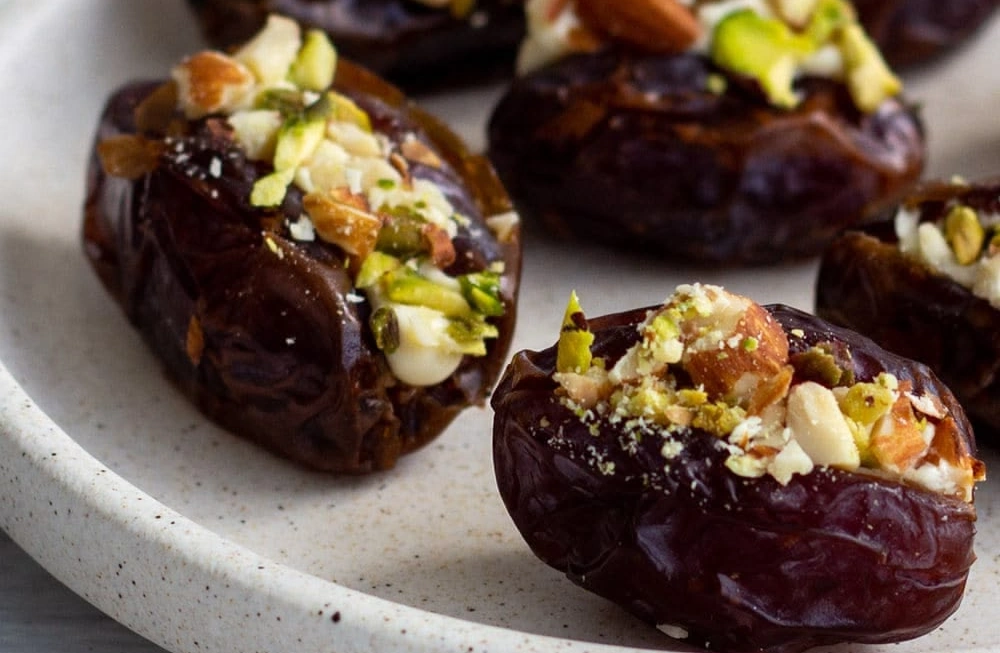
Dates were portable, calorie dense energy in an arid climate, and pairing them with almonds, walnuts, or pistachios adds fat and protein so the sugar hits your system more slowly.
There is real research here worth mentioning carefully. A randomized trial of 210 pregnant women found that those who ate 70 to 75 grams of dates daily starting at 37 weeks had a higher Bishop score at admission (7.67 versus 5.12 in the control group), a measure related to cervical readiness for labor. That is a real, published finding, not folklore.
Everyone’s body responds differently, so check with your doctor before trying this if you have an existing condition or take medication, and never use dietary changes as a substitute for prenatal care.
8. Pomegranate and Barley Grain Bowl
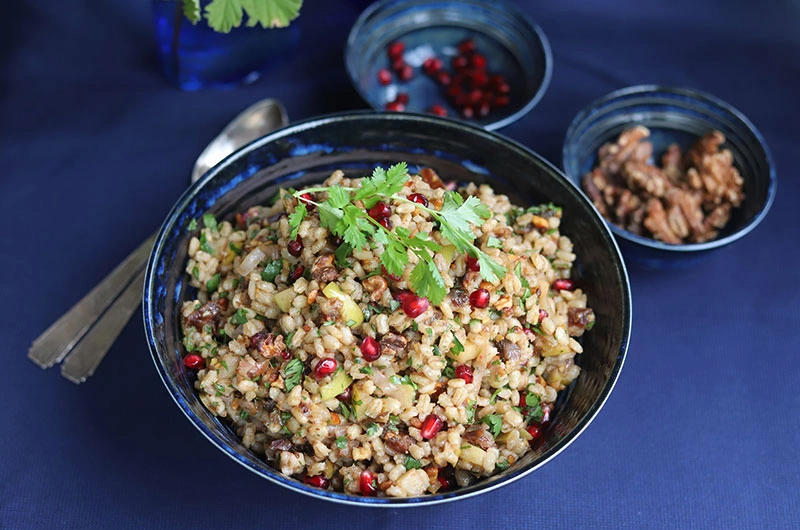
This pairs whole barley with pomegranate seeds, olive oil, and herbs. Pomegranates carry punicalagins, a group of polyphenols studied for their antioxidant activity, while barley again contributes beta glucan fiber.
This is one of the most realistic entries on the list because it converts easily into an actual lunch. Cook a batch of barley, keep pomegranate seeds and olive oil on hand, and you have a repeatable meal rather than a one time recipe.
9. Garlic and Herb Lentil Soup
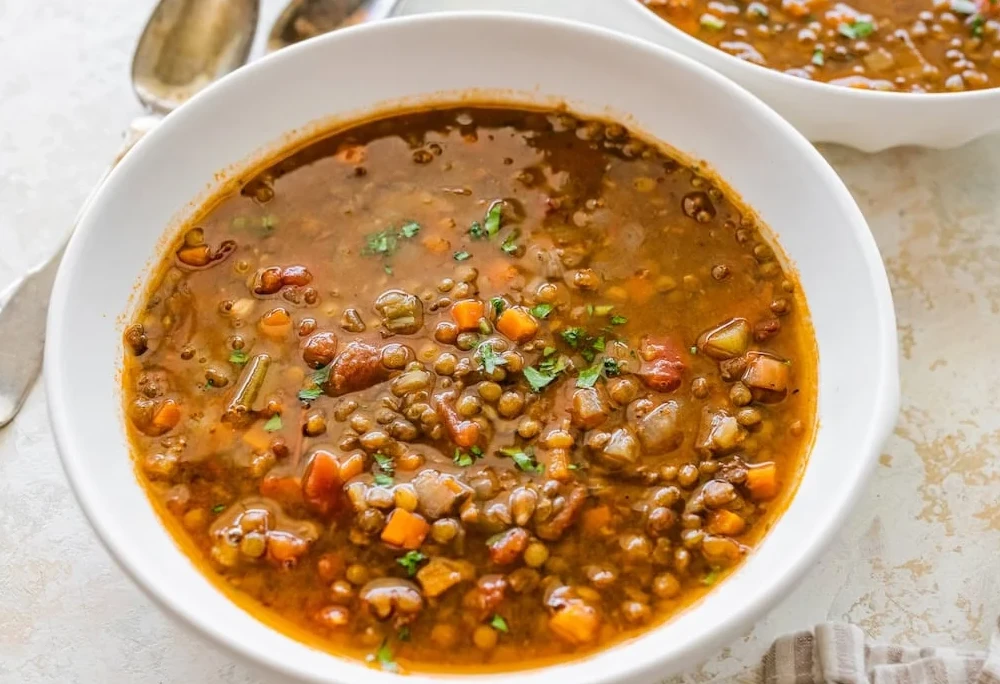
Lentils appear in Genesis 25, and garlic and herbs show up throughout the Old Testament. Lentils bring plant protein, carbohydrate, and fiber, and crushing garlic triggers the formation of allicin, a sulfur compound studied for cardiovascular effects.
Calling this an “immune protocol” overstates a single soup’s power. What it accurately is: a nutrient dense, fiber rich, plant forward meal.
How to make it: lentils simmered with onion, crushed garlic, cumin, and coriander, finished with a spoon of extra virgin olive oil.
10. Cucumber, Mint and Yogurt Bowl
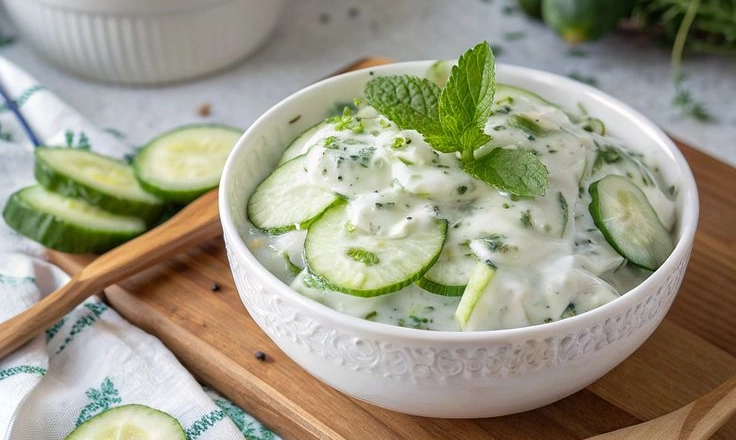
Numbers 11 records the Arabs’ longing for the cucumbers, melons, leeks, onions, and garlic they remembered from Egypt. Cucumber is over 95 percent water, making this dish genuinely hydrating, and yogurt with active cultures can support gut bacteria diversity.
Mint adds flavor without meaningful nutritional weight, but it’s what makes the dish pleasant enough to eat regularly, which matters more than people assume.
The Daily Habit That Actually Works
Try This Today
- Add one fiber rich food from this list (barley, lentils, or chickpeas) to a single meal today.
- Swap one snack for dates and a small handful of nuts instead of a packaged sweet.
- Cook with extra virgin olive oil instead of a refined seed oil for one meal.
- Add fresh garlic or onion to something you already cook this week.
- Pick one dish from this list to repeat at least twice weekly, since consistency matters more than variety on any single day.
11. Fish with Barley Loaves
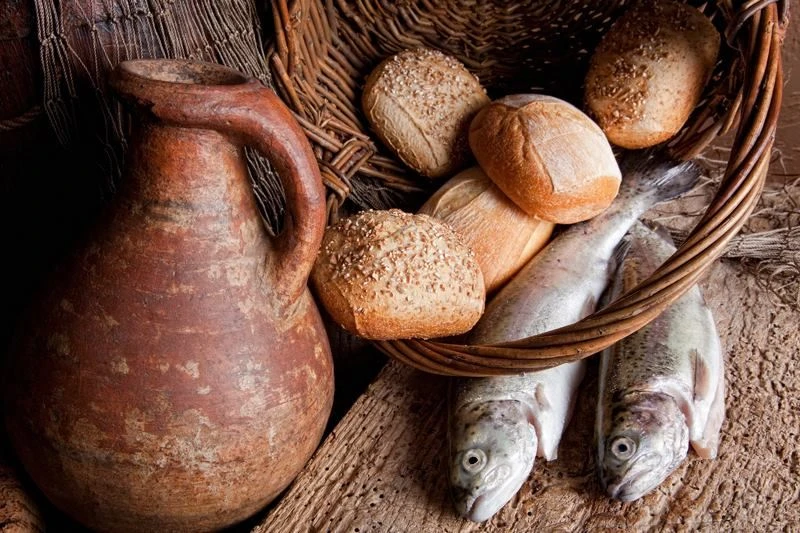
The feeding of the 5,000 pairs fish with barley loaves, and it turns out that combination holds up nutritionally too. Fish, particularly fatty varieties, supplies omega 3 fatty acids (EPA and DHA), which are consistently linked to cardiovascular and brain health in large population studies.
Actionable detail: the American Heart Association generally recommends two servings of fish weekly, roughly 3 to 4 ounces per serving, to reach beneficial omega 3 intake.
12. Onions and Leeks
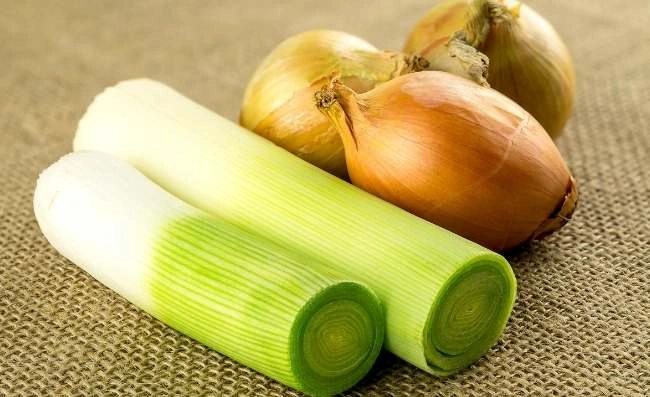
Also from Numbers 11, onions and leeks belong to the allium family alongside garlic. They contain quercetin and other sulfur compounds studied for their role in blood vessel function and inflammation.
These are easy additions rather than a standalone meal. Building them into soups, roasted vegetable dishes, or the lentil soup above is the realistic way most people will actually eat them.
13. Melon
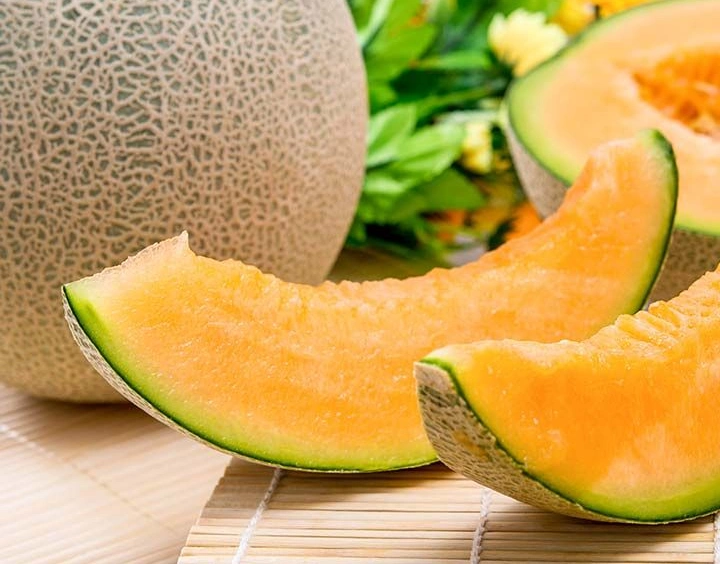
The third item craved in Numbers 11, melon is mostly water with a meaningful dose of vitamin C and, depending on the variety, beta carotene. Its main function nutritionally is hydration paired with genuine micronutrients, rather than plain water alone.
14. Milk and Honey
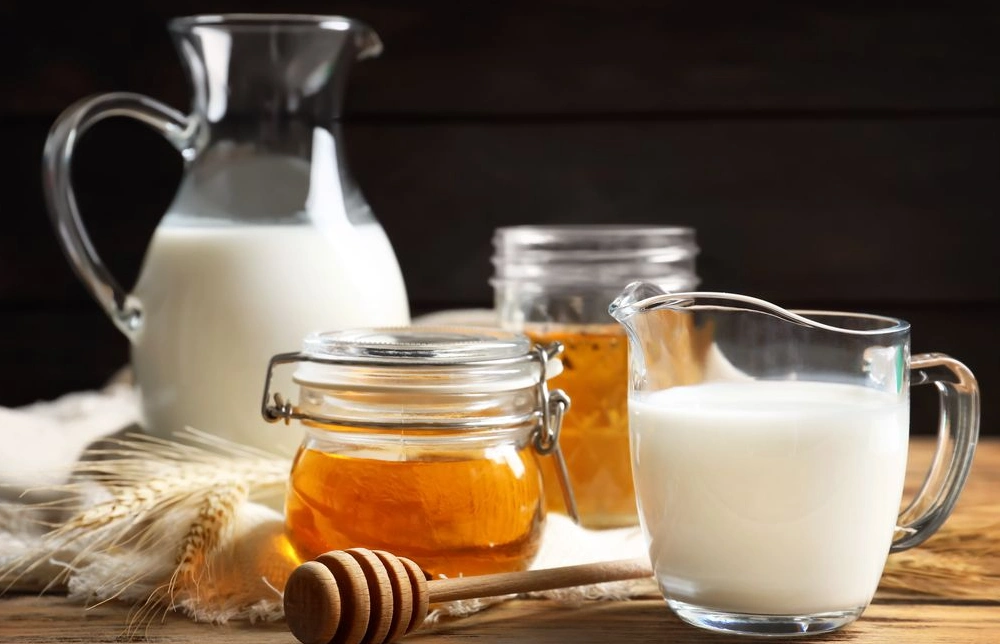
The phrase “a land flowing with milk and honey” appears repeatedly starting in Exodus 3:8. Milk supplies calcium, protein, and vitamin D when fortified, while honey provides quick carbohydrate energy along with trace antioxidant compounds.
One important, well established caution belongs here: honey should never be given to infants under 12 months because of the risk of infant botulism. For adults, it’s simply a natural sweetener best used in moderation, not a health food on its own.
15. Cinnamon Spiced Dishes
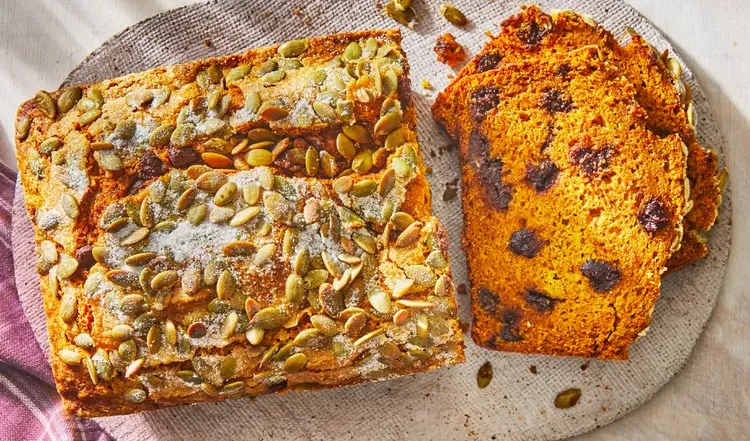
Cinnamon appears in the holy anointing oil recipe in Exodus 30:23 and again in Song of Solomon 4:14. The research on cinnamon and blood sugar is genuinely mixed, which is worth stating plainly rather than oversimplifying.
A 2003 trial published in Diabetes Care found that 1 to 6 grams of cinnamon daily for 40 days reduced fasting glucose by 18 to 29 percent in people with type 2 diabetes. Several later trials, including ones reviewed by independent research groups, found no significant effect, so cinnamon looks like a modest possible support at best, not a treatment.
The numbers above come from clinical trials with limited sample sizes, so individual results vary widely. Talk to your doctor before adjusting diabetes management based on any single food.
16. Raisins
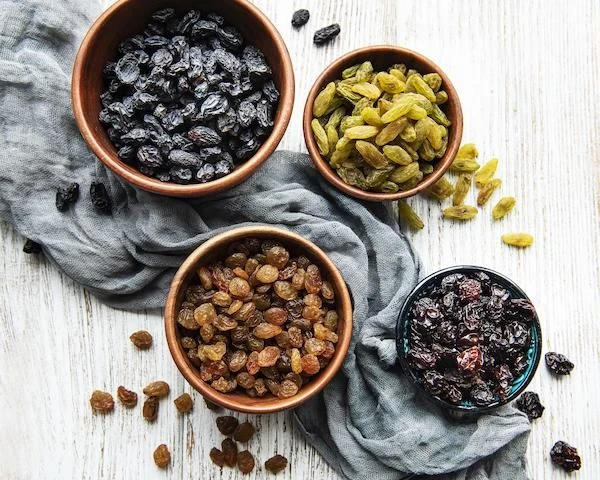
In 1 Samuel 25:18, Abigail brings raisin cakes to David as part of a peace offering. Dried grapes concentrate iron, potassium, and quick energy into a small, shelf stable package, which made them practical travel food in the ancient world and still does today.
Actionable detail: a small handful (about 1.5 ounces) provides roughly 1 milligram of iron alongside natural sugars, useful before physical activity.
17. Bread Dipped in Vinegar
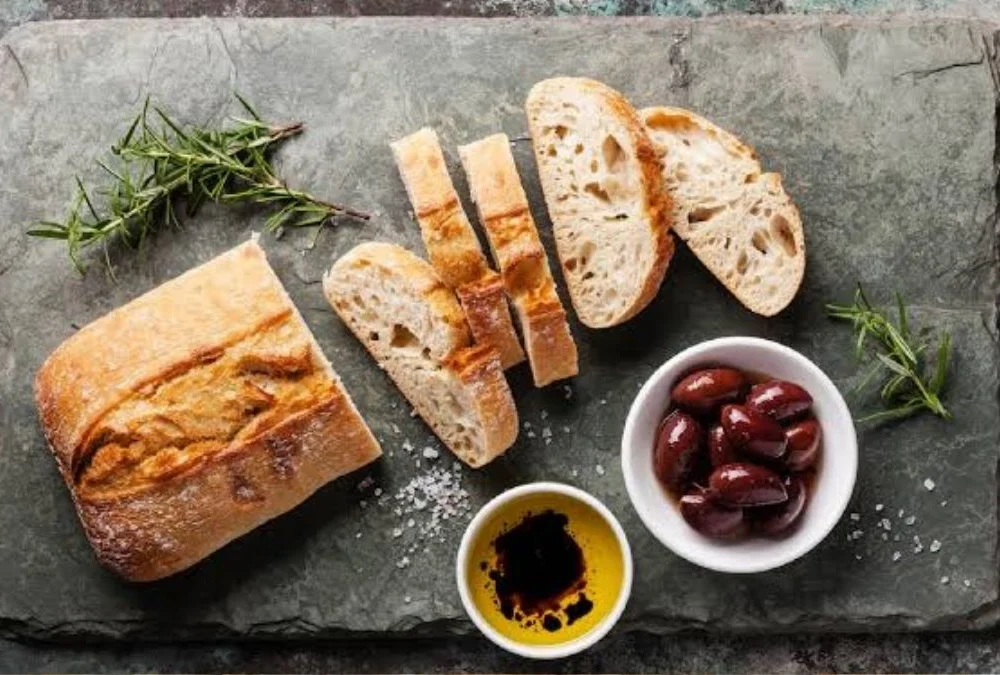
In Ruth 2:14, Boaz offers Ruth bread dipped in vinegar during the harvest. This turns out to be one of the better supported entries on the whole list.
A systematic review and meta analysis of clinical trials found that vinegar consumed with a meal meaningfully reduces post meal blood sugar and insulin spikes, with some studies showing roughly a 20 percent reduction in the glucose response compared to a control meal. The acetic acid in vinegar is believed to slow stomach emptying and interfere with starch digestion.
Myth Versus What the Research Actually Shows
| Popular Claim | What the Research Actually Supports |
|---|---|
| Olive oil works “like ibuprofen without side effects” | Oleocanthal in olive oil does inhibit the same COX enzymes as ibuprofen, but at food level amounts it is a mild, long term dietary habit, not a replacement for pain medication |
| Fig paste can treat a wound like in the Bible | No modern wound care supports this; treat cuts, boils, or infections with proper medical care |
| Dates guarantee an easier, faster labor | One trial found a better Bishop score with daily date consumption in late pregnancy, but this is not a guarantee and isn’t a substitute for prenatal care |
| Cinnamon reliably controls blood sugar | Evidence is mixed, some trials show meaningful fasting glucose drops, others show none |
| These 17 meals heal you “instantly” | The real benefit is a cumulative, whole food eating pattern built over weeks and months, not a single meal |
What Changes and When

| Timeframe | What’s realistic to expect |
|---|---|
| Week 1 to 2 | Better digestion and regularity from added fiber (lentils, barley, chickpeas), possibly some bloating as your gut adjusts |
| Week 3 to 4 | More stable energy between meals if you’ve replaced refined snacks with dates, nuts, or fruit and cheese combinations |
| Month 2 | Possible modest improvements in cholesterol markers if beta glucan rich foods like barley are eaten consistently, based on the clinical trial doses referenced above |
| Month 3 and beyond | Cumulative cardiovascular and metabolic benefits associated with sustained Mediterranean style eating patterns in long term population studies |
A Few Questions People Ask Next

Do I need to eat all 17 meals to see any benefit? No. The research behind each item stands on its own. Picking even 3 or 4 that fit your taste and routine, and eating them consistently, matters more than checking every box.
How long until I notice a difference? Digestive changes from added fiber often show up within a week or two. Anything related to cholesterol or blood sugar typically takes several weeks of consistent eating to measure, which is also why these foods work best as an ongoing pattern rather than a short term fix.
Should I stop any medication because of these foods? No. Nothing on this list is designed to replace a prescribed treatment. Several items, including garlic, cinnamon, and vinegar, can interact with blood thinners or diabetes medications, so it’s worth mentioning them to your doctor or pharmacist.
Is this basically just the Mediterranean diet with Bible verses attached? Largely, yes. The overlap between traditional biblical era eating and the modern Mediterranean pattern is real and part of why this list holds up better than most viral food trends.
Takeaway
Strip away the “instant healing” language and what’s left in these 17 Biblical Meals is honestly solid advice: more whole grains, legumes, fruit, olive oil, and herbs, with meat and dairy used according to what fits your needs. That pattern has real, repeated research behind it.
The instant miracle framing, and the wound treatments or labor guarantees that come with it, are the parts worth leaving out of your kitchen. Good food is still just good food, even when it comes from a very old recipe.
This article is for informational purposes only and is not a substitute for professional medical advice, diagnosis, or treatment. Always consult your doctor or a qualified healthcare provider before making changes to your diet, exercise routine, or medications, especially if you have an existing health condition.
