
Waking up drenched in sweat can be more than a warm room or heavy blankets. Night sweats are often harmless, but repeated episodes may sometimes be linked to infections, hormone changes, medication effects, thyroid problems, or blood sugar issues.
The real concern is the pattern. When night sweats keep interrupting sleep or appear with symptoms like weight loss, fever, or unusual fatigue, doctors look more closely for an underlying cause.
Knowing which signs matter can help you understand when to monitor the problem and when it deserves medical attention.
Before making changes based on this information, talk with your doctor, especially if you take medication, have diabetes, or are managing an ongoing health condition. Night sweats can have many causes, and your symptoms need to be considered alongside your personal medical history.
Night Sweats That Doctors Pay Closer Attention To
| Night Sweat Pattern | What It May Be Linked To | Symptoms That Matter | What To Consider |
|---|---|---|---|
| Sweating with hot flashes | Hormone changes during menopause | Warm flashes, sleep disruption | Track timing and triggers |
| Sweating with fever or chills | Infection or immune response | Cough, fatigue, body aches | Medical review if persistent |
| Sweating with weight loss | Several possible health conditions | Appetite changes, weakness | Do not ignore unexplained changes |
| Sweating with shaking or hunger | Low blood sugar episodes | Fast heartbeat, confusion | Discuss glucose patterns |
| Sweating with racing heartbeat | Thyroid overactivity | Tremors, anxiety, heat intolerance | Thyroid testing may be needed |
1. Night Sweats With Unexplained Weight Loss
Losing weight without trying can change the meaning of night sweats. A person who is eating normally but losing weight while waking up soaked in sweat may need a closer medical evaluation.
The reason is that unexplained weight loss can happen when the body is dealing with increased inflammation, infection, hormone problems, or other conditions that affect metabolism.
Doctors become more interested when weight loss happens alongside symptoms such as:
- Persistent fatigue
- Loss of appetite
- Fever
- Swollen lymph nodes
- Ongoing pain
A small change in weight after a lifestyle shift is different from losing weight without knowing why. Keep a record of when the weight change started and whether other symptoms appeared around the same time.
2. Menopause Related Night Sweats From Hormone Changes

For many women, night sweats are connected to changing hormone levels during perimenopause and menopause. Lower estrogen levels can affect the hypothalamus, the part of the brain that helps regulate body temperature.
When the hypothalamus becomes more sensitive, the body may react as if it is overheating. This can trigger sweating, flushing, and sudden temperature changes even when the room feels comfortable.
| Cause | What Happens in the Body | Common Signs |
|---|---|---|
| Lower estrogen levels | Temperature regulation becomes more sensitive | Hot flashes, sweating during sleep |
| Medication effects | Brain chemicals or hormones may change | Symptoms after starting medication |
| Infection | Immune response affects temperature | Fever, chills, tiredness |
| Low blood sugar | Stress hormones trigger sweating | Shaking, hunger, rapid heartbeat |
Not every night sweat after age 40 is automatically menopause. Doctors may look at the timing, severity, and whether symptoms match other menopause changes.
A symptom diary can help. Write down when sweating happens, how often it occurs, and whether certain foods, alcohol, stress, or sleep changes trigger episodes.
3. Night Sweats Caused by Infections
The immune system can create sweating as part of the body’s response to infection. When your temperature rises during a fever and later drops, sweating helps release extra heat.
Common infections can sometimes cause night sweats, including viral and bacterial illnesses. More persistent cases may require evaluation, especially when sweating accompanies fever, cough, fatigue, or other symptoms.
Some warning combinations include:
- Night sweats plus a cough that does not improve
- Repeated fevers
- Severe tiredness
- Unusual body aches
- Swollen glands
A single sweaty night during an illness is usually different from waking up drenched repeatedly for weeks.
4. Night Sweats With Thyroid Overactivity
This is one reason doctors may want a faster evaluation. An overactive thyroid can speed up the body’s metabolism, causing more heat production and making it harder for the body to stay comfortable.
When the thyroid produces too much hormone, people may notice:
- Increased sweating
- Feeling unusually warm
- Fast heartbeat
- Anxiety or nervousness
- Weight loss despite normal eating
- Shaky hands
The thyroid affects many systems, so night sweats are usually considered alongside other changes rather than by themselves. Blood tests can help check thyroid hormone levels when symptoms suggest a possible problem.
Everyone’s body responds differently, and symptoms like sweating can be affected by medications, hormones, blood sugar, and existing health conditions. Talk with your healthcare provider before changing treatment plans or trying to manage a possible medical problem alone.
5. Night Sweats From Low Blood Sugar During Sleep
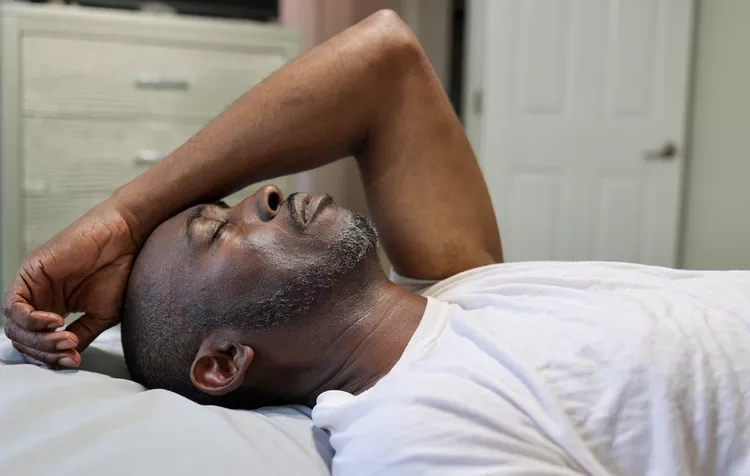
For people with diabetes, waking up sweaty can sometimes be connected to overnight drops in blood glucose. When blood sugar falls too low, the body releases stress hormones such as adrenaline.
That response can cause:
- Sweating
- Shaking
- Fast heartbeat
- Sudden hunger
- Feeling anxious or restless
This is especially important for people who use insulin or certain diabetes medications that can increase the risk of low blood sugar episodes.
Keeping notes about bedtime meals, medication timing, exercise, and nighttime symptoms can give healthcare providers useful information.
Do not change diabetes medication doses without medical guidance.
6. Night Sweats Alongside Serious Warning Signs

Night sweats alone do not automatically mean a serious illness. In fact, many people with persistent night sweats do not have a dangerous underlying condition.
However, doctors pay closer attention when sweating appears with a combination of warning signs.
Examples include:
| Symptom Combination | Why Doctors Pay Attention |
|---|---|
| Night sweats plus unexplained weight loss | May suggest a condition affecting metabolism or immune function |
| Night sweats plus persistent fever | May indicate ongoing inflammation or infection |
| Night sweats plus swollen lymph nodes | May require further evaluation |
| Night sweats plus ongoing fatigue | Can point to a broader health issue |
Some serious conditions can cause night sweats, including certain infections, autoimmune conditions, and cancers. However, doctors do not diagnose these conditions from sweating alone. They consider the entire symptom picture.
A Simple Night Sweat Tracking Habit

For the next two weeks, keep a short symptom record:
- Write down when night sweats happen.
- Note if pajamas or sheets become soaked.
- Record room temperature and bedding.
- Track fever, weight changes, cough, or unusual tiredness.
- List new medications or supplements.
This simple habit can make a medical appointment more productive because doctors can see patterns instead of relying only on memory.
Quick Guide: When To Watch and When To Call a Doctor

| Situation | What To Do |
|---|---|
| Sweating after a warm room or heavy blankets | Adjust sleep environment and monitor |
| Occasional sweating without other symptoms | Track patterns |
| Repeated night sweats that interrupt sleep | Schedule a medical discussion |
| Night sweats with weight loss, fever, or swollen lymph nodes | Contact a healthcare provider |
| Night sweats with chest pain, breathing trouble, or confusion | Seek urgent medical care |
Make an appointment if your night sweats:
- Happen regularly without an obvious explanation.
- Wake you from sleep repeatedly.
- Come with unexplained weight loss.
- Appear with fever, cough, or persistent fatigue.
- Start after menopause symptoms had already stopped.
Doctors can review your symptoms, medications, health history, and possible causes before deciding what tests may be useful.
Takeaway
Night sweats are your body’s signal, but the meaning depends on the full picture. A warm room, stress, hormones, or medication changes may explain some cases, while repeated sweating with other symptoms deserves more attention.
The most useful step is not to panic or ignore it. Track what is happening, notice the patterns, and know the signs that deserve a conversation with your doctor.
This article is for informational purposes only and is not a substitute for professional medical advice, diagnosis, or treatment. Always consult your doctor or a qualified healthcare provider before making changes to your diet, exercise routine, or medications, especially if you have an existing health condition.
