

A simple push-up test may reveal more about your heart health than you think. The 40 push-up test gained attention after Harvard-affiliated researchers found that men who could complete more than 40 push-ups had a lower risk of cardiovascular events over 10 years.
The test does not predict heart attacks, but it may reflect overall fitness, strength, and how well your body handles physical stress. Before counting your push-ups, it helps to understand what this research really means.
Before making changes based on this article, talk with your doctor, especially if you have a diagnosed heart condition, recent symptoms, or concerns about starting a new exercise routine.
The Research Behind the 40 Push-Up Test
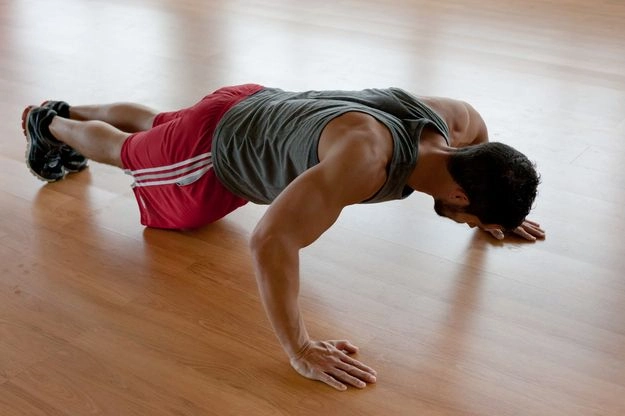
The headline sounds like a heart prediction tool, but the real science is more careful.
The study behind the claim was published in JAMA Network Open in 2019. Researchers examined 1,104 occupationally active adult men, mainly firefighters, and followed their health outcomes for about 10 years.
At the start of the study, participants completed a push-up test during physical examinations. Researchers then looked at whether their starting push-up capacity was linked with future cardiovascular disease events.
The results caught attention.
Men who completed more than 40 push-ups had a significantly lower risk of cardiovascular events compared with men who completed fewer than 10 push-ups. Researchers calculated about a 96% lower risk association between the highest and lowest groups.
However, this does not mean 40 push-ups guarantees protection from a heart attack.
The study showed an association. It did not prove that push-ups alone prevent heart disease.
The push-up number likely reflects something bigger: overall physical fitness.
| Research Detail | Finding |
|---|---|
| Published | JAMA Network Open, 2019 |
| Participants | 1,104 active adult men |
| Average age | About 39.6 years |
| Follow up period | About 10 years |
| Fitness measure | Maximum push-ups completed |
| Cardiovascular outcomes tracked | 37 cardiovascular disease related events |
| Main finding | Higher push-up ability was linked with lower cardiovascular risk |
Why Push-Ups May Reveal Heart Health Clues

A push-up looks like a simple strength exercise, but it requires several body systems to work together.
Your chest, shoulders, arms, and core muscles must produce force. At the same time, your heart and lungs must deliver oxygen to working muscles.
That combination makes push-ups a measure of functional fitness.
A person who can perform many controlled push-ups often has:
- Better muscular endurance
- Higher activity levels
- Better body control
- Greater exercise tolerance
Muscle strength also plays a role in healthy aging. Maintaining muscle helps adults stay independent, climb stairs, carry groceries, and recover from physical stress.
Research has linked regular physical activity and strength training with improvements in several heart related factors, including blood pressure, blood sugar control, and body composition.
The push-up test may work because it captures several of these benefits at once.
The Push-Up Test Compared With Other Heart Checks

The push-up test is interesting because it is simple and free. But it measures something different from traditional medical screenings.
| Health Measure | What It Shows | Benefit | Limitation |
|---|---|---|---|
| Push-up capacity | Strength and functional fitness | Quick and inexpensive | Does not diagnose heart disease |
| Blood pressure | Pressure inside arteries | Detects hypertension risk | Does not measure fitness |
| Cholesterol testing | Blood fat levels | Identifies certain risk factors | Does not show exercise ability |
| Waist measurement | Body fat distribution | Helps assess metabolic risk | Does not measure strength |
| Treadmill testing | Heart response during exercise | Provides detailed exercise data | Usually requires clinical supervision |
A person can have a strong push-up performance and still have high cholesterol or high blood pressure.
That is why doctors look at the complete picture.
How To Perform the 40 Push-Up Test Safely

The goal is not to prove you can hit a specific number.
The goal is to understand your current fitness level.
A safer approach:
- Warm up with light walking or gentle movement.
- Place your hands slightly wider than shoulder width.
- Keep your body in a straight line.
- Lower yourself with control.
- Push back up while keeping your core tight.
- Stop when your form changes.
Quality matters more than speed.
Ten controlled push-ups show more useful information than 40 rushed repetitions with poor form.
Everyone’s body responds differently to exercise. If you have an existing condition, take medications that affect exercise tolerance, or have been inactive for a long time, check with your doctor before trying a fitness test.
What If You Cannot Do 40 Push-Ups?

Many people cannot perform 40 traditional push-ups, especially as they get older.
That does not mean their heart health is poor.
The research included active adult men, and the results cannot automatically be applied to women, older adults, or people with different health conditions.
Instead of focusing only on the number, focus on improvement.
A beginner can build strength gradually.
| Time Period | Goal | Example Action | Why It Helps |
|---|---|---|---|
| Weeks 1 to 2 | Build consistency | Practice wall push-ups or countertop push-ups | Builds movement confidence |
| Weeks 3 to 4 | Improve endurance | Add knee push-ups and increase repetitions slowly | Strengthens working muscles |
| Months 2 to 3 | Build full body fitness | Combine push-ups with walking and resistance exercises | Supports overall conditioning |
| Long term | Maintain strength | Continue strength training regularly | Helps preserve muscle with aging |
Small improvements matter.
Going from zero push-ups to five controlled repetitions is still progress.
The Daily Habit That Actually Works

You do not need to chase a single fitness number to support your heart.
Small daily actions can create meaningful changes.
Try This Today
- Take a 10 minute walk after one meal.
- Add simple strength exercises two days each week.
- Practice a few modified push-ups if regular push-ups feel too difficult.
- Check your blood pressure on a regular schedule.
- Include more fiber rich foods such as beans, vegetables, fruits, and whole grains.
Consistency matters more than occasional intense workouts.
Can Doing Push-Ups Prevent a Heart Attack?

Heart attacks happen because of many interacting factors, including artery plaque buildup, high blood pressure, smoking, diabetes, cholesterol levels, genetics, and lifestyle habits.
Exercise helps improve the environment inside the body, but one exercise cannot cancel every risk.
The best approach is combining strength training with other heart healthy habits.
Walking, resistance training, nutritious food choices, good sleep, and regular medical checkups all play a role.
Common Mistakes People Make With Fitness Tests

A fitness test can provide useful information, but it is easy to misunderstand.
Mistake 1: Treating the Number Like a Diagnosis
A push-up count cannot tell you whether your arteries are healthy.
Only medical evaluation can identify conditions such as blocked arteries or heart disease.
Mistake 2: Testing Without Preparation
Someone who has not exercised recently may strain muscles or joints by suddenly attempting a maximum effort test.
Build gradually.
Mistake 3: Ignoring Other Risk Factors
A person who can complete 40 push-ups should still monitor blood pressure, cholesterol, blood sugar, and other health markers.
Fitness is one piece of the puzzle.
When To Stop and Call a Doctor

Do not push through warning signs during exercise.
Contact a healthcare professional if you experience:
- Chest pressure, squeezing, or pain
- Unusual shortness of breath
- Dizziness or fainting
- A racing or irregular heartbeat during activity
These symptoms deserve attention, especially if they appear during physical effort.
The Bigger Lesson Behind the Push-Up Study

The 40 push-up finding became popular because it turned a simple exercise into a conversation about heart health.
The real message is not that everyone needs to complete 40 push-ups.
The deeper lesson is that physical fitness provides valuable information about how your body handles stress.
Strength, endurance, and movement habits are connected with long term health.
A push-up test may be a useful clue. It is not a replacement for medical care, but it can remind you to pay attention to your fitness before problems appear.
This article is for informational purposes only and is not a substitute for professional medical advice, diagnosis, or treatment. Always consult your doctor or a qualified healthcare provider before changing your exercise routine, diet, or medications, especially if you have an existing health condition.
