
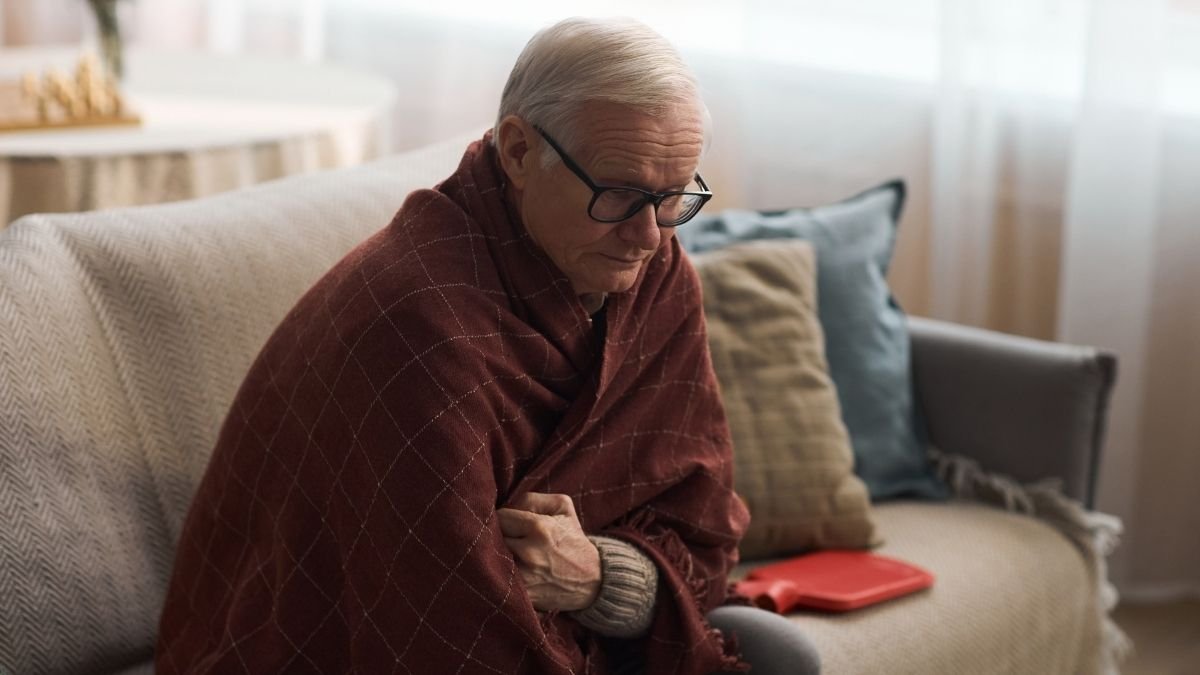
Always cold after 50, even when everyone else feels comfortable? Your thyroid could be one reason your body struggles to stay warm. Low thyroid activity can affect metabolism and reduce the heat your body produces.
Many people blame this on aging, but ongoing cold sensitivity with fatigue, constipation, dry skin, weight changes, or low energy may point to something more. The key is knowing the difference between normal aging and a thyroid issue, because coldness alone does not tell the full story.
Here are 7 reasons you may feel colder after 50, including the thyroid connection many people overlook and other health changes that can affect your body’s ability to maintain warmth.
Before making any changes based on symptoms you notice, talk with your doctor, especially if you take medication, have a diagnosed condition, or are experiencing new health changes.
1. Your Thyroid Controls How Much Heat Your Body Produces
Your thyroid is a small gland at the front of your neck, but it affects many systems throughout your body. The hormones it produces, mainly T4 and T3, help regulate metabolism, energy use, and heat production.
When thyroid hormone levels are too low, your cells use less energy. This can reduce the amount of heat your body creates, leaving you feeling colder even when the temperature around you has not changed.
Researchers have found that thyroid hormones influence thermogenesis, the process your body uses to generate warmth. They also affect brown fat activity and other pathways involved in temperature control.
A 2019 study looked at adults with hypothyroidism before and after thyroid hormone replacement. After thyroid function improved, researchers found increases in energy expenditure and cold-induced thermogenesis, suggesting thyroid hormones play a direct role in the body’s response to cold.
| What Happens Inside Your Body | Why It Can Make You Feel Colder |
|---|---|
| Lower thyroid hormone levels | Cells use less energy |
| Reduced thermogenesis | The body creates less heat |
| Lower metabolic activity | Fatigue and weight changes may appear |
| Slower response to cold | Temperature changes feel harder to tolerate |
2. Feeling Cold After 50 Can Be More Than Just Aging
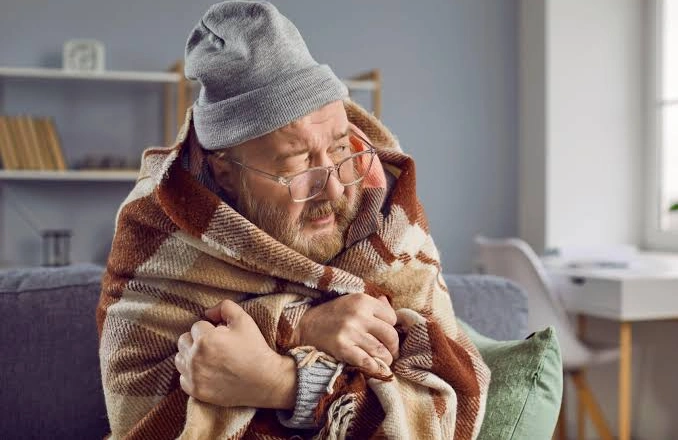
Many adults notice they become more sensitive to cold as they get older. Changes in muscle mass, circulation, activity levels, and body composition can all affect how well the body maintains warmth.
Muscle is especially important because it produces heat through movement and activity. When muscle mass decreases with age, some people lose part of their natural ability to generate warmth.
The challenge is that aging and thyroid problems can look very similar.
A person may think, “This is just part of getting older,” while overlooking other signs suggesting an underlying health issue.
| Cold Sensitivity Pattern | Possible Explanation | What To Watch For |
|---|---|---|
| Slightly colder than previous years | Normal aging changes | No other symptoms appear |
| Cold throughout the body | Possible hypothyroidism | Fatigue, constipation, dry skin |
| Cold hands and feet with numbness | Circulation or nerve problems | Color changes or pain |
| Coldness with weakness | Possible anemia | Dizziness or shortness of breath |
| New cold sensitivity after medication changes | Medication effect | Symptoms started recently |
The biggest clue is not feeling cold by itself. It is whether cold sensitivity appears with other changes in your body.
3. These Symptoms Make A Thyroid Problem More Likely

Feeling cold alone cannot diagnose hypothyroidism. Doctors usually look for a group of symptoms that creates a clearer picture.
Common signs of an underactive thyroid may include:
- Persistent tiredness
- Constipation
- Dry skin
- Hair thinning
- Unexplained weight gain
- Muscle weakness
- Slower heart rate
- Feeling mentally slowed down
Older adults may not always experience these symptoms in obvious ways.
Some people over 60 notice smaller changes, such as reduced energy, lower motivation, changes in digestion, or difficulty staying comfortable in cooler temperatures.
That is why you shouldn’t automatically blame new symptoms after 50 on aging.
4. The Thyroid Tests That Show What Is Really Happening
Many people search for an easy way to confirm a thyroid problem at home, but there is no reliable cold sensitivity test that can diagnose hypothyroidism.
Doctors usually start with thyroid-stimulating hormone, called TSH. This hormone comes from the brain and signals the thyroid to produce hormones.
If TSH levels are abnormal, healthcare providers may also check free T4 to understand how much thyroid hormone is available in the blood.
| Test | What It Measures | Why Doctors Use It |
|---|---|---|
| TSH | Signal that tells the thyroid to work | Usually the first screening test |
| Free T4 | Available thyroid hormone | Helps confirm thyroid function |
| TPO antibodies | Immune activity against thyroid tissue | May suggest Hashimoto’s disease |
| Cholesterol testing | Metabolic effects linked with thyroid changes | Can reveal related effects |
Everyone’s body responds differently, and thyroid results can mean different things depending on age, symptoms, and medical history. Check with your doctor before making decisions about testing or treatment.
A slightly abnormal thyroid result does not always mean medication is needed.
This is especially important after 50 because thyroid levels can change with age, and doctors consider symptoms, test results, and overall health before recommending treatment.
5. A Slightly Abnormal Thyroid Test Does Not Always Mean Medication
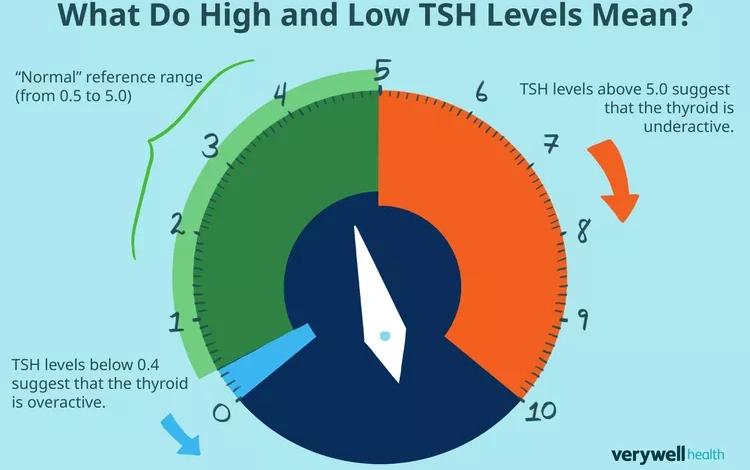
One of the most misunderstood thyroid conditions is subclinical hypothyroidism.
This happens when TSH is higher than expected, but free T4 remains within the normal range. It becomes more common as people get older.
The question is whether treating mild thyroid changes always improves symptoms.
The TRUST trial studied 737 adults aged 65 and older with mild thyroid dysfunction. Researchers found that thyroid medication lowered TSH levels but did not significantly improve tiredness or hypothyroid symptoms compared with placebo after one year.
This does not mean thyroid treatment is unnecessary.
It means treatment decisions should be personalized. Someone with clear hypothyroidism may benefit from medication, while someone with mild changes may need monitoring instead.
6. Other Health Problems Can Also Make You Feel Cold After 50
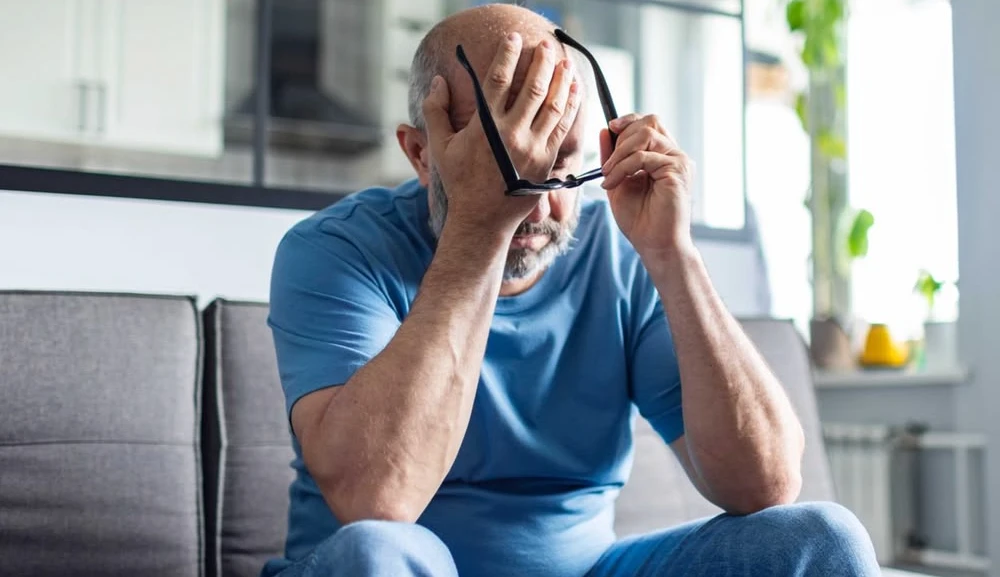
A thyroid issue is only one possible reason you feel colder.
Several other conditions can affect circulation, energy production, or your ability to maintain body warmth.
Low Iron Or Anemia
Iron deficiency can reduce oxygen delivery throughout the body. Some people experience fatigue, weakness, dizziness, cold hands, and cold feet.
For adults over 50, unexplained anemia should be discussed with a healthcare professional because finding the cause matters.
Loss Of Muscle Mass

Muscle helps generate heat and supports metabolism. As people age, losing muscle can make it harder for the body to stay warm.
Strength exercises that match your health level can help protect muscle and support daily movement.
Circulation Problems
Coldness caused by circulation problems often looks different from thyroid related cold sensitivity.
Warning signs may include one foot being colder than the other, numbness, skin color changes, or pain while walking.
Vitamin B12 Deficiency
Low vitamin B12 can contribute to anemia and nerve symptoms. Some people may notice weakness, tingling, or unusual sensations along with feeling cold.
| Symptom Along With Feeling Cold | Possible Cause | Why It Happens | When To Seek Advice |
|---|---|---|---|
| Fatigue and constipation | Hypothyroidism | Lower thyroid activity slows body processes | Symptoms continue or worsen |
| Weakness and dizziness | Anemia | Less oxygen reaches tissues | Symptoms appear suddenly |
| Cold foot with numbness | Circulation issue | Reduced blood flow | One sided symptoms occur |
| Reduced strength | Muscle loss | Less heat producing tissue | Mobility declines |
| Coldness after medication changes | Medication effect | Some medicines affect circulation | Symptoms begin after starting medicine |
7. Simple Daily Habits That Help Your Body Stay Warm

Small daily habits cannot replace thyroid treatment when your body does not produce enough hormone, but they can support systems involved in warmth and energy.
Try This Today
- Build and maintain muscle with safe strength exercises several times each week.
- Include protein at meals to support muscle maintenance after age 50.
- Track new symptoms instead of assuming every change is normal aging.
- Stay active throughout the day to support circulation.
- Review medications with your healthcare provider if cold sensitivity appears suddenly.
Individual health needs vary. Talk with your healthcare provider before changing your exercise routine, adding supplements, or adjusting medications, especially if you have thyroid disease, heart disease, diabetes, or other medical conditions.
When To See A Doctor About Feeling Cold All The Time
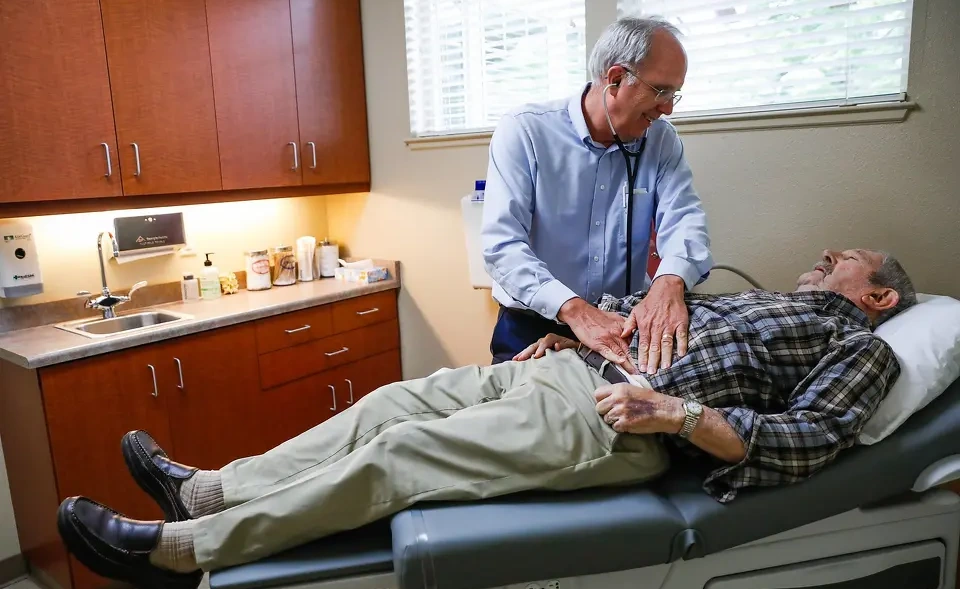
Feeling cold occasionally is usually not a concern. Persistent or unusual cold sensitivity deserves attention when it appears with other warning signs.
Talk with a healthcare professional if you notice:
- Cold sensitivity that is new or getting worse
- Extreme fatigue, unexplained weight changes, or constipation
- Numbness, color changes, or pain in your hands or feet
- Slow heartbeat, swelling, or major changes in concentration
The Real Reason Some People Feel Colder After 50
Feeling colder after 50 does not mean your thyroid is failing.
Aging can change how your body regulates temperature, but an underactive thyroid is one possible cause that deserves attention when coldness appears with other symptoms.
The most useful question is not simply, “Why am I cold?”
It is, “What changed in my body, and are there other signs pointing to the cause?”
The answer comes from looking at the full pattern and using the right medical tests.
This article is for informational purposes only and is not a substitute for professional medical advice, diagnosis, or treatment. Always consult your doctor or a qualified healthcare provider before making changes to your diet, exercise routine, supplements, or medications, especially if you have an existing health condition.
