

Your heart starts racing. Your stomach tightens. Anxiety arrives before your logical brain has time to tell you that everything is fine.
These reactions may seem separate, but the vagus nerve is part of the communication system connecting your brain with your heart, lungs, and digestive tract. When stress keeps your nervous system on alert, settling your breathing, heart rate, and physical tension can become harder.
There is no magic switch that permanently resets this nerve. Still, neurologists and researchers have identified simple ways to influence vagal and parasympathetic activity, and the first takes only about 30 seconds.
Breathing, exercise, cold exposure, and other nervous system techniques can affect heart rate and blood pressure. Check with your healthcare provider before trying them if you have a heart rhythm disorder, cardiovascular disease, recurrent fainting, very low blood pressure, or another diagnosed condition.
What It Really Means to Activate the Vagus Nerve
The vagus nerve is not an on and off switch. It constantly carries information between the brain and organs while helping regulate functions such as heart rate, digestion, breathing, and recovery from stress.
Medical vagus nerve stimulation is something different. It uses electrical devices for specific conditions such as epilepsy, difficult to treat depression, and rehabilitation after ischemic stroke.
The everyday techniques below are better understood as ways to support parasympathetic activity and autonomic regulation. Some have much stronger evidence than others.
1. Take Three 4 Second Inhales and 6 Second Exhales
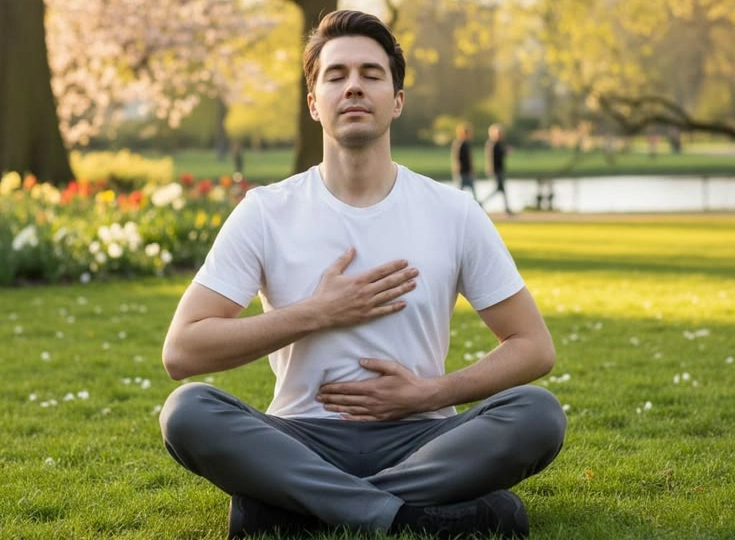
This is the technique behind the headline’s 30 second promise. Cleveland Clinic neurologist Emad Estemalik recommends inhaling for four seconds and exhaling for six seconds. Three rounds take exactly 30 seconds.
The longer exhale encourages slower breathing and can influence the cardiovascular rhythms linked with parasympathetic activity. Thirty seconds is a convenient starting point, not a proven minimum dose or permanent vagus nerve reset.
2. Slow Your Breathing for Five Minutes

Slow voluntary breathing has one of the strongest research bases on this list. It changes the relationship between breathing and heart rate, which can increase measures of vagally mediated heart rate variability.
A 2022 systematic review screened 1,842 abstracts and included 223 studies. Researchers found increases in vagally mediated heart rate variability during slow breathing, immediately afterward, and after repeated practice.
Aim for about five comfortable minutes rather than taking the deepest breaths possible.
3. Try About Six Breaths Each Minute
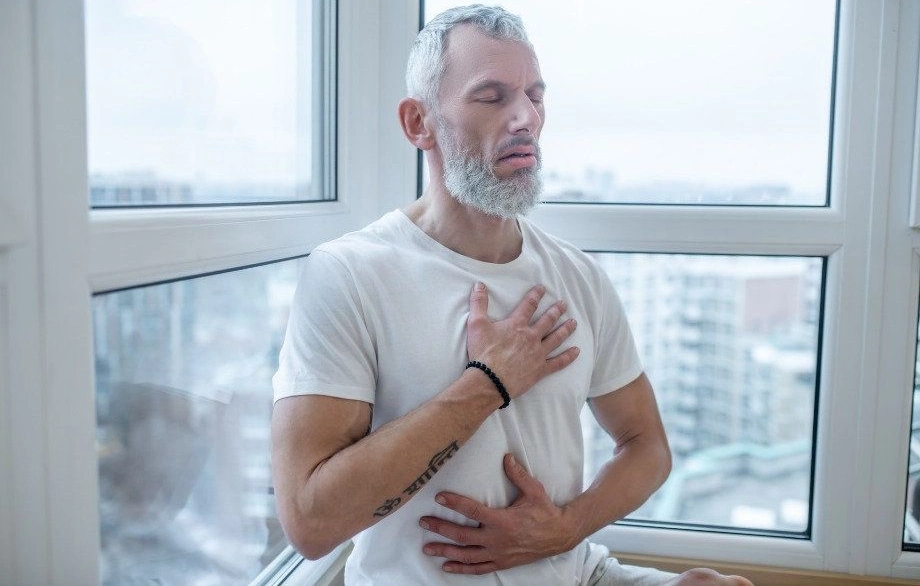
Many slow breathing protocols settle near five or six breaths per minute. At that pace, breathing and cardiovascular rhythms can become more synchronized.
Try inhaling for five seconds and exhaling for five seconds. That creates six complete breaths in one minute and matches the pace used in some human breathing research.
4. Let Your Belly Move When You Breathe
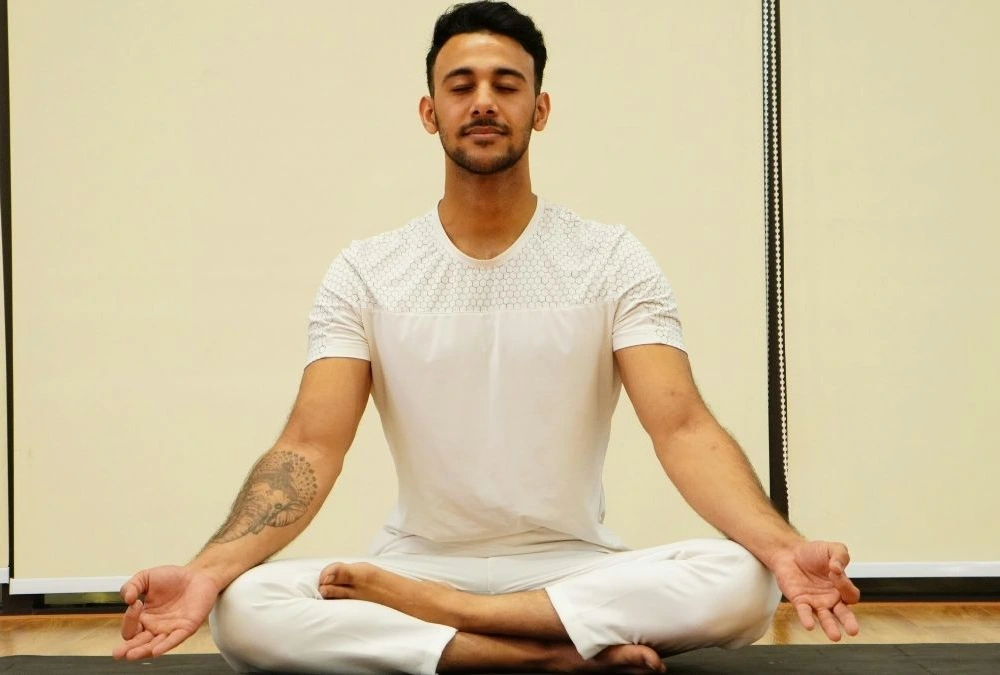
Place one hand over your chest and another over your abdomen. When you inhale, allow the lower hand to move outward more noticeably than the upper hand.
This encourages diaphragmatic breathing rather than rapid shallow breathing from the upper chest. Keep each breath gentle and quiet for about five minutes.
5. Make the Exhale Slightly Longer

Heart rate naturally changes across the breathing cycle. It tends to rise during inhalation and fall during exhalation.
A slightly longer exhale gives the slowing phase more time without requiring extreme breath holding. The four second inhale and six second exhale pattern recommended by Cleveland Clinic is an easy example.
6. Try Cyclic Sighing for Five Minutes

Cyclic sighing uses one inhale, a second smaller inhale, and then a long slow exhale. The emphasis is on letting air out gradually.
In a randomized study, participants practiced five minutes daily for one month. Exhale focused cyclic sighing produced greater improvements in positive mood and larger reductions in respiratory rate than mindfulness meditation.
Which Breathing Methods Have the Best Support?
| Technique | What It Targets | Research Detail | Simple Starting Point |
|---|---|---|---|
| Slow breathing | Parasympathetic related heart rate variability | Review included 223 studies | 5 minutes |
| 4 and 6 breathing | Longer comfortable exhalation | Recommended by a Cleveland Clinic neurologist | 3 rounds |
| Six breaths per minute | Breathing and cardiovascular rhythm | Common research pace | 5 seconds in, 5 seconds out |
| Cyclic sighing | Respiratory rate and mood | Randomized breathing study | 5 minutes |
| Heart rate variability biofeedback | Breathing with real time feedback | Meta analysis included 484 participants | Guided practice |
7. Use Heart Rate Variability Biofeedback
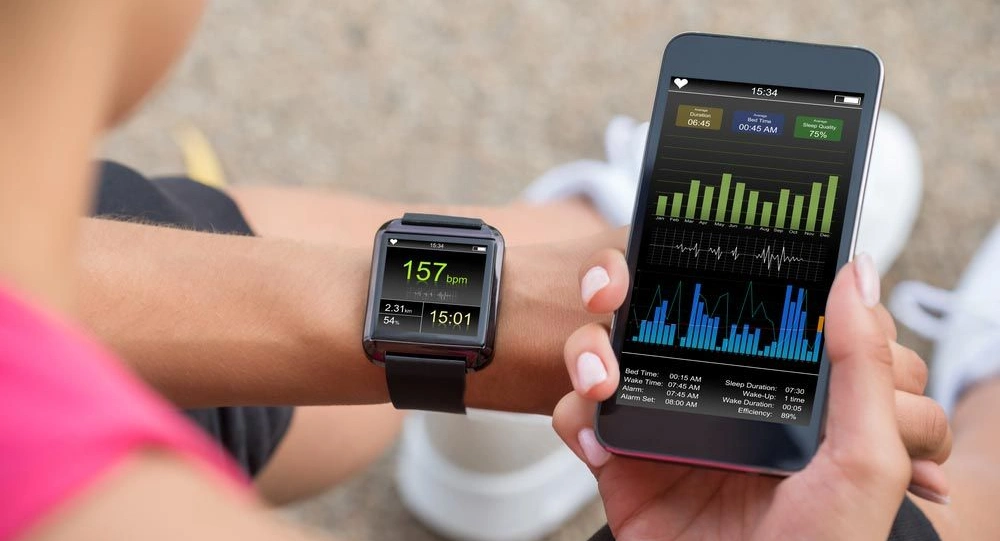
Heart rate variability biofeedback shows how your heart rhythm changes while you adjust your breathing. This can help you find a breathing pace that produces stronger rhythmic fluctuations.
A meta analysis of 24 studies involving 484 participants found substantial reductions in reported stress and anxiety among people receiving heart rate variability biofeedback. Researchers still called for more controlled studies.
8. Hum Through a Slow Exhale

Humming naturally slows the release of air because you have to sustain a sound while exhaling. That makes it an easy way to lengthen breathing without having to stare at a clock.
A 2025 pilot study involving 16 healthy adults found that five minutes of humming breathing and slow paced breathing both increased several heart rate variability measures compared with rest.
Try five relaxed humming breaths rather than forcing a loud or unusually long sound.
9. Sing a Song You Know Well

Singing combines controlled exhalation, rhythm, sound, and emotional engagement. Cleveland Clinic includes singing among sound based practices that may help calm the nervous system.
Choose a comfortable song and sing for five to ten minutes. The useful part is the sustained, controlled breathing, not hitting every note perfectly.
10. Try Slow Chanting
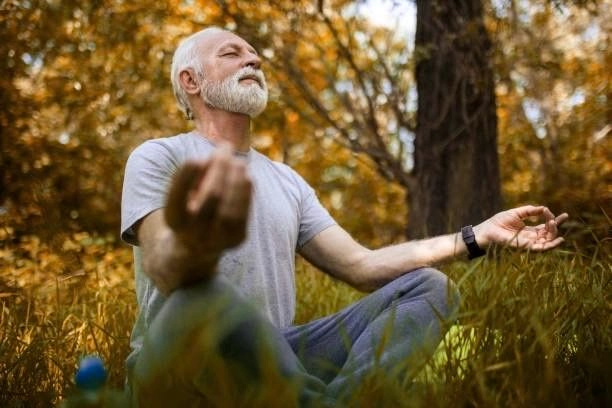
Chanting works much like humming. Long vocal sounds naturally stretch the exhale and can slow respiratory rhythm.
Cleveland Clinic specifically lists humming, chanting, and singing among at home techniques for influencing vagal activity. Use a comfortable tone for several minutes rather than pushing your breath until you feel lightheaded.
11. Listen to Music That Settles Your Breathing
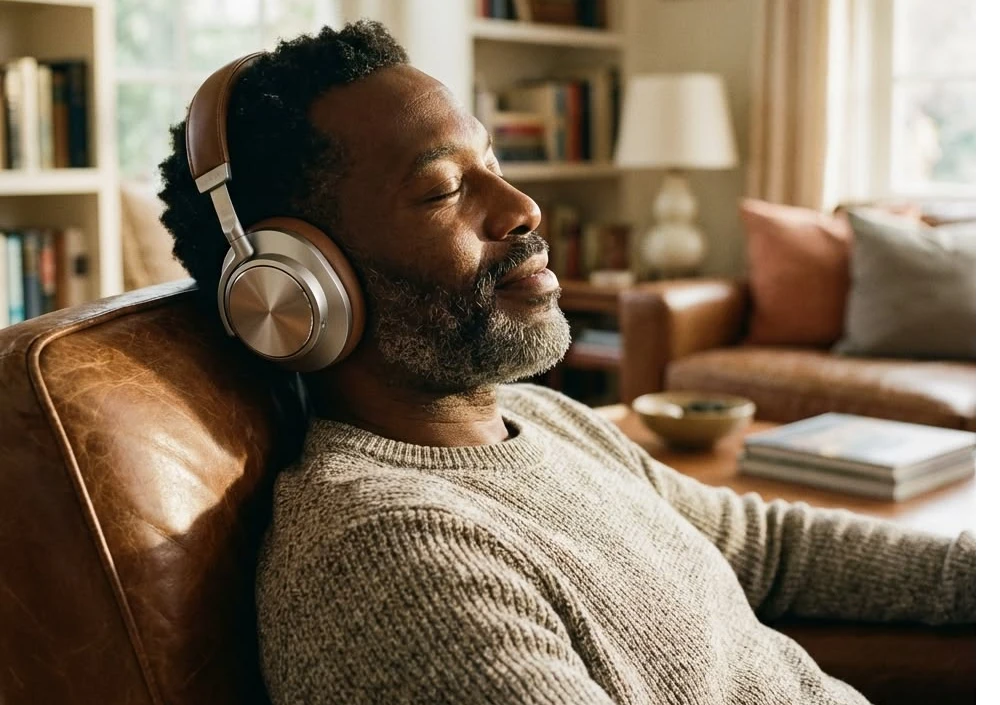
Calming music can change emotional arousal and often slows breathing without conscious effort. That makes it useful for people who dislike formal breath exercises.
Choose music that actually feels calming to you and listen without multitasking for about ten minutes. The goal is not to find a special frequency that supposedly stimulates the nerve.
12. Try Progressive Muscle Relaxation
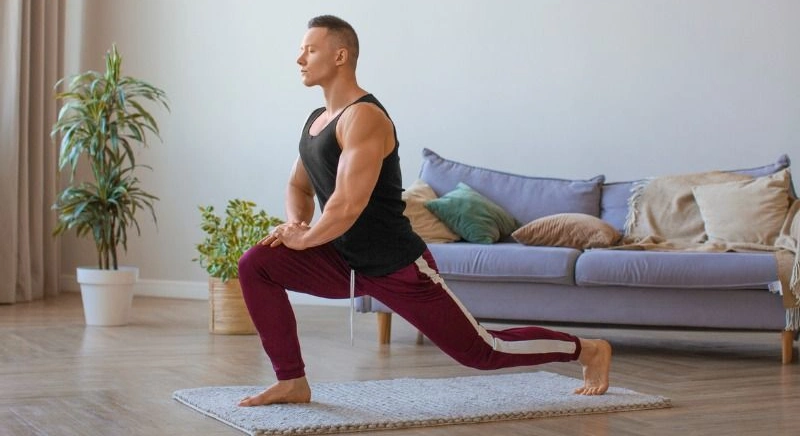
Stress is not only a thought. It often shows up as tight shoulders, clenched hands, a stiff jaw, and shallow breathing.
Progressive muscle relaxation involves briefly tightening one muscle group and then releasing it. Work from your feet toward your face for about ten minutes while keeping your breathing comfortable.
13. Use a Five Minute Body Scan

A body scan directs attention through different areas of the body and looks for tension that you may not notice during a busy day.
Start at your toes and slowly move upward. Each time you notice tightness, soften the area while allowing the next exhale to become slower.
14. Practice Mindfulness Without Expecting a Vagus Miracle
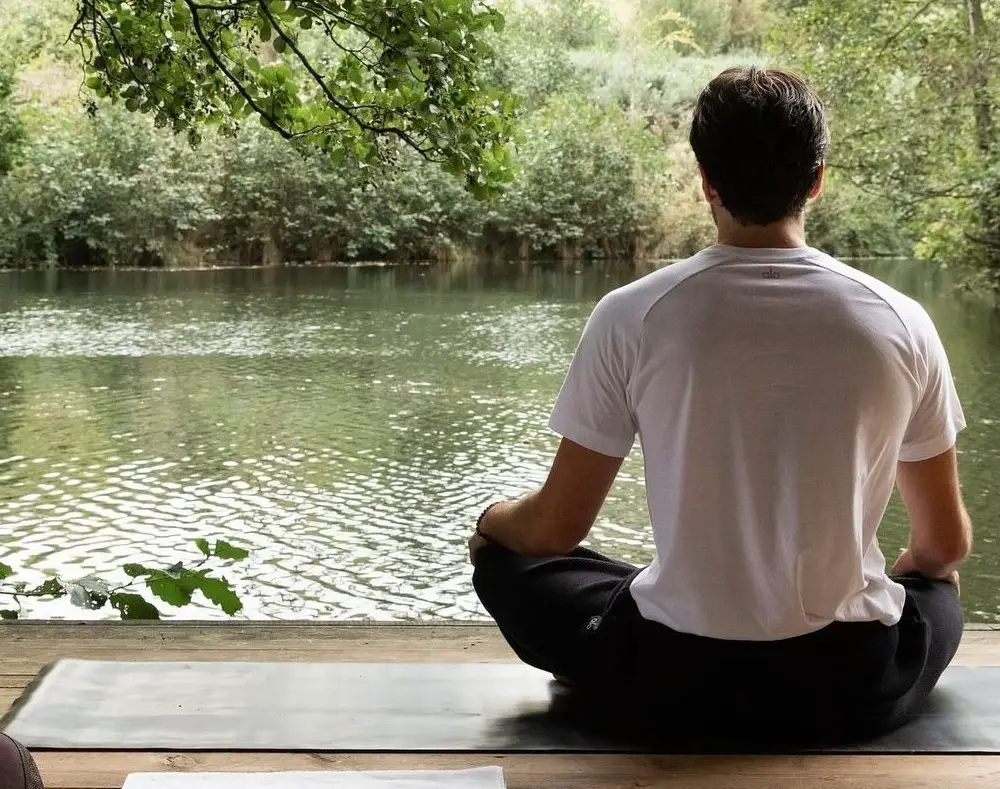
Mindfulness can reduce mental arousal and interrupt cycles of anxious thinking. It can therefore support the larger process of moving out of a stress response.
The vagus nerve claim needs caution, though. Research has not consistently shown that mindfulness reliably increases resting vagally mediated heart rate variability.
Use mindfulness because it may help stress and attention, not because a social media post promises an instant nerve reset.
15. Try Tai Chi
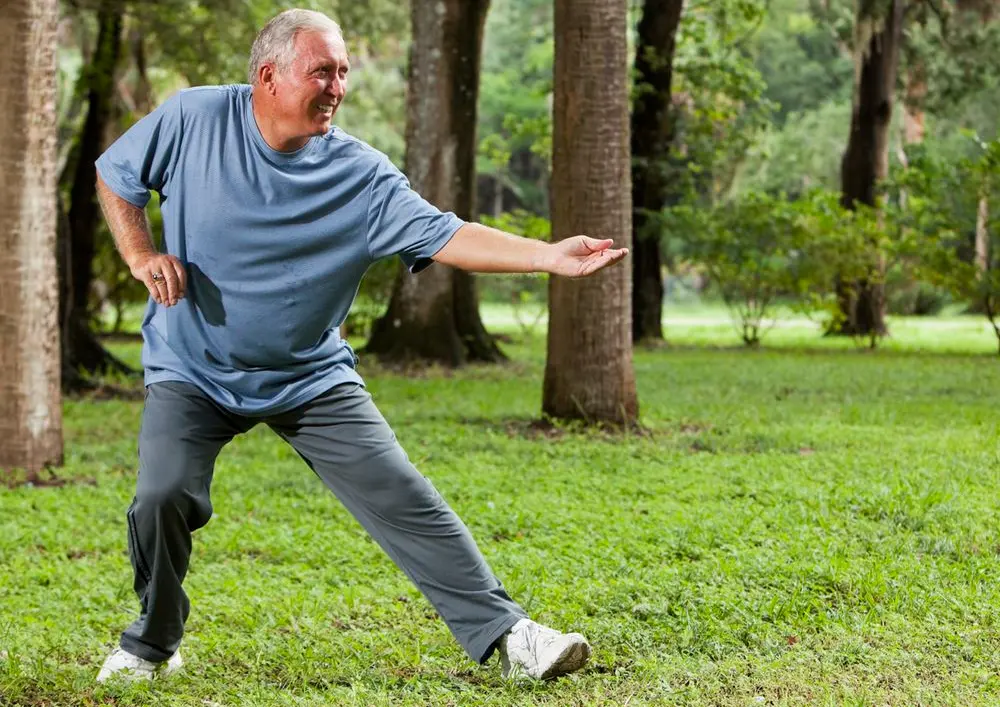
Tai chi combines controlled movement, balance, attention, and breathing. This makes it useful for studying how movement and relaxation interact with autonomic function.
A 2026 systematic review and meta analysis found moderate improvements in two heart rate variability measures, SDNN and RMSSD. The authors also noted concerns about bias and differences among the studies.
Begin with a simple ten minute routine rather than trying to memorize a long sequence.
Try This Today
- Take three breaths using four seconds in and six seconds out when tension appears.
- Practice slow breathing for about five minutes once a day if it feels comfortable.
- Add a 20 to 30 minute walk on days when you can.
- Pick one calming practice, such as humming, tai chi, or muscle relaxation.
- Keep the routine simple enough that you will actually repeat it.
Everyone responds differently to breathing, exercise, and cold exposure. Stop if a technique causes significant dizziness, chest discomfort, faintness, or unusual shortness of breath, and ask your healthcare provider for guidance if you have an existing medical condition or take medicines that affect heart rate or blood pressure.
16. Try Qigong
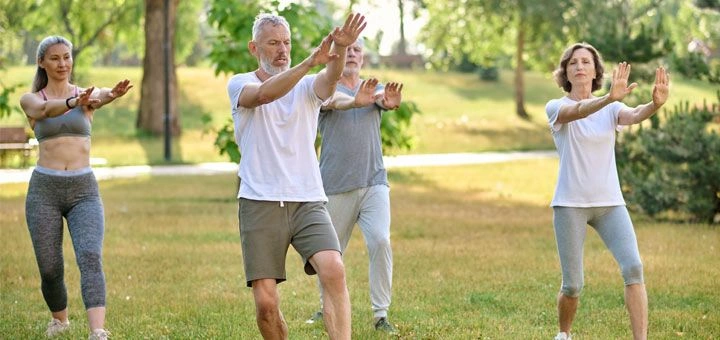
Qigong also combines slow movement, breathing, and focused attention. The motions are usually gentle enough for people who do not enjoy vigorous exercise.
The same 2026 review of tai chi and qigong found improvements in several measures of autonomic function, although researchers stressed that the certainty of the evidence remains limited.
Ten quiet minutes is a reasonable starting point.
Not Every Relaxation Technique Has Equal Evidence
| Practice | What May Help | Evidence Picture | Best Use |
|---|---|---|---|
| Slow breathing | Changes respiratory and cardiac rhythms | Stronger evidence | Daily practice |
| Heart rate variability biofeedback | Adds measurable breathing feedback | Moderate evidence | Guided training |
| Humming | Extends exhalation | Early human evidence | Short calming practice |
| Tai chi and qigong | Combines movement and breathing | Moderate but imperfect evidence | Regular gentle activity |
| Mindfulness | Reduces psychological arousal | Mixed for vagal heart rate variability | Stress management |
| Music and singing | May slow breathing and reduce arousal | Less direct evidence | Enjoyable relaxation |
17. Take a Brisk Walk
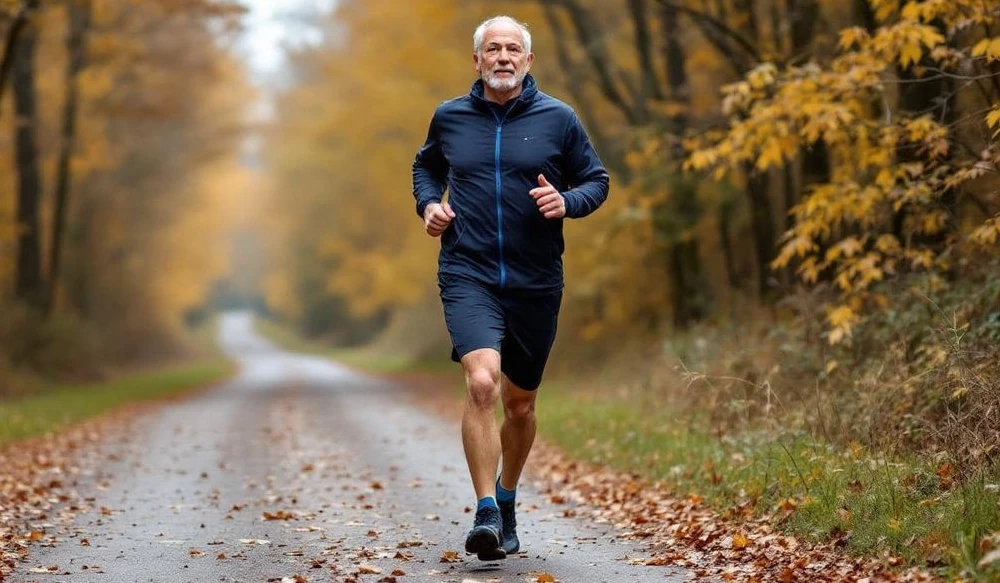
Moderate aerobic activity helps train the cardiovascular system to move between periods of activation and recovery. Cleveland Clinic specifically recommends walking as one way to support autonomic balance.
Start with 20 minutes at a pace that raises your breathing but still lets you speak comfortably.
18. Ride a Bicycle at an Easy Pace
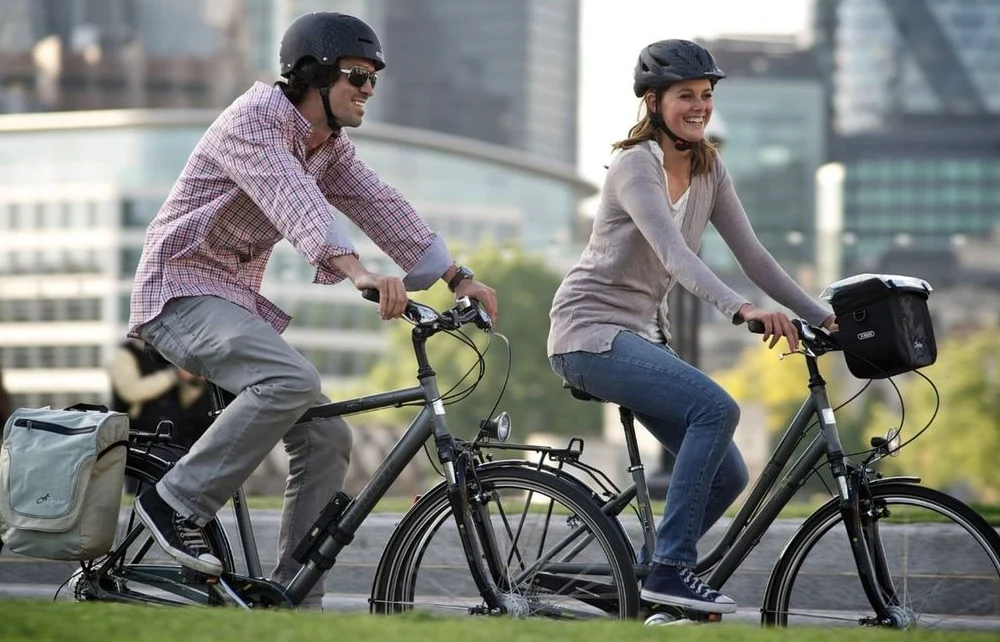
Cycling offers the same general aerobic stimulus without requiring running or intense exercise. Cleveland Clinic also lists cycling among moderate activities that may help autonomic regulation.
Try 20 to 30 minutes at a comfortable pace. Consistency across weeks matters more than one exhausting ride.
19. Swim or Walk in a Pool

Swimming combines rhythmic movement with controlled breathing. It is another moderate aerobic option recommended in Cleveland Clinic’s neurologist reviewed guidance.
If swimming is difficult, walking through waist deep water can provide movement without requiring repeated breath holding.
20. Move Before Stress Builds Up
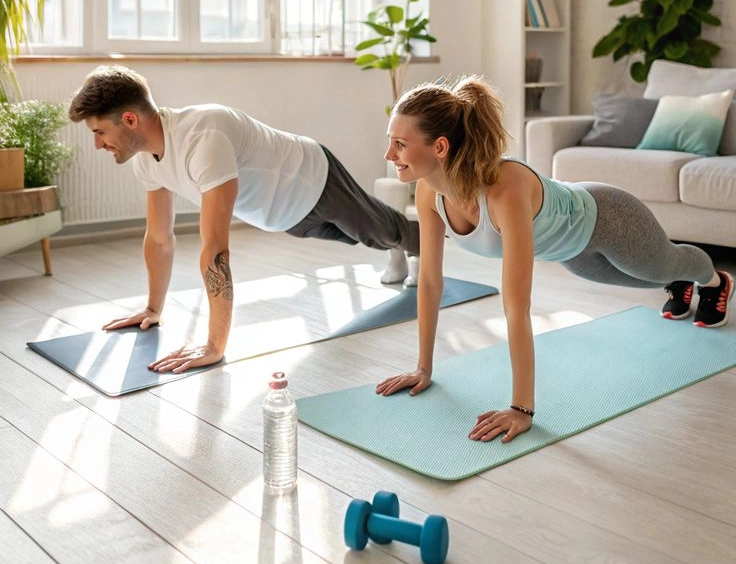
Exercise does not have to happen only after you already feel anxious. Regular movement can improve the body’s ability to transition between activation and recovery.
Choose an activity you can repeat several days each week. Walking, cycling, swimming, and other moderate aerobic exercise all count.
21. Use Gentle Stretching With Slow Breathing
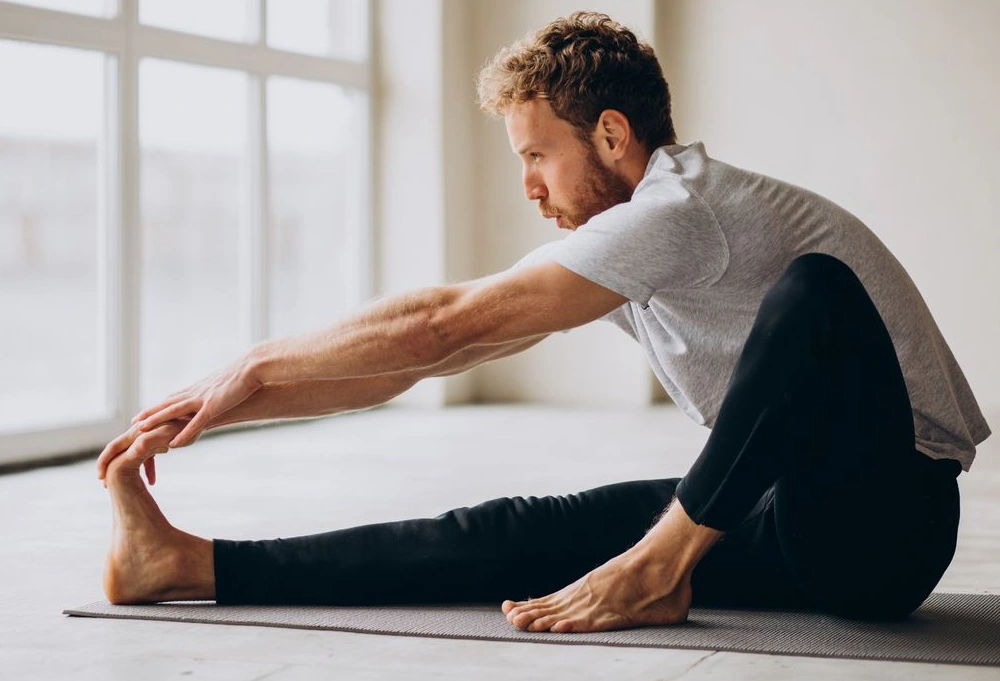
Stretching gives you a practical reason to slow down and notice whether you are holding your breath. Pair each comfortable stretch with one or two slow breathing cycles.
Avoid forcing a stretch or turning the session into a pain tolerance test. Five to ten minutes can be enough to create a quieter transition after work or before bed.
22. Massage Your Feet

Cleveland Clinic includes massage among its suggested at home vagus nerve practices and gives a simple foot massage example. The suggested sequence includes rotating the ankle, pressing gently along the arch, and lightly stretching the toes.
Spend about five minutes on each foot while breathing slowly. Avoid painful pressure.
23. Use Gentle Touch as a Relaxation Cue
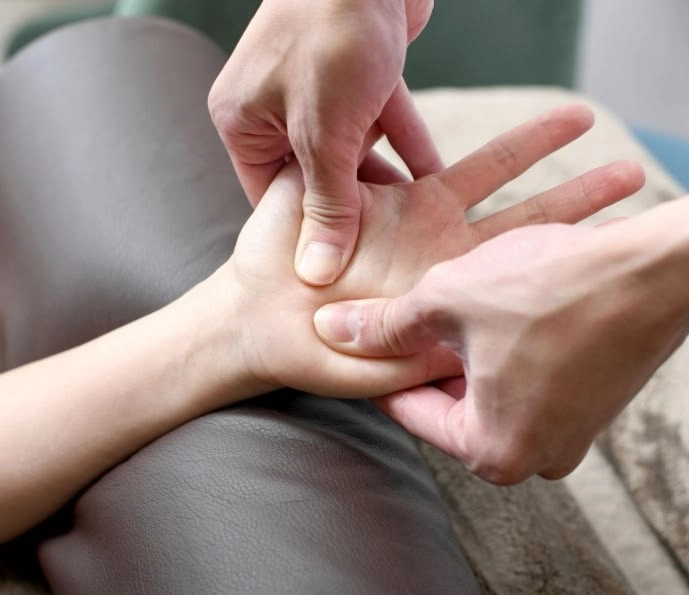
Physical touch can become a cue for the body to settle when it is paired with quiet breathing and a calm environment.
A shoulder massage, hand massage, or gentle foot massage may be easier to repeat than more complicated nervous system routines. Keep the pressure comfortable and avoid forceful manipulation of the neck.
24. Splash Cool Water on Your Face

Cold stimulation of the face can influence cardiovascular reflexes that involve vagal pathways. Cleveland Clinic lists cold water on the face as one option for at home vagal stimulation.
Use cool water briefly rather than testing how much cold you can tolerate. Extreme exposure is unnecessary.
25. Try a Brief Cool Shower

A short cool finish to a normal shower is another less intense way to experiment with temperature. Cleveland Clinic includes a brief cold shower among its suggested options.
Start with several seconds rather than jumping into prolonged ice exposure. Stop if you feel faint, develop chest discomfort, or have difficulty breathing.
26. Protect Your Sleep

Your autonomic nervous system changes across the sleep cycle, and sleep loss can shift that balance in an unfavorable direction.
A 2025 systematic review included 11 studies and 549 participants. Sleep deprivation was associated with a significant reduction in RMSSD, a heart rate variability measure influenced by parasympathetic activity.
Give yourself enough time for a full night’s sleep before looking for another quick nervous system hack.
27. Keep Sleep Timing More Predictable
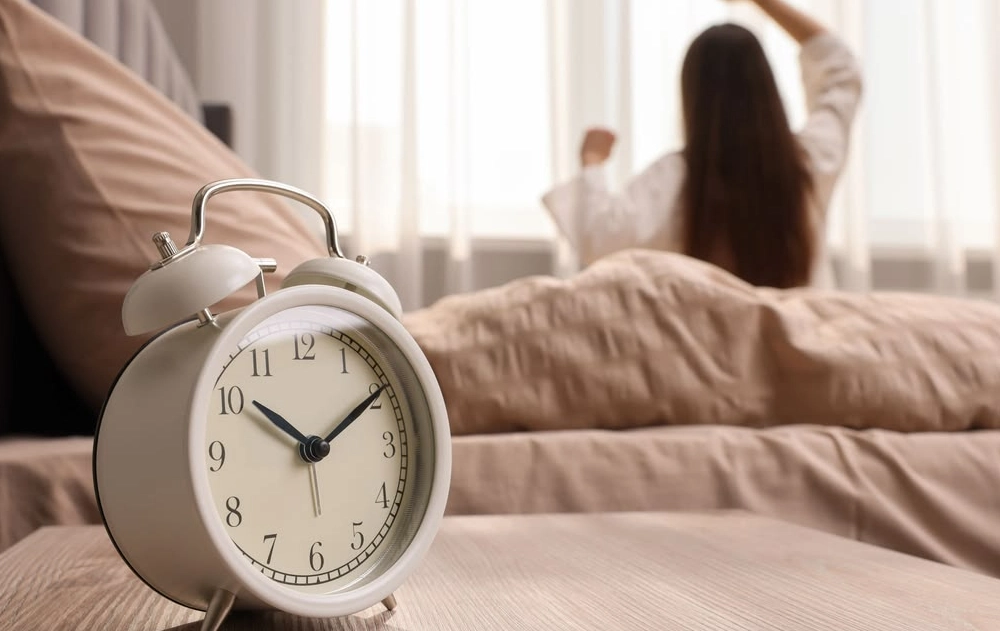
A constantly changing bedtime can make recovery harder even when total hours occasionally look adequate.
Try keeping bedtime and wake time within a reasonably consistent range. You do not need perfect scheduling, but large daily swings can work against the regular biological signals that organize sleep and recovery.
28. Use Laughter to Break a Stress Cycle

Laughter changes breathing, muscle tension, and emotional state at the same time. The cardiovascular response during laughter is complex, so it should not be described as a direct vagus nerve switch.
Still, a few minutes of genuine humor can interrupt rumination and create a natural transition into slower breathing afterward. Watch something you actually find funny rather than treating laughter like another medical exercise.
29. Learn a Medical Vagal Maneuver Only From a Clinician

Vagal maneuvers are very different from everyday relaxation practices. Healthcare professionals use techniques such as the Valsalva maneuver for certain episodes of supraventricular tachycardia.
Cleveland Clinic reports that vagal maneuvers can restore certain fast heart rhythms about 20% to 40% of the time. It also explicitly advises people not to attempt these maneuvers without first talking to a healthcare provider.
Do not perform carotid sinus massage on yourself.
30. Know When Real Vagus Nerve Stimulation Requires a Device
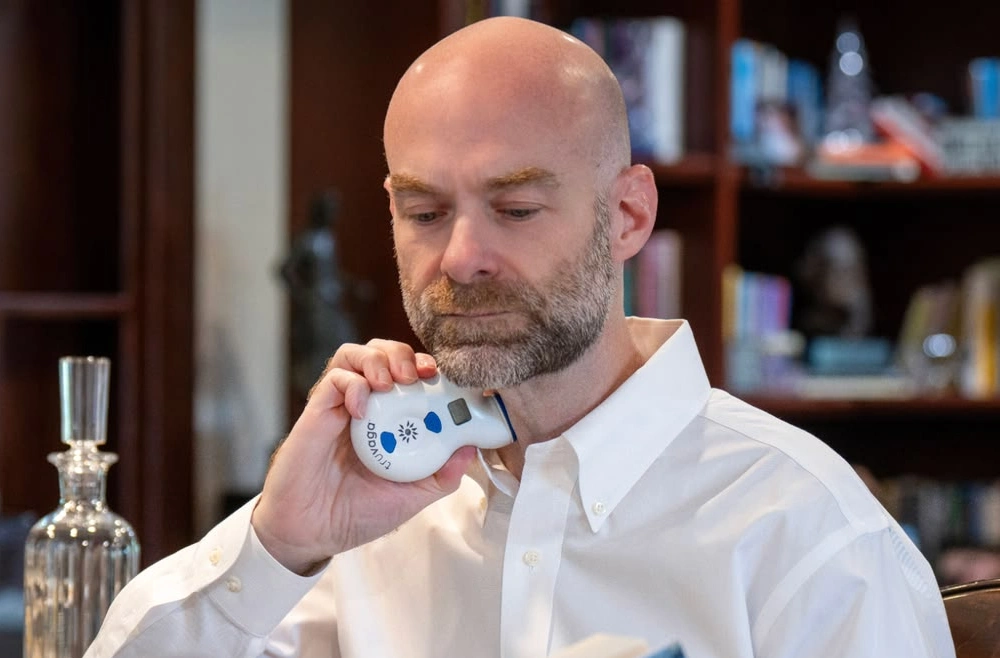
Clinical vagus nerve stimulation sends electrical impulses to the nerve through a medical device. This is treatment, not a wellness technique.
FDA-approved uses include certain cases of epilepsy and treatment-resistant depression, as well as vagus nerve stimulation paired with rehabilitation following ischemic stroke. Mayo Clinic notes that these treatments require medical evaluation and do not work for everyone.
This is why a consumer gadget and an implanted medical stimulator should never be treated as equivalent.
Which Approaches Help, and Which Need More Caution?
| Approach | Reason People Use It | Practical Caution |
|---|---|---|
| Slow breathing | Calm breathing and support parasympathetic activity | Stop if repeated deep breathing makes you dizzy |
| Walking or moderate exercise | Improve autonomic regulation over time | Build activity gradually if you are inactive |
| Humming and singing | Lengthen exhalation naturally | Do not strain your breath |
| Cool face exposure | Triggers temperature related cardiovascular reflexes | Keep exposure brief |
| Extreme cold exposure | Strong physical stress response | Not necessary for vagal benefits |
| Medical vagal maneuvers | Treat certain fast heart rhythms | Use only with clinician guidance |
| Implanted stimulation | Treat specific medical conditions | Requires specialist care |
When a Vagus Nerve Problem Needs More Than a Breathing Exercise
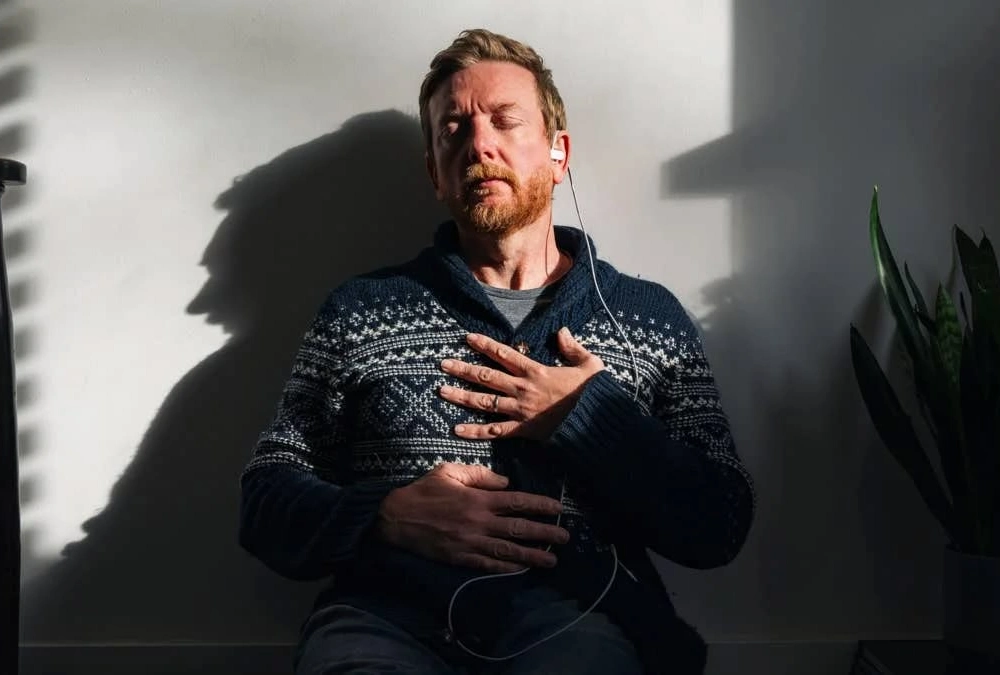
Palpitations, dizziness, stomach problems, and anxiety should not automatically be blamed on a supposedly weak or damaged vagus nerve. Heart rhythm disorders, neurological conditions, digestive disease, medication effects, and other medical problems can cause similar symptoms.
Red Flags That Need Medical Attention
- Repeated fainting or near fainting, especially with weakness or palpitations.
- A persistent rapid or irregular heartbeat, particularly with dizziness or breathing difficulty.
- Chest pain, chest pressure, or severe shortness of breath.
- Sudden facial weakness, arm weakness, speech difficulty, or other possible stroke symptoms.
Cleveland Clinic advises against vagal maneuvers when someone is medically unstable, including situations involving chest pain, low blood pressure, shortness of breath, low oxygen, or poor blood flow to organs.
Emergency symptoms need emergency care, not another vagus nerve exercise.
The Vagus Nerve Is Not a Button You Need to Keep Pressing
The most useful lesson from the research is surprisingly simple. You do not need to spend the day trying to force your vagus nerve to turn on.
The goal is better autonomic flexibility, which means your body can become alert when necessary and settle again when the threat has passed. Slow breathing has some of the clearest evidence, while regular movement, sufficient sleep, and calming practices can support that larger system.
And the 30 second method really is simple. Three cycles of a four second inhale and six second exhale take half a minute, and that breathing pattern comes from neurologist backed Cleveland Clinic guidance.
What science does not show is that 30 seconds permanently resets your nervous system. Treat it as a practical first step, then build the less exciting habits that matter over time.
This article is for informational and educational purposes only and is not a substitute for professional medical advice, diagnosis, or treatment. Talk with a doctor or qualified healthcare provider before changing your exercise routine, using cold exposure, attempting medical vagal maneuvers, or relying on nervous system techniques to manage ongoing symptoms, especially if you have an existing heart, neurological, gastrointestinal, or blood pressure condition.
