

After eating, it is easy to sit down, lie down, or reach for a sweet drink. But the first one to two hours after a meal are when blood sugar is already rising.
Some post-meal habits that spike blood sugar can push glucose higher or keep it elevated longer, especially with prediabetes or type 2 diabetes. Others reduce the muscle activity that helps clear glucose from the bloodstream.
Before changing your diet, activity, or diabetes routine, talk with your healthcare provider, especially if you use insulin or medication that can cause low blood sugar.
Why What You Do After Eating Matters More Than It Seems
Blood sugar rises naturally after eating because carbohydrates are broken down into glucose. For many people with diabetes, the American Diabetes Association recommends an individualized peak post-meal glucose goal that is often below 180 mg/dL, measured about one to two hours after the beginning of a meal.
Cleveland Clinic notes that glucose typically peaks 30 to 90 minutes after eating. That means what you do during this window can matter more than you might expect.
| Post-meal behavior | Main effect | Why it matters |
| Sweetened drink | Adds glucose | Liquid sugar is rapidly available carbohydrate |
| Dessert or second helping | Adds glucose | Extends the carbohydrate load |
| Sitting for a long period | Reduces glucose disposal | Inactive muscles use less circulating glucose |
| Lying down | Removes useful movement | Reclining replaces activity that could blunt the rise |
| Acute stress | Hormonal effect | Stress hormones can interfere with glucose control |
| Nicotine | Metabolic effect | Nicotine can raise glucose and impair regulation |
1. You Sit Down and Stay There for Hours
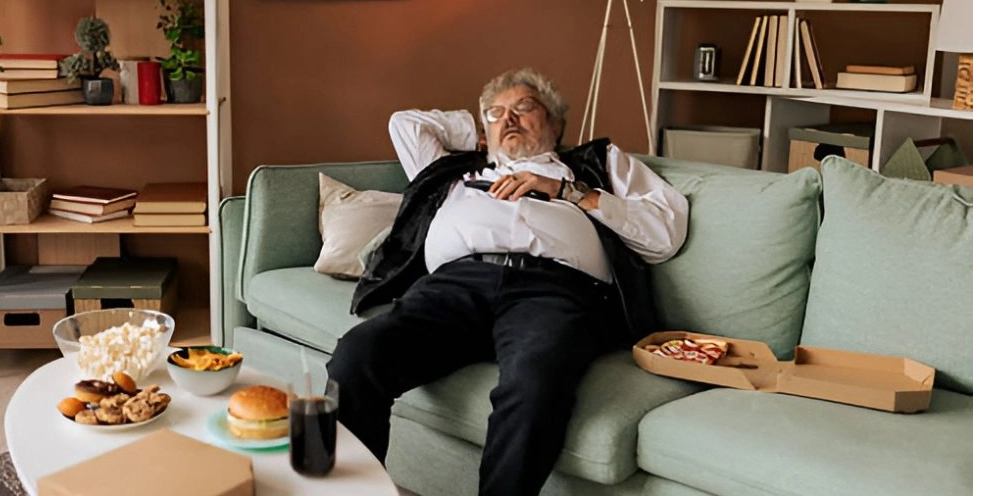
Finishing dinner and immediately settling into a chair may seem harmless, but prolonged sitting removes one of the simplest ways your body manages glucose. Contracting skeletal muscles can take up glucose for fuel, so remaining still gives your muscles less opportunity to help.
A 2026 systematic review covering 53 studies found that interrupting prolonged sitting with brief activity reduced post-meal glucose and insulin responses, with walking breaks producing the strongest glucose benefit.
If possible, stand up and move for a few minutes instead of spending the entire post-meal period seated.
2. You Lie Down Right After Eating

Lying down deserves clarification because reclining itself has not been proven to create a blood sugar spike directly. The metabolic problem is that lying down usually means choosing complete inactivity during a period when movement could help blunt the normal glucose rise.
There is another reason to remain upright. Mayo Clinic recommends waiting about three hours after eating before lying down for people prone to acid reflux.
Staying upright and doing light movement is a better default unless a medical condition requires you to rest.
3. You Drink Regular Soda With or After the Meal

A meal may already contain bread, rice, potatoes, pasta, fruit, or another carbohydrate source. Adding regular soda means adding a rapidly absorbed source of sugar on top of that meal.
Unlike intact foods that contain fiber, a sugary drink requires little chewing and can deliver a substantial amount of carbohydrate quickly. Water, sparkling water without added sugar, or another unsweetened drink avoids adding another glucose load.
4. You Treat Fruit Juice Like Water

Fruit juice sounds healthier than soda because it comes from fruit, but that does not make its carbohydrate disappear. Juice lacks much of the intact fiber structure that slows how quickly whole fruit is eaten and digested.
A whole orange, for example, requires chewing and provides intact fiber. Drinking juice after a meal can add carbohydrate much more easily, so choose whole fruit when you want fruit and water when you are thirsty.
5. You Automatically Reach for Dessert
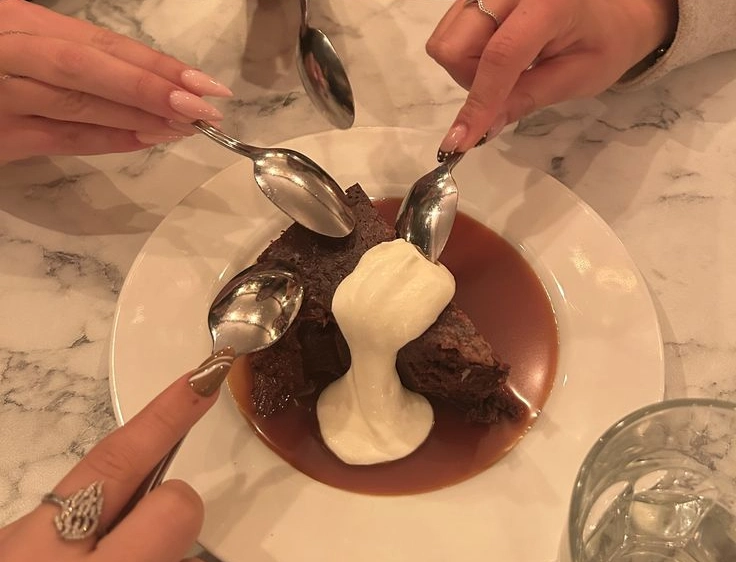
Dessert is not forbidden, but timing and quantity matter. Eating cake, cookies, ice cream, or another carbohydrate-rich dessert immediately after a starch-heavy meal increases the total carbohydrate your body has to process.
If post-meal readings repeatedly run high, look at the entire meal rather than blaming one ingredient. A smaller dessert portion or having dessert less often may make more sense than treating it as an automatic finish to every dinner.
These Post-Meal Habits Spike Blood Sugar in Different Ways
Every habit does not work through the same mechanism. This is where many discussions about blood sugar become misleading. Some behaviors directly add carbohydrate. Others simply make the normal post-meal rise larger than it might have been if you had moved.
6. You Add Sugar to Coffee or Tea

Unsweetened coffee and tea are very different from drinks loaded with sugar, flavored syrups, sweetened creamers, or whipped toppings. Those additions can turn an after-dinner beverage into another carbohydrate source.
Check what actually goes into the cup. Gradually reducing added sugar, using less syrup, or switching to an unsweetened version can remove carbohydrates without changing the entire meal.
7. You Drink a Large Dose of Caffeine and Assume It Affects Everyone the Same

For most healthy adults, caffeine does not noticeably change glucose. People with diabetes can respond differently.
Mayo Clinic notes that around 200 mg of caffeine can affect blood glucose in some people with diabetes, although individual responses vary considerably. The response can involve either higher or lower glucose levels, so caffeine should not be labeled a universal spike trigger.
If your readings repeatedly climb after strong coffee, compare similar meals with and without that coffee before assuming the food is responsible.
8. You Light a Cigarette or Use Nicotine
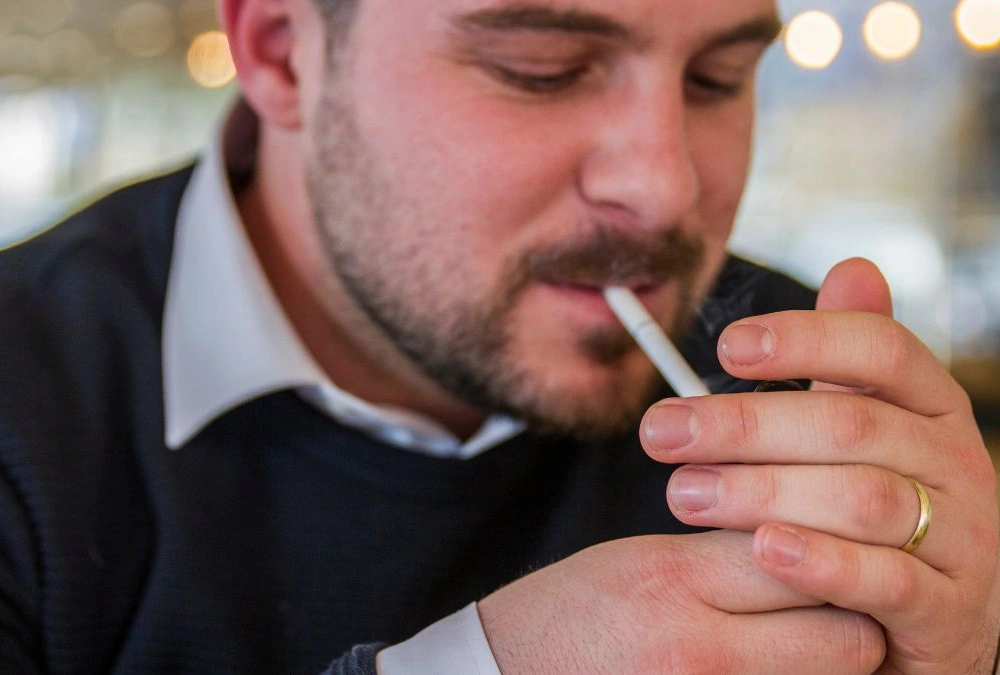
Nicotine is not neutral for glucose metabolism. The CDC states that nicotine can raise blood sugar and make glucose regulation more difficult. People who smoke also have a 30 to 40 percent higher risk of developing type 2 diabetes than people who do not smoke.
That figure describes longer-term risk, not the size of a single post-meal spike, but it shows why nicotine should not be treated as an innocent after-dinner habit.
9. You Go Straight Into an Argument or Stressful Work

Your brain may be sitting still while your stress system is working hard. Psychological stress triggers hormones that help make fuel available, and that response can interfere with glucose control in people with diabetes.
In one study involving 30 people with type 2 diabetes, psychological stress after eating was associated with glucose concentrations about 1.5 mmol/L, roughly 27 mg/dL, higher than during the control condition. That does not mean every stressful phone call produces the same result, but it shows that post-meal stress can have measurable metabolic effects.
If possible, give yourself a calmer transition after eating before jumping into the most stressful part of your day.
10. You Skip Movement Because the Meal Was Small

You do not need a gym session to influence post-meal glucose. Cleveland Clinic summarizes research suggesting that even two to five minutes of walking after eating may modestly reduce the post-meal glucose response.
The useful lesson is consistency, not intensity. Walking around the house, taking the dog outside, or walking to the mailbox can be better than remaining completely still.
| Instead of this | Try this | Why the swap helps |
| Sitting through the entire evening | Walk for several minutes | Muscle contraction increases glucose use |
| Regular soda | Water or unsweetened drink | Avoids another dose of sugar |
| Lying down immediately | Remain upright | Preserves the opportunity for light movement and may reduce reflux |
| Dessert by default | Decide on portion first | Controls the total carbohydrate load |
| Hours at a desk | Take regular activity breaks | Interrupting sitting improves post meal glucose responses |
| Stressful work immediately | Take a short calm walk first | Combines movement with a lower stress transition |
Exercise can lower glucose quickly. If you use insulin or medicines that can cause hypoglycemia, ask your healthcare team how to combine activity with your medication, meals, and glucose monitoring safely.
11. You Delay Your Walk Until Hours Later
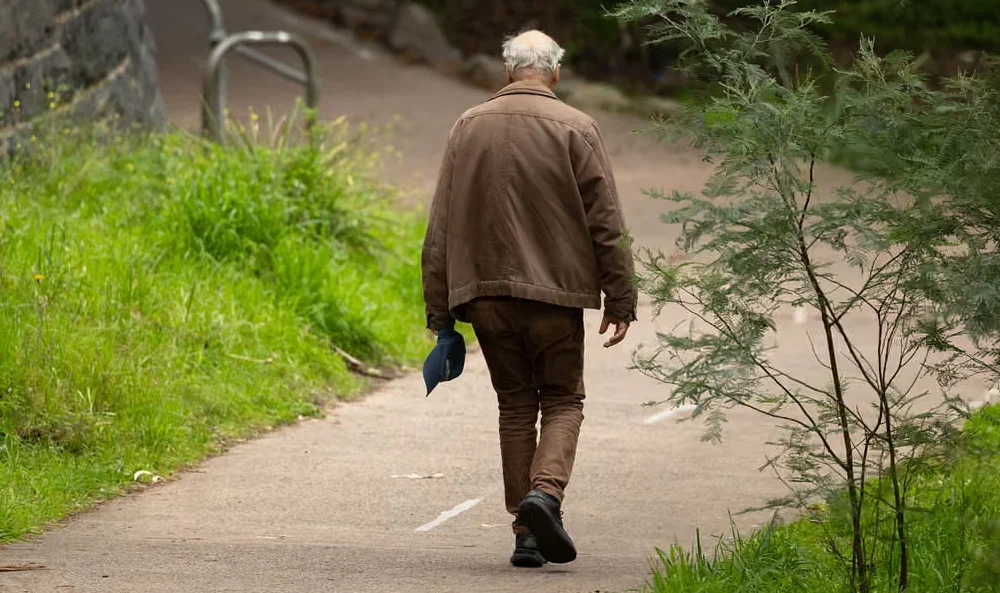
A walk later in the day still has health benefits, but it may miss the opportunity to blunt the glucose rise from the meal you just ate.
A 2023 meta-analysis examined eight randomized crossover trials involving 116 participants and found that exercise after eating reduced post-meal glucose excursions more effectively than exercise before eating or remaining inactive. Activity performed closer to the meal generally produced a stronger effect.
You do not need to wait for digestion to be finished before taking a comfortable walk unless medically necessary.
12. You Eat a Second Helping Before Your Body Has Caught Up

The first plate may contain enough energy and carbohydrate to raise glucose. Going back for another full serving immediately increases what has to be digested while the first portion is still being processed.
Try pausing before refilling your plate. Hunger cues can change as the meal settles, and deciding on a smaller second portion can prevent an accidental carbohydrate overload.
13. You Start Grazing Again Twenty Minutes Later

A few crackers here, a handful of cereal there, then something sweet while watching television can turn one dinner into hours of continuous eating. Each carbohydrate-containing snack adds more glucose during a period when levels may already be elevated.
If you are genuinely hungry after dinner, make the snack deliberate rather than eating directly from a package. Portioning it first makes the total amount much easier to see.
14. You Overtreat a Suspected Low
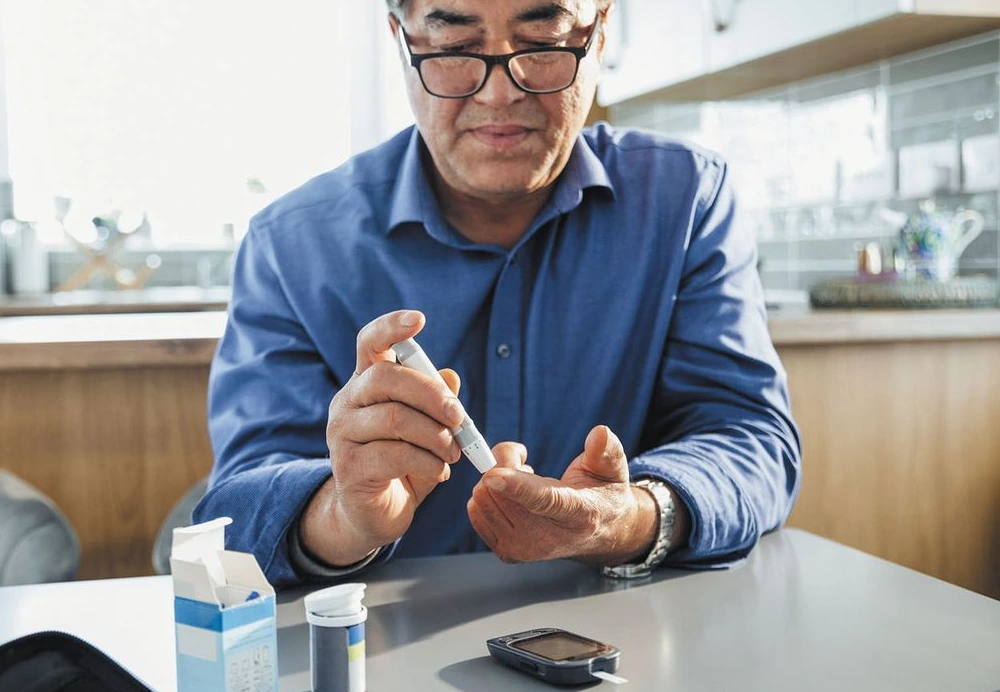
Feeling shaky, hungry, or tired does not always mean glucose is low. If someone repeatedly drinks juice or eats sweets without checking when checking is available, they may consume much more carbohydrate than necessary.
For confirmed hypoglycemia, treatment guidance commonly uses a measured amount of fast-acting carbohydrate followed by a glucose recheck rather than unrestricted eating. People using insulin should follow the specific plan provided by their healthcare team.
15. You React to One High CGM Reading With Panic
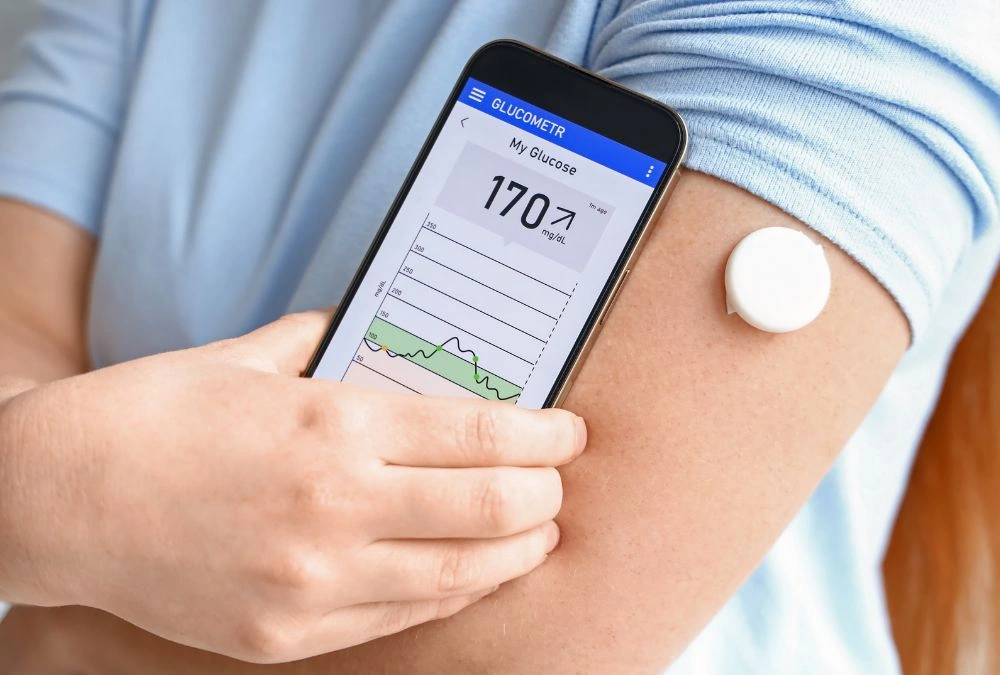
A continuous glucose monitor can make every rise look dramatic because you can watch the curve in real time. But one post-meal peak does not tell you whether a food, habit, or entire diet is harmful.
The ADA emphasizes using glucose data to identify patterns, and its 2026 guidance recommends looking at measures such as time in range over a meaningful monitoring period. For many adults using CGM, a commonly used target range is 70 to 180 mg/dL, although individual goals vary.
Compare similar meals on several occasions before blaming one ingredient.
Try This Today
- Walk for about 10 minutes after dinner if your health and medication plan allow it.
- Choose water or an unsweetened drink instead of automatically adding liquid sugar.
- Stay upright after eating rather than immediately moving from the table to bed.
- If you must sit for hours, get up regularly for brief movement.
- Record the meal, activity, stress, and glucose result so you can look for patterns instead of guessing.
16. You Do an All-Out Workout When a Gentle Walk Would Have Done

More exercise is not always better for the immediate glucose curve. Intense exercise can temporarily raise glucose in some people because the body releases stress hormones to make more fuel available.
People taking insulin or certain glucose-lowering medicines also need to consider the opposite problem, exercise-related hypoglycemia. For routine post-meal glucose management, a comfortable walk is often easier to predict than suddenly performing a very hard workout.
17. You Assume Healthy Carbohydrates Cannot Raise Glucose
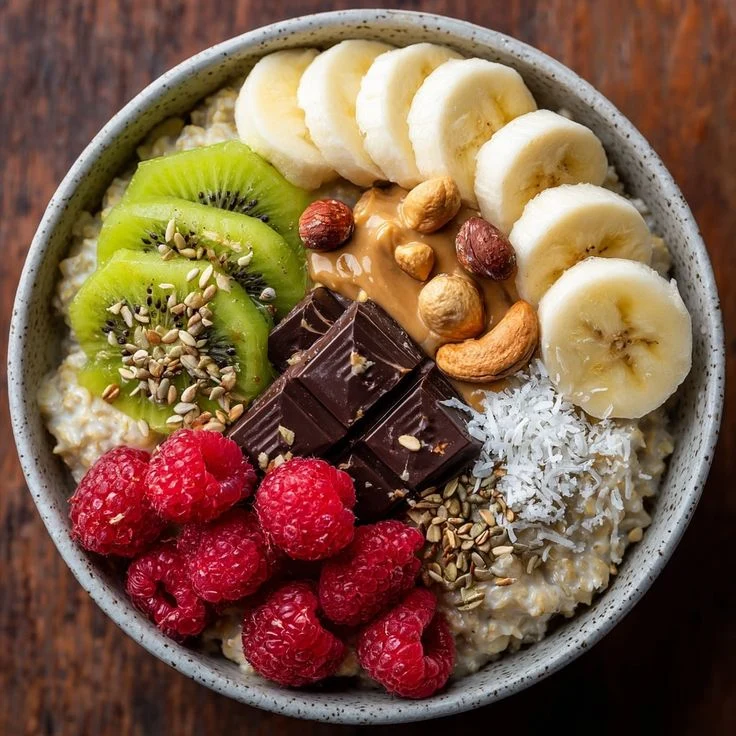
Oatmeal, brown rice, fruit, milk, beans, and whole grain bread can all fit into a healthy eating pattern. They also contain carbohydrates.
The mistake is thinking that a nutritious label means the food does not affect blood sugar. Portion size and the total carbohydrate in the meal still matter, even when the food provides fiber, vitamins, minerals, or protein.
18. You Ignore How Much You Ate Because the Meal Was Homemade

Home-cooked does not mean glucose-friendly. A large bowl of pasta, several slices of homemade bread, or a generous serving of rice can still provide a substantial carbohydrate load.
When post-meal glucose repeatedly runs higher than expected, compare portion sizes as well as ingredients. Sometimes the problem is simply that the plate grew larger without anyone noticing.
19. You Spend the Entire Evening Motionless

This is different from merely sitting for ten minutes after dinner. The stronger concern is remaining sedentary for hours without interruption.
A 2026 systematic review found that brief activity breaks reduced post meal glucose and insulin compared with uninterrupted sitting. Walking breaks showed the strongest glucose effect, and breaks performed roughly every 15 to 20 minutes produced particularly favorable results in the laboratory studies.
That does not mean everyone needs to walk every 15 minutes at home. It does show that the body responds differently to an evening that contains repeated movement than one spent completely still.
20. You Never Check Which Habits Actually Affect You
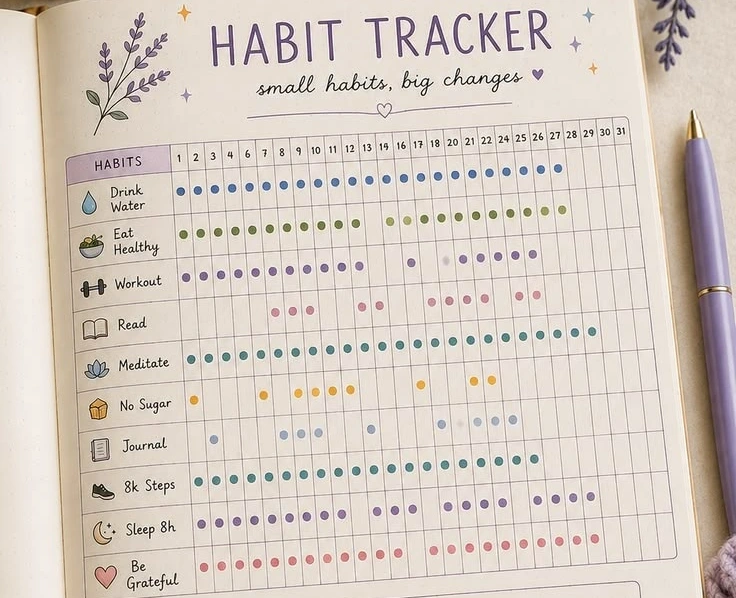
Two people can eat the same meal and produce very different glucose curves. Medication, sleep, stress, activity, insulin sensitivity, meal size, and carbohydrate composition all influence the result.
For many adults with diabetes, the ADA uses one to two hours after the beginning of a meal as the standard timing for assessing peak post-meal glucose. Rather than testing randomly, use a consistent timing method if your healthcare team has recommended monitoring.
Look for repeated patterns. One unusual number is information, not a verdict.
The Timing Numbers Worth Remembering
| Timing or number | What it means | Practical takeaway |
| About 30 to 90 minutes after eating | Glucose commonly reaches its highest point during this period | Avoid spending the entire window inactive |
| 1 to 2 hours from the start of a meal | ADA timing for measuring peak post-meal glucose in many people with diabetes | Measure consistently if your care plan includes post-meal checks |
| Under 180 mg/dL | Common ADA peak post-meal goal for many nonpregnant adults with diabetes | Your personal target may be different |
| 2 to 5 minutes | Even brief walking may modestly reduce the glucose rise | Small bouts still count |
| About 10 minutes | A practical post-dinner walking target | Useful when longer exercise feels unrealistic |
| Every 15 to 20 minutes | Frequency that performed particularly well in a 2026 sitting break analysis | Frequent movement may beat one long sedentary stretch |
The important pattern is simple. Muscle activity matters most when glucose is entering the bloodstream, which is why a short post-meal walk can sometimes have a more visible effect on the glucose curve than the same walk taken several hours later.
When High Blood Sugar Needs More Than a Walk

A post-meal rise is expected. Repeated severe elevations or symptoms that accompany high glucose deserve medical attention rather than another lifestyle experiment.
Contact your healthcare provider promptly if you notice:
- Glucose readings that repeatedly run far above the target your care team set for you
- Persistent excessive thirst, frequent urination, or unexplained weight loss
- Repeated low glucose episodes, especially if you take insulin or medicines that can cause hypoglycemia
- A major change in glucose patterns that you cannot explain
Seek urgent medical care for severe symptoms such as vomiting, difficulty breathing, marked confusion, extreme drowsiness, or loss of consciousness. These can occur during serious glucose emergencies and should not be managed through food or exercise advice alone.
The Best Post-Meal Habit Is Surprisingly Small
You do not need to redesign your entire life after dinner. The strongest research points toward something far less dramatic: avoid piling more sugar onto the meal, and give your muscles a chance to work while glucose is rising.
Research consistently favors post-meal activity over simply remaining sedentary. A 2023 analysis of eight trials found lower glucose excursions when exercise followed the meal, while a larger 2026 review found that breaking up prolonged sitting also improved glucose responses.
And that puts lying down in perspective. Lying down does not appear to magically spike blood sugar by itself. The problem is that it can replace the very movement that helps blunt the rise, while also increasing reflux risk when you recline soon after eating.
A few minutes on your feet may look almost too simple to matter. Your muscles, however, know the difference.
This article is for informational purposes only and does not replace professional medical advice, diagnosis, or treatment. Blood sugar targets, exercise recommendations, and medication needs vary from person to person. Always consult a doctor or qualified healthcare professional before changing your diet, activity routine, glucose treatment, or medication plan, especially if you have diabetes or another medical condition.
