
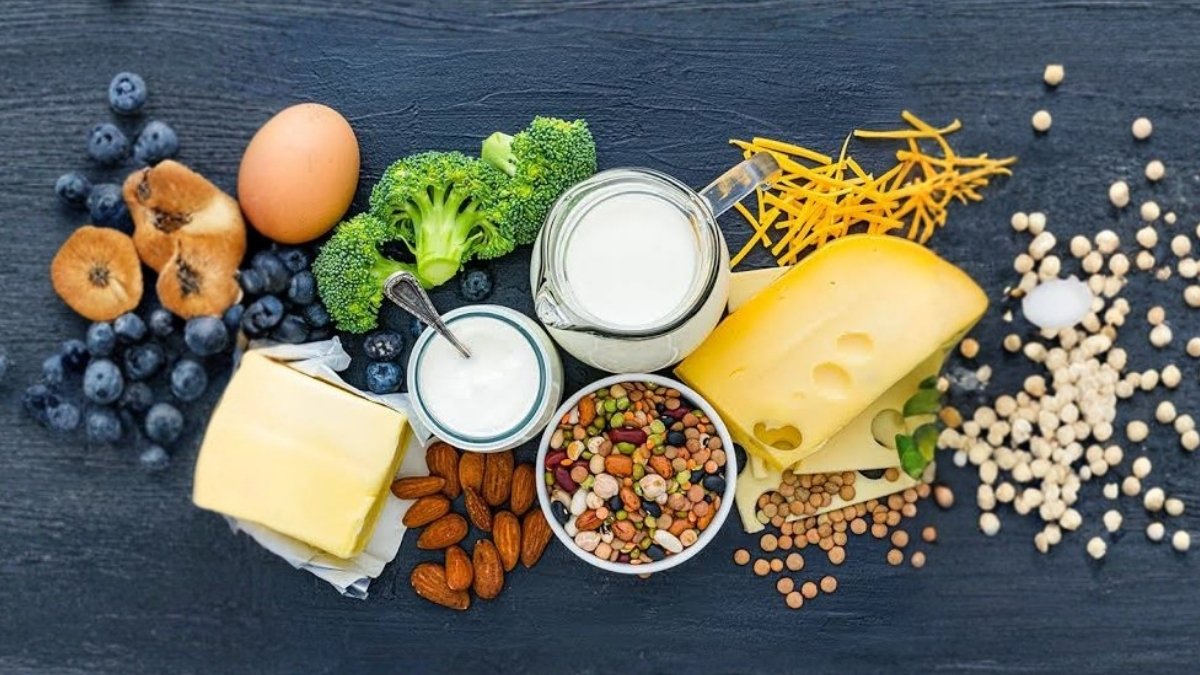
Diet soda, low-fat yogurt, protein bars, and “light” snacks can seem weight-loss friendly, but calories, serving sizes, and added sugars are still easy to underestimate.
These 21 products are not forbidden. The purpose is to spot foods that may leave you less full or make it harder to stay within your calorie needs.
If you have a medical condition or take medications that affect weight or appetite, check with your healthcare provider before making major diet changes.
Why “Diet” Products Can Become Trickier After 40
There is no scientific switch that suddenly shuts down your metabolism on your 40th birthday. A detailed analysis published in Science found that energy expenditure adjusted for body size and composition stayed relatively stable from about age 20 through 60.
What does change is body composition. The National Institute on Aging says muscle mass and strength generally peak around ages 30 to 35 and then begin declining, while menopause can also change where women tend to store body fat.
That makes preserving muscle, controlling portions, and choosing foods that satisfy you increasingly useful. A “healthy” label cannot do those jobs for you.
1. Diet Soda and Zero Sugar Drinks

Replacing a regular sugary soda with a zero-calorie version can reduce the calories in that drink. The mistake is believing that diet soda itself guarantees weight loss. Mayo Clinic notes that the evidence for sugar substitutes helping people manage weight over the long term remains unclear.
Treat diet soda as an optional replacement, not as a weight loss tool. Water, sparkling water, unsweetened tea, and plain coffee are simpler everyday choices.
2. Low Fat Flavored Yogurt
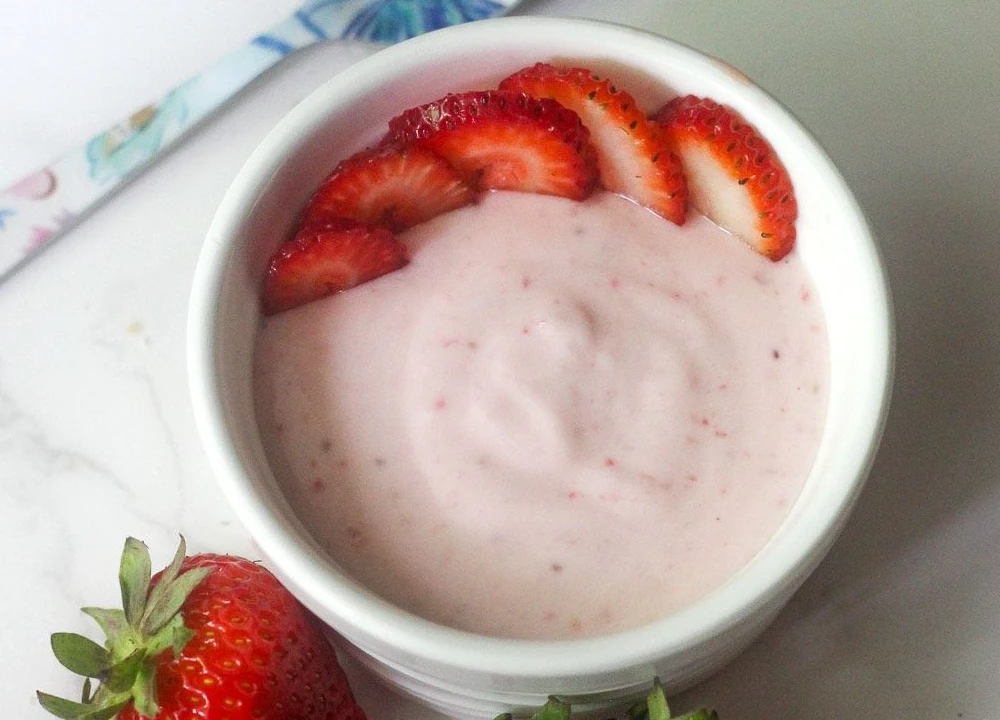
“Low fat” tells you about fat content, not the entire nutrition profile. A flavored yogurt can still contain meaningful added sugar, while another low-fat yogurt may be a smart choice.
Turn the container around and compare protein, calories, and Added Sugars. The FDA considers 5 percent Daily Value or less low and 20 percent or more high for nutrients listed on the label.
3. Granola
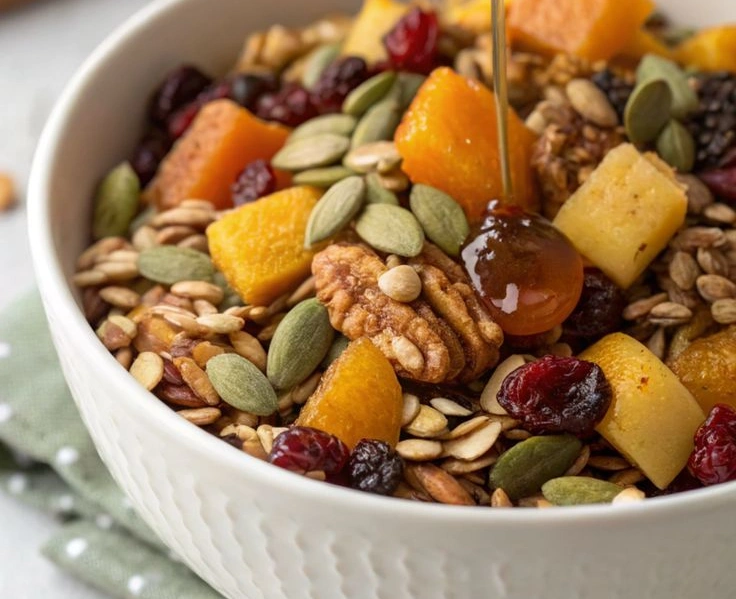
Oats, nuts, seeds, and dried fruit can all contribute useful nutrients, but granola packs them into a compact food. That means a casual pour can deliver more energy than its bowl size suggests.
Measure the label serving at least once so you know what it looks like in your usual bowl. Pair a smaller amount with plain yogurt and berries if you want more food volume.
4. Granola Bars
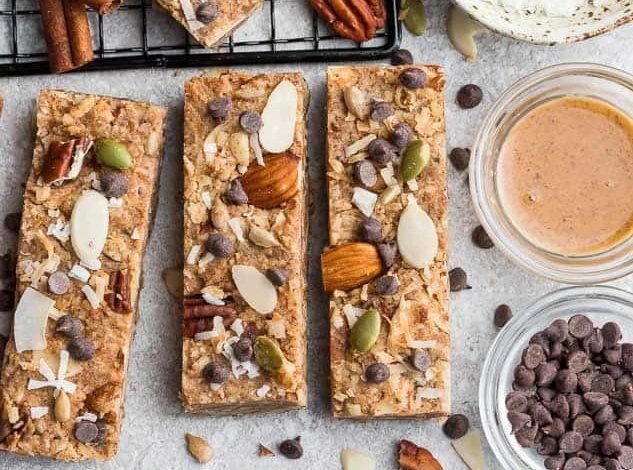
A small bar can look like a controlled snack whilst providing surprisingly little food volume. If it is low in protein and fiber, you may be hungry again long before the calories feel memorable.
Compare bars by calories, protein, fiber, and added sugar rather than by terms such as “natural” or “wholesome”. The front of the wrapper is for marketing, while the Nutrition Facts panel provides standardized information for comparison.
What the Front Label Says vs. What Actually Matters
| Product claim | Why it sounds weight loss friendly | What deserves a closer look |
| Low fat | Sounds automatically lighter | Calories, added sugar, protein |
| Zero sugar | Sounds calorie-free | Calories, serving size, ingredients |
| High protein | Suggests strong fullness | Total calories, fiber, added sugar |
| Gluten free | Often sounds healthier | Fiber, calories, refined ingredients |
| Keto | Suggests automatic fat loss | Serving size and calorie density |
| Plant based | Creates a wellness halo | Protein, sodium, fiber, saturated fat |
| Baked | Sounds lighter than fried | Calories and actual serving size |
The FDA specifically advises consumers to begin with serving size and servings per container when reading a label. It also prioritizes that the listed serving size reflects what people typically consume. So it is not a recommendation for how much you should eat.
5. Protein Bars
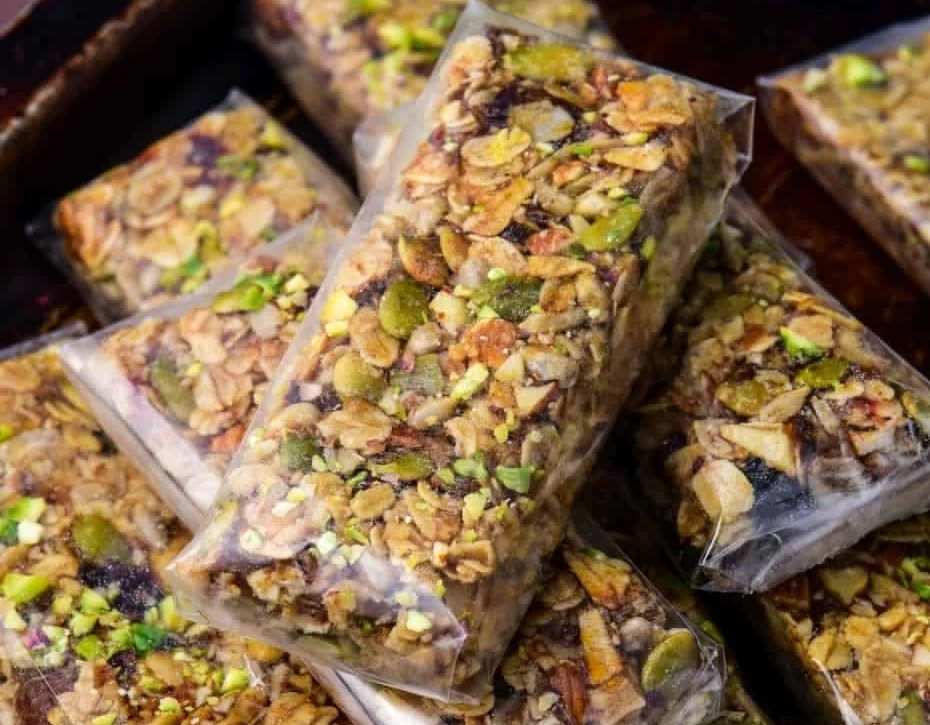
Protein deserves attention after 40 because muscle becomes harder to preserve as adults age. Protein can also increase fullness. Mayo Clinic notes that high-protein eating patterns are not automatically healthy or effective simply because they contain more protein.
A bar with plenty of protein can carry substantial calories. Use bars when convenience matters, but compare the entire label instead of letting one large protein number make the decision.
6. Protein Shakes
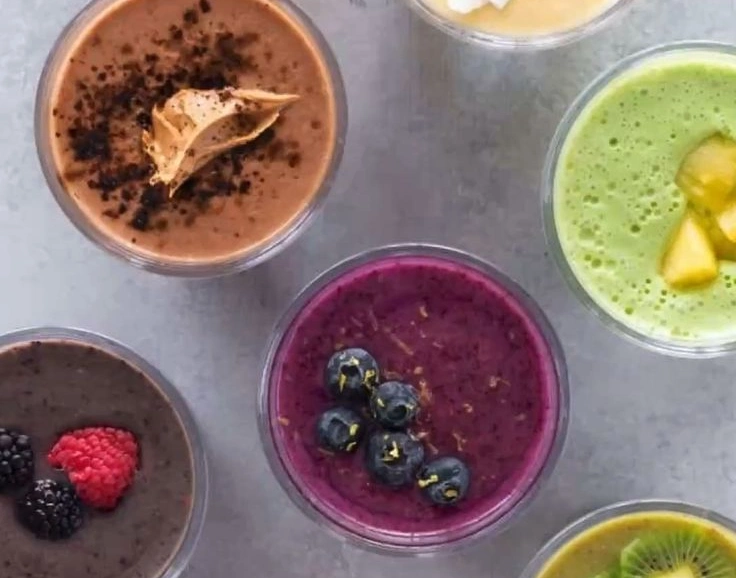
A protein shake can help when it replaces a higher-calorie meal or fills a genuine nutrition gap. Mayo Clinic notes that meal replacement shakes may lower daily calorie intake, but simply adding them to an unchanged diet adds another source of energy.
Ask what job the shake is doing before drinking it. If breakfast is already complete, a shake beside breakfast is an addition, not a replacement.
7. Bottled Smoothies
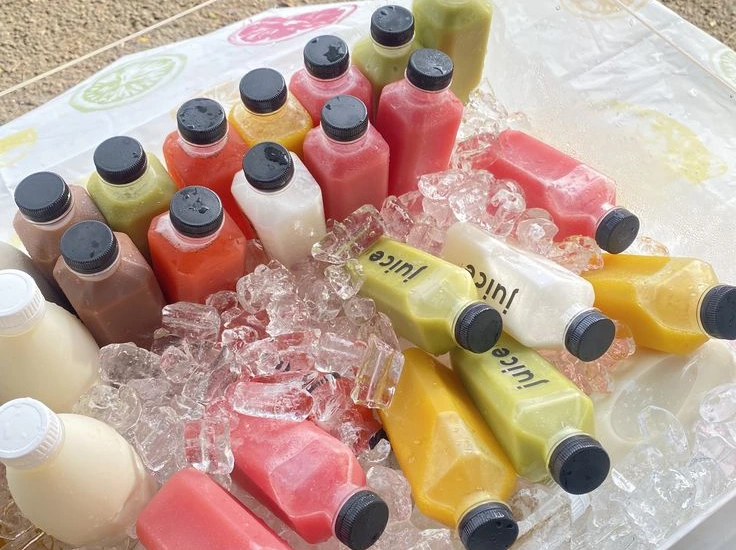
Fruit does not become unhealthy because it enters a blender. But bottled smoothies can be large enough to function like meals. Juice bases, sweeteners, nut butters, and large portions can push calories upward quickly.
Look for a serving that provides meaningful protein or fiber and little added sugar. If you make one at home, build it around whole fruit, a protein source, and a portion you would use as a meal or snack.
8. Fruit Juice

Juice is one of the easiest healthy-sounding products to overdrink. Harvard notes that an orange contains about twice the fiber and half the sugar of a 12-ounce glass of orange juice.
Whole fruit also requires chewing and retains its natural structure. Harvard researchers have reported an association between greater fruit juice intake and weight gain, so make whole fruit the routine choice and juice the smaller, occasional one.
9. “Healthy” Juice Drinks
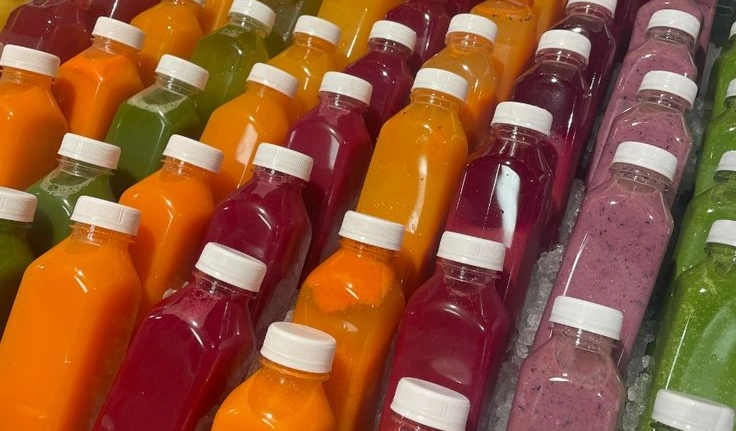
A picture of berries, oranges, or green vegetables does not tell you how the drink was sweetened. The FDA counts sugars from concentrated fruit or vegetable juice used as sweeteners as added sugars.
Read the ingredient list, then check the Added Sugars line. A beverage can contain fruit ingredients and still deliver more sweetness than you expected.
10. Veggie Chips
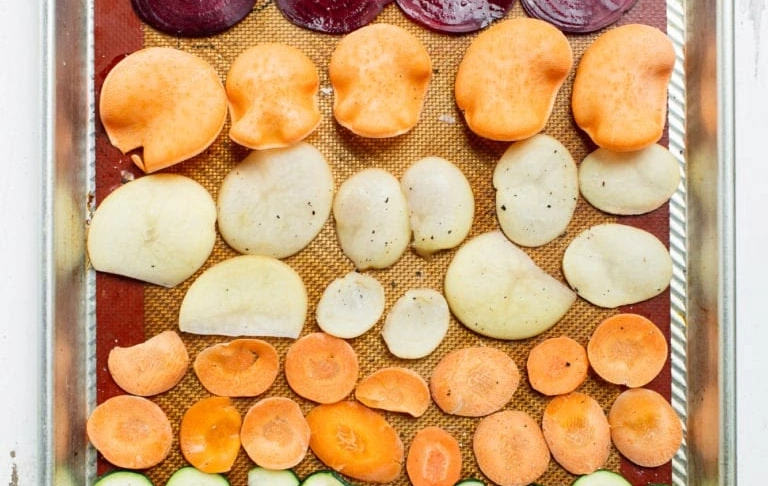
Veggie chips may contain vegetable ingredients, but they should not automatically be treated like a bowl of vegetables. Their crunchy format and vegetable imagery can make portions feel more virtuous than they are.
Compare their calories and fiber with the snack you would otherwise eat. If the numbers are similar to ordinary chips, choose the one you actually enjoy and portion it deliberately.
11. Baked Chips
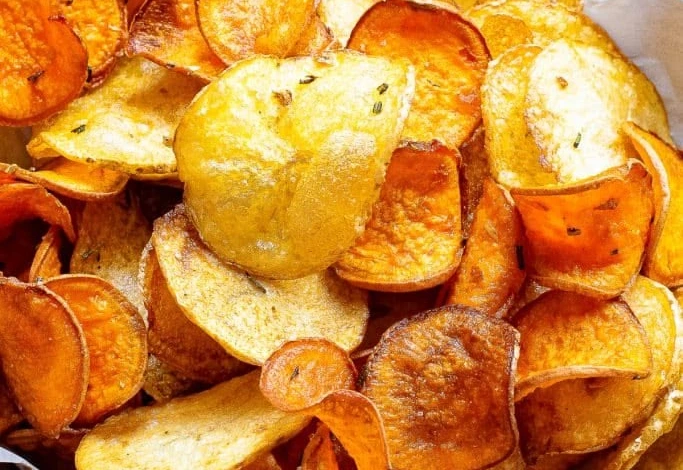
“Baked” describes the cooking method. It does not tell you how many calories you will consume from the amount you actually eat.
Check the serving size, then count how many servings are in the bag. The FDA warns that a package may contain more than one serving, which means eating the entire package can multiply every calorie and nutrient number shown per serving.
Six Common Diet Foods and More Satisfying Swaps
| If you often choose | The hidden issue to check | A useful alternative |
| Fruit juice | Low fiber compared with whole fruit | Whole orange, apple, or berries |
| Bottled smoothie | Large liquid portion | Home blended fruit with a protein source |
| Granola | Dense calories in a small volume | Oatmeal topped with a little granola |
| Veggie chips | Vegetable health halo | Vegetables with hummus |
| Sweet granola bar | Low volume and added sugar | Plain yogurt with fruit |
| Gluten-free cookies | Gluten-free does not mean lower calorie | Fruit, nuts, or naturally gluten-free whole foods |
The swap is not mandatory. Its purpose is to give you more food volume, fiber, protein, or chewing for a similar eating occasion.
12. Gluten Free Cookies and Crackers
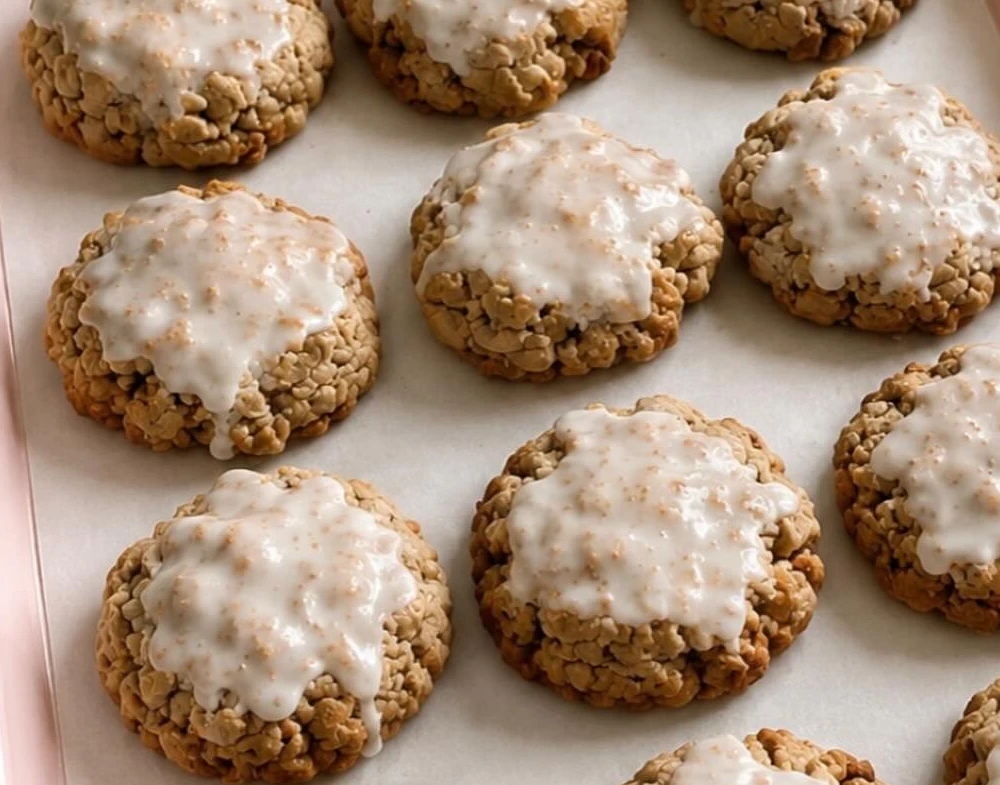
Gluten-free is crucial for people with celiac disease, but it is not a weight-loss claim. Cleveland Clinic notes that there is no evidence that avoiding gluten alone causes weight loss in people who do not medically need a gluten-free diet.
A gluten-free cookie is still a cookie. Compare calories, fiber, added sugars, and serving size exactly as you would with the conventional version.
Try This Before You Put It in the Cart
- Turn the package around before reading more claims on the front.
- Check how many servings you will realistically eat.
- Compare protein and fiber between similar products.
- Check Added Sugars rather than relying on words such as light or natural.
- Ask whether the food is likely to satisfy you until your next planned meal or snack.
These five checks take far less time once they become automatic. They also move your attention from advertising to the information that actually affects the portion you eat.
13. Keto Snack Bars and Fat Bombs
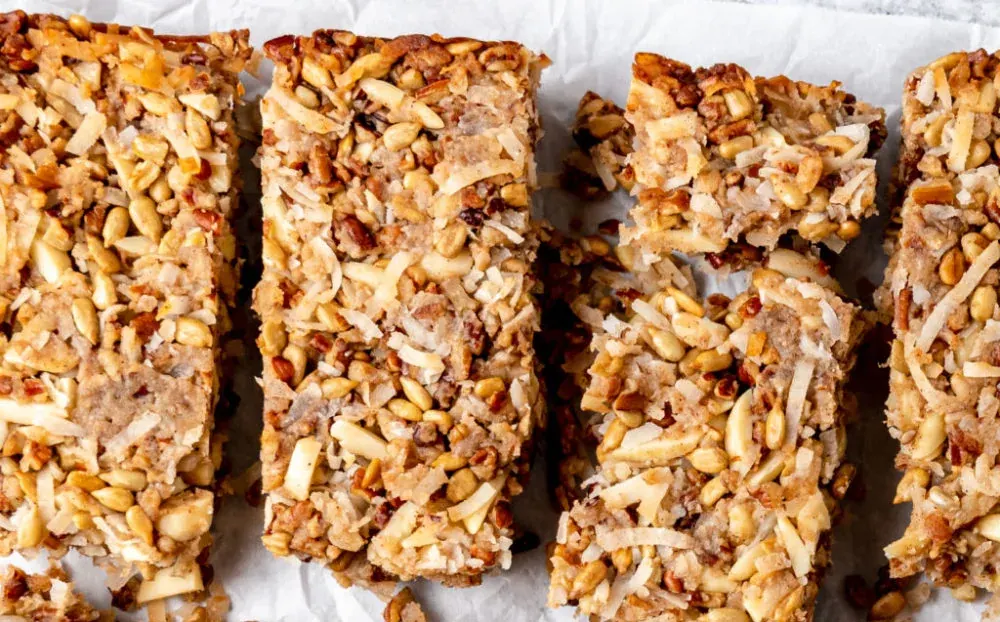
Low carbohydrate does not mean low calorie. Foods built mainly from nuts, oils, butter, coconut, or other fats can pack substantial energy into a small bite because fat is calorie dense.
If keto products fit your eating pattern, portion them just as carefully as other snack foods. Do not let a low carbohydrate number make total calories invisible.
14. Sugar Free Candy

Removing sugar does not remove every calorie . Some sugar-free products use sugar alcohols such as sorbitol, maltitol, xylitol, or erythritol, and large amounts can cause bloating, gas, cramps, or diarrhea in some people.
Treat sugar-free candy like candy rather than an unlimited food. If digestive symptoms appear after eating several pieces, check the ingredient list for sugar alcohols and reduce the amount.
Nutrition label benchmarks are useful for comparison, but they are not personalized targets. Your calorie, protein, carbohydrate, sodium, and fiber needs can differ based on age, body size, activity, medications, and health conditions.
15. Light Frozen Meals
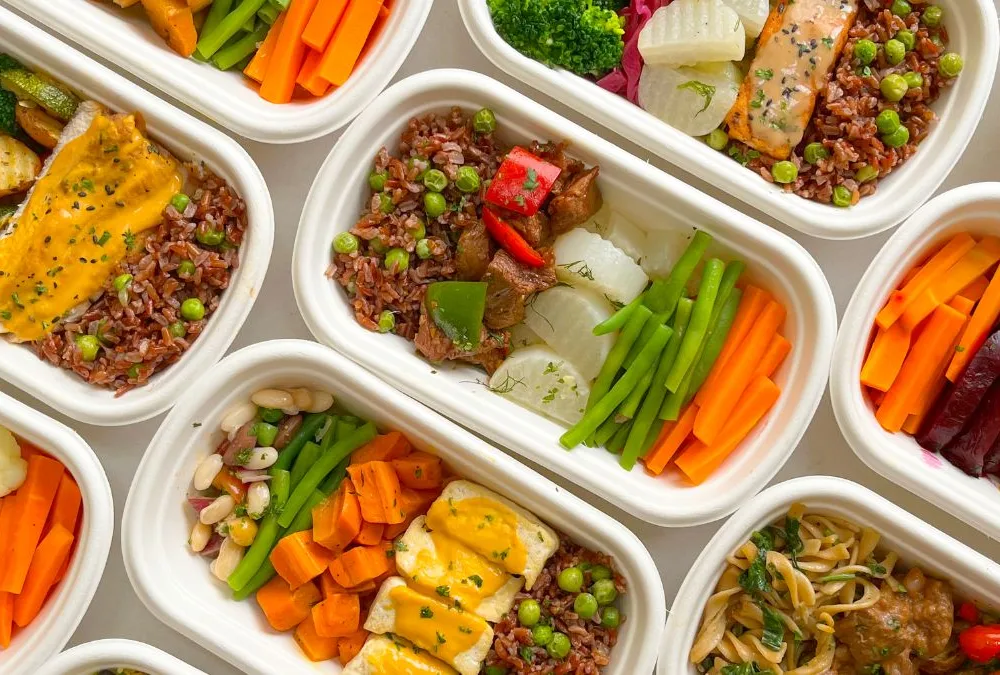
A light frozen entrée can be genuinely convenient for calorie control. The problem appears when the meal is so small or low in protein and fiber that you finish dinner and immediately start hunting through the pantry.
Check calories together with protein, fiber, serving size, and sodium. The FDA Daily Value for sodium is 2,300 milligrams, so the Percent Daily Value can help you quickly compare frozen meals.
16. Reduced Fat Snack Foods

Reduced fat describes one nutritional change. It does not guarantee that the product will satisfy you more or that you will eat fewer calories from it.
Compare the reduced fat version with the regular version side by side. If the calorie difference is tiny and you enjoy the regular food more, a measured portion of the original may fit your plan just as well.
17. Low Fat Peanut Butter
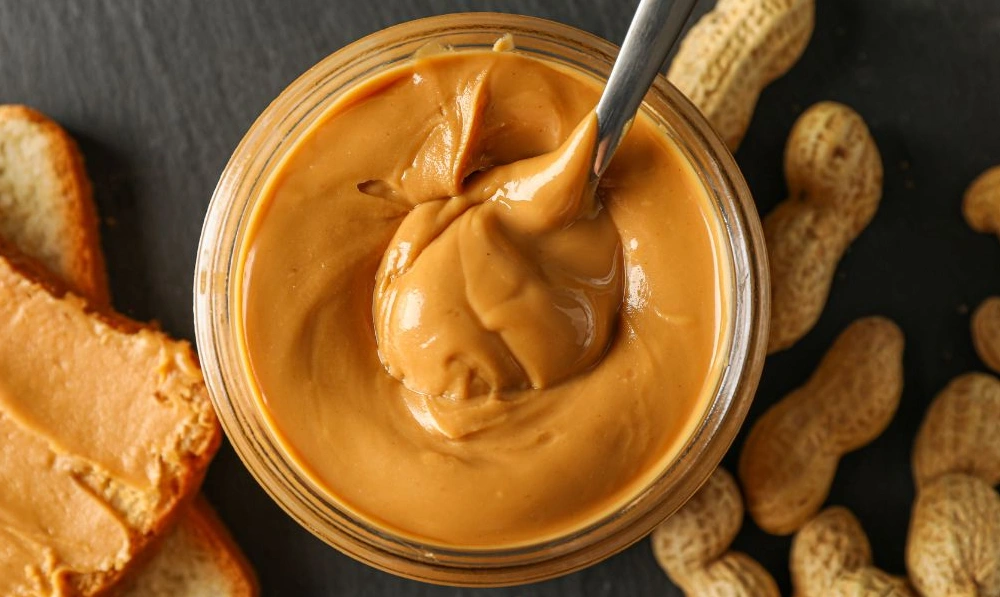
Peanut butter is a good example of why front label claims can mislead. Removing some fat does not automatically create a dramatic calorie reduction, since manufacturers can change other ingredients and every brand is different.
Compare equal serving sizes for calories, added sugar, and protein. Choose based on the actual numbers and ingredients rather than assuming “low fat” wins.
18. Trail Mix Marketed as a Fitness Snack
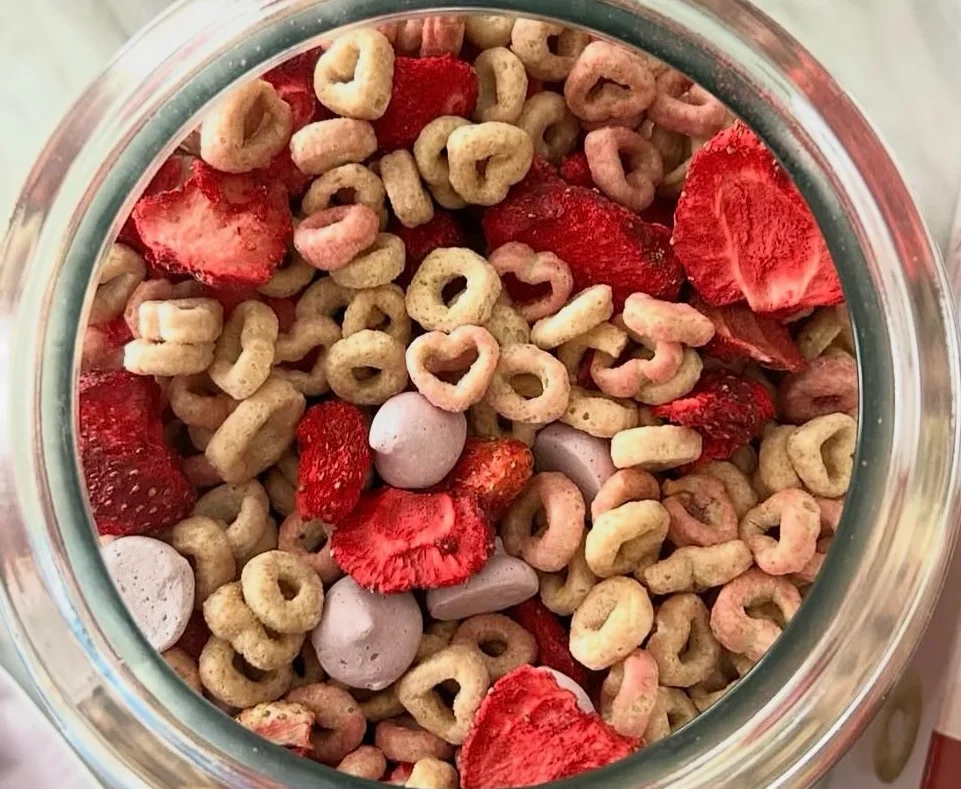
Nuts and dried fruit can be nutritious, but trail mix is designed to carry a lot of energy in a small space. That makes sense on a long hike, yet the same handfuls can quietly add up when eaten beside a computer.
Pour one serving into a bowl instead of eating from the bag. If you want more volume, add fresh fruit rather than repeatedly reaching for another handful.
The 10 Second Label Check After 40
| Check first | Useful reference | Why it matters |
| Serving size | Compare it with the amount you actually eat | Every other number depends on it |
| Added sugar | FDA Daily Value is 50 grams on a 2,000-calorie diet | Helps expose sweetness hidden behind health claims |
| Fiber | FDA Daily Value is 28 grams | Useful when comparing cereals, bars, and snacks |
| Sodium | FDA Daily Value is 2,300 milligrams | Especially useful for frozen and packaged foods |
| Protein | Compare similar products | Helps identify more substantial meals and snacks |
| Calories | Compare equal serving sizes | Shows whether a “light” version is meaningfully different |
The FDA also uses 5 percent Daily Value or less as a general marker for a low amount of a nutrient and 20 percent or more as high. Those percentages are reference tools, not personalized prescriptions.
19. High Protein Breakfast Cereals
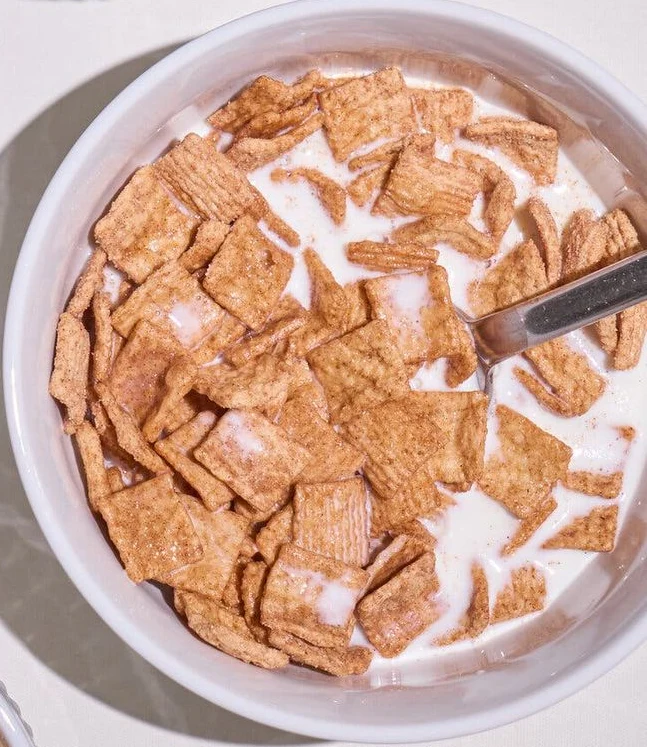
A cereal can advertise protein in large letters while the rest of its nutrition panel gets ignored. After 40, protein is useful for maintaining muscle mass, but fiber, calories, added sugar, and bowl size still matter.
Compare cereals by the serving you actually pour. Adding plain yogurt or milk may also increase protein without requiring a cereal that relies heavily on a health claim.
20. Plant-Based Meat Alternatives
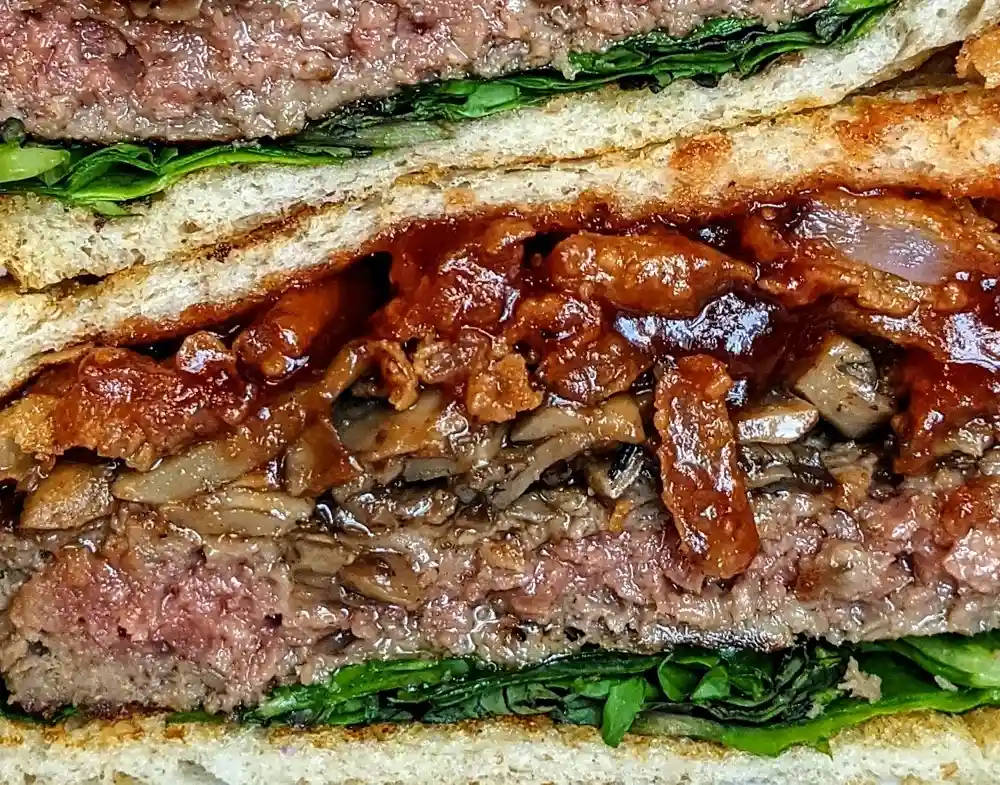
Plant based does not automatically mean low calorie, high fiber, or minimally processed. Different burgers, sausages, nuggets, tofu products, bean-based foods, and other alternatives can have very different nutrition profiles.
Compare protein, fiber, saturated fat, sodium, and calories between the choices you actually buy. The useful question is not “Is plant-based good?” but “What does this specific product provide?”
21. “Skinny” Coffee Drinks and Diet Creamers

Coffee itself is rarely the calorie problem. The extras can be, especially when creamers, syrups, sweet foams, toppings, and multiple cups become part of the daily routine.
Do a one-day coffee audit and count everything that goes into each cup. If your morning drink has quietly become a snack or small meal, reducing the extras may be easier than cutting another food you genuinely enjoy.
One Study Explains Why These Small Choices Add Up
A tightly controlled NIH trial gives useful context for the entire list. Researchers housed 20 adults at the NIH Clinical Center and gave each person an ultra-processed diet and an unprocessed diet for two weeks each.
Participants ate about 500 more calories per day during the ultra processed phase and gained about 0.9 kilograms, roughly 2 pounds, then lost roughly the same amount during the unprocessed phase. The study does not prove that every packaged “diet” food causes overeating, but it does show that food form and processing can meaningfully influence how much people eat.
That is why the better strategy after 40 is not to fear individual ingredients. Build most meals around foods that give you enough protein, fiber, volume, and satisfaction to make your calorie goal easier to live with.
When Weight Changes Deserve a Doctor’s Attention

Diet products are not the only reason body weight changes. Medical conditions, menopause, medicines, changes in activity, sleep problems, and other factors can also contribute.
Contact a healthcare professional if you notice:
- Unexplained weight loss or gain without an obvious lifestyle change.
- New fatigue, weakness, constipation, unusual cold sensitivity, swelling, or other persistent symptoms alongside the weight change.
- A major weight change after beginning or changing a medicine.
- Restrictive eating, recurrent binge eating, or food anxiety that is interfering with normal life.
Cleveland Clinic specifically recommends medical evaluation for unintentional loss of 10 pounds or more, or more than 5 percent of body weight, when you are not trying to lose weight.
The Real Diet Trap After 40 Is Usually on the Front of the Package

You do not need to ban all 21 products. Diet soda can replace sugary soda, a frozen meal can control portions, a protein shake can solve a rushed breakfast, and granola can fit comfortably into a healthy diet.
The trap starts when one attractive phrase makes you stop checking everything else. Serving size, total calories, protein, fiber, added sugar, and how satisfied the food leaves you tell a much more useful story than “skinny,” “light,” “keto,” or “plant based.”
After 40, that simple shift matters more than chasing another miracle diet product. Your metabolism has not suddenly betrayed you, but your grocery cart may contain foods that are far easier to overeat than their labels suggest.
This article is for informational purposes only and is not a substitute for professional medical advice, diagnosis, or treatment. Weight changes after 40 can have many causes, including diet, physical activity, menopause, sleep, medications, and medical conditions. Always consult your doctor or another qualified healthcare professional before making major changes to your diet, exercise routine, supplements, or medications, especially if you have an existing health condition.
