
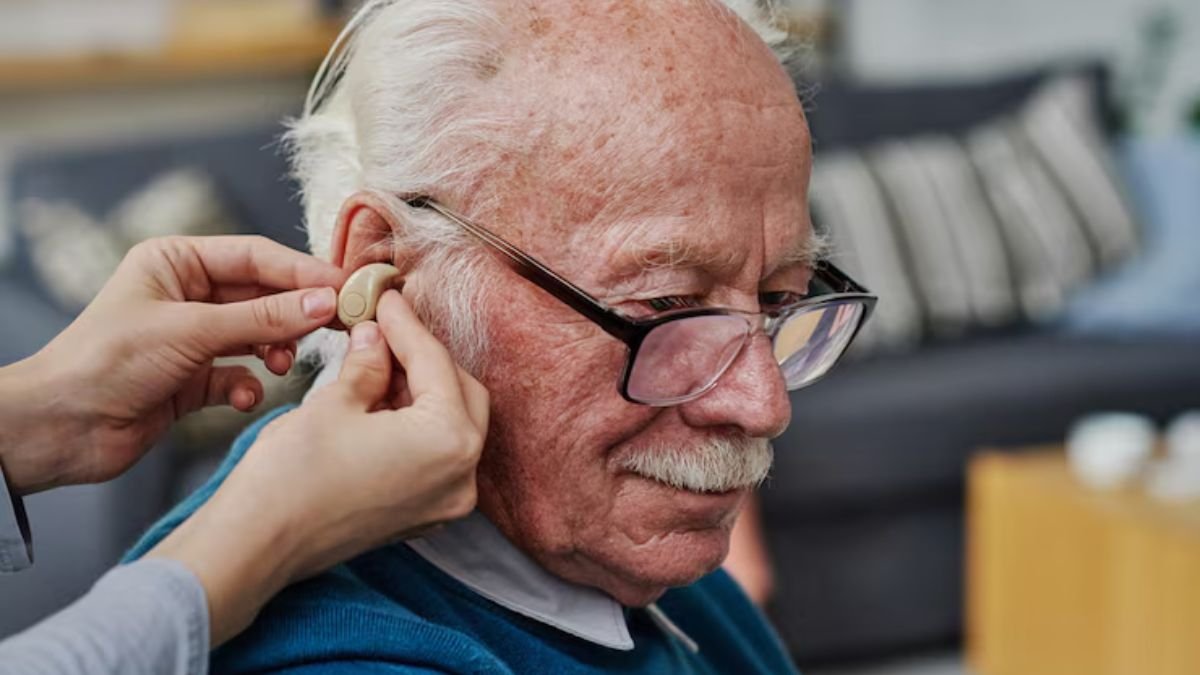
Hearing loss can creep in so slowly that many people blame their spouse, the television, or noisy restaurants before they ever suspect their ears. The worrying part is that untreated hearing loss has repeatedly been linked with faster cognitive decline and a higher risk of dementia.
That does not mean hearing loss directly causes dementia, or that someone who needs hearing aids is destined to develop it. But the connection is strong enough that major dementia researchers now consider hearing an important part of brain health.
Mark, the audiologist persona behind this headline, says the most concerning part is how easily hearing loss can go unnoticed while the brain works harder and harder to make sense of sound.
1. Hearing Loss Is More Than an Ear Problem
Age-related hearing loss becomes more common as people get older. The ears collect sound, but the brain has to do much more. It must identify words, separate speech from background noise, attach meaning to sounds, and keep up with conversation.
When sound reaches the brain in a weaker or less clear form, understanding speech can require more mental effort.
That is why the familiar complaint, “Everyone seems to mumble now,” should not always be dismissed. Sometimes everyone is not mumbling.
2. The Dementia Numbers That Got Researchers’ Attention

One of the most widely cited studies followed 639 adults for almost 12 years. Everyone received hearing tests at the beginning of the study. Researchers found that dementia risk increased as hearing loss became more severe.
People with mild hearing loss had about twice the dementia risk compared with people with normal hearing. Moderate hearing loss was linked with about three times the risk, while severe hearing loss was associated with roughly five times the risk.
These numbers show an association. They do not prove that hearing loss itself caused dementia.
| Research finding | What researchers observed | What it does not prove |
|---|---|---|
| Johns Hopkins study of 639 adults | Dementia risk rose as measured hearing loss became more severe | That hearing loss directly caused dementia |
| 2024 Lancet Commission | Hearing impairment remained a major modifiable dementia risk factor | That treating hearing loss prevents every dementia case |
| ACHIEVE trial of 977 adults | Hearing treatment helped cognition most clearly in higher-risk adults | That hearing aids prevent dementia in everyone |
| Objective hearing research | Many adults had hearing loss without realizing it | That every case of hearing loss leads to cognitive decline |
3. Why Hearing Loss May Affect the Brain
Researchers still do not have one single explanation for the hearing and dementia connection. Several mechanisms may be working at the same time.
The Brain Has to Work Harder to Understand Speech

Think about trying to read a faded newspaper. The words are still there, but recognizing every letter takes more effort.
Hearing loss may create a similar problem with spoken language. Researchers sometimes describe this as increased cognitive load.
When the brain has to devote more attention to figuring out what was said, it may have fewer mental resources for memory, concentration, and other tasks.
Reduced Sound May Change Brain Activity
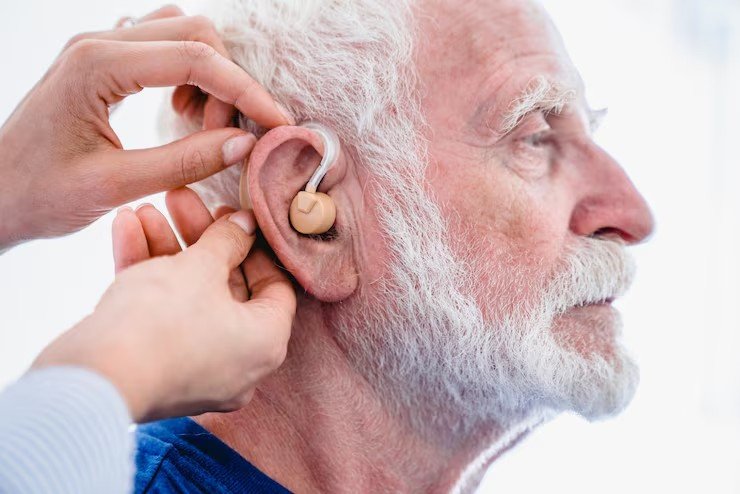
Researchers have also studied whether hearing loss is linked with changes in the brain itself. Johns Hopkins has reported observational research connecting hearing loss with faster brain atrophy.
Scientists are still working out whether hearing loss contributes to those changes, whether both problems share common causes, or whether both explanations are partly true.
The connection is biologically plausible, but researchers are still studying the details.
Hearing Trouble Can Lead to Social Withdrawal

This may be the most recognizable pathway. When conversations become tiring, confusing, or embarrassing, people may start avoiding restaurants, family gatherings, clubs, religious services, and phone calls.
Social isolation is itself associated with dementia risk. The 2024 Lancet Commission lists social isolation as another potentially modifiable factor.
Hearing loss can therefore affect much more than sound. Over time, it can reduce how much a person participates in everyday life.
| Possible pathway | What may happen | Why researchers care |
|---|---|---|
| Greater listening effort | The brain spends more energy decoding speech | Less mental capacity may remain for other tasks |
| Reduced auditory stimulation | Sound processing networks receive weaker input | Brain structure and function may change |
| Social withdrawal | Conversations become frustrating and tiring | Isolation reduces social and mental stimulation |
| Shared health risks | Vascular problems may affect both hearing and the brain | Some risk may come from common underlying causes |
4. The Hearing Aid Trial That Changed the Conversation
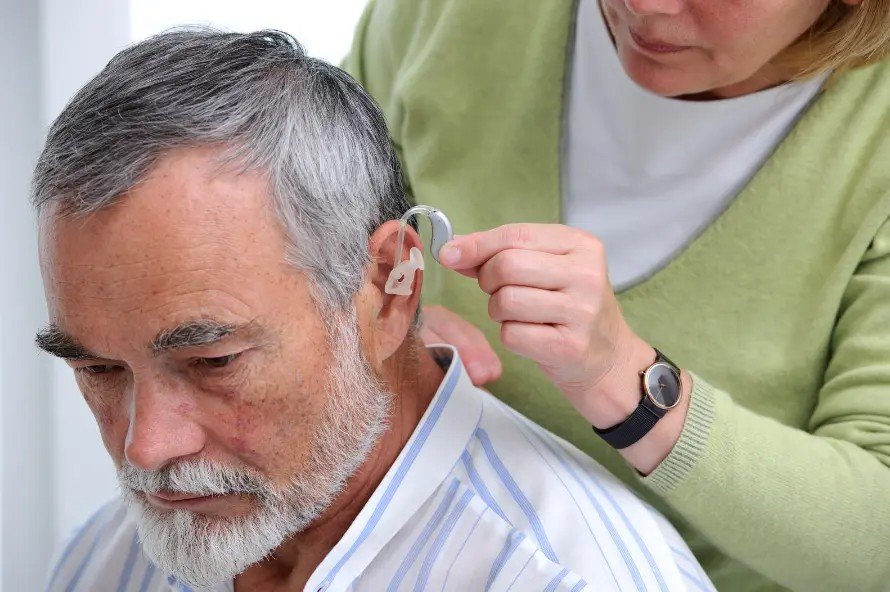
Observational studies are useful, but they have a major limitation. People who wear hearing aids may differ from people who do not in many other ways, including education, income, healthcare access, and social activity.
The NIH-funded ACHIEVE trial enrolled 977 adults between ages 70 and 84 who had untreated hearing loss and did not have major cognitive impairment.
Participants received either a hearing intervention with hearing aids and audiology support, or a health education program.
5. Many People Do Not Realize Their Hearing Has Changed
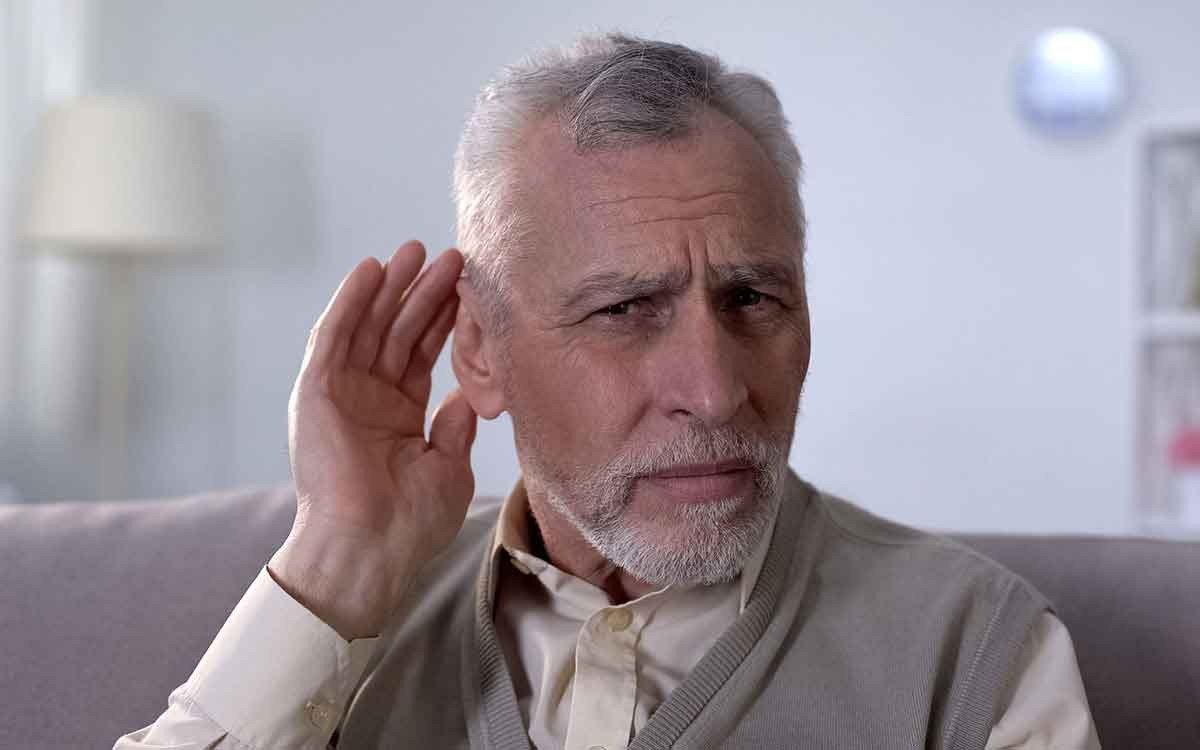
This may be one of the biggest practical problems. A person can have measurable hearing loss without recognizing how much their hearing has changed.
One recent study included 2,946 older adults. About 66 percent had hearing loss when tested with audiometry, while only about 37 percent reported having hearing loss themselves.
That gap matters. The finding does not prove that hearing loss causes dementia. It does suggest that asking someone whether their hearing seems fine may miss many people with real hearing changes.
6. A Simple Hearing Check to Do at Home
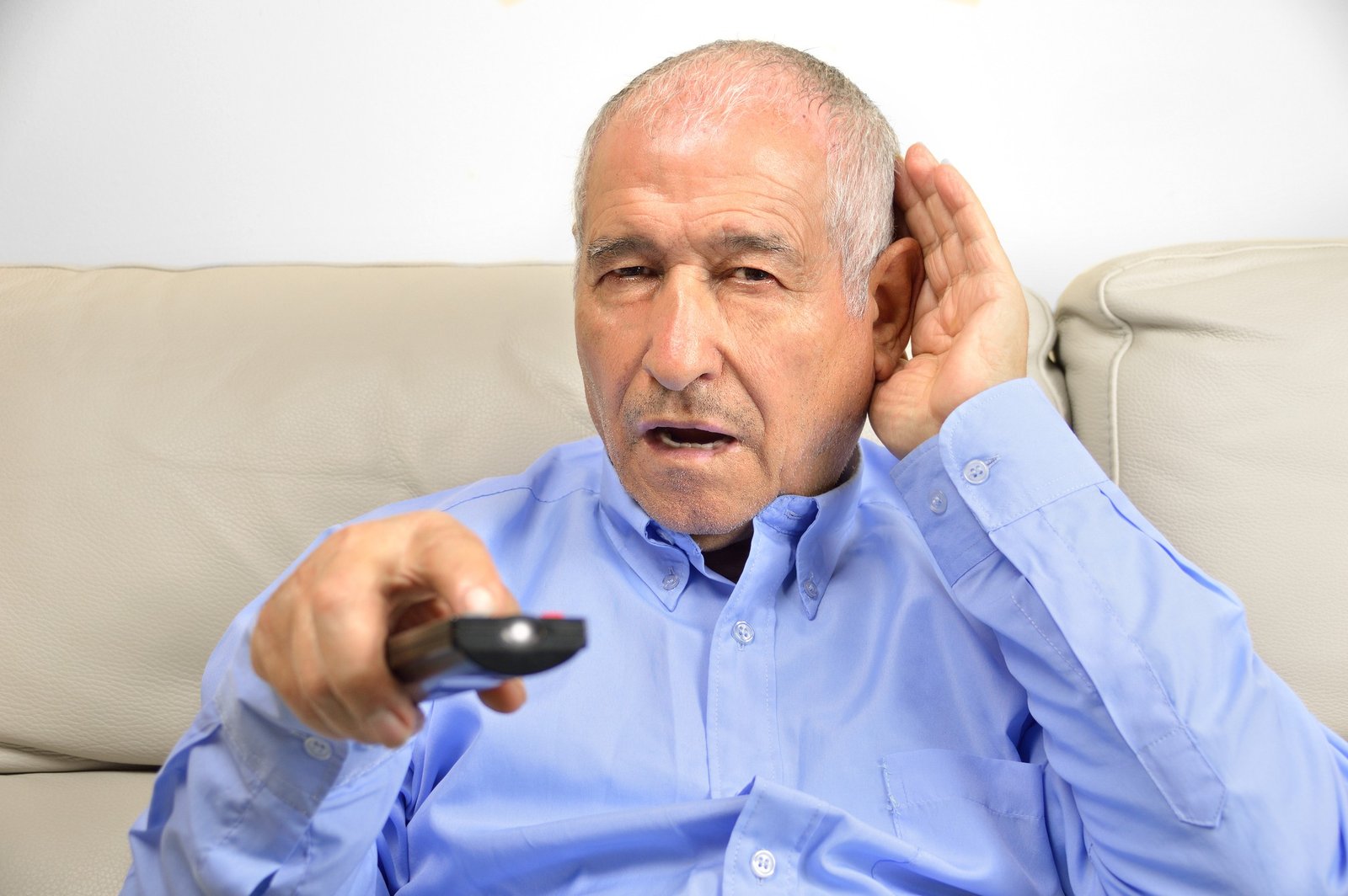
This is not a diagnostic test. It is simply a way to notice whether a professional hearing evaluation may be worth considering.
Ask whether any of these situations have become more common during the past year.
| Everyday clue | What people often blame | Better next step |
|---|---|---|
| Speech is hard to follow in restaurants | Background noise | Consider a hearing and speech understanding test |
| Television volume keeps increasing | Poor speakers | Compare your preferred volume with family members |
| You frequently ask people to repeat themselves | Mumbling | Schedule a hearing evaluation |
| Women’s or children’s voices are harder to understand | Soft voices | Ask about high frequency hearing loss |
| Phone conversations feel more difficult | Phone quality | Compare hearing between your ears |
| Family notices the problem before you do | Family impatience | Take their observation seriously |
NIDCD recommends seeing a qualified health professional when hearing problems are suspected. A primary care clinician can check for problems such as earwax or infection.
They may also refer someone to an audiologist or an ear, nose, and throat specialist for more detailed testing.
7. Hearing Aids Do More Than Make Sound Louder
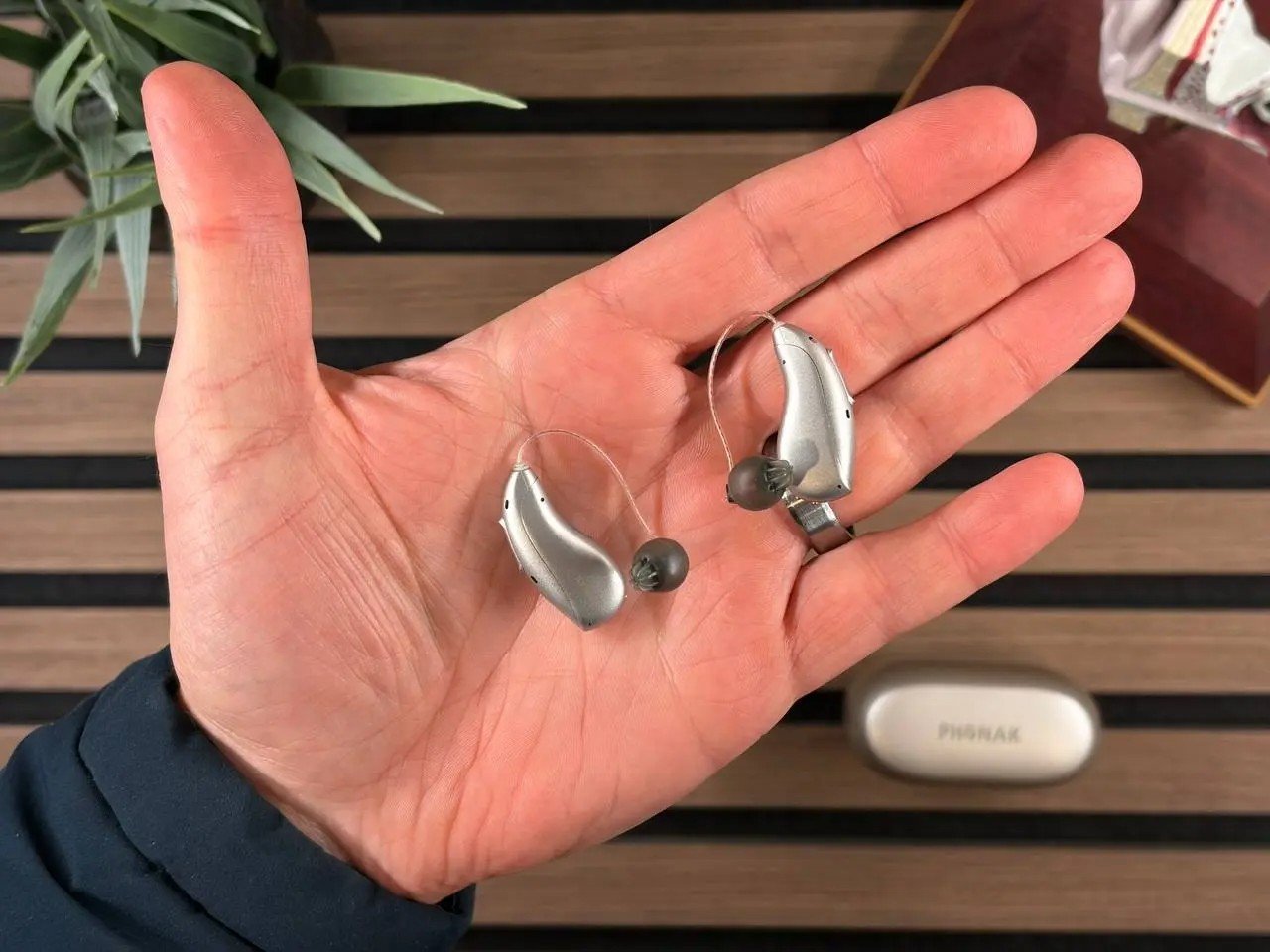
Modern hearing aids are designed to improve access to speech and useful environmental sounds. A microphone picks up sound, the device processes and amplifies the signal, and that signal is delivered into the ear.
For people with sensorineural hearing loss, this may make speech easier to understand. That is why simply buying a device is not always the same as receiving a complete hearing intervention.
The ACHIEVE trial included hearing testing, properly fitted devices, counseling, and continued support. It was much more than handing participants a box of hearing aids.
8. Why Waiting Until Hearing Is “Bad Enough” Can Backfire
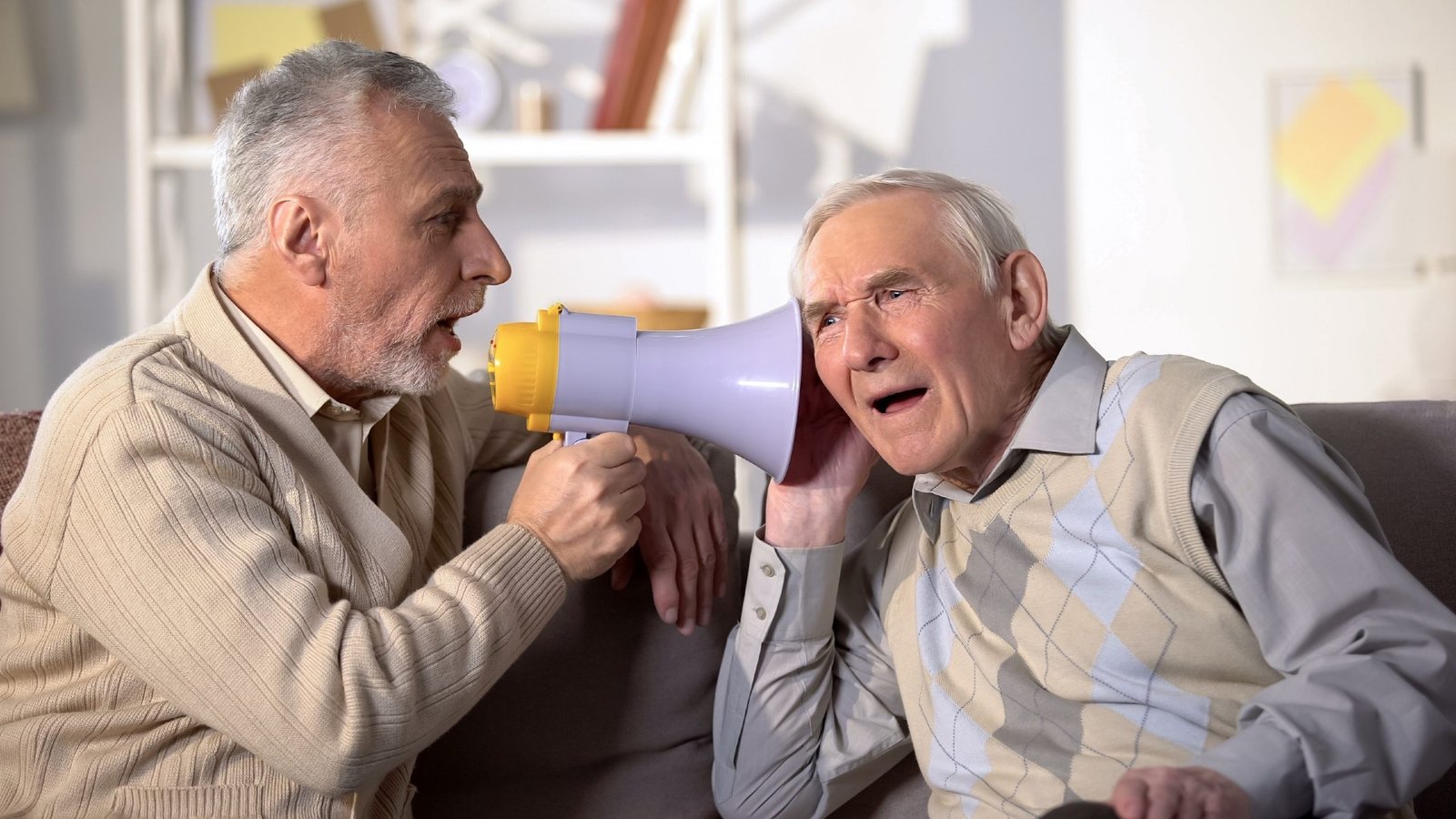
Many adults delay testing because their hearing loss feels minor. They can still hear birds. They can still hear the television. They can still hear someone speaking directly in front of them.
The problem often appears first in clarity, especially when several voices or background sounds compete for attention.
Hearing rehabilitation also remains underused. Do not wait until communication becomes severely impaired before finding out what your ears are actually doing.
9. When Hearing Loss Needs Urgent Medical Attention
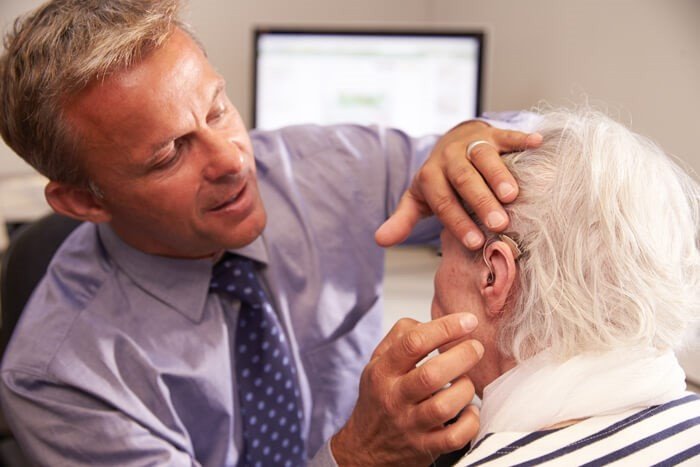
Most age-related hearing loss develops gradually. Sudden or unusual changes should be taken more seriously. Seek prompt medical care if any of these occur:
- Hearing suddenly drops in one or both ears over hours or a few days.
- New hearing loss appears with severe dizziness, major imbalance, or neurological symptoms.
- One ear becomes noticeably worse than the other without an obvious reason.
- Hearing loss appears with ear bleeding, drainage, severe pain, or new ringing in one ear.
Sudden sensorineural hearing loss is considered a medical emergency. Delaying treatment may reduce the chance of hearing recovery. Do not assume a sudden blocked feeling is simply wax, allergies, or sinus pressure.
10. Hearing Problems Can Look Like Memory Problems

There is another reason hearing loss can confuse families. Someone may seem forgetful because the information was never heard clearly enough to be stored properly in memory.
A person who misses half of a doctor’s instructions may later appear unable to remember them. Someone who gives an unrelated answer at dinner may appear confused when the real problem is that they misunderstood the question.
Persistent changes in memory, reasoning, language, judgment, getting lost, taking medications, or performing familiar tasks should still be evaluated by a doctor.
11. Does Treating Hearing Loss Prevent Dementia?
The strongest randomized trial did not find a cognitive benefit for every participant. It did show a meaningful benefit among older adults who already had a higher risk of cognitive decline.
Researchers are still following ACHIEVE participants to learn whether longer-term hearing treatment affects cognition and brain health.
So the responsible message is more useful than the dramatic one. Hearing aids are not a dementia cure. Hearing loss is not a dementia diagnosis.
But hearing is one of the dementia associated risk factors that can be measured directly and addressed today.
12. The Hearing and Dementia Connection Is Worth Taking Seriously
The worrying part is not that every case of hearing loss leads to dementia. It is that hearing can decline slowly for years while conversations become harder, listening takes more effort, and social life begins to shrink.
The reassuring part is that people do not have to guess. A professional hearing evaluation can show whether hearing is normal, whether hearing loss is present, and whether treatment could make everyday communication easier.
Protecting hearing may ultimately prove to have broader benefits for brain health, especially among people already at higher risk of cognitive decline.
Even without that promise, hearing better has clear value. Being able to understand family, friends, doctors, alarms, music, and everyday conversation is already a strong reason to take hearing changes seriously.
