

You notice a calf ache that won’t go away even after resting. You may think it is just part of getting older, but it could sometimes be a sign of a blood clot. Deep vein thrombosis (DVT) can feel like ordinary muscle pain, so knowing the warning signs is important.
After 50, blood vessels and the valves that help move blood back to the heart can become weaker. This may increase the chance of a blood clot forming in a vein.
Many people think a blood clot always causes severe pain and swelling. But the symptoms can be mild and easy to miss.
Here are the signs you should watch for.
1. Swelling In Only One foot
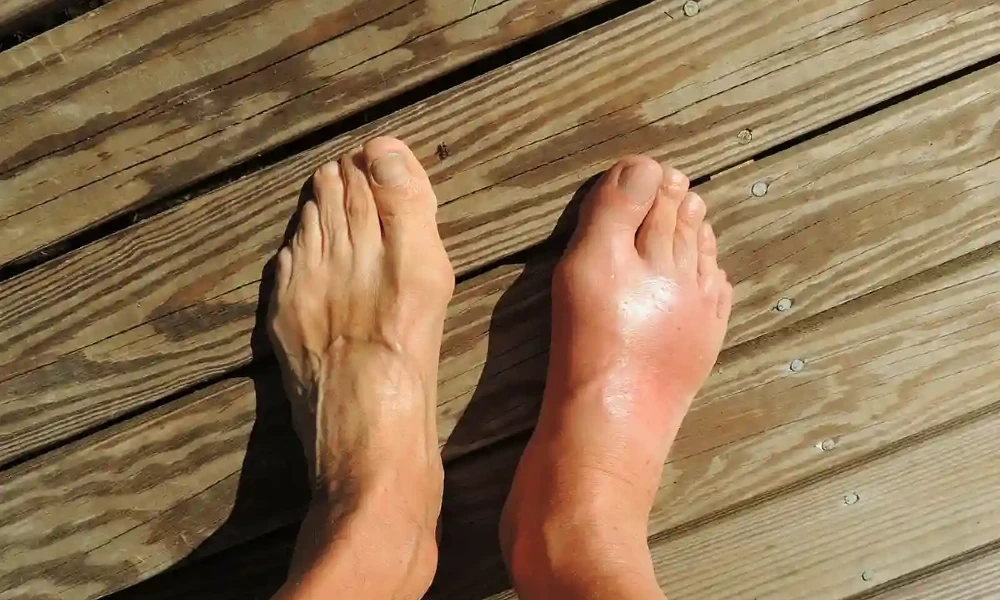
A single swollen leg is the most classic warning sign of a deep vein blockage. When a clot forms in a major leg vein, it creates a physical roadblock for blood trying to return to your heart. The trapped blood increases pressure inside the vein, forcing fluid out into the surrounding tissues.
If you notice your left calf is suddenly much larger than your right, you should never ignore it. You can test this by measuring both calves with a fabric tape measure to check for a circumference difference of more than a few centimeters.
2. A Deep Cramp That Mimics A Charley Horse
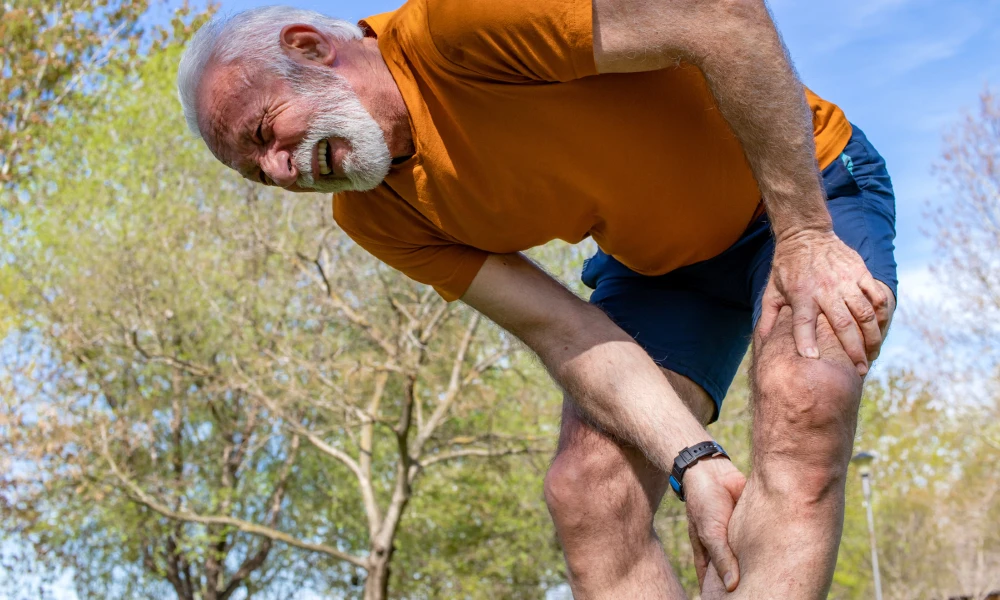
Vascular experts consider this symptom a silent killer because of how people naturally react to it. When a clot restricts blood flow, the oxygen-starved muscle reacts by cramping tightly. Most people assume they are dehydrated and vigorously massage the painful muscle.
Massaging a deep vein thrombosis can dislodge the clot from the vein wall. Once freed, the clot travels through your bloodstream directly to your lungs, causing a potentially fatal pulmonary embolism. Never massage a sudden, unexplained calf cramp.
3. Skin That Feels Unusually Warm
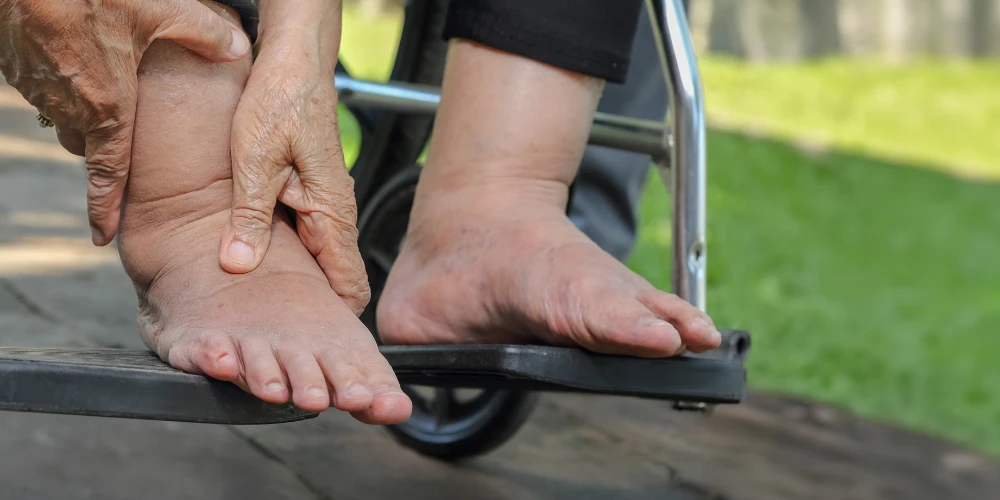
A blood clot triggers an intense localized inflammatory response inside your leg. Your immune system recognizes the blockage as a problem and rushes white blood cells to the area. This chemical cascade generates noticeable heat.
You might feel a specific patch of skin radiating warmth compared to the rest of your leg. Run the back of your hand down both of your legs to check for sudden temperature changes.
4. Redness Spreading Across The Calf
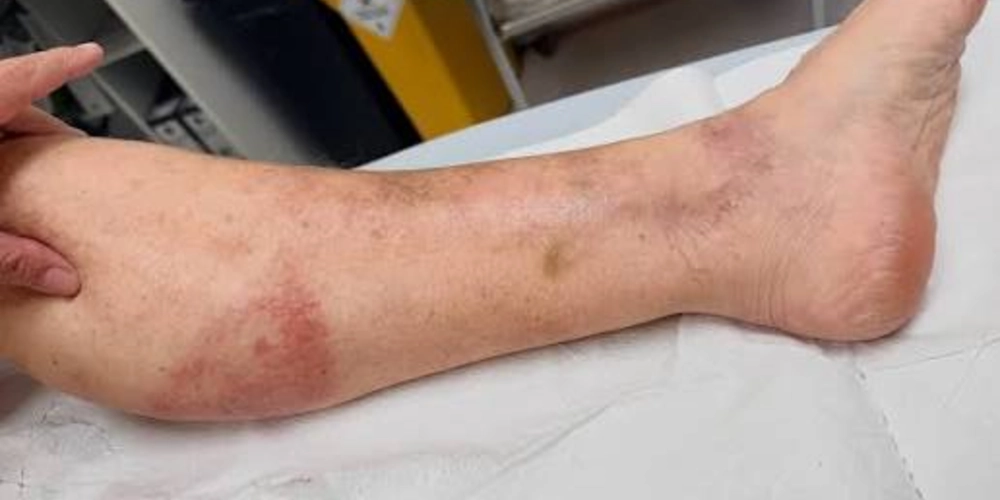
As inflammation builds around the trapped clot, tiny capillaries near the surface of your skin widen. This causes a reddish or purplish discoloration that spreads across the affected area. The color change might look like a mild rash or a sunburn.
Unlike a bruise that changes colors as it heals, a blood clot causes persistent redness that does not fade quickly. The skin may also look unusually irritated despite no physical injury.
5. A Throbbing Sensation in the Knee

The popliteal vein runs directly behind your knee joint and is a very common site for clots to form. A blockage here often creates a localized throbbing sensation that pulses with your heartbeat. It might feel like a deep pressure that makes it uncomfortable to bend your leg completely.
This specific symptom is frequently misdiagnosed as joint pain or arthritis. The key difference is that vascular throbbing continues even when you are sitting perfectly still.
| Symptom Feature | Deep Vein Thrombosis | Normal Muscle Strain |
| Pain Location | Deep inside the calf or thigh | Surface level or near a joint |
| Onset | Sudden, often without physical exertion | Follows specific physical activity |
| Swelling | Usually asymmetrical and progressive | Localized around a specific injury |
| Heat | Skin feels very warm to the touch | Normal body temperature |
| Reaction to Massage | Pain worsens and carries a severe risk | Pain generally improves slightly |
6. Skin That Appears Pale Or Blue
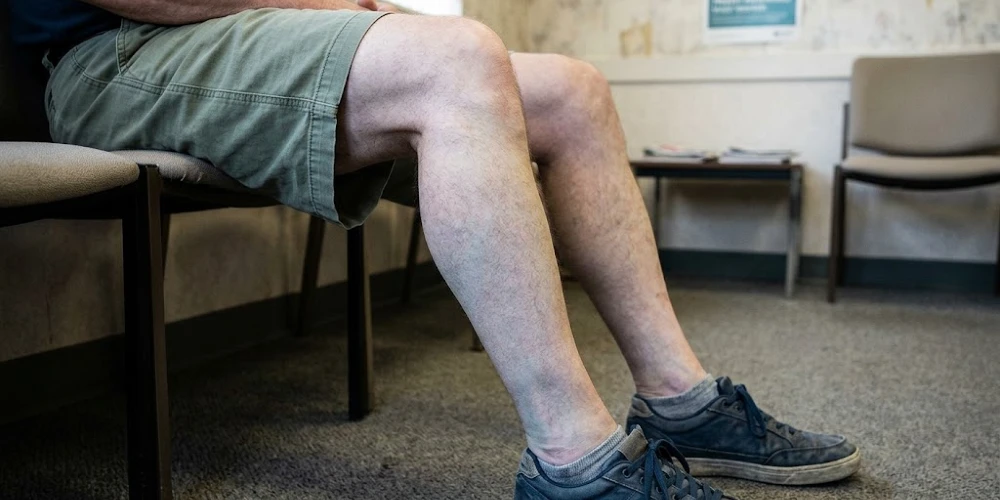
While redness is common, a severe blood clot can sometimes cause the leg to look pale or slightly blue. This happens when the clot is large enough to drastically restrict oxygen-rich blood from reaching the skin tissues. Medical professionals call this cyanosis.
If your leg suddenly loses its normal pink hue and takes on a bluish tint, the tissue is suffocating. This is a severe medical emergency requiring immediate imaging.
7. Veins That Suddenly Bulge And Feel Hard
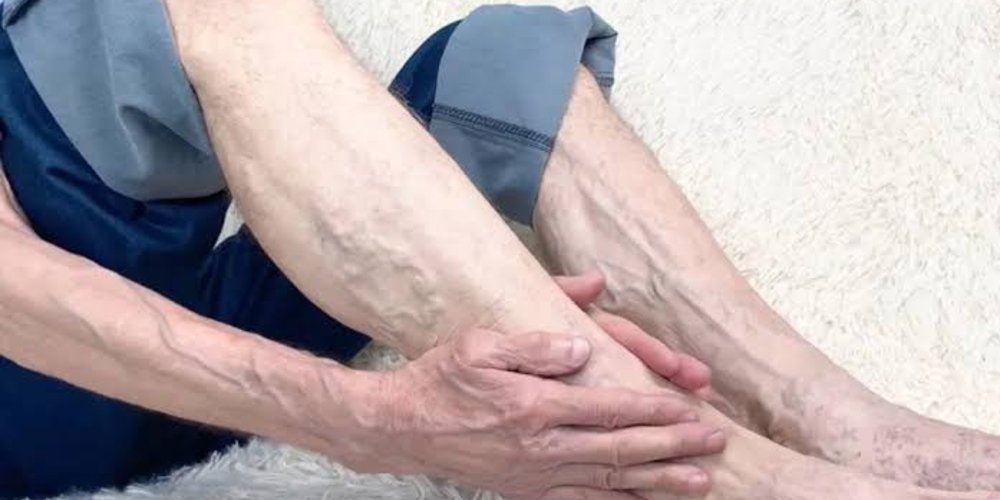
When a deep vein is blocked, your body tries to reroute the blood through smaller surface veins to relieve the pressure. These superficial veins are not designed to handle massive blood volume. They will suddenly distend, bulge outward, and become highly visible.
Unlike normal varicose veins, which develop over years, these bulging veins appear rapidly. They may also feel hard or rope-like when you gently touch them.
8. Pain That Worsens When You Flex Your Foot
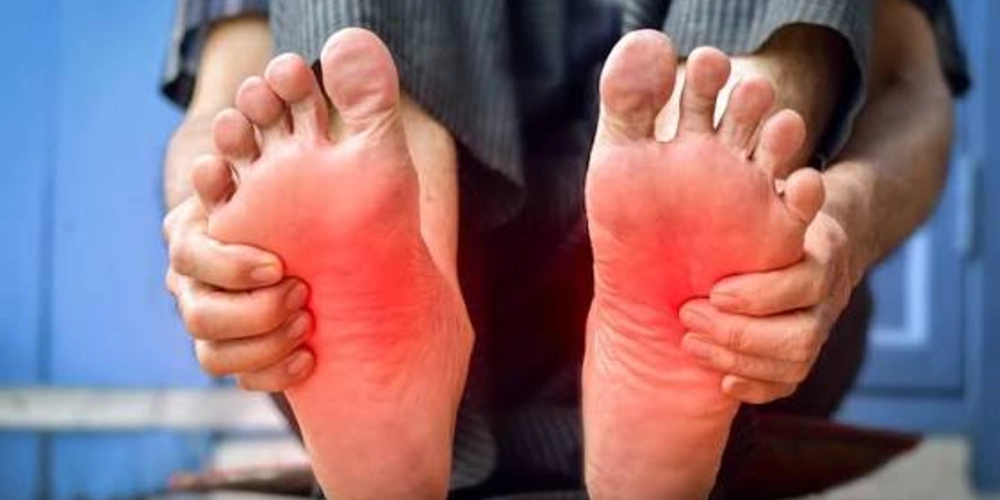
Medical professionals refer to this as a positive Homan’s sign. When you stretch your leg out straight and pull your toes back toward your shin, it compresses the main veins in your calf. If a clot is present, this simple movement will trigger a sharp, stabbing pain.
While not foolproof, a positive Homan’s sign is a strong clinical indicator used by doctors to justify an ultrasound. You can carefully perform this test while sitting on the edge of your bed.
Everyone’s body responds differently, so check with your doctor before trying any self diagnostic tests if you have an existing vascular condition or take blood thinning medication.
9. A Heavy Feeling In Your Leg After Standing

Pooling blood literally adds physical weight to your lower extremity. If you have a partial blockage, you might not have extreme pain, but your leg will feel like it is encased in lead. This sensation usually sets in after standing for more than a few minutes.
The heavy feeling occurs because gravity is working against your already compromised venous system. You might find yourself unconsciously shifting all your weight to your healthy leg.
10. Unexplained Leg Itchiness
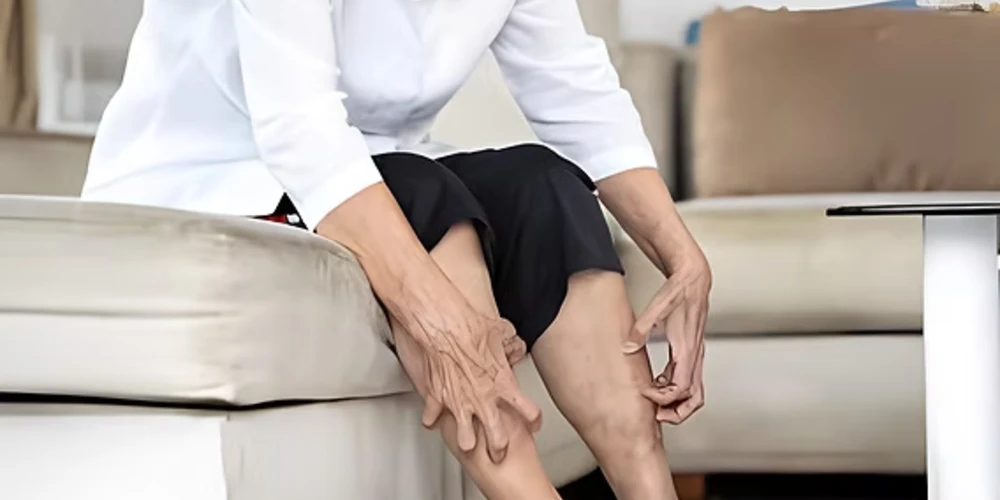
Chronic poor blood flow forces microscopic amounts of blood to leak into the surrounding skin tissue. The iron in the red blood cells irritates the skin from the inside out. This causes a deep, persistent itch that no amount of scratching can relieve.
This symptom often precedes visible swelling by several days. If you find yourself constantly rubbing your lower leg for no clear reason, a clot could be forming.
11. Swelling That Pits When Pressed
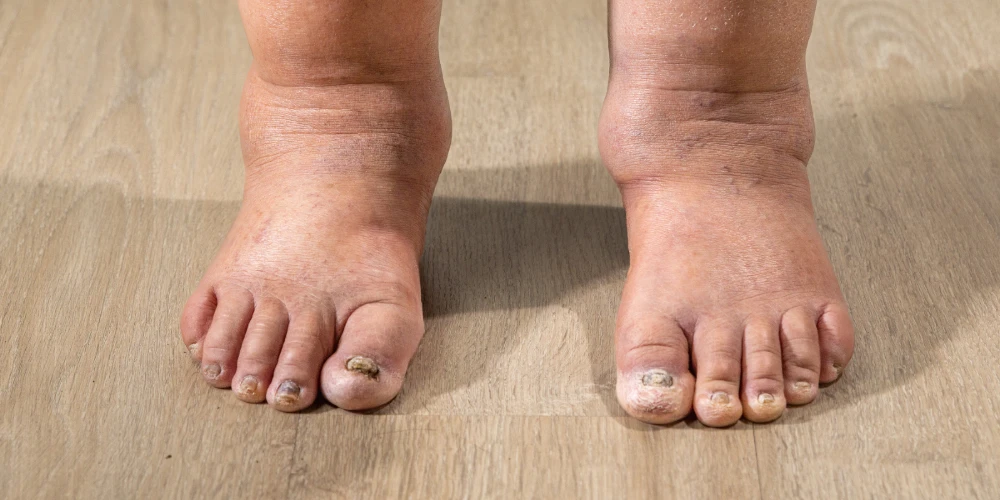
Edema caused by a blood clot is usually rich in proteins and fluids that accumulate in the soft tissue. If you press your thumb firmly into the swollen area for five seconds and release it, a visible indentation may remain. Doctors call this pitting edema.
This indicates that fluid is actively leaking out of your vascular system due to high internal pressure. It is a classic warning sign that your circulation is severely compromised.
12. Sudden Leg Weakness Or Buckling
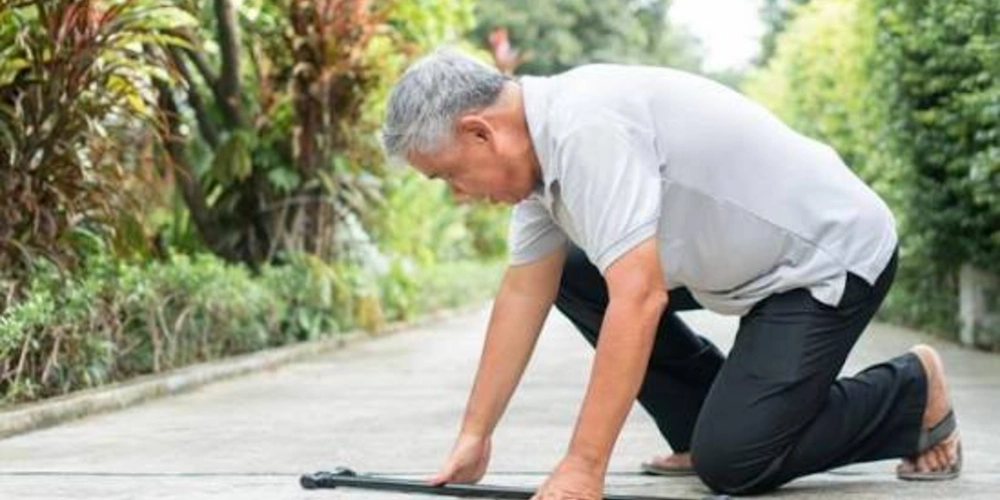
A muscle deprived of oxygen and proper blood flow cannot contract efficiently. You might experience a sudden sensation of weakness, as if your leg is about to give out beneath you. This buckling feeling can happen while walking up stairs or simply standing in your kitchen.
This weakness is a protective neurological response to the internal pressure and lack of oxygen. It is your body forcing you to sit down and stop using the compromised limb.
| Risk Factor | Why It Increases Clot Risk After 50 | Actionable Step |
| Prolonged Sitting | Gravity causes blood to pool in stagnant lower legs | Set a timer to walk every hour |
| Recent Surgery | Trauma triggers the body to increase clotting factors | Follow post op movement plans strictly |
| Dehydration | Blood thickens and becomes highly viscous | Drink water consistently all day |
| Extra Weight | Increases physical pressure on pelvic and leg veins | Focus on gentle daily mobility |
13. A Tight Band Sensation Around The Calf
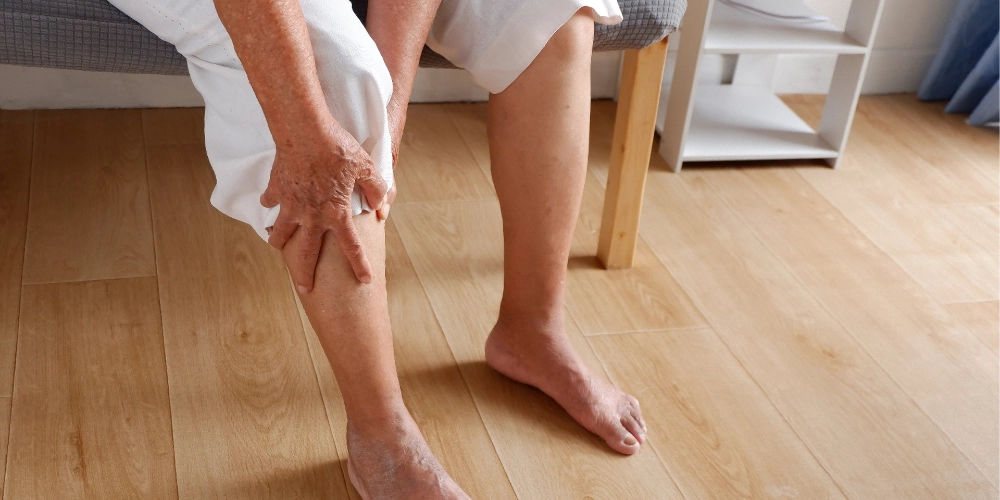
Rapid internal swelling stretches the thin layer of fascia that surrounds your leg muscles. This creates a sensation similar to having a tight rubber band wrapped firmly around your calf or thigh. The pressure feels constricting rather than purely painful.
This symptom often worsens as the day goes on and gravity takes its toll. It is a clear sign that fluid volume inside the leg is expanding dangerously.
14. Skin That Appears Unusually Shiny
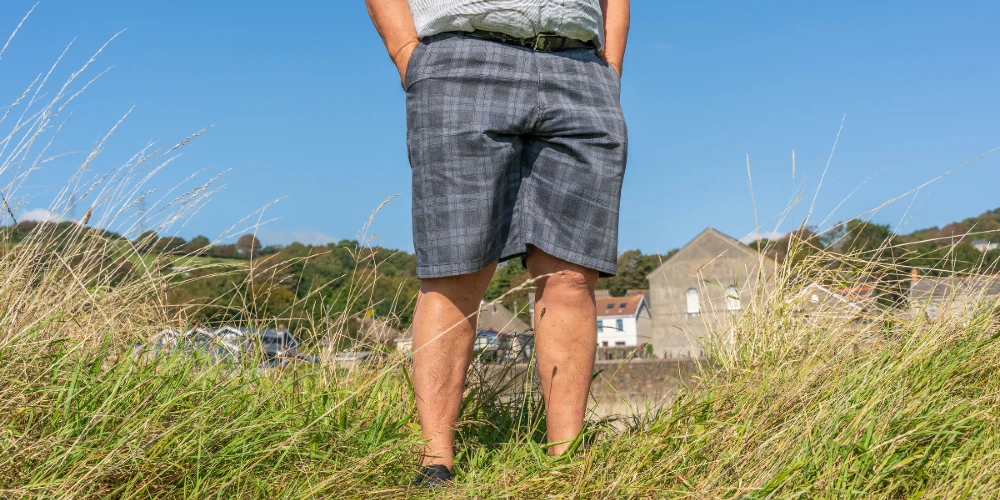
When severe swelling stretches the epidermis to its maximum capacity, the skin loses its normal texture. It takes on a stretched, glossy, and shiny appearance. You might also notice that the hair follicles on your leg look more pronounced or stretched apart.
Shiny skin indicates that the swelling is acute and happening faster than the skin can safely accommodate. This requires a professional medical evaluation immediately.
15. Mild Shortness Of Breath With Leg Pain

This combination is a massive red flag. If you have a mild leg ache accompanied by unexplained breathlessness, a piece of the clot has likely broken off. It has traveled through your heart and lodged in your pulmonary artery.
This is a pulmonary embolism, and it is the exact reason vascular surgeons view blood clots as silent killers. Do not wait to see if your breathing improves.
When To See A Doctor Immediately
Stop reading and call for emergency medical help if you experience any of the following warning signs.
- Sudden difficulty breathing or gasping for air.
- Sharp chest pain that worsens when you take a deep breath or cough.
- Coughing up blood or pink, foamy mucus.
- Extreme lightheadedness, dizziness, or a sudden fainting spell.
- Rapid heart rate combined with a swollen, discolored leg.
16. Localized Tenderness Over A Vein
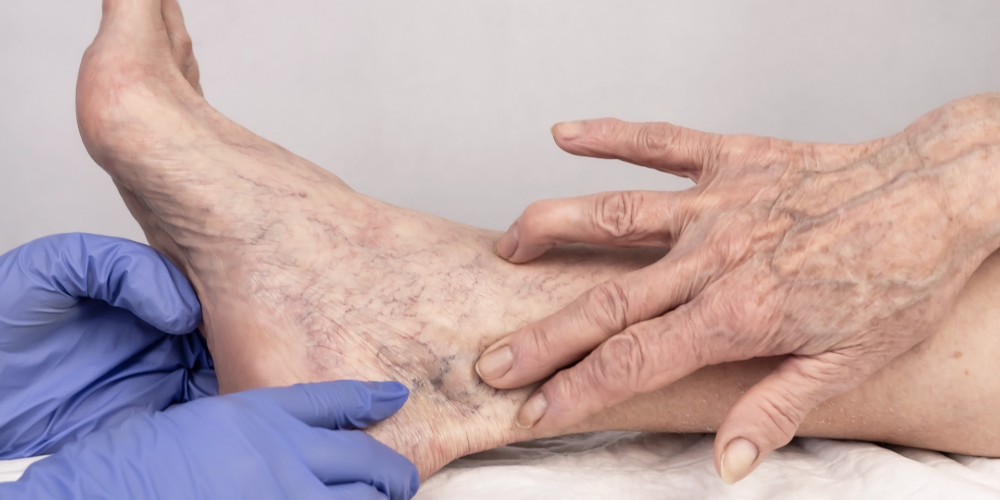
Sometimes the pain of a blood clot is incredibly specific. You might find a single spot on your inner thigh or calf that feels extremely tender to a light touch. This happens when the clot is positioned close to the surface, irritating the nerve endings right above the vein.
The tenderness usually follows the anatomical path of the vein. Tracing the sore spot often reveals a straight line of pain running up your leg.
Try This Daily Habit For Vein Health
- Perform ankle pumps: While sitting, point your toes down toward the floor, then flex them up toward the ceiling for 20 repetitions.
- Stay hydrated: Drink a large glass of water first thing in the morning to thin out sluggish overnight blood.
- Elevate your legs: Spend 15 minutes each evening lying flat with your feet propped on a pillow above heart level.
- Avoid tight clothing: Skip socks with tight elastic bands that compress your calf and restrict venous return.
17. Pain That Drastically Improves When Elevated

Gravity is the main enemy of a compromised vein. If you lie on the couch and prop your affected leg on three pillows, the pain and heavy sensation might vanish within minutes. The elevation uses gravity to drain the pooled blood away from the blockage.
While this brings temporary relief, it confirms that your symptoms are vascular in nature. The pain will return almost immediately once you stand back up.
18. A Low-Grade Fever Accompanying Leg Fatigue

Your body treats a large blood clot like a low-grade pathogen or a major injury. The systemic immune response can easily trigger a low grade fever ranging from 99 to 100 degrees Fahrenheit. Many older adults mistake this combination of fever and muscle fatigue for the flu.
If you have a mild fever but no respiratory symptoms or sore throat, check your legs. A hidden deep vein thrombosis could be the true culprit behind your elevated temperature.
| Habit | Impact On Vein Health | Why It Matters |
| Crossing Legs | Harmful | Compresses the popliteal vein and blocks upward blood flow |
| Walking Daily | Helpful | The calf muscle acts as a pump to push blood back to the heart |
| Smoking | Harmful | Damages blood vessel linings and accelerates blood coagulation |
| Calf Stretches | Helpful | Keeps the muscle fascia flexible and promotes deep circulation |
Protecting your vascular health after 50 requires paying close attention to what your body is quietly telling you. A blood clot does not always announce itself with dramatic swelling or excruciating pain. Often, it relies on subtlety to grow unnoticed.
By recognizing these 18 signs, you can catch a minor blockage before it transforms into a life-threatening emergency. Listen to your legs, trust your instincts, and never attempt to massage a stubborn calf cramp away.
