

A new bruise, patch of itchy skin, or strange change in your nails can seem like another normal part of getting older. But some signs on your skin after 50 can trace back to your liver, especially when several appear together or come with fatigue, swelling, dark urine, or yellowing of the eyes.
Liver disease can stay quiet for years. The liver performs hundreds of important jobs. It helps process nutrients, removes waste products from the blood, produces proteins involved in blood clotting, regulates certain hormones, and makes bile that helps the body digest fats.
Persistent itching, unusual bruising, spider-like blood vessels, redness of the palms, changes in the nails, or yellowing of the skin and eyes may deserve closer attention.
1. Yellowing That Shows Up in Your Skin or Eyes
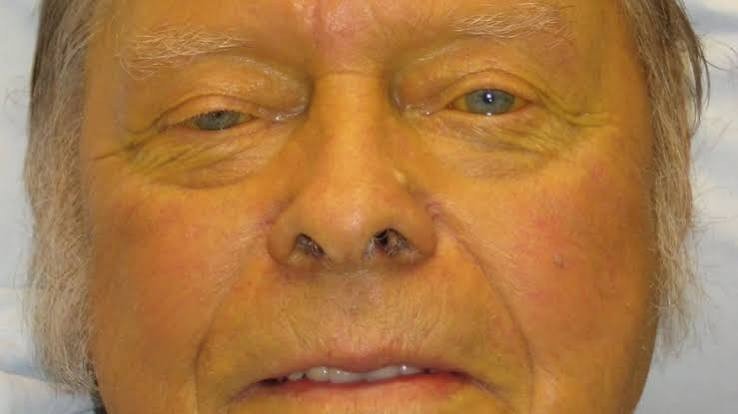
Jaundice is one of the better-known liver clues. It happens when bilirubin, a yellow pigment produced as old red blood cells are broken down, accumulates faster than the body can process and remove it.
Doctors often notice the whites of the eyes as well as the skin. Jaundice generally becomes clinically visible when bilirubin rises above roughly 2 to 2.5 milligrams per deciliter, although how obvious it looks varies with skin tone and lighting.
New jaundice after 50 deserves medical evaluation rather than watchful waiting because liver inflammation, cirrhosis, bile duct obstruction, blood disorders, and other conditions can all cause it.
2. Intense Itching When There Is No Obvious Rash

Itching caused by liver disease can be confusing because the skin may initially look normal. The American Academy of Dermatology notes that liver-related itching may begin around the palms or soles before spreading elsewhere.
This is especially relevant in conditions that interfere with bile flow. Primary biliary cholangitis, for example, commonly causes itching and fatigue, sometimes before more obvious signs of liver disease appear.
If persistent itching has no clear explanation from dry skin, eczema, allergy, medication, or another condition, mention it during a medical visit.
3. Scratch Marks That Keep Returning
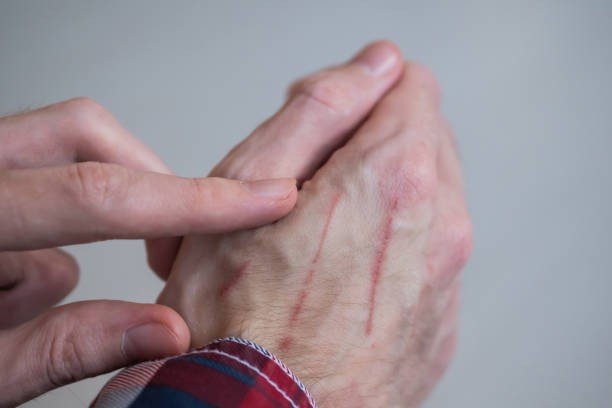
The itch itself may leave another clue. Repeated scratching can produce excoriations, crusts, thickened areas, or small wounds even though there was no original rash.
Reviews of chronic liver disease describe these secondary scratch changes in people with prolonged pruritus. They are particularly relevant when the itching is widespread, worse at night, or concentrated on the palms and soles.
Moisturizer may reduce irritation, but repeated unexplained scratching should prompt a search for the cause rather than treating the marks alone.
4. Tiny Spider-Shaped Blood Vessels
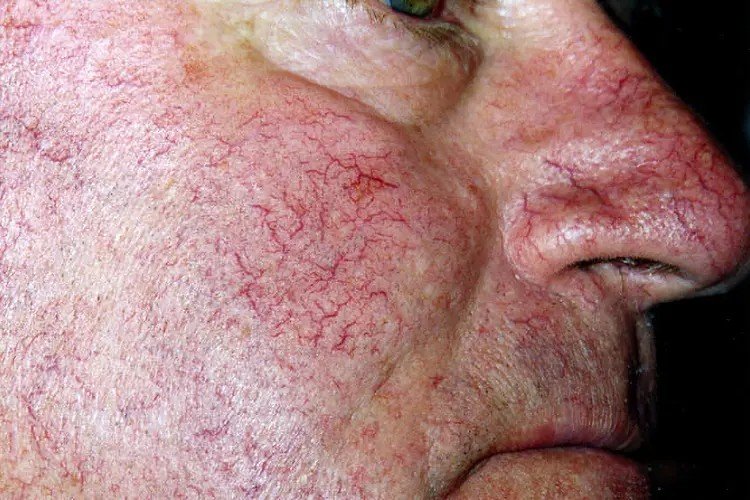
Spider angiomas usually have a small red center with tiny vessels spreading outward. When pressed, the spot may temporarily blanch before filling again. One or two can occur in healthy people, which is why doctors do not diagnose liver disease from a single spot.
Multiple spider angiomas, especially across the upper chest, face, arms, or shoulders, are recognized physical findings in cirrhosis and may reflect altered vascular tone and hormone metabolism.
A sudden increase in these vessels is more useful information for a clinician than one that has been present unchanged for years.
5. Palms That Look Unusually Red
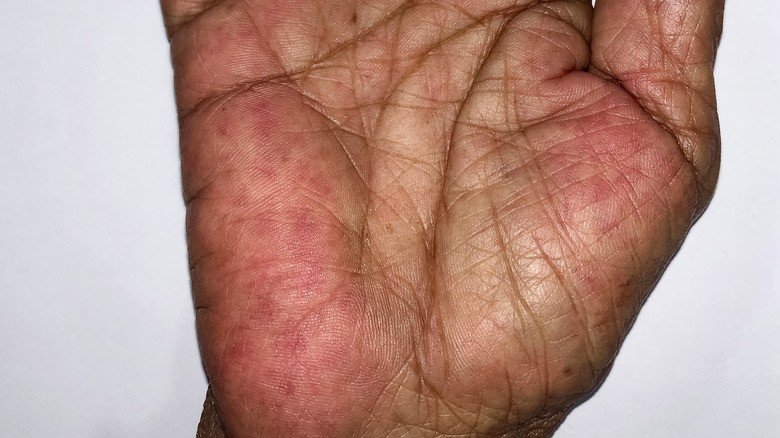
Persistent redness across the fleshy areas beneath the thumb and little finger is called palmar erythema. It can occur when surface blood vessels become more dilated.
Cirrhosis is one possible cause, and altered circulation and increased circulating estrogen have been proposed as contributing mechanisms. Rheumatoid arthritis, thyroid problems, pregnancy, and other conditions can also produce red palms.
After 50, a new, unexplained change, particularly when red palms appear with spider angiomas, easy bruising, or jaundice.
6. Bruises That Appear Much More Easily
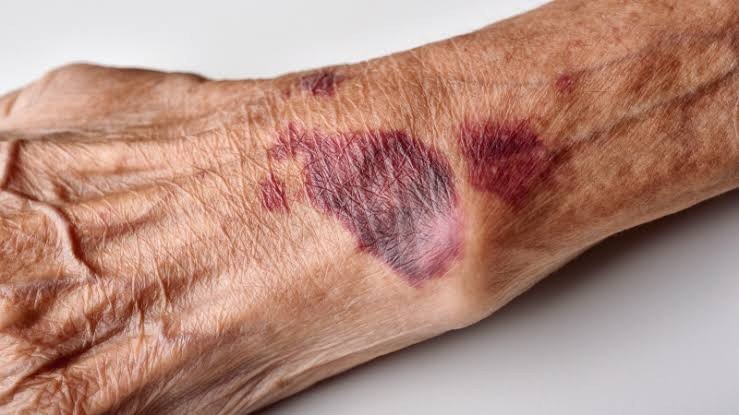
The liver produces several proteins involved in blood clotting. Advanced liver dysfunction can interfere with that process, while portal hypertension may also contribute to low platelet counts.
That helps explain why cirrhosis can cause easier bruising or bleeding. Both NIDDK and Mayo Clinic list easy bruising or bleeding among signs that may emerge as liver disease progresses.
Blood-thinning medicines, aspirin, fragile aging skin, platelet disorders, and many other conditions can do the same thing. A noticeable change from your personal baseline is what deserves attention.
7. Tiny Red or Purple Spots That Do Not Blanch
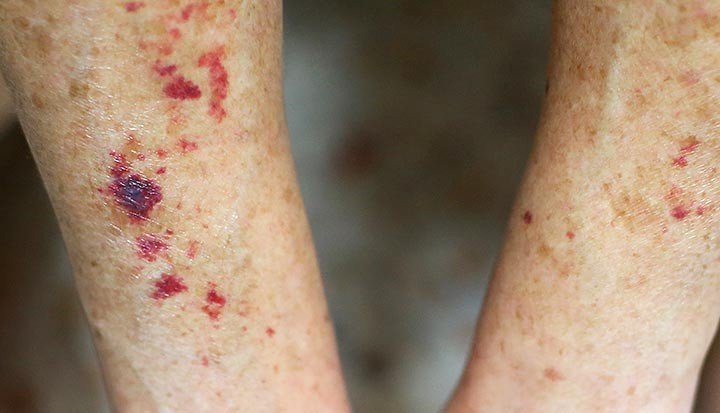
Petechiae are pinpoint red or purple spots caused by small amounts of bleeding beneath the skin. Larger purple patches may be described as purpura.
They have many possible causes, but petechiae and purpura are among the skin findings doctors may see with advanced liver disease, particularly when clotting abnormalities or low platelet levels develop.
Widespread new spots, especially with bleeding from the gums or nose, should not simply be blamed on age.
8. Enlarged Veins Spreading Across the Abdomen
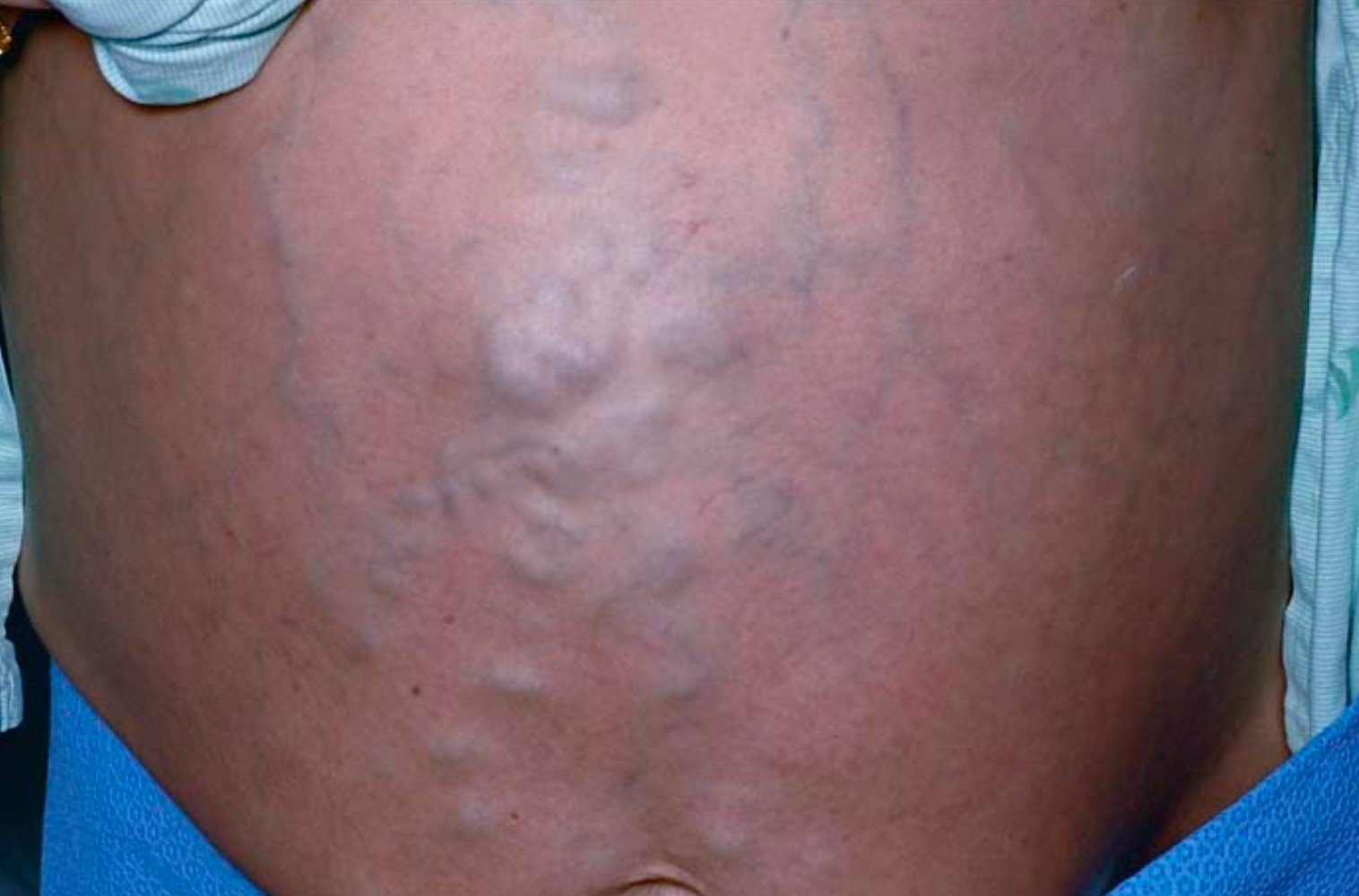
Prominent veins around the belly button can sometimes form a radiating pattern known as caput medusae. This happens when increased pressure in the portal circulation forces blood to find alternate routes through veins near the abdominal wall.
Portal hypertension is most commonly associated with advanced chronic liver disease, although other conditions can cause it. Reviews of cirrhosis describe these enlarged abdominal veins as an important visible vascular finding.
This is very different from simply being able to see a few superficial veins through thin skin.
9. Yellowish Fatty Bumps on the Skin
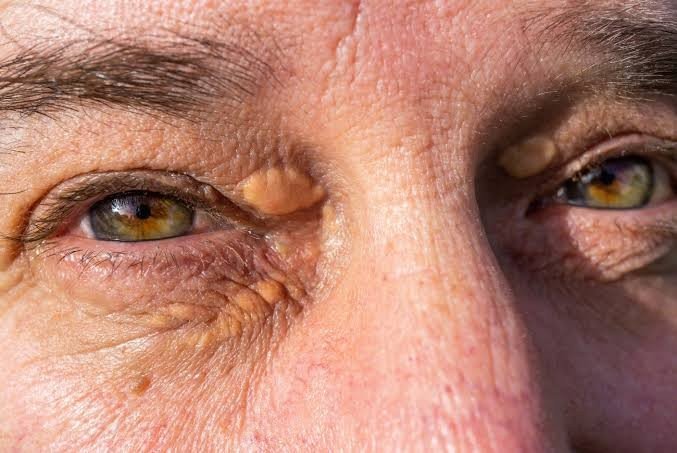
Yellow or yellow-orange bumps called xanthomas form when lipids accumulate in the skin. They can occur for several reasons, including abnormalities in cholesterol metabolism.
They are particularly associated with chronic cholestatic disorders such as primary biliary cholangitis. NIDDK lists yellow fatty deposits called xanthomas among findings that may develop as primary biliary cholangitis progresses.
Because high cholesterol and inherited lipid disorders can also cause xanthomas, doctors normally investigate both liver function and lipid levels.
10. Yellow Deposits Around the Eyelids
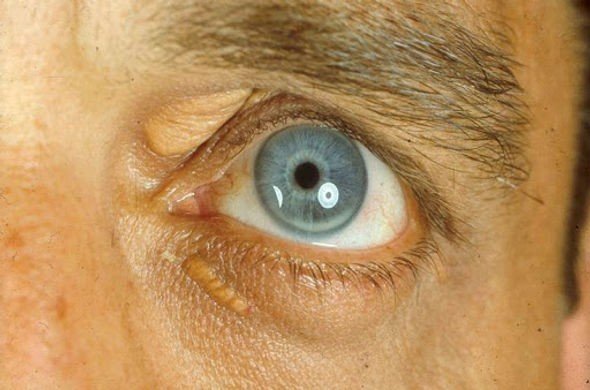
When similar lipid deposits form around the eyelids, they are called xanthelasma. They tend to look like soft yellow plaques near the inner corners of the eyes.
Xanthelasma is not proof of liver disease, but clinicians may consider chronic cholestasis when it appears with itching, jaundice, or abnormal liver tests. Merck lists xanthelasma and xanthomas among skin findings associated with chronic cholestasis.
After 50, these deposits are worth discussing during routine care because cholesterol abnormalities are another common explanation.
11. Skin That Gradually Becomes Darker Without More Sun
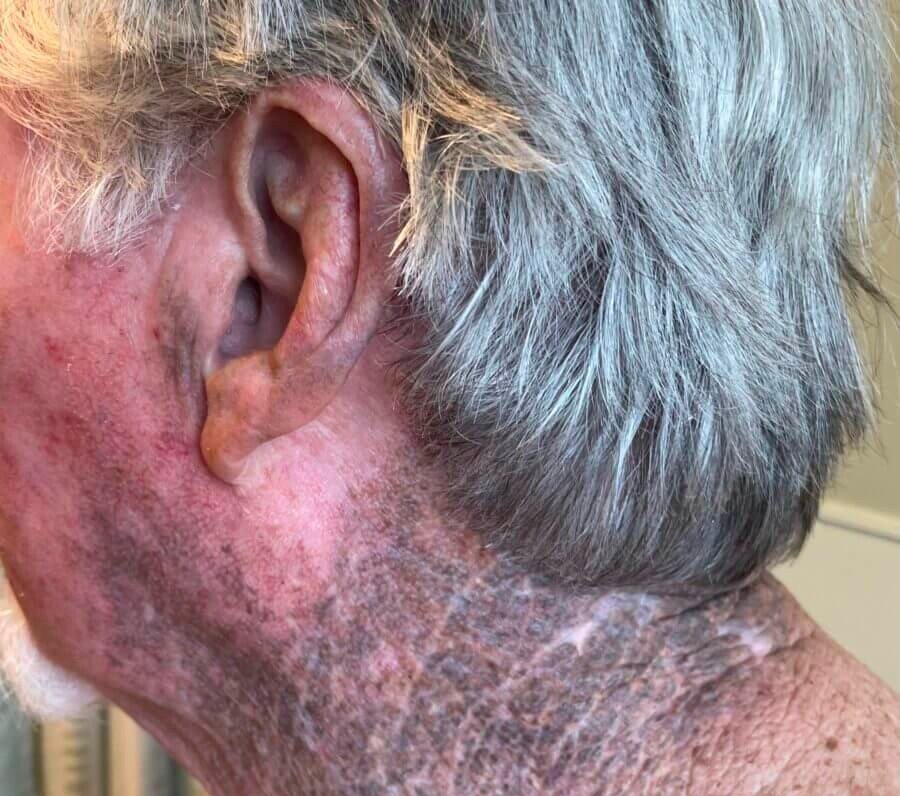
Diffuse hyperpigmentation can develop in certain liver and bile duct disorders. Primary biliary cholangitis, for example, can cause increasing skin pigmentation as the disease advances.
This is different from individual age spots. The concern is a broader change in pigmentation that does not match recent sun exposure.
Medication effects, endocrine disorders, inflammation, and normal variation are common alternatives, so pigmentation alone is never enough for a liver diagnosis.
12. A Bronze, Gray, or Metallic Skin Tone
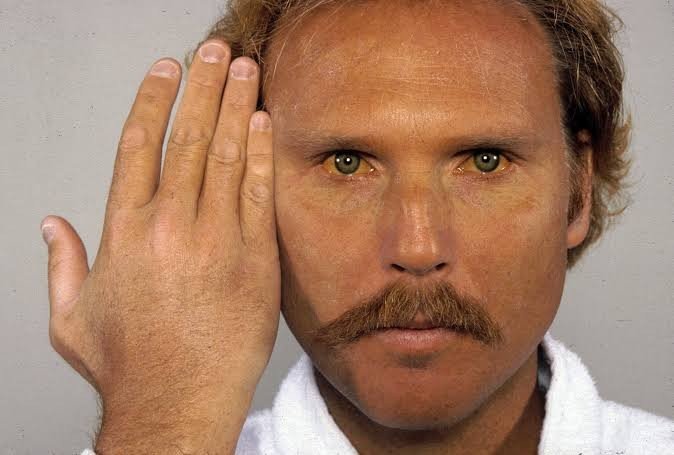
A bronze or gray cast to the skin can be an important clue to hemochromatosis. In this condition, the body absorbs and stores excessive iron, which can eventually damage the liver as well as the pancreas, heart, joints, and other organs.
NIDDK notes that symptoms commonly begin after age 40 and can include skin that appears gray, metallic, or bronze.
The liver itself is turning the skin bronze. Rather, iron overload affects both the skin and the liver, which is why doctors may order iron studies when the pattern fits.
13. Fingernails That Turn Mostly White
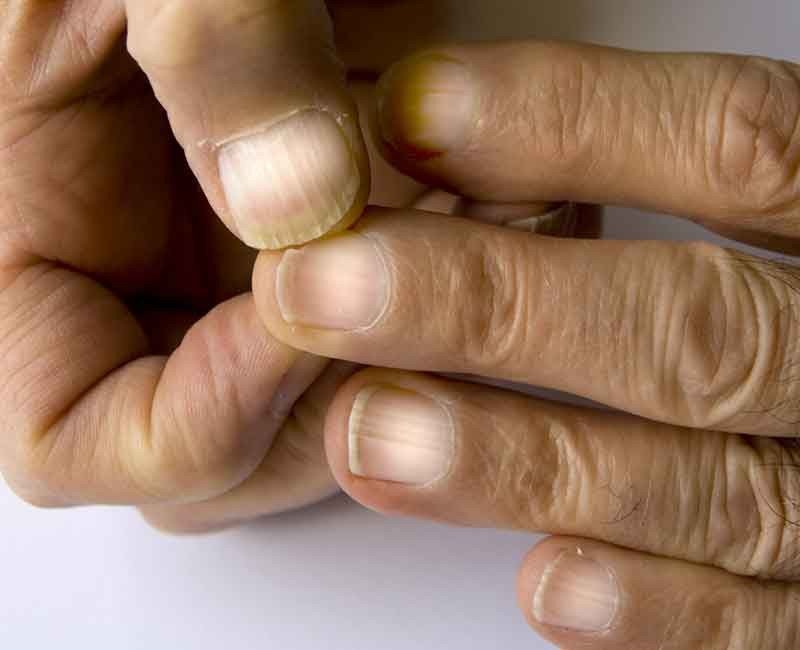
Terry nails have a mostly white or pale nail bed with a narrow pink or brown band near the tip. The normal crescent near the base of the nail can also become difficult to see.
They have a recognized association with cirrhosis, although they also occur with heart failure, kidney disease, diabetes, and normal aging. One modern review reported a strong statistical association between Terry nails and cirrhosis while emphasizing that they remain nonspecific.
That distinction matters after 50 because an isolated pale nail is far less concerning than widespread nail changes accompanied by other liver clues.
14. Paired White Lines Across Several Nails
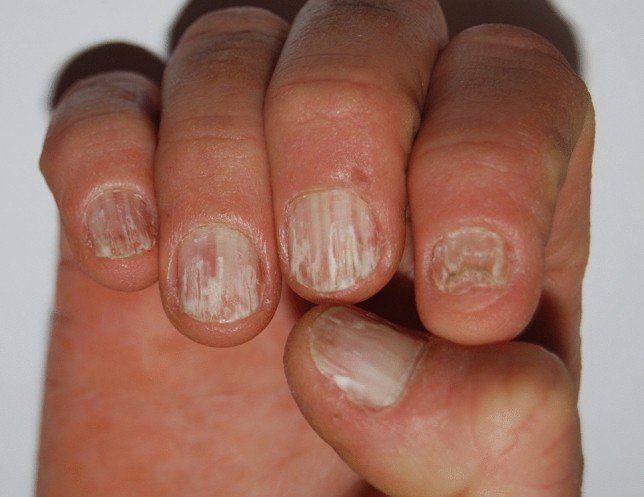
Muehrcke lines appear as paired pale bands running across the nail bed. Unlike damage growing out with the nail, the bands can fade when pressure is applied.
They have been associated with low albumin, a protein produced by the liver, and may occur in people with cirrhosis. Kidney disease, chemotherapy, and other illnesses can also produce them.
New bands across several nails are therefore a reason to look beyond cosmetic nail care.
15. Fingertips Becoming Rounder and More Bulbous
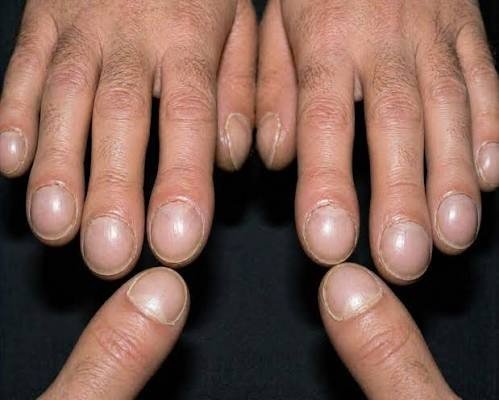
Finger clubbing causes the fingertips to widen and the nails to curve more noticeably around them. It usually develops gradually rather than overnight.
Clubbing can occur in some people with advanced liver disease or biliary cirrhosis, possibly in connection with abnormal circulation or blood flow through the lungs.
However, lung disease, heart disease, infection, and inflammatory bowel disease are also major causes. New clubbing deserves medical attention even when there are no other liver symptoms.
16. Noticeable Loss of Body Hair
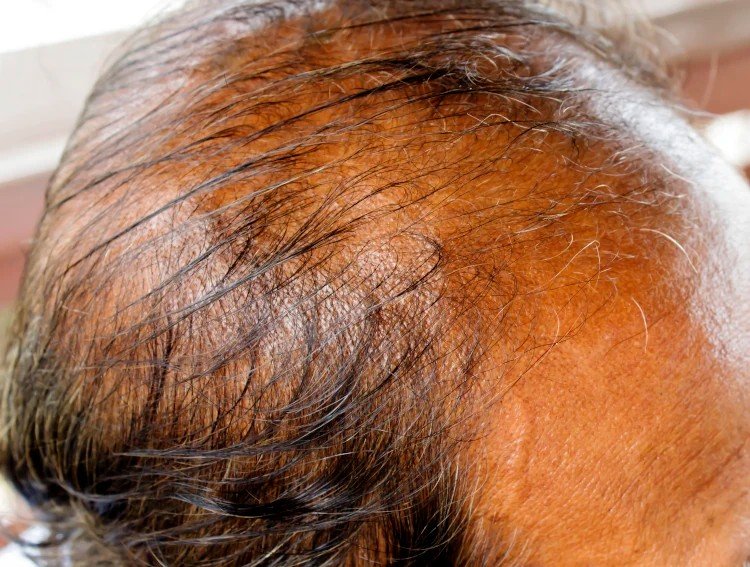
Advanced cirrhosis can interfere with normal hormone metabolism. In some people, that contributes to reduced hair in areas such as the chest, armpits, or pubic region.
Merck and Cleveland Clinic both include decreased body hair among physical findings that may accompany chronic liver disease, particularly alcohol associated cirrhosis.
Age, menopause, testosterone changes, thyroid problems, medications, and nutritional deficiencies can also alter hair growth, so the pattern needs context.
17. Fragile Skin or Blisters on the Backs of Your Hands
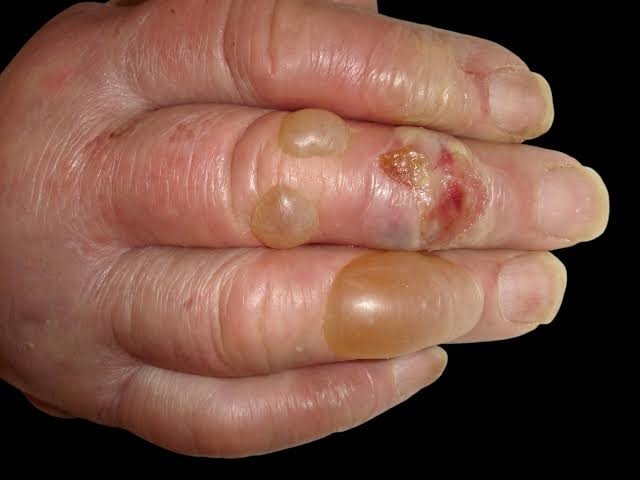
Blisters on sun-exposed hands may seem unrelated to the liver, but they are a classic feature of porphyria cutanea tarda. The condition develops when activity of a liver enzyme involved in heme production becomes impaired.
The backs of the hands can become unusually fragile, develop fluid or blood-filled blisters, heal slowly, or leave pigment changes. Porphyria cutanea tarda is associated with hepatitis C, iron overload, excessive alcohol exposure, estrogen use, and other factors affecting the liver.
Because people often develop the acquired form in their 40s or 50s, unexplained recurring hand blisters are worth investigating.
| If you notice this | A doctor may consider | What usually helps clarify it |
|---|---|---|
| Fragile blistering hands | Porphyria cutanea tarda | Porphyrin tests, iron studies, hepatitis testing |
| Bronze pigmentation | Hemochromatosis | Ferritin and transferrin saturation |
| Yellow bumps plus itching | Primary biliary cholangitis | Liver tests and antimitochondrial antibodies |
| Purple raised spots | Vasculitis, including HCV-related cryoglobulinemia | Blood, urine, hepatitis, and immune testing |
| Jaundice plus dark urine | Liver injury or blocked bile flow | Bilirubin, liver enzymes, imaging |
18. Purple, Flat, Intensely Itchy Patches
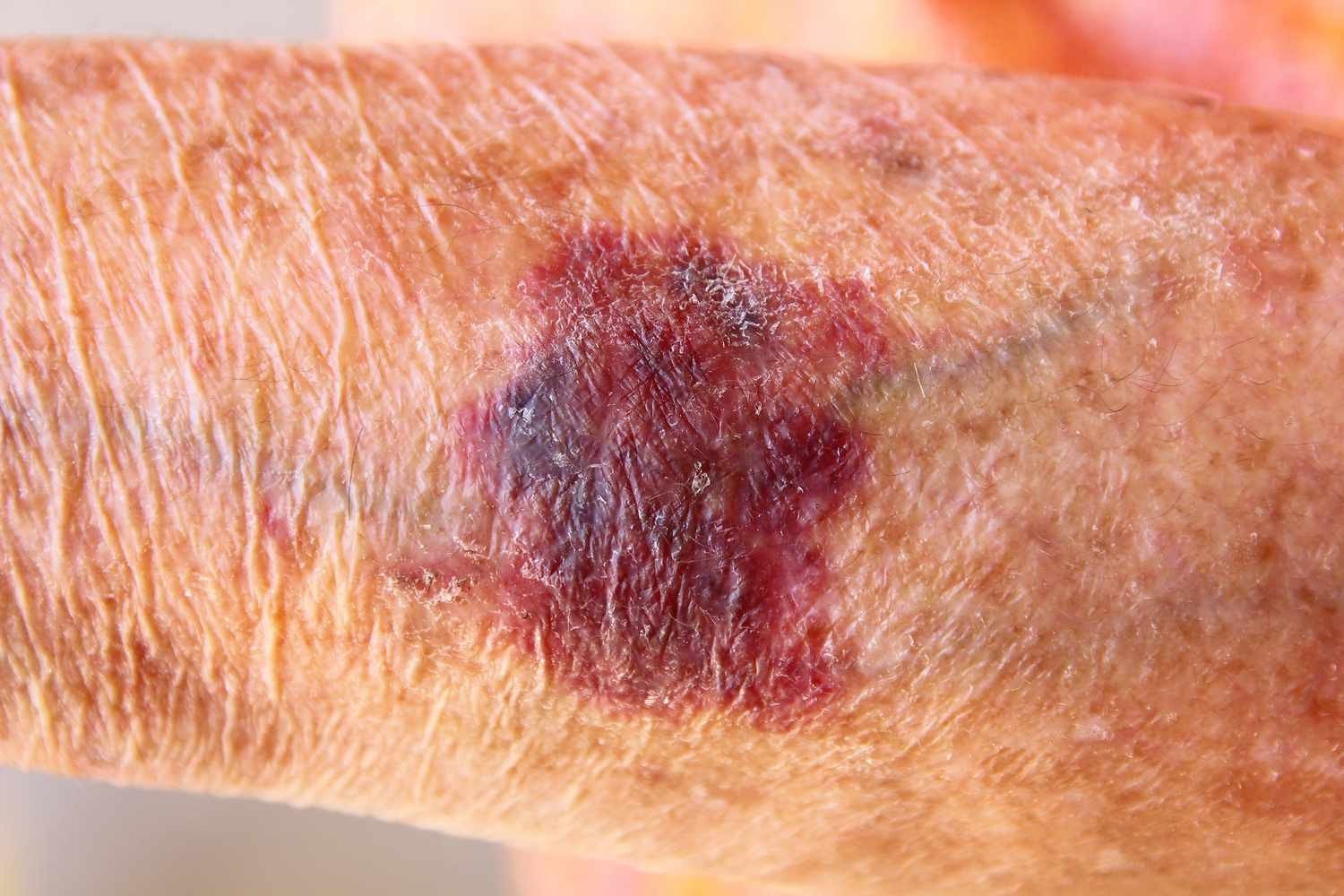
Lichen planus often produces flat-topped, purple or violet, itchy bumps, commonly around the wrists, ankles, or other flexor surfaces. It can also affect the mouth, scalp, nails, or genital area.
Lichen planus is an inflammatory disorder rather than a direct symptom of failing liver function. However, chronic hepatitis C has a documented association with lichen planus, which is why hepatitis testing may sometimes enter the discussion when the clinical history fits.
Most people with lichen planus do not have hepatitis C, so the appearance should trigger proper diagnosis rather than assumptions.
19. Raised Purple Spots Concentrated on the Lower Legs
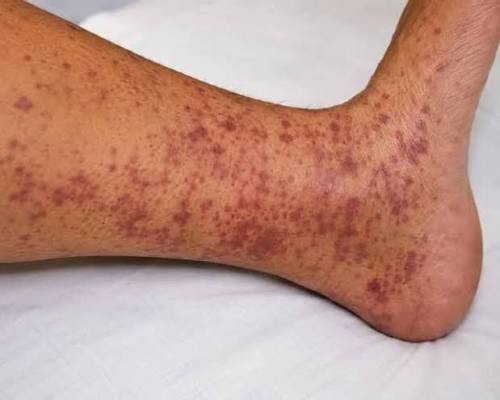
One of the more important hepatitis related clues is palpable purpura. These are raised purple or reddish spots caused by inflammation in small blood vessels rather than simple bruising.
Chronic hepatitis C can trigger cryoglobulinemic vasculitis, in which abnormal immune proteins contribute to blood vessel inflammation. Among people who develop HCV-related cryoglobulinemic vasculitis, palpable purpura is present in more than 90 percent and is frequently the first sign.
The spots often affect the lower legs and may occur alongside joint pain, fatigue, numbness, or kidney problems. This combination deserves prompt medical assessment.
