
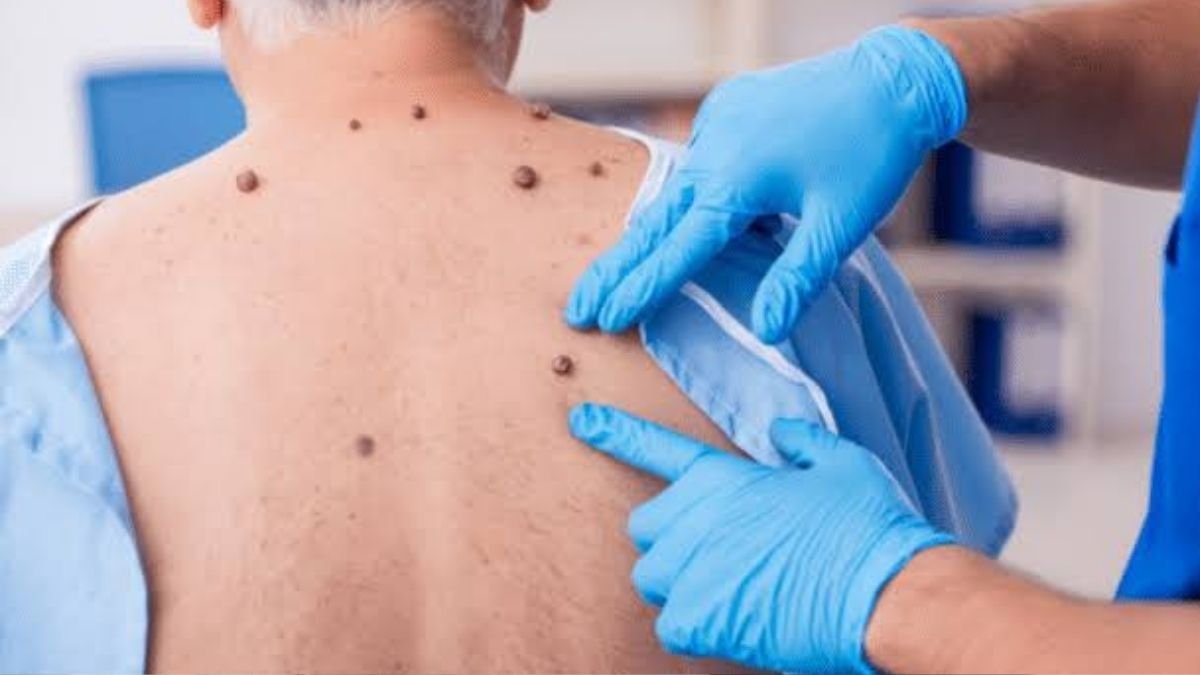
You may notice a new skin patch, sudden breakout, or texture change that does not improve with lotion. While many people focus on treating the skin from the outside, some changes can be linked to problems happening inside the body.
Your skin can sometimes give early clues about your liver, kidneys, heart, or other organs. Because it has a rich supply of blood vessels and nerves, changes on the skin may reflect what is happening deeper inside.
Here are 17 skin changes you should never ignore.
1. Yellowing of the Skin and Eyes (Jaundice)
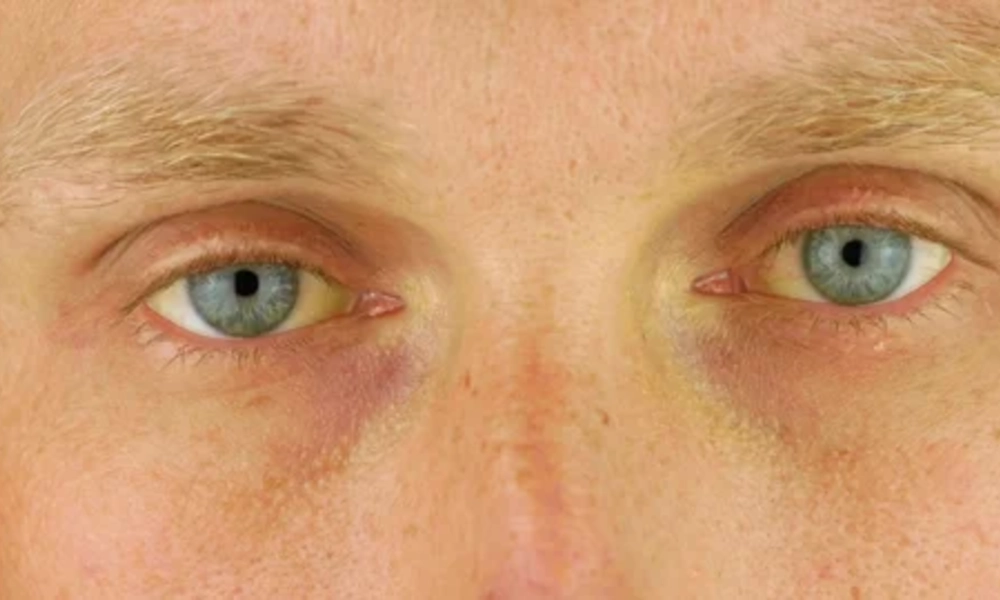
This is a classic sign that your liver or gallbladder is struggling to keep up. You might notice a subtle yellow tint in the whites of your eyes before it spreads to your skin.
When your liver is damaged, it fails to process a yellow waste product called bilirubin. This compound builds up in your bloodstream and eventually deposits itself into your skin tissue.
If you notice this yellowing, you need to schedule a liver enzyme blood test immediately. Do not wait for abdominal pain to appear.
2. Spider Angiomas (Tiny Star-Shaped Blood Vessels)
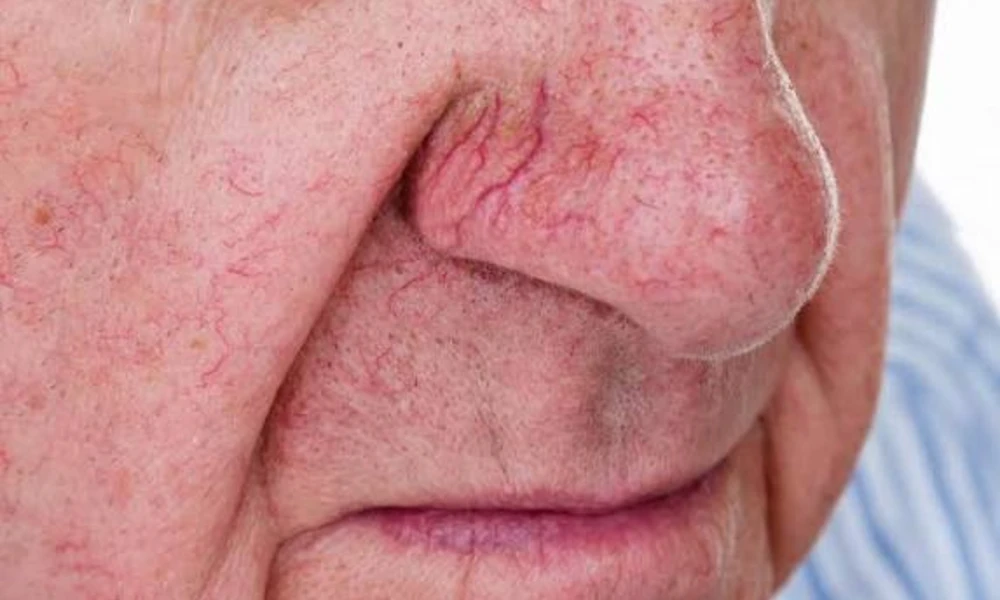
The painless red marks look like a central red dot with tiny blood vessels radiating outward like spider legs. You will typically find them on your face, neck, or upper chest.
Dermatologists often flag these as a sign of underlying liver disease or extreme hormonal imbalance. A healthy liver naturally filters and clears out excess estrogen from your blood. When the liver becomes sluggish or scarred, estrogen levels spike.
This excess estrogen causes your tiny capillaries to dilate and become permanently visible. If you find multiple spider angiomas, ask your doctor for a comprehensive metabolic panel to check your liver function.
3. Acanthosis Nigricans (Velvety Dark Patches)
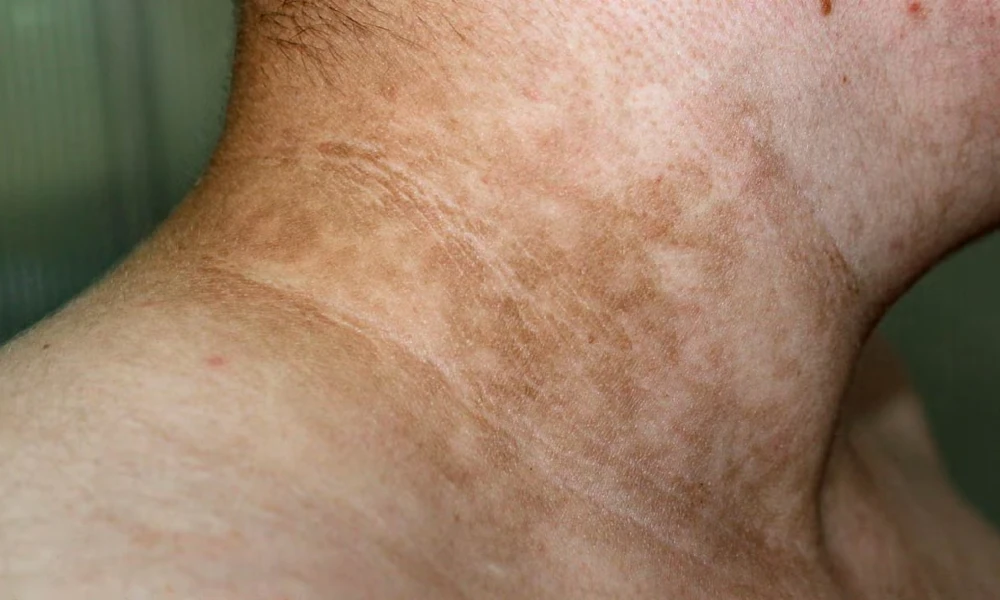
Dermatologists point to this specific skin change as a primary and urgent indicator of insulin resistance. You might notice thick and dark patches forming on the back of your neck, in your armpits, or around your groin.
When your body struggles to process glucose, it pumps out massive amounts of excess insulin to force your cells to respond. This high level of circulating insulin aggressively binds to specific receptors in your skin.
The hormone triggers your skin cells to reproduce at a rapid rate while producing extra pigment. The result is a darkened and velvety texture that cannot be scrubbed away. If you see this sign, ask your doctor for a fasting insulin test and an A1C check.
| Skin Change | Associated Organ System | Medical Meaning | Next Step |
|---|---|---|---|
| Velvety dark patches on neck | Pancreas and Metabolism | Severe insulin resistance | Request an A1C blood test |
| Star shaped red blood vessels | Liver | Excess estrogen buildup | Check liver enzyme levels |
| Yellowing skin and eye whites | Liver and Gallbladder | Bilirubin waste accumulation | Seek immediate medical care |
| Extremely itchy dry skin | Kidneys | Toxin buildup in blood | Request a kidney function panel |
4. A Sudden Outbreak of Skin Tags
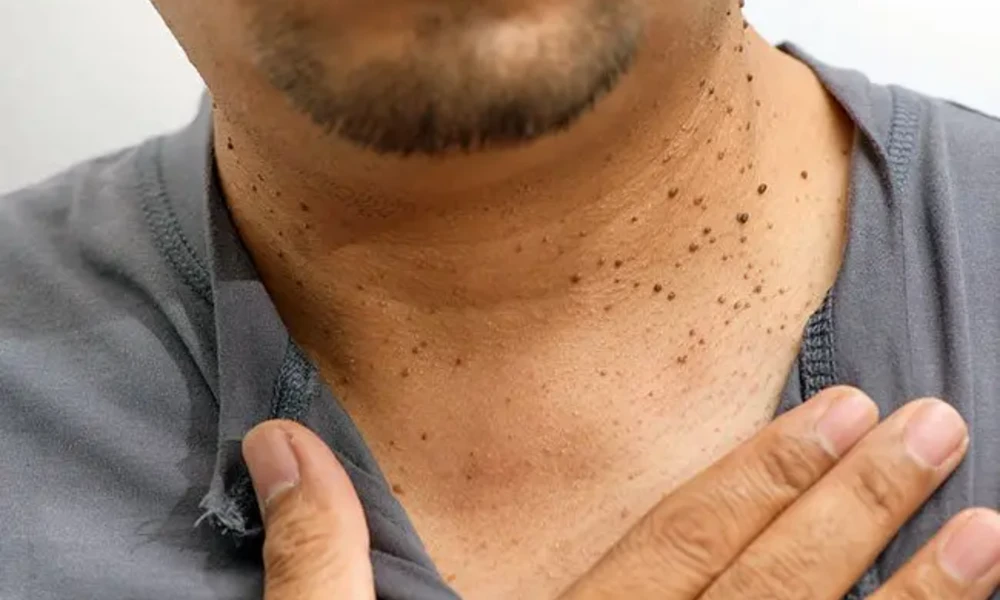
Most people view skin tags as a harmless annoyance that comes with age. However, a sudden crop of these fleshy growths around your neck or armpits tells a different story.
Medical studies link multiple skin tags directly to metabolic syndrome and pre diabetes. Just like the dark patches mentioned above, high insulin levels act as a growth factor for your skin tissue.
The constant hormonal stimulation causes benign tumors to sprout in areas of friction. Cutting back on processed carbohydrates and walking daily can help lower the insulin levels driving this growth.
5. Xanthelasma (Yellow Bumps on Eyelids)
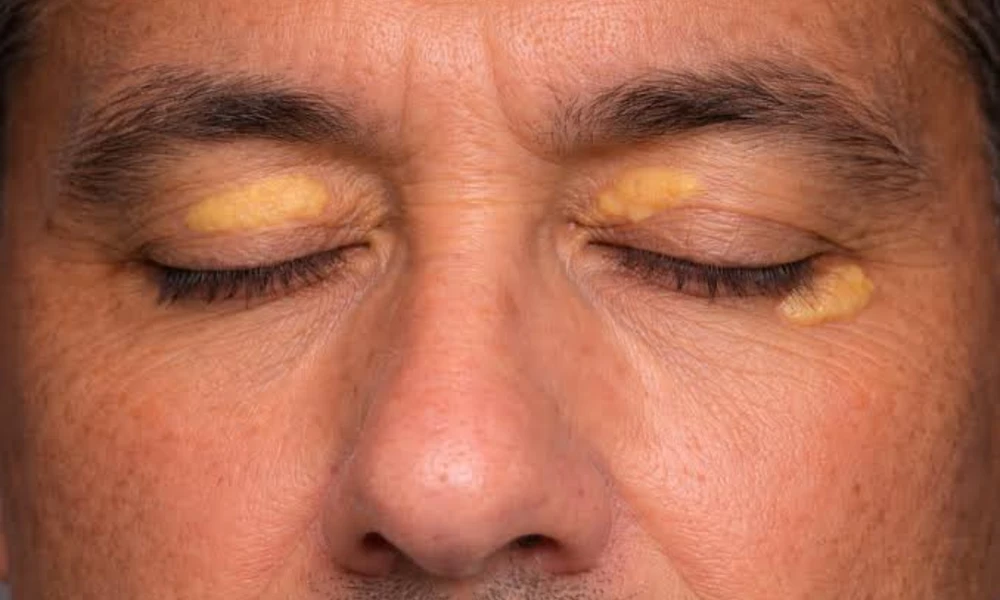
These soft and yellowish plaques usually appear on the inner corners of your upper and lower eyelids. They are completely painless and grow very slowly over time.
These bumps are actually localized deposits of cholesterol beneath your skin. When your lipid levels are dangerously high, immune cells called macrophages engulf the excess fat.
These fat filled cells gather in the delicate skin of your eyelids. If you spot these yellow plaques, you need a full lipid panel to evaluate your risk for heart disease.
6. Extremely Dry and Itchy Skin (Uremic Pruritus)
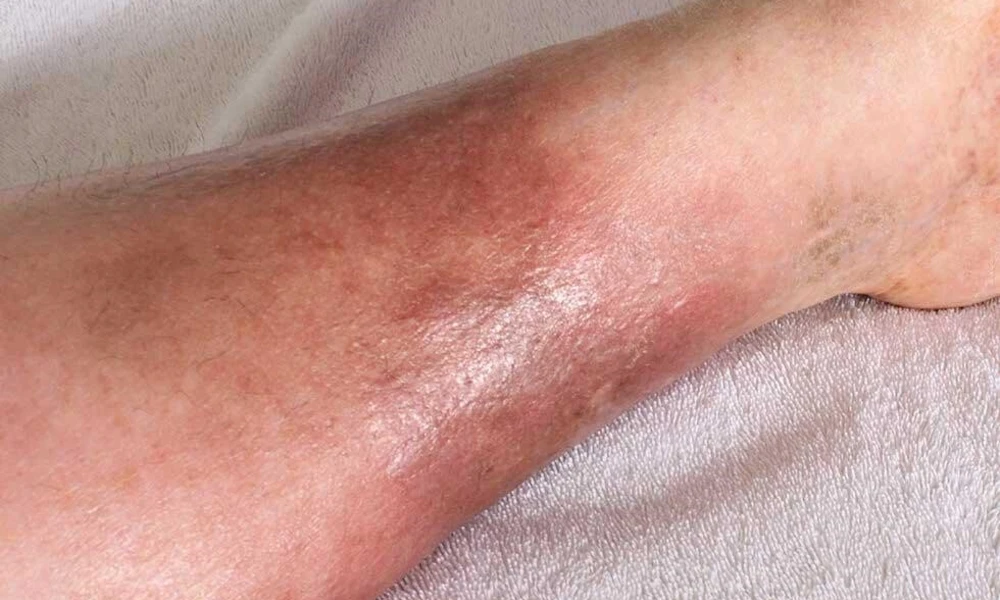
We all experience dry skin during winter months. But if your skin feels thick, rough, and violently itchy regardless of the moisturizer you use, your kidneys might be failing.
Healthy kidneys filter toxins and extra phosphorus out of your blood. When kidney function drops, these metabolic waste products accumulate rapidly.
The toxins seep into your skin tissues, causing an intense internal itch that scratching cannot relieve. Focus on drinking plenty of plain water and ask a nephrologist to check your glomerular filtration rate.
7. The Butterfly Rash (Malar Rash)

This distinctive red rash spreads across the bridge of your nose and fans out over both cheeks. It resembles the shape of a butterfly and often flares up after sun exposure.
Rheumatologists recognize this as a hallmark sign of Lupus, a systemic autoimmune disease. Your immune system mistakenly produces antibodies that attack your own healthy tissues.
The inflammation damages the small blood vessels in your face, causing the persistent red flush. If you develop this rash alongside joint pain, you should request an autoimmune screening.
Everyone’s body responds differently, so check with your doctor before trying any new health interventions if you have an existing condition or take medication.
8. Pretibial Myxedema (Waxy Lumps on Shins)
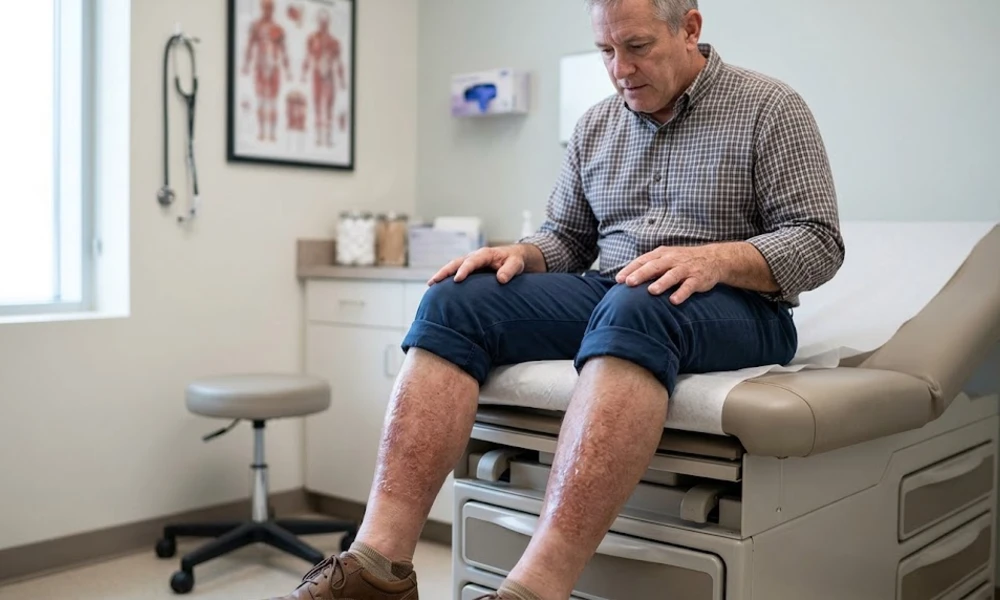
This rare condition causes the skin on your lower legs to become thick, waxy, and swollen. It may look similar to an orange peel and feel firm to the touch.
This specific skin change is closely associated with Graves disease, an autoimmune condition that causes an overactive thyroid. Your body produces abnormal antibodies that stimulate the production of hyaluronic acid in your skin.
This acid draws in massive amounts of water, causing severe local swelling. Treating the underlying thyroid disease is the only way to resolve the skin thickening.
9. Petechiae (Tiny Red or Purple Dots)
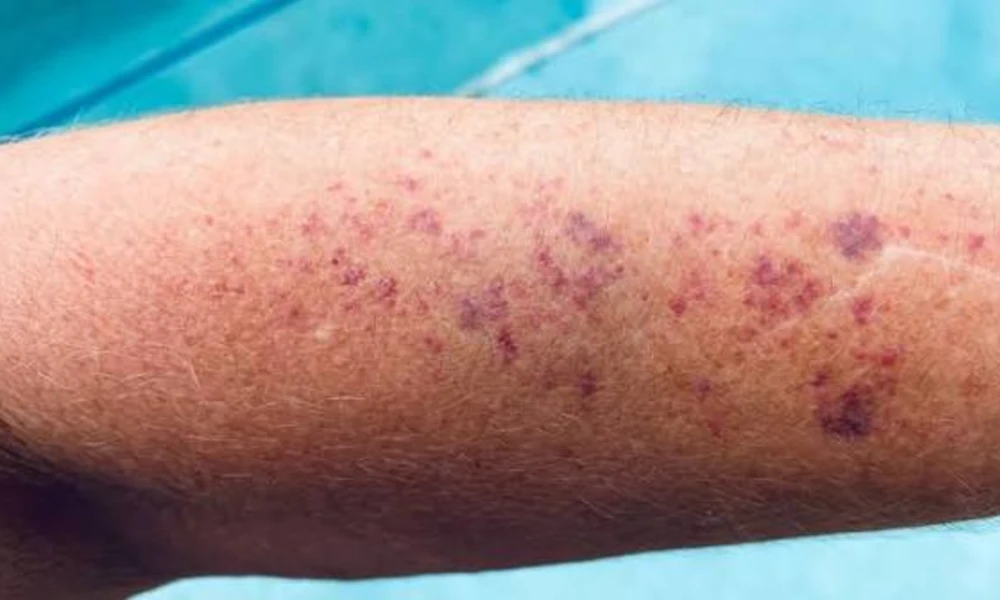
These look like a cluster of tiny red pinpricks on your skin that do not turn pale when you press on them. They often appear on your lower legs, ankles, or abdomen.
Petechiae are actually microscopic hemorrhages happening just under your skin surface. They occur when your tiny capillaries break open and leak blood.
This happens when your blood platelet count drops dangerously low due to liver disease, leukemia, or a severe infection. This is a medical emergency that requires a complete blood count test right away.
10. Erythema Nodosum (Painful Red Nodules on Legs)
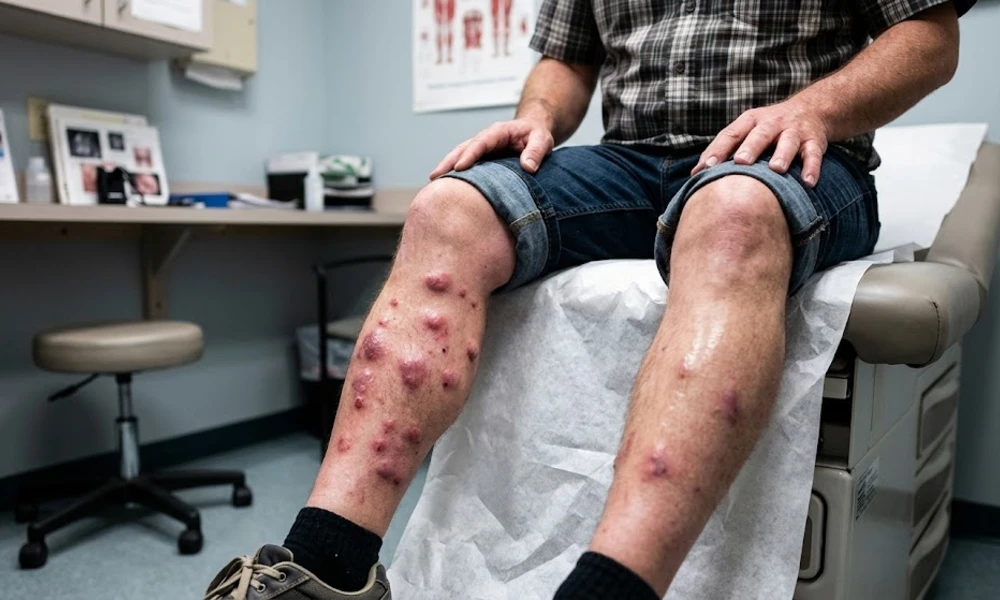
You might feel these before you see them. They are tender, warm, and red lumps that typically form on the front of your shins.
These nodules indicate profound inflammation in the fat layer beneath your skin. Physicians often link this symptom to inflammatory bowel disease, sarcoidosis, or hidden chronic infections.
Your immune system is essentially overreacting to an internal trigger and attacking your subcutaneous fat. You will need a thorough gastrointestinal and pulmonary evaluation to find the root cause.
| Habit | Helps | Hurts |
|---|---|---|
| Checking skin in natural sunlight | Makes subtle color changes visible | Nothing |
| Ignoring a new rash | Nothing | Allows internal disease to progress |
| Taking photos of skin changes | Helps doctors track progression | Nothing |
| Buying expensive steroid creams | Temporarily hides surface symptoms | Masks the underlying organ failure |
11. Bronze or Darkening Creases (Addisonian Pigmentation)
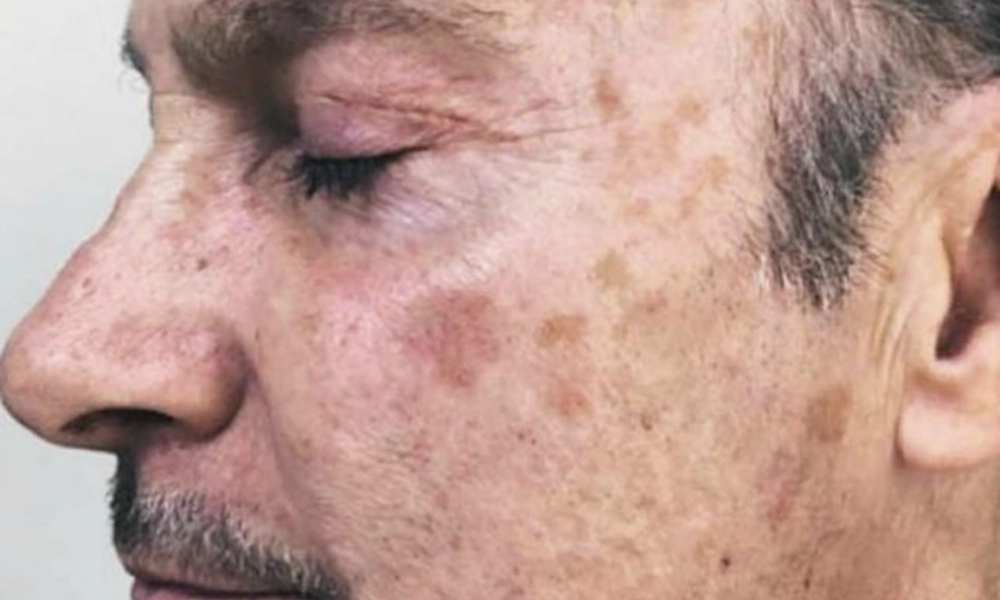
This is not a healthy tan from spending time outdoors. You will notice your skin turning a bronze color, particularly in your palm creases, scars, and the inside of your mouth.
This hyperpigmentation is a classic warning sign of Addison disease, which means your adrenal glands are failing. When your adrenal glands stop making cortisol, your brain pumps out excess hormones to stimulate them.
These stimulating hormones also happen to activate your melanocytes, which are the cells that produce skin pigment. If your palms are turning dark, you need your cortisol levels evaluated immediately.
12. Necrobiosis Lipoidica (Yellowish Waxy Plaques on Shins)
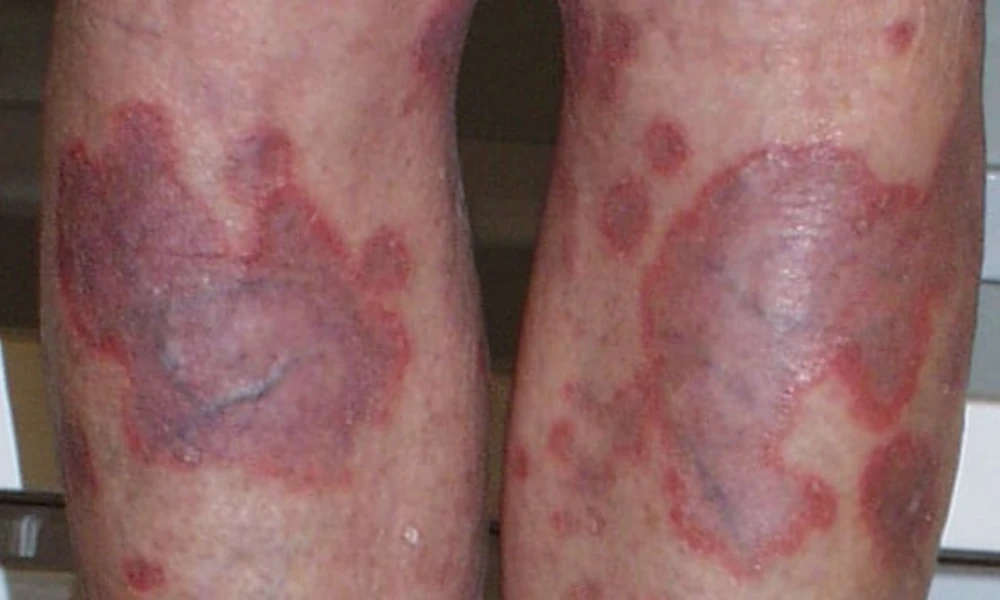
This condition starts as dull red bumps on your lower legs that slowly expand into shiny and yellowish plaques. You can often see blood vessels under the thinned-out skin.
Dermatologists see this frequently in patients with advanced and uncontrolled diabetes. The constant high blood sugar damages the collagen and fat underneath your skin.
The blood vessels in the area deteriorate, leading to local tissue death and scarring. Keeping your blood glucose in a strict normal range is critical to stop these plaques from ulcerating.
13. Eruptive Xanthomas (Crop of Red and Yellow Bumps)
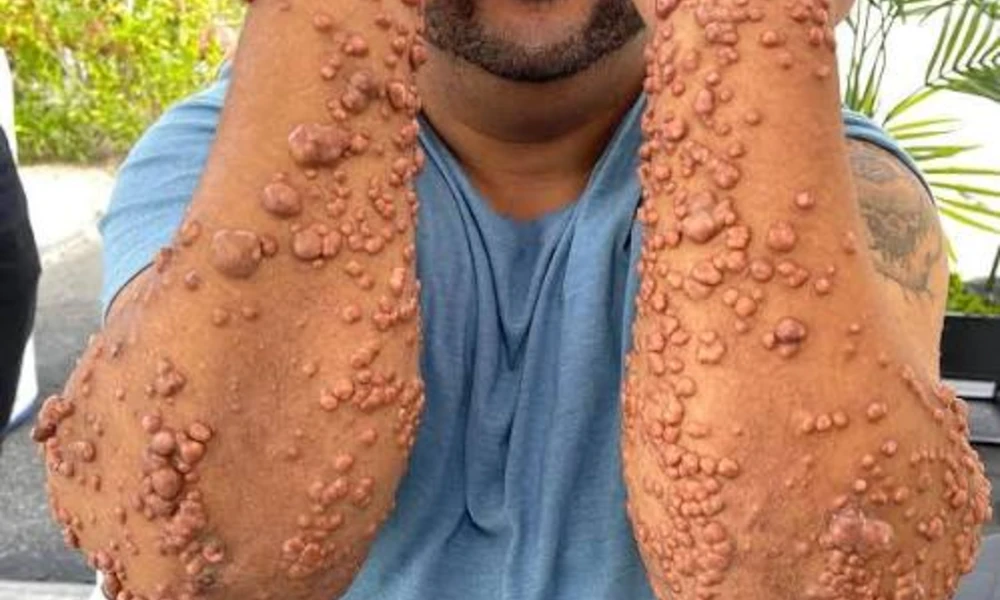
Imagine waking up to a sudden crop of small bumps on your buttocks, shoulders, or arms. They look a bit like pimples but feel firm and have a distinct yellow center.
These eruptions mean your blood triglyceride levels have reached a catastrophic height. Your blood is literally so saturated with fat that it is depositing the excess directly into your skin.
Patients with these bumps are at an extremely high risk for acute pancreatitis. You must see a doctor to begin aggressive dietary changes and medication to clear the fat from your blood.
14. Unexplained Pallor (Extreme Paleness)

We all have different skin tones, but a sudden washout of your normal color is a major warning sign. You might also notice that the inside of your lower eyelids and your gums look completely white.
Extreme paleness is a primary indicator of severe anemia. Your body lacks the healthy red blood cells needed to carry oxygen to your tissues.
This drop in red blood cells can be caused by hidden internal bleeding in your digestive tract. Request an iron panel and a stool test to ensure you are not losing blood internally.
Try This Today: The Two-Minute Skin Audit
- Check your neck: Use a hand mirror to look at the back of your neck for dark or velvety patches.
- Inspect your shins: Run your hands down your lower legs, feeling for waxy textures or painless lumps.
- Press the dots: If you see red dots, press a clear glass against them. If they stay red under pressure, call a doctor.
- Look at your eyes: Check the inner corners of your eyelids for any raised yellowish bumps.
15. Scleredema (Thick and Tight Skin on the Upper Back)
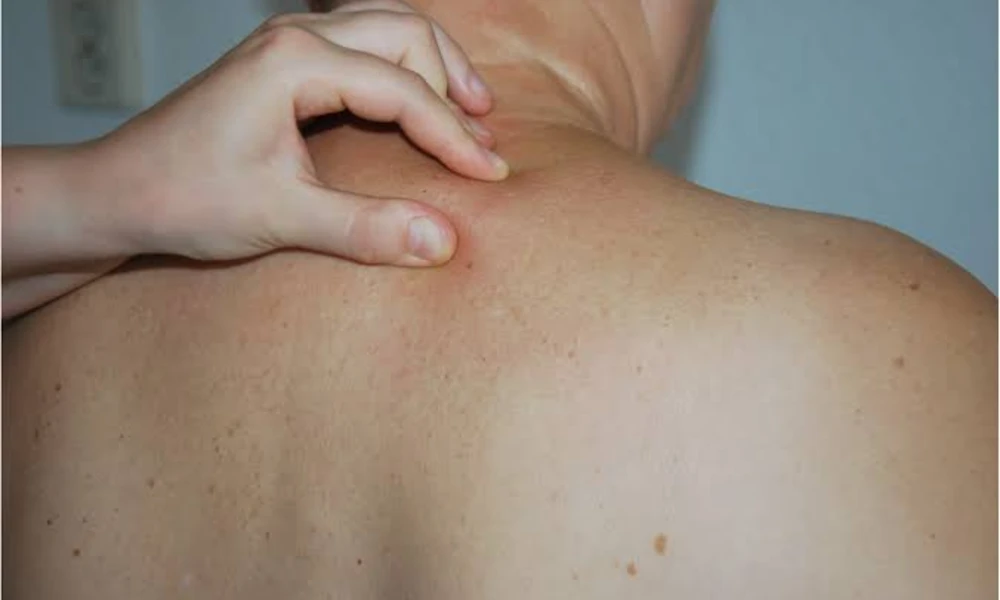
This condition sneaks up slowly. You will notice the skin on your upper back and neck becoming incredibly thick, stiff, and difficult to pinch.
This is another serious complication of long term uncontrolled diabetes. The excess glucose in your bloodstream binds with collagen proteins in your skin tissue.
This process is called glycation, and it essentially cross links your skin fibers until they turn stiff and rigid. Better blood sugar control combined with physical therapy can help preserve your mobility.
16. Heliotrope Rash (Purplish Rash on Eyelids)
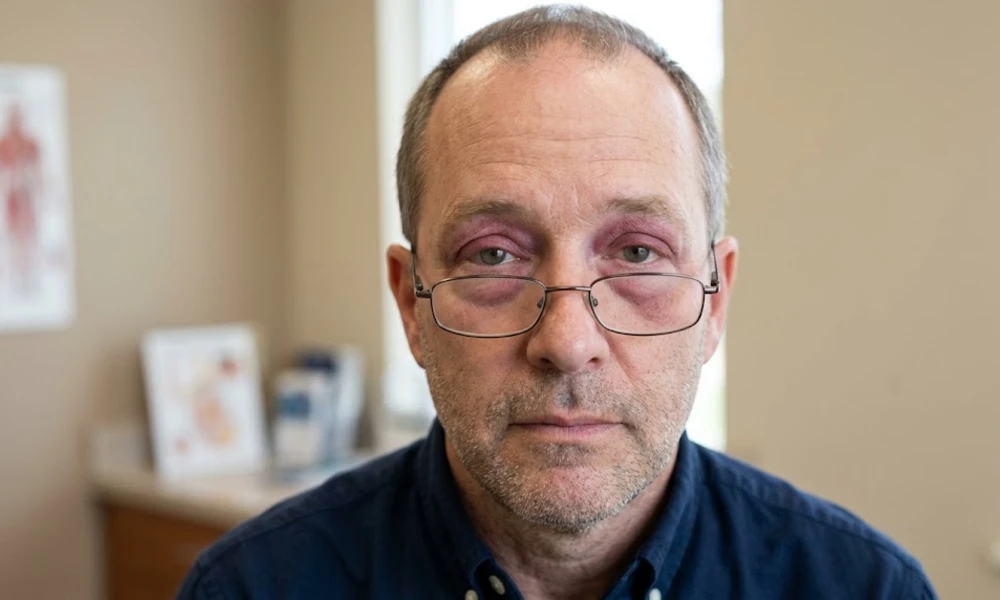
This is a distinct purplish or reddish rash that appears specifically on your upper eyelids. It is often accompanied by swelling that makes your eyes look puffy and tired.
Medical professionals associate this rash with dermatomyositis, an inflammatory disease that causes severe muscle weakness. In many adult cases, this autoimmune reaction is actually triggered by an underlying internal malignancy.
Your immune system attempts to fight a hidden tumor but ends up attacking your skin and muscles instead. Finding this rash requires a full body screening for hidden cancers.
Red Flag Callout: When To See A Doctor Immediately Stop reading and seek emergency medical care if your skin changes are accompanied by:
- Sudden shortness of breath or crushing chest pain.
- Yellowing of the eyes combined with severe abdominal pain.
- A rapidly spreading purple rash with a high fever.
- Sudden numbness, confusion, or extreme dizziness.
17. Terry Nails (White Nails with a Pink Band)
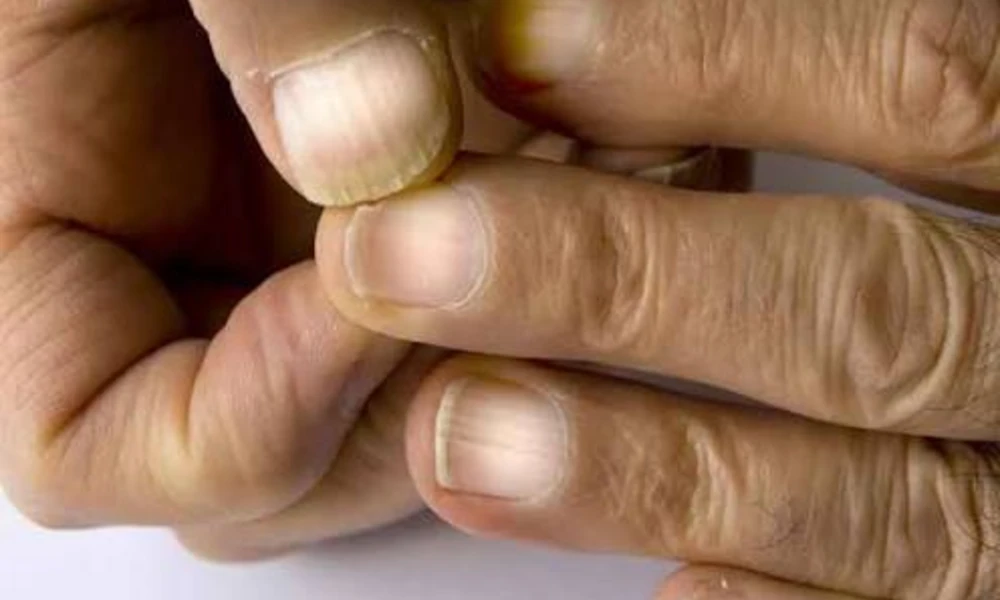
While technically part of your nail bed, dermatologists always check your nails during a skin exam. Terry nails look almost entirely white, with a distinct reddish or pink band at the very tip.
This specific color pattern happens when the blood supply to your nail bed decreases while connective tissue increases. Vascular surgeons and hepatologists view this as a major red flag for advanced liver cirrhosis, congestive heart failure, or severe malnutrition.
The organ damage alters your systemic blood flow, starving the nail bed of proper circulation. If your nails lose their healthy pink color entirely, you need a comprehensive cardiovascular and liver workup.
| Symptom Timeline | Possible Meaning | Required Action |
|---|---|---|
| Present for years, no changes | Likely a benign skin feature | Mention at next annual check up |
| Developed over three months | Potential metabolic shift | Schedule a standard doctor visit |
| Appeared suddenly overnight | Acute organ stress or bleeding | Seek immediate medical evaluation |
| Expanding rapidly with pain | Active severe inflammation | Go to urgent care or emergency |
Your skin is designed to protect you from the outside world, but it also serves as a vital messenger for your internal health. Paying attention to these subtle shifts can give you a massive head start on treating chronic diseases. Instead of just buying a new lotion, take the time to listen to what your body is trying to tell you.
