

You notice a small scrape on your ankle that has not healed after weeks. It may seem like dry skin or a simple bug bite, but slow-healing wounds can sometimes be an early sign of diabetes.
When blood sugar stays high for too long, it can damage tiny blood vessels and reduce the oxygen and nutrients reaching your skin. This makes even small cuts harder to heal.
High blood sugar can also damage nerves, reducing your ability to feel pain. A small blister or cut may then become a serious wound without you noticing.
Finding these wounds early can help prevent infections and other complications. Here are 16 places you should check for slow-healing wounds.
1. The Bottom Of Your Feet
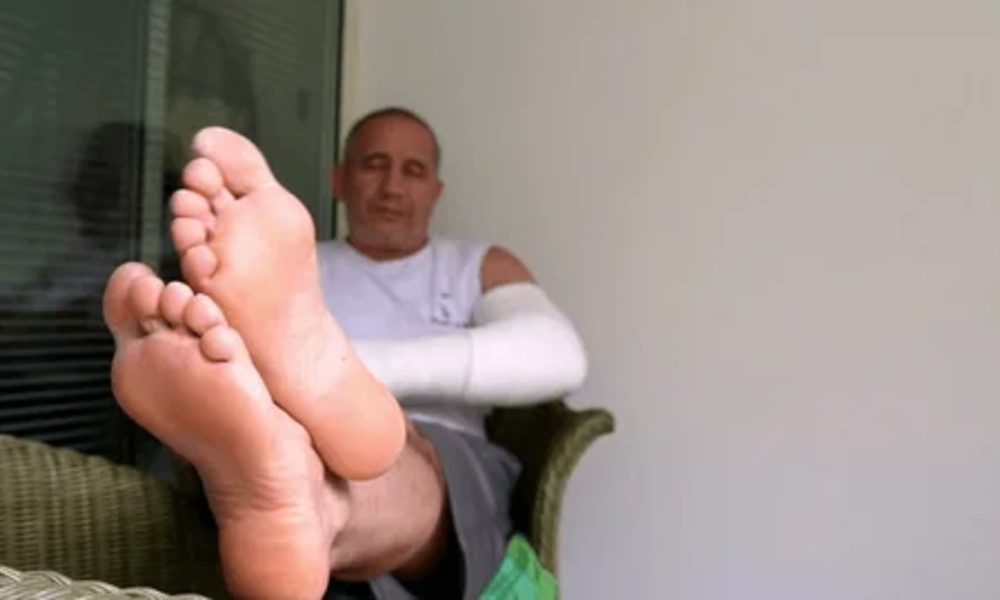
The plantar surface of your foot bears your entire body weight every single day. Because neuropathy often deadens the nerves in your feet first, you could step on a small piece of glass and walk on it for days without feeling a thing. The constant physical pressure prevents the puncture from scabbing over.
Endocrinologists consider the bottom of the feet the most dangerous zone for silent diabetes complications. You must use a small hand mirror to inspect the soles of your feet every evening before bed.
2. The Spaces Between Your Toes

The dark and moist environment between your toes is a breeding ground for bacteria and fungi. High blood sugar suppresses your immune system and actively feeds fungal infections like athlete’s foot. This fungus breaks down the delicate skin barrier, creating microscopic cracks that refuse to heal.
These tiny fissures act as an open door for severe bacterial infections to enter your bloodstream. Always use a clean towel to dry your toes completely after showering.
3. Your Heels
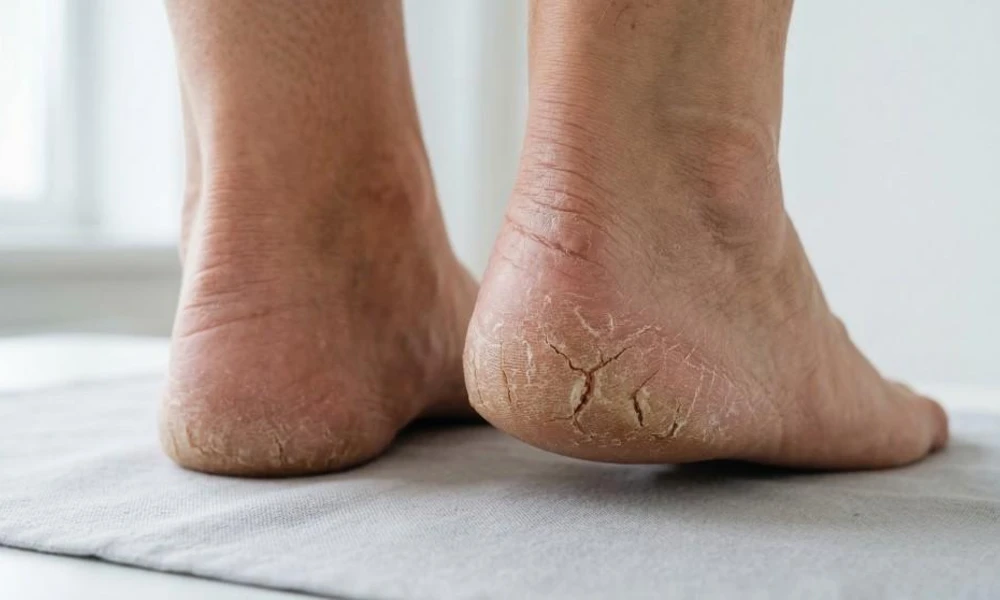
Your heels are naturally prone to developing thick calluses from friction inside your shoes. When you have unregulated blood sugar, the nerves that control sweat production stop working properly. Your heels become severely dehydrated, causing the thick calluses to split wide open.
These deep heel fissures can bleed and become severely infected if left untreated. You should avoid using sharp pumice stones and instead apply a thick urea-based cream to soften the skin gently.
4. The Front Of Your Shins

Many people constantly bump their shins on coffee tables or open dishwasher doors. In a healthy body, these small bruises fade in a few days. For someone with silent diabetes, these minor traumas turn into permanent brown indentations known as diabetic dermopathy.
This happens because the blood vessels under the skin on your shins are incredibly fragile and rupture easily under high glucose pressure. Keep a close eye on your shins and take photos of any new marks to see if they fade or grow darker over time.
| Wound Stage | Normal Healing Process | Diabetic Healing Reality |
| Initial Injury | Bleeding stops quickly, and a hard scab forms | Bleeding persists, and the area remains raw |
| First Few Days | Redness recedes, and new pink skin appears | Redness expands aggressively, and the area swells |
| One Week Later | Scab falls off, leaving healed tissue | The wound begins weeping clear fluid or pus |
| One Month Later | Injury is completely invisible or a faint scar | The ulcer grows deeper and requires medical care |
5. Your Cuticles And Nail Beds
Tearing off a tiny hangnail feels completely harmless. However, the skin surrounding your fingernails and toenails has incredibly poor circulation when diabetes is present. A torn cuticle can easily develop into paronychia, which is a painful bacterial infection that inflames the entire finger.
The poor blood flow prevents your white blood cells from clearing out the bacteria. You should never cut your own cuticles with metal clippers. Gently push them back with a wooden stick after a warm bath instead.
6. Your Gum Line
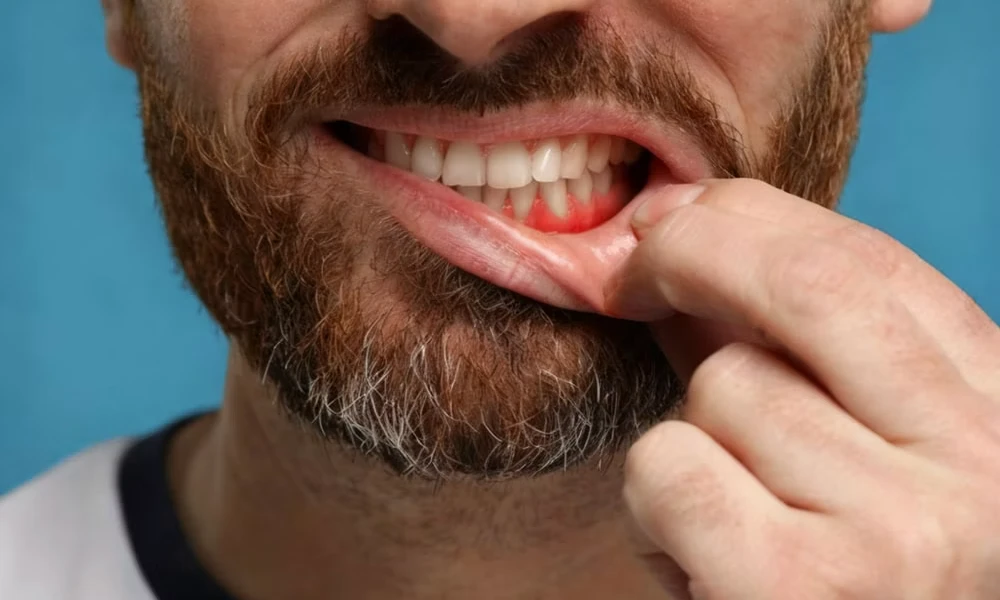
Your mouth is packed with intricate blood vessels and diverse bacteria. Uncontrolled glucose levels directly impair your saliva production, leaving your mouth unusually dry. Without enough saliva to wash away food particles, bacteria thrive and aggressively attack your gum tissue.
This leads to periodontal wounds where your gums bleed profusely every time you brush your teeth. If your gums are constantly tender and take weeks to stop bleeding after a dental cleaning, you need a blood sugar test immediately.
7. The Inner Thighs

Friction is a massive enemy of diabetic skin. As your inner thighs rub together during a long walk, the top layer of skin can easily chafe and peel away. Because elevated blood sugar compromises cellular repair, this raw area stays open and weeping rather than forming a protective scab.
The constant mechanical rubbing combined with sweat makes it nearly impossible for the skin to heal on its own. Wearing longer moisture wicking underwear creates a physical barrier that stops the friction entirely.
8. The Groin And Genital Area

Excess blood glucose is frequently filtered through your kidneys and expelled in your urine. This means the entire groin area is constantly exposed to a highly sugary environment. Yeast thrives on sugar, leading to severe chronic fungal infections that create burning red sores.
These microscopic wounds itch intensely and split open further when you scratch them. Switching to loose breathable cotton clothing helps keep the area dry and deprives the yeast of the moisture it needs to multiply.
When To See A Doctor Immediately
Stop reading and head to urgent care or the emergency room if you notice any of these severe warning signs around a wound.
- A foul smelling odor radiating from the injury site.
- Red streaks traveling up your leg or arm away from the initial cut.
- The skin surrounding the wound turns completely black or dark blue.
- You develop a sudden fever and extreme chills alongside the skin injury.
9. The Armpits
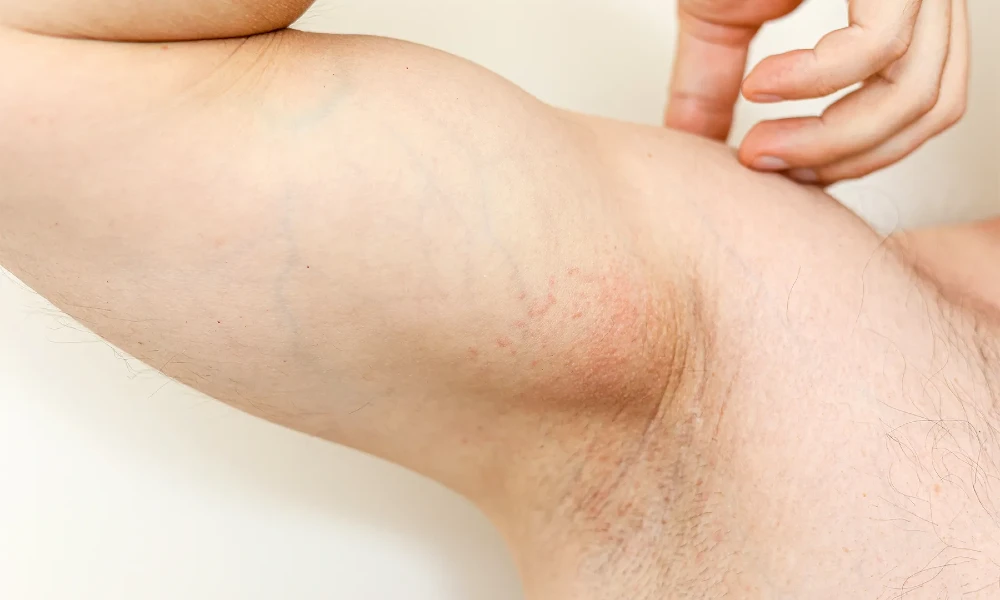
Your armpits contain thousands of sweat glands and hair follicles that are easily blocked. Small boils or inflamed cysts often form here due to trapped bacteria. In a healthy person, these drain and heal in a matter of days.
For someone battling silent diabetes, these armpit wounds can turn into large abscesses because the localized immune response is incredibly sluggish. You must avoid shaving directly over any active red bumps to prevent pushing the bacteria deeper into your skin tissue.
10. Underneath The Breasts
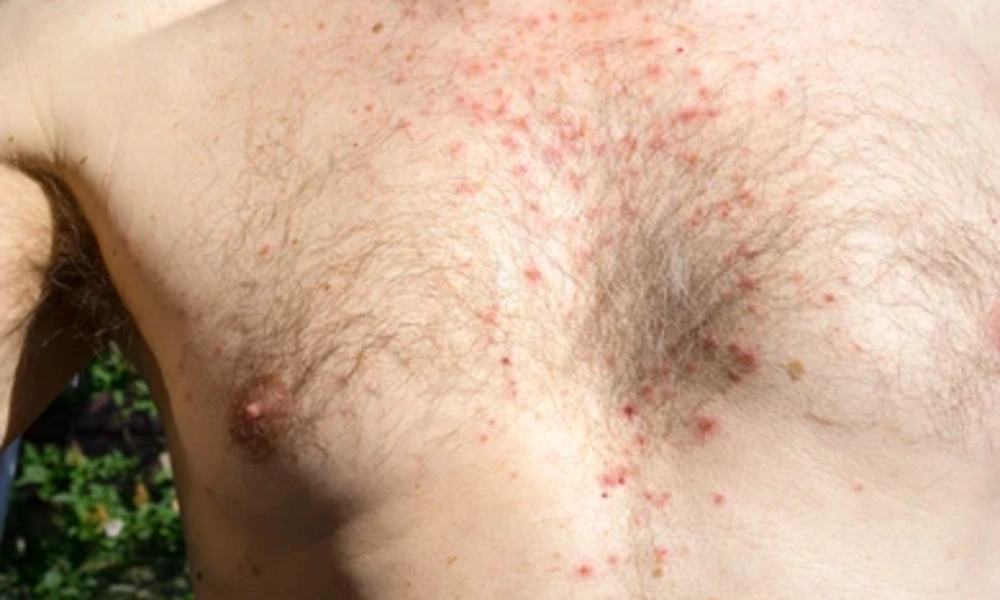
The fold of skin beneath the breasts is highly susceptible to a condition called intertrigo. This happens when two areas of skin rub together and trap heat and moisture. A healthy immune system easily fights off the opportunistic bacteria that try to colonize this area.
When your blood sugar is high, the bacteria multiply out of control and create raw bleeding patches that refuse to dry out. Applying a specialized antifungal powder daily can absorb the excess moisture and protect the compromised skin.
11. Inside Your Ear Canals

The skin inside your ear canal is paper thin and incredibly delicate. Many people unconsciously scratch the inside of their ear with a cotton swab or a fingernail. This tiny abrasion usually heals overnight, but diabetic skin often fails to seal the microscopic tear.
This invites a condition called malignant otitis externa, where a standard ear infection spreads into the cartilage and bones of the skull. You should completely leave your earwax alone, as it acts as a natural protective barrier against bacterial invaders.
| Warning Sign | What You See | The Hidden Diabetic Cause |
| Numbness | You feel zero pain from a deep cut | Nerve death from high blood glucose |
| Thick Edges | The wound develops a hard white rim | Poor oxygen delivery halts cell growth |
| Weeping | Constant clear drainage without scabbing | Intense internal pressure from poor circulation |
| Black Tissue | The center of the wound looks like charcoal | Localized tissue death requiring surgery |
12. The Edges Of Your Eyelids
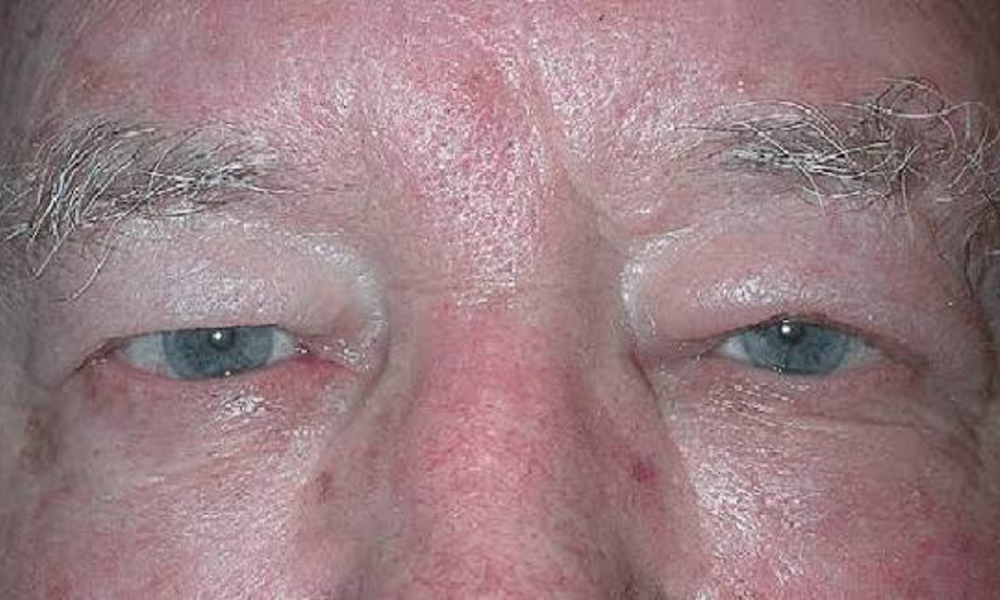
Your eyelids are lined with tiny oil glands that keep your eyes lubricated. High blood sugar actually alters the chemical composition of your natural oils, making them thick and sticky. These glands easily clog up, creating painful styes and chalazia on the rim of your eyelid.
These inflamed bumps act as small wounds that can take months to resolve if your glucose remains high. Placing a warm damp washcloth over your closed eyes for ten minutes every morning helps melt the thickened oils and restore healthy blood flow.
13. The Back Of Your Neck
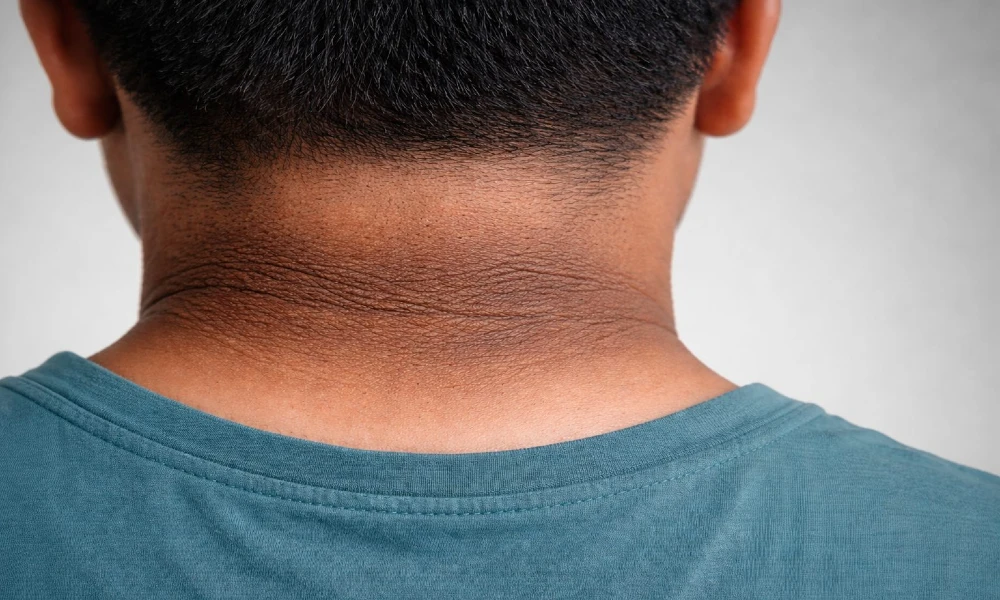
A very specific warning sign of prediabetes is the darkening and thickening of the skin on the back of your neck. This condition is called acanthosis nigricans, and it is a direct result of massive insulin resistance. The thickened skin becomes incredibly rigid and loses its natural elasticity.
Because the skin is so stiff, it frequently cracks and creates painful microscopic fissures when you turn your head. You should never scrub this dark skin vigorously in the shower, as physical trauma will only make the open wounds worse.
14. Your Scalp
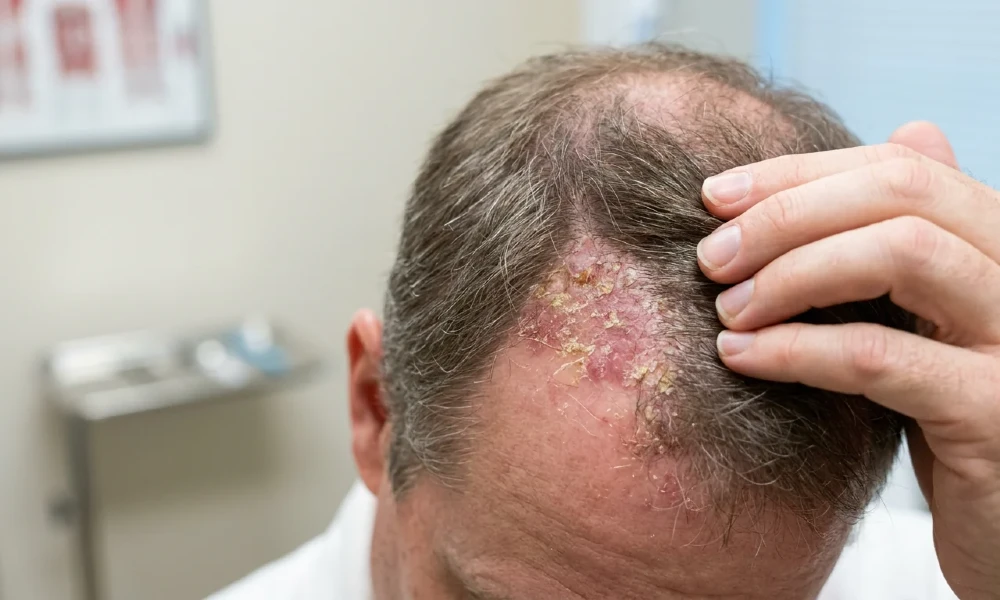
Hair follicles are just tiny pores in your skin. When blood sugar suppresses your immune cells, the bacteria that naturally live on your scalp dive deep into these follicles. This causes chronic folliculitis, which feels like having dozens of painful pimples hidden under your hair.
Scratching your scalp opens these bumps and creates hundreds of tiny entry points for worse infections. Switching to a mild shampoo containing salicylic acid can help clear the dead skin cells without aggressively tearing the fragile scalp tissue.
Try This Daily Skin Check Routine
- Set a specific time: Dedicate exactly three minutes right after brushing your teeth at night to examine your skin.
- Inspect the hidden zones: Use a small handheld mirror to explicitly check the bottoms of your feet and the backs of your heels.
- Feel for temperature changes: Run the back of your hand down both of your legs to check for unnatural heat radiating from a hidden infection.
- Never pop blisters: If you find a friction blister on your foot, cover it with a dry sterile bandage and leave it completely alone.
15. Your Tailbone And Sacrum

Sitting in an office chair or resting on the couch for hours places massive pressure on the skin covering your tailbone. Your blood vessels are supposed to deliver fresh oxygen to these compressed tissues. When diabetes stiffens those vessels, the skin over your tailbone literally suffocates.
This leads to the rapid formation of pressure ulcers. These wounds are notoriously stubborn because you are constantly sitting on them and cutting off their blood supply. You must stand up and walk around for two minutes every single hour to restore circulation to your lower back.
16. The Backs Of Your Calves
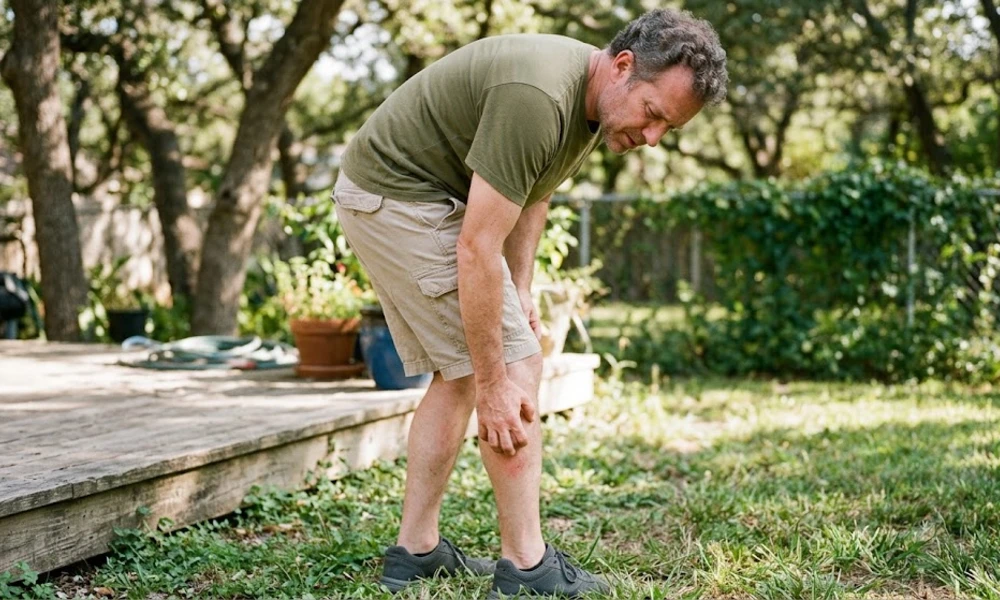
A simple mosquito bite on the back of your calf can reveal entirely silent diabetes. When a healthy person scratches a bug bite, it forms a small scab and disappears. A person with high blood sugar will often scratch that exact same bite into a large weeping sore that lingers for an entire season.
The combination of poor circulation in the lower legs and an impaired immune response turns a minor itch into a major medical liability. Always apply an anti itch cream to bug bites immediately so you are not tempted to break the fragile skin barrier.
Checking these sixteen hidden spots is not just about vanity. Your skin is the largest organ in your body, and it acts as an incredibly accurate gauge for your metabolic health. A wound that refuses to heal is a desperate cry for help from a vascular system completely overwhelmed by sugar.
Catching these signs early gives you the exact opportunity you need to visit your doctor and request a comprehensive blood panel. Controlling your blood sugar immediately restores your body to its natural healing state, ensuring a small scrape never turns into a life altering tragedy.
