
Most people visit an eye doctor because their glasses feel weak, words look blurry, or reading has become harder. But an eye exam can reveal much more than whether you need a new prescription.
Your eyes contain tiny blood vessels, nerves, muscles, and other tissues that can change le nocyczuv dv rnkloldp elsewhere in your body. Because of this, some diseases that eye doctors can detect signs of may show up during an eye exam before you notice clear symptoms.
Diabetes is one of the strongest examples. The CDC reported in January 2026 that about 40.1 million people in the United States have diabetes. About 11 million adults with diabetes are estimated to be undiagnosed.
An unusual finding often raises a warning flag. Blood tests, scans, blood pressure checks, or other medical exams may still be needed to determine the underlying cause.
Why Can an Eye Exam Reveal Problems Elsewhere in Your Body?
The back of your eye gives an eye doctor a close look at the retina, retinal blood vessels, and optic nerve. Those structures can be affected by problems involving blood sugar, blood pressure, circulation, inflammation, and the nervous system.
A comprehensive eye exam can also check your pupils, eye movements, eyelids, cornea, vision, and other structures. Dilating your pupils gives the doctor a wider view of the retina and optic nerve.
This can matter even when your eyesight seems normal. Some diseases cause changes inside the eye before they cause enough damage for you to notice blurry vision.
Still, one finding rarely gives the whole answer. Retinal bleeding, for example, can have several possible causes. Eye inflammation can also happen because of many different conditions.
1. Diabetes Can Damage the Retina Before Vision Changes
Diabetes is one of the clearest examples of a health problem that can leave visible signs inside the eye. High blood sugar can damage the tiny blood vessels that supply your retina.
During a dilated exam, an eye doctor may notice tiny areas of bleeding, swollen vessels, fluid leakage, small vessel bulges called microaneurysms, or other signs of diabetic retinopathy. More serious diseases can lead to swelling near the center of vision or the growth of abnormal blood vessels.
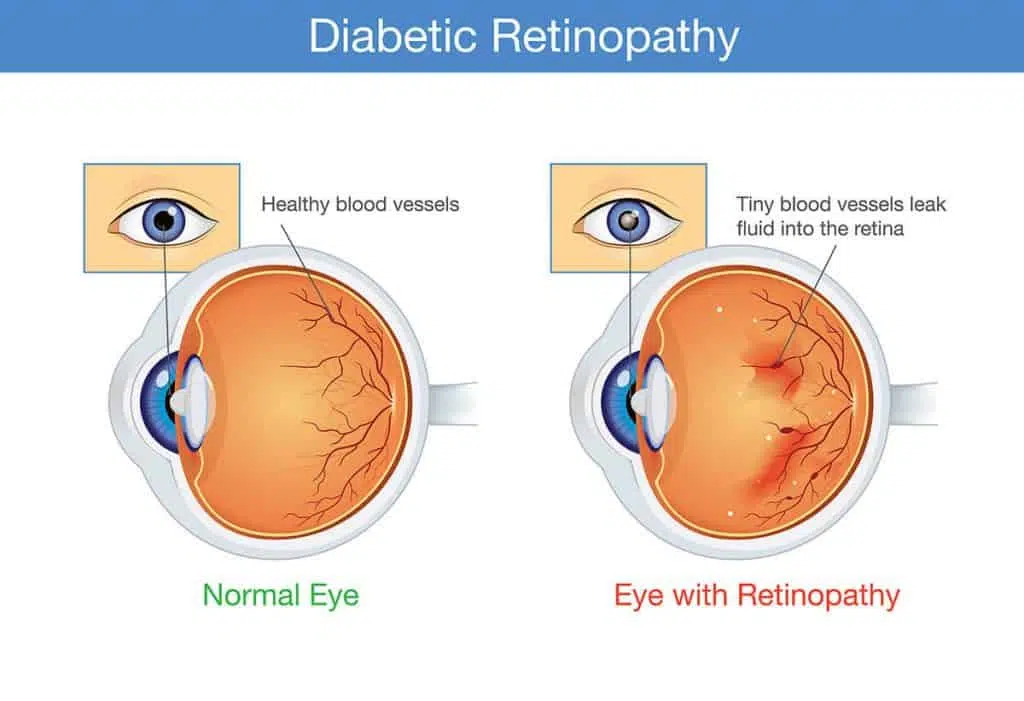
Diabetic retinopathy can develop without obvious vision symptoms at first. You may feel that your eyesight is normal while changes are already taking place.
The size of the undiagnosed diabetes problem makes this especially important. CDC data released in 2026 estimate that 27.6 percent of adults with diabetes are undiagnosed, which represents about 11 million people.
If your eye doctor sees retinal changes that could be linked to diabetes and you have never been diagnosed, do not assume that you have diabetes. But do follow up.
Ask your regular medical provider whether you need blood glucose testing or an HbA1c test. It is also worth checking your blood pressure because high blood pressure can make diabetic eye disease worse.
How to Handle It: If your eye doctor finds changes that look like diabetic retinopathy, make sure your primary medical provider knows about them. Do not wait until your vision becomes blurry.
2. High Blood Pressure Can Leave Marks on Tiny Eye Vessels
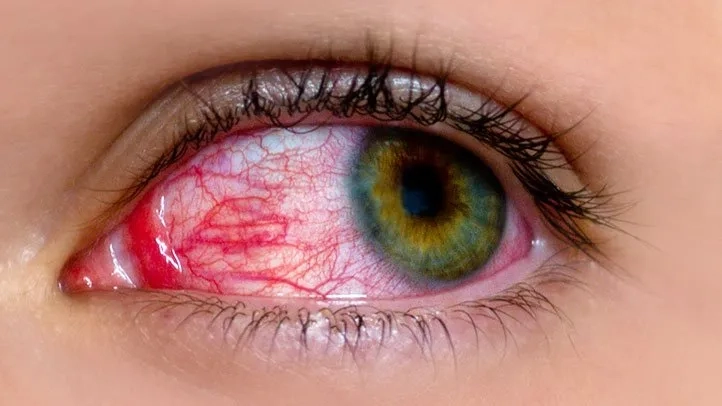
High blood pressure often causes no obvious symptoms. Your retinal blood vessels, however, may show signs of the strain.
Long-term uncontrolled blood pressure can damage small vessels in the eyes. Doctors may see narrowed arteries, retinal bleeding, swelling, or other vessel changes. This condition is called hypertensive retinopathy.
The American Heart Association also notes that high blood pressure can harm the optic nerve when poor blood flow damages nerve cells. In serious cases, vision can be affected.
The useful part for you is simple. If an eye doctor sees suspicious blood vessel changes, checking your blood pressure is quick and easy.
Do not wait months for your next physical just because you feel well. High blood pressure can exist without making you feel sick.
What You Can Do:: Ask for a blood pressure check and share the eye doctor’s findings with your regular medical provider. Sudden vision changes with symptoms of a serious blood pressure problem need urgent medical care.
3. A Retinal Plaque Can Point to a Circulation Problem
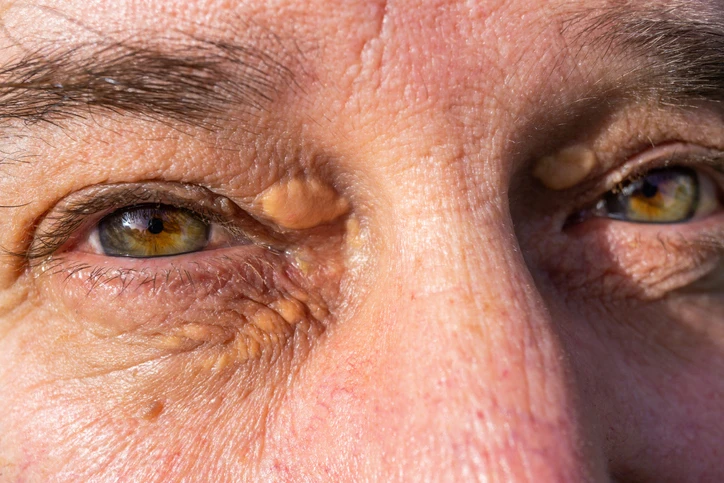
Sometimes, the important finding in an eye exam did not begin in the eye. A tiny piece of material can travel through the bloodstream and become trapped in a retinal artery. One type is called a Hollenhorst plaque. It is often linked to material that came from a larger artery elsewhere in the body.
The person may have no eye complaint when the plaque is found. Yet the finding can lead to a closer look at cardiovascular health.
Your doctor may consider cholesterol testing, blood pressure measurement, a review of heart and stroke risk, or imaging of the carotid arteries, depending on your medical history and the exact finding.
This does not mean an eye doctor can look into your retina and diagnose high cholesterol. The eye finding is the warning sign. Your medical evaluation looks for the cause.
What to do: If your eye doctor finds a retinal plaque, ask exactly what follow-up is recommended and how quickly it should happen.
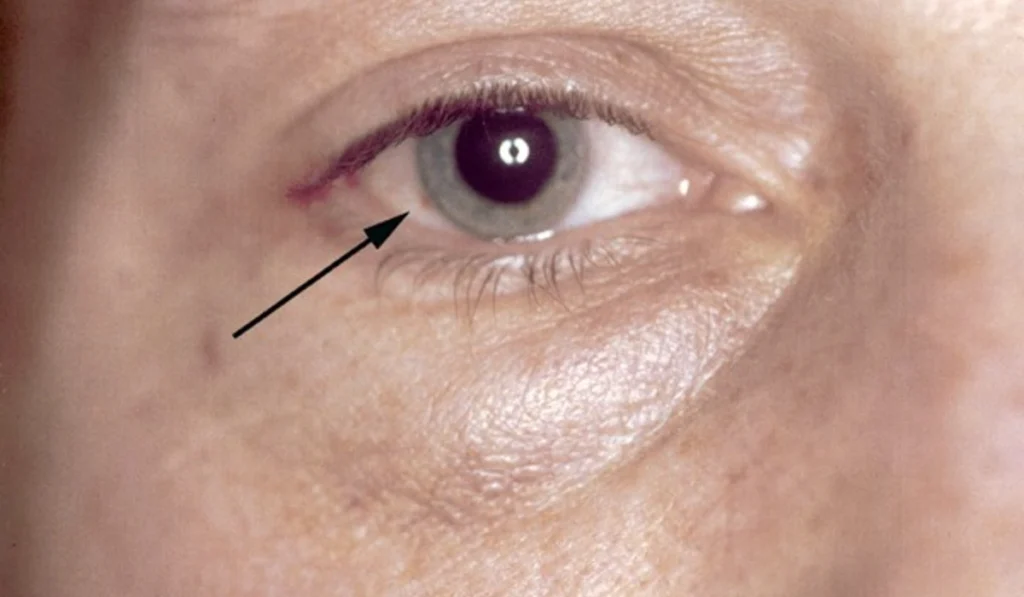
4. Graves Disease Can Change How Your Eyes Look and Move
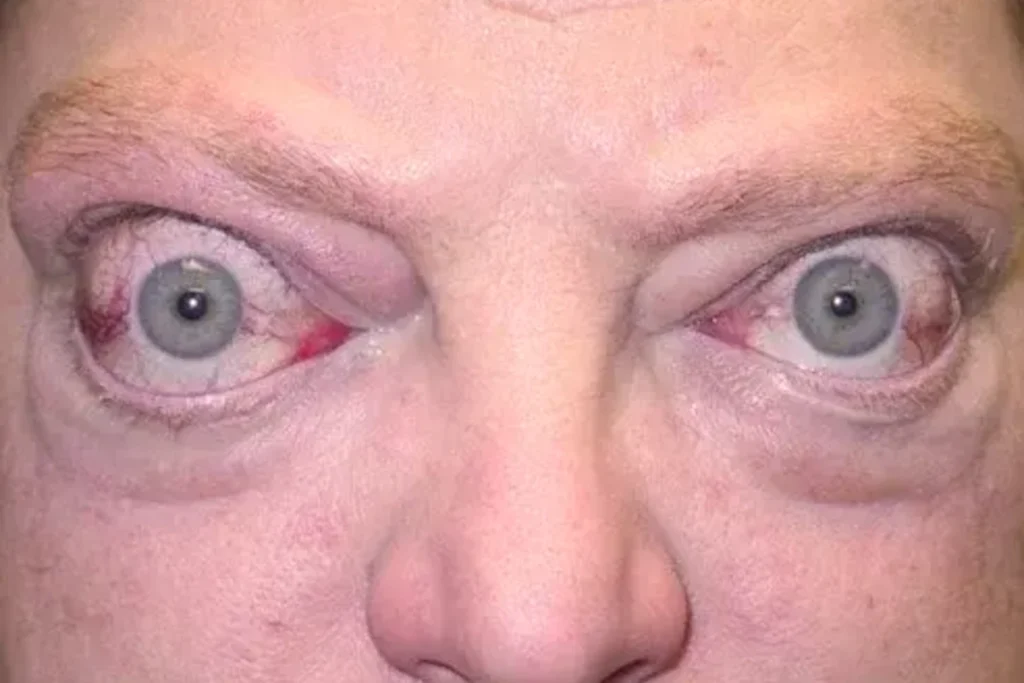
Sometimes the warning is visible before the doctor even looks at the retina. Thyroid eye disease can cause the tissues and muscles around the eyes to swell. It is strongly linked with Graves’ disease, an autoimmune condition that affects the thyroid.
An eye doctor may notice eyes that seem to bulge forward, upper eyelids that sit unusually high, swelling around the eyes, dryness, or problems with eye movement. Double vision can develop when swollen eye muscles no longer move normally.
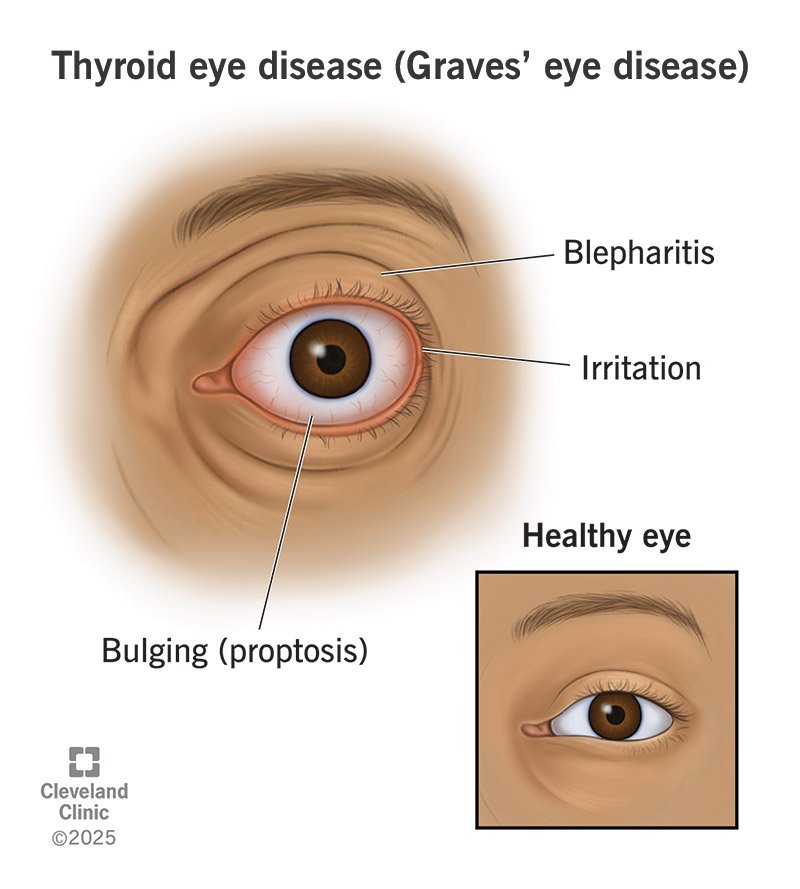
These changes do not prove that you have Graves’ disease. Other problems can cause some of the same symptoms. But they can give your doctor a good reason to investigate your thyroid.
Blood tests may include thyroid-stimulating hormone and thyroid hormone levels. Your doctor may order other tests based on what the results show.
Try This Instead: Tell your eye doctor if your eyes have recently started looking more open, swollen, or prominent, especially if you also have double vision or trouble moving your eyes normally.
5. Multiple Sclerosis Can Sometimes Begin With Optic Neuritis
A sudden vision change is not always a problem with the eyeball itself. Sometimes the trouble involves the nerve that carries visual information from the eye to the brain.
Optic neuritis is inflammation of the optic nerve. It can cause blurry or dim vision, faded colors, and pain behind the eye. The pain often becomes worse when the eye moves.
Multiple sclerosis is one possible cause of optic neuritis. That does not mean everyone who develops optic neuritis has multiple sclerosis. Other inflammatory and neurological conditions can also affect the optic nerve.
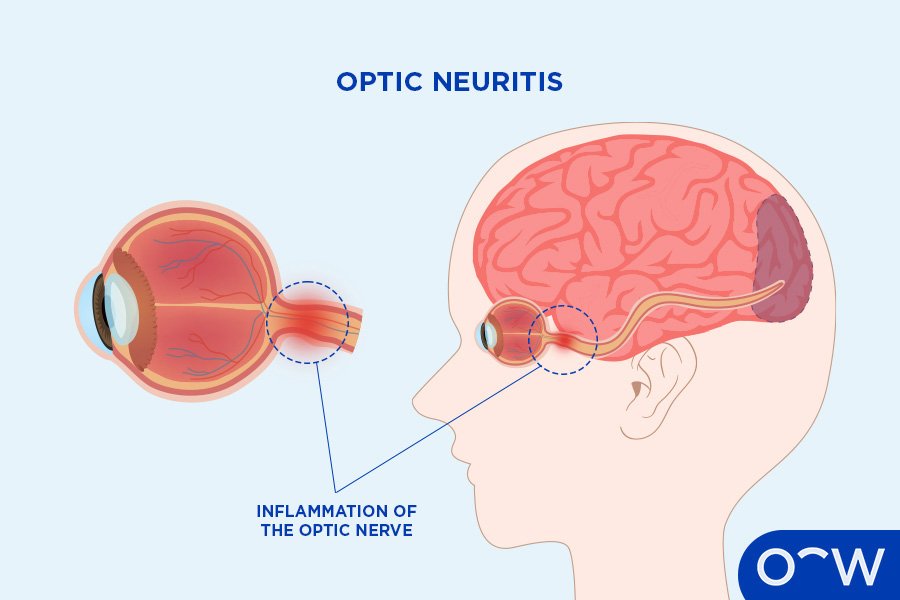
Your eye doctor may check your pupils, color vision, visual field, and optic nerve. If optic neuritis is suspected, you may be sent to a neurologist or a specialist in problems involving the eyes and nervous system.
Brain and orbit MRI scans may also be used as part of the medical workup.
Best Next Move: New vision loss, dull colors, or pain when moving an eye deserve prompt medical attention. Do not assume it is simple eye strain.
6. Rheumatoid Arthritis Can Cause More Than Joint Pain
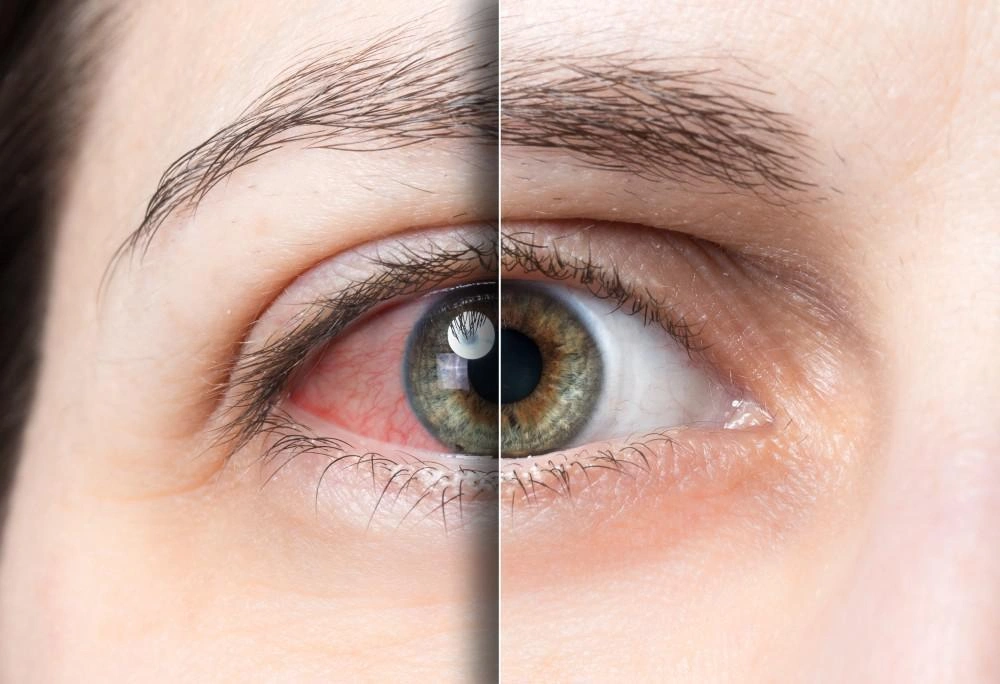
A painful red eye sometimes has little to do with allergies or tiredness. Rheumatoid arthritis and other autoimmune diseases can cause inflammation in several parts of the eye. One of the more serious problems is scleritis, which affects the tough white outer wall of the eye.
Scleritis often causes deep pain and strong redness. The pain may feel much more intense than the irritation caused by an ordinary dry or tired eye.
According to current American Academy of Ophthalmology material, an underlying systemic disease is present in up to about to of people with scleritis. Rheumatoid arthritis is one condition that can be linked with it.
That does not mean every red eye requires autoimmune testing. Mild eye redness is common and has many harmless causes. But unexplained, severe, or repeated inflammation may deserve a broader medical look.
How to Handle It: Seek an eye exam if redness comes with deep eye pain, strong light sensitivity, or vision changes. If scleritis is found, ask whether you need medical testing for an underlying cause.
7. Lupus Can Affect Both the Front and Back of the Eye

Lupus can cause inflammation in different tissues throughout the body. The eyes are no exception. Some people with systemic lupus develop dry eyes or inflammation around the eyes. More serious cases can affect blood vessels in the retina.
Possible retinal findings include cotton wool spots, bleeding, changes in blood vessels, and areas where circulation has been reduced. Lupus can also affect the optic nerve in uncommon cases.
These findings are not unique to lupus. Cotton wool spots, for example, can appear with several health problems. That is why an eye exam is often the beginning of the investigation instead of the end.
Your medical history matters. Joint symptoms, skin problems, fever, unusual fatigue, and previous autoimmune problems may help your doctors decide what testing makes sense.
What to do: If you keep getting unexplained eye inflammation, ask whether the pattern could be linked to a health problem outside your eyes.
8. Sarcoidosis Can Cause Inflammation Inside the Eye
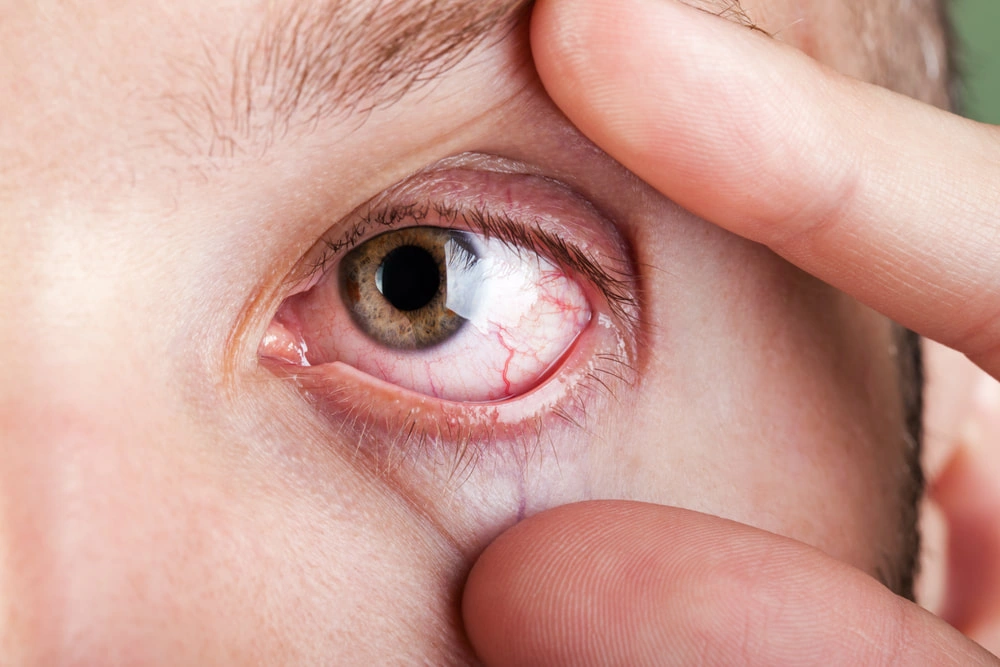
A red, painful eye that becomes sensitive to light may sometimes be caused by inflammation inside the eye rather than irritation on its surface. One form of this inflammation is called uveitis.
Sarcoidosis is a systemic disease that can cause uveitis. Sarcoidosis involves inflammation that can affect several organs, including the lungs, skin, lymph nodes, and eyes.
Eye symptoms may include redness, blurry vision, pain, floaters, and strong light sensitivity. Current AAO guidance also describes recognizable patterns of uveitis that can raise suspicion for sarcoidosis. But uveitis has many possible causes.
An eye doctor should not look at uveitis and automatically label it sarcoidosis. Your age, symptoms, health history, pattern of inflammation, and other findings help decide whether a larger medical workup is needed.
Take These Steps: Persistent redness with pain, blurry vision, or light sensitivity should be checked. Do not keep treating it with random redness drops without knowing the cause.
9. Leukemia Can Sometimes Cause Unusual Retinal Bleeding
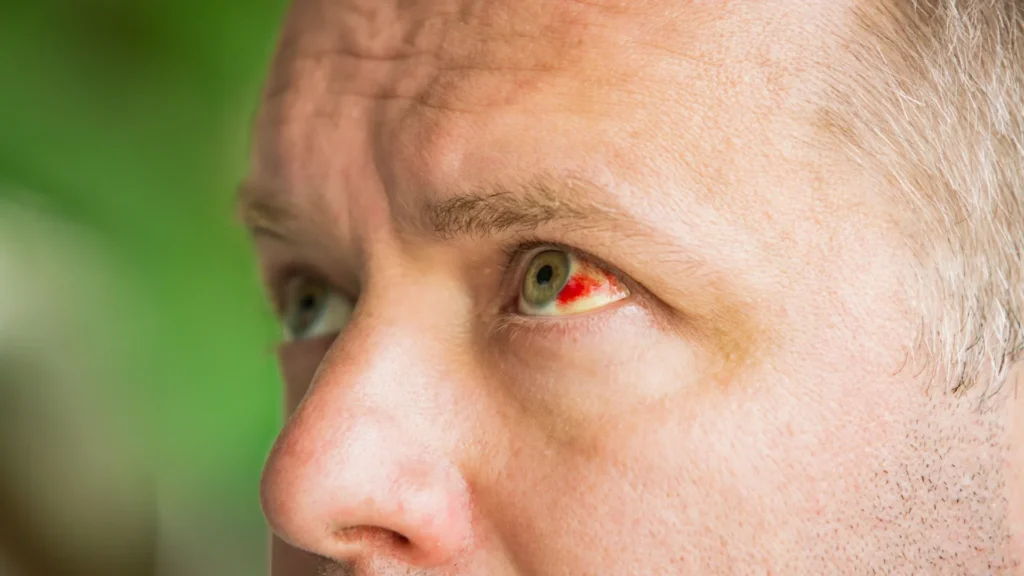
Retinal bleeding is much more commonly connected with problems such as diabetes, high blood pressure, or other blood vessel conditions. But unusual retinal bleeding can sometimes point to a problem involving the blood itself.
Leukemia may affect the retina and can cause retinal hemorrhages. Some hemorrhages may have pale or white centers. Changes in blood cells and platelets can contribute to what the eye doctor sees.
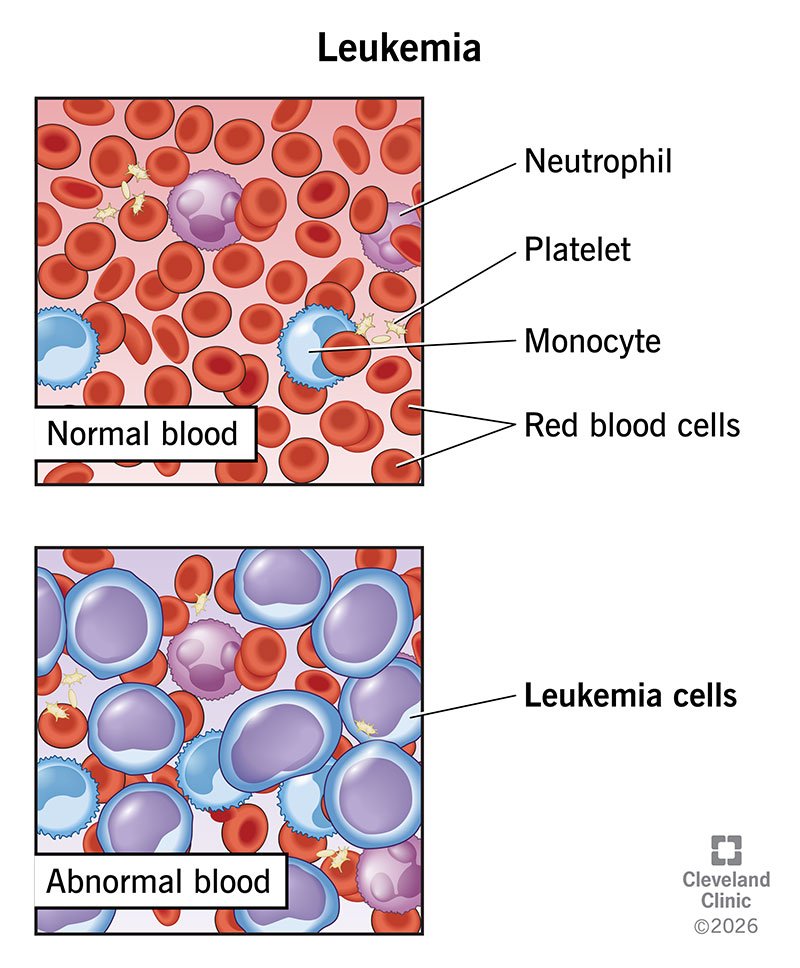
A retinal hemorrhage does not mean you have leukemia. There are many other explanations, and several are far more common.
The value of the eye exam is that unusual bleeding may give your doctor a reason to ask more questions. In some situations, a complete blood count or other medical testing may be recommended.
What to do: If your eye doctor finds unexplained retinal bleeding, ask what common causes need to be checked first and whether you need blood testing.
10. Lymphoma Can Sometimes Mimic Eye Inflammation
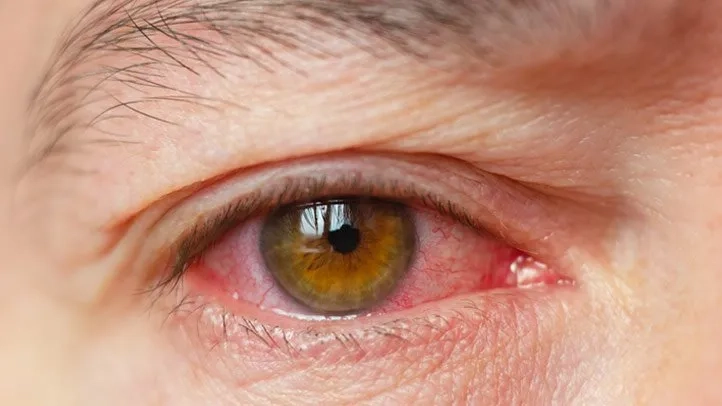
Lymphoma is one of the rare conditions on this list. It should not make you panic every time you notice a floater.
Certain forms of lymphoma can affect structures inside or around the eye. They may sometimes produce signs that look similar to inflammatory eye disease. The American Academy of Ophthalmology includes leukemia and lymphoma among systemic diseases that can affect the inside of the eye and cause retinal problems.
Most floaters, dry eyes, and common eye irritation are not caused by lymphoma. Concern becomes greater when inflammation looks unusual, keeps returning, does not respond as expected, or appears alongside other concerning findings.
How to Handle It: Follow through when your ophthalmologist recommends further testing for persistent or unusual inflammation. Do not use common eye symptoms alone to diagnose yourself.
11. Giant Cell Arteritis Can Threaten Sight Very Quickly
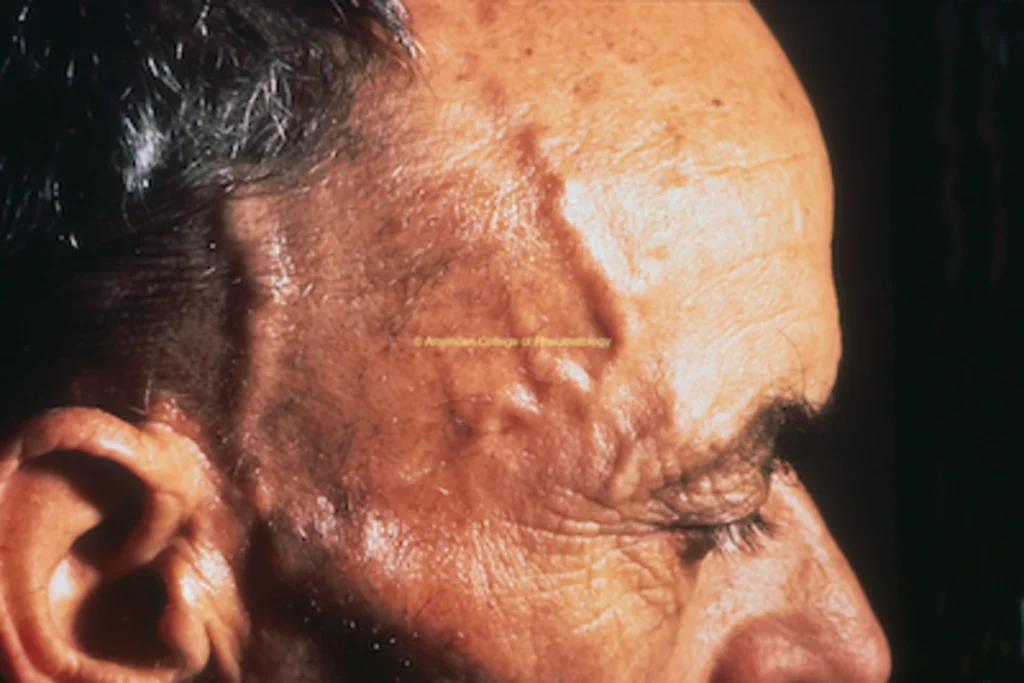
This condition belongs at the end of the list because the response is very different. Giant cell arteritis is an inflammatory disease involving blood vessels. It mainly affects older adults and can suddenly reduce blood flow to structures that supply vision.
An eye doctor may become concerned after sudden vision loss or signs that part of the optic nerve is not receiving enough blood. Current AAO guidance lists sudden vision loss and double vision among possible eye symptoms of giant cell arteritis.

Other warning signs can include a new headache, scalp tenderness, fever, tiredness, and pain or cramping in the jaw while chewing.
This is not something to watch for a few days. Giant cell arteritis can threaten vision, so doctors need to act quickly when they strongly suspect it.
What to do: If you are over 50 and develop sudden vision loss along with a new headache, scalp tenderness, or jaw pain while chewing, seek urgent medical care.
What Does an Eye Exam Not Tell You by Itself?
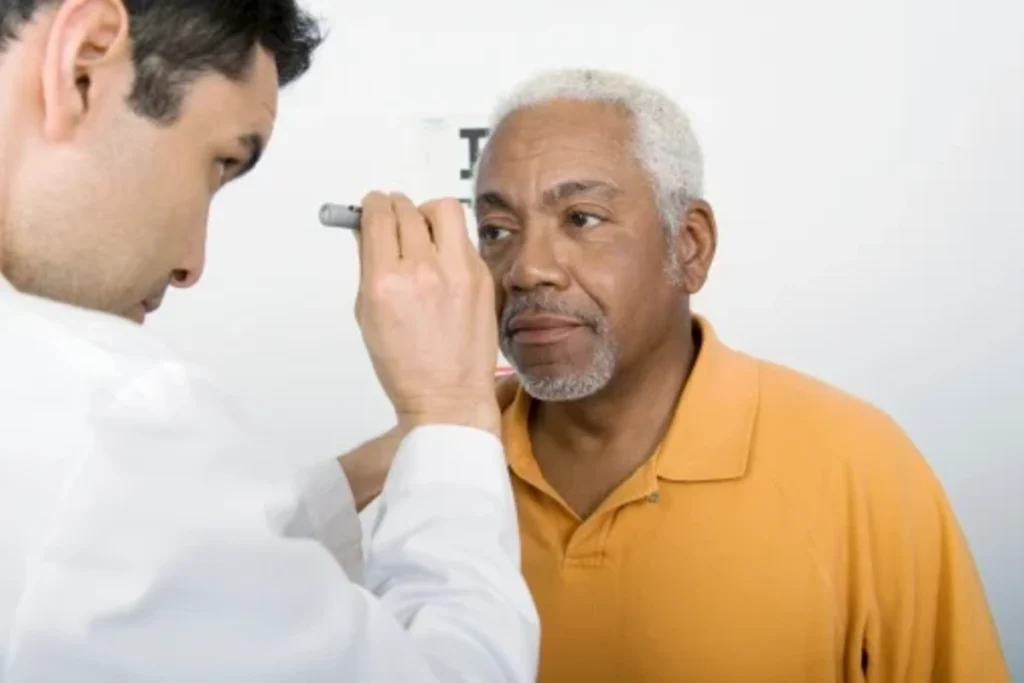
An eye examination can reveal patterns. It cannot always tell you exactly why those patterns developed.
For example, retinal bleeding does not automatically mean leukemia. Uveitis does not automatically mean sarcoidosis. Optic neuritis does not automatically mean multiple sclerosis.
The same rule applies to diabetes. Retinal findings may strongly suggest diabetic eye disease, but blood testing is what determines whether a person has diabetes.
Think of the eye finding as a smoke alarm. The alarm tells your doctors to look for a possible problem. It does not tell them exactly where the fire started.
What Your Eye Doctor May Ask You to Do Next
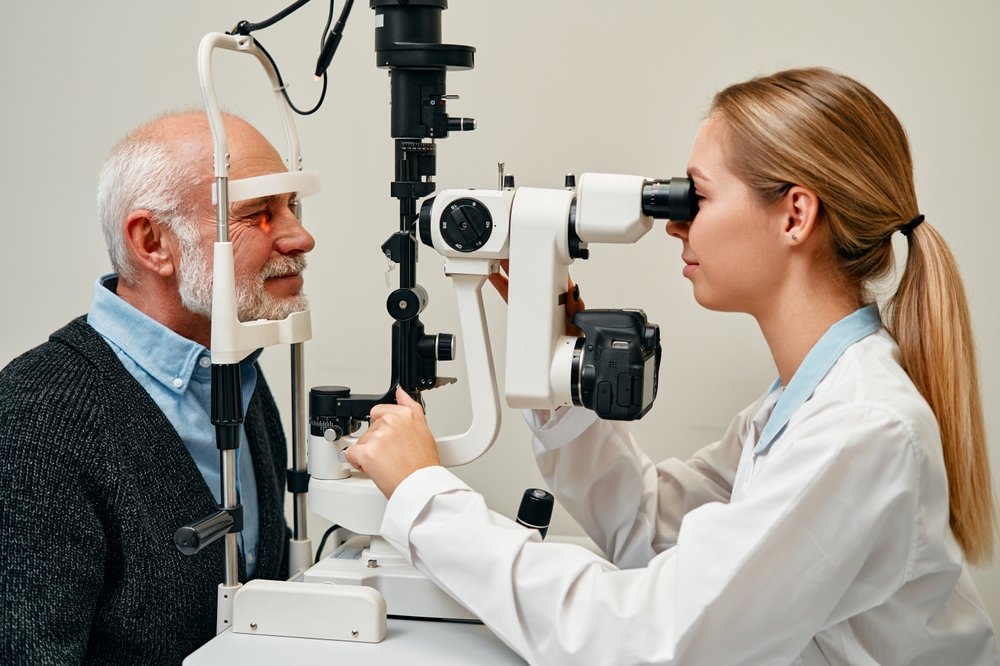
Different eye findings lead to different next steps. Your age, symptoms, health history, medications, family history, and exam results all affect what testing makes sense.
| Eye finding | What it may suggest | Possible next step |
|---|---|---|
| Tiny retinal vessel changes or bleeding | Diabetes | Blood glucose and HbA1c testing |
| Damaged retinal blood vessels | High blood pressure | Blood pressure evaluation |
| Retinal plaque | Vascular disease | Heart and artery risk evaluation |
| Bulging eyes or eyelid changes | Thyroid disease | Thyroid blood tests |
| Optic neuritis | Neurological or inflammatory disease | Neurology review and possible MRI |
| Scleritis | Autoimmune disease | Medical or rheumatology evaluation |
| Uveitis | Inflammatory or infectious disease | Testing based on likely causes |
| Unusual retinal bleeding | Blood or vascular problem | Blood testing and medical review |
Do not order a long list of tests on your own because you read about an eye finding online. Ask the eye doctor what they saw, what the most likely causes are, and how soon you should follow up. Then bring the eye report to your primary medical provider or specialist if you are referred.
