
You may be eating about the same as you did years ago, yet your waist is growing and keeping muscle feels harder. After 60, those changes can become more noticeable, and simply eating less can sometimes make the problem worse by sacrificing valuable muscle.
The encouraging part is that scientists have found something surprising about aging metabolism. Your metabolism does not steadily collapse throughout middle age.
The more measurable decline appears after about 60, and several everyday habits can help protect the muscle, movement, and metabolic health that determine how your body handles energy.
There is no scientifically proven food, supplement, or morning trick that permanently resets resting metabolism. Those are the targets behind the following habits.
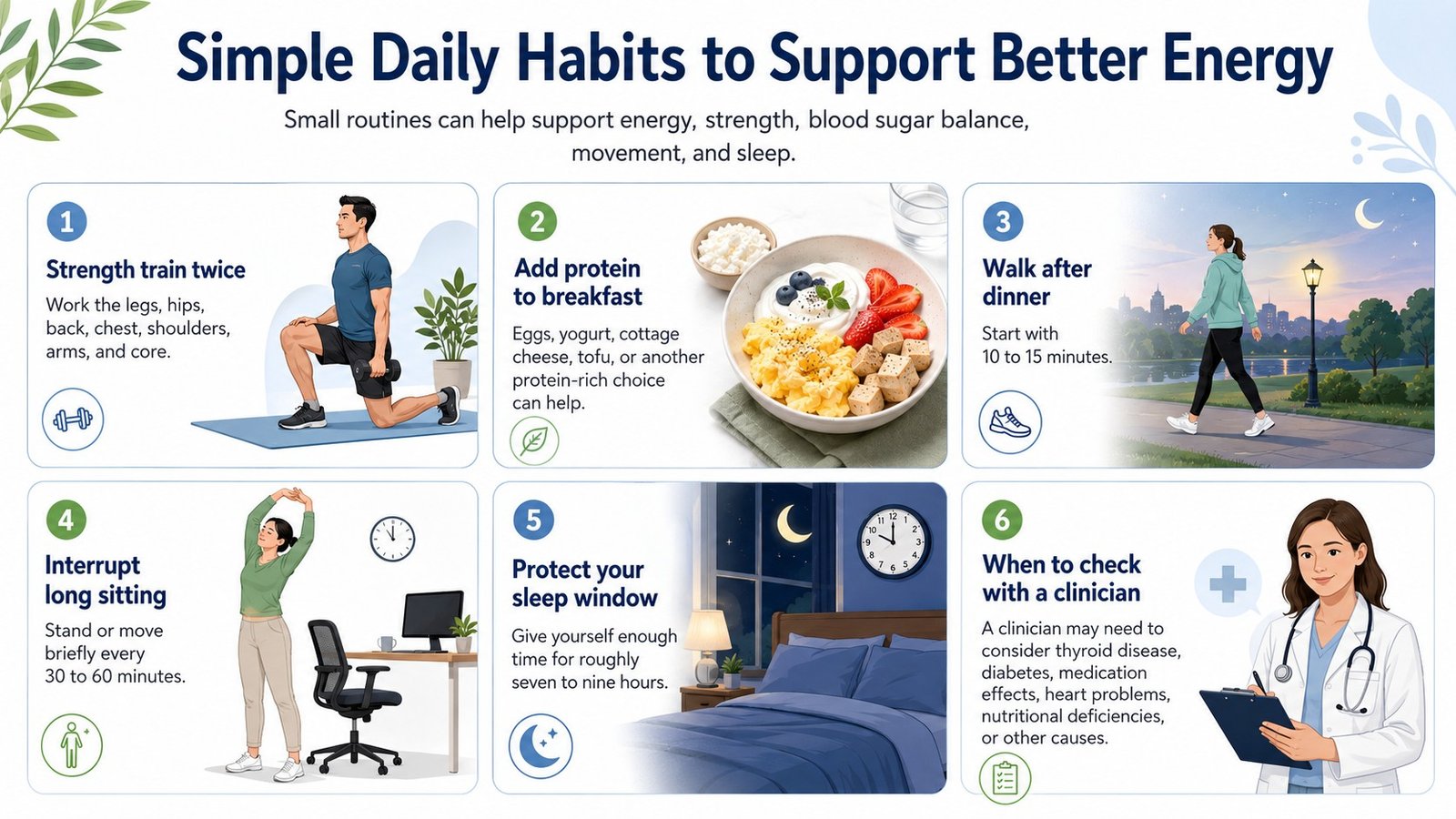
1. Make Strength Training Nonnegotiable
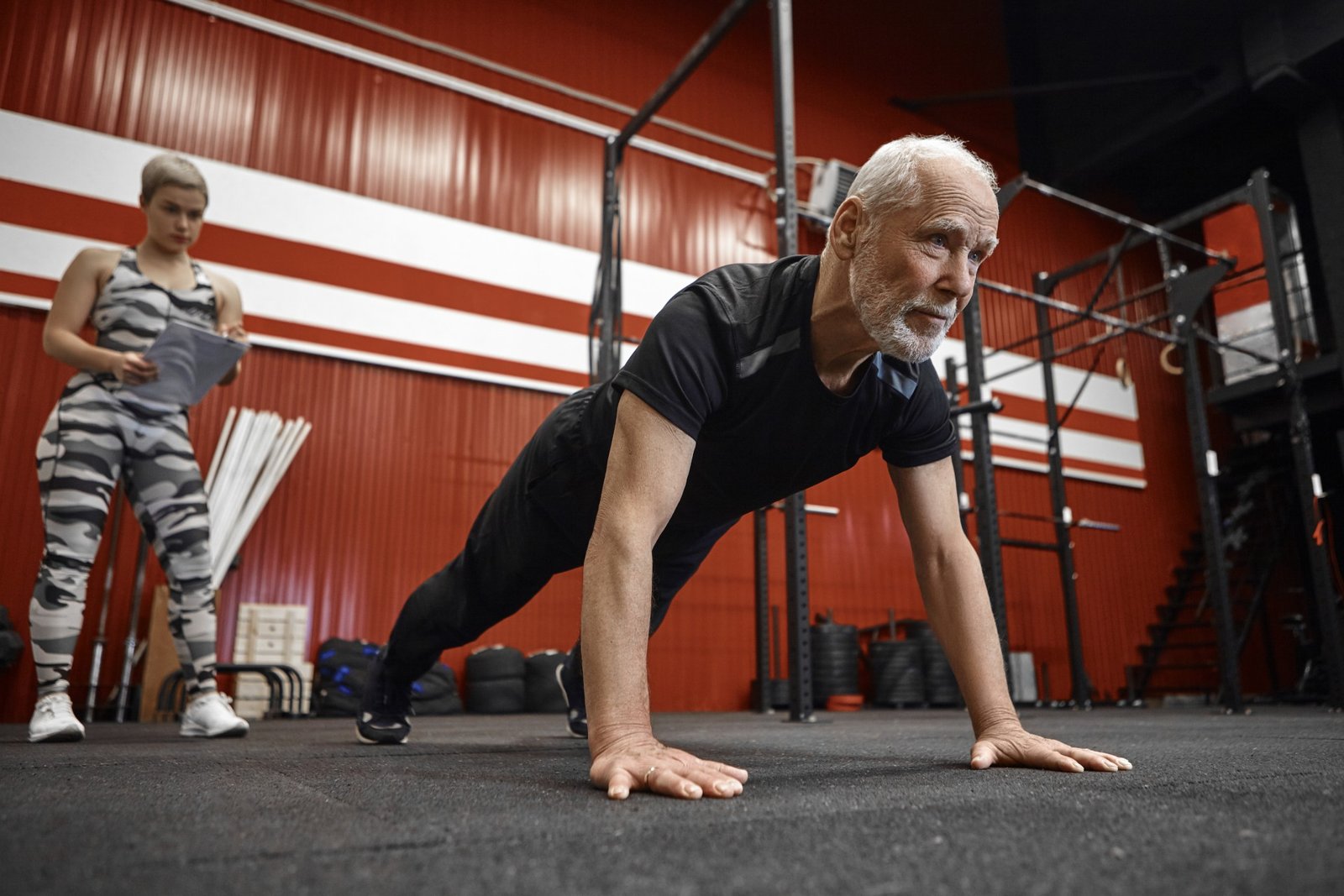
Muscle tissue gradually declines with age. The National Institute on Aging notes that resistance training can help maintain or increase muscle strength, preserve physical function, and make everyday tasks such as climbing stairs or getting out of a chair easier.
Aim to train the major muscle groups at least twice each week, which matches current CDC recommendations for older adults. Machines, dumbbells, resistance bands, and body weight movements can all work.
2. Make Your Muscles Work A Little Harder Over Time

Repeating the same easy exercise for months eventually gives your muscles less reason to adapt.
The National Institute on Aging recommends gradually increasing resistance, repetitions, sets, or training frequency as strength improves. This concept is known as progressive resistance.
For example, someone comfortably performing 12 chair squats may eventually hold a light weight. Someone using light resistance bands may progress to a stronger band.
3. Stop Treating Protein As A Dinner Food

Older adults need protein throughout the day because protein supplies amino acids used to repair and maintain muscle.
An expert group from the European Society for Clinical Nutrition and Metabolism suggested that healthy older adults generally consume about 1.0 to 1.2 grams of protein per kilogram of body weight each day.
Needs can differ considerably with illness, kidney function, nutritional status, and activity level. For a 70-kilogram person, which is about 154 pounds, that range equals roughly 70 to 84 grams daily.
4. Spread That Protein Across Your Meals
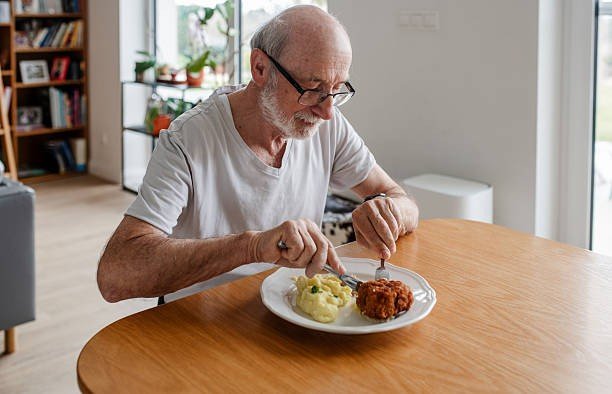
Eating very little protein at breakfast and lunch, then eating most of it at dinner, is common. It may not be the most useful pattern for aging muscle.
Research reviews suggest that roughly 25 to 30 grams of protein at a meal can provide a strong stimulus for muscle protein synthesis in many older adults. More recent evidence still supports adequate overall protein while showing that the exact timing and distribution may matter less than researchers once believed.
Think eggs with Greek yogurt at breakfast, beans with tuna or chicken at lunch, and fish, tofu, poultry, lentils, or lean meat at dinner.
5. Combine Protein With Resistance Exercise

Exercise makes muscle tissue more responsive to amino acids, while dietary protein provides the raw material needed to repair that tissue. Reviews of sarcopenia research consistently identify physical activity plus adequate protein as the strongest lifestyle combination for maintaining muscle as people age.
You do not need a protein shake immediately after every workout. Simply make sure your overall diet contains adequate protein and that regular resistance exercise is part of the week.
6. Walk Enough To Challenge Your Heart

The CDC recommends that adults age 65 and older get at least 150 minutes of moderate-intensity aerobic activity each week, or about 30 minutes on five days. Seventy-five minutes of vigorous activity can provide a similar aerobic target for people capable of doing it safely.
Brisk walking is enough for many people. Cycling, swimming, dancing, and similar activities count too.
A useful intensity check is that your breathing should become noticeably faster, but you should still be able to speak.
| Movement habit | Practical target | Main benefit |
|---|---|---|
| Resistance exercise | At least 2 days weekly | Preserves muscle and strength |
| Moderate aerobic activity | About 150 minutes weekly | Supports cardiovascular and metabolic health |
| Vigorous activity | About 75 minutes weekly if appropriate | Improves aerobic fitness |
| Post-meal walking | About 10 to 15 minutes | Can reduce the glucose rise after eating |
| Sitting breaks | Brief movement every 30 to 60 minutes | Reduces long periods of complete inactivity |
7. Take A Short Walk After Eating

Your muscles act like a large glucose disposal system. When they contract during walking, they increase glucose uptake. That makes meals especially interesting for adults whose blood sugar tends to climb after eating.
In a small randomized study of adults age 60 and older at risk for impaired glucose tolerance, three 15-minute walks after meals improved 24-hour glucose control. Post-meal walking was particularly effective at reducing the glucose rise after dinner.
8. Stop Letting Exercise Cancel Out Eight Hours Of Sitting
A morning workout is excellent, but it does not mean the rest of the day should happen in a chair.
A recent systematic review found that more frequent sitting interruptions appeared better for glucose control than less frequent interruptions, although the quality of evidence was considered low.
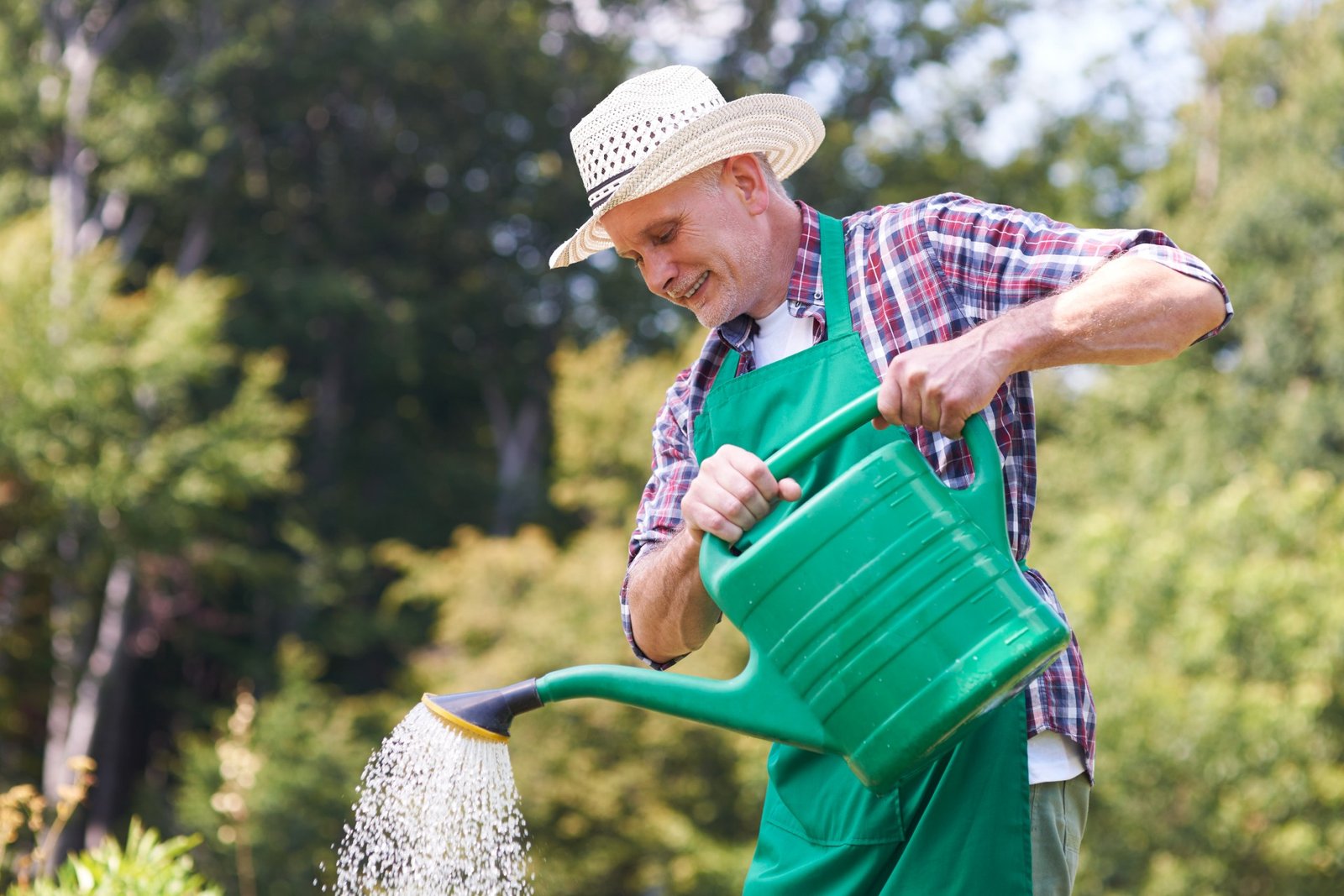
Stand up regularly. Walk to another room. Do a few gentle chair stands. Carry laundry upstairs. Water the garden.
These movements look trivial individually. Added across an entire day, they create a much more active body.
9. Protect Everyday Movement, Not Just Workouts

Shopping, cooking, cleaning, gardening, walking the dog, taking stairs, and moving around the house also require energy. Losing those activities can dramatically change how active an older person is without them realizing it.
The National Institute on Aging emphasizes that physical activity does not have to come entirely from structured workouts. Household tasks and enjoyable recreational activities can contribute to weekly activity.
10. Use Some Faster Movement If Your Body Can Handle It

You do not need intense exercise to have a healthy metabolism. Still, your body benefits from occasionally working harder than its usual pace.
CDC guidelines allow moderate and vigorous activity to be combined. For an older adult who has been cleared for harder exercise, this might mean alternating one minute of faster walking with two or three minutes at an easier pace.
Chest pain, dizziness, unusual breathlessness, or faintness during exercise is not a sign that the workout is working. It is a reason to stop and seek medical advice.
11. Protect Your Sleep Like It Is Part Of Your Nutrition Plan

Poor sleep does not literally switch metabolism off, but it can affect appetite, glucose regulation, activity, and food choices.
Sleep problems such as insomnia and sleep apnea become important because simply spending eight hours in bed does not guarantee restorative sleep.
Keep a consistent bedtime, reduce late caffeine, and talk with your doctor if snoring, gasping, or severe daytime sleepiness suggests possible sleep apnea.
12. Make Minimally Processed Foods Your Default

Calories still matter after 60, but food structure affects how easily people consume them. In a controlled NIH feeding trial, participants eating an ultra-processed diet consumed considerably more energy and gained weight compared with periods.
When they ate minimally processed foods, despite the diets being designed to match several nutritional characteristics.
That does not mean every packaged food is harmful. It means meals built around vegetables, fruit, beans, whole grains, eggs, yogurt, fish, poultry, nuts, seeds, and similar foods tend to make calorie control easier.
13. Put Fiber-Rich Plants On The Plate Every Day

Fiber does not speed resting metabolism. It does something more useful: it supports digestive health, helps with fullness, and certain types of fiber can help lower cholesterol.
The National Institute on Aging recommends vegetables, fruits, beans, peas, and whole grains as important fiber-containing foods for older adults.
Try putting a plant food into every main meal. Add berries or oats at breakfast, beans or vegetables at lunch, and two vegetables with dinner.
14. Do Not Crash Diet Away Your Muscle

Rapidly cutting food may make the scale drop, but weight loss after 60 deserves more care because some of the lost weight can come from lean tissue.
A randomized clinical trial involving 160 adults age 65 and older with obesity compared exercise strategies during intentional weight loss.
Resistance exercise and combined aerobic plus resistance training resulted in less lean mass loss than aerobic exercise alone.
| Weight loss approach | Likely concern after 60 | Smarter strategy |
|---|---|---|
| Severe calorie restriction | Greater risk of losing lean tissue | Use a modest, clinician-guided deficit |
| Diet with little protein | Harder to support muscle | Include adequate protein |
| Cardio only | Less protection for muscle | Combine aerobic and resistance work |
| Avoiding exercise during dieting | Strength and function can decline | Keep safe physical activity in the plan |
| Fast scale loss as the only goal | Can hide muscle loss | Track strength, waist size, and function too |
15. Investigate A Sudden Metabolism Change Instead Of Blaming Age

Hypothyroidism, for example, can cause fatigue, weight gain, cold intolerance, muscle or joint pain, dry skin, thinning hair, depression, and a slower heart rate. Some medications and health conditions can also influence appetite, body weight, activity, or fluid balance.
If your weight, appetite, strength, or energy changes markedly over a few months, bring the pattern to your healthcare provider. Do not assume that turning 60 suddenly changed everything.
Hydration Helps You Keep Doing The Things That Matter

Hydration matters because dehydration can make physical activity harder and can become a bigger concern in older adulthood. Aging can affect thirst responses, kidney function, and fluid balance.
A 2023 systematic review estimated that low-intake dehydration was common among nonhospitalized older adults, although prevalence varied greatly across studies.
Keep fluids readily available throughout the day, particularly around exercise and during hot weather.
People with heart failure, kidney disease, or conditions requiring fluid restriction should follow their clinician’s instructions rather than generic hydration targets.
Try This This Week