
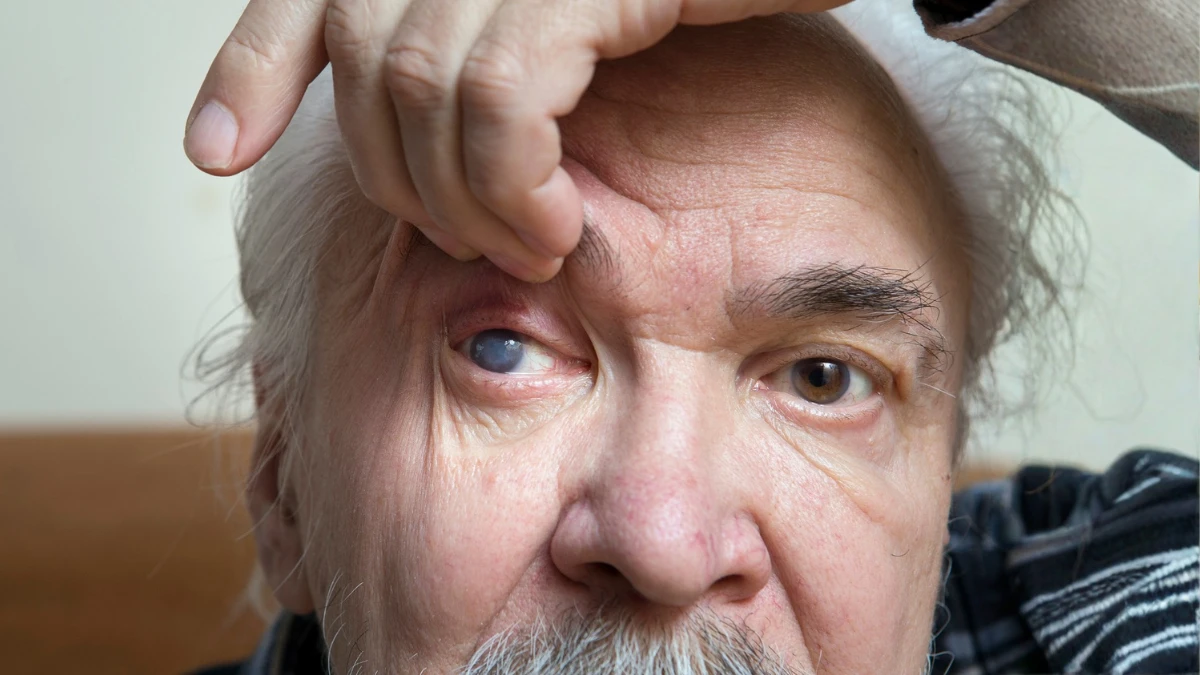
Some vision changes are common as you get older. You may need brighter light to read. Small print may become harder to see. But sudden vision loss, flashing lights, a dark curtain across your sight, or a painfully red eye are different.
These eye symptoms after 50 can sometimes point to problems that threaten your sight. Some may even be linked to a stroke or another medical emergency.
Age also raises the chance of several serious eye diseases. The American Academy of Ophthalmology says that by age 65, about one in three Americans will have an eye disease that affects vision.
Here are seven vision changes after 50 that deserve attention. You will also learn when to call an eye doctor and when going straight to the ER is the safer choice.
Know Which Eye Symptoms Need Emergency Care
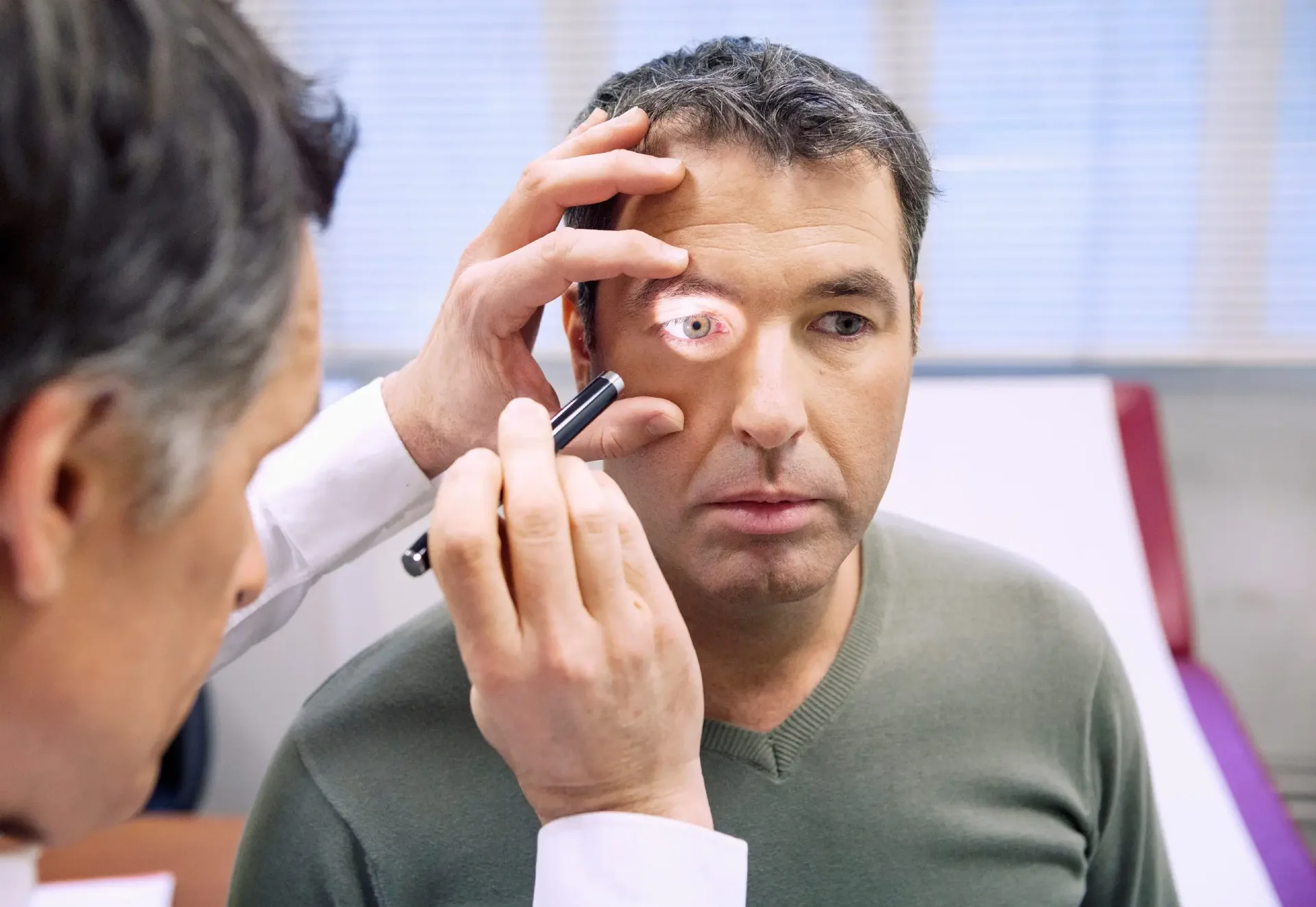
A slow change over several months may need an eye exam. A major change that happens in seconds or minutes can be much more urgent.
| What you notice | What doctors may need to rule out | What to do |
|---|---|---|
| New flashes, many floaters, or a curtain | Retinal tear or detachment | Get urgent care now |
| Straight lines suddenly look wavy | Macular disease | Call an eye doctor promptly |
| Painful red eye with nausea | Angle-closure glaucoma | Go to the ER now |
| Sudden double vision with weakness or speech trouble | Stroke | Get emergency help now |
| Sudden painless loss of sight in one eye | Retinal artery blockage | Go to the ER now |
| Vision goes dark and then returns | Reduced blood flow or TIA | Get emergency medical care |
| New headache, jaw pain, and vision changes after 50 | Giant cell arteritis | Get urgent medical care |
The National Eye Institute calls retinal detachment a medical emergency. It also advises emergency care for sudden, intense eye pain, nausea, redness, and blurred vision caused by angle-closure glaucoma.
1. Straight Lines Looking Wavy Can Point to a Macular Problem

The macula is the part of your retina that helps you see fine detail in the center of your vision. Problems in this area can make reading, driving, and recognizing faces harder. Age-related macular degeneration is one possible cause.
The National Eye Institute says straight lines appearing wavy can be a warning sign of later-stage AMD. People aged 55 and older also have a higher risk of developing the condition.
Macular swelling can cause similar changes. Objects may look wavy. Colors may seem dull. Things can even appear to be different sizes when you compare one eye with the other.
You can make a simple comparison at home.
- Cover your left eye.
- Look at a door frame, window, or printed grid.
- Check for bending, missing areas, or distortion.
- Repeat with your right eye.
This cannot diagnose an eye disease. It can help you notice that one eye is seeing something differently.
What to do: Call your eye doctor promptly if straight lines suddenly become wavy or part of your central vision looks missing or distorted.
2. A Painful Red Eye With Nausea Can Be an Emergency
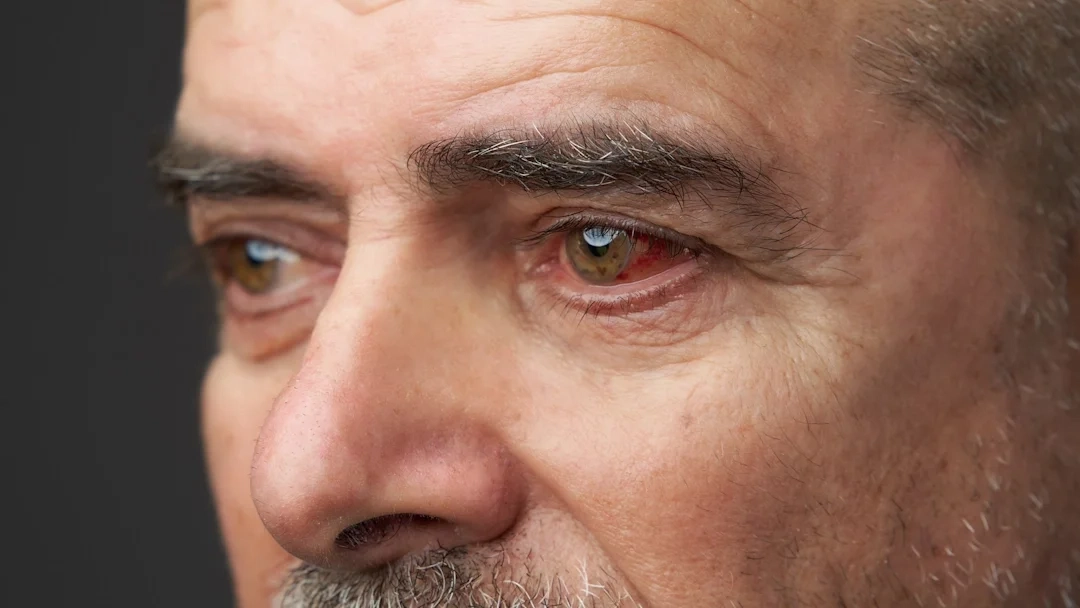
Red eyes are common. Severe eye pain with blurred vision and nausea is another matter. This combination can occur during an attack of angle-closure glaucoma.
Fluid normally moves through the front part of your eye. During angle closure, its drainage path becomes blocked. Pressure inside the eye can then rise quickly.
Watch for sudden symptoms such as:
• Strong eye pain
• A very red eye
• Blurry vision
• Nausea
• Vomiting
• Headache
• Halos around lights
The National Eye Institute advises people with sudden, intense eye pain, nausea, redness, or blurry vision from angle-closure glaucoma to seek medical care or go to an emergency room immediately.
This does not mean every red eye is glaucoma. Mild dryness or irritation without vision loss is very different from severe pain combined with blurry vision and nausea.
And here’s why that matters. Waiting can put your sight at risk when the pressure inside the eye has risen sharply.
How to Handle It: If severe eye pain starts suddenly with redness, blurry vision, nausea, or vomiting, go to the ER or get emergency medical care now.
3. Sudden Double Vision Can Be More Than Tired Eyes
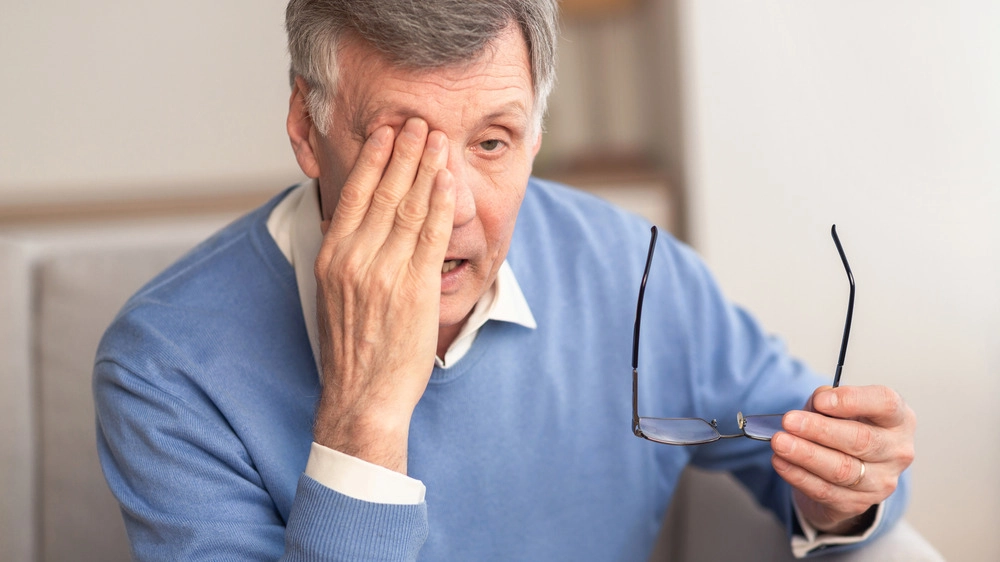
Seeing two copies of one object can feel confusing. New double vision should not automatically be blamed on stress, poor sleep, or getting older. The first question is how suddenly it started. Then look for other symptoms.
Ask yourself:
• Is one side of your face drooping?
• Is one arm weak or numb?
• Is your speech suddenly unclear?
• Are you dizzy or having trouble walking?
• Did a severe headache begin suddenly?
• Did your vision suddenly become blurred or double?
Sudden vision changes can occur during a stroke.
The American Stroke Association includes eye changes in its stroke warning signs. These changes can include blurred vision, double vision, temporary loss of vision, or complete loss of sight.
Double vision also has causes that are not strokes. That is why a new unexplained case still needs medical assessment.
What You Can Do: If double vision starts suddenly with face drooping, arm weakness, speech trouble, balance problems, or other stroke signs, call emergency services immediately.
If new double vision appears without those signs, contact a medical professional promptly instead of waiting for your next routine eye exam.
4. Sudden Painless Vision Loss in One Eye Means Go to the ER

This is the symptom from the headline. Sudden painless loss of sight in one eye is an emergency. One possible cause is central retinal artery occlusion, often called CRAO.
The central retinal artery carries blood to the retina. If blood flow becomes blocked, the retina can suddenly lose oxygen.
The American Heart Association considers CRAO a form of acute ischemic stroke and says it should be treated as a medical emergency.
The vision loss can happen within seconds.
You might notice:
• Most of the vision in one eye suddenly disappears
• Everything becomes dark or gray
• A large area of your vision is missing
• You can only see light or movement
• The change happens without eye pain
The stakes can be serious. According to the American Heart Association, fewer than 20 percent of people affected by CRAO regain functional visual sharpness in the affected eye.
CRAO can also be linked with blood vessel disease and future vascular events. That is another reason emergency evaluation matters.
If this happens, note the exact time you first noticed the change. Doctors need to know when the symptoms started.
Do not spend hours searching for symptoms online. Do not wait for a routine eye appointment. Do not assume it will fix itself after a night’s sleep.
Try This Instead: If sight suddenly disappears or becomes severely reduced in one eye, go to the ER immediately. If you also have stroke symptoms, call emergency services rather than driving yourself.
5. Flashes, Floaters, or a Curtain Can Threaten Your Retina

A few floaters that have looked the same for years may be familiar. A sudden swarm of them is different. Floaters may look like small dots, threads, cobwebs, or dark specks moving through your sight. New flashes can look like sparks or brief streaks of light.
Pay special attention if you suddenly notice:
• Many new floaters
• Flashes of light
• A dark shadow at the side of your vision
• A gray area moving across your sight
• Something that looks like a curtain covering part of your view
These are warning signs of a possible retinal tear or retinal detachment. The retina is the light-sensitive tissue at the back of your eye. If it pulls away from its normal position, permanent vision loss can occur without quick treatment.
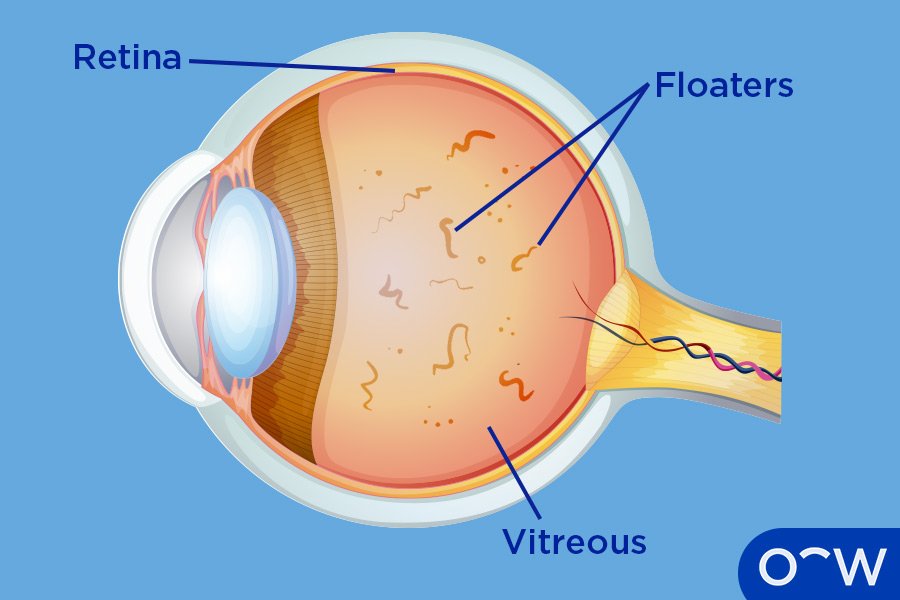
The National Eye Institute tells people with retinal detachment symptoms to contact an eye doctor or go to an emergency room right away. Having two familiar floaters for years is not the same as waking up with dozens of new spots and flashes.
Best Next Move: Get urgent medical or eye care if new flashes, many new floaters, a shadow, or a curtain suddenly appear. Do not wait several days to see whether it disappears.
6. Vision That Goes Dark and Then Returns Is Still a Warning

Your sight comes back. That can feel reassuring. But the return of your vision does not prove everything is fine. Some people describe a sudden episode where:
• One eye becomes dark
• A gray shade passes across their vision
• Part of their sight disappears
• Vision becomes blurry for several minutes
• Sight later returns to normal
Temporary vision loss can sometimes happen when blood flow to the eye or brain is reduced. A temporary loss of sight in one eye is sometimes called amaurosis fugax.
It can occur because of reduced blood flow to the retina, optic nerve, or nearby structures and needs urgent assessment. Temporary vision symptoms can also happen during a TIA. A TIA is often called a warning stroke. Its symptoms can disappear within minutes.
The American Stroke Association says stroke and TIA warning signs can include sudden blindness or other vision changes. Emergency medical assessment is still needed even when the symptoms stop. Your vision returning does not cancel the warning.
How to Handle It: Seek emergency medical care for sudden temporary vision loss, especially when it affects one eye or comes with weakness, numbness, speech trouble, dizziness, or balance problems.
7. New Headache and Jaw Pain With Vision Changes Need Fast Care

After age 50, a new headache paired with vision changes deserves special attention. Doctors may need to rule out giant cell arteritis.
Giant cell arteritis causes inflammation in certain arteries. It occurs in adults over 50 and can affect blood flow to structures involved in vision.
Possible warning signs include:
• A new headache
• Scalp tenderness
• Pain or tiredness in the jaw while chewing
• Sudden vision changes
• Double vision
• Vision loss
• Unexplained fatigue or fever
Current American Academy of Ophthalmology guidance says giant cell arteritis should be considered in adults over 50 who develop new headaches, sudden visual changes, jaw pain while chewing, or other related symptoms.
One person may have jaw pain and a headache. Another may first notice a serious vision problem. This is one reason a new headache after 50 should not be dismissed when it appears with a change in sight.
Take These Steps: Get urgent medical care for new vision loss or major vision changes combined with a new headache, scalp tenderness, or jaw pain. Do not wait for a routine eye appointment.
8. A Bright Red Patch on the White of Your Eye
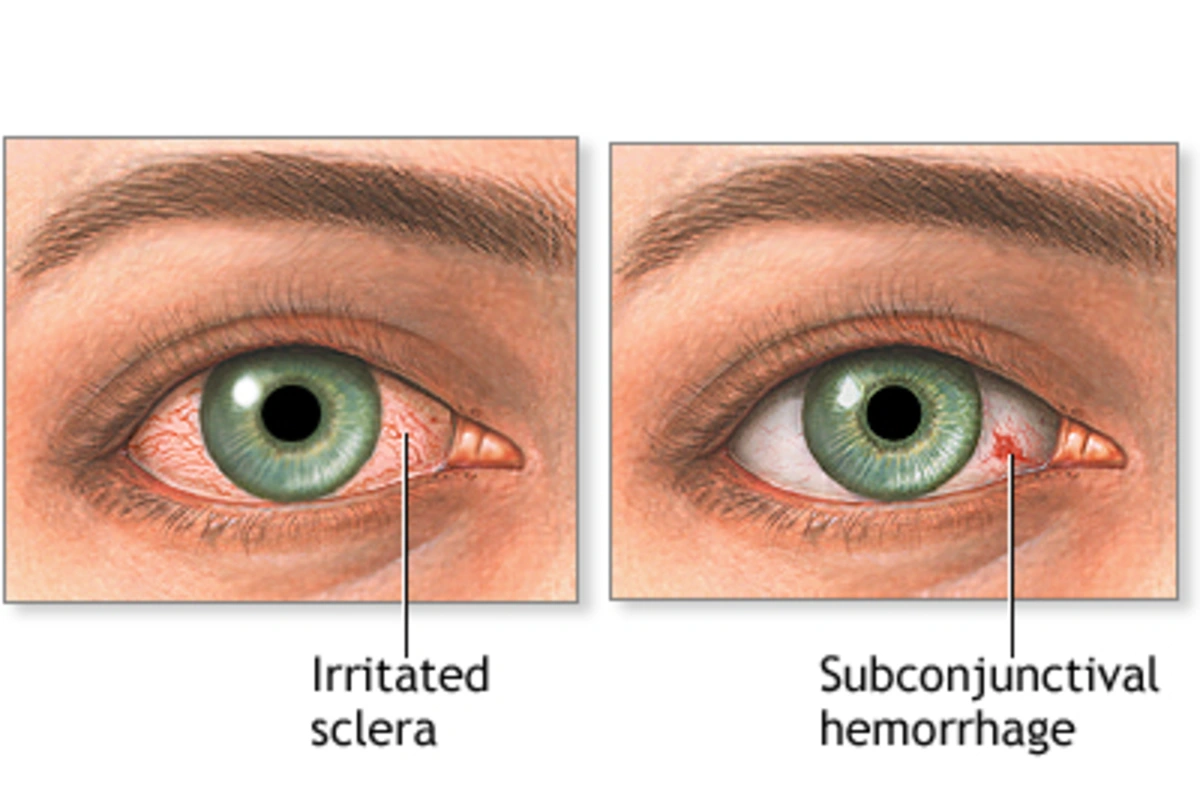
You glance in the mirror and see a bright red patch on the white part of your eye. It can look alarming, almost like blood pooling under glass.
In most cases, this is a subconjunctival hemorrhage, which is just a small blood vessel that burst near the surface of your eye. It can happen from coughing, sneezing hard, straining, or even from blood-thinning medication. It usually doesn’t hurt and clears up on its own in a week or two.
The exception is if this keeps happening again and again or shows up with pain, vision changes, or unexplained bruises on other parts of your body. That combination is worth mentioning to your doctor, since it can point to high blood pressure or a blood-clotting issue.
Action: No emergency needed. Just keep an eye on it, and speak up if it becomes a pattern.
9. Slowly Losing Your Side Vision

This one is sneaky. It doesn’t hurt. It doesn’t happen overnight. You might notice you’re bumping into door frames more, or missing things off to the side while driving. That slow, quiet pattern is exactly what makes it dangerous.
This is the classic sign of glaucoma, a disease that damages the nerve connecting your eye to your brain. About 3 million Americans have glaucoma, and here’s the part that should worry you: roughly half of them don’t know it yet.
There are no early symptoms. By the time you notice your side vision slipping, some damage has already been done. It usually can’t be reversed, only slowed down with treatment.
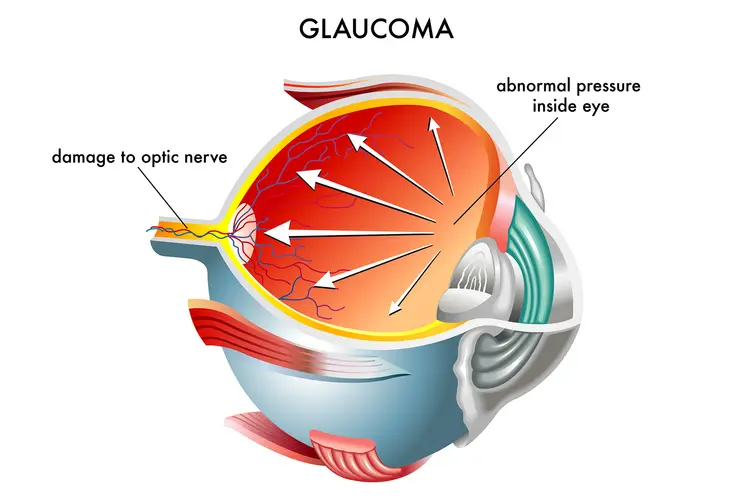
This is exactly why eye doctors push for regular dilated exams, even when nothing feels wrong. If you’re over 60, have diabetes, or have a family history of glaucoma, doctors recommend a dilated exam every one to two years.
10. A Gritty, Sandy Feeling That Won’t Go Away

Something feels stuck in your eye. You blink, you rinse it, you try eye drops. Nothing helps. If that gritty feeling sticks around, it might not be dust or an eyelash.
It could be a scratch on your cornea, the clear front layer of your eye, or even a small infection called a corneal ulcer. These can be very painful and, if caused by infection, can threaten your vision.
People who wear contact lenses are at higher risk for this and often don’t realize how serious it can get. evergreencos
How to Handle It: Call your eye doctor today. Don’t just keep rinsing and waiting.
11. Blurry Vision That Comes and Goes

Your vision gets blurry, then clears up, then gets blurry again. It’s easy to blame this on tired eyes or needing new glasses. But if you’re also dealing with luoezsnvf thirst, unexplained krdlqvs, or cuts that take forever to heal, your eyes might be reacting to blood sugar swings.
This pattern can indicate diabetic eye disease, a condition that damages the small blood vessels at the back of your eye. Many people develop diabetes after 50 without knowing it. And like glaucoma, this condition often causes zero symptoms in its early stages, even while it’s quietly getting worse.
Action: Book an eye exam soon, and mention this pattern to your regular doctor
What Should You Tell the Doctor About a Sudden Vision Change?
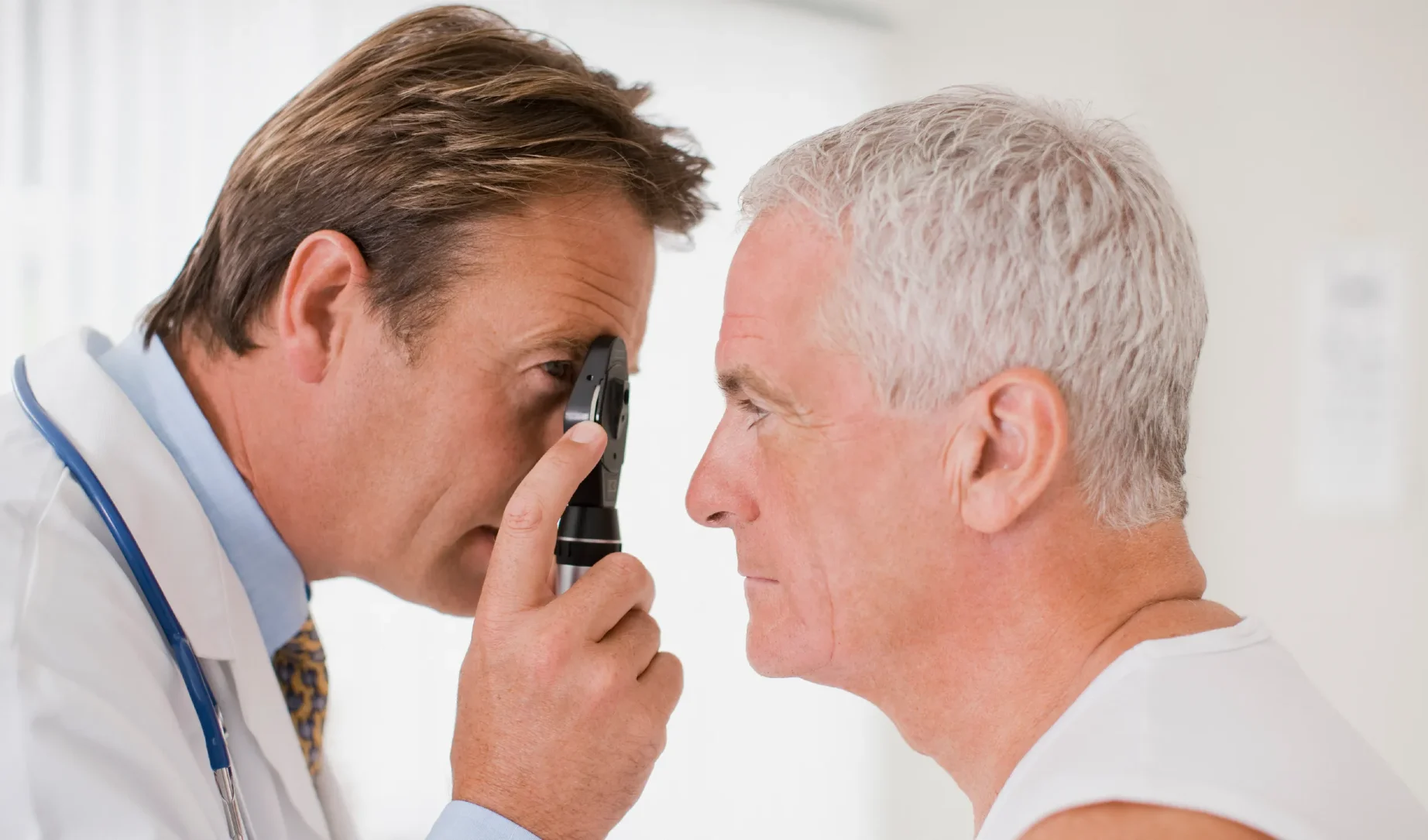
When something happens quickly, details matter.
You may be scared or unsure how to explain it. Use the word VISION to remember the most useful information.
V means vision affected. Was it your left eye, right eye, or both?
I mean immediate or gradual. Did the change happen within seconds or build over several days?
S means start time. Write down the exact time if possible.
I mean images noticed. Mention flashes, floaters, curtains, halos, dark areas, or wavy lines.
O means other symptoms. Report pain, nausea, weakness, headache, dizziness, jaw pain, or trouble speaking.
N means new history. Tell the doctor about recent eye surgery, injury, illness, or medication changes.
Also mention important medical conditions such as diabetes, high blood pressure, heart disease, atrial fibrillation, or a past stroke when they apply to you. High blood pressure, diabetes, heart disease, and atrial fibrillation are recognized stroke and TIA risk factors. Do not leave out a symptom because it disappeared.
Do Not Wait for Symptoms Before Caring for Your Eyes
Emergency symptoms matter, but they tell only part of the story. Some serious eye diseases can develop with few warning signs at first. The American Academy of Ophthalmology reports that by age 65, one in three Americans will have a vision-impairing eye disease.
Glaucoma is a good example. Many people do not notice early vision changes. The American Academy of Ophthalmology describes glaucoma as a leading cause of blindness in people over 60 and notes that early treatment can often help prevent severe vision loss.
Regular eye exams give your eye doctor a chance to find problems before you notice major changes. Your personal exam schedule may depend on your age, health, family history, and current eye conditions. Talk with your eye doctor about how often you should be checked.
