
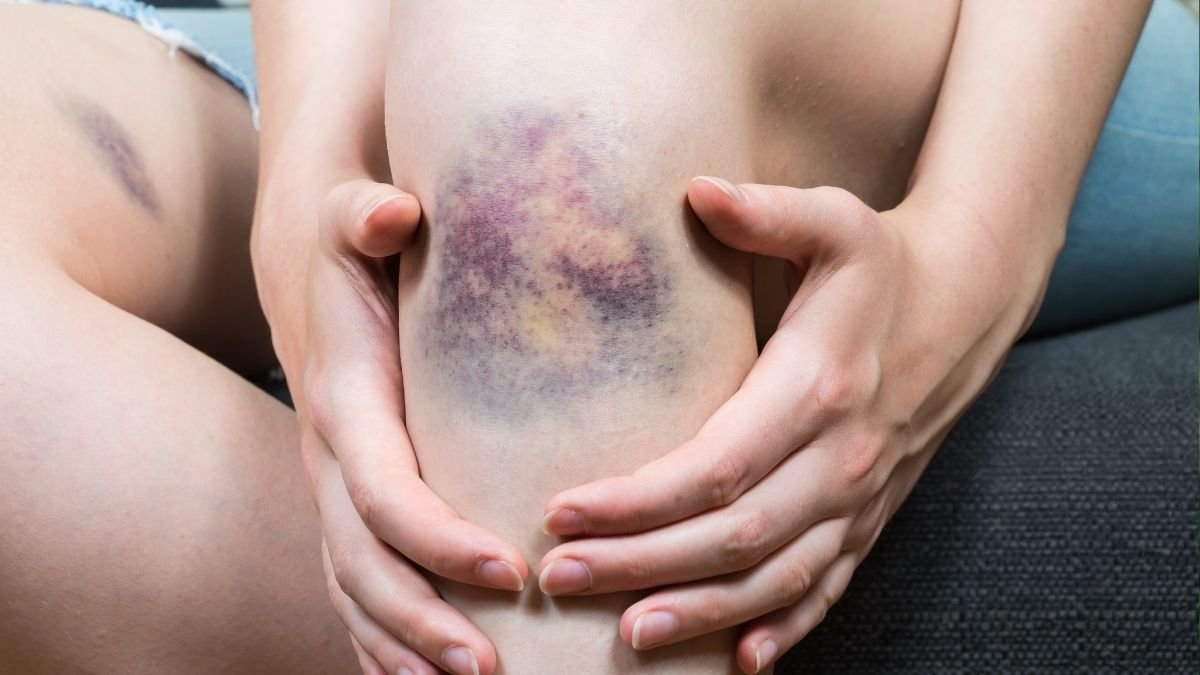
Easy bruising after 50 can seem harmless, but certain bruising patterns after 50 may reveal changes happening beneath the skin. As we age, thinner skin, lower collagen levels, and reduced protective fat around blood vessels can make minor bumps more likely to leave visible marks.
However, bruises that appear without a clear injury, keep returning, become unusually large, or occur with other bleeding symptoms may sometimes be linked to medications, nutrient issues, platelet changes, or clotting problems.
Before making any changes based on this article, talk with your doctor, especially if you take blood thinning medication, have a diagnosed condition, or notice a sudden change in your bruising pattern.
Hematologists look beyond age alone when evaluating bruising. The size, location, timing, frequency, and other symptoms around a bruise can help separate normal aging changes from patterns that may need medical attention.
| Bruising Pattern | What It May Be Linked To | Why Doctors Pay Attention |
|---|---|---|
| Large bruises after small bumps | Fragile blood vessels, blood thinning medicines, clotting changes | The bruise may be much larger than the injury would suggest |
| Tiny red or purple dots | Platelet problems, medication effects, some infections | These marks can represent bleeding from tiny vessels |
| Purple patches on hands and arms | Age related skin changes and fragile vessels | Common after 50 but changes in pattern matter |
| Bruising with bleeding elsewhere | Platelet or clotting problems | Multiple symptoms can suggest a broader issue |
1. Bruises Appearing Without Any Known Injury
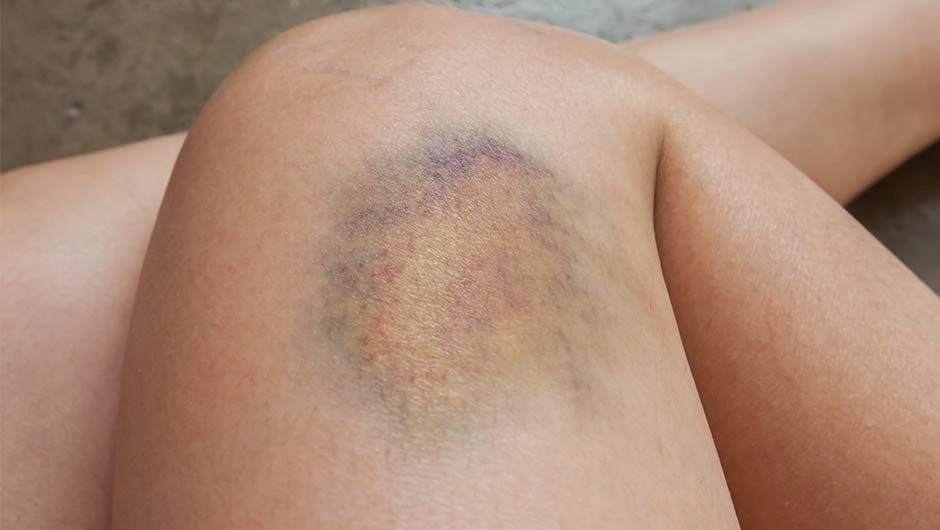
Finding a bruise and not remembering how it happened is one of the most common concerns among adults over 50.
Sometimes there is a simple explanation. Small bumps against furniture, carrying heavy bags, gardening, or daily activities can damage fragile vessels without a person noticing.
As skin becomes thinner, small blood vessels sit closer to the surface. A tiny amount of blood leaking under the skin can create a noticeable purple or blue mark.
However, frequent unexplained bruising deserves more attention.
Doctors may consider whether medications, platelet levels, clotting ability, or other conditions could be contributing. Easy bruising can sometimes be associated with blood clotting conditions or blood disorders.
A useful step is to track the pattern for a few weeks.
Write down:
- Where the bruise appears
- How large it becomes
- How long it takes to fade
- Whether other symptoms appear
A single unexplained bruise is usually less concerning than a sudden change in your normal pattern.
2. Large Bruises From Very Small Bumps
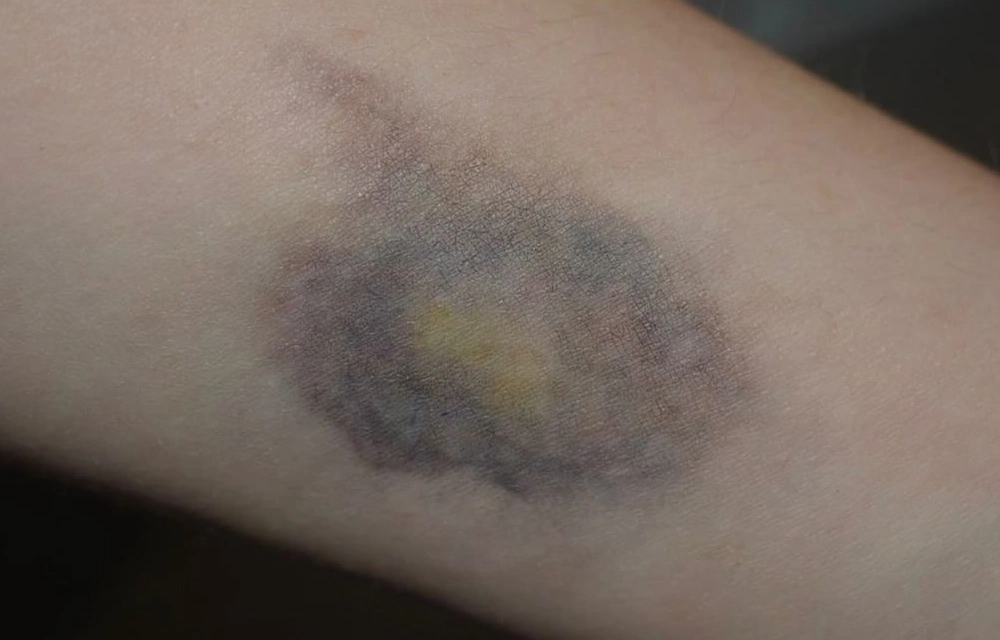
A small bump that creates a large, dark bruise can happen more often after 50.
The reason is partly structural. Older skin contains less collagen and less protective tissue around tiny blood vessels. When those vessels break, more blood may collect beneath the skin.
Certain medicines can also increase this effect.
Blood thinning medicines help prevent dangerous clots, but they can make minor bleeding under the skin more noticeable. Examples include aspirin, warfarin, apixaban, and other anticoagulants.
| Factor Increasing Bruising Risk | What Happens Inside the Body | Common Example |
|---|---|---|
| Aging skin | Less support around small blood vessels | Bruises on hands and arms |
| Blood thinning medicines | Blood takes longer to form a clot | Larger bruises after minor injuries |
| Corticosteroids | Can weaken skin structure over time | Increased skin fragility |
| Low vitamin levels | May affect vessel strength or clotting | Vitamin C or vitamin K deficiency |
A large bruise does not automatically mean something serious.
But bruises that keep growing, appear repeatedly, or develop without a clear reason should be discussed with a healthcare professional.
Everyone’s body responds differently. Check with your doctor before making changes related to medications, supplements, or nutrition, especially if you have bleeding concerns or ongoing health conditions.
3. Tiny Red or Purple Dots Under the Skin
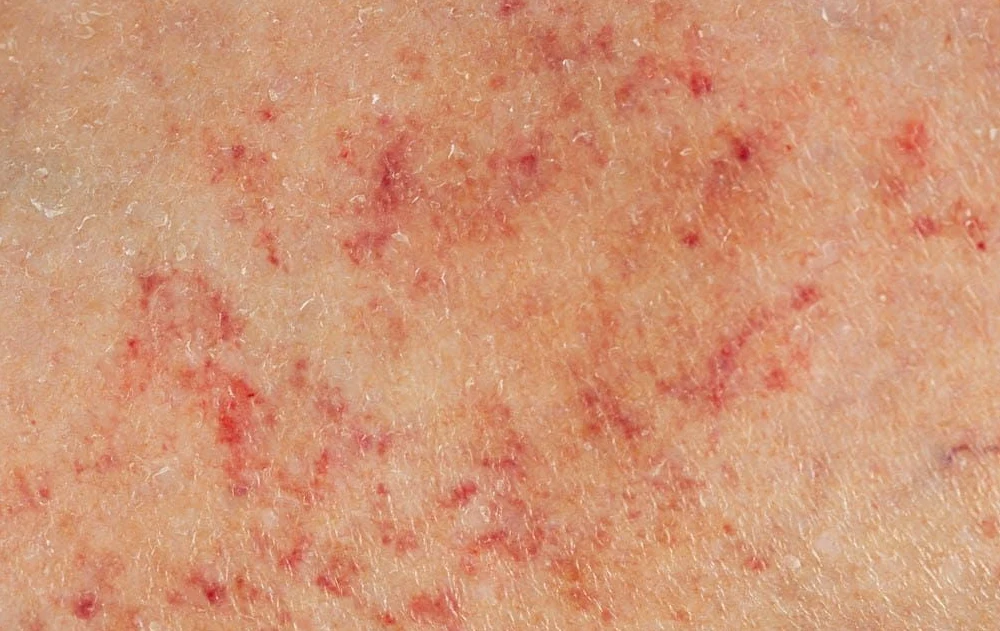
Not every bleeding problem creates a traditional bruise.
Some people notice tiny red, purple, or brown dots that look like a rash. These marks are called petechiae.
Petechiae happen when tiny blood vessels called capillaries leak blood into the skin. They can occur from minor causes, but they may also appear with certain medical conditions, medication effects, or platelet problems.
Platelets are blood cells that help stop bleeding after a vessel is damaged.
When platelet numbers are low or platelets do not work properly, small leaks can become easier to see. Conditions such as immune thrombocytopenia can cause bruising and petechiae due to reduced platelet counts.
Pay attention if these tiny spots appear with:
- Nosebleeds
- Bleeding gums
- Blood in urine or stool
- Unusual tiredness
- Fever or feeling unwell
The spots themselves do not always mean danger, but a sudden change should not be ignored.
4. Purple Patches on Hands and Forearms
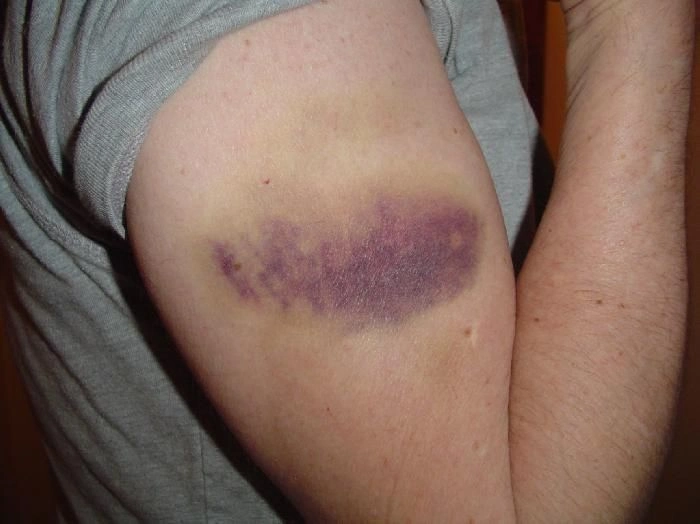
Many adults over 50 notice flat purple patches on the backs of their hands or forearms.
This pattern is often called senile purpura or age related purpura.
It happens because aging skin becomes thinner and the supporting tissues around blood vessels weaken. Sun exposure can also contribute to skin changes that make vessels more fragile.
These bruises may appear after very minor contact, such as brushing against a table or carrying objects.
They often look dramatic but are frequently harmless.
| Bruising Type | Typical Appearance | Common Explanation |
|---|---|---|
| Senile purpura | Flat purple patches on exposed areas | Fragile vessels and thinner skin |
| Ordinary bruise | Color changes from purple to yellow | Blood leaking after injury |
| Petechiae | Tiny pinpoint spots | Small capillary bleeding |
The key difference is change.
If these patches suddenly become much more frequent, appear in unusual places, or happen with bleeding symptoms, it is worth getting medical advice.
5. Bruises That Take Much Longer Than Expected to Fade
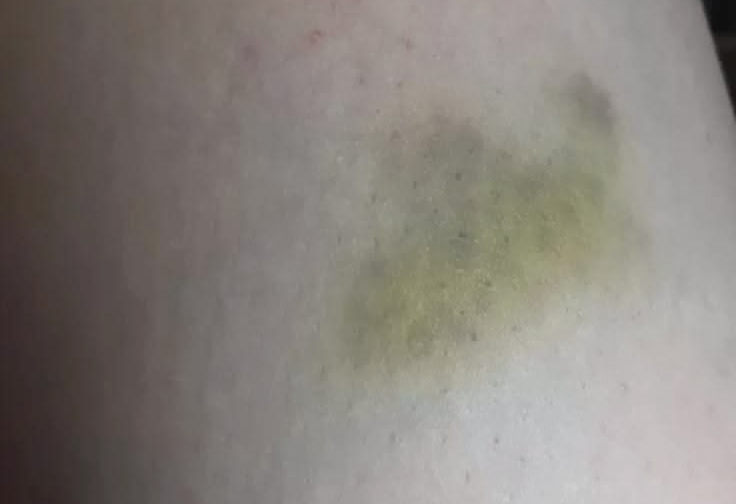
Most normal bruises follow a predictable pattern.
They often start purple, blue, or dark red, then gradually shift toward green, yellow, and brown as the body breaks down and removes the trapped blood. This process can take around two weeks, although larger bruises may take longer.
When bruises remain visible for an unusually long time or keep returning in the same areas, doctors look for possible reasons beyond normal aging.
One possibility is slower repair of damaged tissues. Aging affects skin structure, circulation, and collagen production, which can make recovery slower.
Another possibility is a problem with clotting.
The body relies on platelets and clotting proteins to stop bleeding after a blood vessel breaks. If any part of that process is affected, bruises may last longer because the leaked blood takes more time to clear.
A useful question to ask is:
“Are my bruises behaving differently than they did a few years ago?”
A gradual increase may come from normal changes. A sudden shift deserves more attention.
6. Painful, Raised, or Hard Bruises
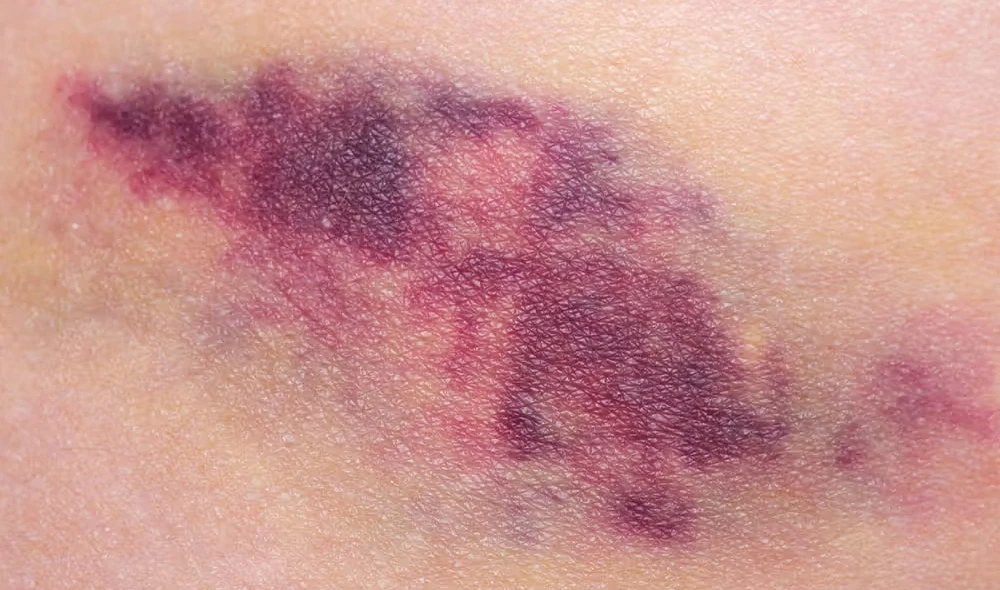
Most everyday bruises stay flat against the skin.
A bruise that becomes swollen, raised, firm, or painful may be different. This can happen when more blood collects beneath the skin after a vessel injury.
Doctors call a larger collection of trapped blood a hematoma.
Small hematomas can happen after injuries and may heal without problems. Larger ones can cause pressure, swelling, discomfort, and sometimes difficulty moving the affected area.
People taking blood thinning medicines may be more likely to develop larger collections of blood after an injury because the clotting process is reduced.
Do not repeatedly press, massage, or manipulate a painful raised bruise.
Instead:
- Protect the area from further injury.
- Apply a cold pack wrapped in a towel during the first day after an injury.
- Contact a healthcare professional if swelling increases or pain becomes severe.
Your healthcare needs can vary based on your medical history, medications, and risk factors. Ask your doctor before using new treatments for bruising, especially if you take anticoagulants or have a bleeding condition.
7. Bruising Along With Other Bleeding Symptoms
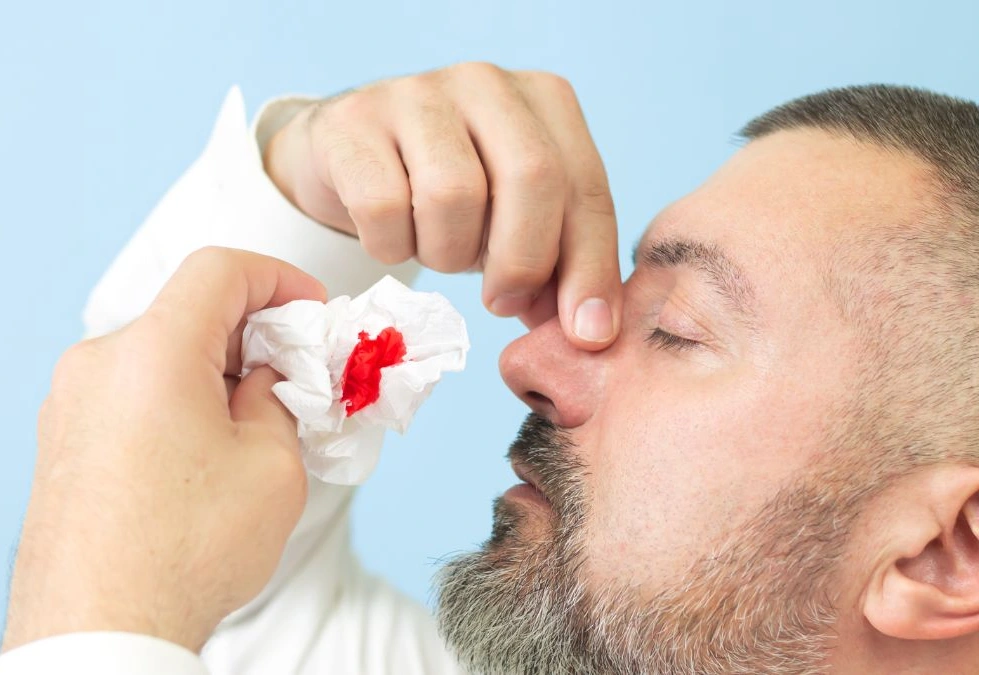
A bruise by itself is often not a medical emergency.
But bruising combined with other bleeding symptoms creates a different situation.
Hematologists pay attention when bruising appears alongside signs that suggest the body may have trouble controlling bleeding.
These signs may include:
| Symptom Along With Bruising | Possible Concern |
|---|---|
| Frequent nosebleeds | Platelet or clotting problems |
| Bleeding gums without a clear reason | Reduced ability to stop bleeding |
| Blood in urine or stool | Internal bleeding that needs evaluation |
| Heavy bleeding after small cuts | Problems with clot formation |
| Many new bruises appearing quickly | Medication effects or blood related conditions |
Certain blood disorders can affect platelet production or clotting factors.
For example, low platelet levels can make it harder for the body to seal small vessel leaks. Problems with clotting proteins can also allow bleeding to continue longer than expected.
The goal is not to assume the worst.
The goal is to recognize when bruising is part of a bigger pattern.
8. A Sudden Increase in Bruising After Starting a Medication
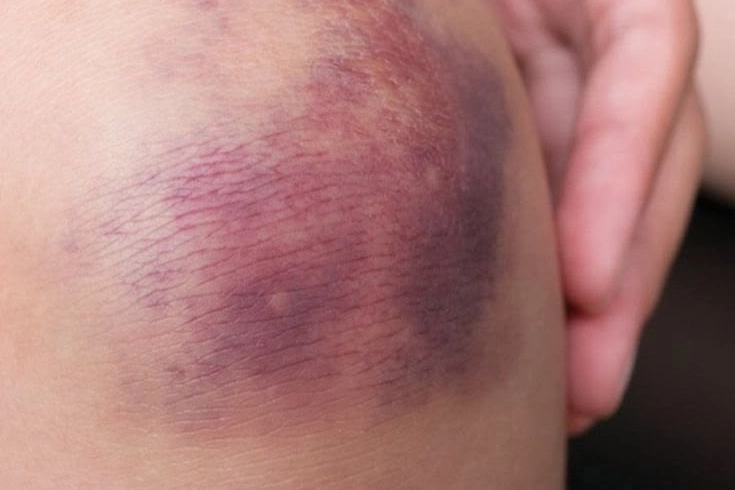
Many adults notice more bruising after adding a new medication.
This does not always mean something is wrong. Some medicines are designed to affect blood clotting because preventing dangerous clots can be lifesaving.
However, they can also make everyday bruises easier to develop.
Common medicines associated with increased bruising include:
- Aspirin
- Warfarin
- Apixaban
- Rivaroxaban
- Clopidogrel
- Corticosteroids such as prednisone
Some supplements may also affect bleeding tendency, including products such as ginkgo biloba and high dose fish oil.
A medication review is often one of the first steps doctors consider when someone reports new bruising.
Never stop a prescribed medicine because of bruising without medical guidance.
Your healthcare provider can decide whether the bruising is an expected side effect, whether the dose needs review, or whether another explanation should be investigated.
Simple Ways to Protect Your Skin and Notice Changes Earlier
Bruising cannot always be prevented, especially when age related skin changes are involved.
But a few daily habits can help reduce unnecessary injuries and help you notice important changes.
Try This Today: Small Habits That Help
- Take pictures of unusual bruises so you can compare size and healing over time.
- Check your medication list regularly and ask whether any medicines may increase bruising.
- Eat enough vitamin C rich foods such as oranges, strawberries, peppers, and broccoli to support collagen production.
- Protect exposed skin with long sleeves during gardening, home repairs, or activities where bumps are common.
- Pay attention to patterns including where bruises appear, how often they return, and whether other symptoms occur.
When Bruising After 50 Needs Medical Attention
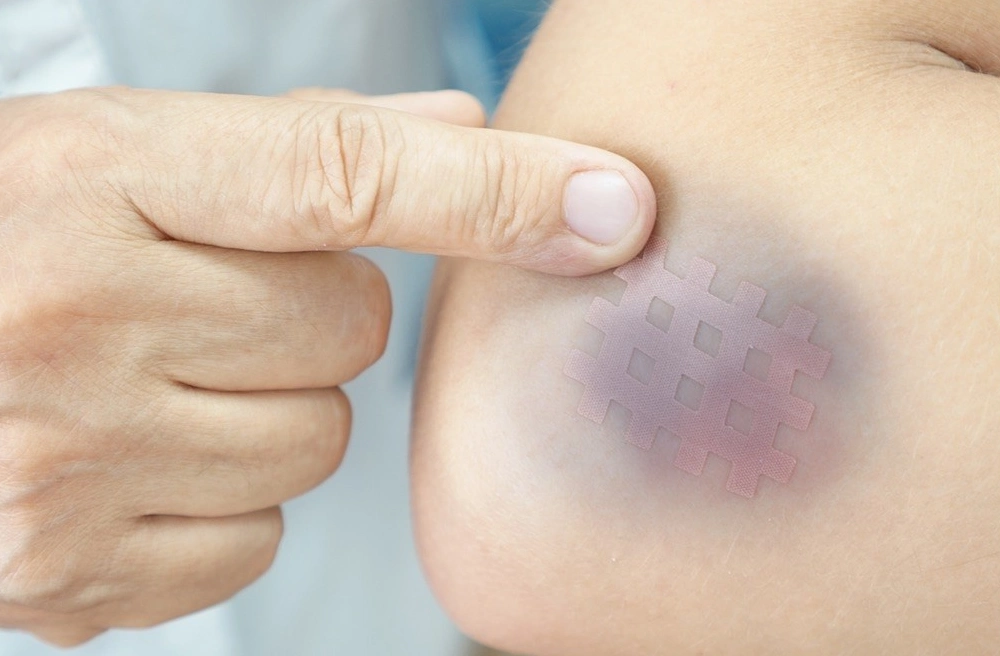
Contact a healthcare professional if you notice:
- Large bruises that appear without an injury or continue growing
- Sudden clusters of tiny purple or red spots
- Bruising with nosebleeds, bleeding gums, or blood in urine or stool
- A major increase in bruising after starting a new medicine
A doctor may review your medications, examine your skin, and order blood tests if needed.
Common tests may include a complete blood count to check blood cells and platelet levels, along with tests that evaluate blood clotting.
What Hematologists Look At When Evaluating Bruising
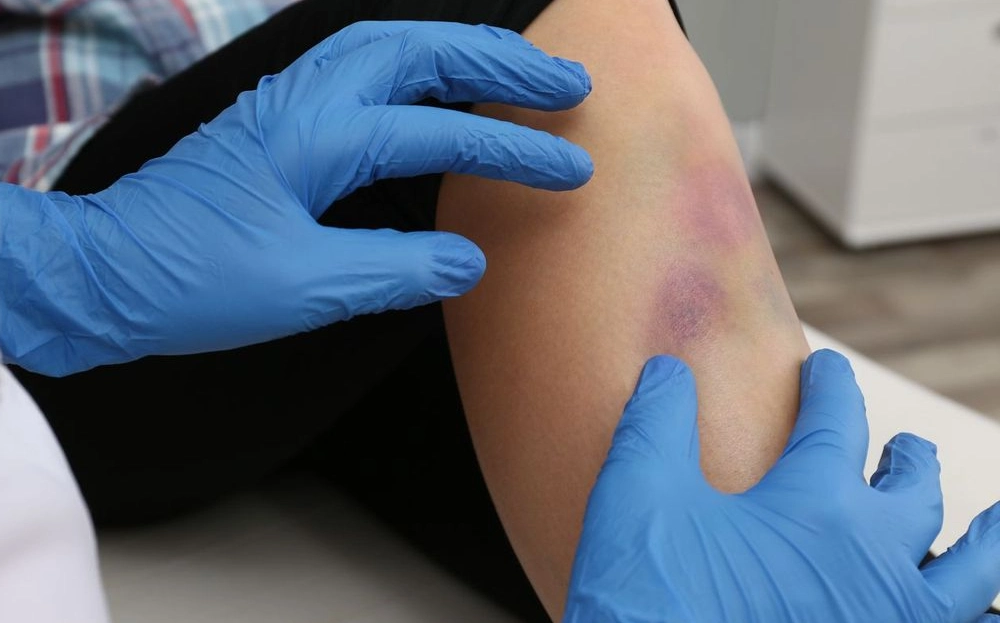
| What Doctors Check | Why It Matters |
|---|---|
| Location of bruises | Some areas are more commonly affected by aging skin changes |
| Size and number of bruises | Large or frequent bruises may need more evaluation |
| Medication history | Some drugs increase bleeding tendency |
| Other symptoms | Bleeding elsewhere changes the level of concern |
| Blood tests | Helps evaluate platelets and clotting function |
Takeaway
Bruising after 50 is common, especially as skin becomes thinner and blood vessels become more fragile.
Many bruises on the hands and arms are related to normal aging changes.
But the pattern matters.
Bruises that appear without explanation, grow larger than expected, happen with other bleeding symptoms, or suddenly increase may be signs that your body needs closer attention.
The goal is not to worry about every mark on your skin.
The goal is to understand what is normal for you and recognize when something has changed.
This article is for informational purposes only and is not a substitute for professional medical advice, diagnosis, or treatment. Always consult your doctor or a qualified healthcare provider before making changes to your diet, exercise routine, supplements, or medications, especially if you have an existing health condition.
