

You finally settle into bed after an exhausting day, only to have your legs start twitching, aching, or throbbing the moment the lights go out. Ignoring these weird nighttime leg sensations usually leads to weeks of ruined sleep and creeping exhaustion, but the real danger happens entirely under the surface.
It turns out your legs are acting like an early warning system for severe nutrient drops, including one specific feeling that exposes failing kidneys.
Legs are incredibly dense with nerves and blood vessels. When your body runs out of essential minerals or your organs struggle to filter waste, those peripheral nerves are the very first to sound the alarm.
Sleep specialists and nephrologists note that nighttime is when your brain stops processing daytime distractions and finally tunes into these distress signals.
You do not have to just live with terrible sleep and restless legs. Identifying the exact sensation can tell you exactly what your body is missing.
Here are the 15 nighttime leg sensations you should never ignore.
1. Deep Creeping And Crawling

This sensation feels exactly like insects moving just under the surface of your skin. It is the hallmark symptom of restless leg syndrome, and it almost always points to a severe plunge in your iron stores. Your brain needs iron to produce dopamine, which is the chemical responsible for smooth muscle movements.
When your ferritin levels drop, dopamine production stalls. This causes your nerves to misfire wildly the moment you try to hold still. You should ask your doctor for a complete iron panel that specifically checks your ferritin, not just basic hemoglobin.
2. Sudden Brutal Calf Spasms

Waking up to a violently contracted calf muscle is terrifying and painful. These severe cramps, commonly called charley horses, are a primary indicator of a magnesium deficiency. Magnesium is the mineral that tells your muscle fibers to relax after calcium tells them to contract.
Without enough magnesium in your tissues, the muscle gets stuck in a permanent state of contraction. Taking a high-quality magnesium glycinate supplement roughly an hour before bed can drastically reduce these sudden spasms.
3. Searing Burning In The Soles

If the bottoms of your feet feel like they are resting on a hot stove, your peripheral nerves are actively degrading. This burning sensation is a classic warning sign of a severe Vitamin B12 deficiency. Vitamin B12 is mandatory for maintaining the myelin sheath, which is the protective coating around your nerve endings.
When that coating wears away, raw nerves send false pain and heat signals to your brain. You can protect your nerves by increasing your intake of animal proteins or using a sublingual B12 spray for better absorption.
| Sensation Type | Primary Deficiency | Quick Dietary Source |
| Cramping and Spasms | Magnesium | Pumpkin seeds and spinach |
| Creeping or Crawling | Iron (Ferritin) | Red meat and lentils |
| Burning Feet | Vitamin B12 | Nutritional yeast and salmon |
| Deep Bone Aches | Vitamin D | Fortified dairy and egg yolks |
4. Deep Unquenchable Itching
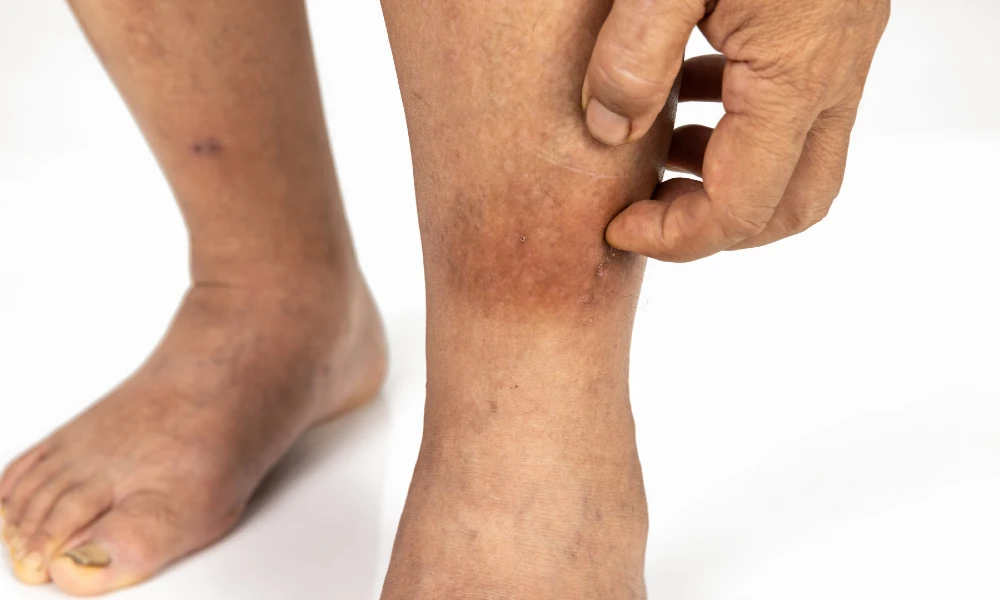
This is the symptom nephrologists warn about the most. If you experience an intense, deep itch in your legs that no amount of scratching can satisfy, your kidneys might be struggling to filter your blood. This condition is called uremic pruritus.
When kidneys fail, waste products like urea and phosphorus build up in your bloodstream and literally crystallize in your skin tissues. This is not a topical dry skin issue, and it requires an immediate blood test to check your estimated glomerular filtration rate.
5. Dull Bone Aches

Sometimes the pain does not feel like a muscle cramp at all. Instead, it feels like a heavy, dull ache deep inside the bones of your thighs and shins. This is a common symptom of a severe Vitamin D deficiency, which leads to a condition called osteomalacia.
Vitamin D is strictly required for your body to absorb calcium from your diet. Without it, your bones soften and become incredibly sensitive to the normal pressure of lying in bed. Adding a Vitamin D3 supplement paired with Vitamin K2 can help push calcium back into your skeletal system.
6. Pins And Needles Numbness

Waking up to legs that have completely fallen asleep is normal if you slept in a strange position. However, if you constantly feel a pins-and-needles sensation without restricted blood flow, you might lack folate. Folate, or Vitamin B9, is necessary for creating healthy red blood cells.
When red blood cells are poorly formed, they struggle to carry adequate oxygen to your furthest extremities. Eating more dark leafy greens like kale and Swiss chard can naturally rebuild your folate levels.
Everyone’s body responds differently, so check with your doctor before trying this if you have an existing condition or take daily prescription medication.
7. Heavy Water Logged Ankles
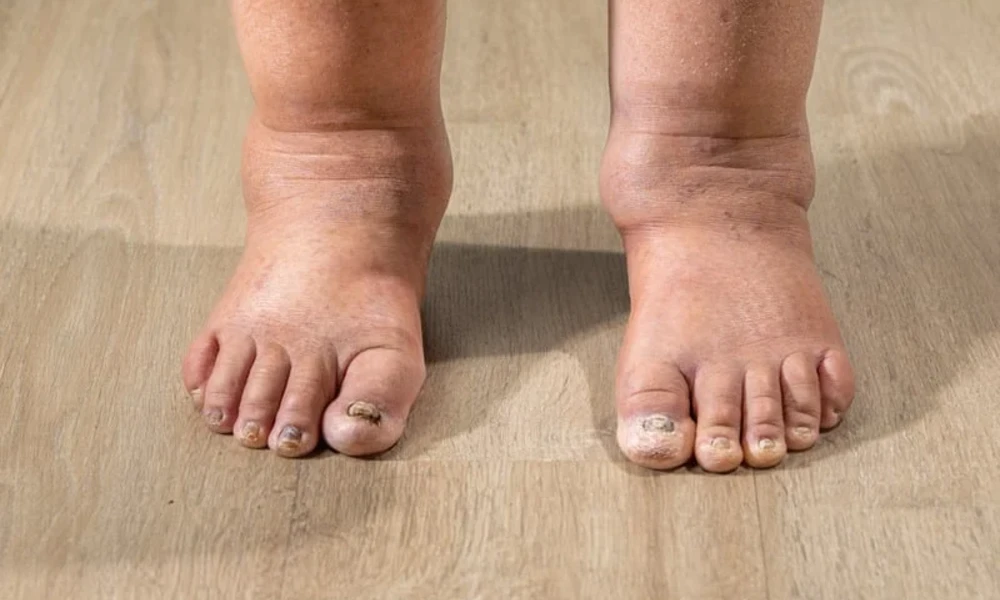
Laying down should relieve pressure on your legs, but some people feel like their calves are filled with concrete. This heavy, swollen sensation often points to a dangerous drop in albumin, which is a key protein in your blood. Albumin acts like a sponge that keeps fluid inside your blood vessels.
Damaged kidneys leak albumin into your urine, leaving your blood unable to hold onto water. The fluid then pools in your lower legs, requiring a simple urine protein test to diagnose the leakage.
8. Restless Muscle Twitching

Before a muscle goes into a full spasm, it will often twitch and flutter endlessly under the skin. These rapid fasciculations are a massive red flag for a potassium deficiency. Potassium is the primary electrolyte responsible for carrying electrical action potentials across your cell membranes.
When your potassium drops from a poor diet or diuretic medications, the electrical signals become chaotic. Drinking coconut water or eating half an avocado in the evening can stabilize these cellular electrical currents.
| Habit | Impact on Nighttime Legs | Why It Matters |
| Heavy alcohol before bed | Hurts | Depletes magnesium and triggers rapid dehydration |
| Light stretching at 8 PM | Helps | Lengthens muscle fascia and prevents overnight tightening |
| Sleeping in cold rooms | Helps | Lowers core body temperature to reduce nerve inflammation |
| High sugar late snacks | Hurts | Spikes insulin and causes peripheral nerve buzzing |
9. Freezing Toes

If your partner constantly complains about your icy feet touching them in bed, your thyroid might be starved of iodine. Iodine is the raw material your thyroid gland uses to produce metabolic hormones. A sluggish thyroid lowers your entire basal metabolic rate.
To conserve heat, your brain forcefully shunts warm blood away from your legs and toward your vital organs. Adding iodine rich foods like seaweed or high quality iodized sea salt can help wake your metabolism back up.
10. Vibrating Or Buzzing Sensations
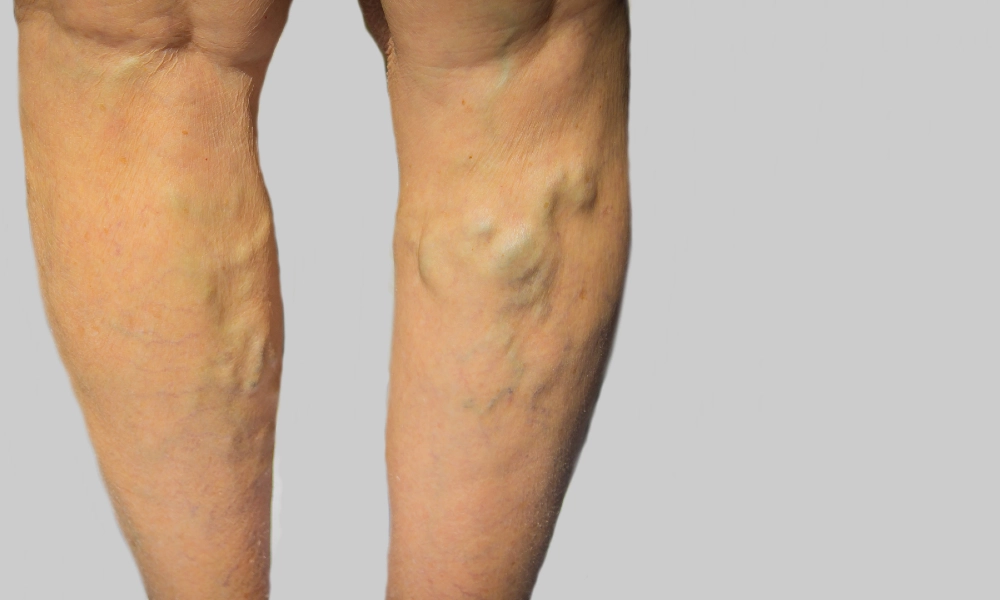
Feeling like there is a cell phone buzzing inside your thigh is a highly specific neurological symptom. Ironically, this is often caused by a toxicity rather than a pure deficiency. Taking excessive amounts of Vitamin B6 can become toxic to your peripheral nerves.
Many over the counter sleep aids and energy drinks pack massive doses of synthetic B6. Check your supplement labels immediately if your legs feel like they are constantly vibrating.
11. Tight Bands Around The Calves

Some people describe a sensation that feels like a tight rubber band is wrapped securely around their lower legs. This constricting feeling happens when extracellular fluid calcium levels drop too low. Doctors refer to this early stage of muscle distress as tetany.
Your parathyroid gland might be struggling to regulate calcium, or your diet might simply lack it. Taking a highly bioavailable calcium citrate supplement away from your iron pills can restore this balance.
12. Electric Shock Jumps

Drifting off to sleep only to be jolted awake by a sharp, electric shock in your leg is maddening. These sudden zaps indicate high levels of oxidative stress damaging the delicate endings of your nerves. Vitamin E is a powerful fat soluble antioxidant that specifically protects these nerve structures.
A lack of Vitamin E leaves your nerves exposed to free radical damage. Snacking on a handful of almonds or sunflower seeds provides a natural dose of nerve protecting antioxidants.
Try This Today For Calmer Legs
- Drink a mineral tonic: Mix a pinch of high quality sea salt and a squeeze of lemon into a glass of water an hour before bed.
- Elevate your feet: Lie on your back and prop your heels on a thick pillow for 15 minutes to drain pooled lymphatic fluid.
- Use a heating pad: Apply gentle heat to your lower back, not your legs, to soothe the sciatic nerve root before sleep.
- Review your medications: Ask your pharmacist if any of your daily pills actively deplete magnesium or potassium.
13. The Urgent Need To Pace

Sometimes your legs do not hurt, but they demand immediate, relentless movement. This specific urge to pace the hallway is linked to a hidden folic acid deficiency compounding a mild iron problem. Your legs feel suffocated because they are literally starved of microscopic oxygen delivery.
Walking forces your heart to pump harder, temporarily delivering the oxygen your leg muscles are begging for. You must address the underlying anemia with your primary care provider to stop the nightly pacing.
14. Profuse Night Sweats On The Legs
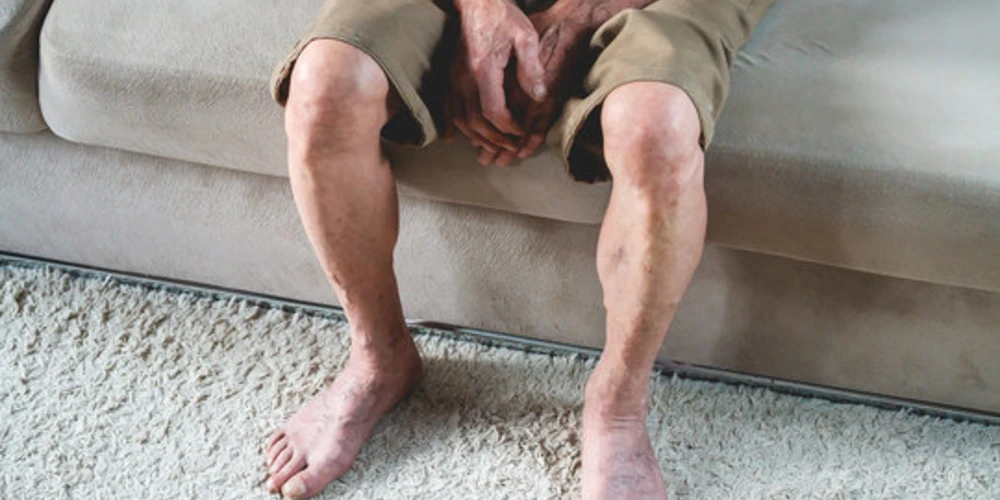
Waking up with your pajama pants completely soaked while your upper body remains dry is incredibly bizarre. This localized sweating pattern can point to a sudden drop in zinc. Zinc regulates your autonomic nervous system and helps balance nighttime hormone fluctuations.
When your zinc plummets, your body loses its ability to regulate localized skin temperature effectively. Pumpkin seeds and oysters are some of the most potent natural sources of dietary zinc available.
15. Throbbing Aches Behind The Knee

The back of your knee houses the popliteal vein, a major highway for blood returning to your heart. If you feel a rhythmic throbbing here, you might be dealing with a Vitamin C deficiency. Vitamin C is strictly required to synthesize collagen, which keeps your vascular walls strong and elastic.
Weakened veins struggle to push blood upward, causing the blood to pool and throb with every heartbeat. Increasing your intake of citrus fruits and bell peppers can fortify these essential blood vessels.
When To See A Doctor Immediately
While most deficiencies take time to resolve, some leg sensations are medical emergencies. Stop reading and seek immediate care if you experience:
- Swelling that only affects one leg and is accompanied by deep redness.
- A calf that feels unusually hot to the touch compared to the rest of your body.
- Sudden shortness of breath happening at the exact same time as your leg pain.
- Complete loss of feeling or a leg that turns noticeably pale or blue.
| Symptom Feature | Likely A Nutrient Gap | Possible Kidney Warning |
| Timing | Happens strictly right before sleep | Persists gently throughout the entire day |
| Swelling | None, or very mild puffiness | Deep pitting edema that holds a thumbprint |
| Skin Texture | Normal and intact | Extremely dry, scaly, and deeply itchy |
| Pain Type | Muscle spasms and sharp cramps | Heavy aching and severe lethargy |
Paying attention to what your legs do in the dark can give you a massive head start on fixing your health. The body rarely screams without warning. It usually starts with a whisper, like a simple muscle twitch or a mild burning sensation.
By tracking these 15 specific nighttime sensations, you can decode exactly what nutrients your diet is missing. More importantly, you can catch silent threats like kidney distress long before they show up on standard yearly labs.
