

Two people make the same decision in the same week. One buys a pair of walking shoes and takes a brisk half hour five mornings a week. The other signs a gym contract and lifts dumbbells twice a week. Twelve weeks on, the scale reads the same for both, and they do not look alike.
Right now you are standing where they stood, holding a 20-pound goal and two price tags: a $90 to $140 pair of walking shoes, or a gym at $10 to $50 a month. The belief you walked in with is that whichever one burns more calories deserves the commitment.
On that count, walking takes it. A 30-minute brisk walk at 3.5 mph burns about 150 calories for a 155-pound adult; a 40-minute lifting session runs 110 to 160. But the session count is the wrong scoreboard, because the scale gives you one number and the body underneath that number can be two very different bodies.
walk first, add lifting to protect the muscle a calorie deficit would otherwise take, and let the plate carry the deficit either way. By the last section you will know what to start this week, the weekly shape to copy, and whether that gym membership is worth signing.
Walking burns more calories in the session
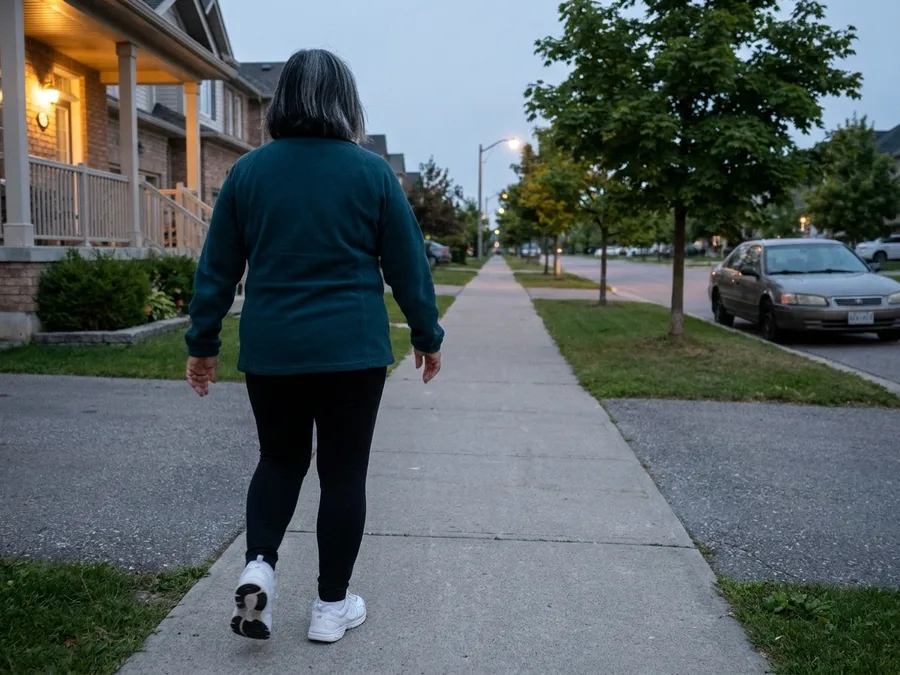
A brisk walk wins the calorie count, and the margin is bigger than most people guess. For a 155-lb adult at 5 ft 8 in, 30 minutes at 3.5 mph spends roughly 150 calories, while a 40-minute lifting session with 15-25 lb dumbbells lands somewhere between 110 and 160. Per minute that is about 5 calories walking against 3 to 4 lifting.
The clock explains the whole gap.
Walking is continuous movement from the first step to the last. Lifting is sets followed by rest, and the rest still spends the minutes without spending many calories, so a session that eats 40 minutes of your evening can burn less than a walk half its length. That is not a knock on lifting. It is just how the two activities use time.
Now run the walking number across a week and the picture changes.
Five 30-minute walks is roughly 750 calories. A 500-calorie daily deficit comes to 3,500 a week, so the walking covers about a fifth of what has to happen and leaves the rest to the plate. Whoever told you a daily walk would handle this on its own was doing the arithmetic wrong.
On the scale ledger, walking leads every minute you give it. What this number does not touch is the second ledger, the one asking what the loss is made of once the weight is gone.
Lifting’s payoff is the muscle you keep
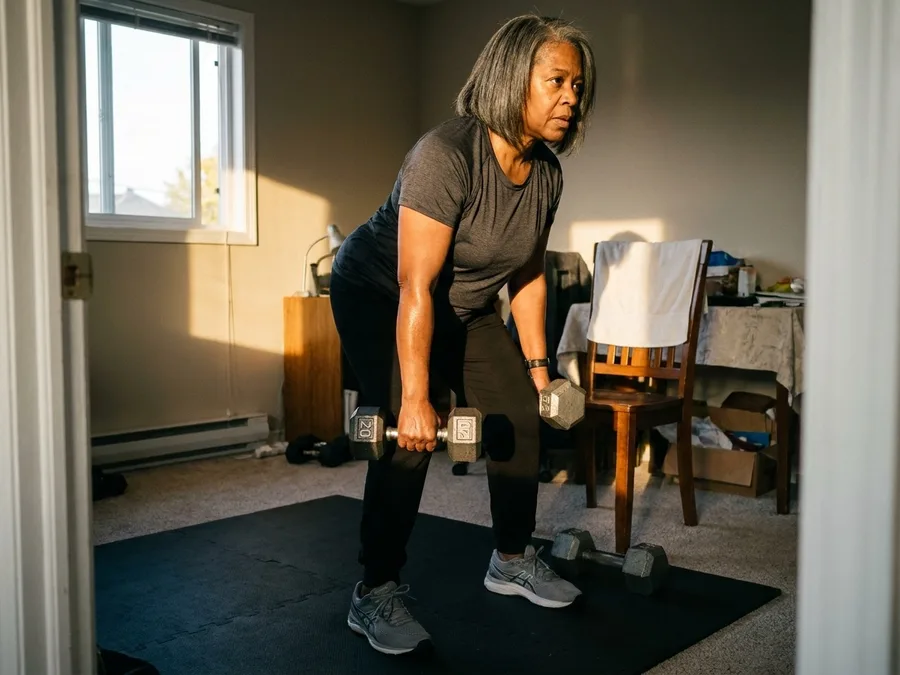
Because a deficit built on walking alone takes more than fat with it, and what goes with it is the tissue you wanted to keep.
Run the numbers on a 20-lb loss and a portion of that total leaves as lean mass – muscle and the strength wired into it – not as the fat the reader was targeting, which is losing muscle instead of fat. The scale reads the same either way. The body under it does not.
What holds the muscle in place is two or three 40-minute sessions a week with 15-25 lb dumbbells or machines, and protein spread across the day rather than stacked at dinner. For the 155-lb example, 120-130 g daily – a palm-sized portion at each meal – because without the protein the lifting is a stimulus with nothing to build from.
The resting-burn bonus gets oversold. New muscle adds a few calories per pound per day, which is real, small, and nowhere near a reason to pick up a weight.
So the choice splits by what the reader wants at the end. Want a smaller version of the same body? Lifting changes little this week. Want leaner shoulders, firmer legs, more load in your hands at the same scale number? This is that difference.
Two bodies, one weight. On the second ledger, lifting already has the answer.
| Point | Walking | Strength training |
|---|---|---|
| Calories per session | ~150 (30 min at 3.5 mph) | 110–160 (40 min) |
| Weekly calories | ~750 (5 sessions) | 220–480 (2–3 sessions) |
| Weekly time | 150 min, splittable into 10-min pieces | 80–120 min plus 10–20 min travel per trip |
| Startup cost | $90–140 shoes | $80–200 dumbbells or $10–50/month gym |
| Three-year cost | $270–420 (shoe replacement) | $80–200 once, or $360–1,800 gym |
| Recovery needed | None built in; daily is fine | ~48 hours between sessions |
| Best for | Moving the scale, starting from zero | Protecting muscle, shaping the result |
Neither one outruns the kitchen

A loose diet erases every calorie either activity earns. That is the plain arithmetic, and it is why the plate comes before the program.
Put real numbers on it. Five brisk walks at 3.5 mph earn roughly 750 calories across the week. A single 40-minute lifting session runs 110-160. One takeout dinner, one handful of nuts at the desk, one extra beer on a Tuesday, and the whole week’s work is gone before Friday.
Appetite is where this gets quiet. Both activities tend to nudge hunger up, and walking is the one people most often pay back – a 150-calorie walk followed by a 200-calorie snack leaves the week in the red even though the walk happened.
The order that holds: set the plate about 500 calories below maintenance with 120-130 g of protein, then stack the sessions on top of it. Protein at that level is also what keeps hunger steadier between meals.
None of this lands on the reader already eating a steady deficit. For them the exercise choice really is the variable that decides the outcome, and the sections that follow are written for exactly that reader.
Walking fits odd minutes; lifting needs a block
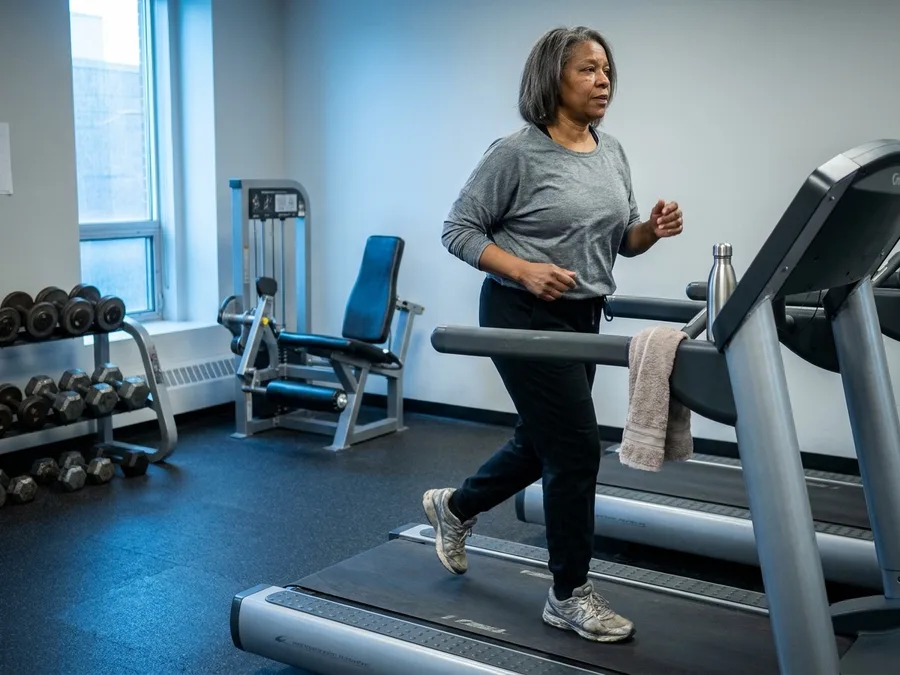
Walking fits a wrecked Wednesday; lifting needs a block that survives the week intact. A walk starts from your own door in the shoes already on your feet, in ten-minute pieces if that is all the day gives you.
One hundred fifty minutes a week, and every minute of it is the workout. Lifting is 80 to 120 minutes under the bar — plus 10 to 20 minutes of travel and changing each trip. Three sessions, and you have spent up to an extra hour just getting to the training.
A late shift, a toddler’s nap that lands wrong, an afternoon that fragments: the gym trip dies, and the ten minutes at the door survive. This is the whole test, and it is why shift workers and parents of small children tend to end up walkers.
The reader with dumbbells in the next room has the opposite problem — the equipment is already there, so the block is easier to find than the walk. Time does nothing to the scale ledger; on the second it decides which of the two happens often enough to count at all.
Time and money, head to head
Three-year totals for the 155-lb example
Both are cheap; the bills arrive differently
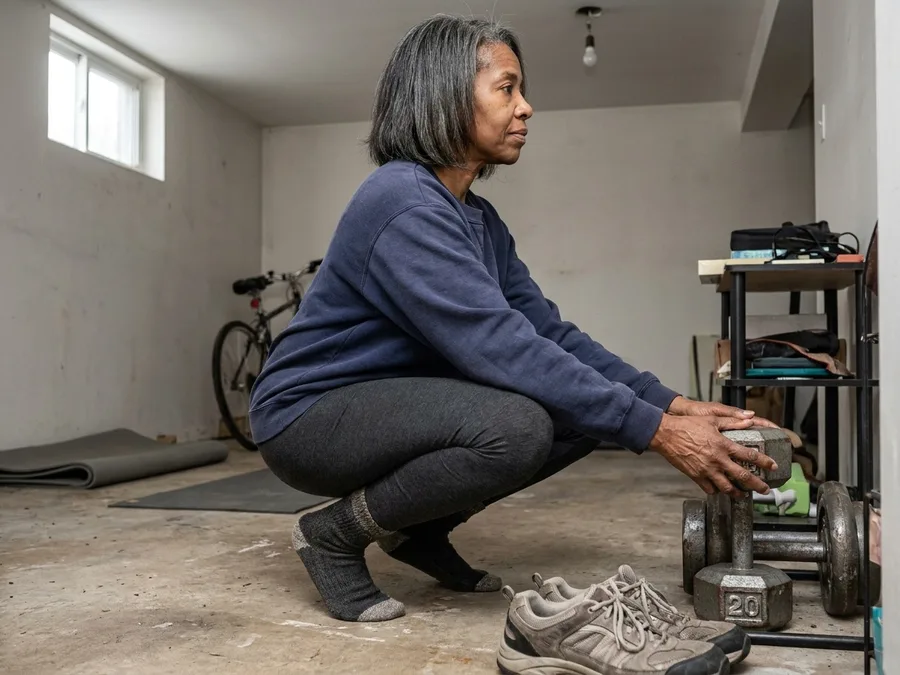
Money is the second bill, and the two activities do not charge in the same shape.
Walking is a repeating small charge: $90 to $140 for a decent pair of shoes, worn through in about a year at five days a week, which runs $270 to $420 across three years. You pay it in installments and barely notice it leaving.
Lifting is either a subscription or a one-time buy. A gym at $10 to $50 a month is $360 to $1,800 over the same three years, and the meter runs in February the same as in July. An $80 to $200 dumbbell set is paid once and outlasts the weight loss.
Coaching is separate, $50 to $100 an hour, and it only earns that fee if it is the reason you keep showing up.
Stack the three-year totals and the cheapest path is the dumbbell set plus the shoes, under $600 all in. The gym justifies its bill for the reader who needs to leave the house to train, or who needs the machines and racks a spare-room set cannot match.
Here is the part that matters more than the total. The shoes get re-bought because the old pair wore out from use. The membership renews whether you walked through the door or not.
Walking is gentler; lifting demands recovery

Your body, not the calendar, decides how often each one can happen.
Walking carries no recovery cost. It is low impact enough to do seven days a week, and nothing in the plan tells you to take a day off. It is also the one weather can cancel outright: a week of ice, a stretch of 95-degree afternoons, or dark at 4:30 in December, and the session goes.
Lifting loads the joints harder, though inside controlled ranges, and the same muscles need roughly 48 hours before they are asked again. That gap, not preference, is what caps the week at two or three sessions.
Lifting has its own closed door, and it is indoors: no bench, no rack, no gym floor, no session.
If a knee, a back or a shoulder has been talking to you, book one session with a trainer before the first lift. Their job is to set the ranges and the starting load, and that hour buys you a program instead of a guess.
This is the second ledger answering back. Walking deposits daily and asks nothing in return. Lifting has to be scheduled around repair, and the repair is not optional.
What each one asks of your body
Walking
- 150 min/week — ten-minute pieces count
- ~150 cal a session, ~750 a week
- Shoes $90-140, replaced yearly
- Splittable, no travel, no changing
Lifting
- 80-120 min plus 10-20 min per trip
- 110-160 cal a session
- $10-50/month gym; $80-200 dumbbells once
- 120-130 g protein daily or the edge fades
Walking starts easy; lifting starts awkward
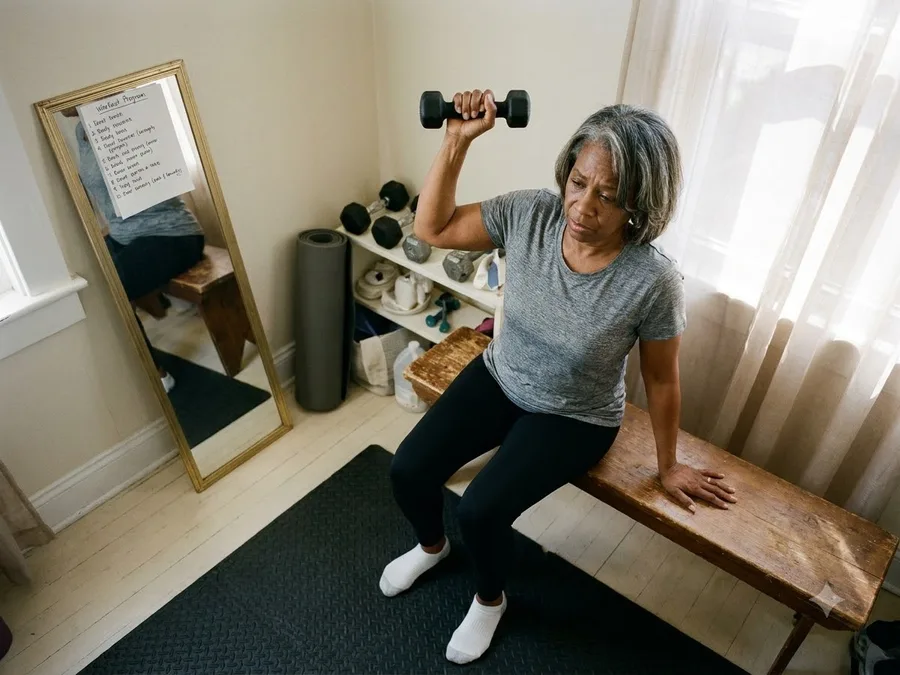
Adherence comes down to what the first session asks of you, and on that count walking has already won before either activity gets scheduled.
The first walk costs nothing but the walk. You put on shoes, step out, and the 30 minutes at 3.5 mph pays out at full value from day one; that is the whole instruction manual, and a beginner can bank four or five days of it before the week is out.
Lifting asks for a down payment instead. The opening four to six weeks run on 15-lb dumbbells and form checks, with nothing worth bragging about, and the soreness peaks two days later. Someone who was not warned reads that as a body rejecting the idea, and quits around week three.
What separates the people who last is unglamorous: a written program posted where they will see it, two sessions a week rather than three for the first month, and one visit with a trainer who sets the movement patterns before weight gets added. Expect the third week to feel worse than the first, then ease.
📅 The first 12 weeks, in order
Week 1-2: walk five times
Start here even if lifting is the plan. The walk needs no recovery, so it stacks onto an unchanged calendar.
Week 3-4: fix the plate
Start the deficit and protein before the first lift. Muscle-sparing only works when the deficit is already running.
Week 5-6: first lift
Add lifting on the two days furthest from each other. Do not cut walking to make room; cap sessions at 40 minutes.
Week 7-8: protect recovery
Hold at two lifts while form settles. Adding a third this early is what turns week three soreness into a quit.
Week 9-12: hold the shape
Add the third lift only if walking still happens on schedule. If walks drop, drop the lift instead.
For the scale alone, walking edges ahead
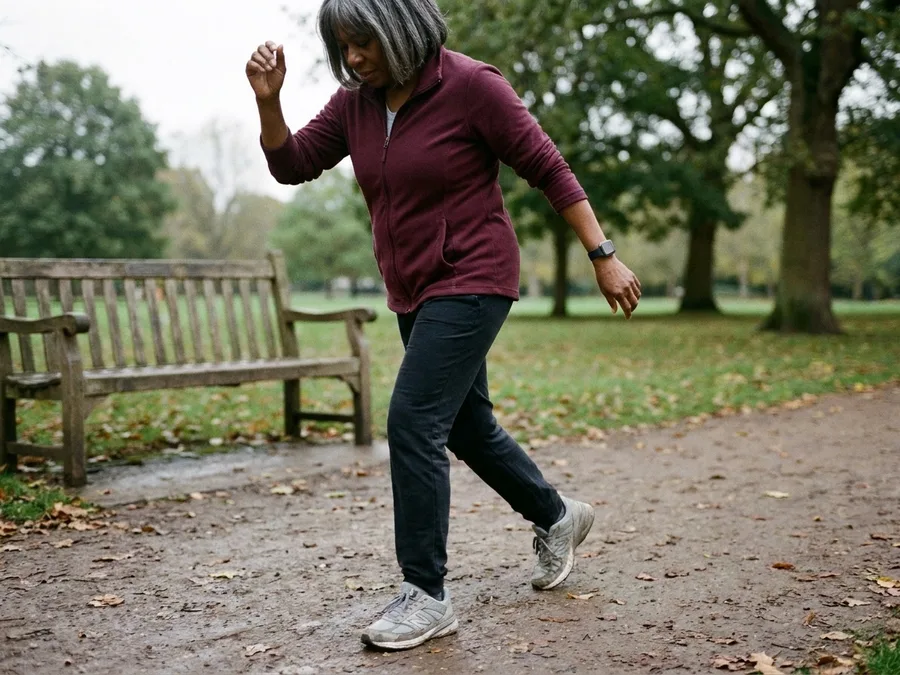
If the only scoreboard you care about is the scale, walking is the one to commit to first.
Add up time, money, joints and willpower and the same activity leads on every count that bears on the number: about 750 calories a week, four or five sessions you will realistically keep, and a starting price of one pair of $90-140 shoes. That is a ledger most people can live with.
The session also has a habit of happening in conditions that kill the alternative. A twelve-hour workday, a knee that will not take load, no gym within twenty minutes – each of these turns the planned workout into a cancellation, and the walk into the workout that still got done.
The cost is on the other side of the ledger. Relying on walking alone means the loss slows as you get lighter, because moving 140 lb burns less than moving 155, and part of what comes off in a walking-only deficit is muscle, the wrong weight. The scale keeps rewarding you while the composition quietly slides.
The exception is the person already logging 8,000 steps or more. Another 150 minutes of the same motion adds little; for them the activity that moves the number is one they are not yet doing.
⚠️ COMMON MISTAKE
The exercise-only trap
Counting on five walks a week to lose 20 pounds without changing the plate is the mistake that stalls most people. 750 calories a week is a fifth of a 3,500-calorie weekly deficit — the kitchen has to carry the rest.
For the body you keep, lifting wins
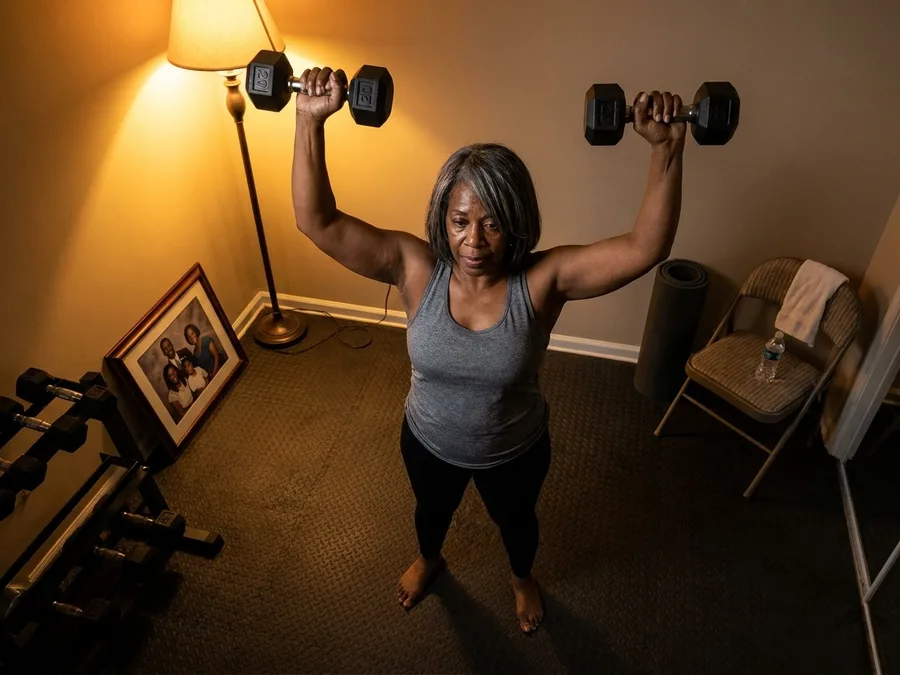
Line up two people at the same 160 lb and the one who lifted looks different: more muscle under the shirt, more strength in the handshake, a firmer shape where the other is simply smaller.
That is because the loss came off as fat rather than fat plus the lean tissue a deficit takes by default. Composition, not pounds, is what you see in the mirror on the far side.
Understand what lifting can and cannot do on its own. It burns 110-160 calories in a 40-minute session, under what a brisk walk does, so it barely moves the scale without the deficit and the walking underneath it. Keep those two and add the lifting; the exercise is the finishing step, not the engine.
Give it eight to twelve weeks. Two or three 40-minute sessions a week with 15-25 lb dumbbells typically means you are handling more weight than week one, the change shows through shoulders and legs before the scale agrees, and the number sits flat or creeps down while the body changes shape.
Without the dumbbells, the gym or the program written down, none of that arrives. It is the most conditional win in this article.
Quick checks before you commit
Shoe test
Replace walking shoes once a year or every 300–500 miles, whichever comes first.
Protein count
A palm-sized portion at each meal gets most people to 120–130 g a day.
Walk split
Ten-minute pieces count the same as one 30-minute walk — use them on chaotic days.
Recovery gap
Keep 48 hours between lifting sessions; walking fills the day between.
First purchase
If you lift at home, an 80–200 dollar dumbbell set outlasts most gym memberships.
Do both, with walking carrying the volume

Two scoreboards, two winners, one week that can carry both. Walking carries the volume: 150 minutes, 30 minutes on five days. Lifting takes two 40-minute sessions, because that is all the muscle signal needs, and the muscle is the whole reason to lift.
The jobs do not overlap. Walking supplies the calorie volume and the daily habit, lifting supplies the muscle that keeps the loss made of fat, and food supplies the rest: 500 calories below maintenance and 120-130 g of protein a day, a palm-sized portion at each meal.
The sequencing is the part people get wrong. Lift on your lighter walking days, and treat the walks on lifting days as recovery rather than competition. The 48-hour gap between lifting sessions sets the spacing of the whole week, so build the walks around it, not the other way around.
The walk being recovery is worth sitting with for a second. A 30-minute loop the day after a lifting session moves blood through sore legs and adds about 150 calories, which is more than it costs you in recovery. It is the rare thing on this list that pays twice.
This week it is one thing: five 30-minute walks at 3.5 mph in shoes you already own. If you are the reader already walking daily, skip that and do one session with a trainer, or buy the $80-200 dumbbell set and start at two days.
The combined week — at a glance
🔥 Calories
Walk 750/wk vs lift 220–480/wk
1️⃣ Order
Lift first, walk after
🧩 Walk split
Breaks of 10–30 min, no travel
💵 3-yr cost
Gym $360–1,800 vs dumbbells once
⚠️ Skip lifting if
Under 100 g protein — loss turns to muscle
Failure mode
Walking tired instead of fresh: sore legs, shorter walks, and the deficit slips without anyone noticing.
Walk first, lift next, feed the deficit either way
So the choice is situational, not a crowning. Start with walking if you are starting from nothing, short on money or time, or need the scale to move early. Start with lifting if you already walk daily, or if you are losing fast and wondering what you are losing along with it. Once either habit holds for a month, the combined week becomes the default: walking minutes, two lifts, a 500-calorie deficit and protein at every meal.
Neither the shoes nor the gym was the wrong purchase. The wrong move was asking one of them to do both jobs. This week, take one 30-minute walk at 3.5 mph, five days, in shoes you already own, and put the next walk on the calendar before you take them off. When that has held for a month, add the dumbbells or the membership, and watch the same number on the scale turn into a different body.
Start with five walks this week
Put five 30-minute walks on the calendar at 3.5 mph, then add two lifting sessions once they feel normal. The combined week is the one that carries both ledgers.
