
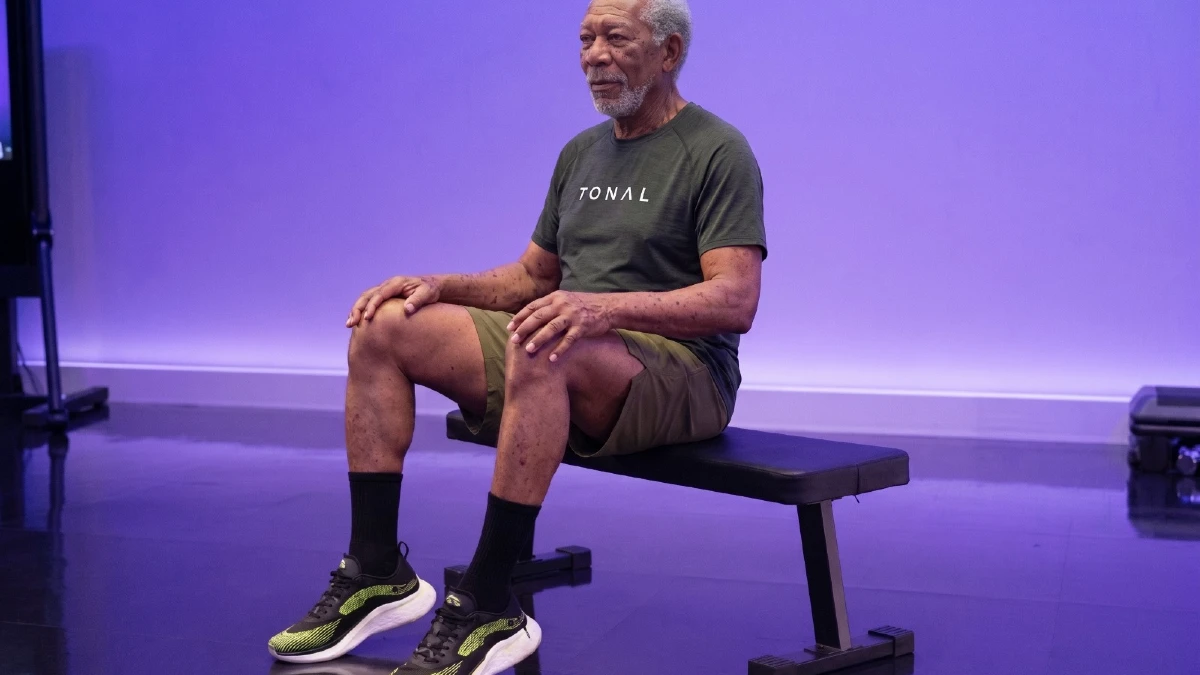
Walking after meals is the advice everyone repeats. Then you’re stuck at your desk, on a call, or in a restaurant booth, and your blood sugar climbs anyway.
Those spikes happen after every meal, and years of them are exactly what people with prediabetes are told to flatten.
There’s a seated move built around one small calf muscle that may keep working while you sit, but what most articles leave out decides whether it helps you at all.
Before making any changes based on this article, talk to your doctor, especially if you take medication or have a diagnosed condition like prediabetes or diabetes.
What Is the Soleus Push-Up, and Why Does Your Calf Matter?
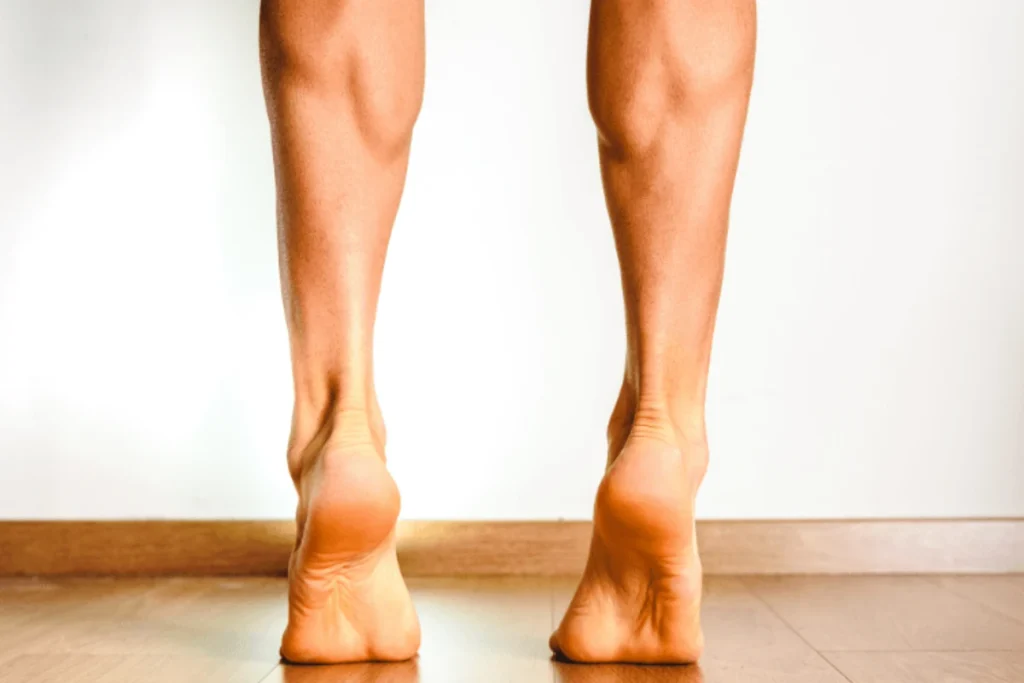
You can do it in any chair. That’s the big win. The soleus push-up is a seated heel raise. You lift your heels while the balls of your feet stay on the floor.
It works a deep calf muscle called the soleus. It sits under the bigger calf muscle you can see.
The soleus is only about 1% of your body weight. University of Houston researcher Marc Hamilton found that, when it’s done the right way, it can keep muscle metabolism raised for hours, even while you sit.
Most muscles burn stored sugar, called glycogen. In muscle biopsies, the soleus used very little glycogen. It burned blood sugar and fat instead.
The soleus is also full of slow-twitch fibers packed with mitochondria, the tiny engines in your cells. That’s why it can keep working without getting tired.
This matters because the average American sits about 10 hours a day.
Does the Soleus Push-Up Really Lower Blood Sugar? What 4 Studies Found
The 2022 study. Hamilton’s team tested 25 volunteers. Each person did both the exercise version and the sitting version, so everyone was their own comparison.
Blood sugar rose about 52% less between the first and second hour, and the insulin surge was about 60% smaller. This was after a glucose drink.
The 2025 prediabetes pilot. A small study in Hungary tested 10 adults with prediabetes, with an average age of about 53. Their blood sugar rise dropped by about 32% during a glucose test, and it worked even without a muscle sensor.
The 2025 heart study. A study in the journal Medicine followed 43 people with heart disease. The exercise group did the move at least three times a day for at least 8 minutes, about an hour after meals. After three months they had higher HDL and lower LDL and total cholesterol than the control group.
The 2026 review. A review in Diabetes & Metabolic Syndrome: Clinical Research & Reviews reported that soleus push-ups cut blood sugar after meals by 39 to 52%. It also said that few studies have tested this kind of targeted leg activity.
| Study | Who | Result | The catch |
|---|---|---|---|
| Hamilton, 2022 | 25 volunteers | About 52% less blood sugar rise, 60% smaller insulin surge | Used a glucose drink, not a meal |
| Hungary pilot, 2025 | 10 adults with prediabetes | About 32% lower blood sugar rise | Tiny group |
| Heart study, 2025 | 43 people with heart disease | Better cholesterol at 3 months | Measured cholesterol, not blood sugar |
| Review, 2026 | Past studies gathered by the authors | 39 to 52% lower after meal sugar | A summary, not a new experiment |
Is It Better Than Walking After Meals? The Honest Answer

Walking has far more proof behind it. A 2022 review found that short walking breaks lowered blood sugar and insulin after meals more than standing breaks did.
A 2023 review said the best way to handle blood sugar spikes is to move close to mealtime. If you can’t go right away, walking within about 60 to 90 minutes of eating still helps.
The amount can be small. A New Zealand study found that 10 minutes of walking after each main meal lowered daily blood sugar more than one 30-minute walk at a random time. Even two minutes of moving after you eat can help.
The 2026 American Diabetes Association Standards add a simple rule. They say to counsel that long sitting should be broken up at least every 30 minutes.
Where does the soleus push-up fit? It fits when you can’t walk
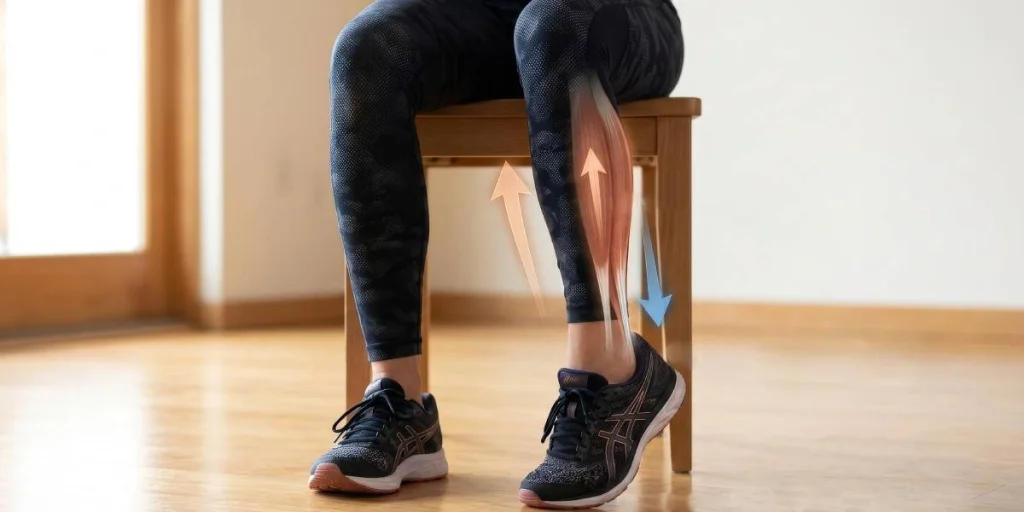
The 2026 review was written for people who can’t do weight bearing exercise because of joint, heart, lung, or other problems. Think of meetings, long drives, or a restaurant table.
One Diabetes Care trial of 24 adults with type 2 diabetes tested 3 minute bursts of light walking or simple leg moves, like calf raises, every 30 minutes. Both lowered the blood sugar and insulin response compared with sitting. Note that those calf raises were not the soleus push up.
A registered trial in Pakistan planned to compare one hour of soleus push ups with treadmill walking in 66 adults with type 2 diabetes. The registry lists it as completed. We couldn’t find published results.
| Walking after meals | Soleus push up | |
|---|---|---|
| Amount of proof | Many trials and reviews | A few small studies |
| Timing that helped | Within about 60 to 90 minutes of eating | About an hour after meals in the heart study |
| Where you can do it | Anywhere with room to walk | Any chair |
| Effort | Higher | About half the calories per minute of walking |
| Biggest catch | Not always possible | Small studies, and technique matters |
3 Things Most Articles Leave Out
1. Technique changes the result.
In the prediabetes pilot, one group’s reduction in glucose exposure was as small as 10%, while a person using live muscle feedback reached 47%.
Lifting the heels higher raised soleus activity and oxygen use more than simply moving faster. Big, full heel lifts beat quick little taps.
2. Duration matters.
This isn’t a 30-second trick. The lab protocols kept the muscle working for long stretches.
One dietitian’s review of the 2022 paper noted that once the contractions stopped, glucose ended up higher than in the sitting trial. That hints that the benefit depends on keeping the muscle going.
3. The tests used a glucose drink, not a real meal.
The prediabetes pilot used an oral glucose tolerance test. The original trial did as well.
A plate of eggs, rice, and vegetables digests differently from a sugary drink. Real meals may not respond the same way.
How to Do a Soleus Push-Up in 3 Minutes (and Test It on Yourself)
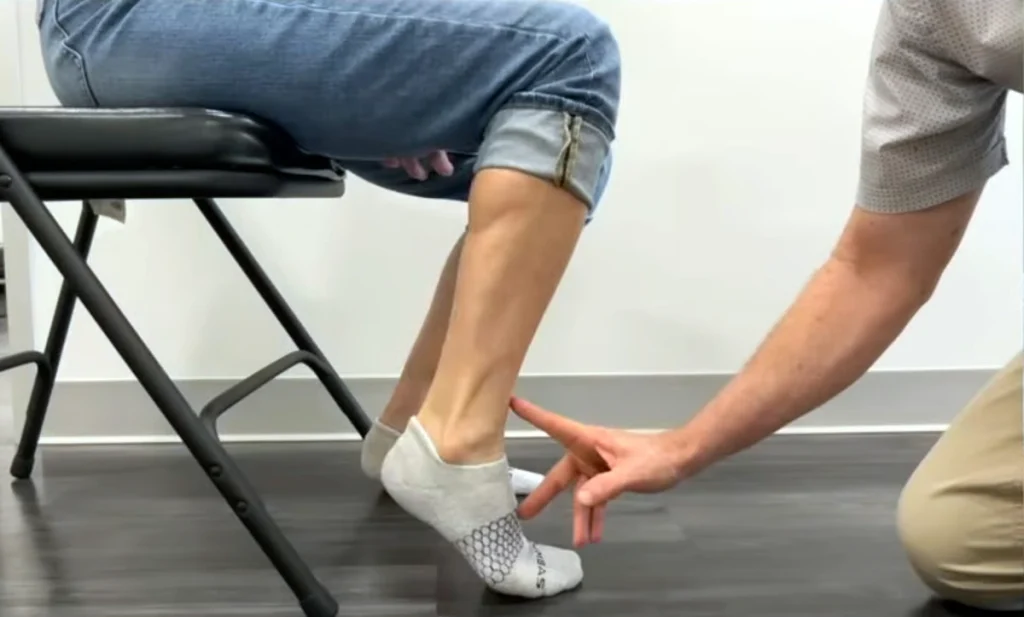
The move is simple. The details are what count.
| Step | What to do | Why it matters |
|---|---|---|
| 1. Sit | Sit tall with knees near 90 degrees and feet flat | Sets up your calf to work |
| 2. Line up | Knees over heels, feet turned out about 45 degrees | The position described in the research |
| 3. Lift | Raise heels as high as is comfortable, balls of feet stay down | A bigger lift worked the muscle more |
| 4. Drop | Let your heels relax and fall back down, then repeat | Keeps the rhythm smooth |
| 5. Start small | Try about 3 minutes at first | Builds comfort |
| 6. Build up | Work toward 8 minutes, 3 times a day, about an hour after meals | The dose used in the heart study |
A certified diabetes educator told diaTribe to check your blood sugar first, do the move for 10 minutes, then check again about 20 minutes later.
One reading won’t prove much. If you wear a glucose monitor, watch your curve over a few meals instead.
Everyone’s body responds differently. Check with your doctor before trying these times and amounts, especially if you use insulin or other blood sugar medicine.
When to Walk and When to Lift Your Heels
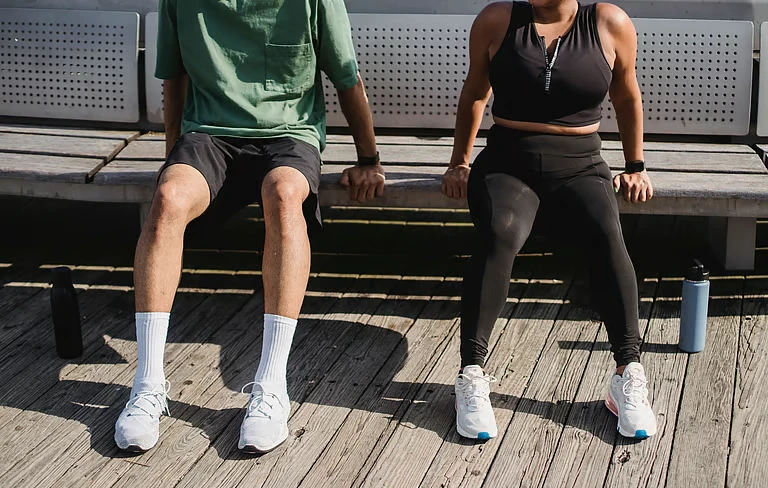
Use the simple version of each.
- Time and space at home: walk for 10 to 15 minutes after eating.
- At your desk or on a call: do the soleus push-up.
- Only two minutes: stand up and move around.
- Long sitting: break it up every 30 minutes, like the ADA says.
Try This Today
- After your next meal, set a timer for 3 minutes and lift your heels high.
- Stand and walk for two minutes when you can.
- If you use a glucose meter, check before and about 20 minutes after.
- Write down what you notice, so you can share it with your doctor.
Which Move Fits Which Moment
| Situation | Best Pick | Why |
|---|---|---|
| Home after dinner, time to spare | Walk 10 to 15 minutes | Short post meal walks have the deepest evidence |
| Desk, meeting, or call | Soleus push up | You can do it without leaving your seat |
| Only two spare minutes | Stand and walk | Even a couple of minutes of moving after eating was linked to better blood sugar control |
| Long car or train ride | Soleus push up | Keeps the calf working while seated |
| The whole week | Both, plus regular exercise | Guidelines still call for regular aerobic and strength work |
Who Should Check With a Doctor First?
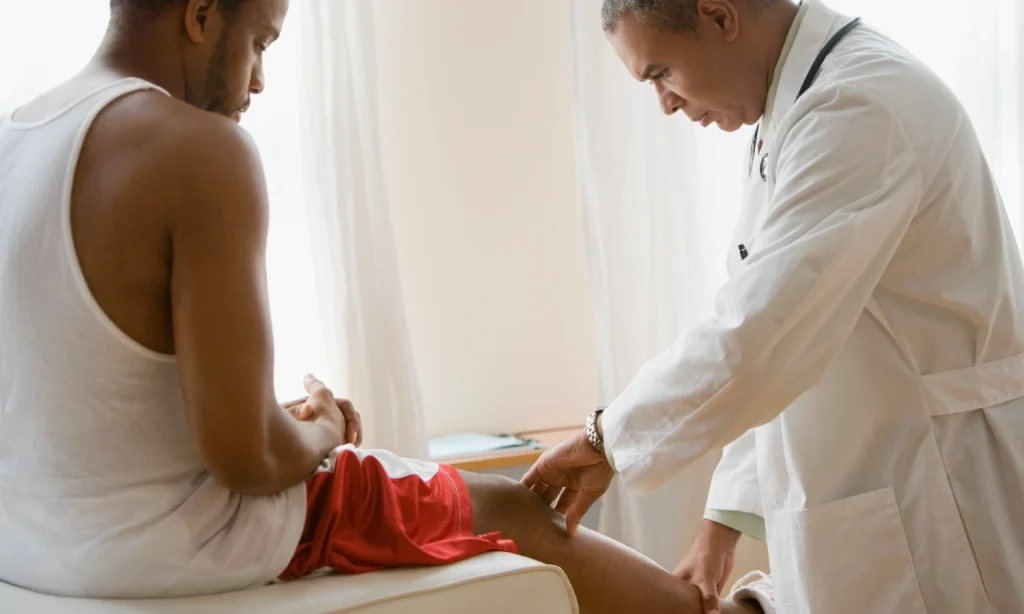
Talk to your doctor if you take medicine that can lower blood sugar. Do the same if you’ve had blood clots or have leg pain or swelling.
In the small pilot, nobody reported problems. But that was only 10 people
When To Stop And Call A Doctor
- Sudden pain, warmth, redness, or swelling in one calf.
- Chest pain, shortness of breath, or dizziness.
- High readings that stay high, along with heavy thirst or blurry vision.
4 Questions You Probably Have
Can it replace walking after meals?
No. Walking has more proof and burns more calories. Use the seated move when walking isn’t possible.
How long until I see results?
In the lab, blood sugar was already being softened within 30 minutes. The heart study checked cholesterol at one and three months.
Do I need a glucose meter?
No. It helps if you want to test yourself, but you can skip it.
Is it safe if I have diabetes?
Ask your care team first. Extra movement can change your readings, especially if you use insulin.
