
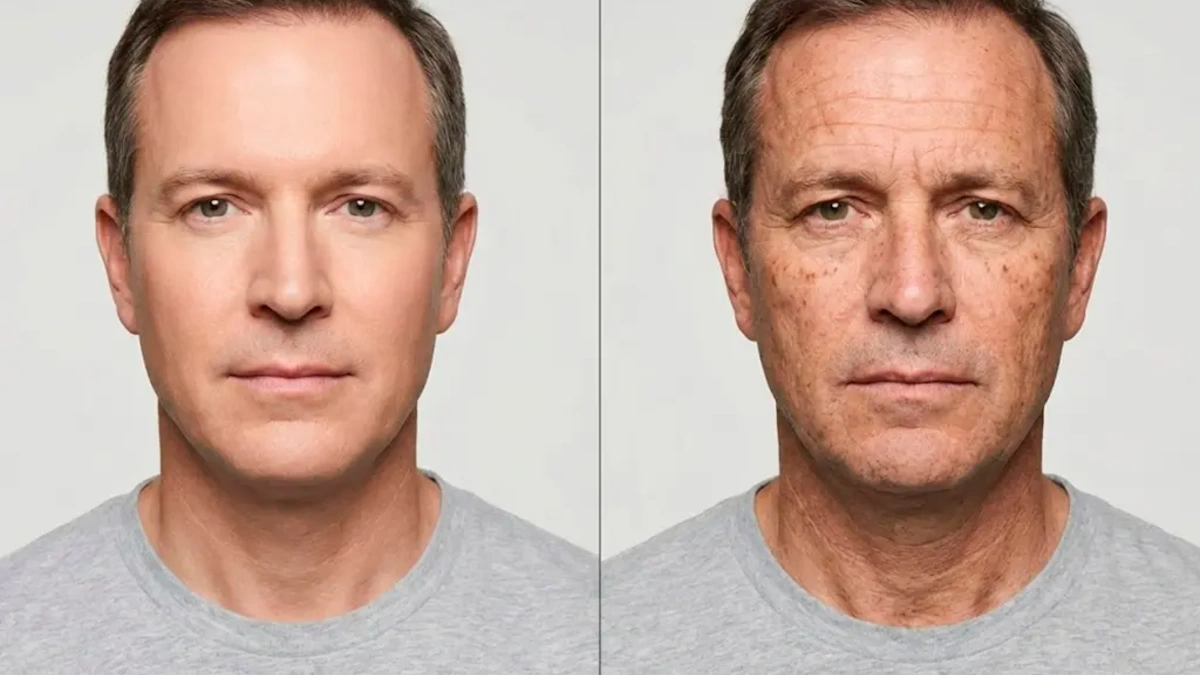
Your skin has been quietly rusting since your twenties. Not from the sun, not from smoking, but from sugar molecules welding themselves onto your collagen one bond at a time, and until recently, scientists thought that damage was permanent.
Ignore it, and it keeps stacking for decades: stiffer skin, deeper wrinkles, slower healing, arteries that lose their bounce right along with your face.
Then a lab reversed it in a dish, in hours, and the results have longevity researchers rewriting what they thought they knew.
Before making any changes based on this article, talk to your doctor, especially if you are currently taking medication or have a diagnosed condition.
What Actually Happened In This Study
In July 2026, a team led by biochemist Aaron Cravens at Revel Pharmaceuticals, working with Calico Life Sciences and the University of Colorado Anschutz Medical Campus, published a study in Nature Communications describing an engineered enzyme called CMLase.
Researchers tested it on aorta, skin, and lens tissue from donors aged 20 to 25 and compared the results to tissue from a 75-year-old donor. The finding that stunned even the scientists involved: they expected roughly a 20 percent reduction in aging markers, but the post enzyme treatment brought levels down to what you would typically see in a 30-year-old’s tissue.
The Sugar Damage Nobody Warned You About

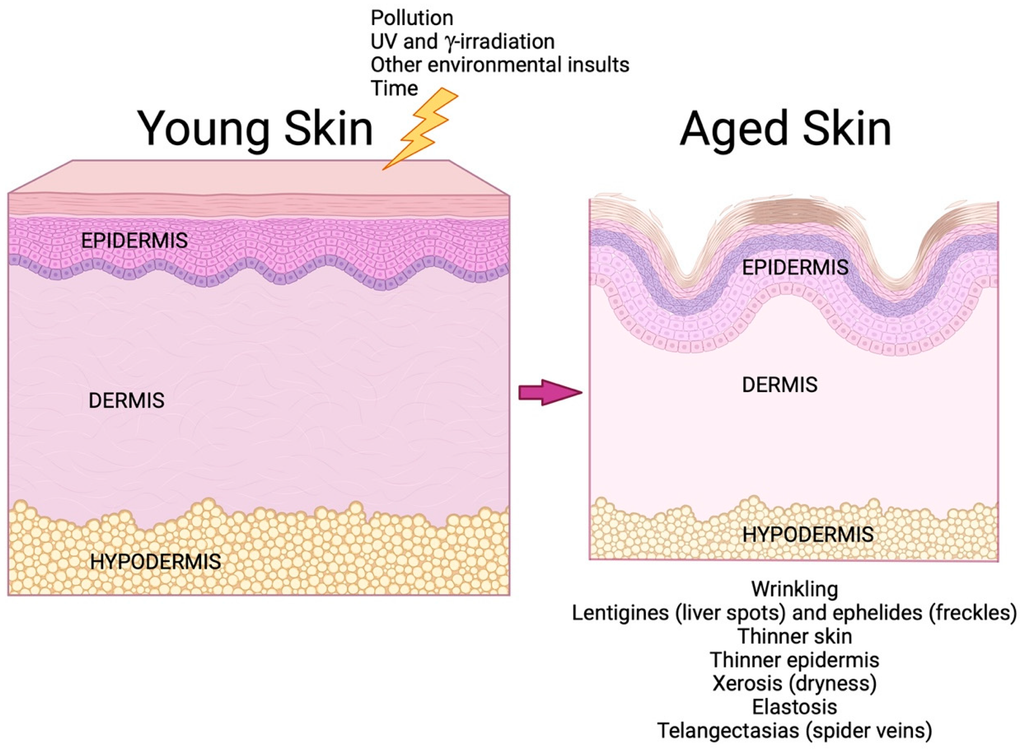
Every time sugar circulates through your bloodstream, some of it sticks to proteins in your body the same way sugar caramelizes onto a pan. This process, called glycation, creates compounds known as advanced glycation end products, or AGEs.
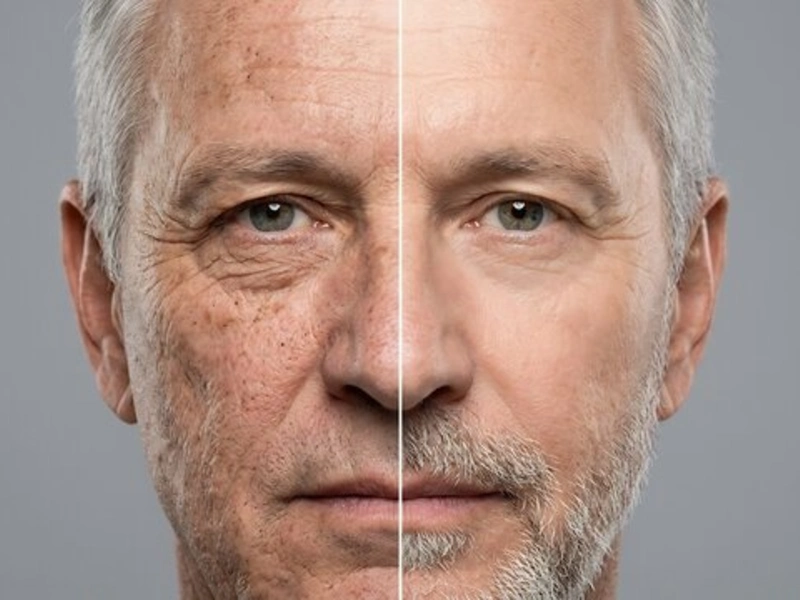
These AGEs cross link to collagen and elastin in your skin, causing a loss of elasticity and hydration, and their buildup can even contribute to a dull, yellowish skin tone.
Collagen is not like the proteins in your blood that get replaced every few months. Collagen, eye lenses, and artery walls last for decades, so sugar accumulation in these tissues creates stiffness and dysfunction that researchers long assumed could never be undone.
Meet CML: The Molecule Doing The Damage
One specific AGE, called CML (carboxymethyl lysine), is among the most common in the human body. In the skin experiment, CML staining across both the epidermis and dermis fell by more than fifty five percent after enzyme treatment, bringing the tissue below the levels normally seen in a 31-year-old’s skin.
A separate test on artery tissue went even further, cutting CML by roughly 70 percent in a 75-year-old donor’s aorta.
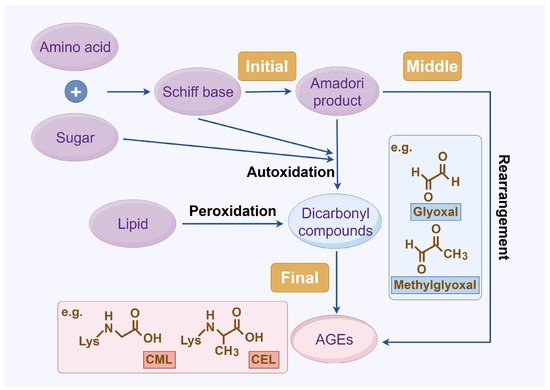
CML matters because it does not just sit passively in your tissue. It covalently cross links to collagen and elastin, especially types I and IV collagen, which is the direct mechanism behind stiffer, less elastic skin as you age.
Everyone’s body responds differently, so check with your doctor before trying any anti aging or blood sugar related intervention if you have an existing condition or take medication.
How They Actually Built The Enzyme

Scientists started with a glycine oxidase enzyme found in ordinary soil bacteria. They then ran it through directed evolution, a lab process of introducing random mutations, testing the results, and repeating that cycle across generations of the enzyme.
The team screened more than 500 million variants before landing on a version that could recognize and break down CML specifically, without causing the collateral damage a less selective compound might create.
Not Just Skin-Deep: Enzyme Targets CML Across Multiple Protein Types
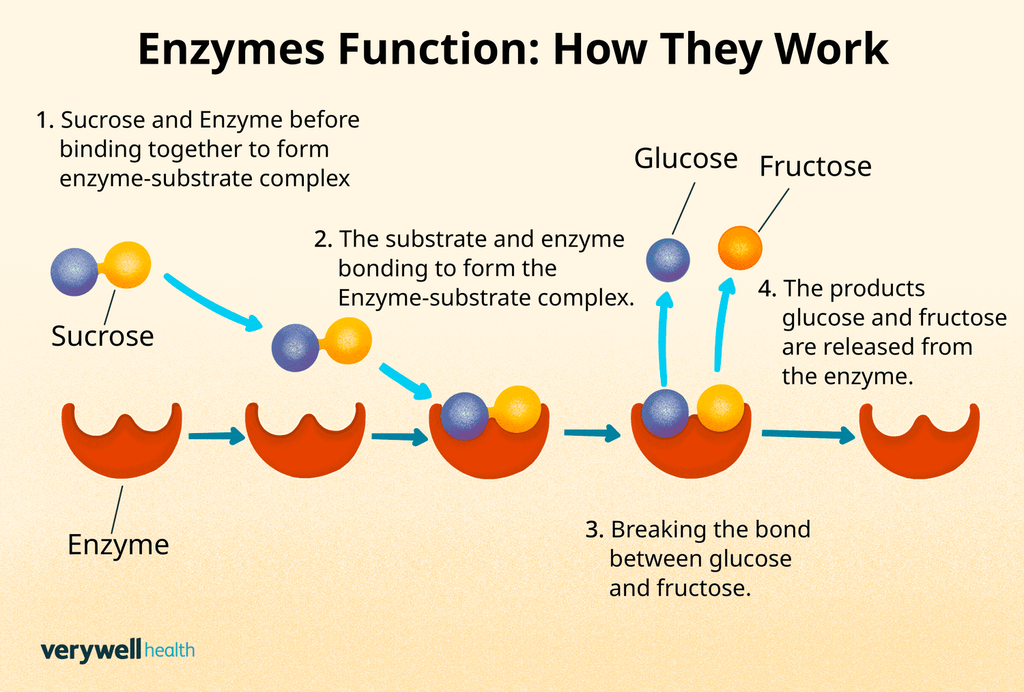
When the finished enzyme was tested on proteins found throughout the body, including collagen, casein, retinal proteins, and hemoglobin, CML removal ranged from 52 percent to 97 percent depending on which protein was tested.
That range matters. It tells researchers the enzyme is not a one trick tool that only works on skin. It appears to break down the same type of damage no matter where in the body that damage is sitting, which is part of why the study drew so much attention outside dermatology circles.
Chemical Reversal vs. True Rejuvenation
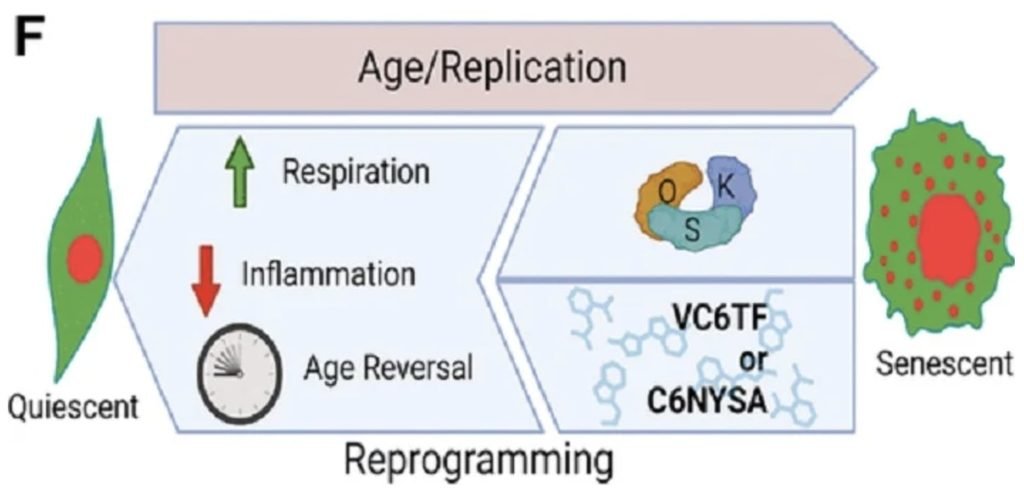
This enzyme has not been tested in a living person. The experiments were conducted entirely on tissue removed from the body: thin sections of donor skin, an isolated donor aorta, and purified proteins in test tubes.
There is also an open question researchers have not answered yet. Chemical reversal is not the same as tissue rejuvenation, and it is still unknown whether stripping away CML can actually restore how the tissue functions day to day.
How This Compares To What You’ve Already Been Told
| Approach | What It Actually Does | Where The Evidence Stands |
|---|---|---|
| Anti aging creams with “anti glycation” claims | Mostly antioxidants and peptides applied topically | Some lab and small clinical support, modest effects on skin surface only |
| Retinoids (prescription or over the counter) | Boost collagen turnover, improve texture over months | Strong, well established clinical evidence |
| Reducing dietary AGEs (less grilled, seared, fried food) | Lowers new AGE formation, not existing buildup | Supported by clinical trials showing lower serum AGE levels |
| CMLase enzyme (this study) | Actively breaks down existing CML buildup in tissue | Early stage, tissue only, not yet tested in living humans |
Notice the difference. Nearly everything on the market today either slows new damage or nudges collagen production. This enzyme is the first credible attempt at reversing damage that is already sitting in your skin.
Why AGEs Age More Than Just Your Skin
AGEs do more than dull your complexion. They promote oxidative stress, trigger inflammatory signals like TNF alpha and IL 6, and are mechanistically linked to reduced collagen content in aging skin. They also engage a receptor called RAGE, which sets off signaling cascades that disrupt cell proliferation, autophagy, and normal inflammatory responses.
That inflammatory chain is not cosmetic. AGEs are known to contribute to diabetes, atherosclerosis, neurodegeneration, and chronic kidney disease by triggering these same receptors throughout the body.
The Daily Habit That Actually Works

You cannot buy CMLase. But you are not powerless while the science catches up.
Try This Today: Lower Your Own AGE Load
- Swap one grilled, seared, or fried meal a week for something steamed, poached, or slow cooked. Cooking at high heat for long periods greatly increases the AGEs formed in food.
- Marinate meat in something acidic, like lemon juice or vinegar, before cooking. This has been shown to blunt AGE formation during high heat cooking.
- Cut back on ultra processed, browned, or crispy packaged snacks, which tend to carry a heavier AGE load than fresh, whole foods.
- Wear a broad spectrum SPF daily. UV exposure accelerates the same oxidative pathways that feed AGE formation in skin.
- If you smoke, this is one more reason to quit. Research has found that skin AGE fluorescence runs significantly higher in smokers than non smokers.
Who This Research Actually Matters Most For
People managing type 2 diabetes have the most to gain if this research eventually reaches the clinic.
Diabetes accelerates AGE accumulation throughout the body, and elevated AGE levels in older adults with type 2 diabetes have been linked to faster cognitive decline over time.
That is a much bigger stake than wrinkles, and it is part of why researchers outside dermatology are paying attention to this enzyme too.
When To Talk To Your Doctor
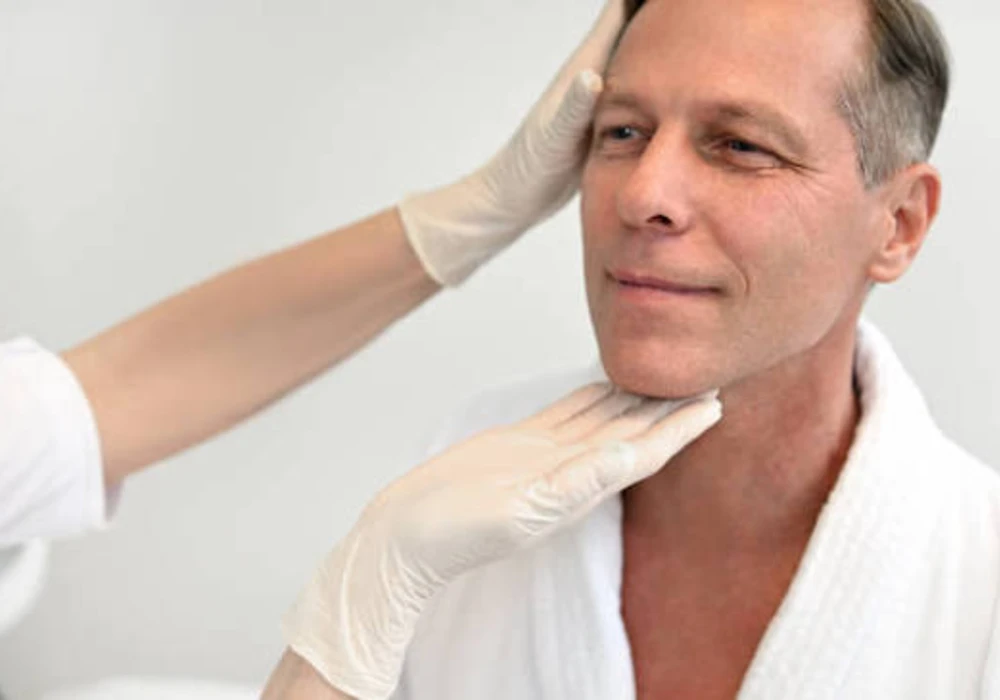
- You have type 2 diabetes and notice skin that feels unusually thick, stiff, or slow to heal from small cuts.
- You have noticed a yellowish or dull cast to your skin that has developed gradually over months.
- You have joint stiffness alongside skin changes, which can both stem from the same collagen cross linking process.
- You are considering any supplement or skincare product marketed with “anti glycation” or “AGE reversing” claims, especially if you take medication for diabetes, blood pressure, or kidney function.
Timeline: How Far Is This From Reaching You
| Stage | Status | Realistic Timeline |
|---|---|---|
| Lab tissue testing | Complete, published July 2026 in Nature Communications | Done |
| Living animal trials | Not yet reported publicly | Unknown, likely next research phase |
| Human safety trials | Not started | Years away at minimum |
| Consumer product (skincare or clinical) | Does not exist | Not guaranteed, no timeline announced |
Common Mistakes People Are Already Making With This News
The biggest mistake is assuming a product already exists. It does not, and anyone selling something claiming to contain this exact enzyme is not selling something backed by this study.
The second mistake is assuming this replaces proven skincare. Retinoids remain one of the few topical treatments with strong, repeated clinical evidence for improving skin texture and collagen turnover, and nothing here changes that.
The third mistake is ignoring diet and sun protection while waiting for a future treatment. Those remain the only levers with real evidence behind them today.
FAQS:
Is CMLase available to buy anywhere right now?
No. It exists only in research settings, tested on donated tissue and purified proteins.
Could this replace retinoids or other proven skincare?
Not currently, and not for a long time if ever.
Does eating less sugar reverse AGE damage that already happened?
Dietary changes have been shown in pilot trials to meaningfully lower circulating AGE levels over time, especially with high adherence. But that mainly slows new buildup rather than clearing out damage already locked into collagen, which is exactly the gap this enzyme is trying to close.
What is the single most useful thing to do while this technology develops?
Focus on what is proven today: sun protection, gentler cooking methods, not smoking, and managing blood sugar if you have diabetes or prediabetes.
