
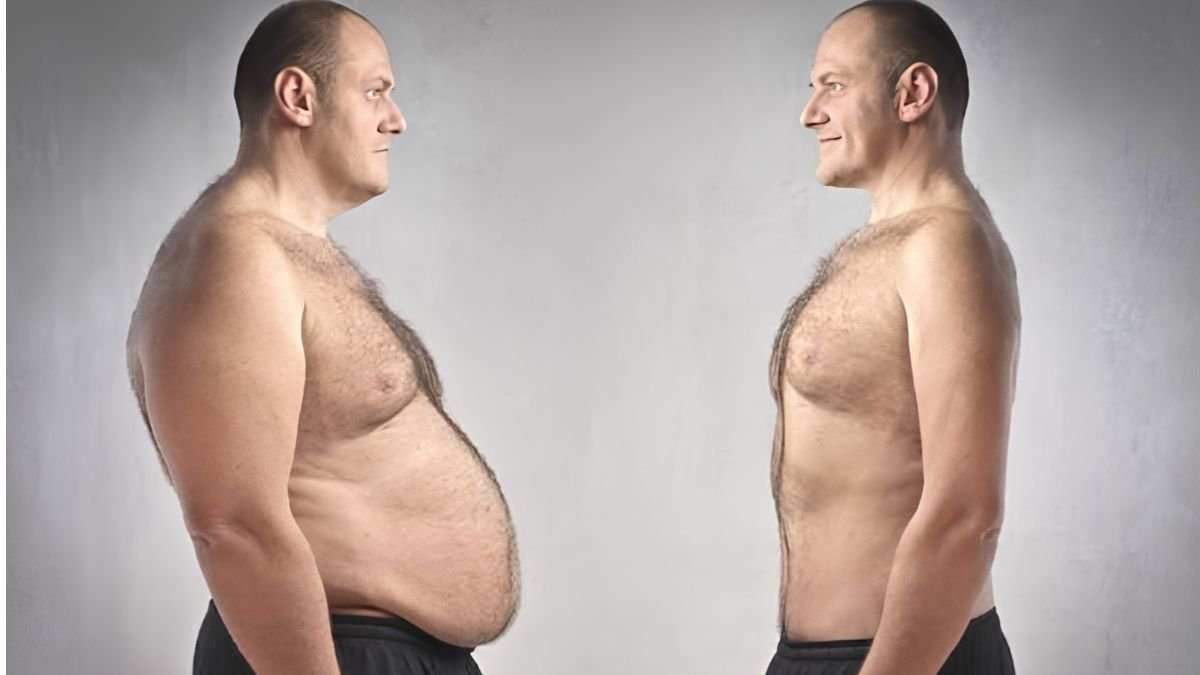
Visceral fat, wrapped around your organs rather than the fat you can pinch, responds fastest to short intense intervals plus resistance training, since it carries more receptors that respond to those exercise hormones.
Track it with a waist measurement (snug, above the hip bones): over 35 inches for women or 40 for men signals risk, often shifting before the scale does.
Pair this with Mediterranean-style eating, protein at each meal, and no food within 2 to 3 hours of bed; crunches alone won’t cut it.
Before making any changes based on this article, talk to your doctor, especially if you are currently taking medication or have a diagnosed condition.
Why Visceral Fat Is Not Like Regular Belly Fat
Not all belly fat is the same, and this is where most advice goes wrong. Subcutaneous fat is the soft layer you can pinch between your fingers. Visceral fat is different. It sits deep behind your abdominal wall, wrapped directly around your liver, intestines, and other organs.
You cannot pinch it, and you often cannot even tell how much you have just by looking in the mirror. That is part of what makes it dangerous. Someone can look relatively fit and still be carrying a dangerous amount of it internally.
Here is the useful part for your goal: visceral fat is more metabolically active than subcutaneous fat, and some research suggests it responds to lifestyle changes faster than the fat on your hips or thighs does. That is genuinely good news. It means the right approach can produce visible waist changes before the number on the scale even moves much.
| Feature | Subcutaneous Fat | Visceral Fat |
|---|---|---|
| Location | Just under the skin, pinchable | Deep behind the abdominal wall, around organs |
| Can you feel it? | Yes | No |
| Health risk | Lower, mostly cosmetic | Higher, linked to diabetes, heart disease, fatty liver |
| Response to diet and exercise | Slower | Often faster |
| Visible on a scale? | Somewhat | Not always, waist size changes first |
The Self Test: How To Check Your Own Visceral Fat Risk
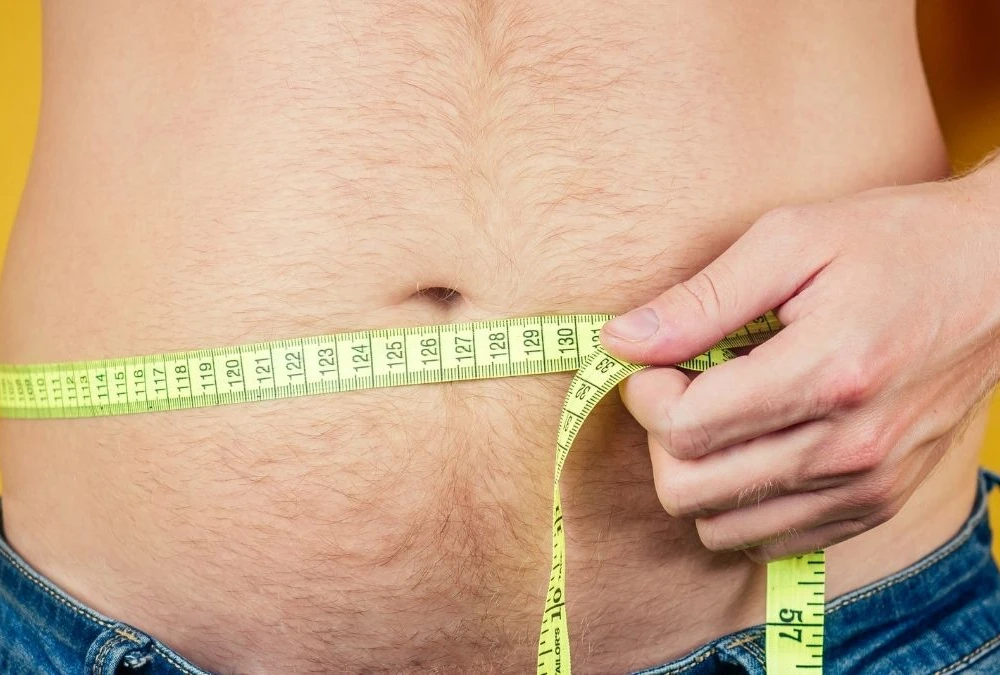
You do not need a scan to get a useful estimate of your risk. A simple tape measure at home gives you a solid starting point, and it is the same basic method used clinically.
Stand up straight and wrap a tape measure around your bare stomach, just above your hip bones. Pull it snug without pressing into your skin, keep it level all the way around, then exhale normally and read the number. Do not suck your stomach in while measuring, since that defeats the purpose.
Health researchers commonly flag a waist measurement above 35 inches for women and above 40 inches for men as a signal that visceral fat may be elevated enough to matter for your health, not just your appearance. The higher above that number you are, the higher the associated risk tends to climb.
Write that number down today. It is the single best free tool you have for tracking whether what you are about to do is actually working, often weeks before the scale confirms it.
Short, Hard Workouts Beat Long, Easy Ones for Belly Fat
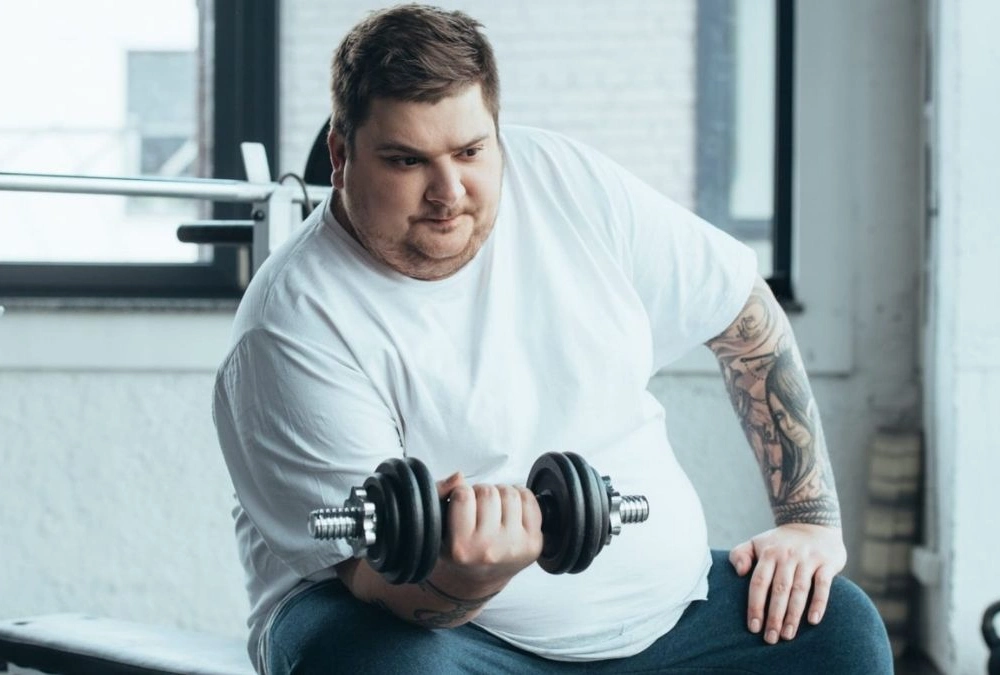
Studies show short, intense interval workouts can cut visceral fat (deep belly fat) as well as, or better than long, easy cardio in much less time.
In one study, obese young women did either short all-out sprint intervals or longer high-intensity workouts. After 12 weeks, both groups lost significant visceral fat.
Why: hard exercise releases more catecholamines, hormones that break down fat for fuel. Belly fat has more receptors for these hormones than fat under the skin, so intense effort burns it more efficiently.
Strength training also matters. Building muscle raises your resting metabolism, so you burn more calories even at rest.
For the fastest results, combine short, intense intervals with strength training 2–3 times a week, rather than relying only on long, moderate cardio.
Everyone responds a little differently to exercise intensity, so check with your doctor before starting interval training if you have a heart condition, joint issues, or have been inactive for a long time.
| Approach | Typical Time Per Session | Frequency | Why It Works On Visceral Fat |
|---|---|---|---|
| Steady moderate cardio (walking, cycling) | 45 to 60 minutes | 5 or more days a week | Burns calories during the session, supports overall fat loss |
| High intensity intervals or sprint intervals | 15 to 25 minutes | 2 to 3 days a week | Triggers stronger catecholamine release, targets visceral fat receptors directly |
| Resistance training | 30 to 40 minutes | 2 to 3 days a week | Builds muscle, raises resting metabolic rate for hours afterward |
Diet Is Still Half the Equation, Just Not the Half You Think

Diet, Timing, and Protein Also Matter
Exercise intensity helps, but diet matters just as much. A 2025 study found that both more physical activity and closer adherence to a Mediterranean diet each reduced visceral fat on their own and people who improved both saw the biggest drops.
Timing matters too. Eating close to bedtime is linked to higher fasting glucose and worse blood sugar control. Closing your eating window 2–3 hours before bed is a simple lever that supports everything else.
Protein matters the most when cutting calories. Without enough protein, you lose more muscle along with fat,which lowers your metabolism and can stall visceral fat loss even as the scale drops. Prioritize a protein source at every meal to protect the muscle you’re building through strength training.
Try This Today

- Measure your waist right now using the method above, and write the number down somewhere you will see it again in four weeks.
- Swap one steady cardio session this week for a 15 to 20 minute interval session, even something as simple as alternating one minute fast walking with one minute of a light jog.
- Add a protein source to your next meal that you would not normally think to include, like Greek yogurt, eggs, or a handful of nuts.
- Stop eating at least two to three hours before bed tonight, rather than waiting until “next week” to start.
- Schedule two short resistance sessions this week, even 20 minutes with dumbbells or resistance bands counts.
When It Is More Than Just Stubborn Fat
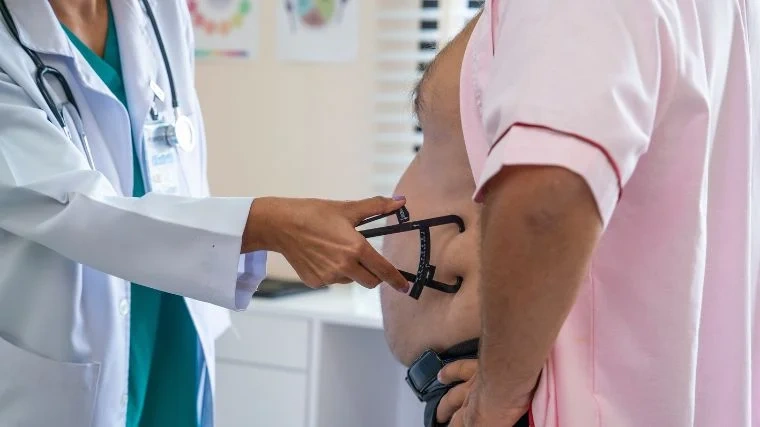
Visceral fat itself does not usually cause obvious symptoms on its own, which is exactly why it is so easy to underestimate. But its downstream effects can show up in ways worth paying attention to.
Talk to a doctor if you notice any of the following:
- A waist measurement well above the ranges mentioned earlier, especially if it has increased noticeably in a short period.
- Ongoing fatigue, excessive thirst, or frequent urination, which can signal blood sugar issues linked to visceral fat.
- Unexplained abdominal discomfort or a feeling of fullness, which can occasionally point to fatty liver involvement.
- A family history of type 2 diabetes or heart disease combined with a rising waist measurement, since your personal risk calculation changes with that context.
None of these automatically mean something serious is happening, but they are worth a conversation rather than guesswork.
Quick Answers Before You Start
How long until you actually see a difference?

Most people following a combined approach like this notice waist changes before major scale changes, often somewhere in the first several weeks, with more meaningful shifts building over two to three months of consistency.
Will ab exercises like crunches get rid of it?
No, and this is one of the most persistent myths in this space. Spot exercises can tighten the muscles underneath, but they do not selectively burn the fat covering them. Visceral fat responds to your overall exercise and eating pattern, not to targeted movements.
high-intensity
Anyone with an existing heart condition, uncontrolled high blood pressure, joint problems, or anyone who has been largely sedentary for a long time should get clearance from a doctor first and may need to build up gradually rather than jumping straight into sprint-style intervals.
| Timeframe | What Is Typically Happening | What You Might Notice |
|---|---|---|
| Weeks 1 to 4 | Metabolic and hormonal adjustments begin, muscle activation increases | Waist measurement may start shifting slightly, energy often improves |
| Weeks 5 to 8 | Muscle building compounds resting metabolic rate, consistency starts paying off | More noticeable waist and clothing fit changes |
| Weeks 9 to 12 and beyond | Visceral fat continues declining faster than scale weight in many people | Clearer changes in waist size, possible improvements in energy and blood sugar markers |
Takeaway
The fastest path here is not a secret supplement or a single miracle food. It is short, intense effort paired with resistance training, a protein forward Mediterranean style way of eating, and closing your kitchen a few hours before bed.
None of it requires hours in the gym. It requires consistency in the right direction, aimed specifically at the fat that actually affects your long term health.
