

Your body depends on nitric oxide to help blood vessels relax and keep blood moving where it needs to go. But nitric oxide production and signaling can become less efficient with age, while smoking, metabolic disease, and vascular oxidative stress can make the problem worse.
That matters because impaired nitric oxide signaling is tied to endothelial dysfunction, a feature of cardiovascular disease and unhealthy vascular aging. Simply buying a bottle labeled “nitric oxide booster” does not fix the biology underneath.
The better approach starts with everyday habits that help your body make and preserve nitric oxide naturally. Here are 17 evidence based ways worth knowing.
Before making major changes to your diet, exercise routine, supplements, or medications, talk with your healthcare provider, particularly if you have cardiovascular disease, diabetes, kidney disease, low blood pressure, or take prescription medication.
Why Boosting Nitric Oxide Is More Complicated Than Eating Beets
Nitric oxide is a signaling molecule produced throughout the body. In blood vessels, endothelial cells produce nitric oxide, which signals the smooth muscle surrounding an artery to relax, helping the vessel widen and regulate blood flow.
There is also a second route. Nitrate from vegetables can be concentrated in saliva, converted into nitrite by bacteria in the mouth, and eventually converted into nitric oxide. This is one reason leafy vegetables can affect vascular biology differently from nitrate and nitrite added to processed meats.
There is an important catch with the headline. More nitric oxide is not automatically better, and nitric oxide has complex roles in inflammation.
There is also no clinical evidence that simply raising nitric oxide makes a person live longer. The stronger case is that normal nitric oxide signaling supports vascular function, while several habits that protect that system, including exercise and vegetable rich eating, are independently associated with better health.
A Quick Look at Nitric Oxide Supporting Foods
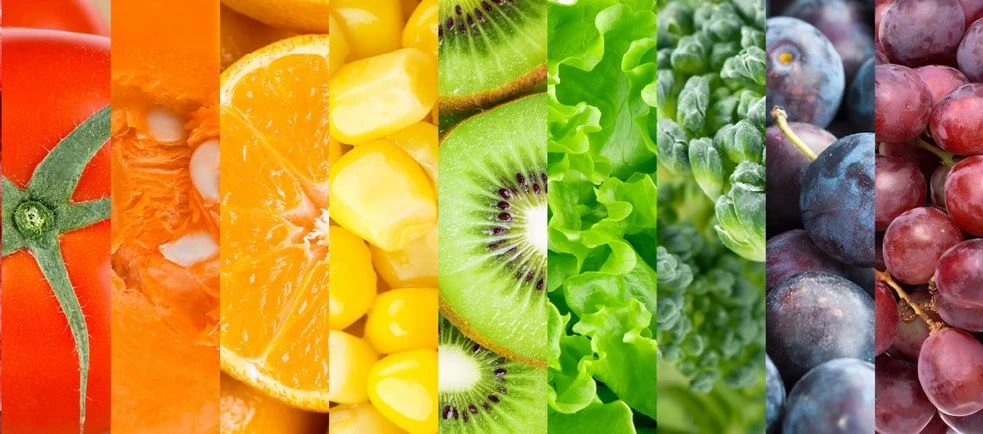
| Food | What it provides | Why it matters | Easy way to use it |
|---|---|---|---|
| Arugula and leafy greens | Dietary nitrate | Feeds the nitrate to nitrite to nitric oxide pathway | Add a generous handful to salads or sandwiches |
| Beets | Dietary nitrate | Can increase nitric oxide availability and has been studied for blood pressure | Roast as a side or use beetroot juice |
| Spinach and kale | Dietary nitrate plus micronutrients | Provide nitrate within a nutrient rich whole food | Add to soups, salads, eggs, or cooked dishes |
| Celery | Dietary nitrate | Adds another vegetable source of nitrate | Chop into salads, soups, or snacks |
| Citrus and peppers | Vitamin C | Supports an antioxidant rich dietary environment | Pair with nitrate rich vegetables |
| Watermelon | Citrulline | Citrulline can contribute to arginine availability | Eat fresh as part of a balanced diet |
Cleveland Clinic lists spinach, kale, celery, carrots, and beets among vegetable sources of nitrate and notes that vegetable nitrate can ultimately contribute to nitric oxide production.Photo Credit: SerAlexVi
1. Put Leafy Greens on the Plate More Often
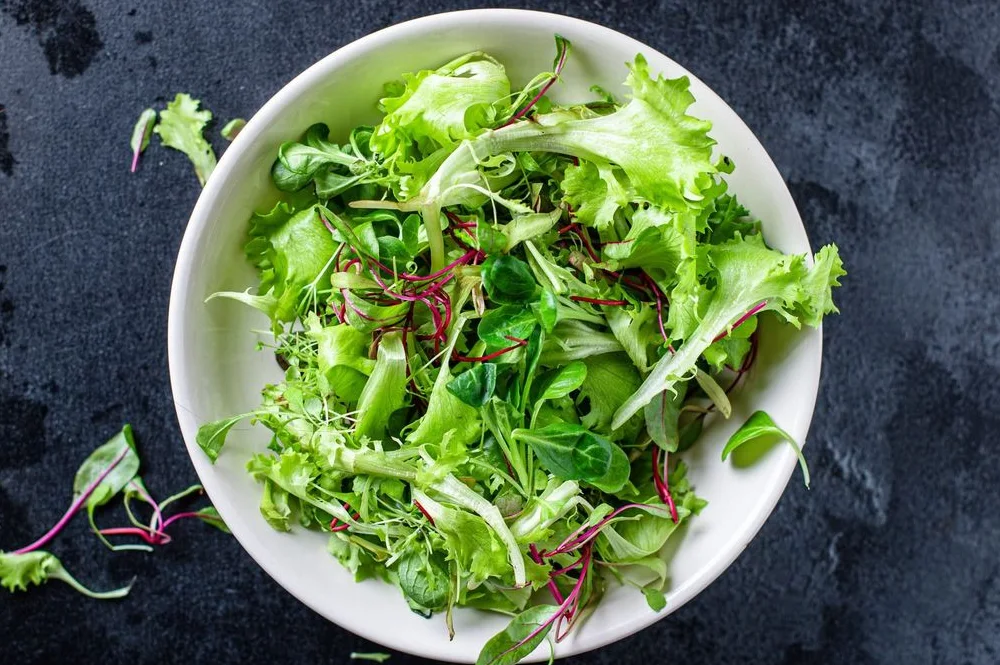
Spinach, kale, romaine, and similar leafy vegetables provide dietary nitrate. Your body can route that nitrate through the nitrate to nitrite to nitric oxide pathway, helping support normal vascular signaling.
Instead of treating greens as decoration, make them a meaningful part of meals. Add spinach to eggs, use a large bed of greens under lunch, or stir greens into soups and pasta dishes.
2. Give Arugula More Attention
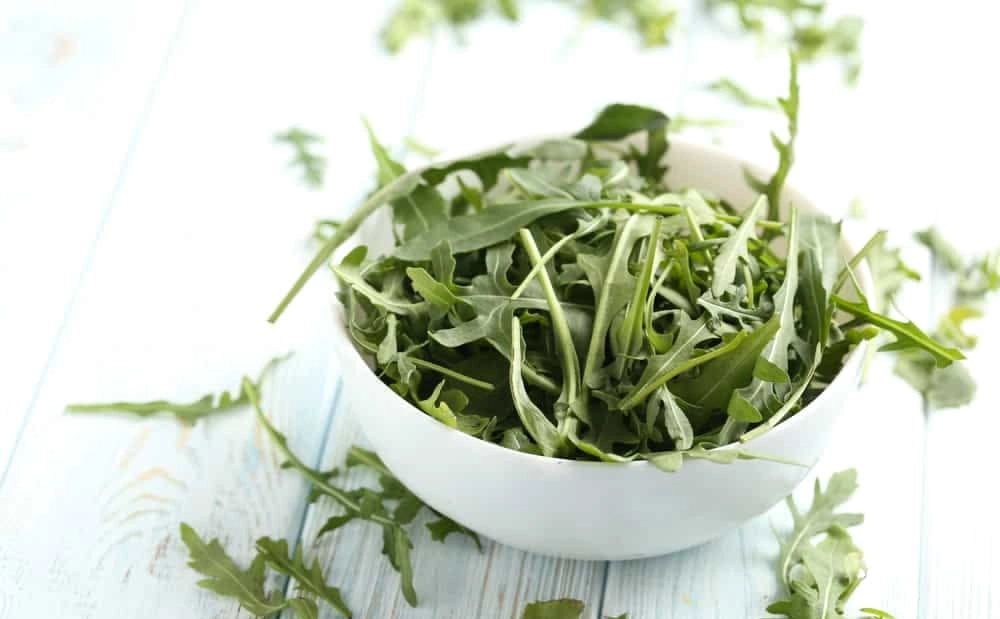
Arugula belongs to the same nitrate rich vegetable strategy, but it is especially convenient because it requires almost no preparation. Its peppery flavor also makes it easier to replace less nutrient dense sandwich toppings.
Use a handful in salads, wraps, grain bowls, or alongside eggs. The goal is not to chase an exact nitrate number, since nitrate concentrations in vegetables vary with growing and storage conditions, but to make nitrate rich plants a regular part of your diet.
3. Add Beets Without Treating Them Like Medicine
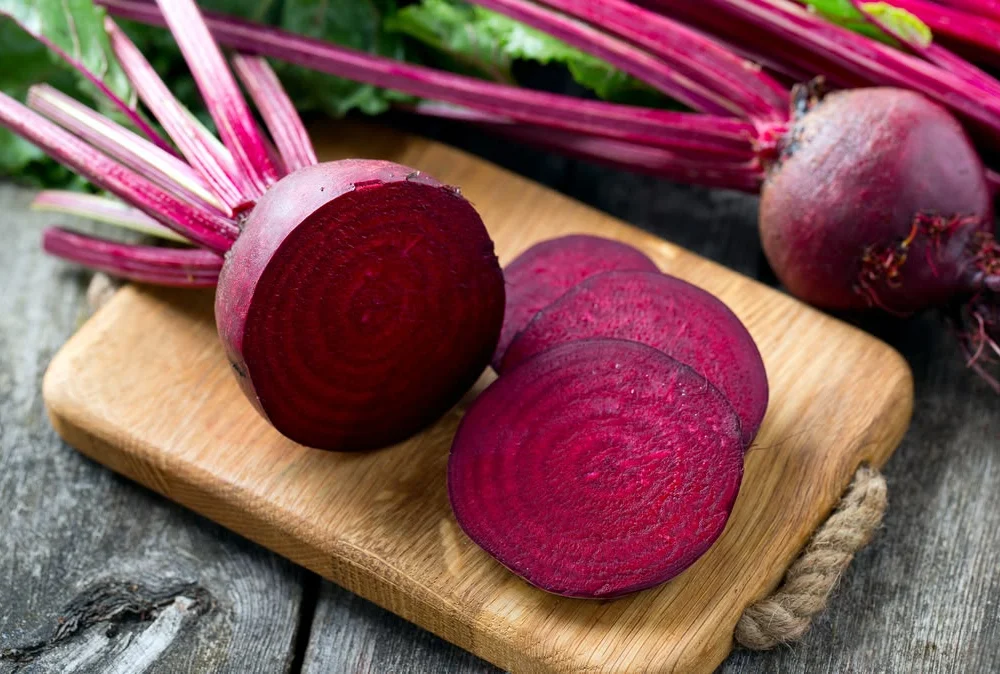
Beetroot has some of the strongest human research among foods promoted for nitric oxide. A 2024 meta analysis included 11 trials and 349 people with hypertension and found beetroot juice was associated with a 5.31 mmHg reduction in clinic systolic blood pressure compared with placebo.
The studies supplied roughly 200 to 800 mg of nitrate daily, but certainty of evidence was rated low, and significant benefits were not found for clinic diastolic pressure or 24 hour blood pressure. That makes beets a useful food, not a substitute for hypertension treatment.
4. Eat Celery, Carrots, and Other Nitrate Containing Vegetables

Leafy greens and beets get most of the attention, but they do not own the nitric oxide conversation. Cleveland Clinic also identifies celery and carrots as vegetable sources of naturally occurring nitrate.
This makes variety easier. Add celery to soups, snack on carrots, roast root vegetables, and rotate your produce instead of forcing yourself to drink beet juice every morning.
5. Pair Your Greens With Vitamin C Rich Foods

Vitamin C rich foods fit naturally beside nitrate rich vegetables. Cleveland Clinic specifically recommends including foods such as citrus as part of a diet supplying vegetable nitrate and supporting nitric oxide related benefits.
Try spinach with bell pepper, arugula with strawberries, or leafy greens with lemon juice. This gives you vitamin C plus a broader mixture of plant compounds without requiring another supplement.
6. Walk Briskly Enough to Get Your Blood Moving

Exercise does something a beet cannot. As blood moves more rapidly through vessels, it increases mechanical forces on the endothelium, which can stimulate pathways involved in nitric oxide production.
A 2024 meta analysis involving 37 studies and 2,801 people with hypertension found exercise improved measures related to nitric oxide and endothelial function. The strongest nitric oxide effect in subgroup analysis occurred with higher intensity aerobic programs performed for 35 to 50 minutes, 3 to 4 times weekly, for 10 to 12 weeks.
You do not need to begin there. A brisk walk that raises your breathing and heart rate is a practical starting point.
Exercise intensity should be individualized. If you have cardiovascular disease, uncontrolled blood pressure, significant mobility limitations, or have been inactive for a long period, ask your healthcare provider what level of activity is appropriate before attempting vigorous exercise.
How Movement Fits Into the Nitric Oxide Picture

| Activity | Practical target | Nitric oxide connection | Bigger health reason |
|---|---|---|---|
| Brisk walking | Build toward 150 minutes weekly | Increased blood flow stimulates endothelial signaling | Supports cardiovascular and metabolic health |
| Cycling or swimming | Moderate effort as tolerated | Repeated increases in vascular blood flow | Builds aerobic fitness |
| Vigorous aerobic exercise | 75 minutes weekly can meet general aerobic guidelines | Produces stronger blood flow stimulus | Improves cardiorespiratory fitness |
| Strength training | At least 2 days weekly | Supports vascular and metabolic health alongside aerobic exercise | Preserves muscle and function |
| Breaking up sitting | Move repeatedly during the day | Replaces long inactive periods with repeated circulation demands | Helps increase total daily movement |
Federal guidance recommends at least 150 minutes of moderate intensity aerobic activity each week, or 75 minutes of vigorous activity, plus muscle strengthening activity on at least two days. Activity can be divided across the week rather than completed in long sessions.
7. Build Toward 150 Minutes of Weekly Movement

One hard workout cannot compensate for an otherwise inactive week. Consistency exposes blood vessels to repeated increases in blood flow while delivering benefits far beyond nitric oxide.
A realistic target is 30 minutes of moderate activity on five days each week, or another combination totaling 150 minutes. The CDC also emphasizes that some physical activity is better than none, so beginners can start with smaller blocks and build gradually.
8. Do Not Forget Strength Training

Cardio gets most of the nitric oxide attention, but resistance exercise deserves a place in a healthy aging routine. Muscle activity changes blood flow demands and improves metabolic health, which matters because vascular and metabolic function are closely connected.
Current guidelines recommend muscle strengthening activity involving the major muscle groups on at least two days each week. Bands, weights, machines, and appropriate body weight exercises can all count.
9. Protect the Helpful Bacteria in Your Mouth

Here is the part many people never hear about. Some oral bacteria reduce nitrate into nitrite, a critical step in the pathway that allows dietary nitrate to contribute to systemic nitric oxide.
That means the mouth is not simply the entrance to this process. It is part of the chemistry.
Keep brushing, flossing, and following your dentist’s recommendations. Protecting useful oral bacteria does not mean neglecting oral hygiene.
10. Think Twice Before Overusing Antibacterial Mouthwash

A small randomized crossover trial studied 15 adults being treated for hypertension. After three days of antibacterial mouthwash use, nitrate reduction in the mouth fell and systolic blood pressure was 2.3 mmHg higher than during the control condition.
Another experiment involving 19 healthy volunteers found that chlorhexidine mouthwash reduced oral nitrite production by 90 percent and plasma nitrite by 25 percent. These studies are small, so they do not prove that ordinary mouthwash causes hypertension, but they show why oral bacteria deserve attention.
Do not stop a mouth rinse prescribed by your dentist. If you use a strong antiseptic rinse several times every day without a specific reason, ask your dentist whether that routine is necessary.
Make Today Count

- Add one nitrate rich vegetable to lunch or dinner, such as spinach, arugula, beets, celery, or leafy salad greens.
- Take a 10 to 20 minute brisk walk if that level of activity is safe for you.
- Pair greens with a vitamin C food, such as bell pepper, citrus, strawberries, or tomatoes.
- Keep normal brushing and flossing, but ask your dentist whether frequent antiseptic mouthwash is necessary for you.
- Build habits before buying supplements. Food, movement, smoking avoidance, and cardiovascular risk management have much broader evidence behind them.
11. Get Arginine From Ordinary Foods

Your body can make nitric oxide through nitric oxide synthase enzymes using L arginine as a substrate. That biochemical fact has helped create a large market for arginine based “NO boosters.”
You can also obtain arginine through protein containing foods such as fish, poultry, legumes, nuts, seeds, and dairy foods. For most readers, building a nutritious diet is a more sensible first step than assuming a large supplemental dose is necessary.
12. Use Watermelon as Food, Not a Miracle Treatment

Watermelon contains citrulline, an amino acid that can contribute to the body’s arginine pool. Since arginine participates in nitric oxide synthesis, citrulline has attracted interest for vascular and exercise effects.
Supplement research, however, is inconsistent. One meta analysis of five interventions found no significant improvement in brachial or aortic blood pressure, while another review reached different conclusions, which is a reminder that supplement evidence is not as straightforward as marketing suggests.
Enjoy watermelon because it is a hydrating whole fruit that supplies citrulline. Do not assume a slice works like a cardiovascular drug.
13. Stop Smoking, Rather Than Trying to Out Eat It

Nitric oxide only works properly within a healthy vascular environment. Cigarette smoke promotes endothelial injury and oxidative stress, conditions that work against normal nitric oxide availability and vascular function.
Adding beet juice while continuing to smoke misses the larger problem. If smoking applies to you, getting help to quit offers health benefits that reach far beyond any single nitric oxide pathway.
14. Take High Blood Pressure Seriously

High blood pressure and endothelial dysfunction often travel together. Improving diet and activity can support cardiovascular health, but nitrate rich vegetables should complement appropriate medical care rather than replace it.
The beetroot evidence makes this especially clear. Even though a 2024 analysis found a reduction in clinic systolic pressure, certainty was low and researchers did not find significant reductions in 24 hour blood pressure.
If you have hypertension, keep monitoring it and take prescribed medication as directed unless your clinician changes the plan.
What Helps Nitric Oxide Signaling, and What Can Work Against It
| More supportive habit | What can interfere | Why the difference matters |
|---|---|---|
| Regular nitrate rich vegetables | Relying on one supplement | Whole foods provide nitrate within a broader nutrient package |
| Consistent aerobic activity | Prolonged inactivity | Repeated movement increases vascular blood flow demands |
| Strength training | Losing muscle through inactivity | Muscle supports metabolic and functional health |
| Normal oral hygiene | Unnecessary heavy antiseptic mouthwash use | Nitrate reducing oral bacteria participate in nitrate metabolism |
| Smoking cessation | Cigarette smoking | Smoking damages endothelial function and increases oxidative stress |
| Treating hypertension appropriately | Replacing medication with beet juice | Food strategies cannot guarantee adequate blood pressure control |
15. Protect Your Metabolic Health

High blood glucose, insulin resistance, excess visceral fat, and hypertension can all exist within a metabolic environment that damages blood vessels. Over time, endothelial dysfunction can interfere with the normal balance between vessel relaxation and constriction.
This is another reason the nitric oxide story is bigger than one molecule. Regular activity, appropriate weight management when needed, blood pressure control, nutritious food, and diabetes care all help address the conditions surrounding the endothelium.
16. Be Skeptical of Nitric Oxide Booster Supplements
A supplement label may say “nitric oxide,” even though the product usually contains ingredients intended to influence nitric oxide production, such as citrulline or arginine. The physiological pathway is real, but that does not mean every commercial formula produces a meaningful clinical benefit.
Citrulline research illustrates the uncertainty. Trials and meta analyses have produced mixed results, and study populations, doses, durations, and outcomes vary.
Supplements can also matter if you take medication that affects blood pressure or vascular function. Check with a clinician or pharmacist before adding concentrated products, especially if you already have low blood pressure or cardiovascular disease.
17. Build a Pattern That Protects Your Blood Vessels

The most useful nitric oxide strategy is probably the least exciting one. Eat plenty of vegetables, stay physically active, strength train, avoid smoking, care for your mouth, and manage blood pressure and metabolic disease appropriately.
Those habits do far more than influence nitric oxide. They affect cardiovascular fitness, muscle, blood glucose regulation, blood pressure, and many of the factors that determine how well you age.
That is the more defensible connection to the “live longer” part of the headline. Nitric oxide is one piece of healthy vascular biology, not a proven longevity switch.
When Symptoms Mean You Need Medical Help, Not More Nitric Oxide

Do not try to treat possible cardiovascular symptoms with beet juice, exercise, supplements, or other nitric oxide strategies.
Seek emergency medical help for chest pressure, squeezing, fullness or pain, particularly when it persists or returns. Shortness of breath, cold sweating, nausea, lightheadedness, or discomfort spreading into an arm, the back, neck, jaw, or stomach can also accompany a heart attack.
Sudden facial drooping, arm weakness or numbness, speech difficulty, vision changes, severe balance problems, or other sudden neurologic changes can indicate stroke. The American Heart Association advises calling emergency services immediately when heart attack or stroke warning signs appear.
Forget ‘More’ Nitric Oxide; Chase ‘Better’ Instead

The body already knows how to make nitric oxide. What it needs is the right environment to keep those pathways working.
Leafy greens and beets can supply nitrate. Oral bacteria help process it. Exercise stimulates the endothelium, while broader cardiovascular habits help protect the vessels where much of this signaling matters.
And that is where the longevity claim needs perspective. No clinical trial has established that boosting nitric oxide alone extends human life.
The smarter target is healthy blood vessels, regular movement, a vegetable rich diet, good metabolic health, and appropriate medical care. Nitric oxide is an important part of that picture, but it is not the whole picture.
