
Blood sugar can rise quickly after a carbohydrate-heavy meal, especially if you spend the next hour sitting. For people with prediabetes or type 2 diabetes, repeated spikes can make glucose harder to manage.
A simple 10-minute habit after meals may help. Research suggests that light activity soon after eating can reduce post-meal glucose spikes without a gym, special equipment, or intense exercise.
If you use insulin, take medications that can cause low blood sugar, have heart disease, or have exercise restrictions, talk with your doctor or diabetes care team before changing your routine.
The 10 Minute Habit After Every Meal Is Simply Walking
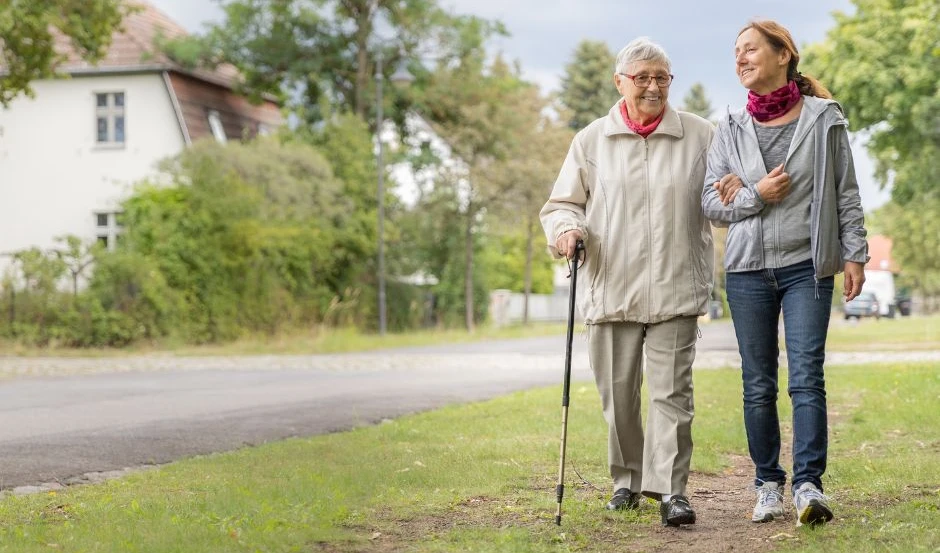
The habit is straightforward: get up and take a comfortable walk for roughly 10 minutes after a main meal. The pace does not need to feel intense, and you do not need to turn it into a formal workout.
One of the clearest studies came from researchers who enrolled 41 adults with type 2 diabetes, with an average age of 60 and an average diabetes duration of 10 years. Participants tried two approaches for two weeks each: one 30-minute walk per day, or three 10-minute walks after their main meals.
Continuous glucose monitors measured glucose every five minutes. Walking after meals reduced overall glucose exposure during the three hours after eating by about 12% compared with the single daily walk.
The biggest difference appeared after dinner. Post-dinner glucose exposure was about 22% lower with the after-meal walking strategy, and researchers noted that dinner contained the most carbohydrate and was followed by the most sedentary behavior.
That is strong evidence for the habit, but it also puts the headline’s 30% figure into perspective. A 10-minute walk should not be presented as a guarantee that everyone’s blood sugar spike will fall by exactly 30%.
Why Sitting After Dinner Can Work Against You
Blood glucose naturally rises after eating because carbohydrates are broken down into glucose and absorbed into the bloodstream. Cleveland Clinic notes that glucose is commonly highest about 30 to 90 minutes after a meal.
That means the usual routine of finishing dinner, moving to the sofa, and staying there through the evening overlaps with the period when glucose may be rising most rapidly. Your body is receiving fuel while many of its largest muscles are barely being used.
Walking changes that situation. Your leg and hip muscles suddenly need energy, giving circulating glucose somewhere useful to go while the meal is still being processed.
What Research Shows About Timing
| Activity Pattern | When It Happens | Research Finding | Practical Meaning |
| Three 10-minute walk | After breakfast, lunch, and dinner | About 12% lower overall post-meal glucose exposure than one daily 30-minute walk | Timing activity around meals can matter |
| 10 minute dinner walk | After the evening meal | About 22% lower post-dinner glucose exposure in the same trial | Dinner may be a useful meal to target |
| One 30 minute daily walk | At another point in the day | Healthy and useful, but less effective for post-meal glucose in this trial | Total exercise still matters |
| Remaining seated | Immediately after eating | Produces less muscular glucose demand | Glucose may rise higher than when light activity follows the meal |
These results came from a randomized crossover trial, so the same participants experienced both walking strategies. That helps reduce some of the differences that can complicate comparisons between separate groups.
Your Muscles Have Their Own Way of Pulling In Glucose
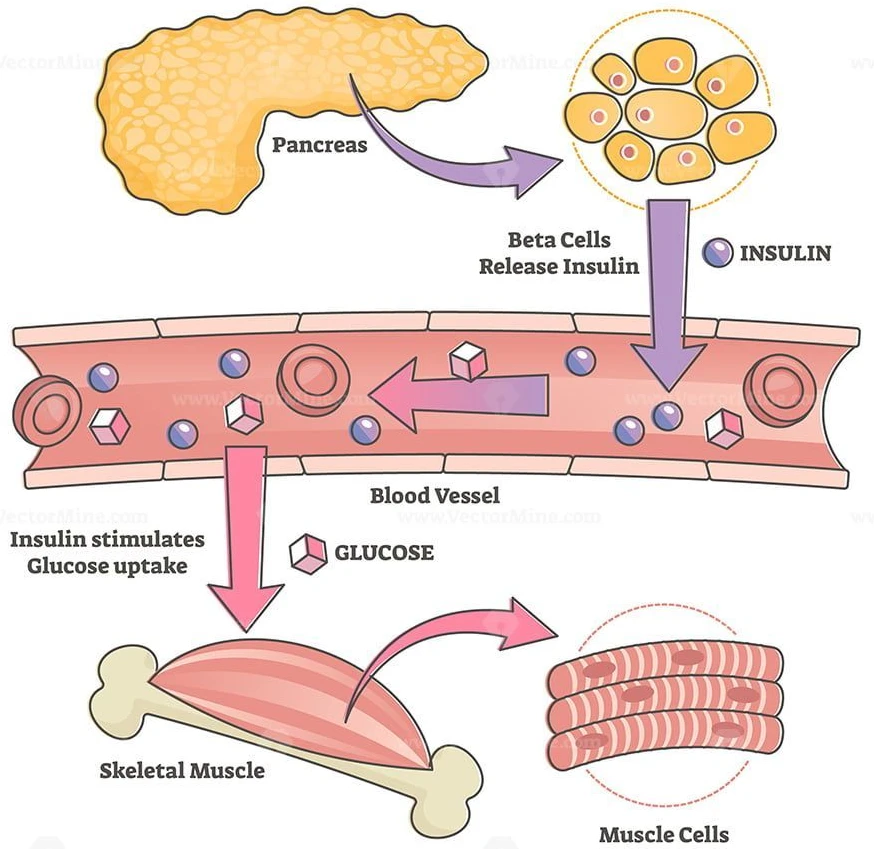
The reason walking helps is more interesting than simply saying exercise burns calories. Skeletal muscle is one of the body’s major sites for glucose disposal after meals and one of its largest glucose users during physical activity.
Both insulin and muscle contractions help move a glucose transporter, GLUT4, toward the muscle cell surface. GLUT4 then helps glucose cross into muscle cells, where it can be used for energy or stored.
This becomes especially relevant in type 2 diabetes. Insulin-stimulated glucose uptake can be impaired, yet research reviews report that exercise-stimulated glucose uptake remains normal or near normal in many people with type 2 diabetes because muscle contraction activates partly different pathways.
In practical terms, walking gives your muscles an additional reason to take glucose out of the bloodstream right when glucose from lunch or dinner is arriving.
Ten Minutes Is Useful, but It Is Not a Magic Number
The research does not suggest that something special suddenly happens at minute 10. Ten minutes is useful because it has been directly studied and is short enough for many people to repeat several times a day.
Even smaller amounts of movement appear worthwhile. Cleveland Clinic reports that research has found benefits from walking for as little as two to five minutes after eating, compared with staying seated.
A 2022 systematic review and meta-analysis examined seven randomized crossover trials comparing prolonged sitting with brief standing or light walking breaks. Light walking significantly improved post-meal glucose and insulin responses, and it worked better than standing alone.
sitting for those four minutesSo a busy day does not have to turn into an all-or-nothing decision. If you have only four minutes before your next obligation, four minutes of movement may still be better than spending those four minutes in a chair.
Older Adults Have Shown Benefits Too

Short walks may be especially practical for older adults who find one long exercise session difficult. A small study enrolled 10 inactive adults aged 60 or older who had fasting glucose between 105 and 125 mg/dL and were considered at risk for impaired glucose tolerance.
Researchers compared three 15-minute walks after meals with a single 45-minute morning or afternoon walk. The short after-meal walks improved 24-hour glucose control and were particularly effective at reducing the glucose rise following dinner.
The study was small, so it should not be treated as proof that every older adult will get the same result. It does reinforce the idea that dividing movement into manageable periods can still produce meaningful metabolic effects.
What Different Studies Tell Us
| Research | Participants | Activity | Main Finding |
| 2016 randomized crossover study | 41 adults with type 2 diabetes | Three 10-minute walks after meals | About 12% lower overall post-meal glucose exposure |
| Same 2016 study | Same participants | Walking after dinner | About 22% lower post-dinner glucose exposure |
| 2013 older adult study | 10 inactive adults aged 60 or older | Three 15-minute walks after meals | Better 24-hour glucose control, with a strong dinner effect |
| 2022 systematic review | Seven acute crossover trials | Brief light walking breaks | Lower post-meal glucose and insulin than prolonged sitting |
| Cleveland Clinic review of evidence | General clinical guidance | Even two to five minutes of walking | A short walk can modestly improve the glucose response |
The pattern across these studies is more useful than any single percentage. Moving after eating repeatedly performs better than remaining sedentary during the period when glucose is rising.
Try This Today
A simple post-meal routine:
- Choose one meal to start with, preferably dinner if it is your largest meal.
- Begin walking soon after you finish eating when that feels comfortable.
- Aim for roughly 10 minutes at an easy conversational pace.
- If 10 minutes is unrealistic, walk for two to five minutes rather than skipping movement completely.
- Once the habit feels automatic, try adding a short walk after another meal.
You do not need a treadmill. Walking around the block, through your home, along a hallway, through a shopping center, or outside with the dog can all activate the large muscles of the legs.
Individual glucose responses can vary with meal size, carbohydrate intake, fitness, medications, insulin sensitivity, and other health conditions. Study percentages describe groups of participants and should not be treated as a prediction of what your own glucose monitor will show.
Dinner May Give You the Biggest Return

If three daily walks sound unrealistic, there is good reason to begin with the evening meal. In the 2016 type 2 diabetes trial, the largest improvement occurred after dinner, when participants consumed the most carbohydrate and were most sedentary afterward.
The older adult study also found that post-meal walking was particularly effective for the three-hour glucose response after dinner.
This does not mean breakfast and lunch do not matter. It means that someone who can make only one change may get more practical value from targeting the meal followed by the longest period of sitting.
You Do Not Need to Power Walk

There is a temptation to assume that a harder workout must lower glucose more. For this habit, intensity is not the main point.
Light or moderate walking has repeatedly produced benefits in post-meal studies. The goal is to create steady muscle contractions without making the activity so demanding that it becomes difficult to repeat every day.
The American Diabetes Association’s 2026 Standards of Care recommend that most adults with diabetes accumulate at least 150 minutes of moderate to vigorous aerobic activity each week. They also separately recommend interrupting prolonged sitting at least every 30 minutes because even light movement can provide glucose and other cardiometabolic benefits.
A 10-minute walk after dinner therefore does not replace regular exercise. It addresses a different problem, namely the long sedentary period that often begins immediately after eating.
How Soon Could Your Glucose Change?

The effect does not require weeks before anything happens. Cleveland Clinic notes that activity can influence blood glucose within minutes, which is why someone using a continuous glucose monitor may sometimes see a flatter curve after a walk.
Still, one better reading does not mean diabetes has disappeared. Post-meal glucose, fasting glucose, average glucose, and A1C measure different aspects of glucose control.
A1C reflects a much longer period and will not suddenly change because of one evening walk. The value of this habit comes from repeating a small useful action consistently while continuing the rest of your diabetes or prediabetes care.
The Biggest Mistake Is Waiting for the Perfect Workout
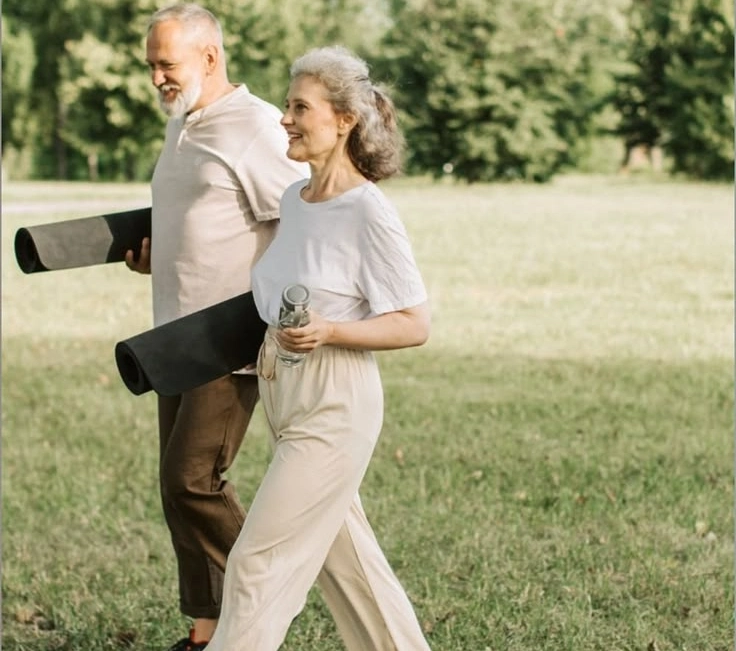
Many people treat exercise as something that counts only if they change clothes, block out 30 to 60 minutes, and work hard enough to sweat. That standard can make ordinary movement feel pointless.
The post-meal research points in another direction. In the 2016 trial, participants received the same total daily walking prescription, but placing the walking after meals produced a better post-meal glucose response.
That makes timing the useful detail. A short walk when glucose is rising may solve a problem that a longer walk several hours later cannot fully address.
A Quick Guide for Different Situations
| Situation | What You Can Do | Why |
| You can manage 10 minutes | Take an easy walk after the meal | This closely matches the strongest type 2 diabetes trial |
| You have only a few minutes | Walk for two to five minutes | Brief walking still appears better than continued sitting |
| Three walks feel unrealistic | Start after dinner | Dinner showed the largest benefit in key studies |
| You already exercise daily | Keep your regular workout and add post-meal movement if practical | Short walks complement, rather than replace, weekly exercise |
| You use insulin or glucose-lowering medicine | Follow your personal glucose and exercise plan | Activity can increase the risk of hypoglycemia in some people |
When a Walk Is Not Something to Push Through

Gentle walking should not cause alarming symptoms. Stop exercising and seek medical attention when symptoms suggest something more serious than ordinary exertion.
Contact a healthcare professional promptly if you develop:
- Chest pain, pressure, or tightness with activity.
- Fainting, severe dizziness, confusion, or unusual weakness.
- Severe shortness of breath that is out of proportion to a gentle walk.
- Shaking, sweating, confusion, or other signs of possible hypoglycemia, especially if glucose is below 70 mg/dL.
People using insulin or medicines that stimulate insulin release may be more likely to develop exercise-related low blood sugar. The ADA notes that glucose management during physical activity should be individualized based on medications, glucose levels, activity, and other factors.
What the 30% Headline Really Means
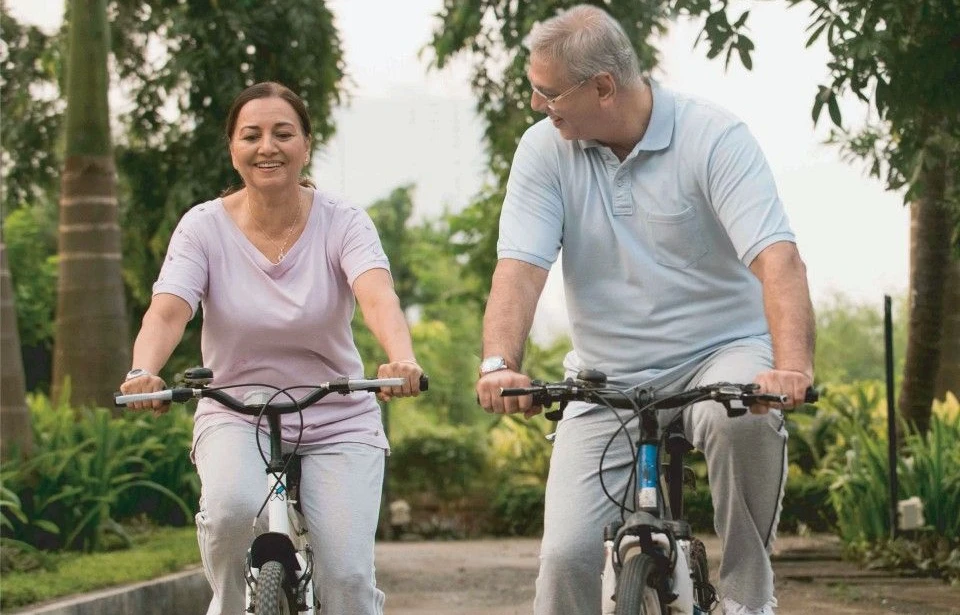
The research supports a meaningful reduction in blood sugar spikes after meals, but 30% is not guaranteed after a 10-minute walk. The most directly relevant study found an overall improvement of about 12%, rising to roughly 22% after dinner.
Different studies use different meals, populations, exercise durations, glucose measurements, and comparison groups. That makes it misleading to turn one percentage into a promise for every reader.
The more defensible takeaway is still surprisingly powerful. You can keep the same total amount of walking and potentially get more glucose benefit simply by moving some of those minutes to the period immediately after eating.
The Small Shift Worth Keeping
You do not need a dramatic fitness plan to put this research into practice. Finish your meal, resist the automatic move to the sofa, and spend a few minutes using the largest muscles in your body.
Ten minutes is a practical target, but consistency matters more than perfection. If a short walk after dinner becomes as automatic as clearing the plate, that tiny change can turn one of the most sedentary parts of the day into a useful opportunity for glucose control.
This article is for informational purposes only and is not a substitute for professional medical advice, diagnosis, or treatment. Always consult your doctor or another qualified healthcare provider before changing your exercise routine, diet, glucose management plan, or medications, especially if you have diabetes, cardiovascular disease, mobility limitations, or another existing health condition.
