

Weight loss injections can quiet hunger so dramatically that the first few weeks may feel almost too easy. But the same medicines can also cause nausea, dehydration, medication problems, muscle loss, or complications when important health history gets missed.
That is why starting weight loss injections should involve more than getting a prescription and watching the scale.
The biggest surprises usually happen after the first dose, and many are easier to manage when patients know what to expect before treatment begins.
1. These Medicines Are Treating a Health Condition, Not Just Making You Eat Less
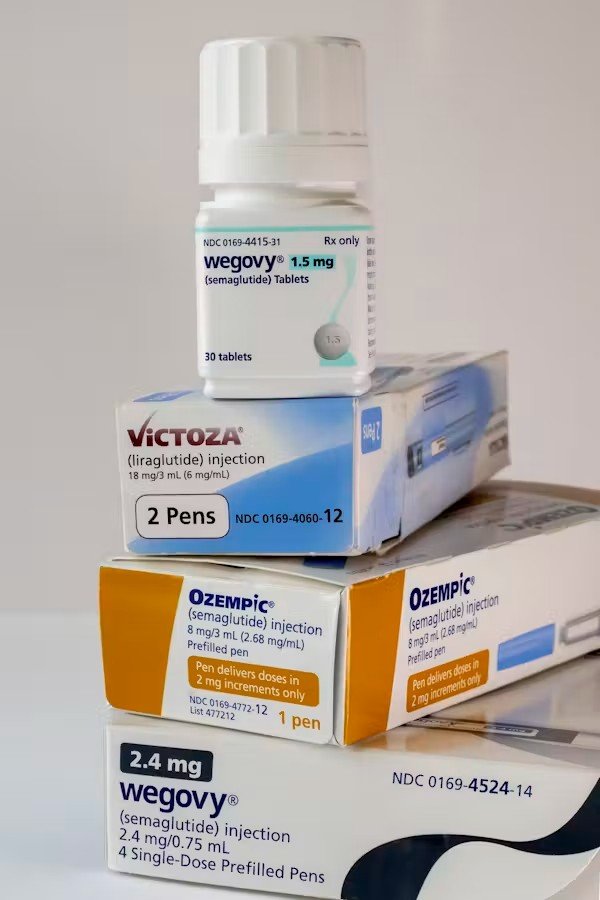
Modern obesity medicines are often described online as appetite suppressants, but that description misses much of what they do.
Semaglutide acts on the GLP-1 receptor. Tirzepatide acts on both GIP and GLP-1 receptors. These signals influence appetite, food intake, glucose regulation, and how quickly food moves through parts of the digestive system.
The NIH notes that weight management medicines are generally considered for adults with a BMI of 30 or higher, or 27 or higher when a weight-related health problem is present. The decision should also consider medical history, other medicines, likely benefits, risks, and cost.
2. Wegovy, Zepbound, Ozempic, and Mounjaro Are Not Just Different Names for the Same Thing
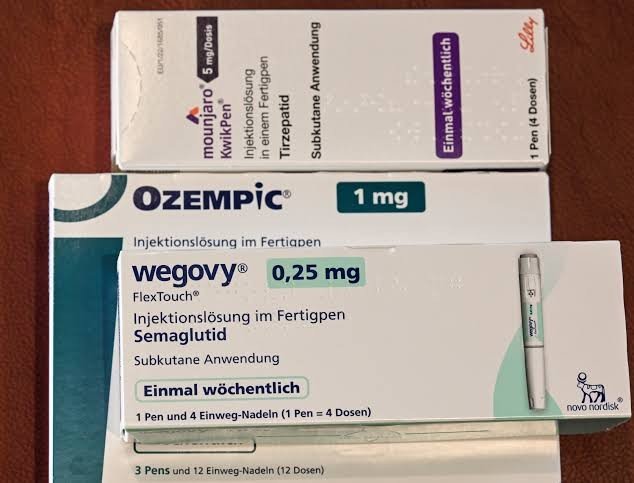
Patients often hear these names used interchangeably. They should not be. Wegovy contains semaglutide and is approved for chronic weight management in eligible patients.
Zepbound contains tirzepatide and is approved for chronic weight management in eligible adults. Ozempic and Mounjaro contain related active ingredients but have different FDA-approved indications centered on type 2 diabetes.
Using the correct product matters because approved doses, labeling, devices, and insurance rules can differ.
| Injection | Active ingredient | Typical schedule | Main hormone pathway |
|---|---|---|---|
| Wegovy | Semaglutide | Once weekly | GLP 1 |
| Zepbound | Tirzepatide | Once weekly | GIP and GLP 1 |
| Saxenda | Liraglutide | Once daily | GLP 1 |
3. The First Dose Is Usually Not the Dose Meant to Produce Maximum Weight Loss
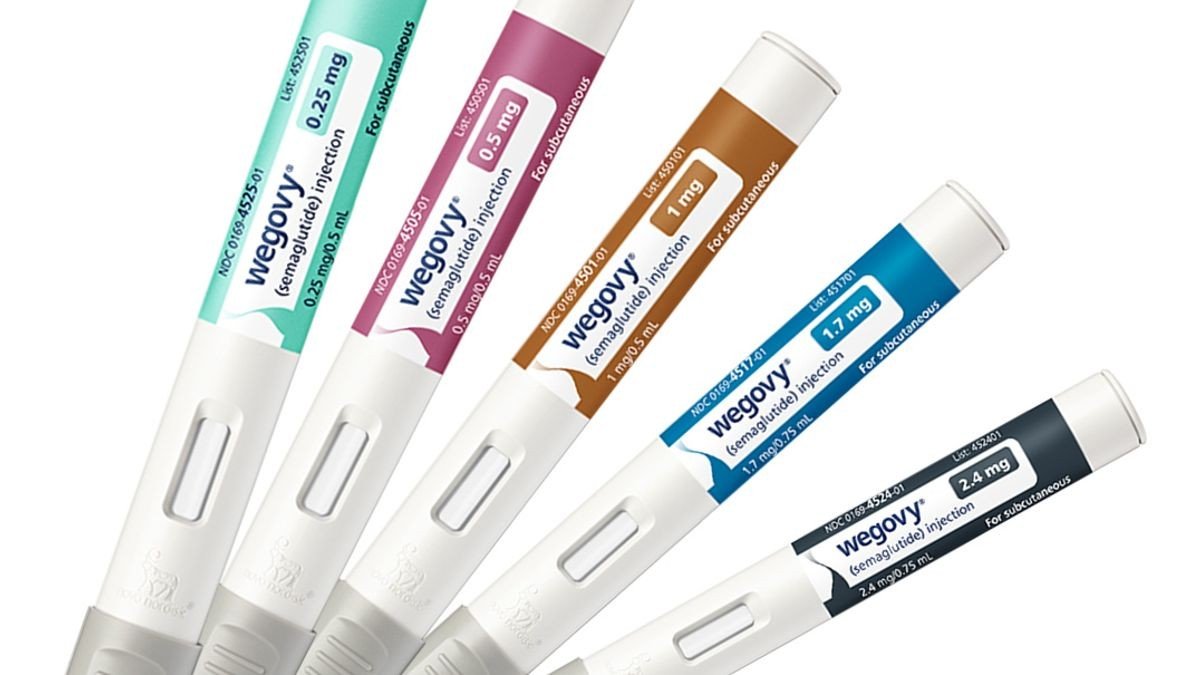
Wegovy starts at 0.25 mg once a week, while Zepbound starts at 2.5 mg once a week. Ozempic also begins at 0.25 mg weekly, and Mounjaro starts at 2.5 mg weekly. The prescribing information calls for gradual dose increases, generally after at least four weeks at a dose, in part to reduce gastrointestinal side effects such as nausea, vomiting, diarrhea, and abdominal discomfort..
The dose is then increased gradually based on the approved schedule, your response, and how well you tolerate the medication. This means slow weight loss in the first few weeks does not necessarily mean the treatment is not working.
4. Clinical Trial Weight Loss Is an Average, Not a Promise
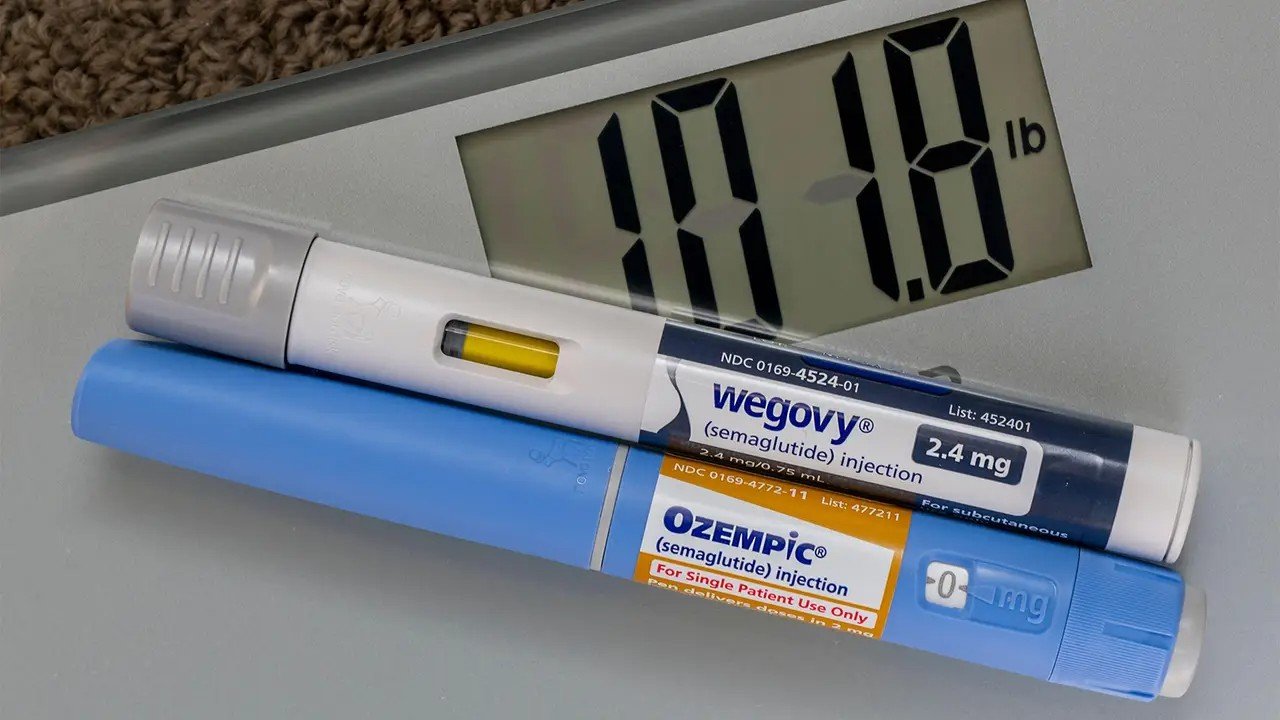
The headline numbers attached to these medicines are real, but they do not predict exactly what will happen to one person.
In the STEP 1 trial, 1,961 adults without diabetes received lifestyle treatment plus either semaglutide 2.4 mg or placebo. Average weight change after 68 weeks was about 14.9% with semaglutide and 2.4% with placebo.
In SURMOUNT 1, researchers studied 2,539 adults for 72 weeks. Average weight loss was about 15.0% with tirzepatide 5 mg, 19.5% with 10 mg, and 20.9% with 15 mg, compared with 3.1% with placebo.
Some people lose considerably more. Others lose less or stop because of side effects. A trial average helps set expectations. It should never become a deadline for your own body.
5. Nausea Is Common, but Severe Sickness Should Not Be Treated as Normal

Nausea is one of the most frequent problems with this drug class. Current Zepbound trial data, for example, report nausea in roughly 25% to 29% of participants depending on dose. Diarrhea occurred in about 19% to 23%, while vomiting occurred in about 8% to 13%.
Symptoms often appear during dose escalation and may improve as the body adjusts.
Constant vomiting, inability to drink, severe abdominal pain, or signs of dehydration deserve medical attention rather than another week of trying to “push through.”
6. Eating the Same Portions You Ate Before Treatment Can Make You Miserable

These medicines can increase fullness while slowing stomach emptying. Someone who previously finished a large restaurant meal may suddenly feel painfully full halfway through it. Eating quickly can make the problem worse because fullness may arrive before the person realizes how much has been eaten.
Smaller meals, slower eating, and stopping at the first clear sign of fullness can be more comfortable than forcing an old portion size.
Patients with severe gastroparesis require special attention. Current Wegovy labeling says the medicine is not recommended in patients with severe gastroparesis.
7. Vomiting and Diarrhea Can Become a Kidney Problem

The stomach gets most of the attention with these medicines, but hydration matters too. Repeated vomiting or diarrhea can reduce fluid volume enough to contribute to acute kidney injury, especially in someone who already has kidney disease or takes medicines that affect fluid balance.
Current FDA labeling specifically warns about kidney injury related to volume depletion.
Urine becoming unusually dark, dizziness when standing, very little urination, intense thirst, or inability to keep fluids down should not be ignored.
| Symptom | What it may mean | What to do |
|---|---|---|
| Mild nausea after meals | Common digestive effect | Eat smaller portions and monitor |
| Constipation | Slower digestive movement | Discuss fluids, fiber, movement, and treatment with a clinician |
| Repeated vomiting | Risk of dehydration | Contact your health care professional |
| Severe ongoing abdominal pain | Possible pancreatitis or gallbladder problem | Seek prompt medical assessment |
| Very little urine plus vomiting | Possible significant dehydration | Seek medical care |
8. Gallstones and Pancreatitis Belong on Your Warning Sign List
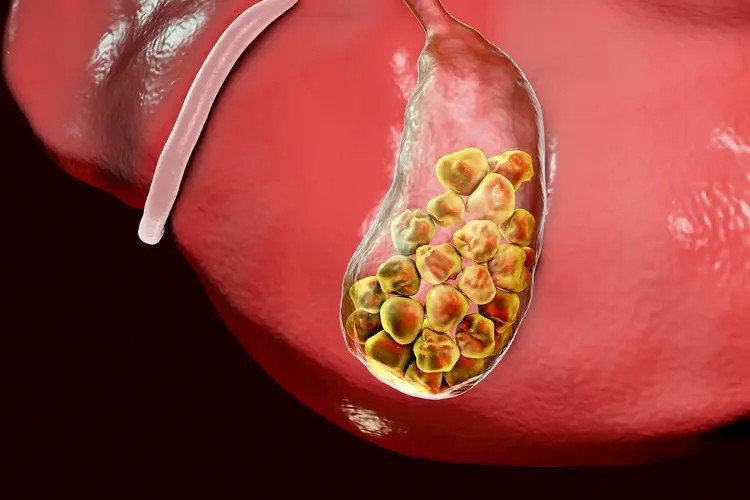
Both semaglutide and tirzepatide labeling include warnings concerning acute pancreatitis and gallbladder disease.
Pancreatitis can cause severe abdominal pain that may persist and may travel toward the back. Gallbladder problems can cause upper abdominal pain, sometimes with nausea, fever, or yellowing of the skin or eyes.
These complications are far less common than ordinary nausea, but patients need to know the difference.
9. Your Surgeon and Anesthesia Team Need to Know You Take It

GLP 1 medicines slow stomach emptying. Rare reports have described patients having residual stomach contents during procedures despite following normal fasting instructions, creating concern about pulmonary aspiration during general anesthesia or deep sedation.
Current labeling tells patients to inform medical teams about planned surgery or procedures.
Do not independently decide how many doses to skip. The correct plan may depend on the medicine, symptoms, procedure, and anesthesia approach.
10. A Family History of a Specific Thyroid Cancer Can Change the Decision Completely

Wegovy and Zepbound carry boxed warnings concerning thyroid C-cell tumors seen in rodents.
It remains unknown whether these medicines cause medullary thyroid carcinoma in humans. However, both are contraindicated in people with a personal or family history of medullary thyroid carcinoma or Multiple Endocrine Neoplasia syndrome type 2.
Tell the prescriber exactly what type of thyroid disease or thyroid cancer occurred in you or your family rather than simply saying someone had “thyroid problems.”
11. Diabetes Medicines May Need Adjustment

Semaglutide and tirzepatide lower blood glucose. That can become particularly important in people already using insulin or medicines that stimulate insulin release, such as sulfonylureas.
Current labeling advises clinicians to consider whether those medicines need adjustment to reduce hypoglycemia risk.
Sweating, shaking, confusion, weakness, rapid heartbeat, and unusual hunger can be symptoms of low blood sugar. Patients with diabetes should have a clear monitoring plan before the first injection.
12. People With Diabetic Eye Disease Need a Different Conversation
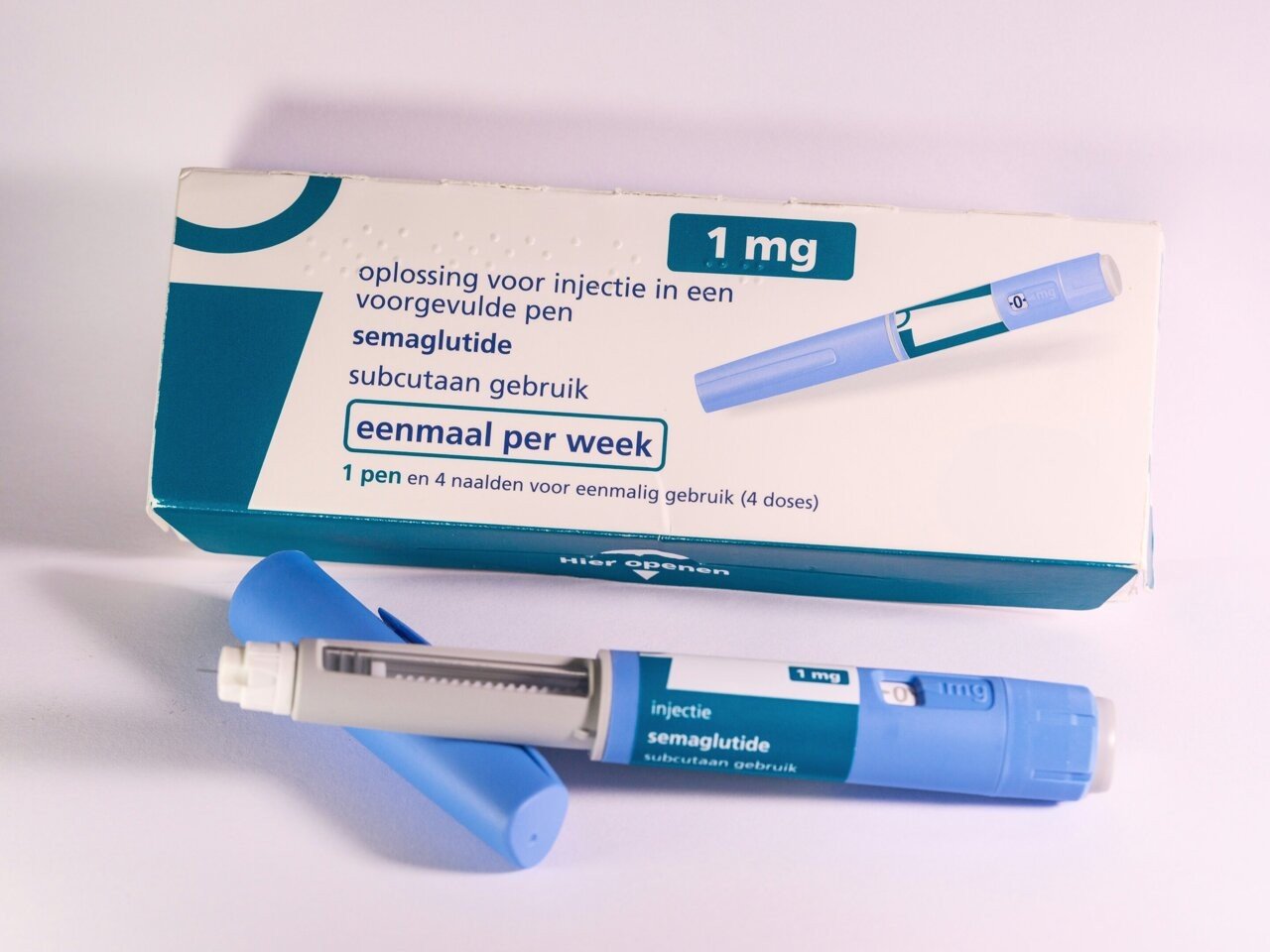
Semaglutide labeling contains a warning about diabetic retinopathy complications in people with type 2 diabetes.
In one two-year semaglutide trial involving patients with type 2 diabetes and high cardiovascular risk, retinopathy complications occurred in 3% of semaglutide recipients compared with 1.8% receiving placebo.
Current Wegovy labeling advises monitoring patients who have a history of diabetic retinopathy.
It means the eye history needs to be part of the prescribing conversation, particularly when glucose levels may change substantially.
13. Pregnancy Plans Should Be Discussed Before the Prescription Is Filled
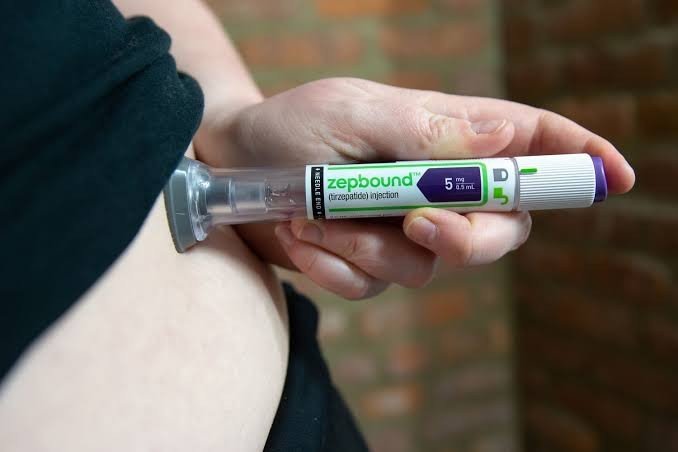
Weight loss medicines are not routine pregnancy treatments. For weight management use, current Wegovy labeling recommends stopping semaglutide when pregnancy is recognized.
It also says semaglutide should generally be discontinued at least two months before a planned pregnancy because it remains in the body for a long time.
Current Zepbound labeling says to discontinue tirzepatide when pregnancy is recognized.
If pregnancy is possible, this conversation belongs at the beginning of treatment, not after a positive test.
14. Tirzepatide Can Create an Extra Birth Control Issue
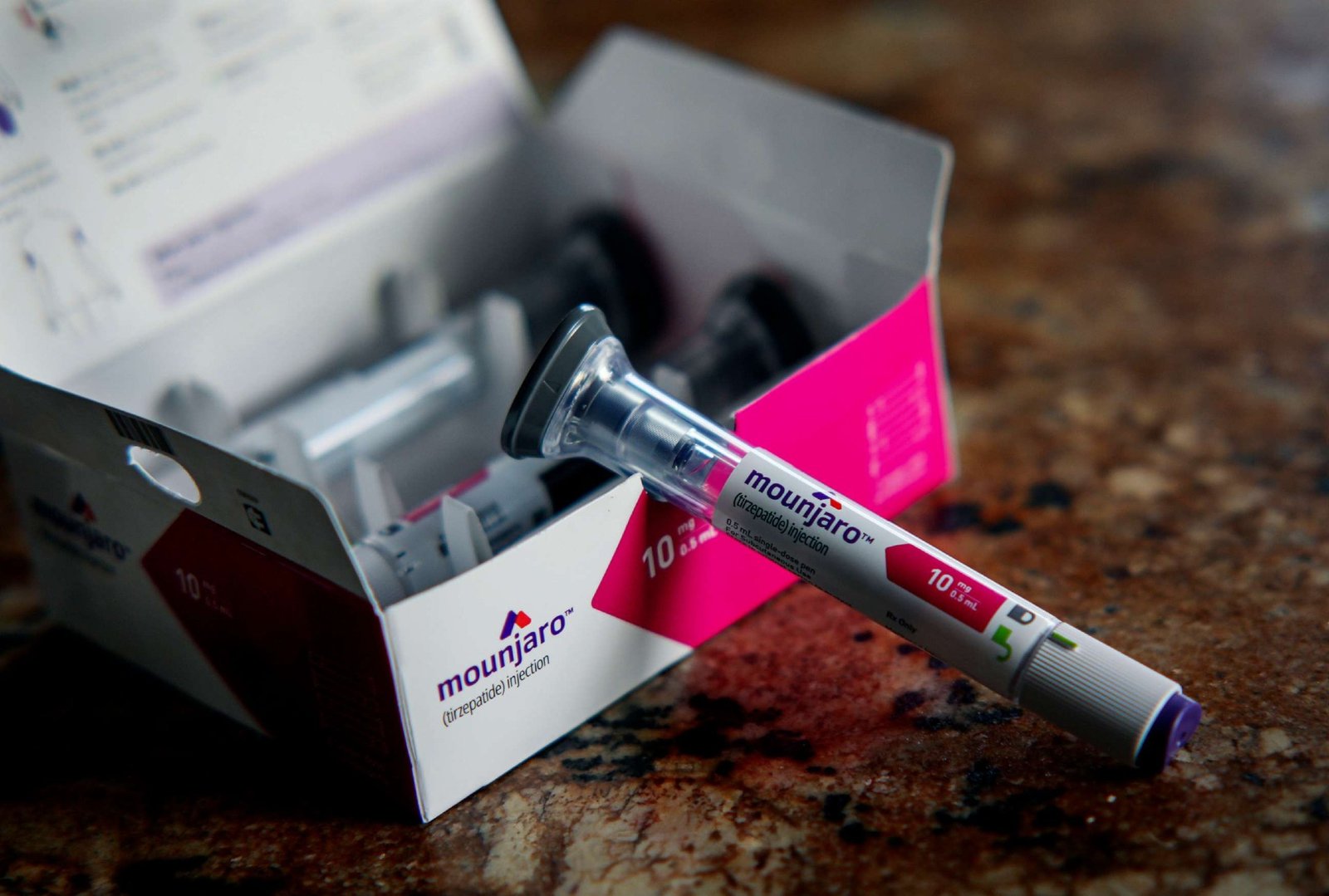
Zepbound delays gastric emptying and may reduce the effectiveness of oral hormonal contraceptives during certain periods. Current labeling advises patients using oral hormonal contraception to use a non-oral method or add a barrier method for four weeks after starting Zepbound and for four weeks after each dose increase.
Non-oral hormonal contraceptive methods are not expected to be affected in the same way. This is one reason every medicine and contraceptive should be reviewed before the first injection.
15. Other Pills You Take Matter Too

The birth control issue is not the only medication consideration. Both semaglutide and tirzepatide delay gastric emptying, which can affect absorption of some oral medicines.
Current Zepbound labeling specifically advises extra attention to medicines that depend on certain blood concentrations or have a narrow therapeutic range, such as warfarin.
Bring the prescriber a complete medication list. That should include prescription drugs, over-the-counter medicines, vitamins, and supplements. Before the First Injection, Ask About These
| Situation | Why it matters | Question to ask |
|---|---|---|
| Insulin or sulfonylurea use | Blood sugar may fall too low | Does my diabetes dose need changing? |
| Diabetic retinopathy | Eye monitoring may be needed | Should my eye doctor be involved? |
| Severe digestive disease | Delayed stomach emptying may worsen problems | Is this medicine appropriate for me? |
| Planned surgery | Stomach contents may affect anesthesia safety | What should my anesthesia team know? |
| Pregnancy plans | Weight management treatment is generally stopped | When should treatment be discontinued? |
| Multiple oral medicines | Absorption may be altered | Does anything require extra monitoring? |
16. Compounded Semaglutide or Tirzepatide Is Not Automatically Equivalent to an FDA-Approved Product
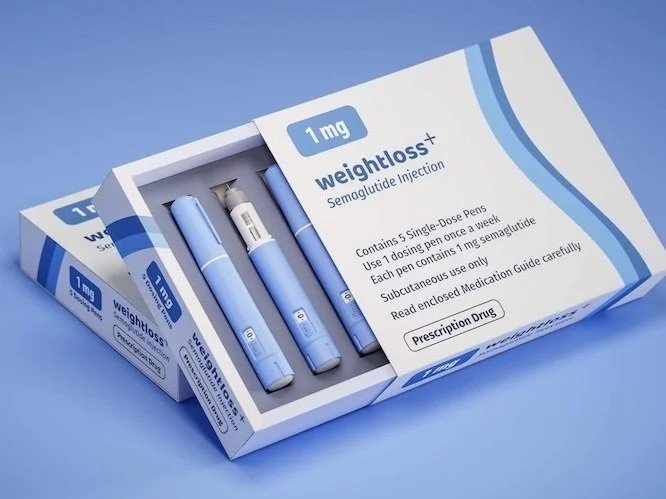
Price and access have pushed many patients toward compounded GLP-1 products. FDA-approved drugs undergo agency review for safety, effectiveness, manufacturing quality, labeling, and dosing.
Compounded versions do not receive that same premarket review. FDA says compounded drugs should generally be used when a patient’s medical needs cannot be met by an FDA-approved medicine.
FDA has also warned about dosing problems and products made with semaglutide salt forms such as semaglutide sodium or semaglutide acetate.
Patients considering compounded treatment should know exactly who prescribed it, which pharmacy prepared it, what concentration is being supplied, and how the dose is measured.
17. The Scale Can Fall While Muscle Falls Too
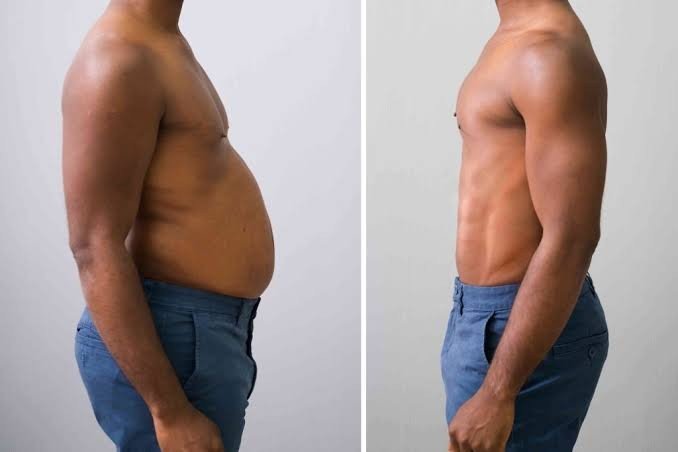
Weight loss is not made entirely of body fat. In a STEP 1 body composition analysis involving 140 participants, semaglutide treatment reduced total fat mass substantially, but total lean mass also decreased by about 9.7%. The proportion of body weight made up of lean tissue still improved because fat loss was larger.
A later tirzepatide body composition study found a similar pattern. Among 160 participants, body weight fell 21.3%, fat mass fell 33.9%, and lean mass fell 10.9% with tirzepatide.
The goal is not simply to weigh less. It is to lose excess fat while protecting strength, mobility, and nutritional health.
18. You Need a Plan for What Happens If You Stop
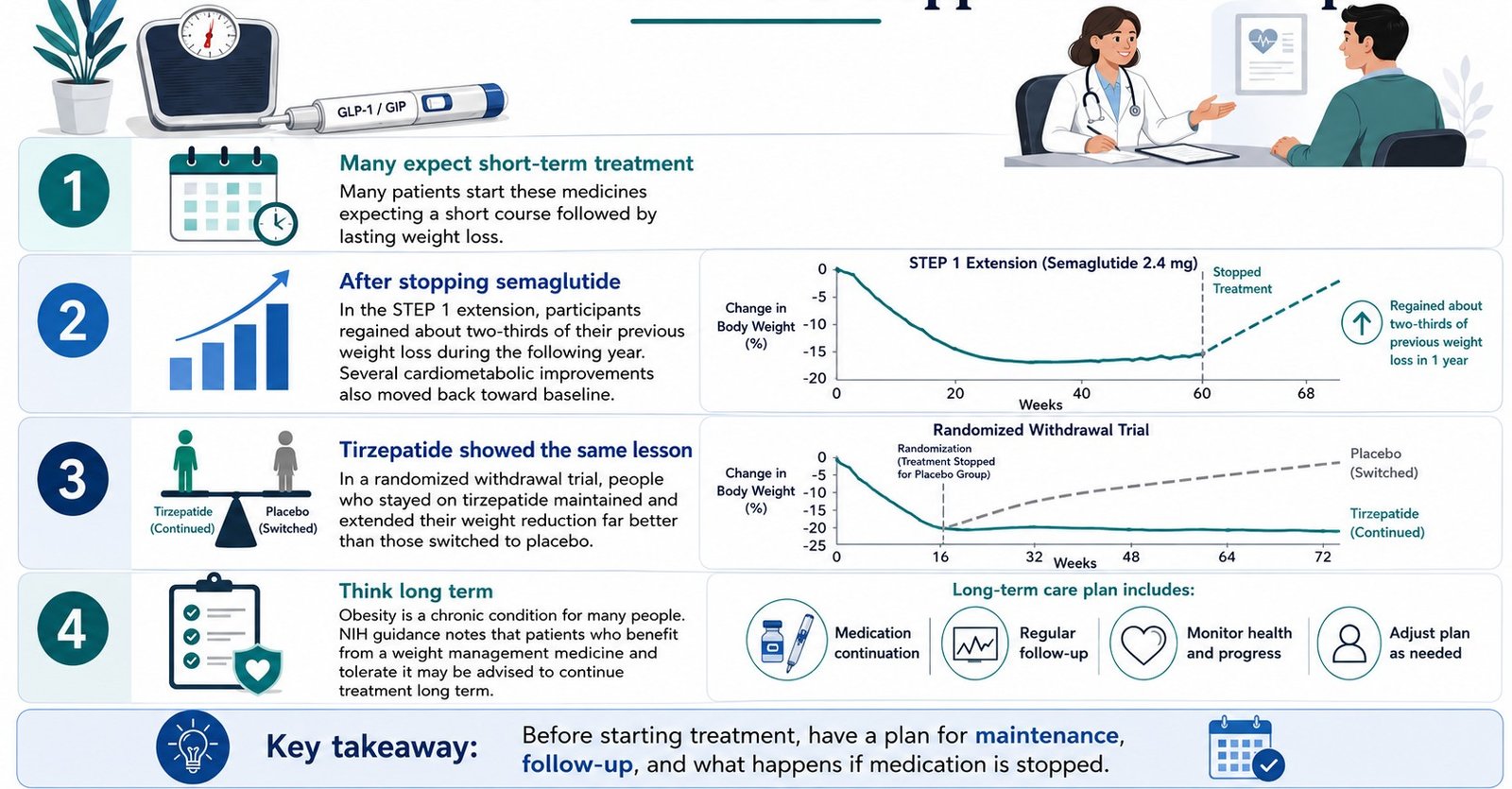
Many patients begin these medicines imagining a short course followed by permanent weight loss.
In an extension of the STEP 1 trial, participants who stopped semaglutide regained roughly two-thirds of their previous weight loss during the following year. Several cardiometabolic improvements also moved back toward baseline.
A randomized tirzepatide withdrawal trial found the same general lesson. People who continued tirzepatide maintained and extended their weight reduction far better than those switched to placebo.
Obesity is a chronic condition for many people. NIH guidance notes that patients who benefit from a weight management medicine and tolerate it may be advised to continue treatment long term.
What Doctors Want Patients to Remember Most

Weight loss injections can produce substantial results, but successful treatment is rarely about finding the strongest dose and eating as little as possible.
The better approach is more deliberate. Know which medicine you are taking. Increase doses according to medical guidance. Protect hydration and nutrition. Preserve muscle. Review other medicines. Tell surgical teams. Understand pregnancy precautions. Know the warning symptoms.
The injection is one part of obesity treatment. The real goal is better metabolic health, stronger daily function, and a treatment plan that can still make sense months or years from now.
