

Your muscles start losing ground quietly somewhere in your 40s, and by 60 that decline can pick up speed fast enough to show up in ordinary tasks like carrying groceries or standing up from a low chair.
Left unchecked, this age related muscle loss, called sarcopenia, becomes one of the strongest predictors of falls, hospital stays, and lost independence later in life.
The fix does not start with a supplement aisle. It starts with cheese, and there is real research behind why certain kinds do more for aging muscle than most people realize.
Before making any changes based on this article, talk to your doctor, especially if you are currently taking medication or have a diagnosed condition.
Why Aging Muscle Needs More Than Just “Enough” Protein

Sarcopenia is not simply “getting weaker with age.” It is a measurable loss of muscle mass and strength that researchers now link to a four fold increase in physical disability risk and a two to three fold jump in fall risk once it sets in.
The complicating factor is something called anabolic resistance. Aging muscle becomes less responsive to protein, meaning the same amount that would have easily triggered muscle building at 30 may not do much at 65 or 70.
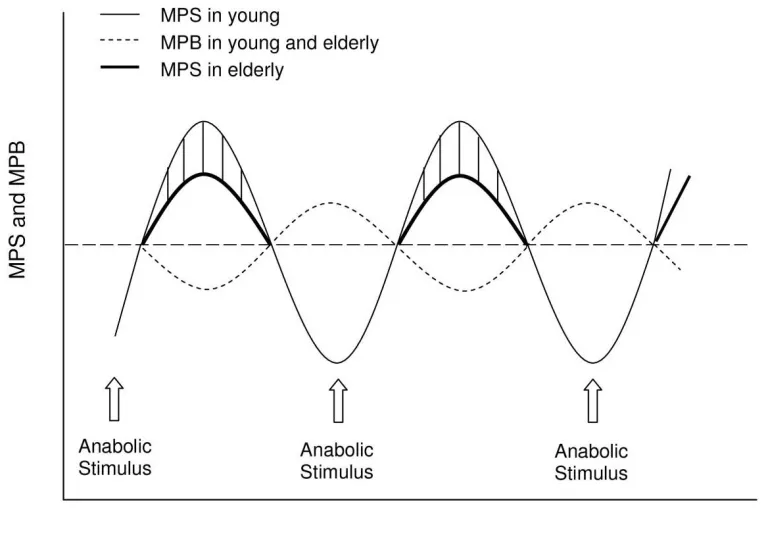
The workaround researchers keep coming back to is leucine, a specific amino acid that functions almost like an “on switch” for muscle protein synthesis through a pathway called mTOR.
Studies consistently show that increasing the leucine content of a meal restores a stronger building response even when total protein stays moderate, and this is exactly why the right cheeses matter more than people assume.
Nutrition researchers recommend older adults aim for roughly 25 to 30 grams of high quality protein per meal to reliably trigger this response, spread across the day rather than saved for dinner alone.
| What to Look For | Why It Matters for Sarcopenia |
|---|---|
| High leucine density | Activates the mTOR pathway that switches on muscle building |
| 20 grams or more of protein per serving | Approaches the threshold shown to trigger a full synthesis response |
| Whey or casein based proteins | Digest at different speeds, useful across different times of day |
| Calcium and vitamin D | Supports bone strength alongside muscle to reduce overall frailty |
| Sodium content | Worth watching for anyone managing blood pressure or kidney health |
Everyone’s nutritional needs differ based on kidney function, sodium sensitivity, and existing conditions, so check with your doctor before making significant dietary changes.
With that framework in mind, here are 11 cheeses worth rotating into a weekly routine, and specifically how much of each to eat.
1. Cottage Cheese
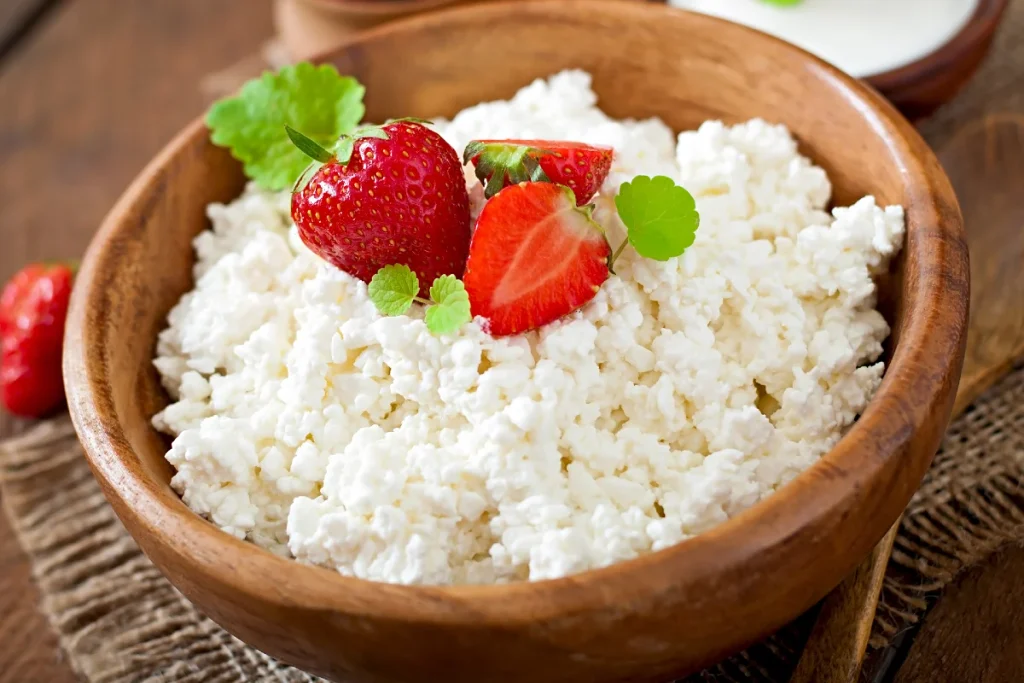
A single cup of cottage cheese delivers around 25 grams of protein, landing right at the threshold researchers point to for a full muscle building response in older adults.
Why it works comes down to its mix of slow digesting casein and fast digesting whey. Casein trickles amino acids into the bloodstream over several hours, which is especially useful overnight when muscle breakdown tends to accelerate.
A 2015 meta analysis of nearly a thousand older adults found leucine rich dairy interventions, cottage cheese included, produced measurable increases in lean body mass, particularly in people already diagnosed with sarcopenia.
How to use it: A half cup to a full cup at breakfast or as an afternoon snack works well. Choose a lower sodium version if blood pressure is a concern.
2. Parmesan
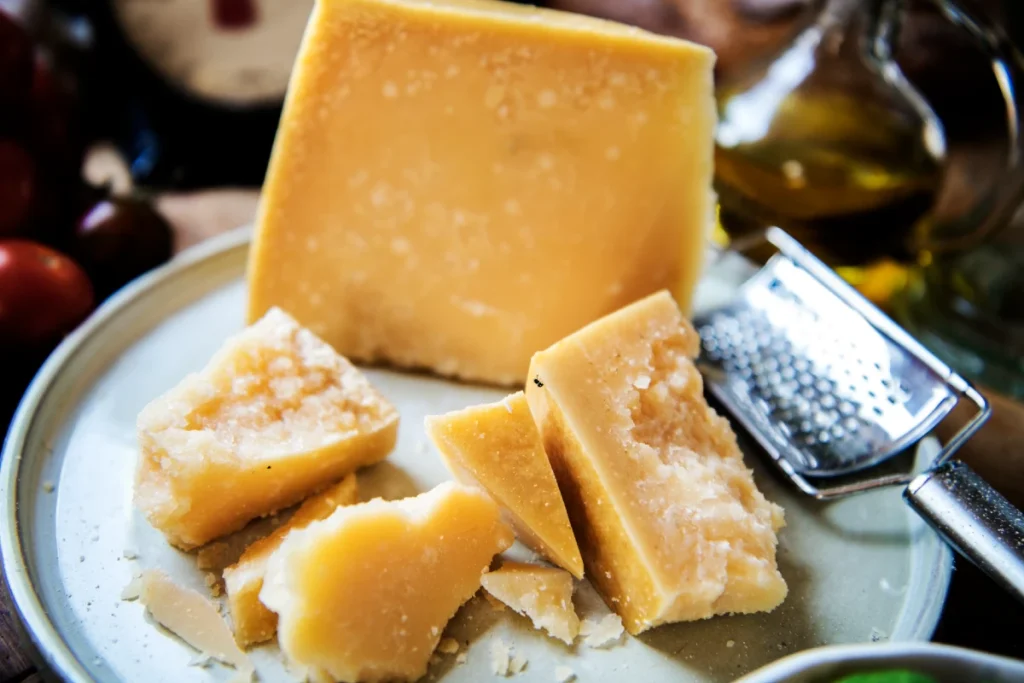
Parmesan is deceptively powerful for its size, delivering close to 10 grams of protein per ounce, among the highest protein density of any cheese.
The mechanism is concentration. The long aging process removes most of the water, which concentrates both protein and leucine into a much smaller volume than softer cheeses.
How to use it: One to two tablespoons of freshly grated Parmesan stirred into vegetables, eggs, or whole grain pasta adds a real leucine boost without becoming a separate dish. Because it runs high in sodium, treat it as an addition rather than a stand alone snack.
3. Swiss Cheese
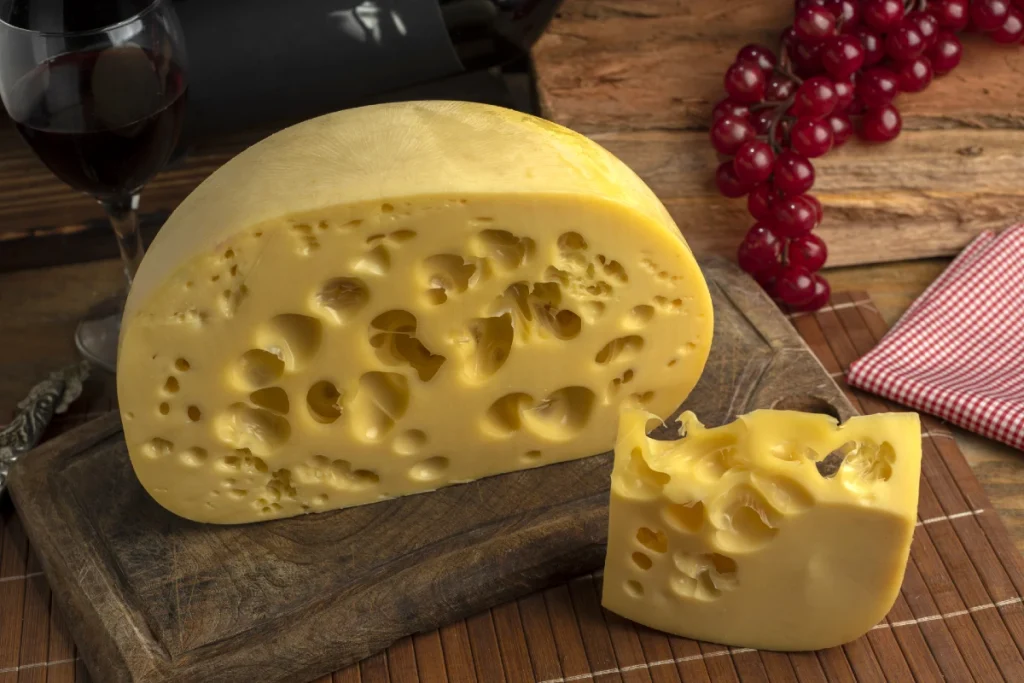
Swiss cheese offers a strong protein load, around 8 grams per ounce, while running naturally lower in sodium than most other aged cheeses.
What sets it apart is its vitamin B12 and zinc content. B12 deficiency becomes more common after 60 due to reduced stomach acid, and low B12 has been linked to nerve and muscle function problems that can mimic or worsen sarcopenia. Zinc supports the same protein synthesis pathways leucine activates.
How to use it: A one to two ounce slice on whole grain toast or folded into an omelet at lunch contributes meaningfully toward a 25 to 30 gram protein target.
4. Ricotta (Part Skim)
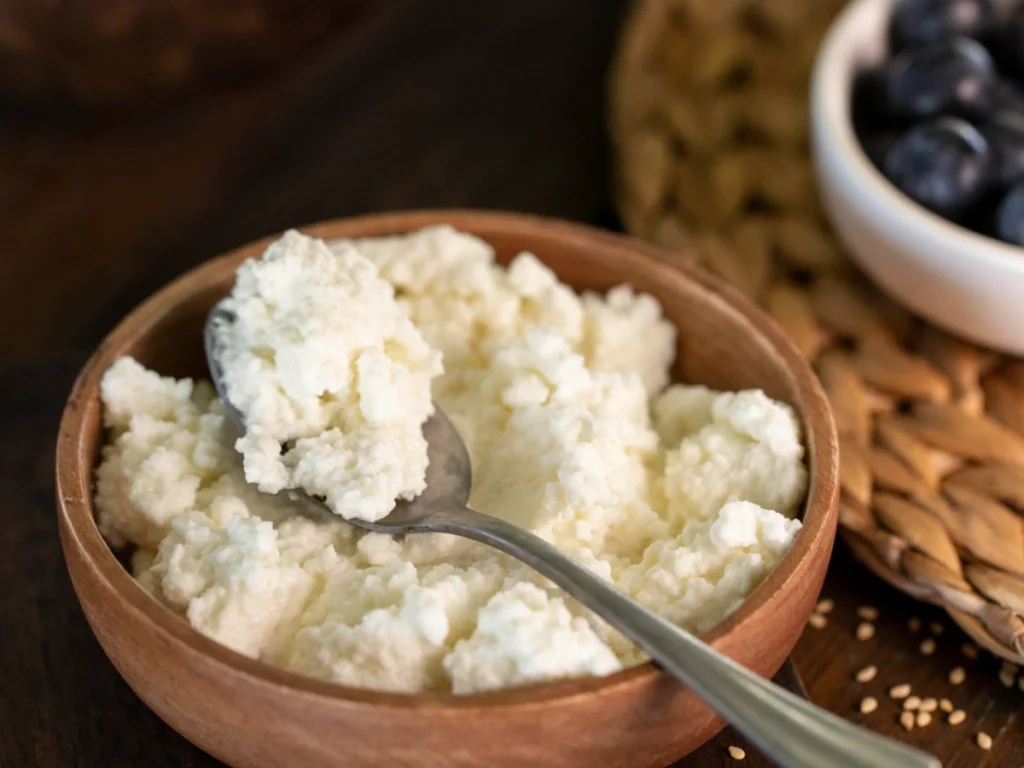
A half cup serving of part skim ricotta delivers roughly 14 grams of protein, a solid dose for a cheese with a soft, mild texture that is easy to eat even for those with limited chewing ability or dental issues.
Why texture matters here is not a small point. Older adults with dental problems or swallowing difficulty often under eat protein simply because tougher foods are harder to manage, and ricotta solves that problem while still delivering a meaningful whey and casein combination.
How to use it: Spread on whole grain toast, stirred into oatmeal, or layered with fruit makes ricotta an easy daily habit rather than an occasional treat.
5. Gruyère
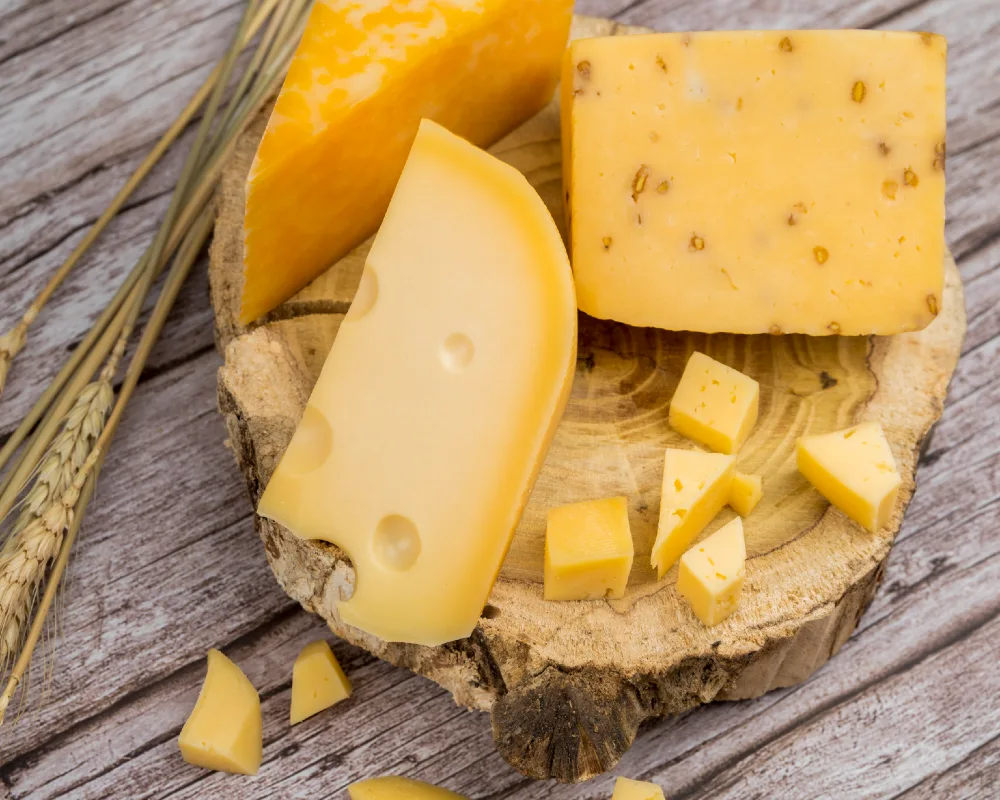
Gruyère sits among the highest protein cheeses available, delivering roughly 8.5 grams per ounce alongside a rich, nutty flavor that makes it easy to enjoy in small amounts.
Its standout trait is a naturally high concentration of vitamin K2, a nutrient increasingly studied for its role in directing calcium into bone rather than soft tissue, which matters for older adults managing both muscle and bone health simultaneously.
How to use it: Melt a small amount into soups, over roasted vegetables, or into a modest grilled cheese for a protein and flavor boost.
6. Cheddar
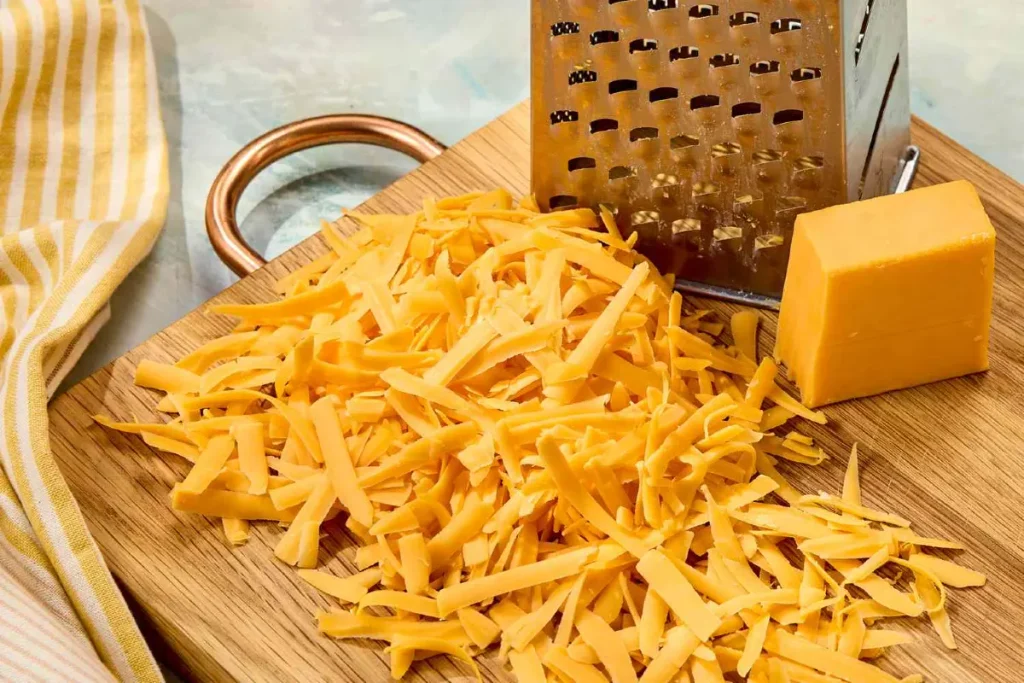
Cheddar delivers a dependable 6 to 7 grams of protein per ounce, and its familiarity makes it one of the easiest cheeses to work into a routine without changing eating habits much at all.
The aging process behind cheddar’s sharpness also concentrates its protein slightly compared to milder, younger cheeses, though not as dramatically as Parmesan or Gruyère.
How to use it: A one ounce slice on a sandwich, melted into eggs, or paired with an apple as a simple snack adds steady protein throughout the day.
| Cheese | Protein per Serving | Standout Nutrient | Sodium Note |
|---|---|---|---|
| Cottage cheese (1 cup) | About 25g | Slow digesting casein plus whey | Choose low sodium versions |
| Parmesan (1 to 2 tbsp) | About 10g per oz | Concentrated leucine | High, use as an addition |
| Swiss (1 to 2 oz) | About 8g per oz | Vitamin B12 and zinc | Lower than most aged cheeses |
| Ricotta, part skim (half cup) | About 14g | Easy to chew and digest | Moderate |
| Gruyère (1 oz) | About 8.5g | Vitamin K2 | High |
| Cheddar (1 oz) | About 6 to 7g | Familiar, versatile | Moderate to high |
7. Gouda
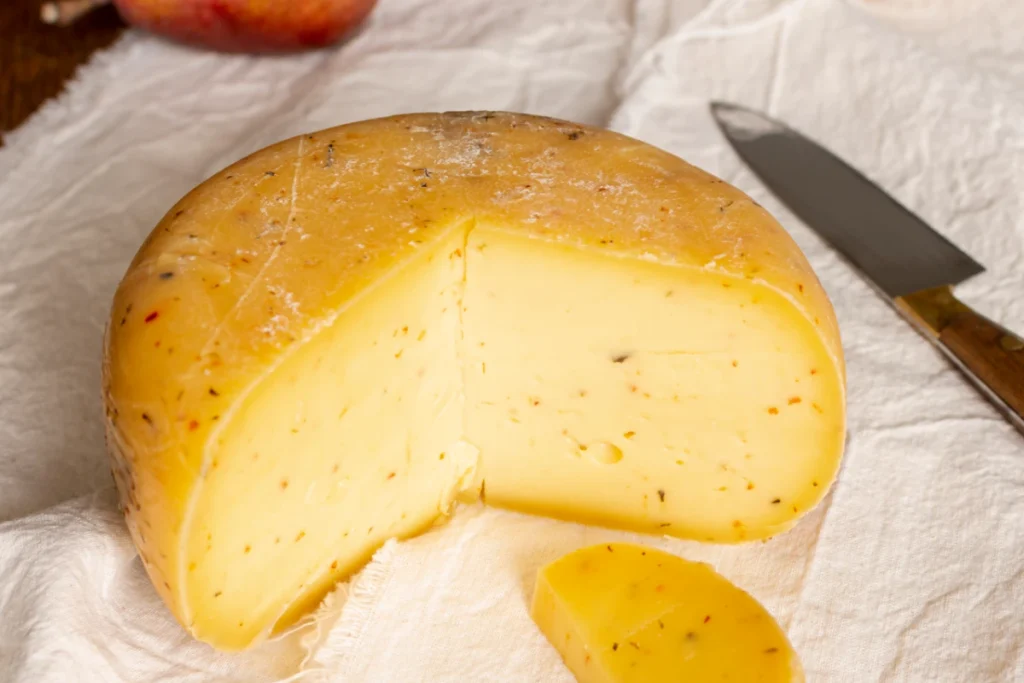
Gouda delivers around 7 grams of protein per ounce and has a naturally milder, slightly sweet flavor that tends to appeal even to those who find sharper cheeses too intense.
Gouda’s advantage lies in its calcium content, which runs high relative to many other cheeses, supporting the bone density that so often declines alongside muscle mass in the same aging process.
How to use it: Sliced with whole grain crackers or melted into a vegetable dish makes for an easy midday protein source.
8. Mozzarella (Part Skim)
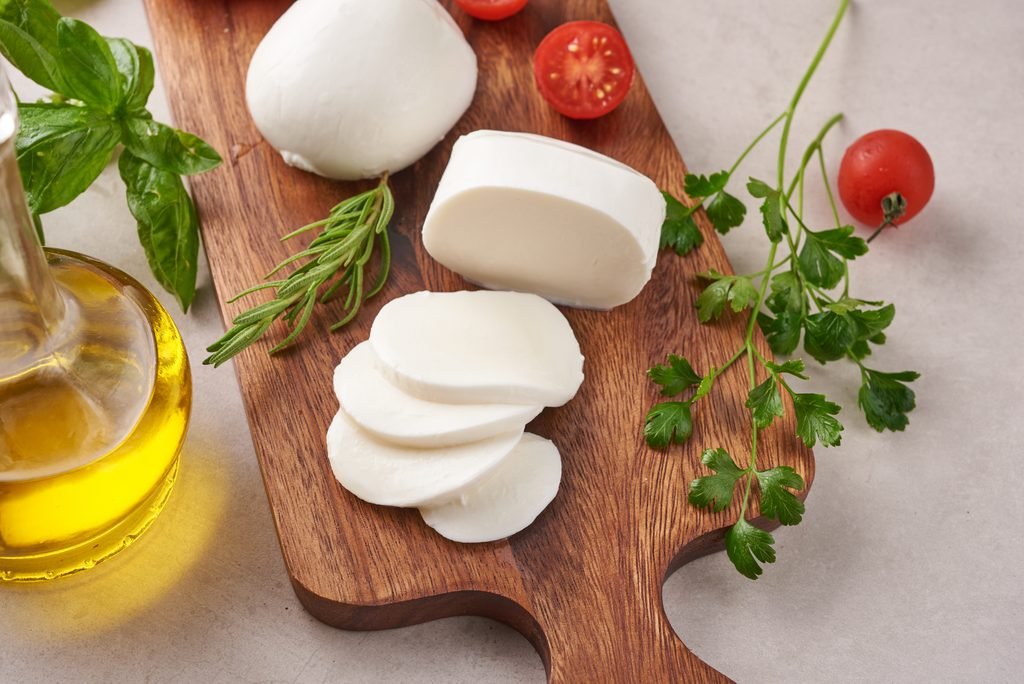
Part skim mozzarella provides about 7 grams of protein per ounce while staying lower in calories and saturated fat than many harder cheeses, making it a practical daily option rather than an occasional indulgence.
A lesser known detail is that mozzarella naturally contains beneficial bacteria strains, including some linked in research to immune support, an added benefit for older adults who face higher infection risk during illness or hospitalization, both of which can accelerate muscle loss.
How to use it: Fresh mozzarella with tomatoes, or melted over vegetables, is an easy way to add protein without heaviness.
9. Feta
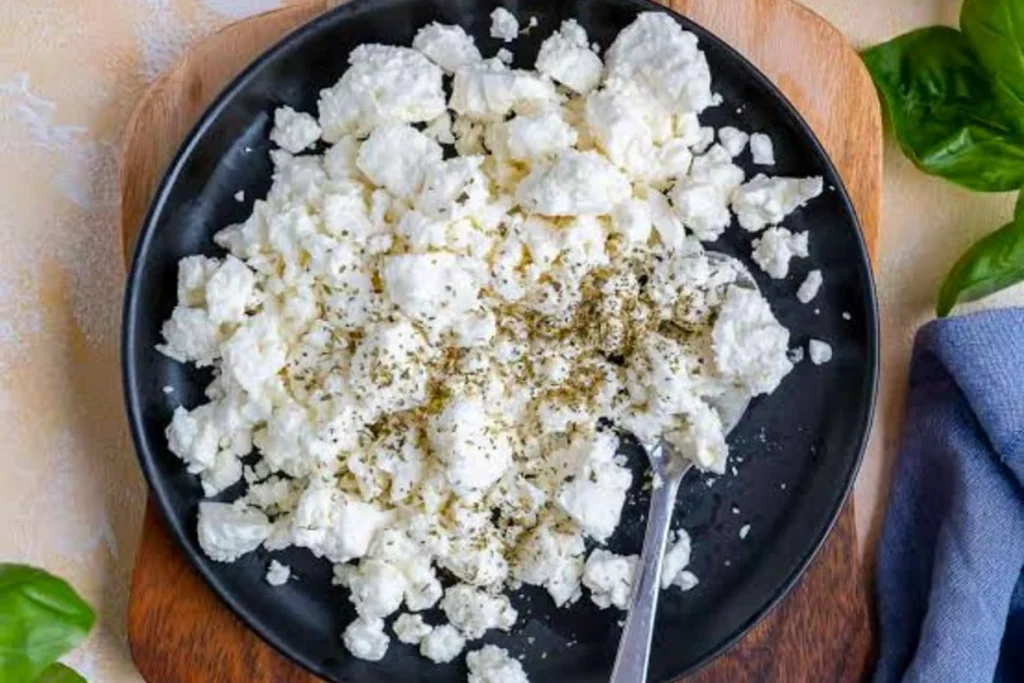
Feta runs lower in protein than most cheeses on this list, closer to 4 grams per ounce, but it earns its place through its lower fat content and strong, tangy flavor that makes small portions feel satisfying.
Why it still counts is its usefulness as a flavor forward addition to protein rich meals, such as salads that also include chicken, beans, or eggs, helping older adults enjoy meals with several protein sources working together rather than relying on cheese alone.
How to use it: Crumbled over a salad with a hard boiled egg or beans creates a meal that adds up to real protein even though feta’s individual contribution is modest.
10. Quark
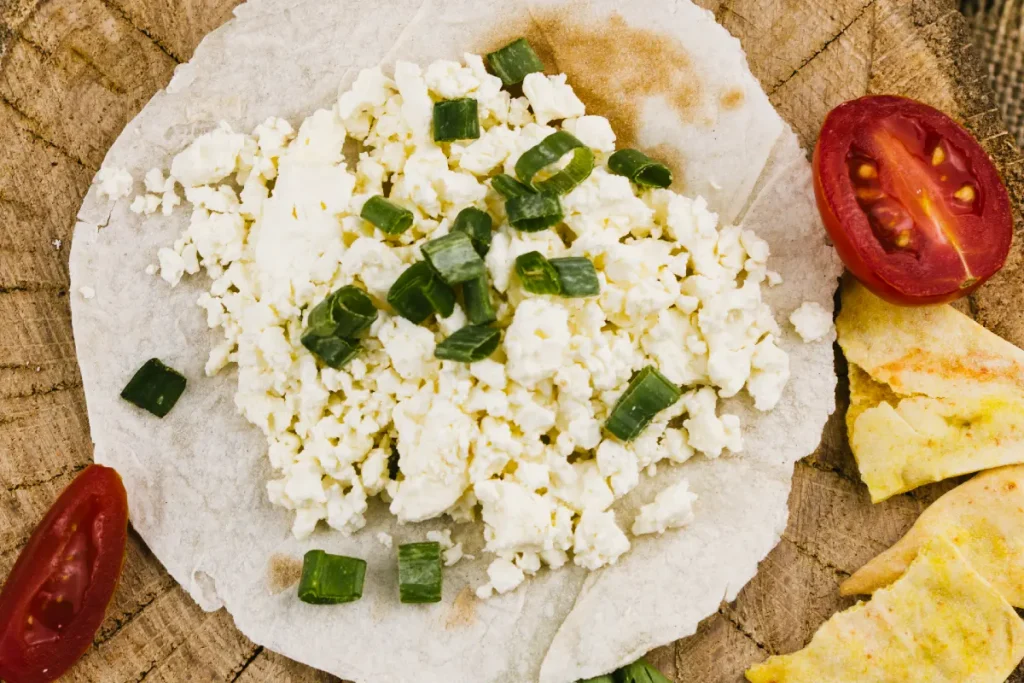
Quark, a soft, spreadable fresh cheese popular across Europe, delivers around 12 grams of protein per 100 grams while staying naturally low in fat, a combination that is difficult to find in most other dairy products.
What makes quark valuable is its high whey protein content relative to its mild, yogurt like texture, making it an easy substitute for sour cream or a base for a high protein breakfast bowl.
How to use it: Mixed with berries and a drizzle of honey, or used in place of sour cream in cooking, quark works well as a daily habit rather than a rare treat.
11. Paneer
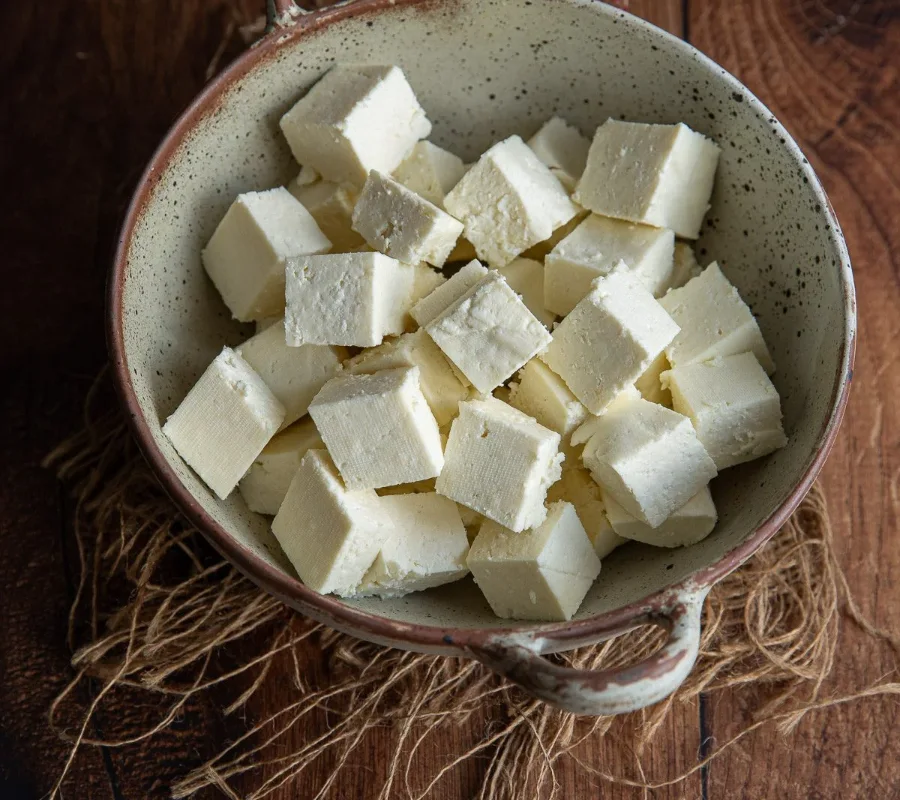
Paneer, a fresh, unaged cheese common in South Asian cooking, delivers close to 18 grams of protein per 100 grams, making it one of the more protein dense options on this entire list.
Its structure matters here. Because paneer does not melt the way aged cheeses do, it holds its shape when cooked, which makes it easy to build an entire protein forward meal around rather than using it only as a topping or garnish.
How to use it: Cubed and pan seared with vegetables and spices creates a satisfying, protein heavy main dish rather than a side addition.
Try This Today
The Daily Habit That Actually Works
- Spread protein across three meals rather than loading it into dinner, since older muscle responds better to repeated 25 to 30 gram doses than one large one.
- Rotate two or three cheeses from this list into meals you already eat, instead of overhauling your diet all at once.
- Pair cheese based protein with light resistance activity, like a short walk with hand weights or a few sit to stand repetitions, since leucine and movement work together to build muscle.
- Choose lower sodium versions of Parmesan, Gruyère, and cheddar when available if blood pressure is a concern.
- Track functional changes, like ease climbing stairs or carrying groceries, over a few months rather than expecting results overnight.
Individual sodium and saturated fat tolerance varies, particularly for anyone managing cardiovascular disease or kidney concerns, so portion sizes above should be adjusted with a doctor’s input.
What Muscle Loss Looks Like Before It Becomes a Crisis?
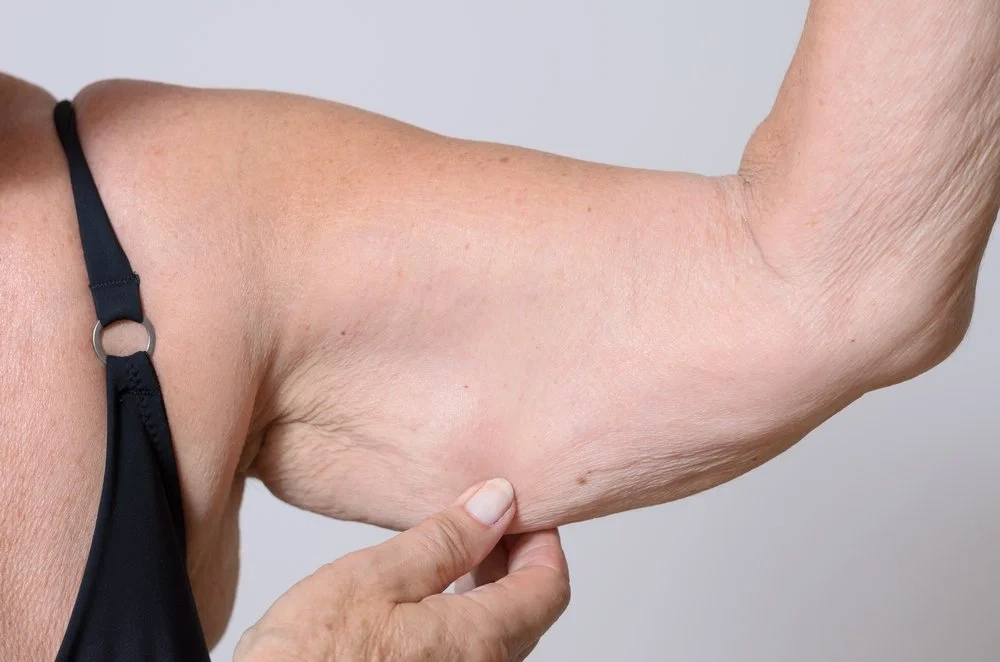
| Sign | What’s Happening | Reversible With Nutrition and Exercise? |
|---|---|---|
| Struggling to rise from a low chair without using your arms | Early leg muscle weakness | Often yes, especially caught early |
| Grip feels noticeably weaker (jar lids, luggage) | Reduced upper body muscle mass | Often yes with consistent protein and training |
| Unintentional weight loss with a visibly smaller frame | Possible muscle wasting, not just fat loss | Needs medical evaluation |
| Increased frequency of near falls or stumbles | Combined muscle and balance decline | Partially, alongside physical therapy |
When to See a Doctor?

Dietary changes can meaningfully slow muscle loss, but a few signs mean it is time to involve a physician rather than relying on food alone.
Red flags that mean it’s time to call a doctor:
- Noticeable, unintentional weight loss along with visible muscle shrinking over a few months.
- A fall or near fall that felt different from ordinary clumsiness, especially alongside declining strength.
- Difficulty rising from a seated position without pushing off with your hands.
- Persistent fatigue or weakness that does not improve with adequate protein and light activity.
This article is for informational purposes only and is not a substitute for professional medical advice, diagnosis, or treatment. Always consult your doctor or a qualified healthcare provider before making changes to your diet, exercise routine, or medications, especially if you have an existing health condition.
