
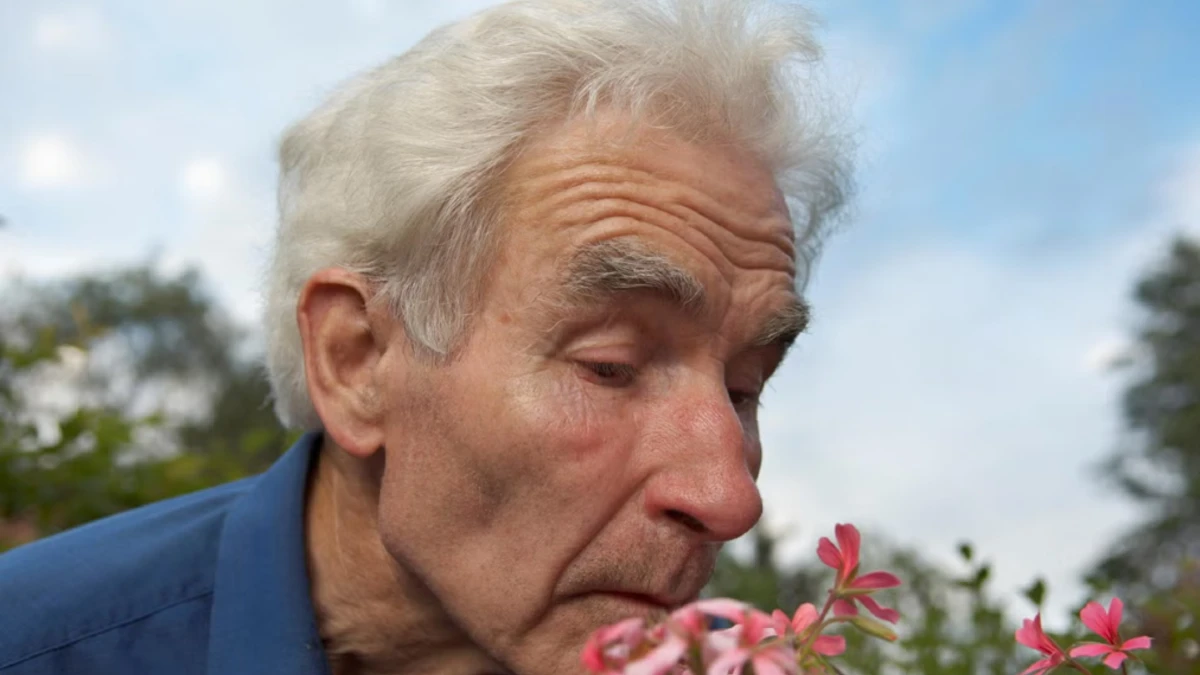
Carol noticed it on a Tuesday. She opened a jar of coffee grounds and smelled nothing. Not faint, not muted. Nothing.
At first, she brushed it off as a bad cold. Then weeks passed, and the smell never came back, and she started wondering what else it might mean.
Losing your sense of smell after 60 isn’t just an inconvenience. It’s one of the more overlooked early signals doctors now watch closely, and most people never hear about it until it happens to them.
Carol went looking for answers, and what her doctors eventually found reshaped how she thinks about aging and what she does every single day now.
Before making any changes based on this article, talk to your doctor, especially if you are currently taking medication or have a diagnosed condition.
Why Does Loss of Smell Become More Common After 60?
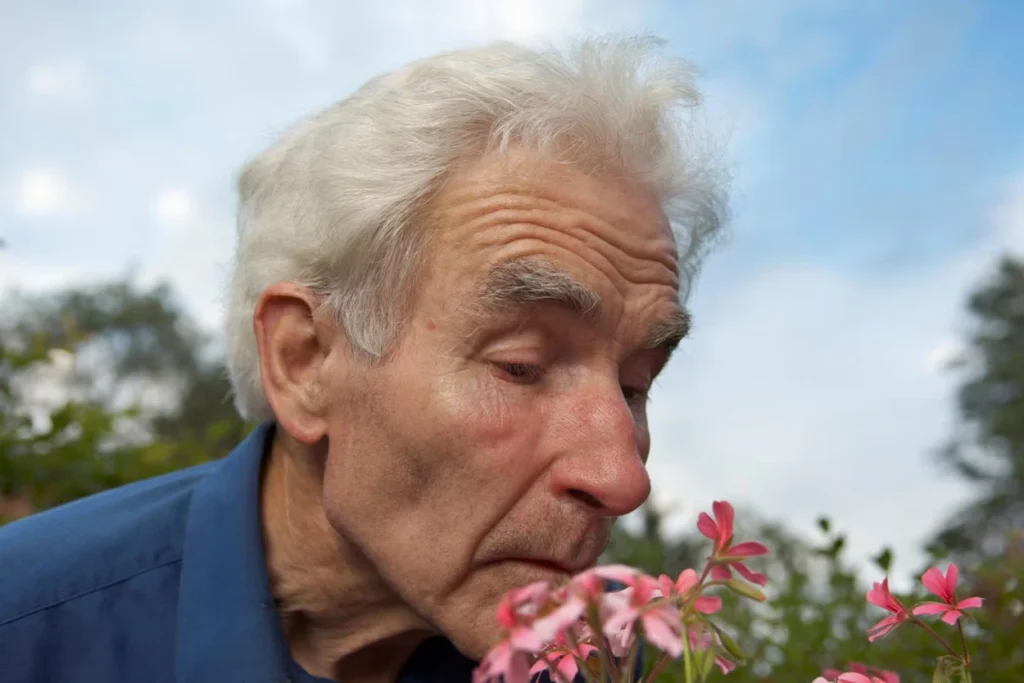
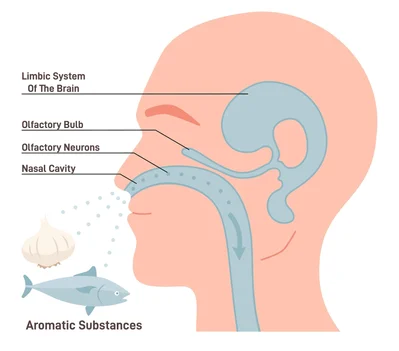
The medical term is presbyosmia, the age-related decline in the sense of smell. Cleveland Clinic and Mayo Clinic both describe it as a gradual thinning and slowing of the olfactory nerve cells that line the upper nasal cavity.
Olfactory receptor neurons are one of the few nerve cell types in the body that regenerate throughout life. As people age, that regeneration slows down. Fewer new cells replace the ones that wear out from decades of exposure to viruses, pollution, smoke, and everyday irritants.
Research groups like the Monell Chemical Senses Center have tracked this decline closely. Estimates commonly cited by researchers suggest roughly a quarter of adults in their 50s and 60s have measurable smell loss, and that number climbs toward half of adults by their 80s. Most people don’t notice it happening gradually. It often takes something sudden, like Carol’s coffee jar moment, to make it obvious.
Primary keyword note for context: this sudden or unexplained smell loss in your 60s is exactly the pattern that sends people to an ENT.
It’s Rarely Just One Thing
When Carol saw her doctor, the workup wasn’t a single test. It was a process of elimination, because smell loss has a long list of possible causes, some harmless, some more serious.
Her doctor asked about recent colds, sinus problems, medications, past head injuries, and any changes in taste, balance, or memory. That last one surprised her the most.
| Possible Cause | Reversible? | When To See A Doctor |
|---|---|---|
| Chronic sinusitis or nasal polyps | Often, yes, with treatment | If congestion lasts more than 10 days |
| Viral infection (colds, COVID) | Often, yes, over weeks to months | If smell doesn’t return after 4 to 6 weeks |
| Medication side effects (certain blood pressure drugs, some antibiotics) | Often, yes, after adjusting medication | If smell loss started right after a new prescription |
| Zinc or B12 deficiency | Often, yes, with correction | If accompanied by fatigue or tingling in the hands or feet |
| Age-related nerve decline (presbyosmia) | Partially, with training | If gradual and no other symptoms are present |
| Early signs of Parkinson’s disease | Not reversible, but manageable | If paired with tremor, stiffness, or balance changes |
| Early signs of cognitive decline | Not reversible, but early support helps | If paired with memory lapses or confusion |
That table is the part most general aging articles skip. They mention smell loss as a normal part of getting older and move on. What they leave out is that researchers have found smell loss can show up years before other symptoms of neurological disease appear.
What Does the Research Actually Show?
A widely cited study from the University of Chicago’s National Social Life, Health, and Aging Project followed thousands of older adults and found that those with a measurably poor sense of smell had a notably higher risk of dying within the next 5 years than those with normal smell function.
Researchers believe it’s not the loss of smell itself that causes harm. It’s what smell loss often signals, including early neurological changes, frailty, or reduced nutrient intake from food tasting bland.
Everyone’s body responds differently, so check with your doctor before assuming any specific cause based on this article alone.
Separately, movement disorder specialists have long noted that a majority of people eventually diagnosed with Parkinson’s disease report smell loss years before tremors or stiffness appear. It’s not a diagnosis on its own. It’s one puzzle piece doctors now take seriously instead of dismissing.
For Carol, the good news was that her bloodwork showed a mild zinc deficiency and evidence of lingering nasal inflammation from a virus earlier that year. No neurological red flags. Her doctor called it a fixable version of an unfixable-sounding problem.
The At-Home Check Doctors Actually Recommend

Before you panic or before you dismiss it, there’s a simple self-check ENTs suggest trying at home.
Take three familiar, strong-smelling items you already have (coffee grounds, vanilla extract, and a bar of soap work well). Close your eyes, hold each one about 6 inches from your nose, and see if you can identify it without looking.
If you can’t identify any of the three, or you notice smells seem muted on one side of your nose but not the other, that’s worth mentioning to a doctor rather than waiting it out.
The Daily Habit That Actually Works
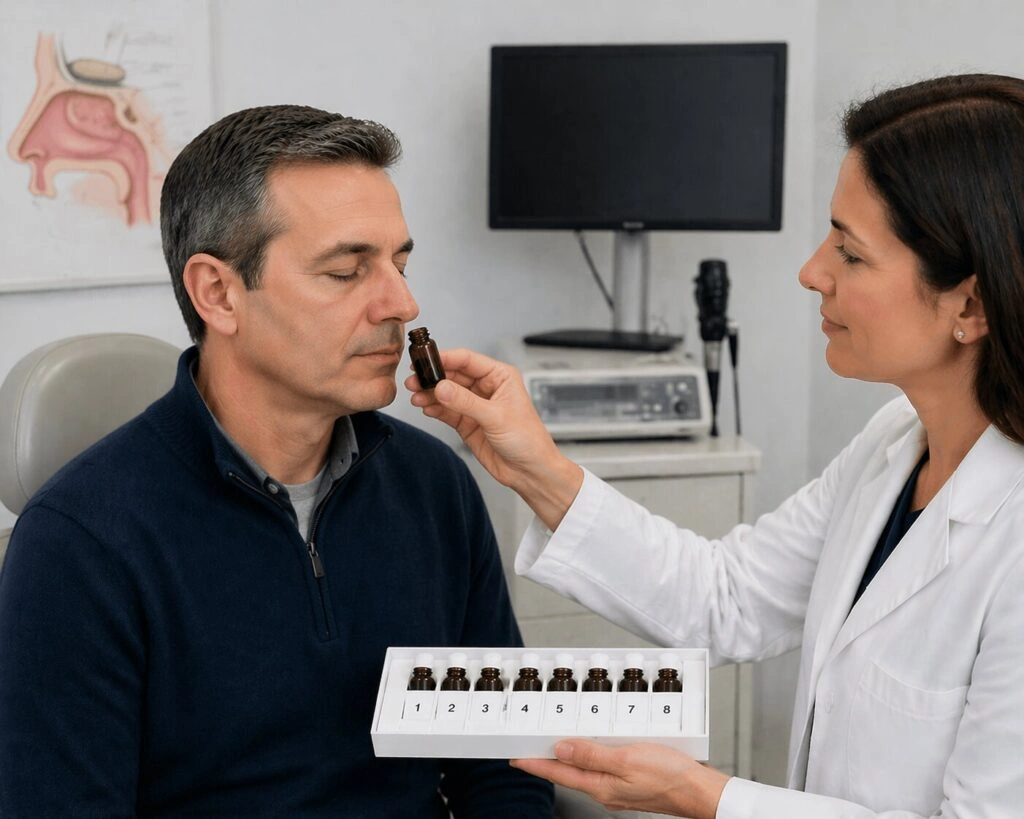
Carol’s ENT recommended something called smell training, a technique first studied by researcher Thomas Hummel in Germany and now recommended by smell and taste clinics, including programs affiliated with the University of Pennsylvania.
Try This Today: Smell Retraining Routine
- Get four small containers with lids (rose, lemon, clove, and eucalyptus essential oils work well, or fresh versions of each scent).
- Twice a day, morning and evening, sniff each scent for about 20 seconds.
- While sniffing, actively try to recall what the scent is supposed to smell like, even if you can’t detect it clearly yet.
- Keep a simple log noting any flicker of recognition, even faint ones count as progress.
- Stick with it for at least 3 months before deciding whether it’s working.
This isn’t a miracle cure, and it won’t reverse nerve damage from something like Parkinson’s. But for age-related and post-viral smell loss, multiple clinical studies have shown measurable improvement in a meaningful percentage of participants who stuck with the routine consistently.
| Timeline | What To Expect | Why It Happens |
|---|---|---|
| Weeks 1 to 2 | Little to no noticeable change | Olfactory pathways are just beginning to be stimulated |
| Weeks 3 to 6 | Occasional faint recognition of one or two scents | Early neural regrowth and pathway strengthening |
| Weeks 7 to 12 | More consistent identification, especially of stronger scents | Continued receptor regeneration with repeated exposure |
| 3 months and beyond | Noticeable improvement for many, plateau for some | Response varies based on underlying cause and age |
What This Actually Changed About How Mark Thinks About Aging?

Before this, Mark assumed aging showed up first in the joints, or the eyes, or memory lapses everyone jokes about. He had never considered that one of the earliest, quietest signals could be sitting in his nose the entire time.
Research out of the National Institute on Aging found that older adults with a stronger sense of smell tended to show slower loss of brain volume and slower cognitive decline over time compared to those with poor smell function, and that link was especially pronounced in people who went on to develop cognitive impairment. That single finding reframed smell, for Mark, from a minor convenience into an early window into brain health.
It also changed how he approaches checkups. He no longer waits for a memory concern or a tremor to bring something up with his doctor. Any sensory change, however small it seems, now goes on the list.
When Smell Loss Is A Red Flag, Not Just Aging
Most cases, like Carol’s, turn out to be manageable. But doctors are clear that certain combinations of symptoms shouldn’t wait for a routine appointment.
See a doctor promptly if smell loss shows up alongside:
- A new tremor, stiffness, or change in handwriting size
- Noticeable memory lapses, confusion, or getting lost in familiar places
- Sudden smell loss after a head injury or fall
- One-sided smell loss paired with headaches or vision changes
FAQS:
- How long is too long to wait before seeing a doctor?
Most ENTs suggest that if smell hasn’t started returning within 4 to 6 weeks after a cold or virus, it’s worth getting evaluated rather than assuming it will fix itself.
2. Can smell loss be caused by something as simple as allergies?
Yes. Chronic nasal inflammation from allergies is one of the more common and most treatable causes, and addressing the underlying congestion often brings smell back.
3. Does losing smell mean losing taste too?
Often,en yes, since much of what people perceive as “taste” actually comes from aroma traveling to the same nerve pathways. This is why food can suddenly taste flat and bland when the smell fades.
4. Who should avoid trying smell training on their own first?
Anyone with sudden smell loss following a head injury, or smell loss paired with neurological symptoms, should see a doctor before starting an at-home routine, since the underlying cause needs to be identified first.
