
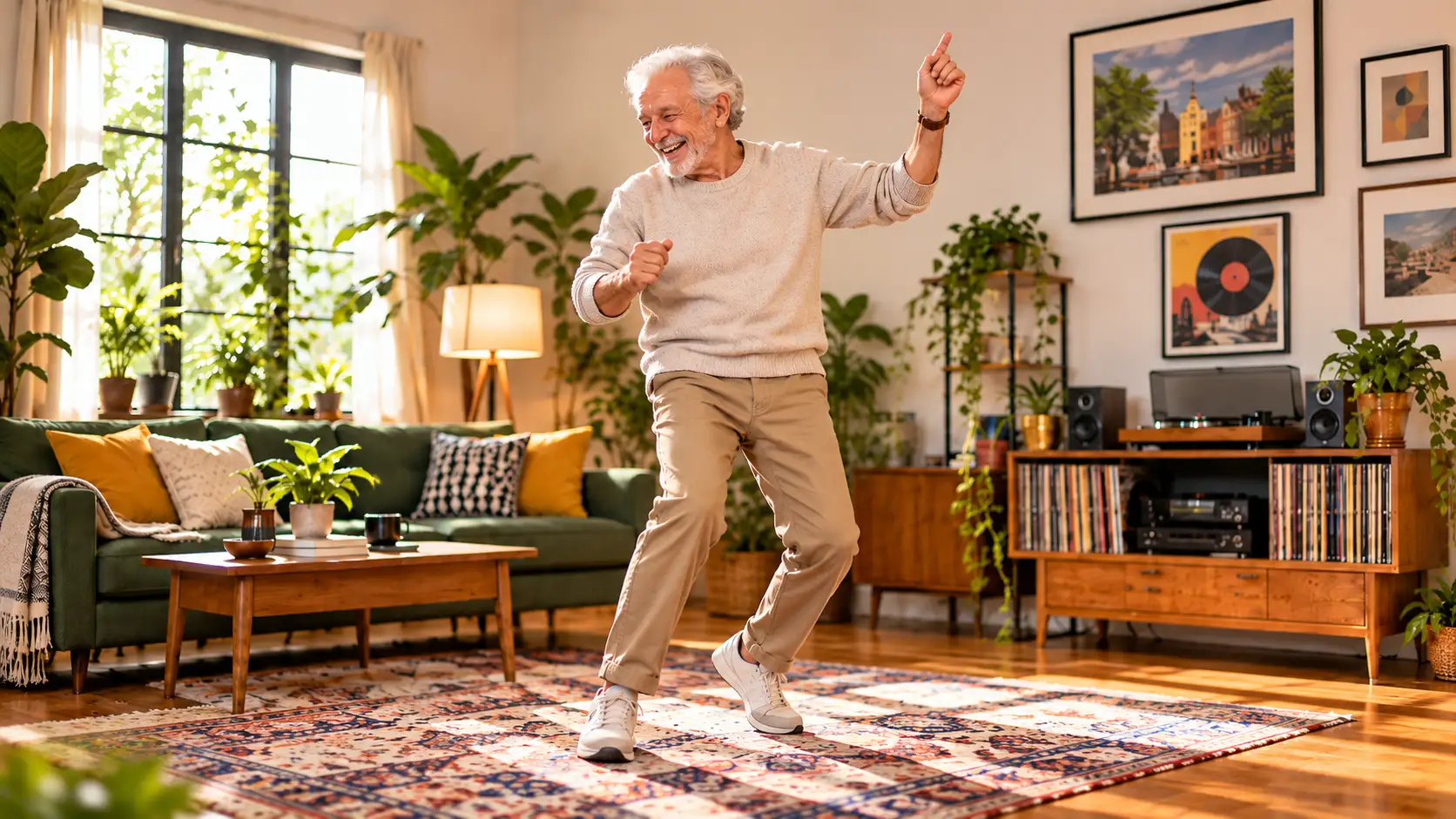
Many people think protecting their brain means doing crossword puzzles, taking supplements, or memorizing lists of words. But one surprisingly simple activity has caught researchers’ attention for years: dancing.
A study often mentioned for its 76% dementia risk reduction finding looked at older adults who regularly participated in leisure activities, including dancing. The result was fascinating, but the real reason may be more interesting than the number itself.
The brain does not only need rest. It needs challenge, movement, rhythm, and connection. Dancing combines all four at the same time.
Before making changes based on this article, talk with your doctor, especially if you have a diagnosed condition, balance problems, or concerns about memory changes.
Why Dancing May Help Protect the Aging Brain
The reason dancing stands out is that it asks the brain to handle several tasks together.
When someone dances, the brain must remember steps, follow rhythm, control body movement, adjust balance, and respond to another person or the music.
That combination creates a type of mental workout that is different from many traditional exercises.
A 2003 study published in the New England Journal of Medicine followed 469 adults over age 75 for a median of 5.1 years. Researchers found that several leisure activities were linked with lower dementia risk, including reading, board games, playing musical instruments, and dancing.
The study did not prove that dancing directly prevents dementia. It showed an association between frequent participation and lower risk.
| Activity | How it challenges the brain | Possible brain benefit |
|---|---|---|
| Dancing | Memory, rhythm, balance, coordination | Builds cognitive reserve |
| Walking | Movement and cardiovascular activity | Supports blood flow |
| Reading | Language and memory | Exercises thinking skills |
| Board games | Strategy and problem solving | Challenges decision making |
The brain has a quality called cognitive reserve. This refers to the brain’s ability to handle age-related changes while continuing to function.
Activities that require learning and adapting may help build this reserve over time.
The 76% Number Needs Some Context
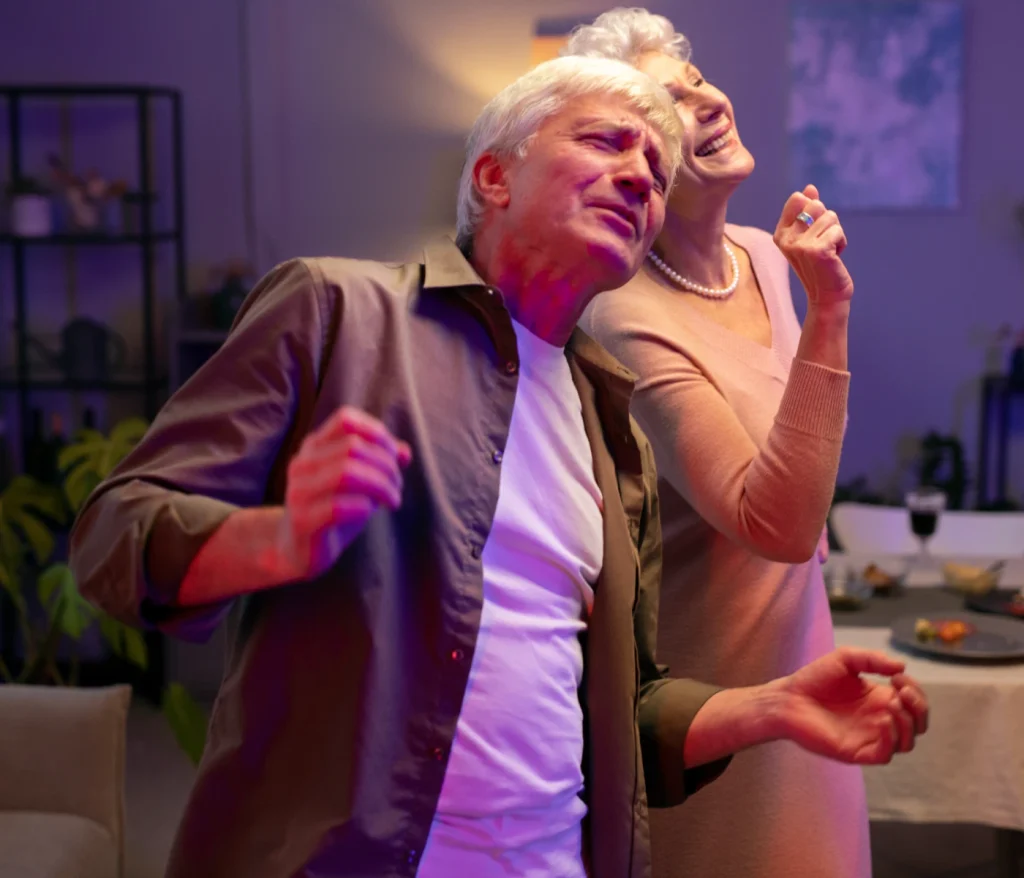
The famous 76% figure comes from the hazard ratio reported for frequent dancing in the 2003 study. A lower hazard ratio means a lower rate of dementia occurring in that group compared with the comparison group.
However, the study had limitations.
It was not a clinical trial where researchers assigned one group to dance and another group not to dance. People who dance regularly may also have other healthy habits, such as being more social, staying active, or maintaining better overall health.
The finding is exciting, but it does not mean dancing guarantees protection from dementia.
| What the study found | What it does not prove |
|---|---|
| Dancing was linked with a lower dementia risk | Dancing completely prevents dementia |
| Active older adults had better outcomes | One activity works for everyone |
| Brain engagement matters | Supplements or treatments are unnecessary |
The bigger lesson is that the brain benefits from activities that combine physical and mental effort.
Why Movement and Music Create a Unique Brain Workout
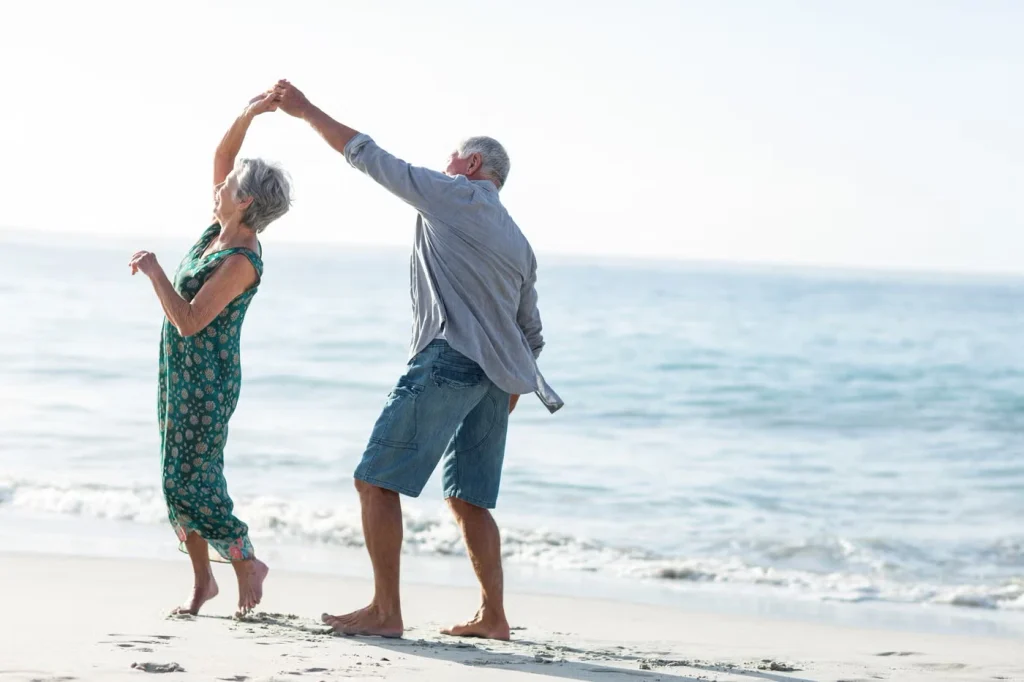
Regular exercise already supports brain health by improving blood flow and helping maintain heart health. Dancing adds extra layers.
The brain must constantly predict what happens next. It listens to the beat, remembers patterns, and controls movements. This process involves areas connected with memory, attention, and coordination.
A randomized trial called the Dancing Mind study compared ballroom dancing with walking programs in older adults. Researchers studied whether dance could improve executive function, which includes skills like planning, switching tasks, and controlling attention.
More recent reviews of randomized trials also suggest dance programs can provide small but meaningful improvements in cognition among older adults, although researchers continue to study the exact effects.
Everyone’s body responds differently. Check with your healthcare provider before starting a new exercise routine if you have heart problems, severe arthritis, dizziness, or balance concerns.
You Do Not Need Professional Dance Training
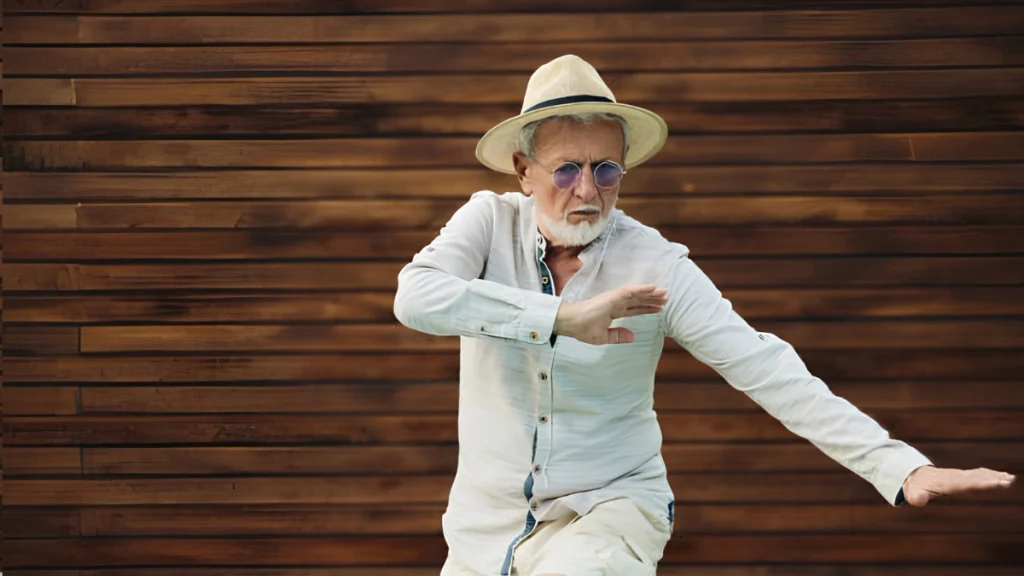
Many people hear “dancing” and picture complicated routines. That is not what researchers are studying.
The benefit may come from regular movement that requires attention and learning. Simple options can include:
| Type of dancing | How to start |
|---|---|
| Dancing at home | Move to 2 or 3 favorite songs several times per week |
| Ballroom classes | Join a beginner class focused on basic steps |
| Line dancing | Practice repeated patterns with a group |
| Social dancing | Dance with friends or family |
The goal is not performance. The goal is to give the brain something enjoyable that requires focus.
The Social Side May Matter More Than People Realize
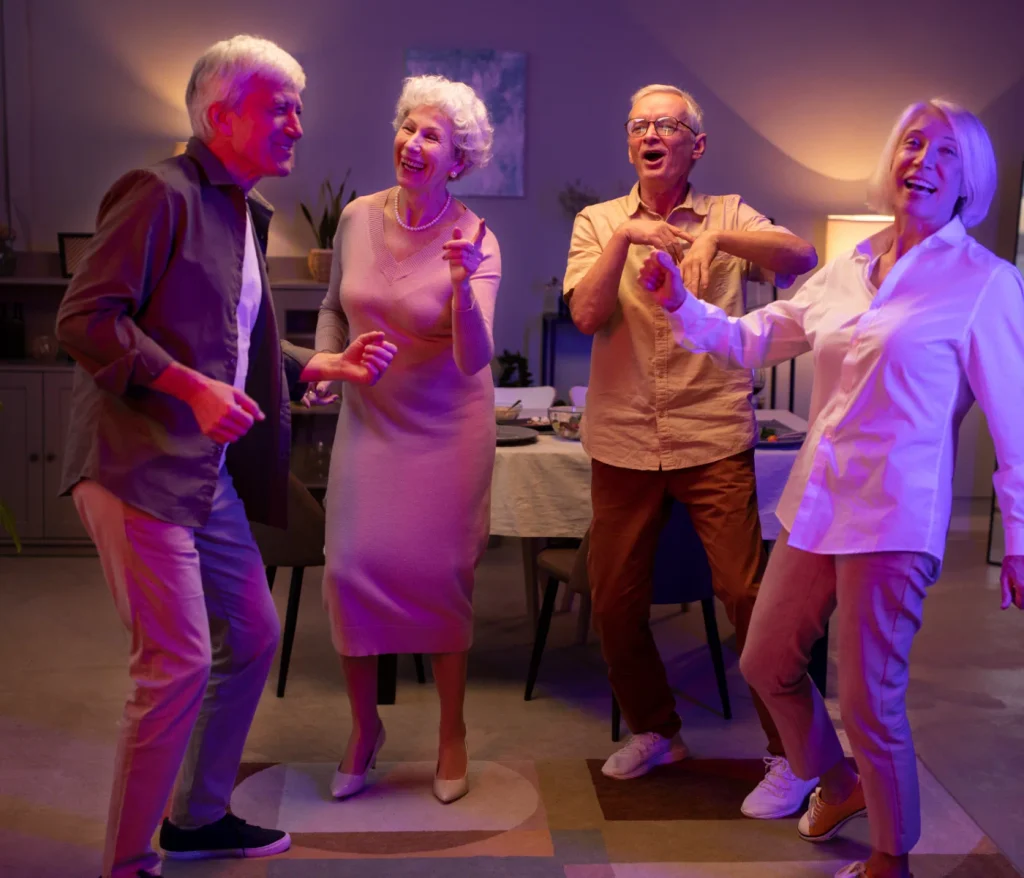
Dancing often brings people together. Social isolation has been linked with poorer health outcomes in older adults, and staying connected is considered an important part of healthy aging.
A dance class can provide conversation, laughter, and a reason to leave the house. That combination may be valuable because the brain responds to experiences that involve emotion and connection.
| Habit | Brain challenge | Social connection |
|---|---|---|
| Dancing class | High | High |
| Watching television | Low | Low |
| Walking alone | Medium | Low |
| Group exercise | Medium | Medium |
How Often Should Older Adults Dance?
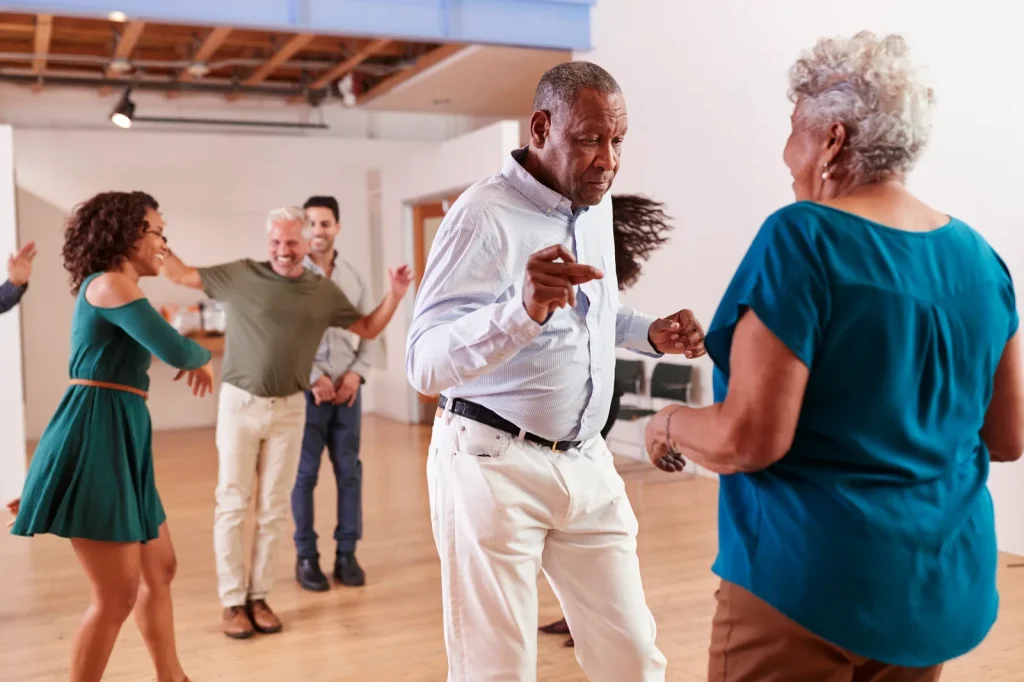
There is no official prescription saying everyone must dance a certain number of minutes to reduce dementia risk.
Many exercise guidelines recommend that older adults include regular aerobic activity, muscle strengthening, and balance exercises as part of healthy aging.
For someone starting out, consistency matters more than intensity.
A simple approach:
Try This Today
- Pick two songs you enjoy.
- Dance for five minutes without worrying about technique.
- Increase slowly as your comfort improves.
- Choose activities that involve learning new steps.
- Invite another person when possible.
Small routines are easier to maintain than dramatic changes.
Other Brain Healthy Habits That Work With Dancing
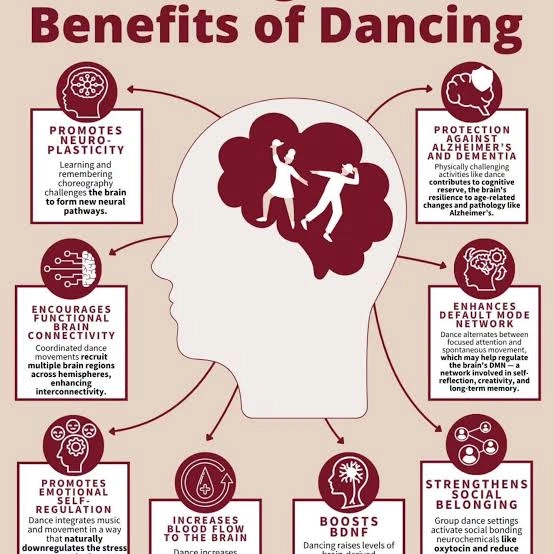
Dancing is only one piece of brain health.
Research continues to examine several lifestyle factors, including diet, physical activity, sleep, and social connection.
The MIND diet, which combines elements of Mediterranean and DASH eating patterns, focuses on foods such as leafy greens, berries, nuts, fish, and olive oil while limiting foods high in saturated fat and added sugar.
A clinical trial found that a three-year MIND diet intervention did not significantly differ from a control diet for cognitive outcomes, showing that nutrition research remains complex.
A strong brain health routine usually includes several habits together.
| Brain habit | Simple action |
|---|---|
| Movement | Walk, dance, or exercise regularly |
| Learning | Try new skills or activities |
| Sleep | Keep a consistent sleep schedule |
| Social connection | Spend time with others |
| Nutrition | Eat a balanced diet with whole foods |
When Memory Changes Need Medical Attention
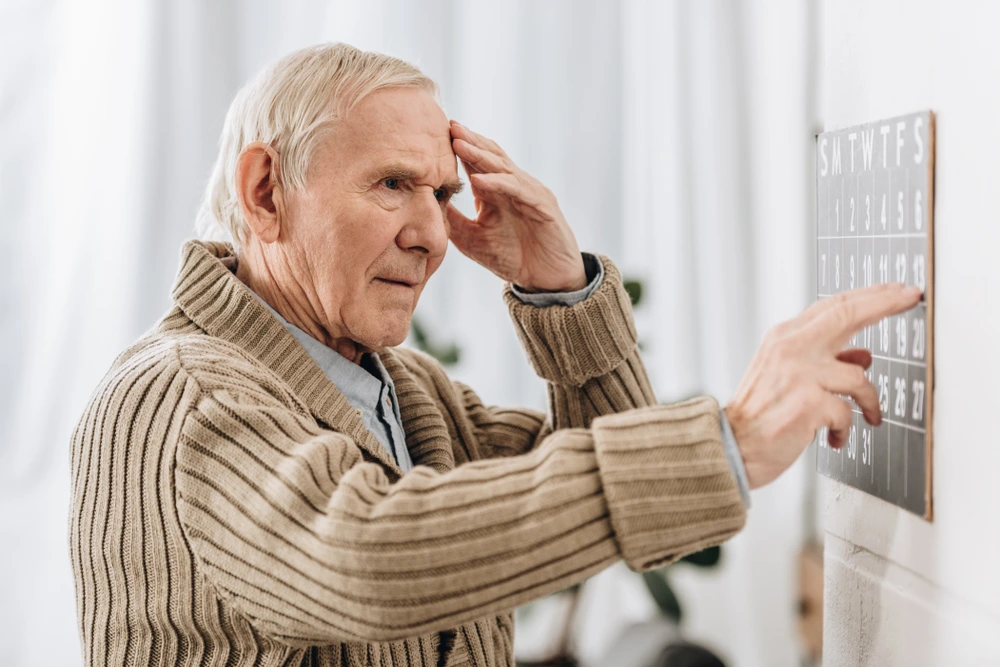
Normal aging can include occasional forgetfulness. But some changes should be discussed with a healthcare professional.
Red Flags
- Getting lost in familiar places.
- Repeating the same questions frequently.
- Difficulty managing bills or medications.
- Major changes in personality or daily function.
These signs do not always mean dementia, but they deserve medical evaluation.
The Bigger Message Behind the Dancing Research
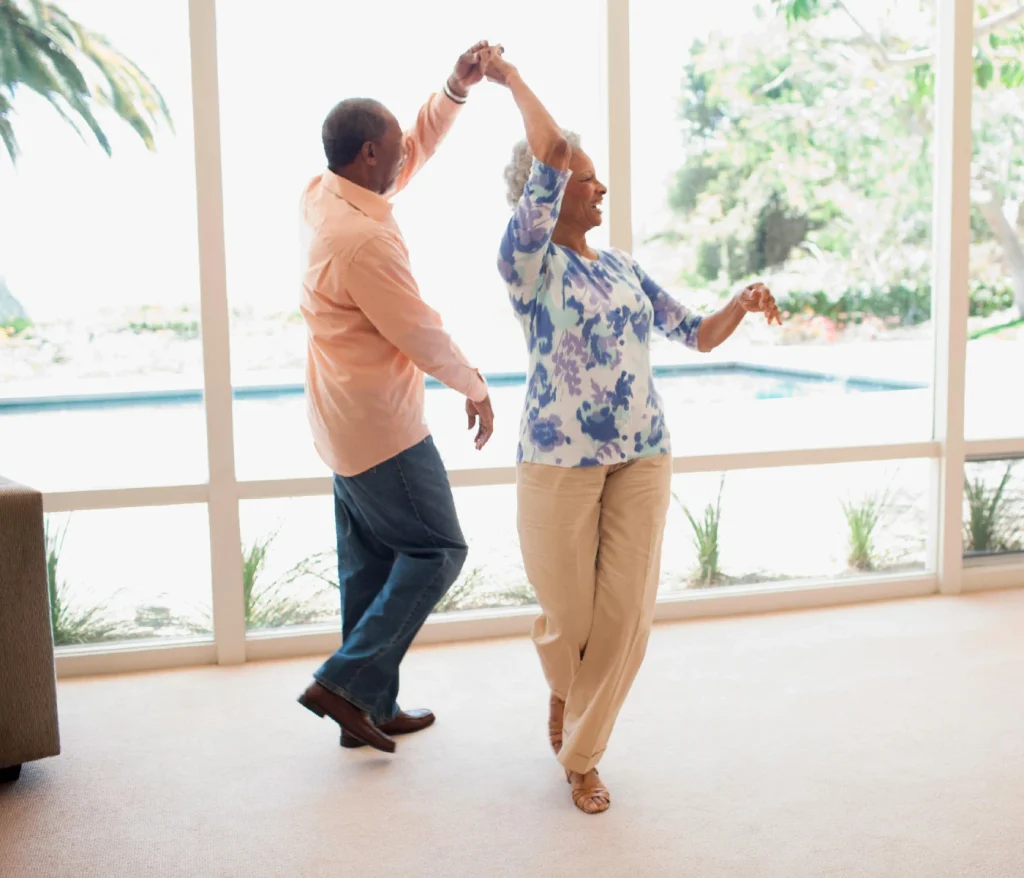
The interesting part about dancing is not just the 76% number. The deeper message is that the brain responds to activity.
An activity that combines movement, memory, rhythm, and social interaction may provide several types of stimulation at once.
Dancing is enjoyable, affordable, and adaptable for many ability levels. It may not be a magic solution for dementia prevention, but it is one habit that gives the aging brain a reason to stay active.
