
One ordinary nut has been linked to a cancer pathway so important that modern drugs are designed to target it. In animal studies, tumors exposed to walnut-rich diets grew more slowly, developed fewer tiny blood vessels, and showed lower levels of VEGF, a major signal tumors use to build their blood supply.
That sounds very close to “starving cancer.” But there is one major catch: the evidence does not show that walnuts cure cancer, and the walnut research does not prove that they regrow stem cells.
What the research does show is still fascinating. Walnuts contain several compounds that may influence inflammation, blood vessel growth, and cell signaling in ways cancer researchers are studying closely.
Before making diet changes because of cancer research, talk with your doctor, especially if you are receiving chemotherapy, immunotherapy, radiation, or another cancer treatment.
Why Tumors Need Their Own Blood Supply?
A tumor cannot keep expanding without oxygen and nutrients.
Cancer researcher Judah Folkman helped establish the idea that tumors depend on new blood vessel growth. Early experiments were done in which tumors without their own blood supply remained very small, while tumors that recruited new vessels began growing more aggressively.
That process is called angiogenesis. Your body normally uses angiogenesis for useful reasons. Wound healing, tissue growth, and recovery after injury all require new blood vessels at certain times. Cancer cells can hijack the same system.
The Signal Tumors Use To Build New Blood Vessels
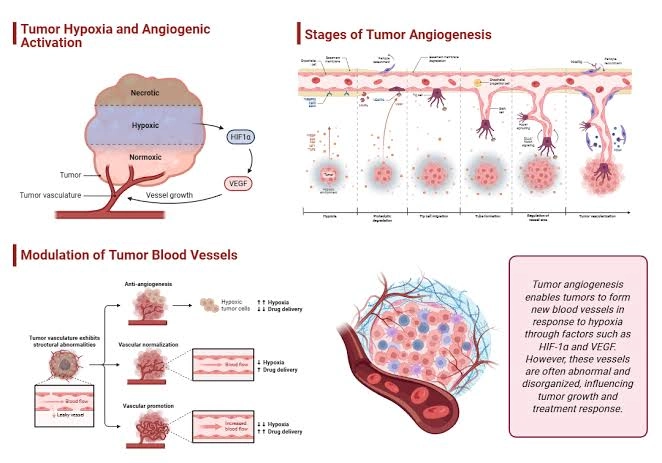
One of the most important molecules involved is vascular endothelial growth factor, usually shortened to VEGF.
Healthy tissue can release VEGF when new blood vessels are needed. Tumors may produce large amounts of the same signal, encouraging nearby blood vessels to grow toward them.
The new tumor vessels are often poorly organized and leaky. Even so, they can deliver enough oxygen and nutrients to support further tumor growth. This is why VEGF became such an important target in cancer research.
Why Doctors Already Target This Pathway
Cancer medicine already includes drugs designed to interfere with angiogenesis.
Bevacizumab is also a well known example. It targets VEGF and is used in certain cancers as part of medical treatment. That does not mean food works like the drug.
Prescription therapies can strongly block specific signals at carefully controlled doses. Foods contain much smaller amounts of many different compounds, and their effects are usually weaker and harder to predict.
Walnuts become interesting because some of their natural compounds appear to touch parts of this same biological pathway.
What Makes Walnuts Different From Many Other Nuts
Walnuts contain several nutrients and plant compounds that researchers study together. They are especially rich in alpha linolenic acid, or ALA, which is a plant form of omega 3 fat.
Walnuts also contain ellagitannins, polyphenols, and plant sterols. Gut bacteria can convert ellagitannins into compounds called urolithins.
Researchers suspect the effect may come from the combination rather than one single nutrient.
| Walnut component | What makes it interesting | Area researchers are studying |
|---|---|---|
| Alpha linolenic acid | Plant omega 3 fat | Inflammation and signaling linked with blood vessel growth |
| Ellagitannins | Converted by gut bacteria into urolithins | Gut metabolism and inflammatory signaling |
| Polyphenols | Plant compounds with antioxidant activity | VEGF signaling and cell growth |
| Plant sterols | Naturally occurring plant compounds | Broader metabolic and cardiovascular effects |
The important point is that a walnut is a mixture of biologically active compounds.
That makes whole food research especially interesting because those substances may interact with one another.
What Happened When Mice Ate Whole Walnuts
Researchers implanted the cancer cells into mice and divided the animals among diets using different fat sources. One group received corn oil, another flaxseed oil, and another whole walnuts.
The diets were designed so overall calories and nutrition remained comparable. The walnut fed mice developed tumors that grew more slowly than tumors in the corn oil group.
Researchers also found fewer microscopic blood vessels inside the tumors and lower circulating VEGF levels. That is where the “starving cancer” idea comes from.
The tumors appeared to have less access to the blood vessel network that normally supports continued growth.
Similar Signals Appeared In Other Cancer Models
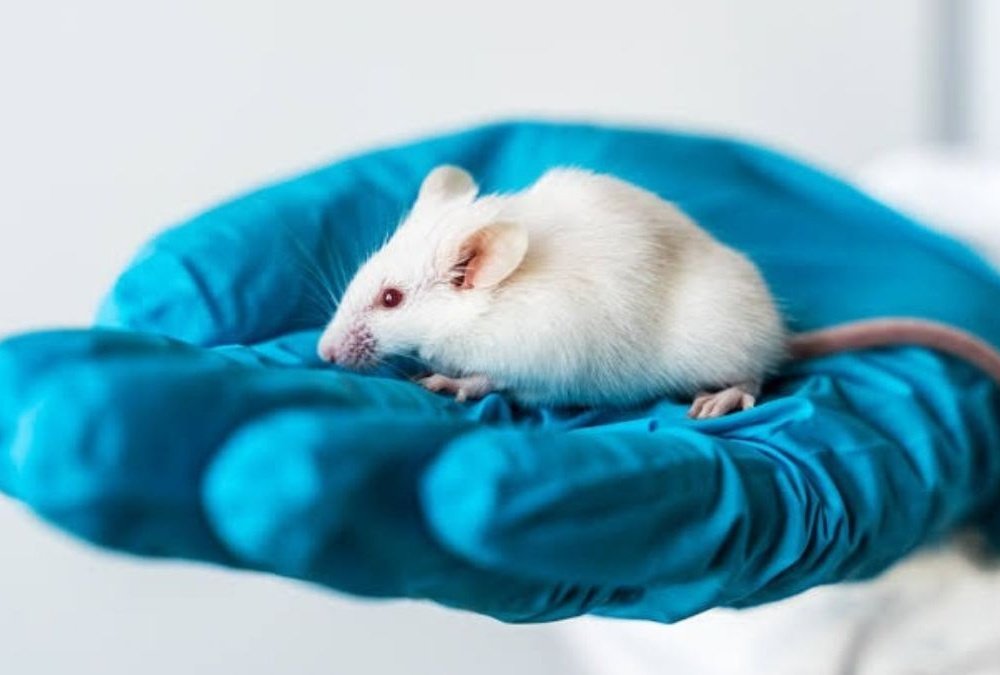
Related findings have appeared in animal models of prostate, kidney, and breast cancer.
In one prostate cancer model, walnut fed mice developed slower growing tumors along with lower levels of insulin like growth factor 1, commonly called IGF 1. A breast cancer model also showed slower tumor growth with a walnut enriched diet.
These findings make the pattern worth studying further. But they still come from animals. That distinction matters because treatments that work in mice frequently fail to produce the same result in humans.
How Walnuts May Affect Angiogenesis
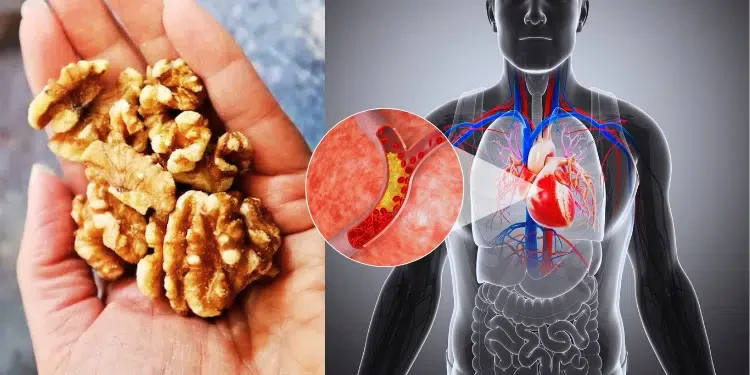
Researchers are looking at several possible mechanisms. The first involves omega 3 fats. When omega 3 fats become more available, the body may produce fewer compounds that promote inflammation and angiogenesis.
The second involves polyphenols.
Compounds such as ellagic acid may interfere with parts of the signaling pathway VEGF uses to tell blood vessel cells to multiply. Laboratory studies using walnut phenol extracts have also reported slower cancer cell growth under controlled conditions. The third possibility starts in the gut.
Your Gut Bacteria May Change What Walnuts Become
Walnut ellagitannins do not simply stay in their original form after you eat them. Gut bacteria can break them down into compounds called urolithins.
The transcript describes these metabolites as potentially carrying their own effects on inflammatory signaling, although it also makes clear that this pathway remains more speculative.
This may help explain why two people can respond differently to the same food. Their gut bacteria may process walnut compounds in different ways.
What The Evidence Actually Supports
| Claim | Evidence level from the source | What you can reasonably say |
|---|---|---|
| Walnuts reduce tumor blood vessels | Animal research | Seen in mouse tumor models |
| Walnuts lower VEGF | Animal research | Reported in some controlled models |
| Walnut compounds affect cancer cells | Laboratory research | Seen under controlled cell conditions |
| Walnuts prevent human cancer | Human evidence is not strong enough for proof | Possible association, not proven prevention |
| Walnuts treat existing cancer | Not proven | Should not be claimed |
| Walnuts regrow stem cells | Not supported by this source | Should not be claimed |
This table is the most important reality check in the article. The cancer biology is real. The human treatment claim is not.
Why Animal Studies Cannot Prove A Human Cancer Cure
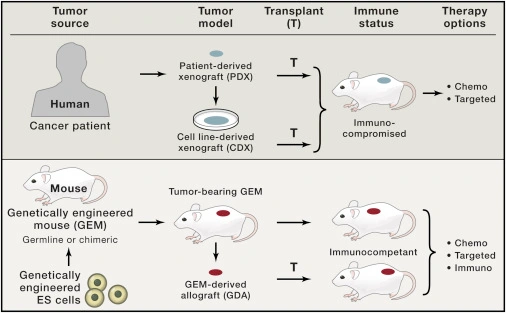
Cancer findings come from animal experiments and laboratory cell cultures using carefully controlled diets and specific tumor models. That type of research is valuable because it shows whether a mechanism deserves further study.
It does not prove that eating walnuts will shrink a tumor in a person. No large randomized trial has shown that eating walnuts improves outcomes in people already living with cancer.
That is a major difference between “promising biology” and “proven treatment.”
What Human Studies Can And Cannot Tell Us

Population studies sometimes find that people who eat more nuts or walnuts have better health outcomes. But observational studies come with a problem.
People who regularly eat walnuts may also exercise more, smoke less, eat more vegetables, or follow healthier diets overall. Researchers can try to adjust for those differences.
They can never remove every possible lifestyle factor. That is why an association does not prove walnuts caused the lower risk.
What About The “Regrows Stem Cells” Part?

This is where the headline goes beyond the walnut evidence. There is no proper research showing that walnuts regenerate stem cells or regrow damaged human tissue.
The walnut evidence centers on angiogenesis, VEGF, inflammation, tumor blood vessels, and plant compounds.
So the scientifically accurate takeaway is narrower.Walnuts may influence biological pathways connected with blood vessel growth and tumor development in experimental models.
That is interesting enough without adding a stem cell claim that the source does not support.
How Many Walnuts To Eat?
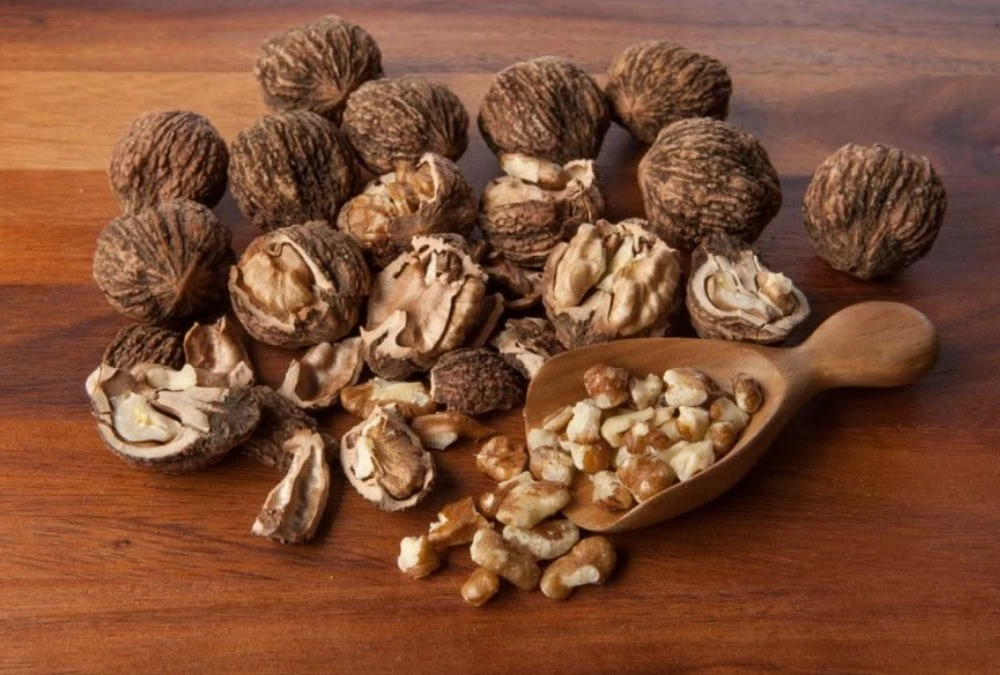
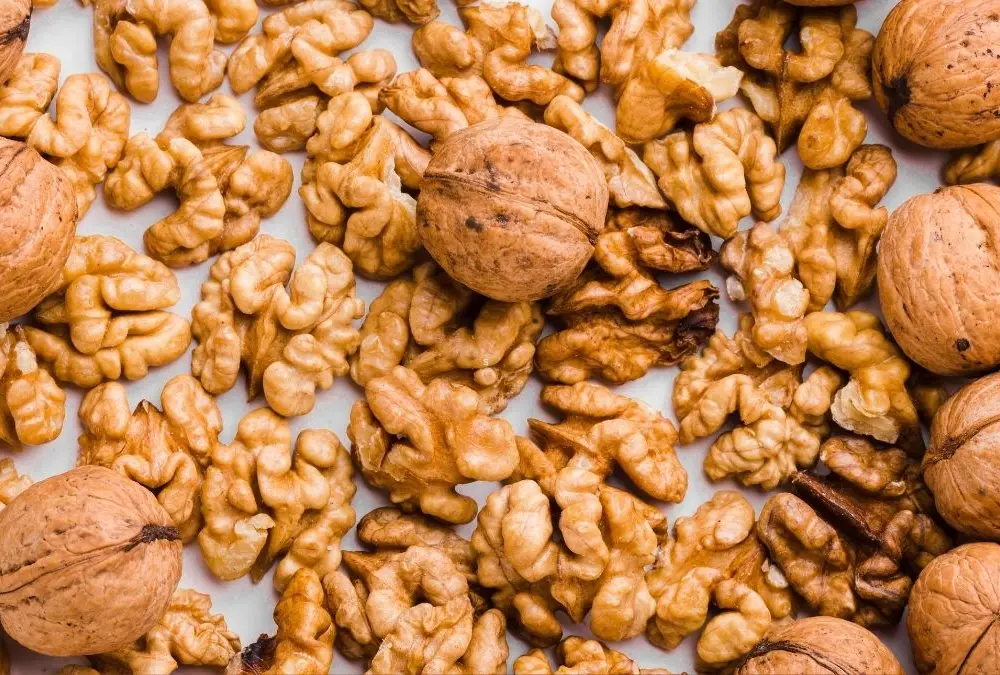
A practical amount of about 1.5 ounces of walnuts per day, which is roughly 14 walnut halves. That number comes from an FDA qualified health claim related to heart health, not cancer treatment.
This distinction matters. You should not interpret 1.5 ounces as a cancer fighting dose. It is simply a reasonable food serving with cardiovascular research behind it.
A serving used in heart health guidance is not a cancer treatment dose. If you have cancer, another serious condition, or dietary restrictions, ask your healthcare team what fits your situation.
The Daily Habit That Makes More Sense
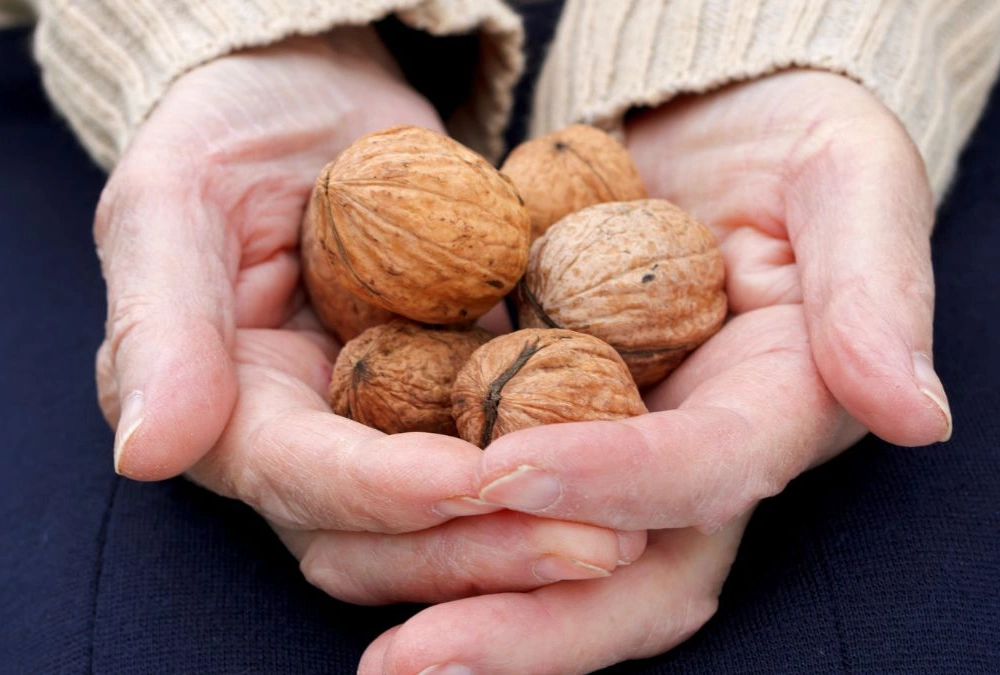
- Use a small handful of walnuts in place of a processed snack.
- Add walnuts to oatmeal, yogurt, salads, or vegetables.
- Choose whole walnuts rather than relying on walnut oil alone.
- Store them in the refrigerator or freezer if you buy larger amounts.
- Treat walnuts as part of an overall healthy diet, not as a cancer remedy.
Walnuts contain about 185 calories per ounce, so portions still matter.
Whole Walnuts May Matter More Than Walnut Oil
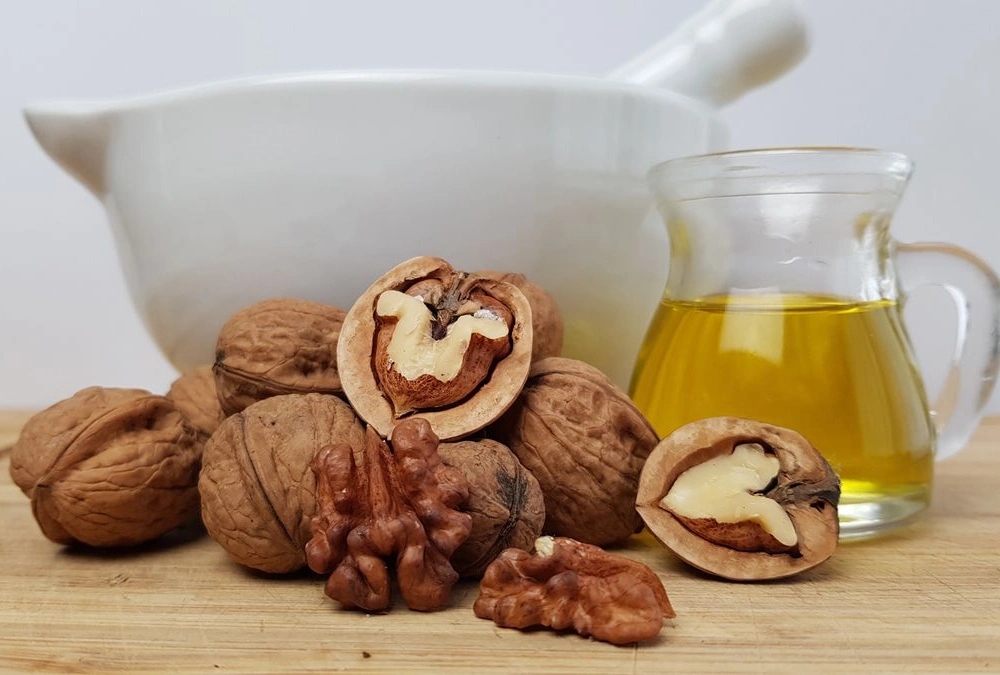
Walnut oil provides some of the fat found in the whole nut. But it removes other components. Whole walnuts still contain fiber, ellagitannins, polyphenols, and omega 3 fats together.
That matters because researchers do not yet know which compound is most important. The effect may come from several substances working at the same time.
Storage Matters More Than Most People Realize
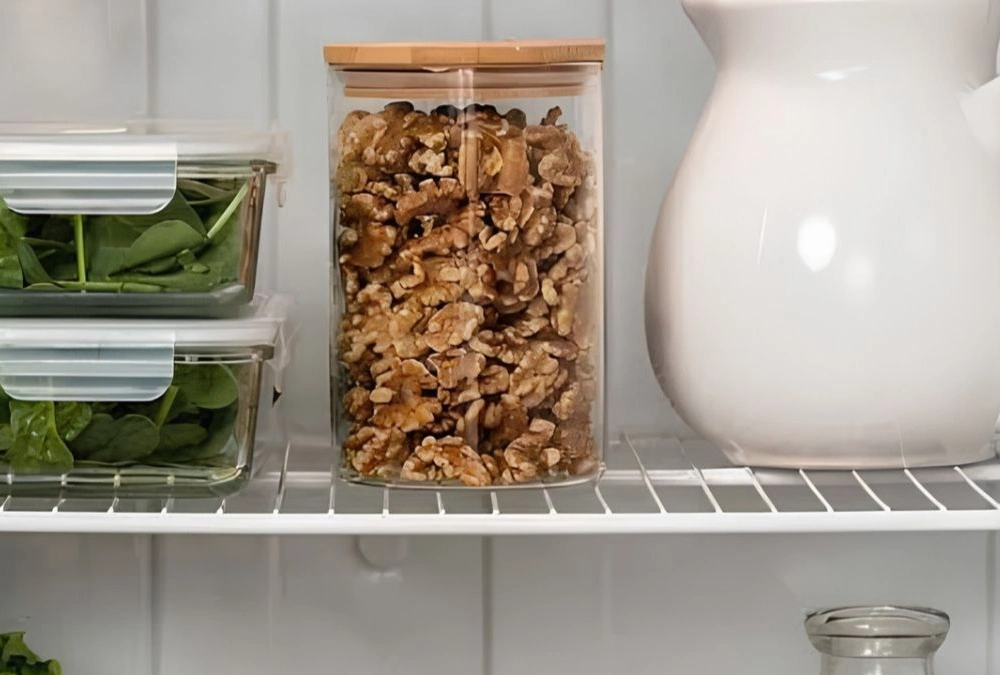
Walnuts contain large amounts of polyunsaturated fat. That fat is nutritionally useful, but it also makes walnuts more vulnerable to oxidation.
It is recommended to keep them in the refrigerator or freezer rather than leaving them in a warm pantry for long periods. If walnuts smell sharp, bitter, or paint like, they may have gone rancid. Fresh walnuts should taste mild, nutty, and slightly sweet.
What Walnuts Can Realistically Do
| Better approach | What to avoid |
|---|---|
| Use walnuts as part of a balanced diet | Treating walnuts as chemotherapy |
| Replace some processed snacks with walnuts | Adding large amounts without considering calories |
| Choose whole walnuts | Assuming walnut oil contains everything in the whole nut |
| Store them cold to protect their fats | Keeping them warm for months |
| Discuss major diet changes during cancer treatment | Changing treatment based on food claims |
Walnuts may be one useful piece of an overall healthy eating pattern.
That is very different from calling them a cure.
Important
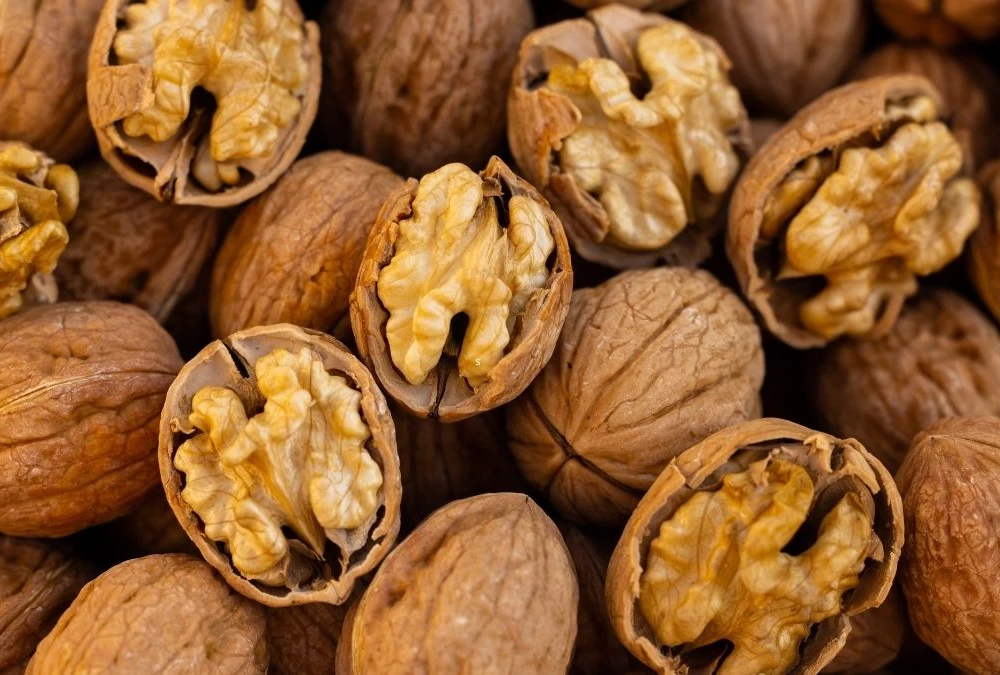
Walnuts contain ALA, ellagitannins, polyphenols, and other compounds that researchers are studying for effects on VEGF, inflammation, angiogenesis, and tumor biology.
In animal models, walnut rich diets have been linked with slower tumor growth, fewer microscopic tumor blood vessels, and lower VEGF.
Those findings are scientifically interesting. They are not proof that eating walnuts will shrink a human tumor. The strongest lesson is simpler.
Walnuts appear to influence biological pathways that cancer researchers care about, and they can fit into a heart healthy, plant rich eating pattern. But no food should replace surgery, chemotherapy, radiation, immunotherapy, targeted therapy, or medical advice.
And based on the source used here, walnuts should not be described as proven to regrow stem cells.
