

Your brain changes as you get older, but scientists are learning that some of those changes may be far more flexible than people once assumed.
The real concern is that shrinking brain tissue, poorer blood vessel health, and changes in neural connections can begin before obvious memory trouble appears.
Yet one of the most interesting recent experiments did not rely on a drug, supplement, expensive device, or complicated brain game.
The activity that appeared to move an MRI-based measure of brain aging in a younger direction was remarkably simple: regular physical movement, including brisk walking.
And researchers saw measurable changes within weeks.
An MRI based reduction in estimated brain age does not mean a person’s brain has literally become biologically younger in every respect. Brain age is a research measure calculated from patterns seen on brain scans. It should not be used as a personal diagnosis.
What Scientists Actually Mean by “Reversing Brain Aging”
The phrase sounds dramatic, so it needs some context.
Researchers can use MRI scans and computer models to estimate how old a person’s brain appears based on its structure. This measurement is sometimes called BrainAGE, or brain-predicted age.
If a 70-year-old person’s brain has structural patterns that resemble those normally seen at 65, the model may produce a younger predicted brain age.
Researchers are interested in this because a brain that appears older than a person’s chronological age can sometimes be associated with poorer health. But BrainAGE is still a scientific biomarker, not a simple score that tells you whether you will develop dementia.
A 2025 randomized study published in Human Brain Mapping examined whether increasing physical activity could actually shift this MRI measure in older adults.
| What Researchers Measured | What It Means |
|---|---|
| Chronological age | Your actual age in years |
| BrainAGE | How old does the brain appear based on MRI patterns |
| Lower BrainAGE after intervention | Brain structure shifted toward patterns associated with a younger brain |
| Cognitive function | Memory, attention, reasoning, and other thinking abilities |
| Cardiorespiratory fitness | How effectively the heart, lungs, and muscles handle sustained activity |
Scientists did not discover a magic button that erases decades from the brain. They found evidence that older brains retain meaningful plasticity, and ordinary physical activity may influence measurable signs associated with brain aging.
Why This Simple Exercise Mix May Help Support Brain Health

The exercise program was not extreme. Participants performed aerobic exercise three times each week for about 30 to 40 minutes, largely through brisk walking or hiking.
They also did short daily activities involving yoga and juggling. The program therefore challenged aerobic fitness, balance, movement control, and coordination rather than relying on just one kind of exercise.
But the brain is an organ with an enormous demand for oxygen and blood flow. Movement affects the heart, blood vessels, muscles, metabolism, and brain at the same time.
Regular exercise can also stimulate molecular signals involved in brain plasticity and may support the networks used for memory and executive function.
Why Brisk Walking May Be So Powerful for an Aging Brain

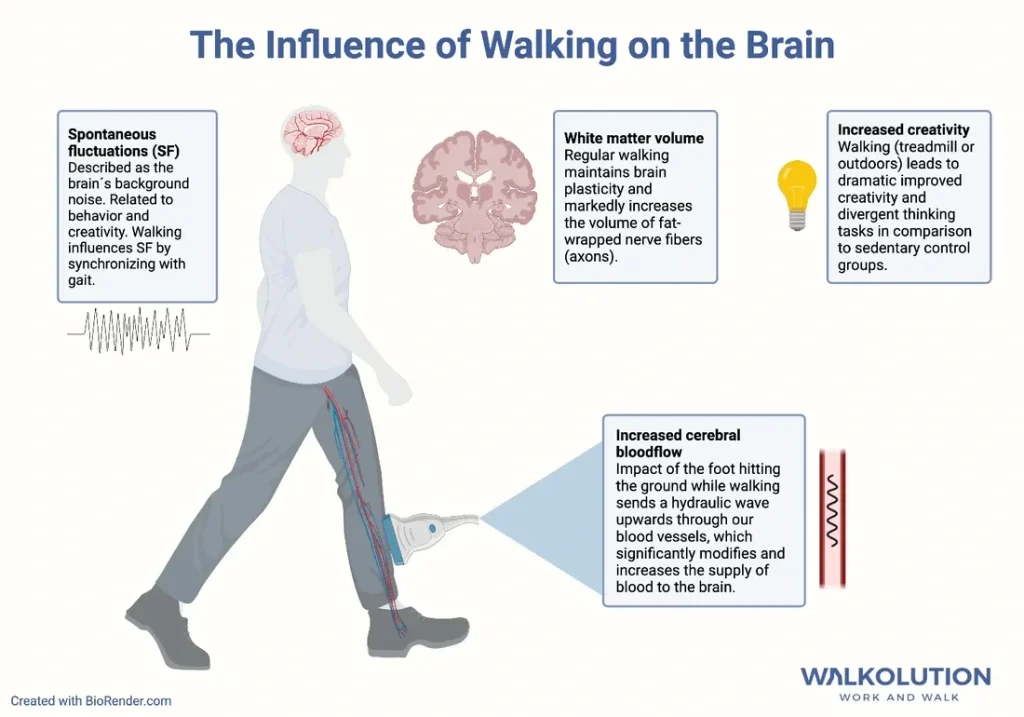
Walking does much more than move your legs. Once the pace becomes brisk enough to raise your breathing and heart rate, the cardiovascular system has to deliver more oxygen-rich blood throughout the body.
The brain benefits from that circulation too.
Repeated aerobic activity can improve cardiovascular fitness, blood pressure regulation, glucose control, and vascular function. Those changes matter because brain health is closely connected to the health of the blood vessels supplying it.
The CDC notes that regular physical activity is associated with better brain health and a lower risk of developing dementia, including Alzheimer’s disease.
A 2024 systematic review and meta-analysis involving 42 randomized trials and 2,881 middle-aged and older adults found that aerobic exercise improved cognitive flexibility, working memory, and inhibitory control.
Those are the mental abilities that help you switch between tasks, hold information in mind, resist distractions, and make decisions.
| Brain Function | Why It Matters in Daily Life | Exercise Evidence |
|---|---|---|
| Working memory | Remembering a phone number or instructions briefly | Improved in a large 2024 analysis |
| Cognitive flexibility | Switching between tasks or strategies | Improved with aerobic exercise |
| Inhibitory control | Ignoring distractions and controlling impulses | Improved with aerobic exercise |
| Planning | Organizing future actions | The benefit was less clear in the same analysis |
Exercise is not guaranteed to improve every cognitive skill equally.
That is another reason to avoid treating physical activity as a miracle cure.
The Brain May Respond Before You Notice Anything
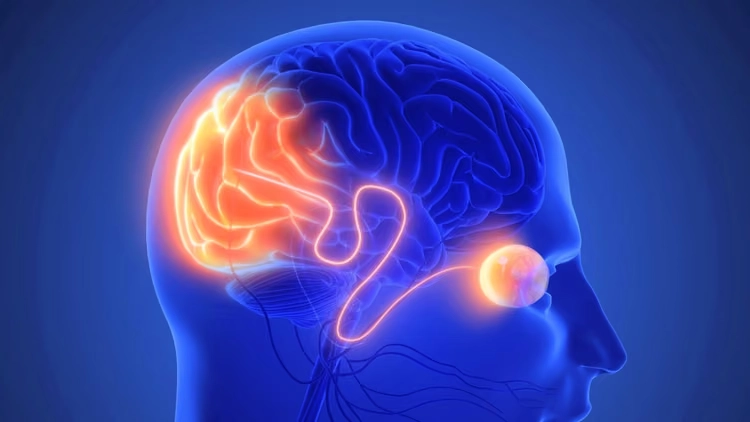
One of the fascinating things about exercise research is that changes do not always begin with an obvious improvement in memory. The body may first become fitter.
Blood vessel function may change. Metabolic health may improve. Neural signaling may adapt. Brain networks may become more efficient.
Only later might those biological changes become noticeable during everyday thinking. Researchers have studied the hippocampus especially closely because it plays an important role in memory and is vulnerable to aging.
A famous randomized trial published in 2011 found that aerobic training increased hippocampal volume and improved memory in older adults.
A 2024 meta-analysis of eight randomized trials involving 554 healthy older people found that aerobic exercise improved cardiorespiratory fitness but did not produce a statistically significant increase in hippocampal volume overall.
That does not mean the exercise failed. It means the brain’s response is more complicated than “walk more and your hippocampus grows.”
A larger recent analysis of 59 randomized trials involving 5,099 participants found beneficial effects of physical exercise on overall brain volume. The researchers noted that exercise may be better at preserving brain tissue from age-related loss than at producing dramatic new growth. Longer programs and better adherence were associated with stronger results.
That may be the more realistic way to think about brain aging. The goal is not necessarily rebuilding a 30-year-old brain. It may be helping your current brain age more slowly and function better.
Brain scans, memory symptoms, and exercise responses differ from person to person. Someone with heart disease, severe arthritis, balance problems, neurological disease, or other medical conditions should discuss a new exercise program with a healthcare professional.
How Much Walking Does the Brain Actually Need?
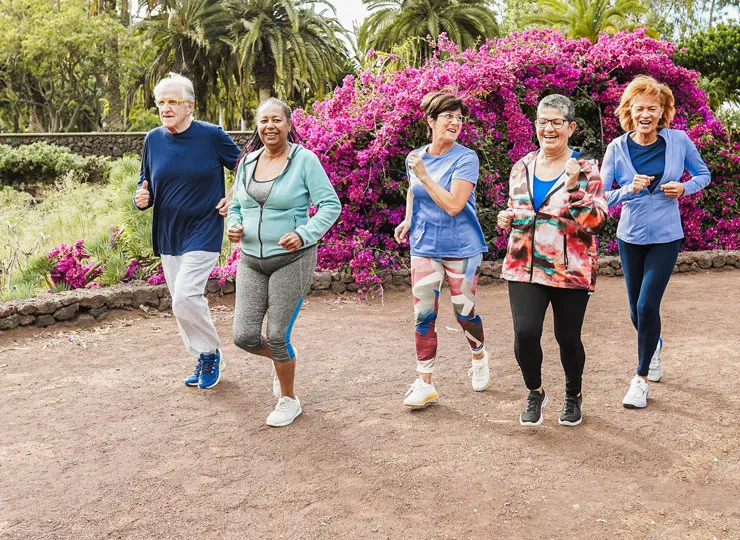
There is no scientifically proven “fastest” walking dose that reverses brain aging. That part of the headline should not be taken literally. But several lines of evidence give us a practical range.
In the FIT4BRAIN study, aerobic sessions lasted about 30 to 40 minutes three times per week. For overall health, current CDC guidance recommends that adults aged 65 and older aim for at least 150 minutes of moderate-intensity aerobic activity each week, along with muscle-strengthening activities at least twice weekly and balance-improving activities.
You do not have to reach 150 minutes immediately. Even short periods count.
| Starting Point | Practical Goal |
|---|---|
| Mostly inactive | Begin with 5 to 10 minutes of comfortable walking |
| Walking occasionally | Build toward 15 to 20 minutes most days |
| Moderately active | Try 30 minutes of brisk walking about 5 days a week |
| Already active | Combine aerobic activity with strength and balance training |
| Balance or mobility limitations | Ask about adapted walking, water exercise, or supervised activity |
Moderate intensity generally means you are working hard enough that your heart rate and breathing rise, but the effort is still manageable.
You should not need to turn every walk into an exhausting workout. Consistency matters more.
The Daily Habit That Actually Works

Try This Today
- Take a 10-minute brisk walk after one meal.
- Walk quickly enough that your breathing becomes noticeably deeper.
- Add a few minutes each week until longer walks feel comfortable.
- Include simple balance or coordination exercises several days each week.
- Aim gradually toward about 150 minutes of moderate activity weekly if your health allows it.
The simplest strategy may be attaching walking to something you already do.
Walk after breakfast. Walk after dinner. Walk while making a phone call.
Removing the need to “find time to exercise” can make regular movement easier to maintain.
Why Doing More Is Not Always Better

People sometimes hear that exercise protects the brain and immediately assume harder workouts must produce bigger results.
The evidence does not support such a simple equation. Exercise studies use different intensities, durations, populations, and training styles.
In the large analysis of brain volume research, sessions lasting roughly 40 to 60 minutes showed particularly strong associations with brain volume outcomes, but that does not establish a perfect dose for every person.
For an inactive 70-year-old, a brisk 15-minute walk may be meaningful exercise. For a highly trained 55-year-old, the same walk may barely raise the heart rate.
Intensity is personal. The best brain exercise is not the program that looks hardest on paper. It is the safe program you will actually continue.
Walking Alone Is Not the Whole Brain Aging Story

This is another place where headlines can oversimplify the science. Physical activity is powerful, but cognitive aging is affected by many factors.
Blood pressure, diabetes, smoking, cholesterol, sleep, hearing, depression, alcohol use, social activity, diet, cardiovascular disease, and genetics can all influence cognitive health.
The World Health Organization’s updated 2026 guidance on reducing cognitive decline and dementia risk emphasizes a broader approach that includes healthy behaviors and management of relevant health conditions.
That means walking should be viewed as a cornerstone rather than a standalone cure.
| Supports Brain Health | Can Work Against Brain Health |
|---|---|
| Regular physical activity | Long periods of inactivity |
| Blood pressure management | Uncontrolled high blood pressure |
| Healthy blood sugar | Poorly controlled diabetes |
| Adequate sleep | Persistent untreated sleep problems |
| Staying socially and mentally engaged | Chronic isolation |
| Not smoking | Tobacco exposure |
Interestingly, one randomized study involving 485 older adults found that an exercise intervention improved fitness, body composition, and sleep but did not significantly change MRI-predicted brain age.
Researchers did find that reductions in body fat, particularly visceral fat, were associated with more favorable brain age changes.
That finding is a useful reminder that science rarely moves in a perfectly straight line. One study can show an encouraging brain age effect, while another does not.
The overall evidence is stronger for saying that physical activity supports healthier brain aging than for claiming exercise can reliably make everyone’s brain biologically younger.
How Quickly Could Your Brain Benefit?
The CDC notes that even a single session of moderate to vigorous activity can provide immediate health benefits, including better sleep quality, reduced anxiety, and lower blood pressure.
Changes in brain structure or cognitive performance generally require more time.
The 2025 FIT4BRAIN program ran for about eight weeks and detected differences in MRI-estimated brain age between the activity and comparison groups.
Other trials studying cognition and brain structure have lasted several months or longer.
So do not judge the value of walking based on whether your memory suddenly feels sharper after Tuesday’s walk.
Brain health is built through repetition.
What If You Have Been Sedentary for Years?

Start smaller than you think you need to. A person who currently walks five minutes is not failing because the recommendation says 150 minutes per week.
Five minutes can become eight. Eight can become twelve.
The CDC specifically advises older adults who cannot meet the full activity recommendations to be as physically active as their abilities and health conditions allow.
The biggest mistake may be setting the first goal so high that exercise feels punishing. A short walk done almost every day has more value than an ambitious routine abandoned after one week.
When Memory Changes Need More Than Exercise

Normal aging can bring occasional forgetfulness. Forgetting where you placed your glasses and remembering later is very different from repeatedly becoming lost in familiar places.
Talk with a healthcare professional if you notice:
- Rapid or significant worsening of memory
- Getting lost in familiar surroundings
- New difficulty managing bills, medicines, meals, or other routine tasks
- Confusion that interferes with normal daily life
A rapid change in thinking can have causes other than normal aging and may require prompt medical assessment. Exercise should never be used to delay evaluation of new neurological symptoms.
