

Reaching 108 is not something anyone can guarantee by eating a short list of foods. But the meals repeated over a lifetime can shape the heart, muscles, blood vessels, brain, and metabolism that determine how well those later years are lived.
That is what makes Hattie’s story worth a closer look. She credits a surprisingly simple group of foods for helping her stay strong into extreme old age, and several overlap with foods researchers have studied for healthy aging.
No one food explains 108 years. But these 9 foods reveal some habits that science says may be worth keeping.
Hattie’s experience is a personal story, not proof that these foods cause exceptional longevity. Genetics, medical care, physical activity, smoking history, sleep, social connection, income, and many other factors influence lifespan. Talk with your healthcare provider before making major dietary changes if you have a medical condition or take medication.
Hattie describes herself as someone who has watched food advice change again and again over more than a century. Her philosophy is simple: eat recognizable foods, enjoy them consistently, and stop expecting one powder, pill, or diet trend to do all the work.
Here is where her nine foods line up with modern evidence, and where the science tells a more complicated story.
| Food | What stands out nutritionally | What research actually suggests |
|---|---|---|
| Black coffee | Polyphenols and caffeine | Moderate intake is associated with lower mortality in several large observational studies |
| Blueberries | Anthocyanins and fiber | May support vascular health and some aspects of cognition |
| Blackberries | Anthocyanins, fiber, vitamin C | Support overall fruit intake and provide deeply colored plant compounds |
| Raspberries | Fiber, anthocyanins, vitamin C | Useful for fiber intake and lower calorie sweetness |
| Fatty fish | EPA, DHA, protein | Regular intake supports cardiovascular health |
| Whole eggs | Choline, protein, lutein, zeaxanthin | Nutrient dense, but intake should fit the person’s overall cholesterol and saturated fat pattern |
| Red meat | Protein, iron, vitamin B12 | Nutrient rich, but high intake is not considered a longevity strategy |
| Fermented foods | Live microbes in some products, fermentation compounds | May influence gut microbial diversity, but effects vary by food and person |
| Raw cacao | Flavanols and theobromine | Cocoa flavanols may support vascular function, but cacao is not a proven lifespan extender |
1. Black Coffee Is Hattie’s Morning Constant

Hattie says she has started mornings with strong black coffee since she was a teenager. Her rule is equally simple: coffee first, but without turning it into dessert with large amounts of sugar and rich creamer.
That part of her habit has some interesting research behind it.
A 2025 analysis of 46,222 United States adults found that coffee consumption was associated with lower all-cause mortality, with much of the association seen among people drinking black coffee or coffee containing little added sugar and saturated fat. Because this was an observational study, it cannot prove that coffee itself prolonged life.
Coffee contains hundreds of plant compounds, including polyphenols such as chlorogenic acids. Researchers continue to study how these compounds may influence glucose metabolism, inflammation, liver function, and blood vessel health.
Hattie says coffee “wakes up the brain.” Caffeine certainly increases alertness in many people, but more is not automatically better.
For an older adult who already tolerates coffee, a small morning cup may be reasonable. People with insomnia, palpitations, reflux, anxiety, or poorly controlled blood pressure may need less caffeine or decaffeinated coffee.
2. Blueberries Bring More Than Sweetness
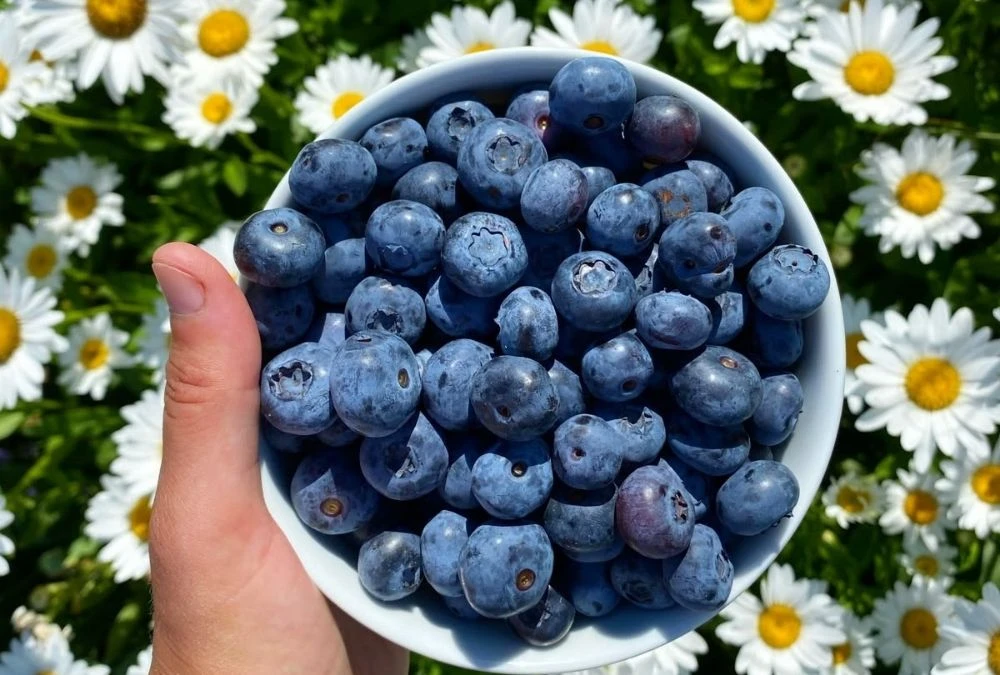
Hattie calls berries “God’s candy,” and blueberries are the first type she reaches for.
Their deep blue color comes largely from anthocyanins, a family of flavonoid pigments. These compounds are being studied for effects on blood vessels, oxidative stress, inflammation, and brain signaling.
A systematic review of blueberry studies found promising results for certain aspects of cognition, particularly among older adults, although the trials were small and not every outcome improved.
That distinction matters. Blueberries are not a dementia treatment, and eating them cannot guarantee that memory will remain sharp. They are, however, an easy way to replace a more heavily processed sweet food with fruit that also supplies fiber and plant compounds.
A practical serving is roughly a small handful or about half a cup to one cup, fresh or frozen. Frozen berries still count. They can be easier to keep on hand and may cost less than fresh berries out of season.
3. Blackberries Give Hattie Another Dose of Dark Plant Pigments
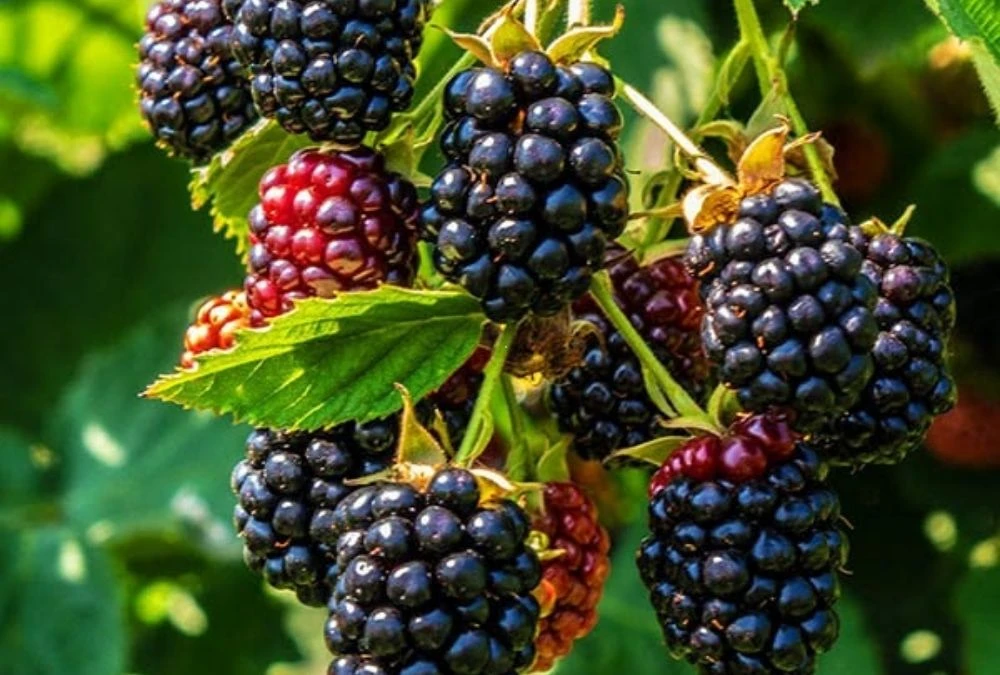
Blackberries were another berry Hattie mentioned from childhood, when berries were picked directly from bushes rather than purchased in plastic containers.
Their dark color also comes from anthocyanins.
Blackberries have another advantage that matters more with age: fiber. Adequate fiber supports bowel regularity, helps feed gut microbes, and can contribute to cholesterol and blood sugar control.
Instead of thinking of blackberries as a medicine, think of them as one more way to increase whole fruit intake without relying on juice. Whole fruit keeps the fiber structure that juice largely removes.
A Better Way to Use the First Three Foods
| Instead of this | Try this | Why the swap can help |
|---|---|---|
| Coffee loaded with syrup and cream | Mostly black coffee with a small amount of milk if desired | Keeps added sugar and saturated fat lower |
| Pastry with morning coffee | Coffee plus a bowl of blueberries | Adds fiber and anthocyanin-rich fruit |
| Candy for an afternoon sweet | Chilled blackberries | Provides sweetness with fiber and water |
| Fruit juice | Whole berries | Whole fruit retains more fiber and requires more chewing |
| Sugary flavored yogurt topping | Fresh or frozen berries | Adds flavor without needing as much added sugar |
4. Raspberries Turn Dessert Into a Fiber Opportunity

Raspberries round out Hattie’s berry trio.
They are tart, naturally sweet, and rich in fiber relative to many fruits. That makes them useful for older adults who struggle to eat enough fiber as appetite and food variety decline.
Fiber does more than affect bowel movements. Gut bacteria ferment certain fibers into compounds called short-chain fatty acids, which help support cells lining the colon and participate in metabolic and immune signaling.
That does not mean raspberries alone can reshape the gut microbiome. It means that regularly eating fiber-rich whole foods gives gut microbes more material to work with.
Try adding raspberries to breakfast, eating them with plain yogurt, or using them in place of a sugary dessert several times per week. If chewing seeds is difficult because of dental problems or digestive disease, another fruit may be easier to tolerate.
5. Fatty Fish Gives Hattie the Fats Modern Heart Guidelines Still Recommend
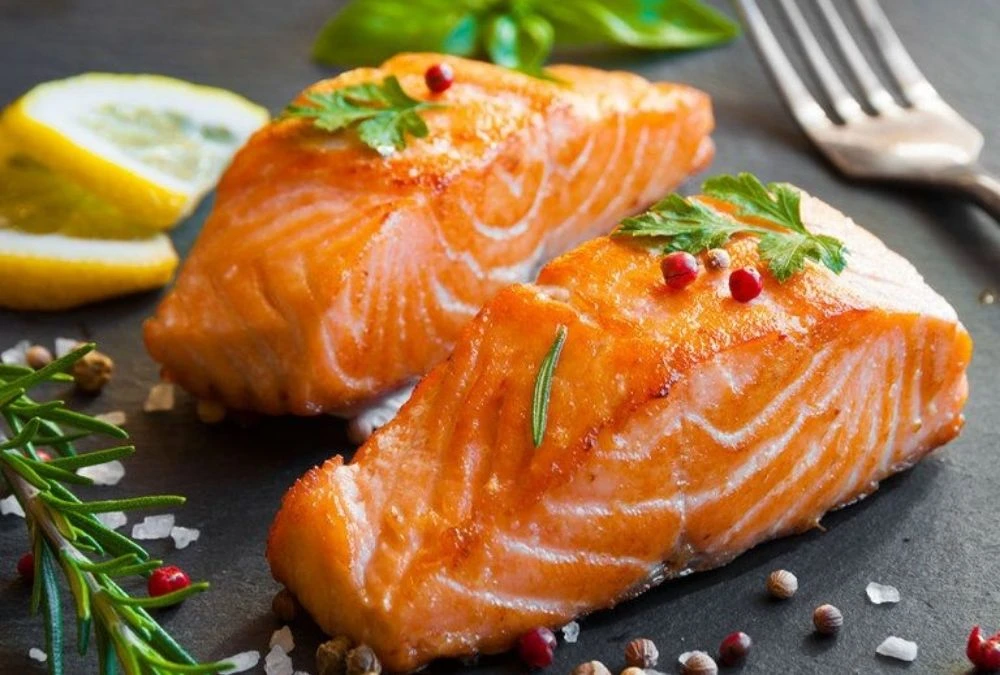
Hattie specifically names salmon, sardines, and mackerel.
These fish contain the long-chain omega-3 fats EPA and DHA, along with high-quality protein. Hattie describes them as fuel for the brain, which is an oversimplification, but EPA and DHA do play important roles in cell membranes and normal nervous system function.
The strongest practical evidence is cardiovascular.
The American Heart Association recommends two servings of fish per week, particularly fatty fish. One serving is about 3 ounces cooked. Regular seafood intake is consistently associated with lower cardiovascular risk.
Hattie’s statement that people should simply ignore mercury concerns goes too far.
Fish species differ greatly in mercury content, and choosing a variety of seafood is wiser than dismissing contamination entirely. Sardines and salmon are commonly chosen because they supply omega-3 fats without being among the highest mercury fish.
For many older adults, canned sardines can also be practical. They are inexpensive, shelf-stable, and soft enough for people who find tougher meats difficult to chew.
Food recommendations become more individual with age. Kidney disease, heart failure, diabetes, swallowing problems, anticoagulant use, food allergies, or significant unintended weight loss can change what an appropriate diet looks like. A doctor or registered dietitian can help personalize portions and food choices.
6. Whole Eggs Are Nutrient Dense, but Hattie’s Bacon Grease Rule Needs an Update

Hattie is fiercely protective of the egg yolk.
She has a point about where many nutrients are found. One large hard-boiled egg provides about 147 milligrams of choline, according to the National Institutes of Health. Choline is needed for cell membranes and production of the neurotransmitter acetylcholine.
Egg yolks also contain lutein and zeaxanthin, carotenoids found in the eye.
Where Hattie goes beyond the evidence is her claim that eating two eggs fried in bacon grease proves concerns about heart disease were false. One person’s survival cannot establish whether a food raises or lowers risk.
The American Heart Association notes that healthy people can generally include up to one whole egg per day within an overall heart-healthy eating pattern. It also emphasizes that dietary cholesterol should be considered alongside saturated fat and the total diet.
For an older adult, an egg can be particularly useful because it provides protein in a compact, easy to chew form.
Boiled, poached, scrambled, or cooked with a small amount of unsaturated oil is a different nutritional package from eggs regularly fried in bacon fat.
7. Red Meat Is Where Hattie’s Advice Needs the Most Context
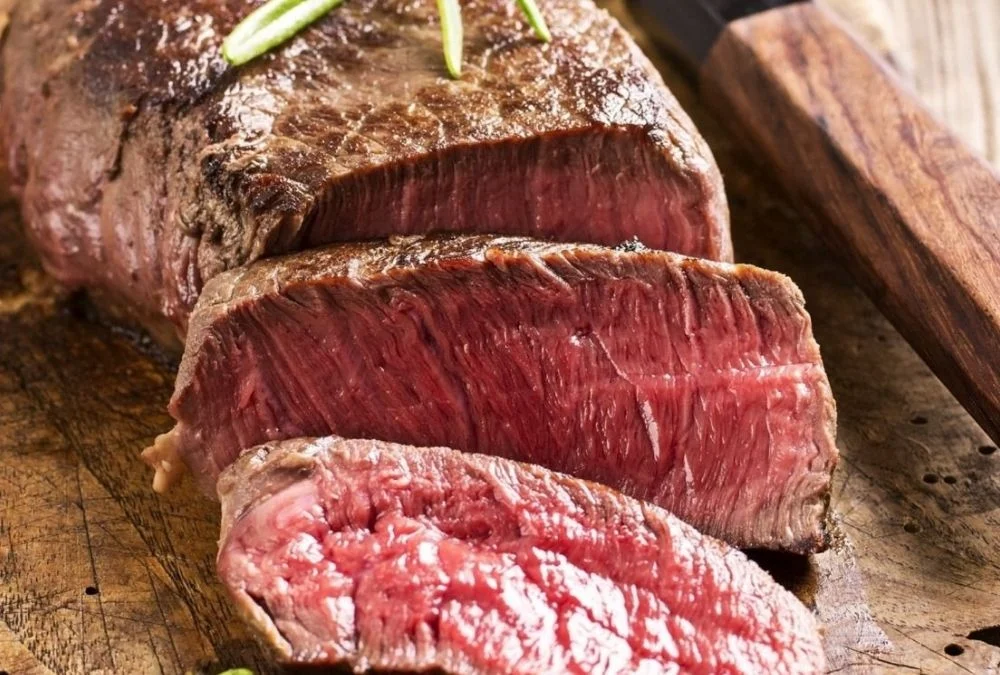
Hattie believes red meat helped keep her blood and muscles strong.
There is a real nutritional reason behind that belief. Beef can provide protein, iron, vitamin B12, zinc, and choline. These nutrients matter for muscle maintenance, red blood cell production, and normal nerve function.
But that does not make large amounts of red meat a proven longevity food.
Current cancer prevention guidance generally recommends limiting red meat and avoiding or minimizing processed meat. The World Health Organization’s cancer agency classifies processed meat as carcinogenic to humans and red meat as probably carcinogenic, based mainly on evidence involving colorectal cancer.
The distinction between red meat and processed meat matters.
| Choice | Main nutritional issue | Practical approach |
|---|---|---|
| Lean beef | Protein, iron, B12, but can contribute saturated fat depending on cut | Keep portions moderate and choose leaner cuts |
| Fatty beef | More saturated fat | Eat less often if LDL cholesterol is elevated |
| Bacon and sausage | Processed meat, sodium, saturated fat | Better treated as occasional foods |
| Very charred meat | High heat cooking can form potentially harmful compounds | Avoid routinely burning or heavily charring meat |
| Small serving of lean red meat | Can contribute useful nutrients | Fit it into a diet that also contains fish and plant foods |
Hattie also says tiredness means a person needs red meat. That is too simple.
Fatigue can come from iron deficiency, vitamin B12 deficiency, anemia, thyroid disorders, poor sleep, infection, medication effects, heart disease, depression, cancer, or many other causes.
Eating steak without knowing the cause can delay the diagnosis that actually matters.
Try This Today: Hattie’s Foods Without the Extremes
- Drink coffee mostly unsweetened if you tolerate caffeine.
- Keep one or two types of frozen berries available so fruit is easy to eat every day.
- Put fatty fish on the menu about twice each week.
- Use eggs as a convenient protein source, but consider the whole meal rather than judging the egg alone.
- Treat red meat as one food in the diet, not as a medicine for weakness.
8. Fermented Foods May Affect the Gut, but “Alive” Does Not Always Mean Better

Hattie grew up eating sauerkraut, pickles, and buttermilk.
Today these fall under the broad label of fermented foods, though not every product on a supermarket shelf contains live microbes by the time it is eaten.
The gut microbiome is much more complicated than the simple “good bacteria versus bad bacteria” picture often used online.
Still, fermented foods are genuinely interesting.
In a 17-week randomized study involving 36 adults, a diet rich in fermented foods increased microbiome diversity and reduced several inflammatory markers. That study was small, however, so it should not be treated as proof that fermented foods prevent disease or prolong life.
Newer trials have also shown why caution is needed. An eight-week study involving 87 adults who ate 100 grams of fermented vegetables at least five times each week did not find significant improvements in several inflammatory markers or overall microbial diversity.
In other words, Hattie’s “gut garden” metaphor is memorable, but the biology is more complicated.
If you enjoy sauerkraut or fermented pickles, a few forkfuls alongside a meal is a simple place to start. Check sodium levels if you have high blood pressure, heart failure, or have been told to restrict salt.
Buttermilk can also contribute protein and calcium, depending on the product.
9. Raw Cacao Has Interesting Flavanols, but It Is Not a Mitochondria Miracle
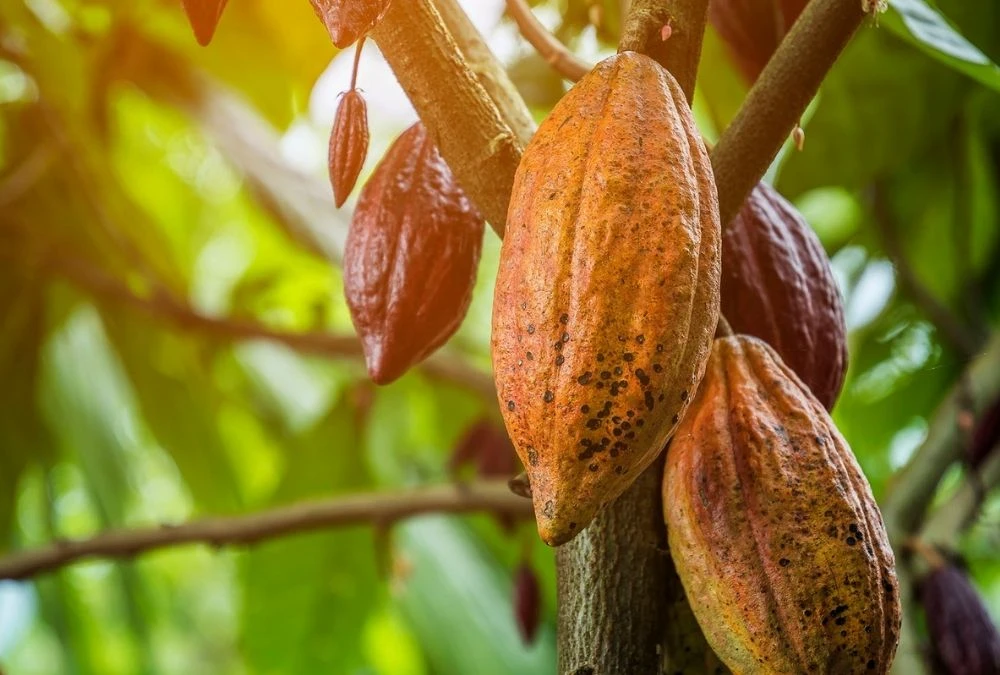
Hattie’s final food is raw cacao.
She adds a spoonful to her coffee and describes it as her private brain-boosting trick.
Cacao does contain flavanols, including compounds related to epicatechin, which have been studied for effects on blood vessel function. Cocoa also contains theobromine and some caffeine.
The strongest large trial is COSMOS, which enrolled 21,442 older adults. Participants receiving cocoa flavanol extract did not have a statistically significant reduction in the trial’s primary combined cardiovascular outcome, although cardiovascular deaths were lower in the cocoa group and researchers said more study was needed.
That is promising, but it is not proof that a spoonful of cacao powder prevents heart disease.
Hattie’s claim about PQQ creating new mitochondria also needs correction. PQQ has attracted research interest, but ordinary cacao should not be presented as a clinically proven way to regenerate mitochondria in humans.
Unsweetened cacao gives chocolate flavor without the large amount of added sugar found in many candy bars. A teaspoon mixed into coffee, oatmeal, or plain yogurt can be a reasonable way to use it if you enjoy the bitter taste.
What Hattie’s 108 Years Can Teach Without Turning Her Story Into a Prescription

There is something compelling about hearing a 108-year-old describe the foods that stayed on her table while the world changed around her.
But longevity research rarely works by finding one person who lived an unusually long time and copying breakfast.
Centenarians are unusual partly because biology is complicated. Genetics, infections survived decades earlier, access to medical care, physical movement, tobacco exposure, social relationships, sleep, body weight, environment, and simple chance all contribute.
Hattie herself eventually makes the same point in a different way. She says food is the fuel, but it is not the whole engine. That may be the most useful part of her story.
What the Evidence Can and Cannot Tell Us
| Claim | What we can reasonably say | What would go too far |
|---|---|---|
| Coffee can fit a healthy diet | Moderate intake is associated with lower mortality in several large studies | Coffee guarantees longer life |
| Berries are good for the brain | Anthocyanin-rich berries are being studied for cognition and vascular health | Berries prevent dementia |
| Fatty fish benefits the heart | Two weekly servings fit major heart health guidance | Fish eliminates heart attack or memory loss risk |
| Eggs are nutritious | Eggs provide protein and choline | Everyone should eat two eggs daily regardless of medical history |
| Red meat contains useful nutrients | Lean red meat supplies protein, iron, B12, and other nutrients | More red meat means greater longevity |
| Fermented foods affect the gut | Some trials show changes in microbiome diversity or inflammatory markers | Sauerkraut permanently fixes the microbiome |
| Cacao contains flavanols | Cocoa compounds may influence vascular function | Cacao creates new mitochondria and explains extreme longevity |
The Real Pattern Behind Hattie’s 9 Foods
Hattie’s list is not a perfect modern nutrition plan.
Coffee and berries fit comfortably within many healthy eating patterns. Fatty fish has particularly strong support for cardiovascular health, while eggs can provide valuable protein and choline.
Fermented foods and cacao are interesting but still easy to oversell.
Red meat deserves the most restraint. It contains valuable nutrients, but current evidence does not support presenting heavy red meat consumption as a route to exceptional longevity.
The bigger lesson may be consistency.
Hattie’s foods are mostly recognizable foods rather than elaborate supplements or short-lived diet products. She also connects eating with something nutrition research cannot put neatly into a pill bottle: having reasons to get up, people to care about, and everyday routines that make life feel worth living.
Her final message is less dramatic than the headline, but more useful.
Food can support a long life. It cannot promise one.
This article is for informational purposes only and is not a substitute for professional medical advice, diagnosis, or treatment. Nutrition needs can change substantially with age and medical history. Always consult your doctor or another qualified healthcare professional before making major changes to your diet, supplements, exercise routine, or medications, especially if you have an existing health condition.
