
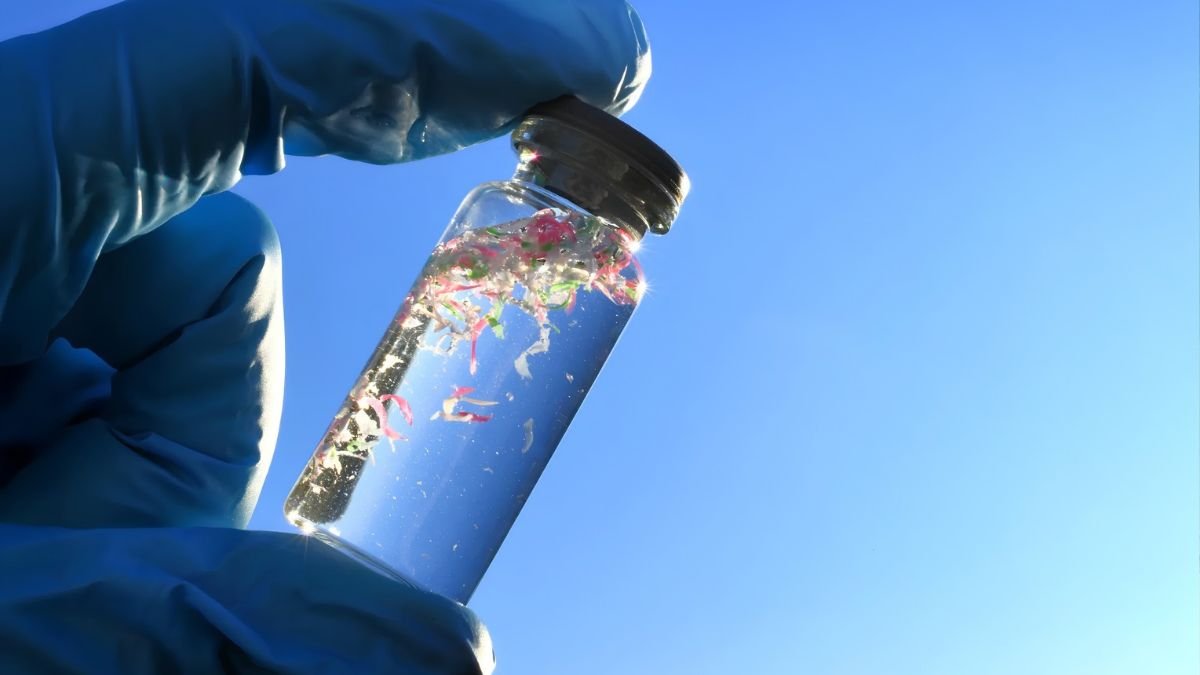
Microplastics are entering the body through food, water, packaging, and even the air, and scientists have now detected them in human tissues, including the brain. The uncomfortable part is that there is no proven cleanse that can remove accumulated plastic.
But there is one everyday habit that may help where much of our exposure begins: inside the gut. It is surprisingly simple, costs very little, and most people should probably be doing more of it anyway.
That habit is eating more fiber-rich whole foods.
Before making major dietary changes, talk with your doctor if you have a digestive condition, take medication, or have been advised to follow a restricted diet. Research into microplastics and human health is still developing.
What Scientists Are Actually Finding Inside the Human Body
Microplastics are generally defined as plastic particles smaller than 5 millimeters. Even smaller particles are often described as nanoplastics.
A 2025 study in Nature Medicine detected microplastics and nanoplastics in human brain, liver, and kidney tissue. Researchers found substantially higher concentrations in brain samples than in liver or kidney samples, with polyethylene making up much of the material detected.
The study also compared tissue collected in different years. Median plastic concentrations in brain samples were higher in specimens collected in 2024 than those collected in 2016. Researchers stressed that these findings show presence and association, not proof that the particles caused disease.
That distinction matters.
Scientists are investigating possible connections with inflammation, oxidative stress, gut barrier changes, hormone signaling, and other biological effects. A recent systematic review of human research found recurring associations with inflammatory and oxidative stress markers, but direct proof that microplastics cause specific chronic diseases remains limited.
| What Research Shows | What It Does Not Yet Prove |
|---|---|
| Microplastics have been detected in human tissues | That plastic particles directly cause dementia |
| People are exposed through food, water, and air | That one food can remove plastic from the brain |
| Experimental studies suggest inflammation and oxidative stress are possible mechanisms | That everyone with higher exposure will develop disease |
| Microplastics interact with the gastrointestinal tract | That a commercial detox can clear them from the body |
So the useful question is not, “Which miracle cleanse removes all plastic?”
It is, what can you reasonably do to lower what enters your body and support the systems that already move waste through it?
The Best Way to Detox Microplastics Starts With the Gut
This is where dietary fiber becomes interesting.
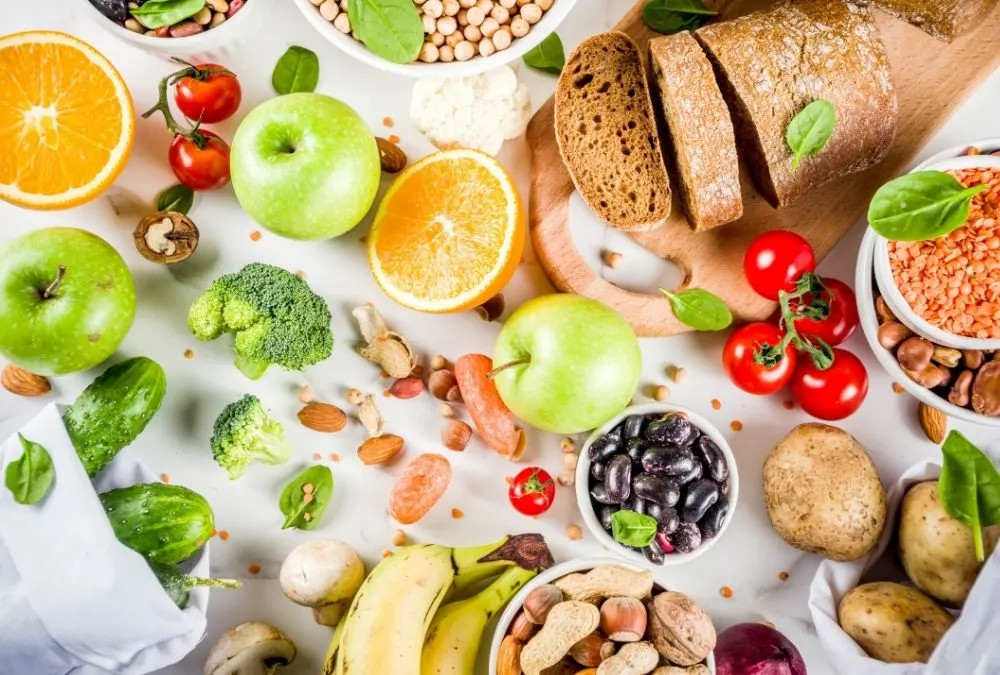
Fiber is the part of plant food that your digestive enzymes cannot fully break down. Instead of disappearing during digestion, much of it travels through the gastrointestinal tract, adds bulk to stool, interacts with gut bacteria, and helps keep bowel movements regular.
That makes fiber relevant when discussing particles that enter through food.
Current research does not prove that eating oats or beans pulls plastic out of the brain. That claim would go far beyond the evidence.
Researchers are instead investigating whether fiber may influence intestinal exposure, particle movement, gut barrier health, and the inflammatory response associated with ingested microplastics. A 2026 review specifically identified higher fiber intake as one possible dietary strategy worth studying for reducing intestinal burden and supporting gut health.

Fiber works through several pathways that make it worth paying attention to.
First, fiber increases stool bulk and can support normal intestinal movement. Material that remains inside the digestive tract has a route out of the body rather than remaining there indefinitely.
Second, certain fibers are fermented by beneficial gut bacteria.
Those bacteria produce compounds called short-chain fatty acids. These compounds, particularly butyrate, help support cells lining the colon and play a role in maintaining the intestinal barrier and regulating inflammation.
This matters because researchers studying microplastics are increasingly interested in gut barrier dysfunction and changes in the microbiome as possible mechanisms of harm. Reviews of experimental evidence repeatedly identify oxidative stress, inflammation, microbiome disruption, and damage to intestinal barrier integrity as areas of concern.
Fiber does not make you plastic-proof. It simply supports a digestive environment that may be better equipped to handle what passes through it.
You Do Not Need a Special “Detox Food”
There is no single fruit, powder, or supplement that has been shown to cleanse stored microplastics from human organs.
A better approach is to eat several types of fiber because different gut microbes prefer different plant carbohydrates.
Beans may provide resistant starch and fermentable fiber. Oats contain beta-glucan. Apples contain pectin. Nuts, seeds, vegetables, and berries bring still more types of fiber and beta-glucans.
| Food | Useful Fiber Feature | Simple Way to Eat It |
|---|---|---|
| Oats | Rich in soluble beta glucan | Use plain oats for breakfast |
| Lentils | Fiber plus resistant starch | Add to soup or salads |
| Black or white beans | High total fiber | Add half a cup to meals |
| Apples and pears | Pectin and insoluble fiber | Eat the washed skin when appropriate |
| Chia seeds | Concentrated soluble and insoluble fiber | Stir into yogurt or oats |
| Ground flaxseed | Fiber plus plant compounds | Add to cereal or smoothies |
| Berries | Fiber plus polyphenols | Use fresh or frozen |
| Vegetables | Diverse plant fibers | Include several colors across the day |
| Nuts | Fiber plus unsaturated fats | Choose a small handful as a snack |
The goal is not to chase one “best” fiber.
Variety is the advantage.
Different plant foods feed different microbial populations, and a diverse diet gives the gut more raw material to work with.
People with inflammatory bowel disease, swallowing difficulties, severe constipation, previous bowel surgery, or other gastrointestinal conditions may need individualized fiber advice. Increasing fiber very quickly can also cause gas, bloating, or discomfort.
More Fiber Is Not a License to Ignore Plastic Exposure
You cannot completely avoid microplastics. They have been detected across food, beverages, the environment, and the air people breathe. But exposure is not necessarily all or nothing.
A useful strategy is to focus on repeated habits that put food and drinks in contact with plastic, particularly when heat is involved.
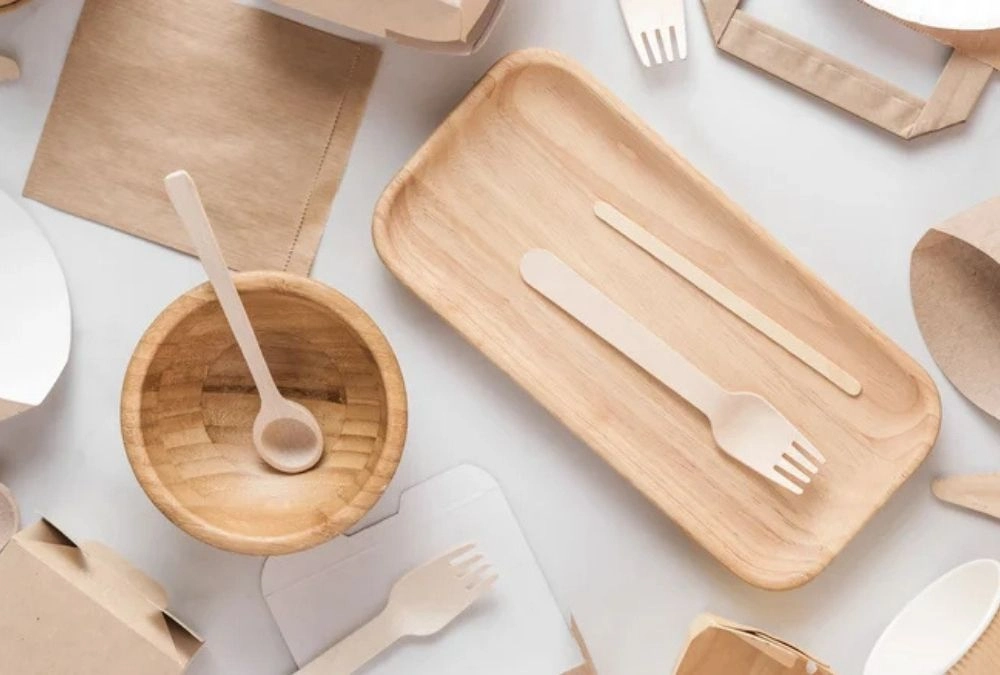
Cleveland Clinic physicians recommend practical measures such as using glass, ceramic, or metal food storage when possible and keeping bottled water away from excessive heat and direct sunlight. They also stress that avoiding dehydration is far more important than refusing bottled water when that is the safe water available.
That is a far more realistic message than throwing every plastic item out of the house.
The Daily Habit That Actually Makes Sense
- Add one extra whole food fiber source to breakfast or lunch.
- Use glass, ceramic, or stainless steel for hot foods when convenient.
- Avoid leaving bottled water in a hot car or direct sunlight.
- Drink enough water as you increase fiber.
- Rotate beans, oats, vegetables, fruit, nuts, and seeds instead of relying on one food.
These changes are boring compared with a seven-day detox.
That is exactly why they are useful. You can actually keep doing them.
Whole Foods May Make More Sense Than a “Detox” Supplement

Fiber powders can be helpful for some people, particularly when a clinician recommends them for constipation or another digestive problem.
But buying a supplement specifically to “remove microplastics” is not supported by current evidence.
There is another reason to be cautious about clever marketing. A 2024 study tested nine commercially available fiber supplements in Australia and detected microplastic particles in every product tested. Powder products generally contained more particles at the manufacturers’ suggested adult serving than gummy products.
That was a small product survey, so it does not prove all fiber supplements are contaminated. It does show why claims about a special microplastic detox powder deserve skepticism.
If you can meet more of your fiber needs with beans, oats, vegetables, fruit, nuts, and seeds, you get fiber along with vitamins, minerals, and thousands of natural plant compounds.
What About Water?
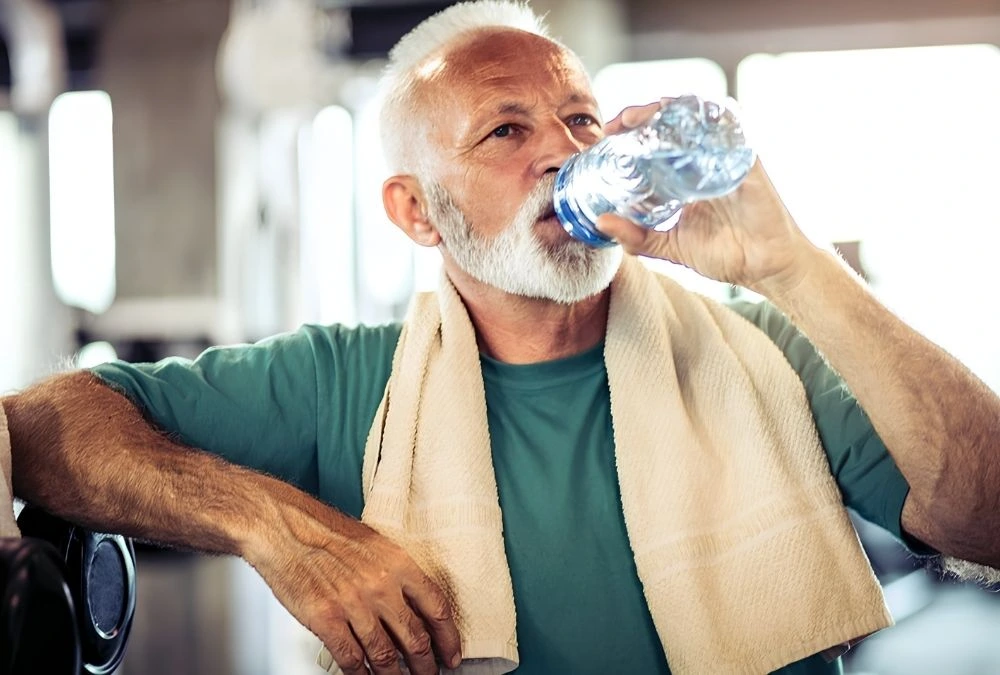
Water does not dissolve plastic particles out of tissues.
It does, however, help normal digestion and makes increasing dietary fiber more comfortable. Fiber absorbs water, which contributes to softer stool and easier movement through the digestive tract.
Hydration therefore supports the ordinary elimination process. It should not be sold as a special microplastic flush.
There is also no reason to become dehydrated because the only available water comes in a plastic bottle. Cleveland Clinic specifically warns that dehydration poses a much more immediate health threat.
The Plastic Habits Worth Changing First
Trying to eliminate every plastic exposure can become expensive and exhausting.
Focus first on changes that are easy, repeatable, and involve food contact.
| Instead of This | Try This When Practical | Why It Makes Sense |
|---|---|---|
| Heating food in ordinary plastic containers | Glass or ceramic | Reduces hot food contact with plastic |
| Leaving bottled water in a hot vehicle | Store it somewhere cool | Heat can increase migration from packaging |
| Storing hot leftovers directly in plastic | Let food cool and use glass or metal | Limits repeated heat contact |
| Using heavily packaged foods for most meals | Cook more whole foods | Reduces packaging contact while improving fiber intake |
| Depending on one fiber powder | Mix several whole food fiber sources | Supports greater dietary and microbial diversity |
You do not have to become afraid of packaging.
The aim is simply to reduce unnecessary exposure where an easy alternative already exists.
Can Fiber Remove Microplastics Already in the Brain?
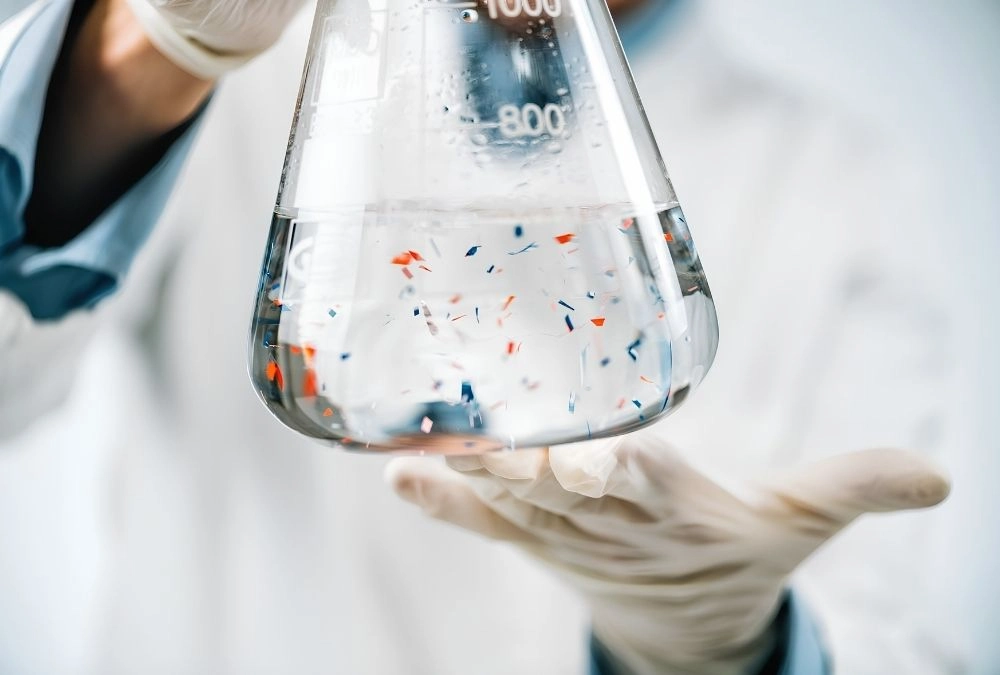
There is currently no good human evidence showing that dietary fiber removes microplastics that have accumulated in the brain. That is one of the biggest distinctions this topic needs.
Researchers have confirmed that plastic particles can be present in brain tissue. They have not established a food, medication, supplement, or medical procedure that reliably clears those particles from the human brain.
Fiber acts primarily inside the digestive system.
Its most reasonable role is therefore earlier in the process, supporting gut function and potentially affecting what happens to ingested particles before or while they interact with the intestinal barrier.
How Quickly Would This “Detox” Work?
There is no scientifically established detox timeline. Claims that microplastics leave the body after three days, seven days, or a month of a particular diet are not backed by solid human evidence.
Some ingested material travels through the gastrointestinal tract and leaves in stool. Very small particles that cross biological barriers present a much harder scientific question.
So think of this less as a cleanse and more as an ongoing exposure reduction strategy.
You eat every day. You drink every day. Your digestive tract works every day.
That makes daily habits more meaningful than a short burst of extreme restriction.
The Simplest Strategy Is Also the Least Dramatic

If someone promises to pull plastic out of your brain with a tea, powder, juice cleanse, or supplement, the evidence has not caught up with the promise.
What scientists can say with much more confidence is that microplastics are reaching the human body and that reducing unnecessary exposure is reasonable while researchers work out the long-term health consequences.
Fiber-rich whole foods fit into that strategy because they support bowel function, gut bacteria, and intestinal barrier health. They also improve the overall quality of the diet for reasons that go well beyond microplastics.
So the “shockingly simple” answer is not a magic detox.
Eat more varied plant fiber, reduce avoidable plastic contact with food, stay hydrated, and let your body’s normal digestive system do the job it already knows how to do.
This article is for informational purposes only and does not replace professional medical advice, diagnosis, or treatment. Research on microplastics in humans is still evolving. Speak with your doctor or another qualified healthcare professional before making major dietary changes, especially if you have an existing medical condition or take medication.
