

A blood pressure reading like 138/76 can be confusing because one number looks high while the other seems perfectly normal. Focusing only on the lower number can make you overlook a blood pressure pattern tied to a higher risk of stroke, heart disease, and artery damage.
The top and bottom numbers are not interchangeable, and age changes what each one can tell you. One number usually carries more weight, especially after 50, but the other still contains information your doctor does not want to ignore.
The difference becomes much clearer once you understand what each number is actually measuring.
Blood pressure readings should be interpreted in the context of your overall health and repeated measurements. Do not start, stop, or change blood pressure medication based on a single reading without speaking with your healthcare professional.
What Do the Top and Bottom Blood Pressure Numbers Actually Mean?
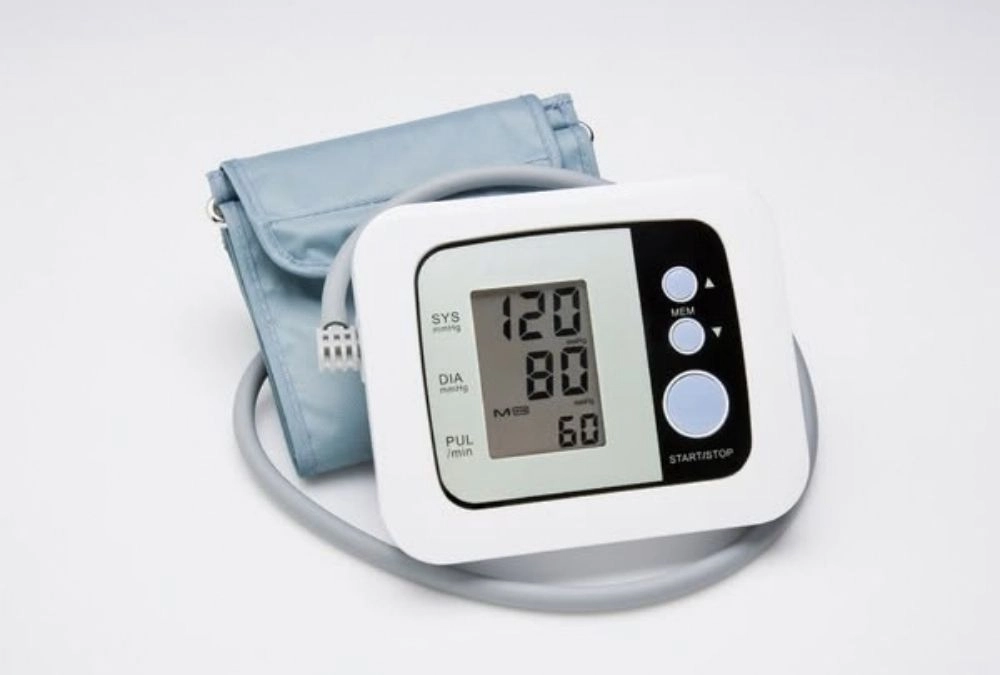
Blood pressure is the force of blood pushing against the walls of your arteries. Every reading contains two measurements because the pressure changes as your heart moves through its pumping cycle.
The top number is systolic blood pressure. It measures the pressure inside your arteries when your heart contracts and sends blood forward.
The bottom number is diastolic blood pressure. It measures arterial pressure while your heart relaxes and fills with blood between beats.
Think about a garden hose connected to a pump. Systolic pressure reflects the stronger surge when the pump pushes water forward, while diastolic pressure reflects the pressure that remains between pushes.
| Measurement | What It Represents | When It Occurs | Why Doctors Watch It |
|---|---|---|---|
| Systolic | Pressure against artery walls during a heartbeat | When the heart contracts | Strong predictor of heart attack and stroke risk, particularly after 50 |
| Diastolic | Pressure against artery walls between beats | When the heart relaxes | Still independently associated with cardiovascular risk |
| Pulse pressure | Difference between systolic and diastolic values | Calculated from both numbers | A wider gap can become more common as large arteries stiffen with age |
Neither number exists in isolation. The pattern between them can tell doctors more than either number alone.
So, Which Blood Pressure Number Is More Dangerous?
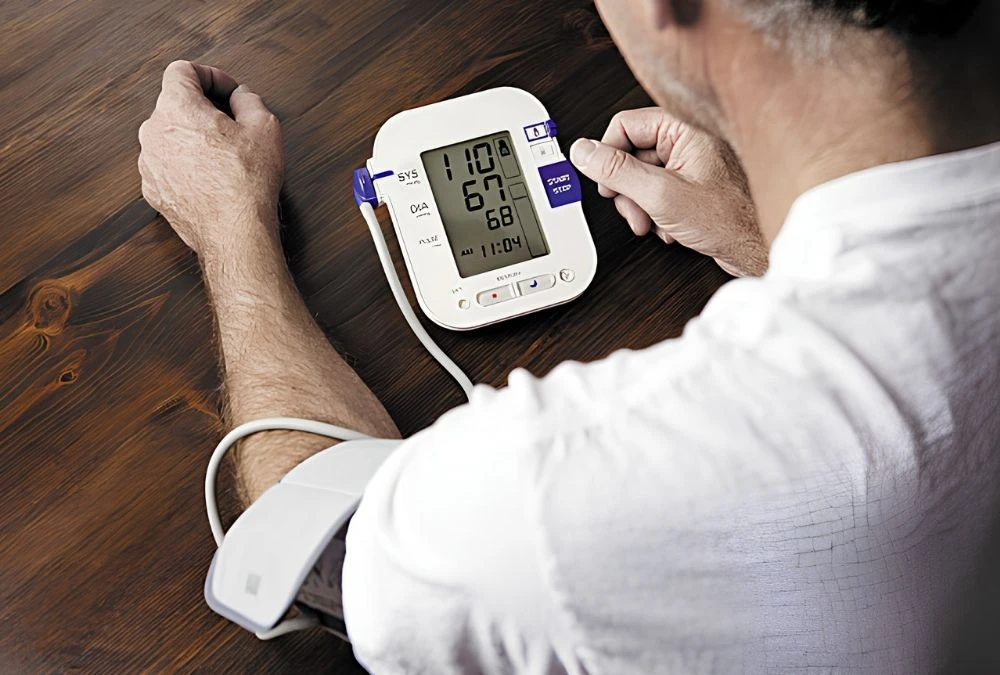
If you want the shortest answer, systolic blood pressure usually deserves more attention when estimating cardiovascular risk, particularly in middle-aged and older adults.
The American Heart Association notes that systolic pressure provides more information about heart disease risk in people over 50. Large arteries become stiffer with age, plaque can accumulate, and cardiovascular disease becomes more common.
That does not mean the bottom number stops mattering.
A major study published in the New England Journal of Medicine examined 1,316,363 adults and more than 36.7 million blood pressure measurements over eight years. Researchers recorded 44,286 heart attacks and strokes during that period.
The study found that higher systolic pressure had a stronger relationship with adverse cardiovascular events. However, elevated diastolic pressure independently predicted risk as well.
That is the key point many simple blood pressure explanations miss.
The top number often tells doctors more about overall cardiovascular risk, but the bottom number is not a number you can simply ignore.
Why the Top Number Often Climbs After 50
Arteries are not rigid pipes. Healthy arteries expand slightly when the heart ejects blood, then recoil as the heart relaxes.
That flexibility helps absorb some of the force created with each heartbeat.
As people get older, major arteries gradually become stiffer. The National Institute on Aging specifically identifies age-related arterial stiffening as a reason systolic pressure often rises in older adults.
When an artery cannot expand as easily, more of the force generated by the heartbeat remains as pressure. The systolic number can therefore climb even when the diastolic number remains below 80.
This creates a common condition called isolated systolic hypertension.
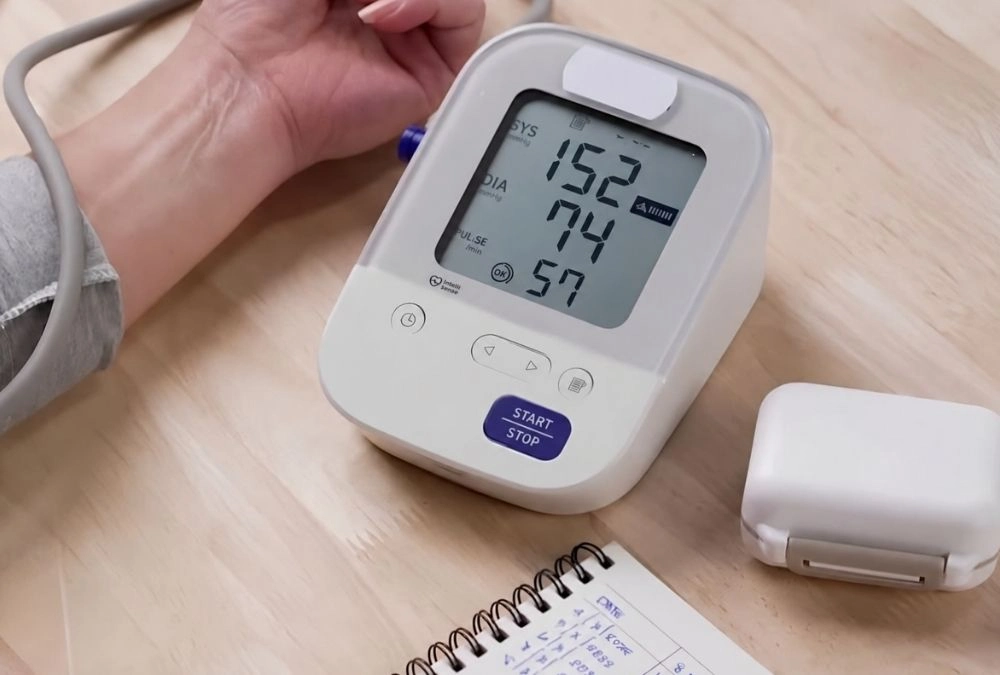
A reading such as 152/74 is a good example. The bottom number might look reassuring, but the systolic number is still high enough to matter.
Isolated systolic hypertension is the most common type of high blood pressure in older adults, according to the National Institute on Aging. It can contribute to heart disease, stroke, kidney problems, and other complications if it remains uncontrolled.
A Reading Like 138/76 Is Not “Fine” Just Because 76 Looks Good

This is where many people get tripped up.
Current American Heart Association categories classify blood pressure based on whichever number places you in the two numbers. A systolic reading between 130 and 139, or a diastolic reading between 80 and 89, falls within Stage 1 hypertension.
So 138/76 is not considered normal simply because the diastolic pressure is below 80.
| Example Reading | What Stands Out | AHA Category Based on the Higher Number |
|---|---|---|
| 118/76 | Both numbers below threshold | Normal |
| 126/76 | Systolic is 120 to 129 | Elevated |
| 138/76 | Systolic is 130 to 139 | Stage 1 hypertension |
| 126/86 | Diastolic is 80 to 89 | Stage 1 hypertension |
| 146/78 | Systolic is 140 or higher | Stage 2 hypertension |
| 118/92 | Diastolic is 90 or higher | Stage 2 hypertension |
One unusual reading does not automatically mean you have chronic hypertension. Doctors usually care more about a pattern of properly measured readings than one isolated number.
Individual blood pressure targets can differ with age, medications, pregnancy, kidney disease, heart disease, diabetes, and other medical conditions. Ask your healthcare professional what range is appropriate for you rather than adjusting treatment from a chart alone.
The Bottom Number Still Matters, Especially When You Are Younger

Diastolic blood pressure was once given far more attention than systolic pressure. Medical thinking changed as larger studies showed that systolic blood pressure has substantial predictive power, especially with age.
Yet newer evidence does not support treating diastolic pressure as irrelevant.
One long-running analysis discussed by the American Heart Association followed more than 107,000 adults ages 19 to 97. Systolic pressure was a strong predictor of cardiovascular risk across ages, while diastolic pressure added useful predictive information particularly in people younger than 50.
The large New England Journal of Medicine study reached a similar broad conclusion. Both elevated systolic and elevated diastolic pressure independently influenced cardiovascular risk, although systolic pressure had the greater effect.
That means a younger adult repeatedly seeing 122/92 should not dismiss the reading because the top number looks good.
The diastolic value of 92 is still abnormal.
There Is Another Number Hiding Inside Your Reading

Take a reading of 160/70. Subtract 70 from 160, and you get 90. That difference is called pulse pressure.
Pulse pressure tends to widen as large arteries become less flexible. This is one reason an older adult may gradually develop a higher systolic pressure while the diastolic pressure remains stable or even falls.
A wide pulse pressure is not something you should diagnose yourself from a single measurement. Age, medications, heart conditions, measurement technique, and other factors can all influence the gap.
Still, it gives doctors another clue about the relationship between the heart and the arteries.
For example, 150/90 and 150/65 share the same systolic number, but the pressure patterns are not identical. The second reading produces a much wider pulse pressure.
That difference may become clinically meaningful when it persists.
Can the Bottom Number Be Too Low?

High diastolic pressure gets most of the attention, but an unusually low bottom number can also deserve a closer look.
The relationship is complicated because people with lower diastolic pressure are often older and may already have stiffer arteries or other cardiovascular risk factors. Researchers have observed what looks like a curve in which cardiovascular events appear more common at both high and very low diastolic pressures.
The 2019 New England Journal of Medicine analysis found that age and other health factors explained at least part of this apparent relationship. That means a low diastolic number should not automatically be treated as the direct cause of cardiovascular trouble.
If your diastolic pressure has become much lower than usual, particularly after a medication change, tell your healthcare professional. This deserves more attention if you are also experiencing dizziness, weakness, fainting, or falls.
The Most Common Blood Pressure Mistake Happens Before the Cuff Inflates
A blood pressure monitor can produce a precise-looking number even when the measurement conditions are poor. That is why technique matters.
The American Heart Association recommends resting quietly for at least five minutes before measuring. Your back should be supported, your arm should rest at heart level, and the cuff should sit on bare skin rather than over clothing.
You should also avoid smoking, caffeine, and exercise during the 30 minutes before measuring. Emptying your bladder beforehand can also improve measurement conditions.
For home monitoring, take two readings one minute apart and record the results. Looking at repeated measurements gives you and your healthcare professional a much better picture than reacting to one number.
| Do This | Avoid This | Why It Matters |
|---|---|---|
| Rest quietly for 5 minutes | Measure immediately after rushing around | Activity can temporarily raise pressure |
| Put the cuff on bare skin | Place the cuff over a shirt or sweater | Clothing can interfere with cuff positioning |
| Support your arm at heart level | Let the arm hang down | Arm position can affect the measurement |
| Keep feet flat and sit quietly | Cross your legs or talk | Body position and talking can alter readings |
| Take 2 readings 1 minute apart | Depend on one isolated reading | Repeated readings reveal the pattern |
| Avoid caffeine, smoking, and exercise for 30 minutes | Check immediately after coffee or a workout | These can temporarily influence blood pressure |
Make Your Blood Pressure Log More Useful

Habit Tip
- Measure at roughly the same time each day when your clinician has asked you to monitor at home.
- Rest quietly for five minutes before putting the reading in your log.
- Take two measurements one minute apart instead of relying on the first result.
- Write down both numbers, not only the systolic value.
- Bring several days of readings and your home monitor to medical appointments when possible.
A blood pressure log becomes much more useful when the conditions stay consistent.
You are not trying to produce the lowest possible number. You are trying to find your usual pattern.
What About Diet, Exercise, Sleep, and Stress?

Blood pressure treatment is not limited to medication. Lifestyle changes can play a major role, although they should complement prescribed treatment rather than automatically replace it.
Regular physical activity can improve cardiovascular fitness and support blood pressure control. Eating patterns rich in vegetables, fruit, legumes, whole grains, and appropriate sources of potassium can also help many people.
Potassium deserves one caution. Increasing potassium is not automatically safe for everyone, especially for people with kidney disease or those taking medications that raise potassium levels.
Sleep matters as well. Persistently poor sleep and untreated sleep apnea can make blood pressure harder to control, while stress can temporarily raise blood pressure through changes in heart rate and blood vessel tone.
If lifestyle improvements lower your readings substantially, that is a reason to discuss medication needs with your clinician. It is not a reason to stop treatment on your own.
High Diastolic Pressure Does Not Automatically Mean an Aneurysm Is Forming

This is an area where blood pressure explanations can become unnecessarily frightening.
High blood pressure is associated with abdominal aortic aneurysm risk, but aneurysm formation cannot be reduced to one high diastolic number stretching the aorta until it ruptures.
The strongest recognized risk factors include older age, male sex, smoking, and family history. Hypertension is another risk factor, while smoking is particularly important.
The US Preventive Services Task Force recommends one-time ultrasound screening for abdominal aortic aneurysm in men ages 65 to 75 who have ever smoked. Screening recommendations are different for people who have never smoked and for women.
That is a much more accurate way to think about aneurysm risk than blaming one half of a blood pressure reading.
When a Blood Pressure Reading Needs Immediate Attention

Stop checking articles and seek urgent medical help if a blood pressure reading above 180/120 mm Hg occurs with symptoms such as:
- Chest pain or significant shortness of breath
- New weakness, numbness, or difficulty speaking
- Sudden vision changes
- Severe or concerning back pain
The American Heart Association advises calling emergency services when blood pressure is above 180/120 and symptoms suggesting organ damage are present.
If the reading is above 180/120 but you do not have those symptoms, the American Heart Association advises contacting your healthcare professional promptly for guidance.
The Number to Watch Changes With the Pattern
So, which blood pressure number is more dangerous?
For many adults, and particularly people over 50, the systolic number is usually the stronger signal of future cardiovascular risk. The stiffening of large arteries with age helps explain why the top number becomes increasingly informative.
But calling the bottom number unimportant would be a mistake.
High diastolic pressure still predicts cardiovascular risk, especially in younger adults, and a surprisingly low diastolic value can also deserve medical review depending on your age, symptoms, medications, and health history.
The better question is not simply, “Which number can I ignore?”
It is, “What pattern are these two numbers showing me over time?”
Measure carefully, track both numbers, and bring the pattern to your healthcare professional. A reading like 138/76 tells a different story from 118/92 or 160/70, even though each contains one number that might initially look reassuring.
This article is for informational purposes only and is not a substitute for professional medical advice, diagnosis, or treatment. Blood pressure targets and treatment plans vary from person to person. Always consult your doctor or another qualified healthcare professional before changing your diet, exercise routine, monitoring plan, or medications, especially if you have an existing medical condition.
