

You sit down to get something done, but your focus keeps slipping. You reread the same paragraph and lose your place halfway through a simple task. Before long, a ten-minute job has eaten up half an hour.
Choosing foods for better focus offers a practical place to start, though no single ingredient can promise sharper thinking. These 20 choices help you build nourishing meals, with a clear look at what the science actually supports.
Some supply nutrients your nervous system needs to work normally. Others have been studied for attention or cognitive aging, but their benefits differ, and knowing the difference helps you spend your grocery money wisely.
Food can support brain health, but it cannot diagnose or treat the cause of concentration problems. If your symptoms are new, persistent, or getting worse, speak with a healthcare professional.
What Foods for Better Focus Can Actually Do
There are three different ideas behind most “brain food” advice: supporting alertness now, meeting nutritional needs, and protecting health over time. A food can contribute to one without being proven to deliver the others.
Caffeine, for example, can temporarily increase alertness. Research on leafy vegetables usually examines changes in thinking over years, rather than whether eating lunch improves concentration that afternoon.
| What you want | What research can support | What it cannot promise |
|---|---|---|
| Greater short-term alertness | Caffeine can help some people feel more awake | Better judgment or a replacement for sleep |
| Adequate brain nutrition | Foods supply nutrients such as B12, choline, and essential fats | Extra nutrients improving focus when needs are already met |
| Healthier cognitive aging | Some eating patterns are associated with slower decline | Guaranteed prevention of dementia |
| Benefits from cocoa | Selected studies have investigated cognitive effects | A reliable improvement from eating chocolate |
The distinction matters because a convincing explanation about a nutrient is not the same as proof that a food improves attention. NIH references establish nutrient functions, while clinical trials help test whether an intervention changes thinking skills.
1. Salmon
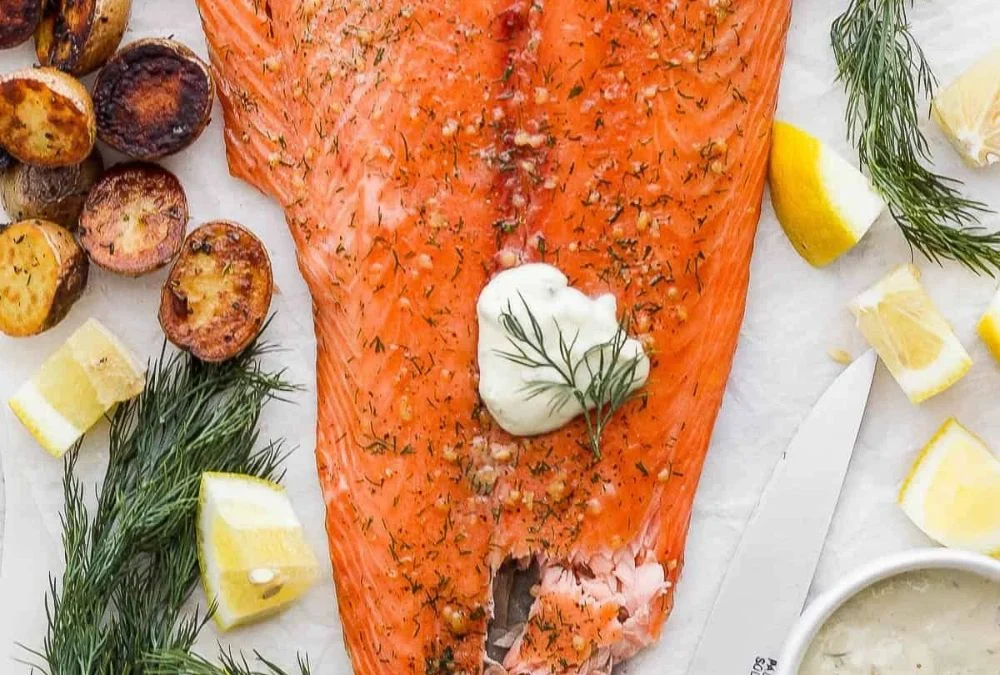
Salmon supplies DHA and EPA, the long-chain omega-3 fats found in seafood, and DHA contributes to the structure of brain cell membranes. A three-ounce serving of cooked farmed Atlantic salmon provides about 1.24 grams of DHA and 0.59 grams of EPA, although amounts vary.
Bake a fillet with vegetables or stir canned salmon into a grain bowl. Treat it as a useful source of essential nutrition rather than a food expected to sharpen your attention immediately.
2. Sardines
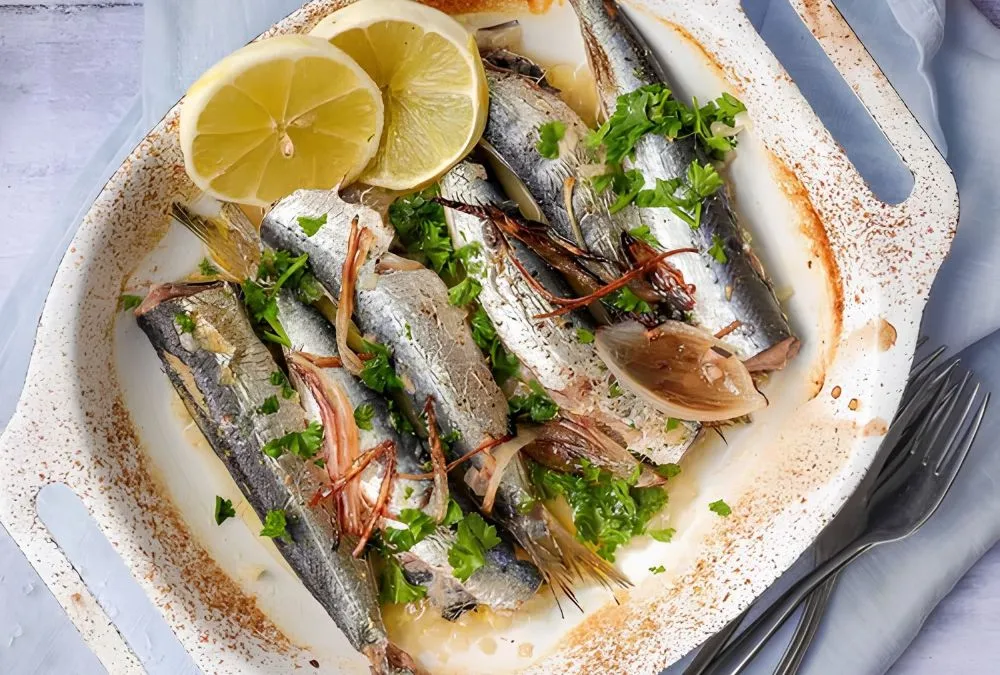
Sardines offer another way to eat long-chain omega-3 fats without preparing a large fish dinner. These fats contribute to normal cell function, but their presence does not establish that one serving improves concentration.
Try sardines mashed with lemon on toast, or mix them into tomato pasta. If you are watching sodium, compare labels because canned preparations differ.
3. Walnuts
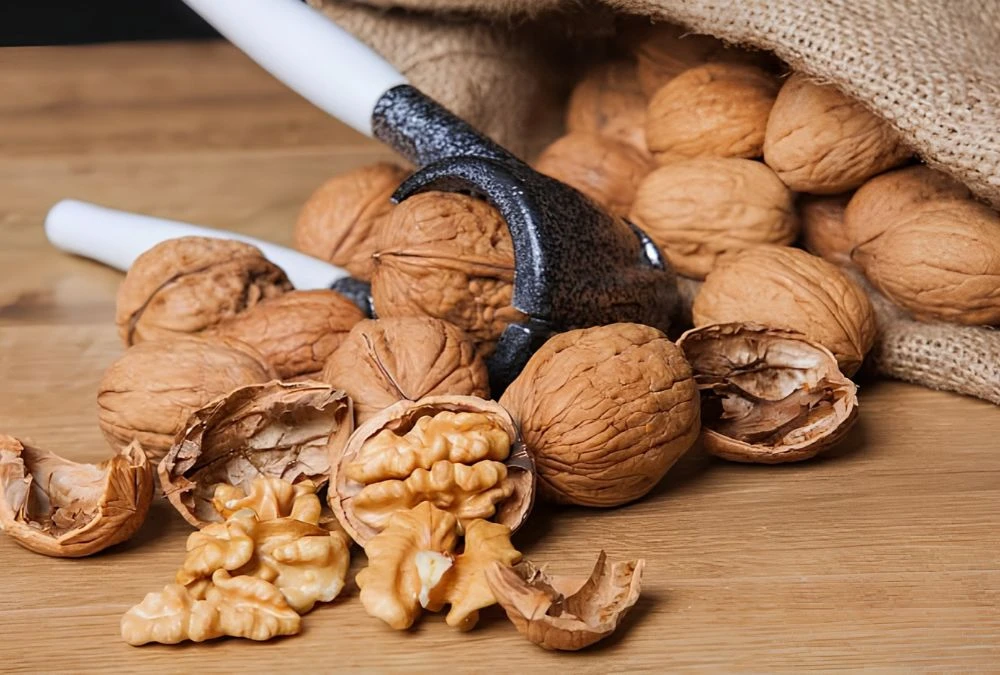
Walnuts contain ALA, a plant form of omega-3 fat, with about 2.57 grams in one ounce. Your body can convert some ALA into EPA and DHA, but conversion is limited, so walnuts and fish are not nutritionally identical.
Add a small handful to breakfast or chop them into a bean salad. Their value is as part of a varied eating pattern, not as a guaranteed memory or focus supplement.
4. Chia Seeds
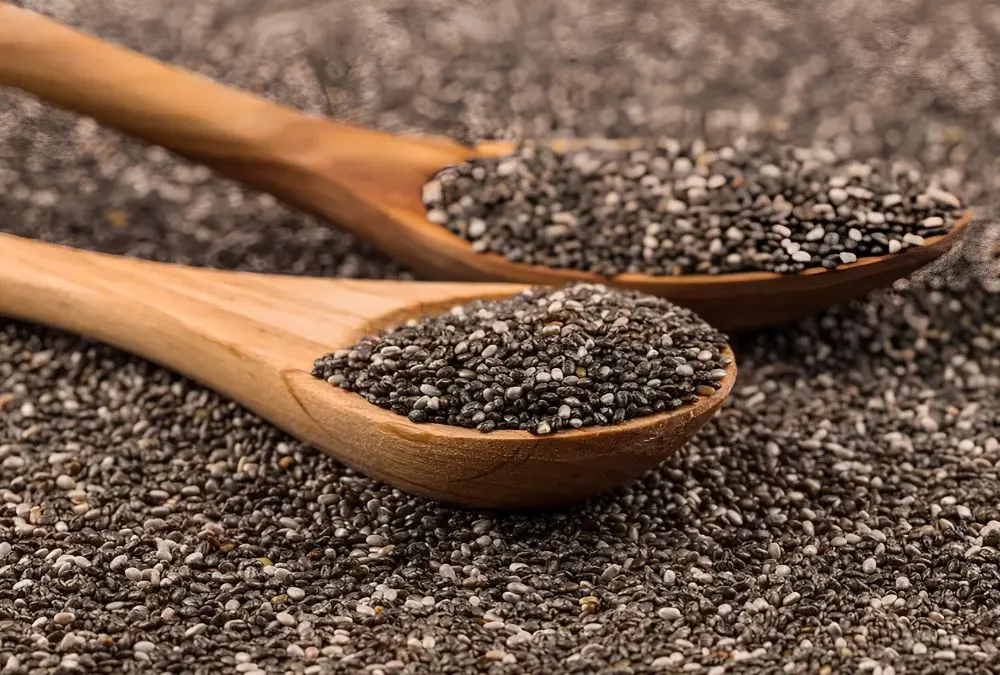
One ounce of chia seeds contains about 5.06 grams of ALA, making them a concentrated plant source of this essential fat. That is a food composition fact, however, rather than evidence that chia pudding improves attention.
Start with a tablespoon stirred into yogurt or soaked into pudding. This gives you an easy way to add variety without making an unfamiliar ingredient the center of every meal.
5. Blueberries
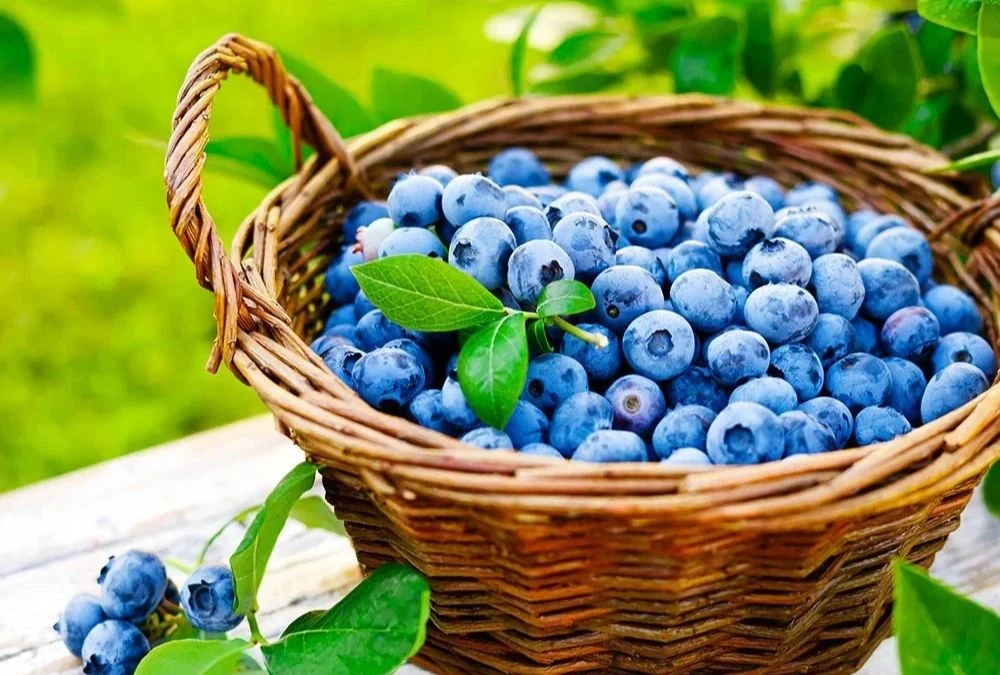
Blueberries contain anthocyanins, plant pigments being studied for effects on blood vessel function and cognition. A 2023 trial involving 61 adults aged 65 to 80 tested daily wild blueberry powder for 12 weeks and reported improvements on selected measures.
The trial used 26 grams of freeze-dried powder, so its results should not be taken as a promise about any ordinary serving. For everyday eating, add fresh or frozen blueberries to breakfast instead of buying expensive powders for a supposed focus boost.
6. Spinach
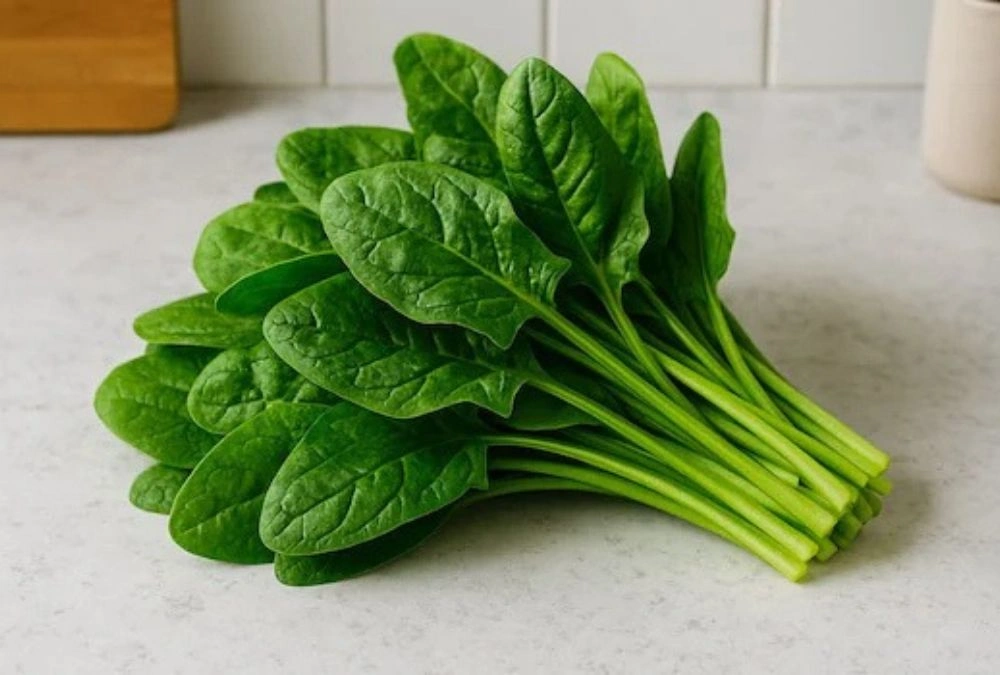
Spinach supplies folate and other compounds investigated in research on cognitive aging. In a study of 960 older adults, higher leafy green intake was associated with slower cognitive decline over an average of 4.5 years.
That finding does not prove spinach caused the difference, and it did not measure an instant improvement in focus. Stir half a cup of cooked spinach into eggs, soup, or beans as a manageable starting portion.
7. Kale
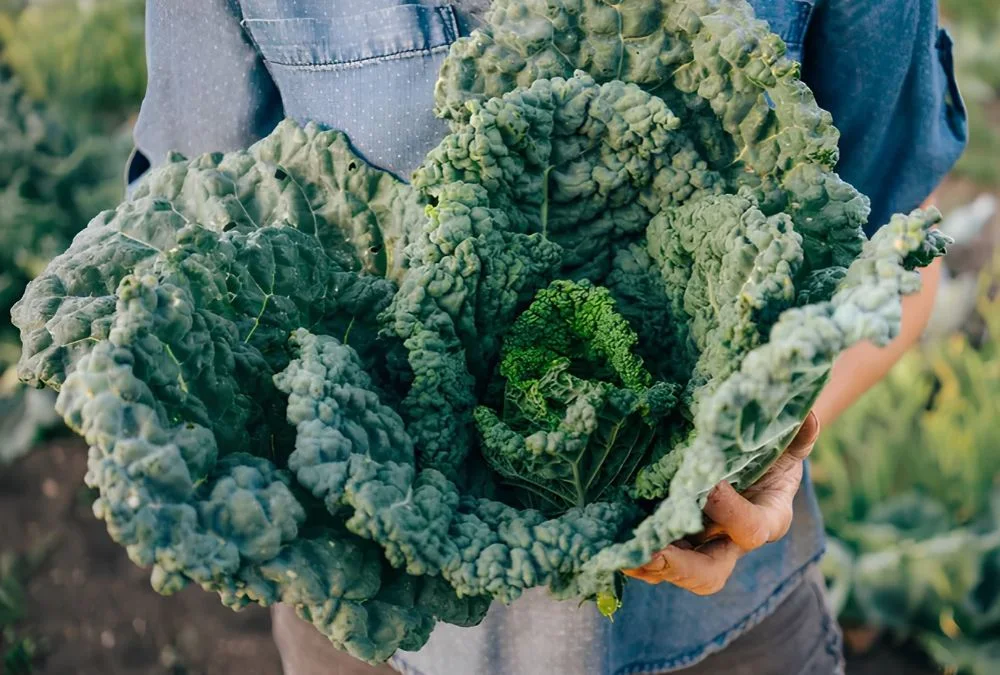
Kale was included in the same research category as collards and other cooked greens. Researchers examined nutrients including folate, vitamin K, and lutein, but the study cannot tell us that kale is better than other vegetables.
Try chopped kale cooked into a stew, where it softens and takes on the flavor of the broth. There is no need to force down raw salads if cooked greens fit your meals better.
8. Eggs

One large hard-boiled egg supplies about 147 milligrams of choline. Your body uses choline to make acetylcholine, a chemical messenger involved in memory and other nervous system functions.
Keep boiled eggs ready for breakfast or pair one with whole grain toast. Meeting choline needs supports normal function, but this mechanism does not prove that eating extra eggs improves attention.
9. Broccoli

Broccoli contributes several nutrients, including about 31 milligrams of choline in half a cup cooked. It offers another way to spread choline intake across meals rather than relying on one food.
Roast florets for dinner and put the leftovers into tomorrow’s lunch bowl. Broccoli fits a nourishing eating pattern, although there is no strong basis for promising that a serving will make your thinking clearer.
10. Kidney Beans
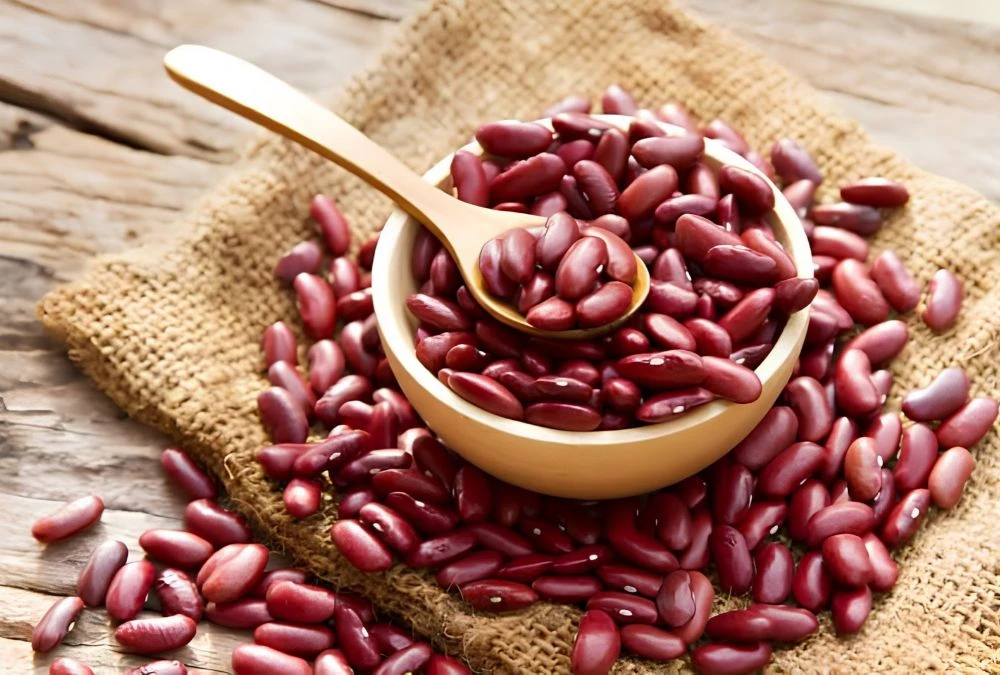
Half a cup of canned kidney beans supplies about 45 milligrams of choline and roughly 2 milligrams of iron. Iron helps support oxygen transport in the body, while choline contributes to normal nervous system function.
Add beans to chili, vegetable soup, or a lunch salad. They are an affordable way to build a substantial meal, but suspected iron deficiency needs medical assessment rather than a larger serving of beans alone.
Small Servings Can Make Effective Contributions
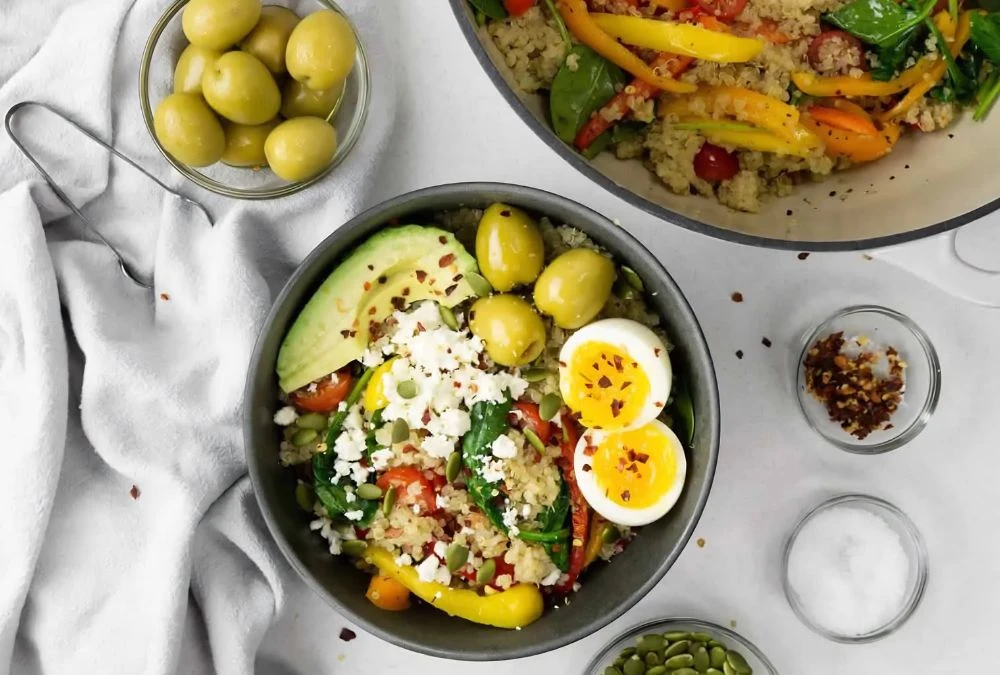
You do not need a large portion of every food on this list. Knowing what a normal serving contributes helps you combine foods without turning meals into a nutrient counting exercise.
| Food | Reference serving | Selected nutrient contribution |
|---|---|---|
| Hard-boiled egg | One large | About 147 mg choline |
| Cooked quinoa | One cup | About 43 mg choline |
| Roasted pumpkin seeds | One ounce | About 156 mg magnesium |
| Dry roasted almonds | One ounce | About 6.8 mg vitamin E |
| Plain fat-free yogurt | Six ounces | About 1 mcg vitamin B12 |
These are reference values, and products or preparation methods can change the amounts. They describe nutritional contributions, not doses proven to improve focus.
Serving sizes here are examples, not individualized prescriptions. If you have kidney disease, food allergies, or a prescribed eating plan, ask your healthcare professional which choices and portions fit your needs.
11. Quinoa
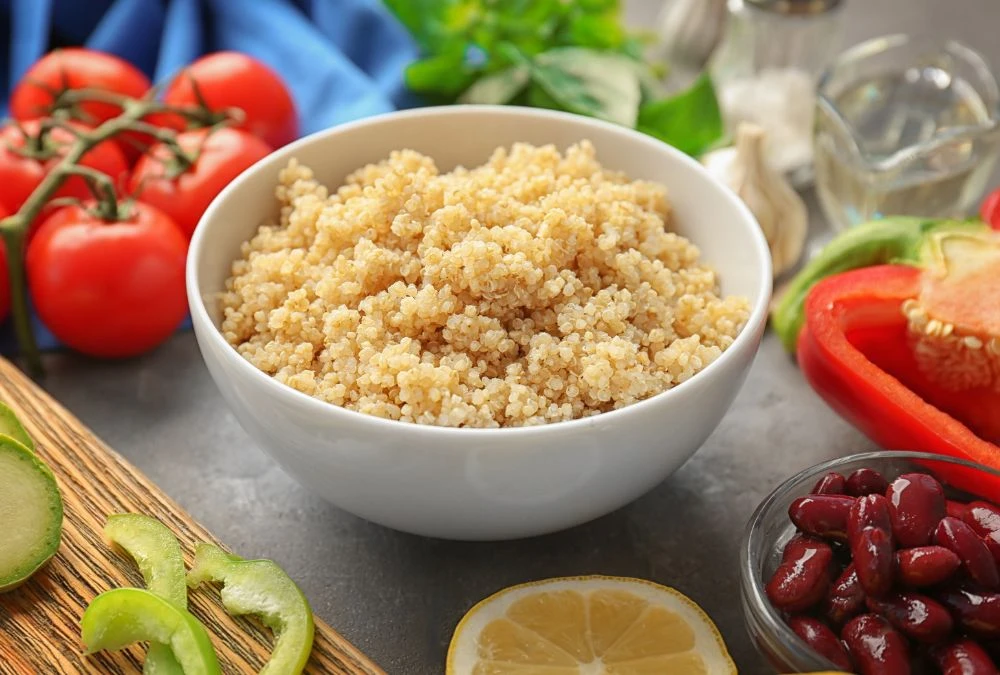
A cup of cooked quinoa contributes about 43 milligrams of choline, showing that this nutrient is not limited to eggs and meat. Choline supports cell membranes as well as the production of acetylcholine.
Use quinoa as the base for a bowl with beans and cooked vegetables. You do not need to replace every grain with it, and there is no established evidence that quinoa alone improves concentration.
12. Pumpkin Seeds
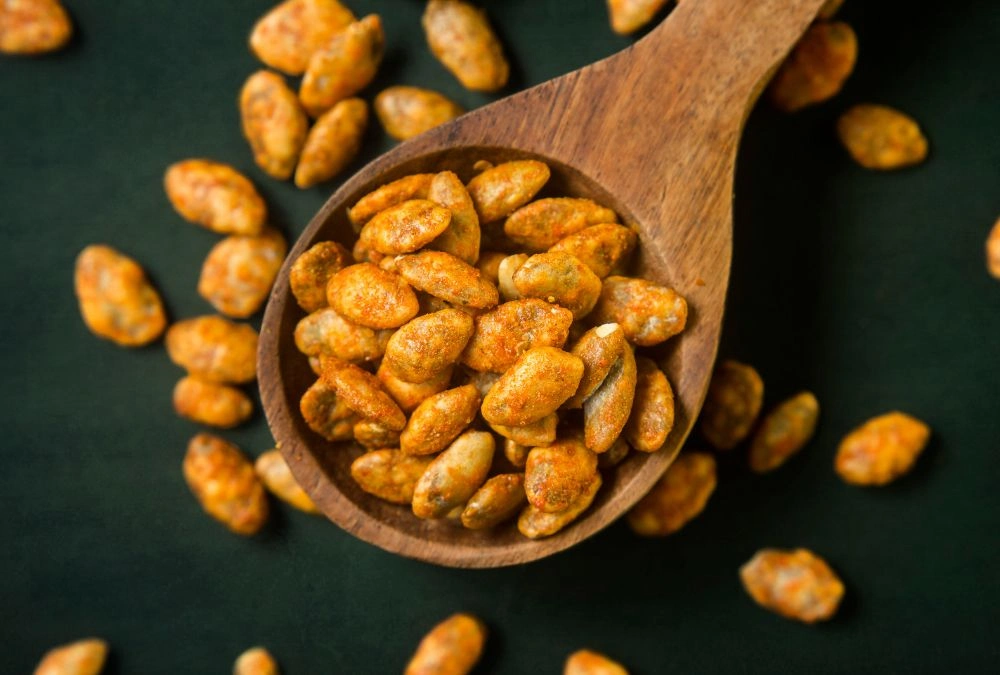
Roasted pumpkin seeds provide about 156 milligrams of magnesium per ounce. Magnesium participates in normal nerve and muscle function, which explains its nutritional importance without making it a proven attention enhancer.
Sprinkle a tablespoon or two over soup, yogurt, or a salad. This smaller amount adds texture and contributes magnesium without requiring a full ounce at every meal.
13. Almonds
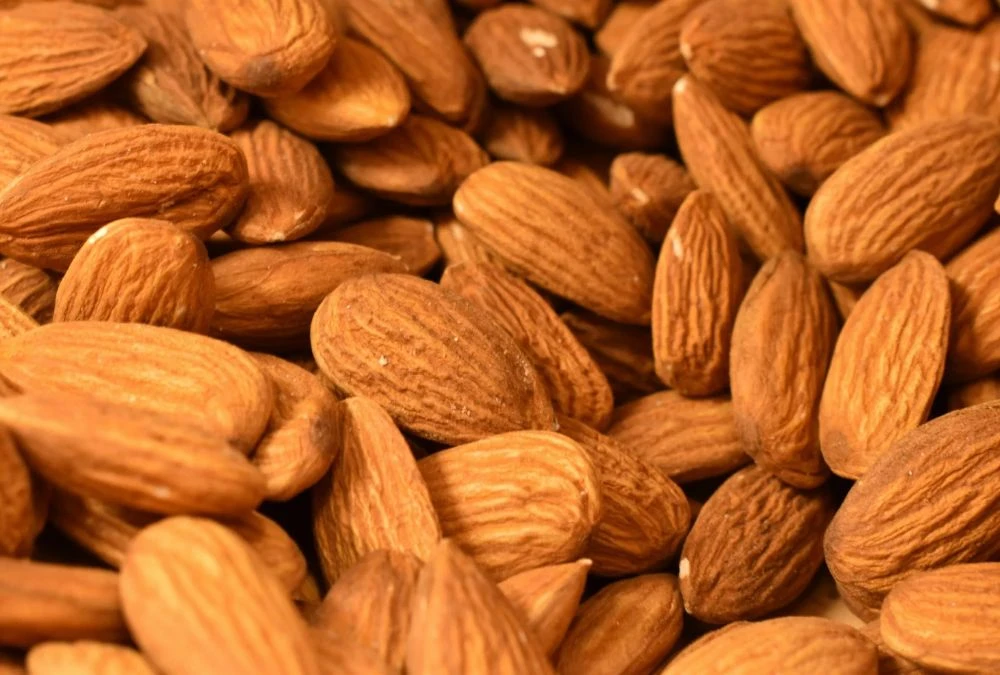
One ounce of dry roasted almonds contains about 6.8 milligrams of vitamin E. Vitamin E helps protect cells from oxidative damage, but that normal biological role should not be stretched into a claim that almonds prevent dementia.
Pack a small handful for a snack or add chopped almonds to breakfast. Food sources also differ from high-dose vitamin E supplements, which should not be treated as an automatic upgrade.
14. Lentils
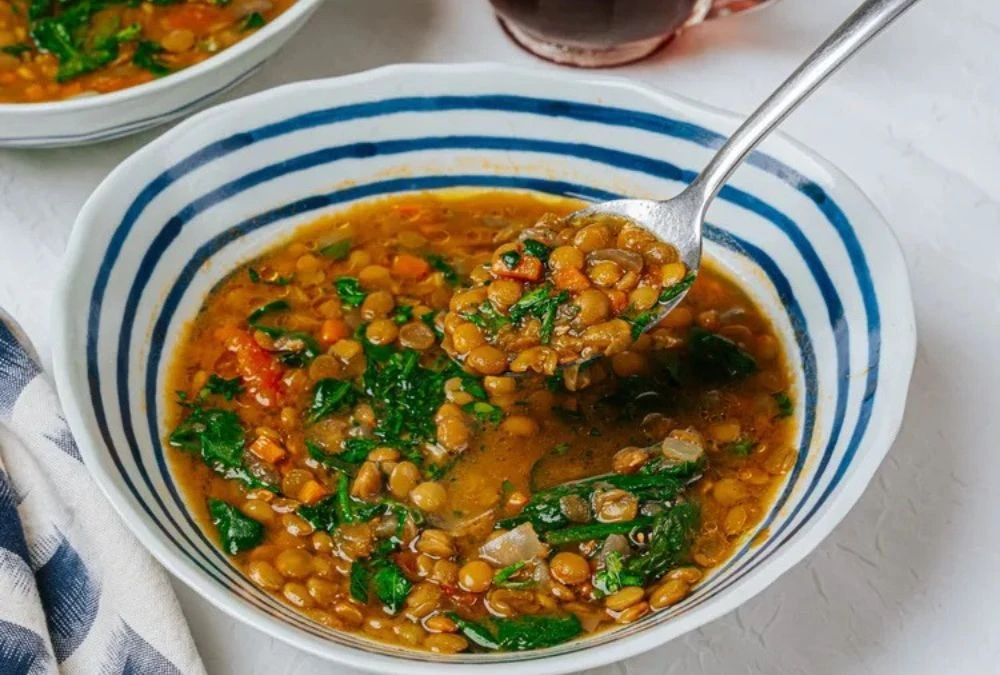
Lentils provide nonheme iron, the form found in plant foods. Iron supports oxygen transport, and vitamin C eaten in the same meal can improve absorption of nonheme iron.
Try lentil soup with tomatoes or add chopped bell pepper to a lentil salad. If poor concentration comes with unusual fatigue, do not assume lentils will solve it, because the underlying cause may need testing.
15. Tofu
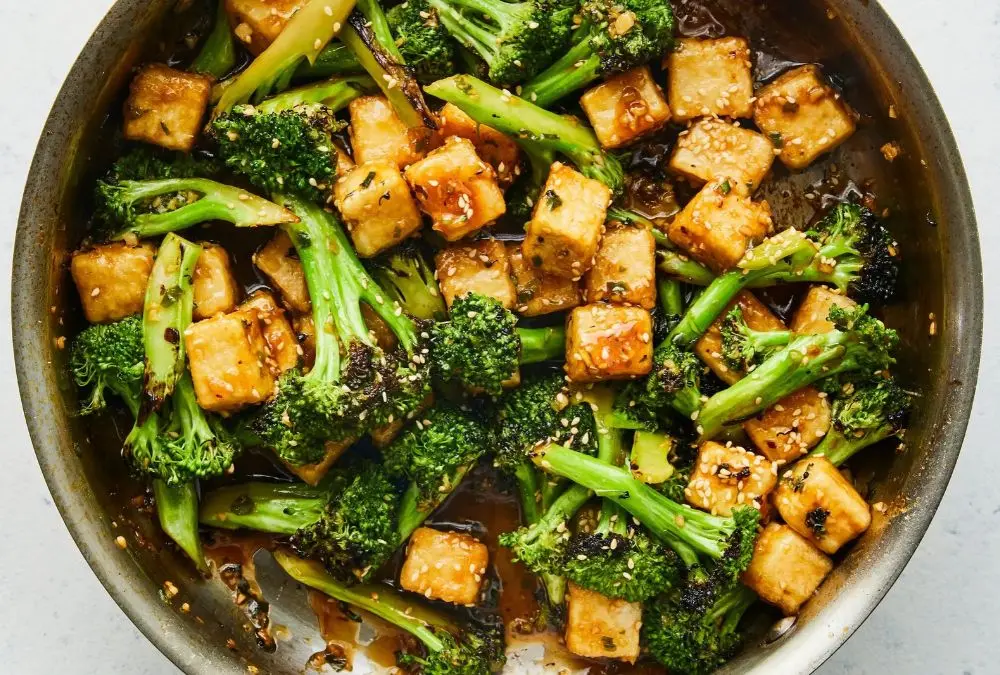
NIH lists about 3 milligrams of iron in half a cup of firm tofu, although products vary. Its iron is another nutritional contribution to normal body function, not evidence of an immediate boost in mental performance.
Cook cubed tofu with broccoli and serve it with a grain you enjoy. A meal you will make regularly is more useful than buying a “brain food” that stays unopened in the refrigerator.
16. Plain Yogurt

A six-ounce serving of plain fat-free yogurt provides about 1 microgram of vitamin B12 in NIH reference data. B12 supports the nervous system, and low levels can contribute to neurological symptoms.
Add berries and seeds to plain yogurt for a simple breakfast or snack. Yogurt can contribute B12, but it should not be presented as a treatment for deficiency or as proof that probiotics improve focus.
17. B12 Fortified Cereal
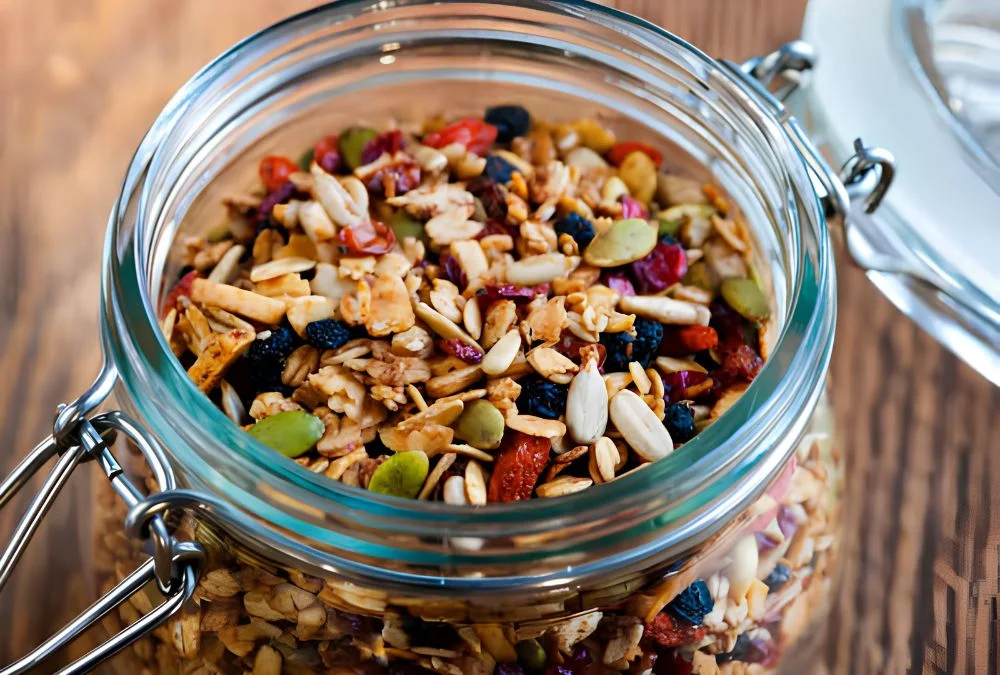
Some breakfast cereals contain added vitamin B12, providing an option for people who eat few or no animal foods. Naturally occurring B12 is not found in unfortified plant foods, so checking fortification matters.
Read the label for the amount per serving instead of assuming every whole grain cereal contains it. A fortified food can help meet intake needs, while a confirmed deficiency may require a separate treatment plan.
18. Coffee

Coffee contains caffeine, which blocks adenosine receptors and can temporarily increase alertness. That makes it different from most foods here, although feeling more awake does not mean every thinking skill improves.
Try a modest serving early in the day and pay attention to sleep, anxiety, and palpitations. The FDA cites 400 milligrams daily as an amount generally not associated with negative effects for most adults, but this is not a goal or a personalized safe limit.
19. Green Tea

Green tea contains caffeine and L-theanine, an amino acid studied for possible effects on attention and mood. Research findings vary, and studies of concentrated ingredients do not necessarily predict what one brewed cup will do.
Try unsweetened green tea with breakfast if you enjoy it. Count its caffeine alongside coffee and other drinks, and avoid assuming that concentrated tea extracts offer the same safety profile as a beverage.
20. Dark Chocolate

Dark chocolate contains cocoa flavanols, compounds investigated for effects on blood vessels and thinking skills. However, the COSMOS Mind trial found no overall cognitive benefit from daily cocoa extract containing 500 milligrams of flavanols over three years.
Enjoy a small portion because you like it, rather than treating it as medicine for brain fog. A cocoa percentage on the wrapper does not establish that the bar provides a dose proven to improve focus.
Put the Foods Together Without Overthinking Lunch

The practical benefit of a list like this is having ingredients you can combine. You do not need all 20 foods in your kitchen, and you do not need to eat them every day.
The pairings below serve different purposes. Some improve a particular nutrient interaction, while others simply help you cover more nutritional ground.
| Simple pairing | Why combine them? | Easy preparation |
|---|---|---|
| Lentils with bell pepper | Vitamin C helps absorption of plant iron | Mix cooked lentils with chopped pepper |
| Tofu with broccoli | Combines an iron source with a vitamin C-containing vegetable | Cook together in a quick stir-fry |
| Yogurt with walnuts | Adds B12 and plant oomega-3fats from different sources | Stir a small handful into plain yogurt |
| Eggs with cooked spinach | Brings together choline and nutrients found in leafy greens | Fold spinach into scrambled eggs |
These are meal ideas, not combinations clinically proven to improve concentration. Their value comes from the nutrients they contribute and, for the iron pairings, the established effect of vitamin C on absorption.
Try This
- Choose three foods from the list that you already enjoy.
- Add one to a meal you regularly make.
- Keep one convenient option ready, such as canned beans, frozen spinach, or boiled eggs.
- Check the caffeine content of your usual drinks before adding another.
- Build variety across the week instead of trying to eat all 20 foods daily.
Why the Overall Pattern Deserves More Attention
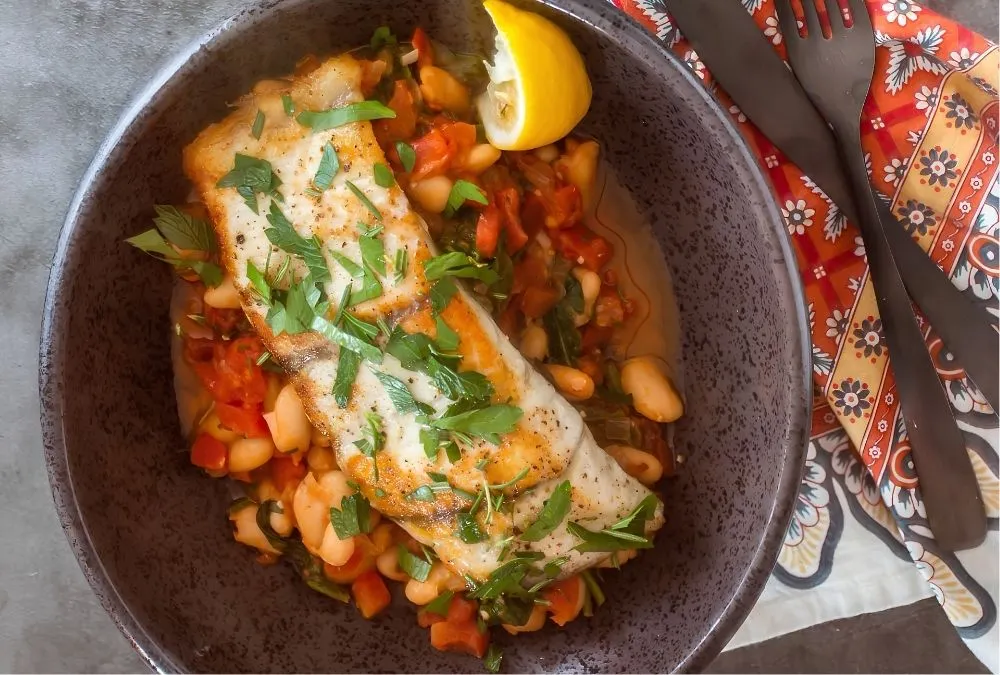
The Mediterranean and MIND eating patterns bring many of these foods together. They emphasize vegetables, beans, whole grains, nuts, and fish, which is more practical than treating individual ingredients as separate remedies.
Still, the research needs careful wording. In a three-year randomized trial of 604 older adults, changes in cognition and brain imaging did not differ significantly between a MIND diet group and a comparison group, with both receiving mild calorie restriction.
That finding does not make nutritious meals pointless. It means a responsible article should recommend them for their nutritional value without promising that a particular menu prevents dementia or fixes concentration.
Start With Your Next Meal
Choose one manageable change, such as beans in your soup, berries with yogurt, or fish with cooked greens. Repeating meals you enjoy makes nutritious eating easier to maintain.
Clearer thinking has more than one influence, and food is only part of the picture. Give your brain reliable nourishment while also taking sleep, movement, and persistent symptoms seriously.
