

Keeping your brain sharp after 50 can feel more pressing when familiar names or appointments start slipping your mind. Those lapses can shake your confidence, and blaming every change on age may leave a treatable problem unchecked.
You do have practical options, even if your routine has slipped. These 20 actions, along with five habits worth reconsidering, show where to focus your effort without falling for empty promises.
This article offers general health information, not a diagnosis. New or worsening memory changes deserve a conversation with a healthcare professional.
How to Keep Your Brain Sharp After 50 Without Chasing Quick Fixes
Brain health includes memory, attention, reasoning, and the ability to manage everyday tasks. A habit that helps you concentrate today does not necessarily prevent dementia years from now.
Still, there are reasons to act. The 2024 Lancet Commission identified 14 potentially modifiable dementia risk factors, including high blood pressure, hearing loss, physical inactivity, and diabetes. Addressing risks can help, but developing dementia is never proof that someone failed to live correctly.
1. Turn Walking Into a Regular Appointment

A brisk walk gives your cardiovascular system a workout, and healthy circulation matters to your brain. Exercise also influences chemical messengers and factors that support brain cell growth and survival.
Choose a route and a time you can repeat. Walking after breakfast or meeting a neighbor before dinner can make movement easier to maintain than waiting until you feel motivated.
Start with a manageable amount if you have been inactive. A short walk you repeat is a useful foundation for gradually doing more.
2. Give Your Muscles Work to Do

Walking does not cover every movement your body needs. Adults should also include muscle strengthening activities on at least two days each week.
Chair rises, resistance bands, and wall pushups are practical options. Choose movements that match your ability, and get instruction if you are unfamiliar with them.
Strength work also supports the everyday tasks that keep you active. Carrying groceries, climbing stairs, and getting out of a chair all become harder when strength slips.
3. Practice Balance Before You Need It

For adults 65 and older, activity guidelines include balance work alongside aerobic and strengthening exercise. Balance practice supports safer movement, which helps you stay active.
Try an appropriate beginner class or ask a physical therapist about exercises near a stable support. Do not close your eyes or attempt an unstable position to make the exercise harder.
| Activity | General weekly guidance | Practical starting option |
|---|---|---|
| Moderate aerobic movement | At least 150 minutes for adults who can safely manage it | Build up with short brisk walks |
| Muscle strengthening | At least two days | Resistance bands or supported chair rises |
| Balance activities | Include regularly, especially from age 65 | Supervised practice or exercises beside a sturdy counter |
These are general activity recommendations, not a guaranteed formula for improving memory. Some movement is better than none, and the amount should fit your health and abilities.
4. Stop Treating Sleep as Spare Time

Most adults need about seven to nine hours of sleep each night. Adequate sleep supports memory, alertness, and the ability to handle daily tasks.
Protect a realistic sleep window instead of letting television, chores, or phone use consume it. A consistent wake time is one practical place to start.
If you spend enough time in bed but remain exhausted, look beyond bedtime habits. Persistent sleep trouble may need assessment rather than another sleep gadget.
5. Take Snoring With Daytime Sleepiness Seriously

Sleep apnea can involve loud snoring, gasping, and repeated pauses in breathing. Daytime sleepiness can then interfere with learning, concentration, and reaction time.
Ask someone who shares your home whether they have noticed breathing pauses. Bring that information to a medical appointment, along with any morning headaches or daytime exhaustion.
Being tired every afternoon is not something you must accept after 50. A clinician can help determine whether a sleep study is appropriate.
6. Know What Your Blood Pressure Is Doing

Blood pressure management belongs in a brain health article because the brain depends on healthy blood vessels. In SPRINT MIND, intensive treatment reduced mild cognitive impairment, although the dementia result was not statistically significant.
If your clinician recommends home monitoring, learn the correct technique and keep a record. A pattern of readings is more informative than interpreting a single number in isolation.
Do not increase medication to copy a research target. Your treatment plan should account for symptoms, other conditions, and medication effects.
7. Keep Diabetes Care on Your Calendar

Diabetes is among the potentially modifiable dementia risk factors identified by the Lancet Commission. Managing it is part of caring for your brain as well as the rest of your body.
Keep recommended appointments and ask what your glucose goals mean in everyday terms. Mention episodes of shakiness, unusual sweating, or confusion, especially if you take medication that can lower blood sugar.
The aim is appropriate control, not chasing the lowest possible reading. Your care team can help you balance benefits and risks.
8. Ask About LDL Cholesterol

High LDL cholesterol in midlife was added to the Lancet Commission’s dementia risk framework in 2024. This gives adults over 50 another reason to understand their cardiovascular risk.
Ask when your cholesterol was last checked and whether the result changes your care plan. Discuss food choices, activity, family history, and any recommended medication together.
You do not need to memorize every laboratory value. Knowing what needs follow-up is the more useful skill.
9. Get Hearing Difficulties Checked

If conversations sound muffled or you struggle in restaurants, arrange a hearing assessment. Hearing care can improve communication even when its effect on future cognitive decline is uncertain.
The ACHIEVE trial followed 977 adults at higher risk. It found no significant cognitive benefit across the entire sample, but a higher-risk subgroup experienced approximately 48% slower cognitive decline over three years with a hearing intervention.
That finding supports attention to hearing, not a promise that hearing aids prevent dementia. Better participation in conversations is already a worthwhile outcome.
10. Keep Vision Care Current
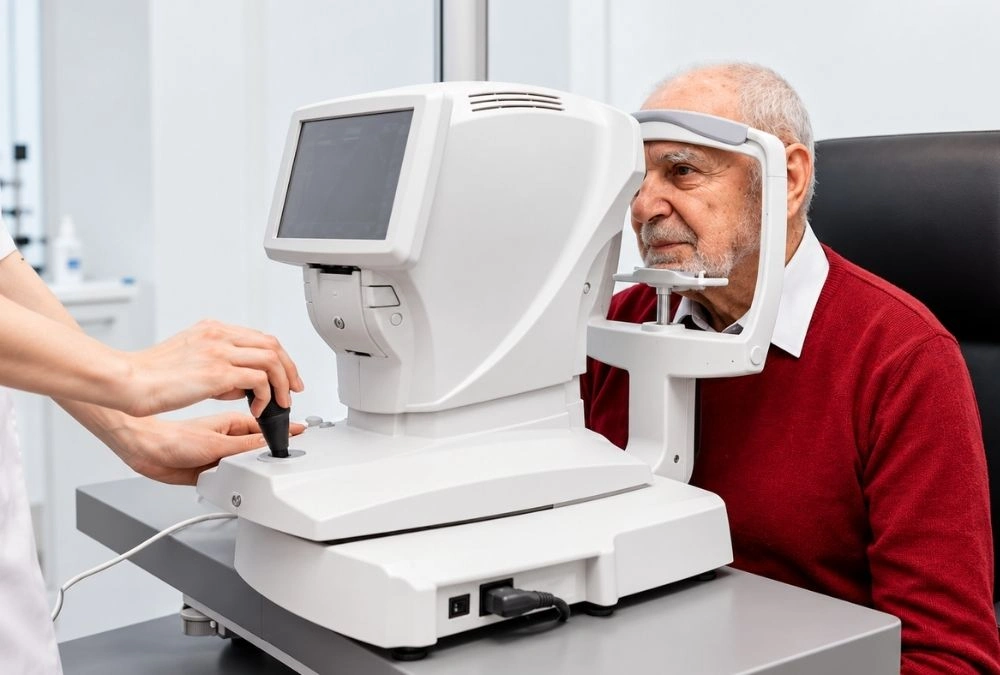
Untreated vision loss is another factor included in the 2024 Lancet framework. That does not establish that glasses alone prevent dementia, but it strengthens the case for addressing sight problems.
Notice whether reading, recognizing faces, or getting around unfamiliar places has become harder. Bring specific examples to an eye appointment.
Clearer vision can also make your chosen activities more accessible. Reading groups, exercise classes, and hobbies become harder to enjoy when you cannot see comfortably.
11. Build Better Meals Instead of Hunting for One Food

Mediterranean and MIND-style eating patterns emphasize foods such as vegetables, beans, whole grains, nuts, and fish. The MIND pattern combines features of Mediterranean and DASH diets.
Start with meals you already eat. Add beans to soup, serve vegetables beside dinner, or choose oats and berries for breakfast.
Keep the claim honest. A three-year randomized trial involving 604 participants found no significant difference in cognitive changes between the MIND diet and a comparison diet, both with mild calorie restriction.
12. Ask Whether a Deficiency Could Be Contributing

Vitamin B12 deficiency can contribute to memory problems. Thyroid problems and other medical conditions can also affect thinking, so persistent changes deserve evaluation.
Tell your clinician about your eating pattern, medications, fatigue, and any other symptoms. They can decide which tests fit your situation.
Treating a deficiency is different from taking a supplement when your levels are adequate. More vitamins do not automatically mean better memory.
Exercise plans, blood pressure targets, and nutritional needs vary. Ask your healthcare professional about appropriate changes, especially if you take medication, have balance problems, or live with a chronic condition.
13. Learn Something That Still Makes You Think

A familiar activity can be enjoyable without offering much new challenge. Cleveland Clinic recommends stretching your skills through activities such as learning an instrument, taking a class, or cooking a challenging recipe.
Choose something interesting enough to return to when progress feels slow. A language class, beginner keyboard lesson, or photography course can provide structure.
The goal is engagement, not proving your intelligence. You can be a beginner at 55, 70, or 85.
14. Give Conversations Your Full Attention
Conversation asks you to follow meaning, interpret cues, and decide how to respond. That makes it a useful form of mental engagement and human connection.
Put the phone aside and ask a question that invites more than a quick answer. Discuss a book, a family memory, or something your friend recently learned.
You do not need a large social circle. A few conversations you look forward to can be a practical starting point.
15. Make Social Contact a Repeat Event

Social isolation appears among the potentially modifiable dementia risk factors. After retirement, bereavement, or a move, regular contact may require more planning than it once did.
Set up something recurring, such as a weekly walk, library group, class, or volunteer shift. Repetition removes the need to organize a new outing every time.
If transport, hearing, or mobility makes participation difficult, address that obstacle directly. A smaller accessible activity is more useful than an ambitious plan you cannot attend.
What the Research Actually Lets Us Say
| Study | Main finding | What it does not prove |
|---|---|---|
| U.S. POINTER, 2,111 participants | A structured lifestyle program produced modestly greater improvement in global cognition over two years than a less intensive program | That any single habit prevents dementia |
| ACHIEVE, 977 participants | Hearing intervention slowed decline in a higher-risk subgroup | That everyone receiving hearing aids gets the same cognitive benefit |
| MIND diet trial, 604 participants | Cognitive changes did not differ significantly between the two diet groups over three years | That the MIND diet reliably improves memory more than the comparison approach |
U.S. POINTER combined exercise, nutrition, cognitive challenge, social engagement, and health monitoring. Its results support a broad approach, while leaving questions about long-term dementia outcomes unanswered.
16. Treat Persistent Low Mood as a Health Issue

Depression and stress can worsen memory difficulties. Depression is also included in the Lancet Commission’s dementia risk framework, although that does not mean every person with depression will develop dementia.
Speak up if you have lost interest in usual activities or feel persistently low. Explain how your mood affects sleep, concentration, and daily routines.
You do not have to decide whether the problem is emotional or neurological before asking for help. Assessment can consider both.
17. Let Calendars Carry Some of the Load

Mayo Clinic includes organization among its practical memory strategies. Calendars, notes, and a consistent place for frequently used items can reduce everyday frustration.
Choose one calendar rather than scattering appointments across several systems. Check it at the same time each morning.
Give keys, glasses, and important documents a clear home. Using a reliable system is a sensible tool, not a failure of memory.
18. Give New Information a Fair Chance to Stick

Reducing distractions and focusing on what you want to remember are practical memory strategies. Trying to learn an appointment time while answering messages makes the task harder.
Pause, listen, and record the information before moving on. Repeat an instruction back if you need to confirm that you understood it.
This can improve everyday reliability without implying that distraction causes dementia. Sometimes the information never received enough attention in the first place.
19. Review Everything in Your Medicine Cabinet

Medication effects can contribute to memory problems. A useful review includes prescriptions, nonprescription products, and supplements.
Bring an accurate list or the containers to your appointment. Mention when symptoms began and whether they followed a new medicine or dose change.
Do not stop a prescription on your own. Ask whether a product could be contributing and what alternatives or adjustments are appropriate.
20. Protect Your Head During Ordinary Activities

Traumatic brain injury is included in the Lancet dementia risk framework. Head protection and fall prevention therefore deserve attention alongside diet and exercise.
Wear an appropriate helmet for cycling and similar activities. At home, look for loose rugs, poor lighting, and cluttered walking paths.
These steps are about reducing avoidable injury. They do not require giving up the activities that make life enjoyable.
Try This Today
- Put one manageable walk on tomorrow’s calendar.
- Give your keys and glasses a permanent storage place.
- Arrange a conversation or visit you can repeat next week.
- Write down one sleep, hearing, or medication concern for your next appointment.
5 Habits That Work Against You
1. Continuing to Smoke

Smoking is a potentially modifiable dementia risk factor. Quitting also belongs within a broader plan to protect cardiovascular health.
If previous attempts didn’t last, discuss treatment options and support. A difficult attempt does not mean another approach cannot work.
2. Drinking Heavily or Using Alcohol as a Health Strategy

Excessive alcohol consumption appears in the Lancet risk framework. Alcohol should not be presented as something readers need to start for brain protection.
Be honest about portions and frequency when speaking with your clinician. If you drink heavily or may be dependent, seek medical guidance about reducing safely.
3. Letting Inactivity Become Your Default

Physical inactivity is a recognized risk factor, and a weekly plan is easier to assess than a vague intention to move more.
Notice where movement could fit naturally. A short walk, an active errand, and a scheduled strength session offer different ways to build a more active week.
4. Allowing Isolation to Continue Without Support

Isolation is not always a choice. Grief, disability, caregiving, and limited transport can make connection difficult, even when someone wants company.
Because social isolation is a recognized risk factor, those barriers deserve practical attention. Ask for help finding an accessible group, arranging transport, or restoring contact with someone you trust.
5. Expecting a Supplement to Replace Medical Care

NIA does not recommend a vitamin or supplement to prevent Alzheimer’s disease or other cognitive decline. That recommendation is different from treating a diagnosed nutritional deficiency.
Before buying a product, ask what outcome its research actually measured. Money spent on a hearing assessment, appropriate food, or an accessible activity may address a clearer need.
When Forgetfulness Deserves Medical Attention
An occasional lapse and a growing difficulty managing daily life are different situations. NIA advises evaluation for memory concerns and identifies several possible medical contributors.
| What you notice | Appropriate next step |
|---|---|
| Occasionally forgetting a name, then remembering it later | Observe the pattern and consider sleep, stress, and distractions |
| Repeated questions or increasing difficulty with bills and medicines | Arrange a medical appointment |
| Getting lost in familiar surroundings | Seek prompt medical assessment |
| Sudden confusion or sudden trouble speaking | Seek emergency medical help |
Red Flags: When to Get Help
- Sudden confusion, especially with weakness, facial drooping, or difficulty speaking, requires emergency help.
- Getting lost in familiar places needs prompt assessment.
- Memory changes that disrupt medication use, finances, or safety warrant an appointment.
- Changes that keep worsening or concern people close to you should be discussed with a clinician.
Mayo Clinic emphasizes seeking help when memory difficulties interfere with everyday activities. Assessment can identify the cause and guide appropriate care.
Start With the Change You Can Repeat

You do not need to adopt 20 new routines this week. Choose one practical action and one concern worth bringing to a healthcare professional.
That might mean walking regularly while arranging a hearing assessment, or improving your sleep routine while reviewing medications. A workable plan leaves room for your health, budget, and daily life.
