

You want to protect your memory as you age, but your gut may not be on your radar. It is easy to focus on “brain foods” while overlooking what feeds the microbes in your digestive system. That leaves part of the gut-brain connection out of your daily meals.
These 20 foods offer practical ways to support both, with a clear look at what memory research actually shows.
Some supply nutrients your brain needs, while others provide fermentable fiber or living microbes. The strongest approach is a varied eating pattern, rather than expecting one food to sharpen your recall.
Food can support your health, but it cannot diagnose or treat memory loss. Discuss new or worsening memory changes with a healthcare professional rather than assuming they are caused by your diet.
How the Gut-Brain Connection Fits Into Memory Health
Your digestive system and brain communicate through nerves, immune signals, and chemical messengers. Researchers are studying how the community of microbes in your gut influences these messages and whether that affects thinking as you age.
One possible route involves substances produced by microbes when they ferment certain carbohydrates. These include short-chain fatty acids such as butyrate, which helps nourish cells lining the colon and influences immune activity.
That is a meaningful biological connection, but it is not proof that eating more fermented cabbage or fiber prevents dementia. Human studies must show whether changes in gut microbes lead to lasting improvements in memory.
| Food component | Examples in this list | What it contributes | What remains uncertain |
|---|---|---|---|
| Fermentable carbohydrates | Oats, beans, onions, apples | Material gut microbes can break down | Whether a particular food improves memory through this process |
| Live cultures | Some yogurts, kefir, fermented vegetables | Living microorganisms | Which organisms and amounts benefit cognition |
| Brain nutrients | Fish, eggs, leafy greens | Nutrients involved in cell structure and normal brain function | Whether extra intake improves memory in someone already getting enough |
These categories overlap, but they are not interchangeable. A food can be useful for gut health without having a proven effect on memory.
1. Blueberries
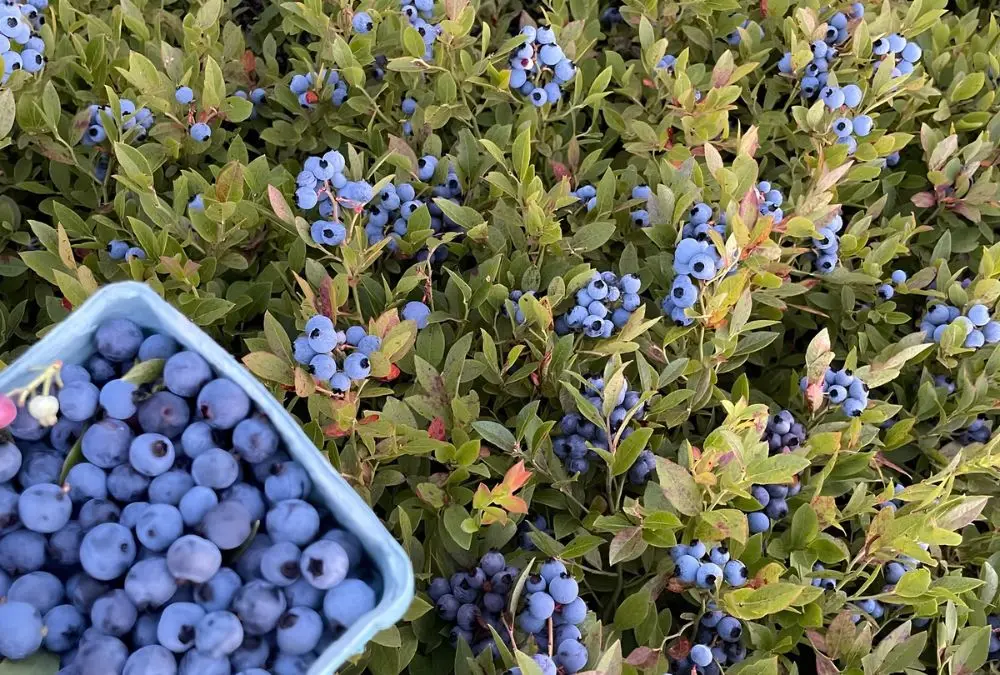
Blueberries contain anthocyanins, the plant pigments that give them their deep color and are studied for effects on cell signaling and inflammation. Research in older women linked greater berry intake with slower cognitive decline, although the study could not prove that berries caused the difference.
Add about half a cup to oatmeal or plain yogurt for an easy breakfast addition. Frozen blueberries are convenient when shopping or preparing fresh fruit becomes a chore, and you can thaw only what you plan to eat.
2. Strawberries
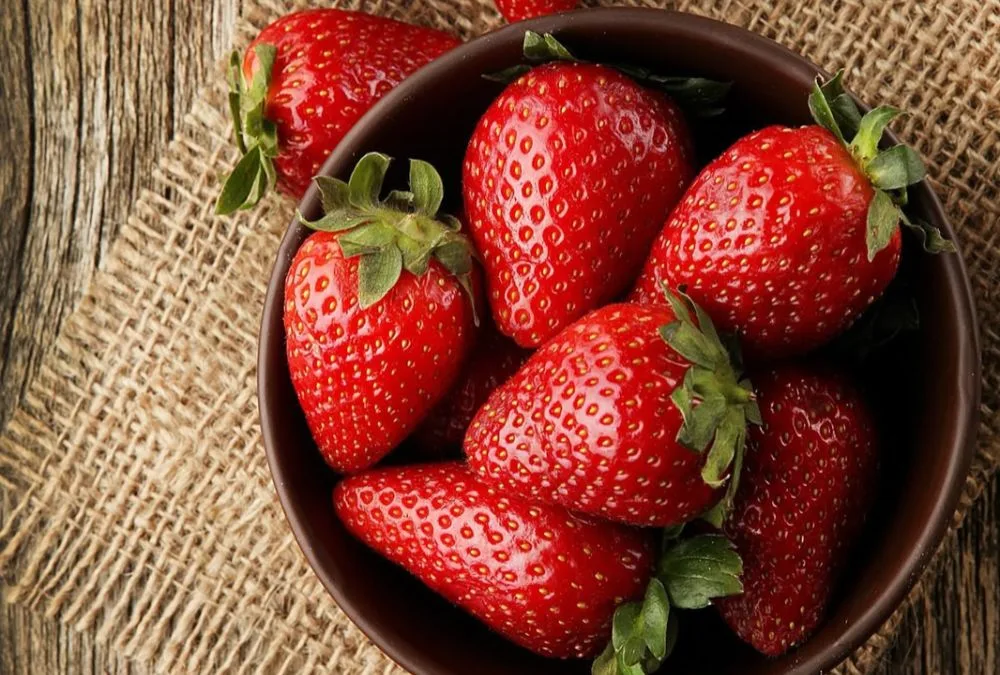
Strawberries were studied alongside blueberries in research connecting berry intake with cognitive aging. The estimated differences corresponded to roughly 1.5 to 2.5 years of cognitive aging, which describes a statistical comparison rather than years of guaranteed protection.
Slice a handful over breakfast or serve them as part of dessert. If your appetite is smaller than it once was, pairing them with yogurt creates a more substantial snack than eating fruit alone.
3. Spinach
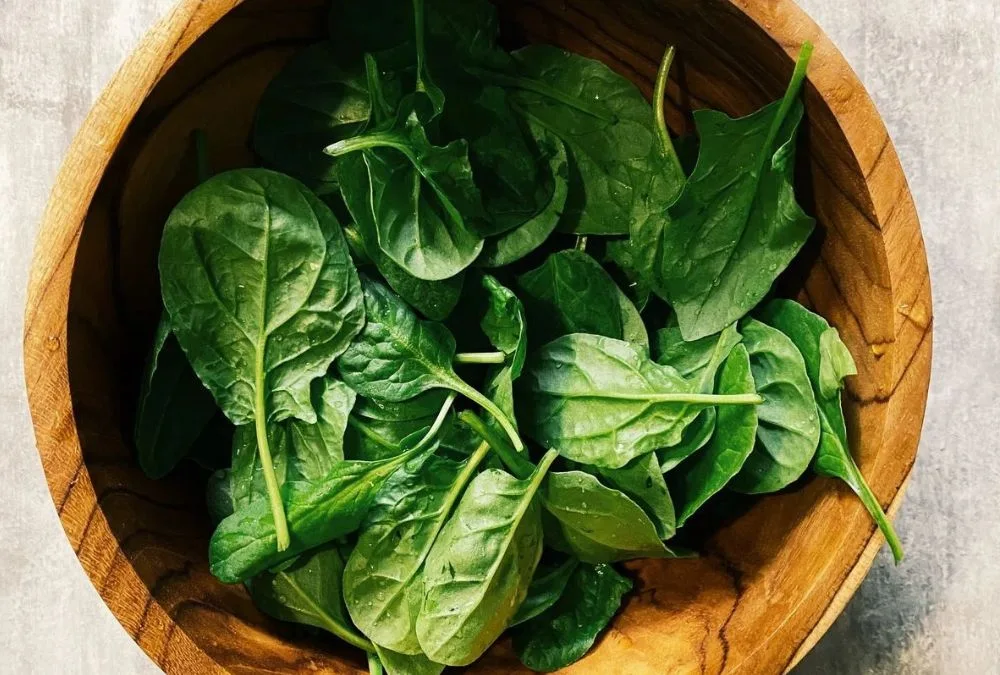
Spinach supplies folate, lutein, vitamin K, and beta carotene, nutrients found in leafy greens associated with healthier cognitive aging. A study following 960 older adults linked higher leafy green intake with slower decline, but it did not show that spinach alone produced that result.
Stir half a cup of cooked spinach into beans, eggs, or soup. Keeping a bag in the freezer makes it easier to add vegetables when cooking a full meal feels like too much work.
4. Kale
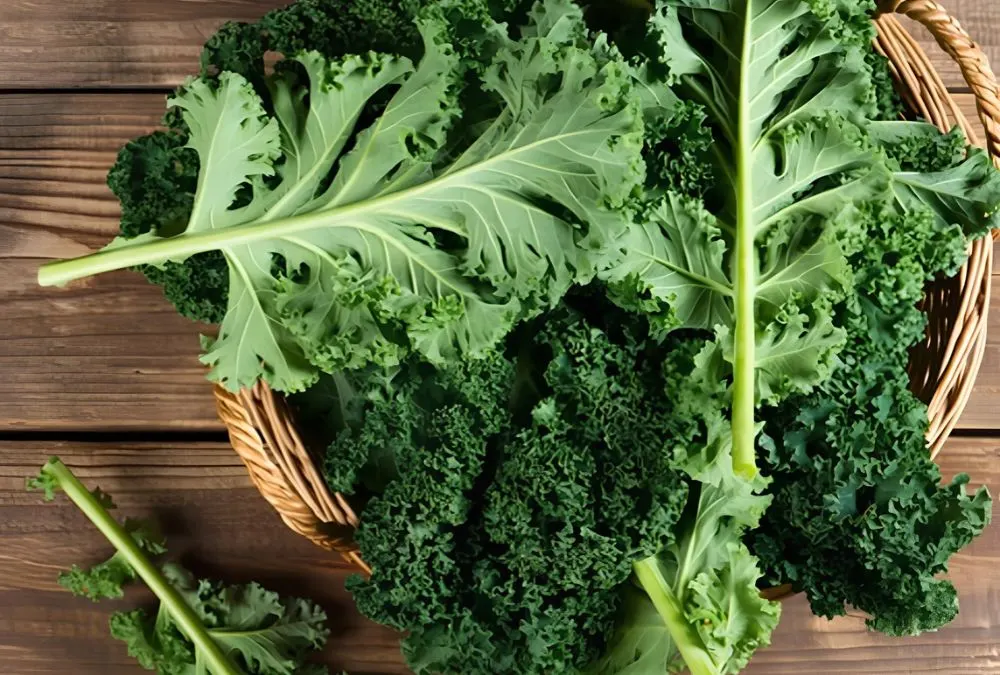
Kale gives you another way to include leafy greens without eating the same salad every day. Like spinach, it contributes nutrients studied in relation to brain health, but there is no established serving that improves memory by itself.
Remove tough stems and cook chopped leaves until tender, especially if raw greens are difficult to chew. Add a modest handful to a pot of lentil soup, then build the amount around your taste and appetite.
5. Salmon
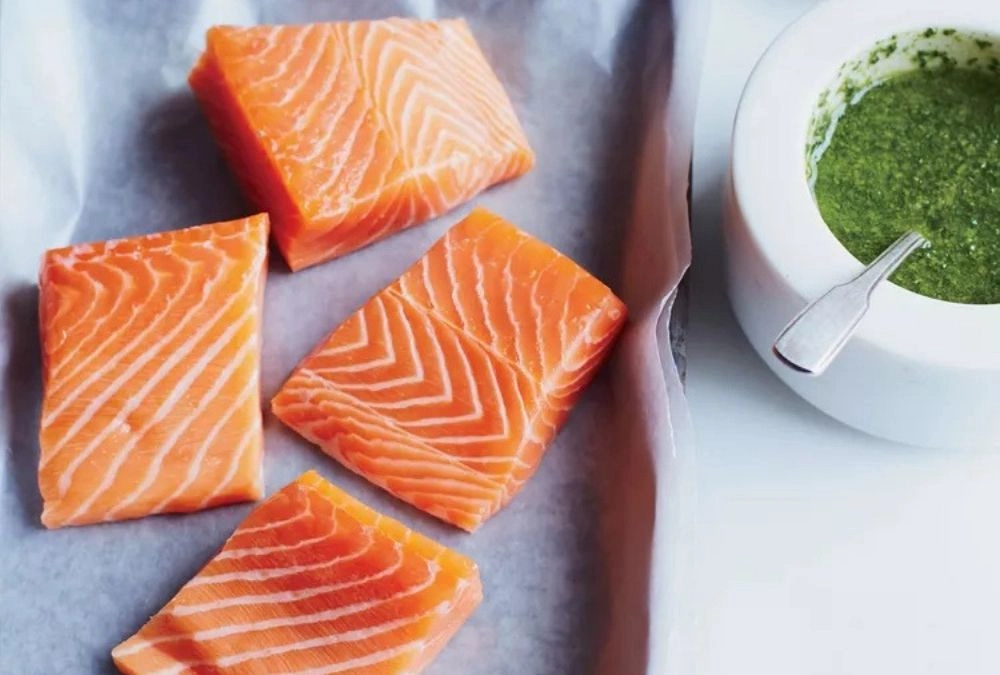
Salmon provides the omega-3 fats EPA and DHA, and DHA is a component of cell membranes, including those in the brain. This gives fish a clear nutritional role, although it does not establish that salmon protects memory by changing gut bacteria.
Try a cooked portion of about 3 to 4 ounces with vegetables and a whole grain. Canned salmon is another practical option when you want a meal that requires little preparation.
6. Sardines
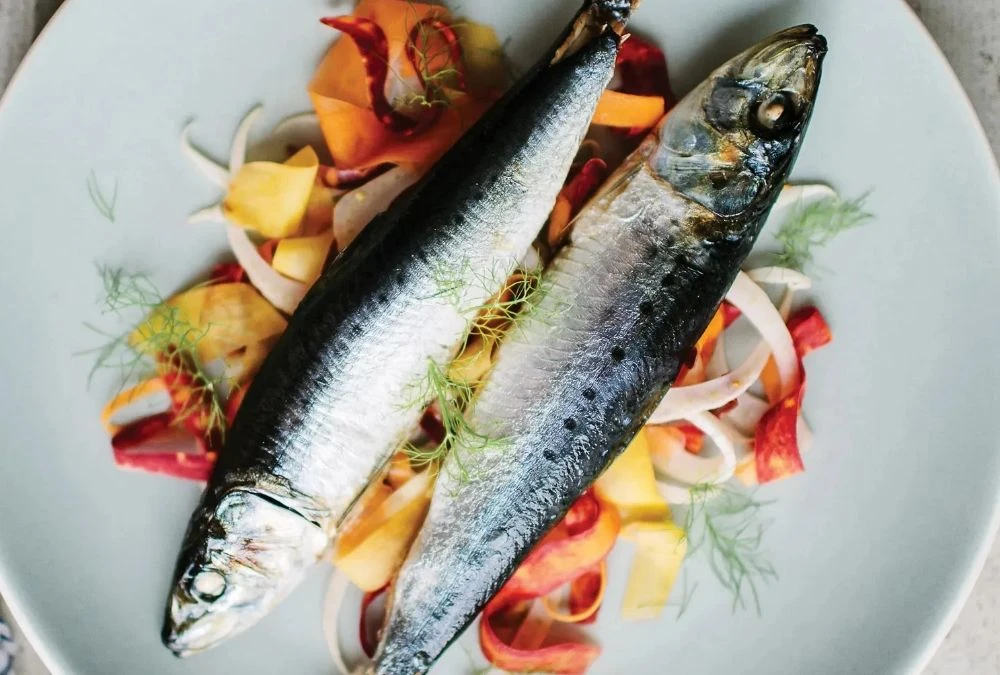
Sardines supply EPA and DHA in a compact food that is easy to keep in the pantry. They offer an alternative if buying or cooking a large piece of fresh fish feels expensive or inconvenient.
Mash a small serving with lemon and spread it on whole grain toast, or add it to a bean salad. Compare sodium labels when choosing cans, particularly if your healthcare team has advised you to limit salt.
7. Walnuts
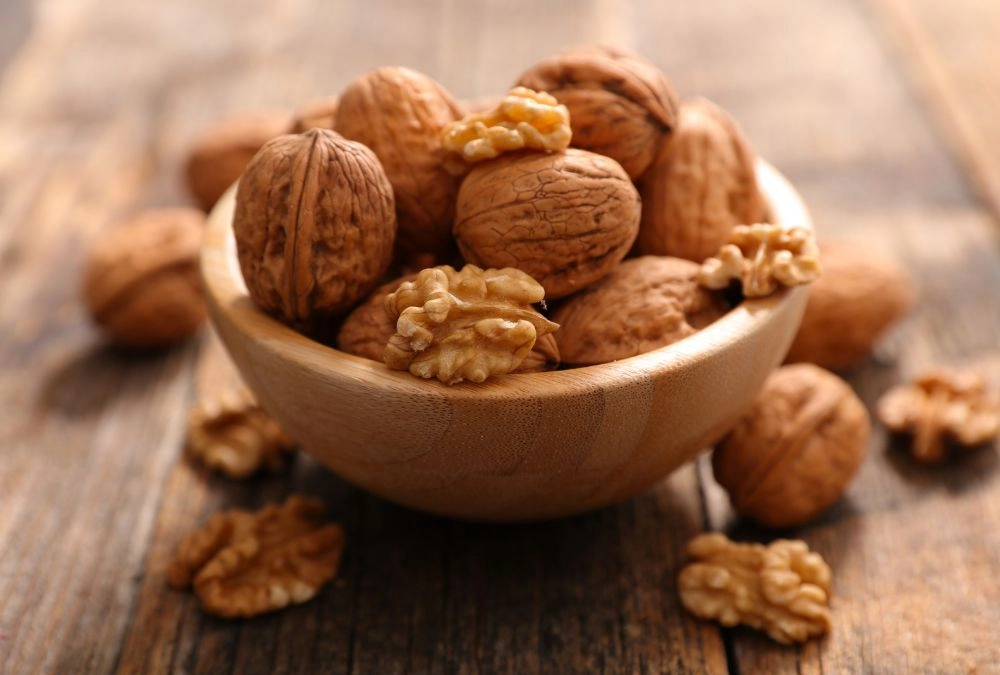
Walnuts contain alpha linolenic acid, or ALA, a plant omega-3 that the body converts only inefficiently into EPA and DHA. They belong in a varied diet, but a randomized trial involving 708 older adults found no overall cognitive benefit from eating walnuts for two years.
Sprinkle a small handful of chopped walnuts over breakfast or vegetables. Finely chopping them can make them easier to eat, while using them as a topping helps you avoid turning a snack into an oversized portion.
8. Eggs
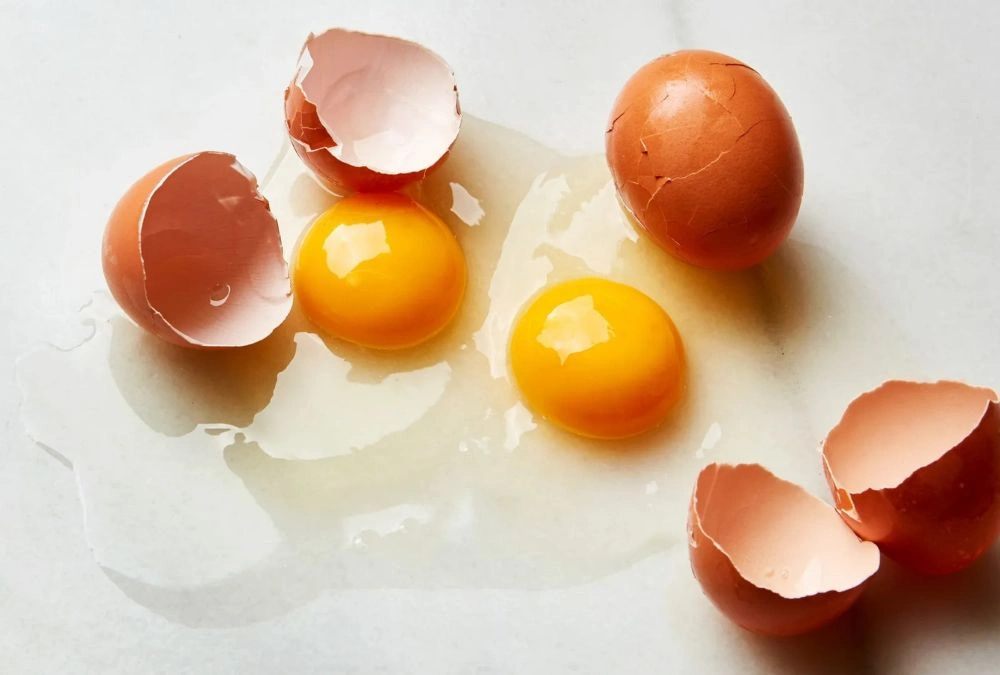
One large hard-boiled egg supplies about 147 milligrams of choline, which your body uses to make the nerve messenger acetylcholine. Acetylcholine helps support memory and other nervous system functions, but that does not mean eating extra eggs improves recall.
Use an egg as part of breakfast or lunch with vegetables and whole grain toast. Think of it as one nutrient source within the week, rather than a food you must eat every day for your brain.
Everyday Swaps That Make the List Easier to Use
A useful eating pattern needs to work with your budget, appetite, and energy. Replacing part of a familiar meal is often more manageable than planning an entirely new menu.
| If you usually choose | Try this sometimes | Specific nutritional difference |
|---|---|---|
| Refined breakfast cereal alone | Oats with berries | Adds whole grain fiber and berry compounds |
| Butter on toast | A thin spread of chopped walnut mixture | Adds ALA and replaces some saturated fat |
| A meal with no vegetables | The same meal with cooked spinach | Adds folate, lutein, and other plant nutrients |
| A snack with little protein | Plain yogurt with strawberries | Adds dairy protein and, in suitable products, live cultures |
These swaps draw on foods included in clinical guidance on brain nutrition and fermented foods. They are meal ideas, not treatments or promises of improved memory.
9. Plain Yogurt With Live Cultures
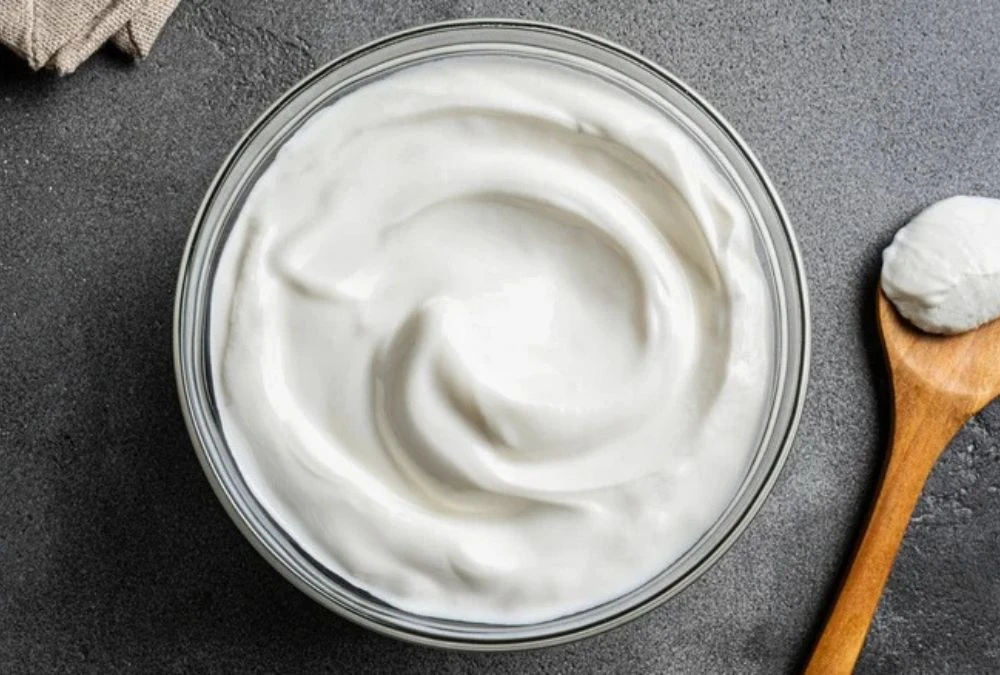
Yogurt made with live cultures can provide living microorganisms, although products differ in their cultures and processing. A useful label check is whether live cultures remain in the finished product, rather than assuming every yogurt has the same microbial content.
Start with half a cup of plain yogurt and add fruit for flavor. This makes a simple breakfast or snack, but yogurt should not be presented as a proven way to prevent age-related memory loss.
10. Plain Kefir
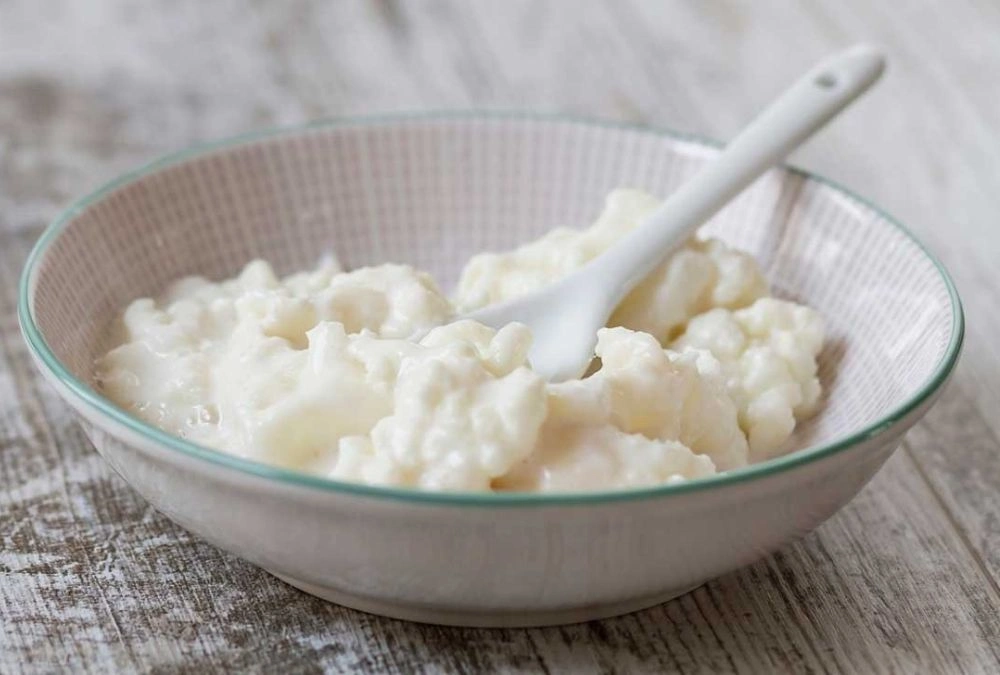
Kefir is a fermented milk drink made with communities of bacteria and yeasts. It offers another way to include fermented dairy if you prefer a drink to a bowl of yogurt, although neither is an established memory treatment.
Try a small glass with a meal and see how your digestion responds. Choose a plain version when possible, then add fruit yourself if you want a sweeter taste without relying on a heavily sweetened drink.
The portions here are meal suggestions, not doses proven to improve memory. If you follow a prescribed diet or have food allergies, digestive disease, or medication related food restrictions, ask your clinician or dietitian which choices fit your needs.
11. Sauerkraut

Sauerkraut is fermented cabbage, and versions that have not been heat-treated afterward can contain living microbes. Its appeal for this article comes from fermentation and its vegetable base, since sauerkraut-specific memory benefits have not been established.
Use a tablespoon or two as a condiment with a meal rather than starting with a large bowl. Check the sodium content and follow storage instructions, because a small serving can still contribute a noticeable amount of salt.
12. Kimchi
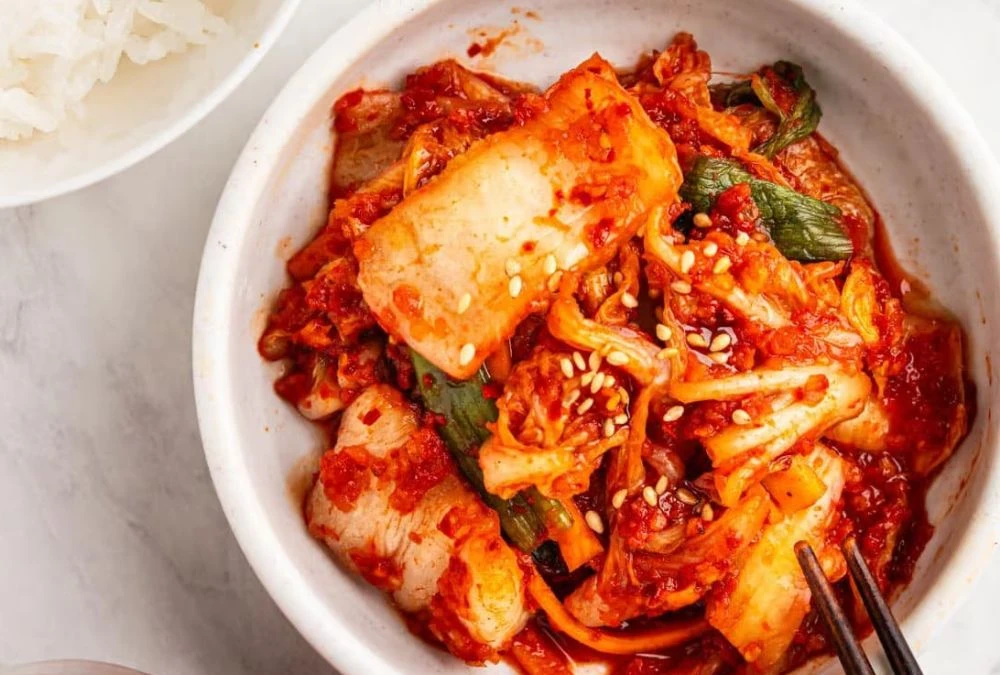
Kimchi combines vegetables with fermentation, producing a food that can supply living microbes and fermentation products. The microbial content varies with the recipe, storage, and processing, so one jar should not be treated as equivalent to every other fermented food.
Add a small spoonful to rice, eggs, or a bean bowl. Choose a milder version if spicy foods bother you, and compare sodium labels if you are managing blood pressure or following a salt restriction.
What Fermented Food Research Actually Found
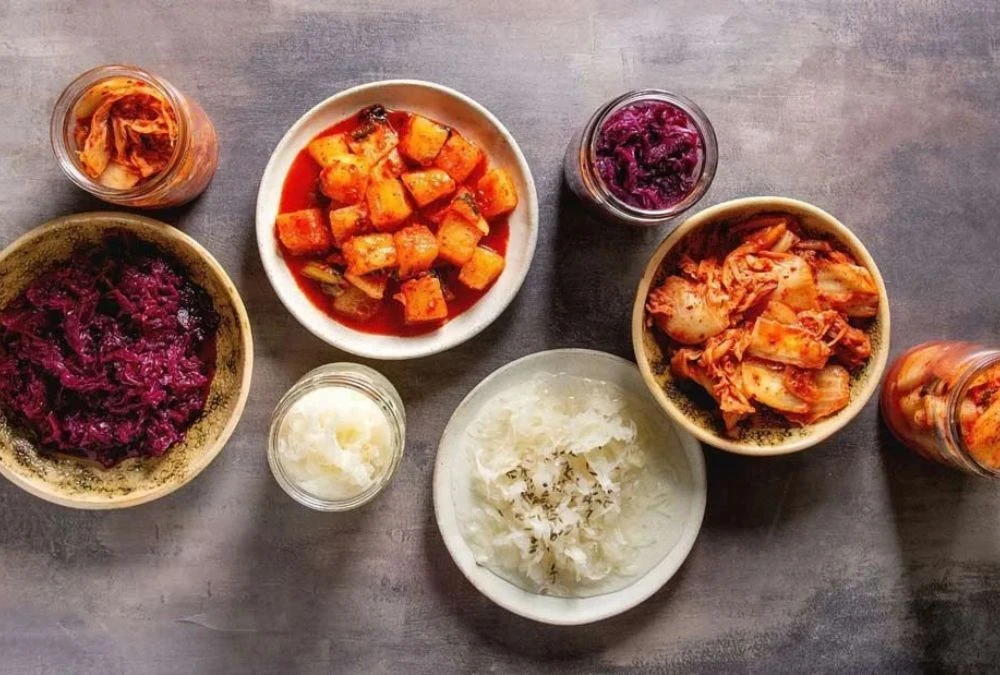
A Stanford study analyzed 36 healthy adults assigned to high-fiber or high-fermented food diets. Over a 10-week dietary intervention, the fermented food group showed greater microbial diversity and reductions in several inflammatory markers.
The study did not test whether participants remembered names better, developed dementia less often, or maintained independence longer. Those are different outcomes, and the distinction matters when deciding what a promising gut finding means for your brain.
13. Oats
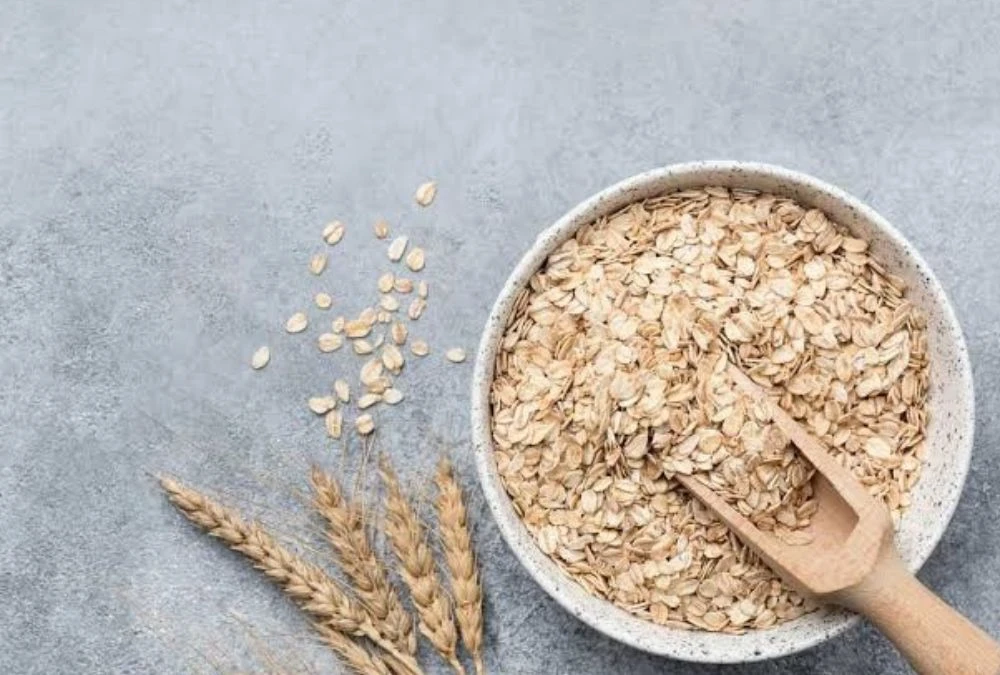
Oats provide carbohydrates that can reach the colon and become available to gut microbes, including resistant starch. Microbial fermentation can produce compounds that support the gut environment, but an oat breakfast has not been shown to act as a memory treatment.
Cook a modest bowl and add yogurt, berries, or chopped walnuts according to your appetite. Preparing a few portions ahead can make a nourishing breakfast easier on mornings when cooking feels like an obstacle.
14. Barley
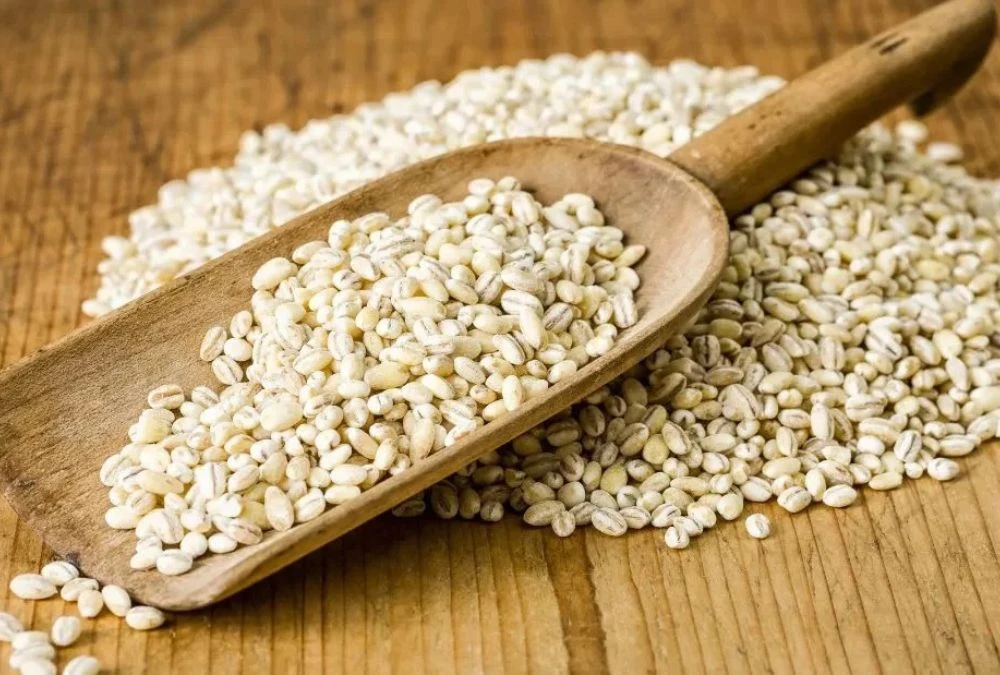
Barley contains fermentable carbohydrates, including resistant starch, that give gut microbes material to break down. Its role here is to broaden the range of grains you eat, rather than to offer a barley-specific cognitive benefit.
Add cooked barley to vegetable soup or use it in place of part of your usual rice serving. Begin with a few spoonfuls if your current meals contain little fiber, then increase gradually as your digestion allows.
15. Beans
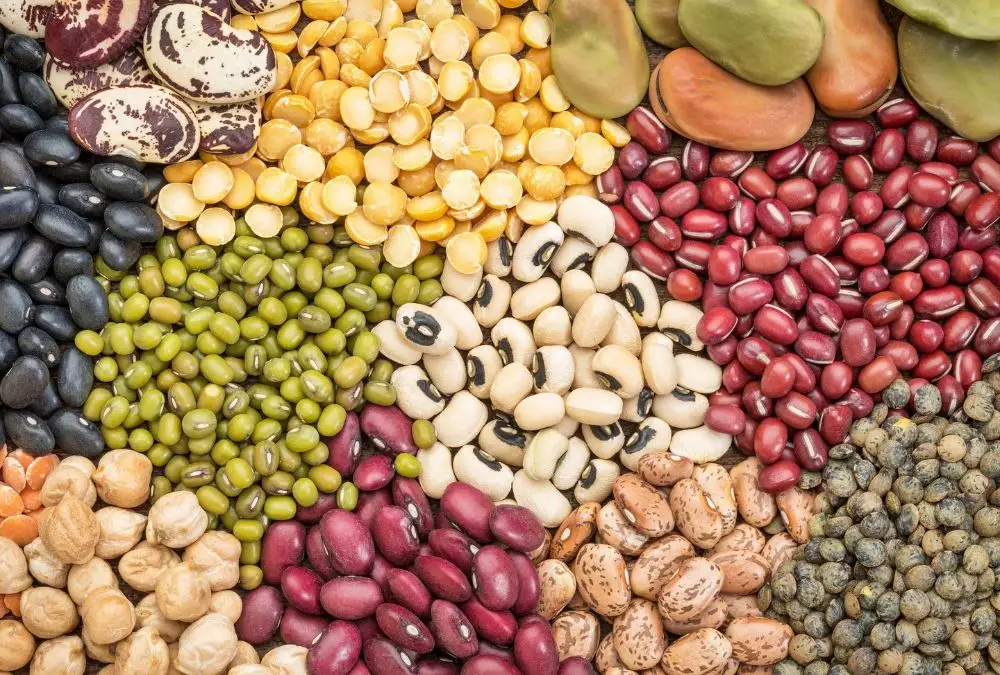
Beans provide fiber and resistant starch, making them a practical way to feed gut microbes while building a filling meal. They also appear in the MIND eating pattern, which has been studied for associations with cognitive health.
Start by adding a few tablespoons to soup, salad, or a familiar casserole. Canned beans reduce preparation time, and draining and rinsing them is a simple step before adding them to your meal.
16. Slightly Green Bananas

Bananas that are still somewhat green contain resistant starch that reaches the large intestine rather than being fully digested earlier. Their starch changes as they ripen, so a firm banana and a very ripe banana do not provide exactly the same carbohydrate mix.
Try a few slices with yogurt if you enjoy the firmer texture. There is no reason to force yourself to eat an unripe banana that causes discomfort, especially when other foods can provide fermentable carbohydrates.
17. Apples
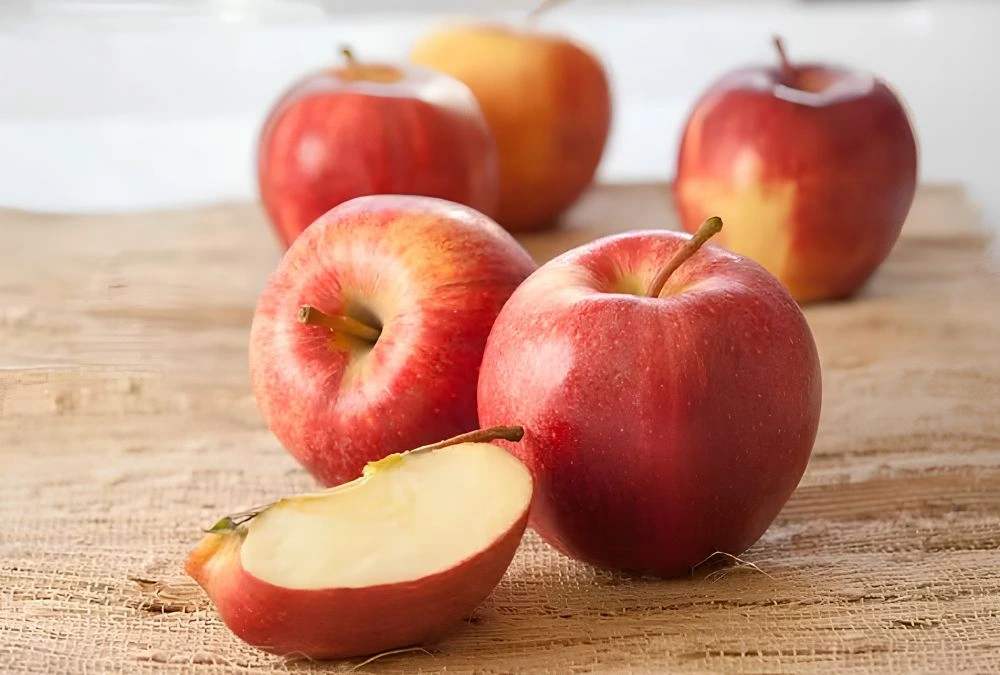
Apple pulp contains pectin, a carbohydrate that gut microbes can ferment. That provides a specific gut health reason to include apples, although it does not establish that an apple a day prevents memory loss.
Slice an apple for a snack or soften it by cooking if chewing is difficult. Pairing it with yogurt or a small amount of nut butter can make it easier to build a satisfying snack around fruit.
Make Changes Your Digestion Can Handle
More fermentable food is not always more comfortable, particularly when you increase it quickly. Your usual diet and digestive conditions help determine which foods and portions work for you.
| Food or situation | What to check | Practical response |
|---|---|---|
| Fermented vegetables | Sodium and whether live cultures remain | Compare labels and use small condiment portions |
| Yogurt or kefir | Live culture information and added sugar | Choose a suitable plain product |
| A sudden increase in beans and grains | New gas or bloating | Add smaller amounts gradually |
| Inulin rich vegetables with IBS | Individual tolerance to fermentable carbohydrates | Ask a dietitian about suitable foods and portions |
These checks reflect clinical guidance on fermented foods and gradual introduction of prebiotic foods. Discomfort is a reason to adjust your approach, not proof that a food is “working.”
18. Asparagus
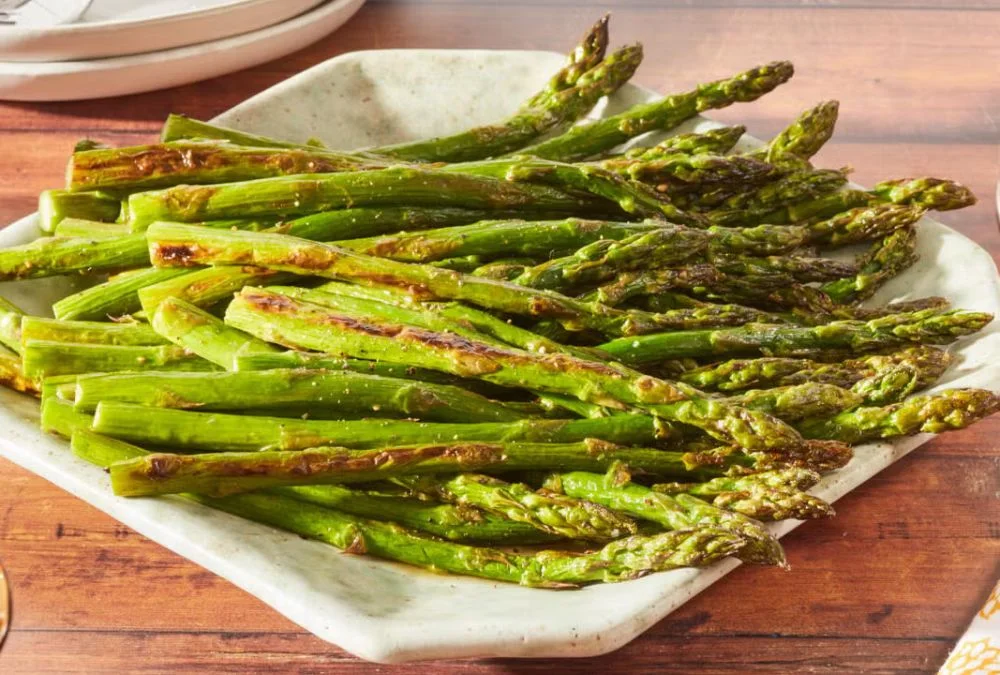
Asparagus contains inulin-type prebiotic carbohydrates, which certain gut microbes can use as food. These carbohydrates are useful to discuss because they help explain how vegetables can influence the gut environment beyond supplying vitamins.
Serve a small portion cooked until tender alongside fish, eggs, or beans. If asparagus consistently causes bloating, choose a different vegetable rather than assuming you need to tolerate symptoms for the sake of your memory.
19. Onions
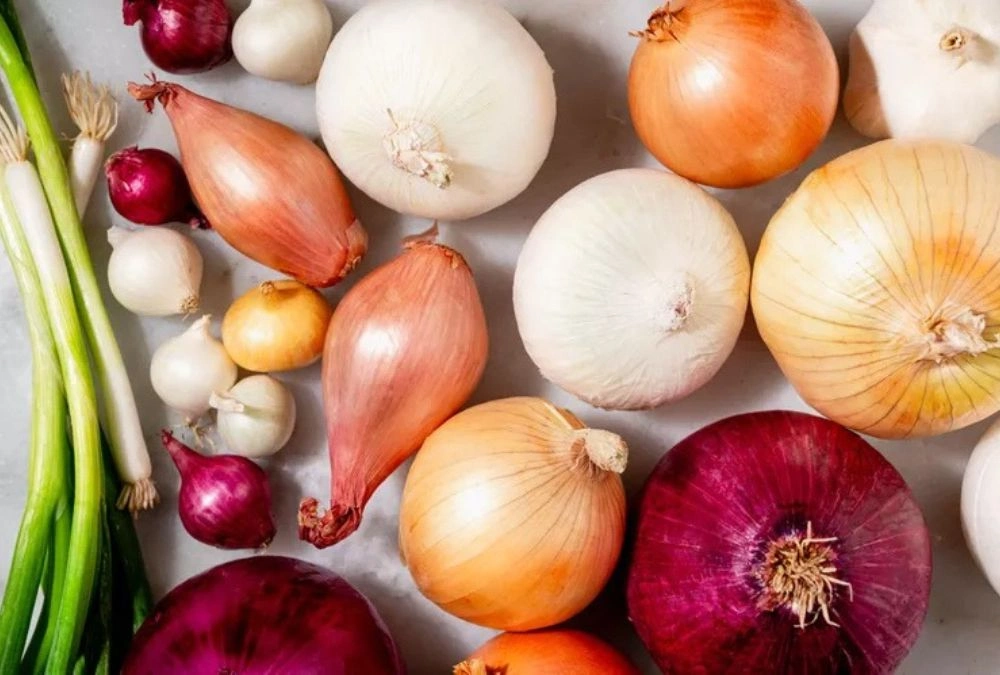
Onions contain inulin-type carbohydrates, giving a familiar cooking ingredient a role in feeding gut microbes. However, these fermentable carbohydrates can be difficult for some people with digestive sensitivities, so the right amount is individual.
Add a small amount of cooked onion to soup or a bean dish if you tolerate it. You do not need a large daily serving, and eating more should never be framed as a shortcut to better recall.
20. Garlic
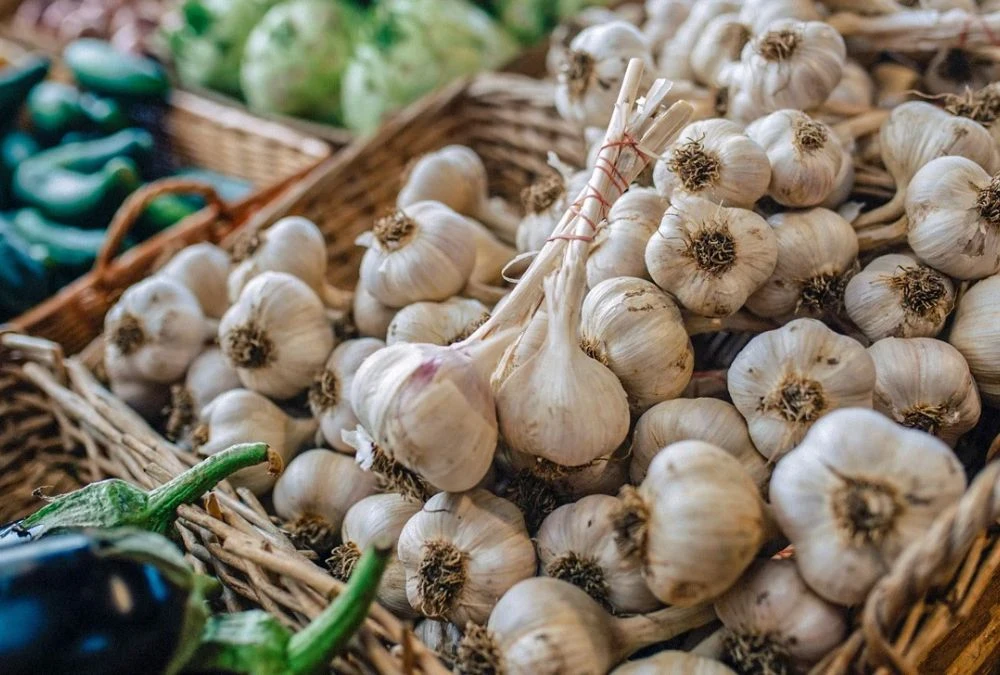
Garlic is another source of inulin-type carbohydrates that can be used by gut microbes. Its inclusion makes sense as part of varied home cooking, but ordinary garlic use has not been established as a way to treat dementia or reverse memory decline.
Use a little in a vegetable dish, soup, or dressing rather than turning it into a high-dose routine. If garlic bothers your digestion, there are many other ways to add variety to your meals.
The Eating Pattern Matters More Than One Ingredient
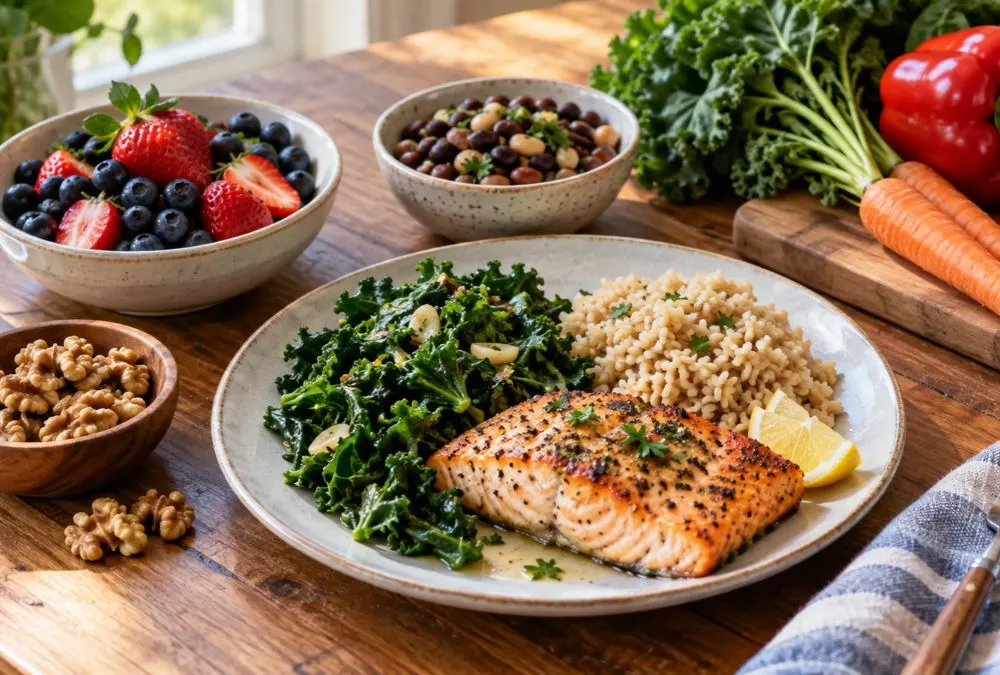
The MIND diet brings together vegetables, berries, whole grains, beans, nuts, and fish. Observational studies link closer adherence with healthier cognitive aging, but these studies cannot fully separate diet from other differences in people’s lives.
A three-year randomized trial involving 604 older adults found no significant difference in cognitive change between a MIND diet and a control diet, both with mild calorie restriction. That result does not make healthy food pointless, but it does rule out presenting this list as a proven memory preservation program.
Try This Today
- Add one food from the list to a meal you already enjoy.
- Pair plain yogurt with berries, or oats with chopped walnuts.
- Add a few tablespoons of beans to soup or salad.
- Introduce new fiber-rich foods gradually and notice your tolerance.
- Choose two or three realistic changes before expanding your shopping list.
When Memory Changes Need Medical Attention
When to See a Doctor
- Get emergency help for sudden confusion, especially when the change develops over hours rather than gradually.
- Arrange an appointment for memory problems that interfere with bills, medications, cooking, or other familiar tasks.
- Seek assessment if you become lost in familiar places or people close to you notice worsening changes.
Memory problems can have several causes, including medication effects and medical conditions that need treatment. Changing breakfast should never delay an assessment.
Build a Plate You Can Keep Coming Back To
Supporting your gut and brain does not require buying all 20 foods. Start with a few affordable choices you like, then build variety across the week.
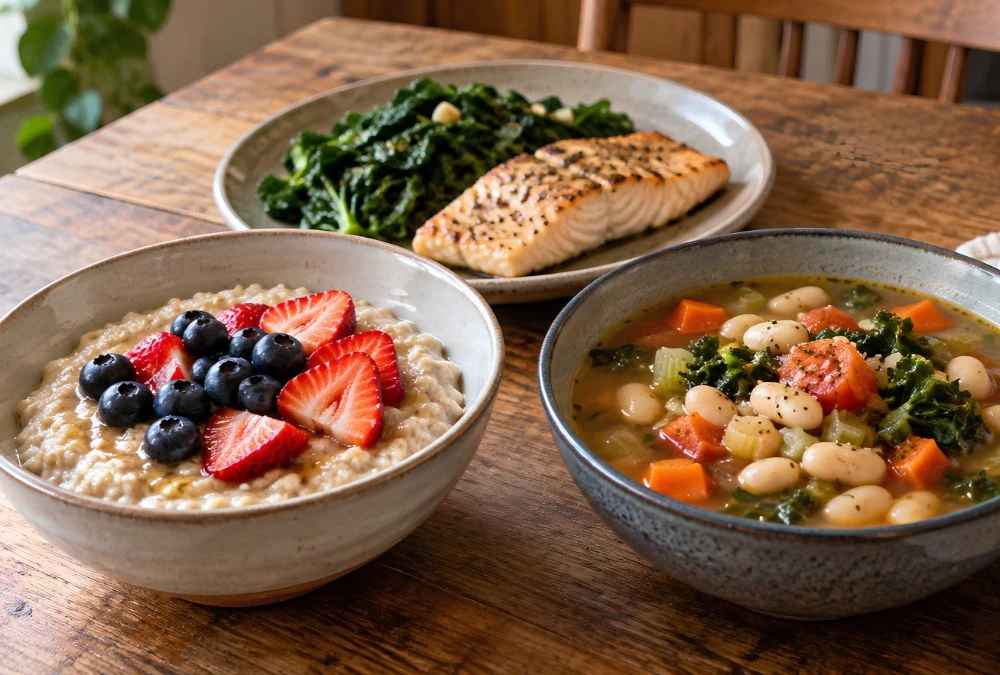
A bowl of oats with berries, beans stirred into soup, or fish served with cooked greens can each contribute something useful. Consistent meals that fit your life are a more practical goal than searching for one ingredient that promises a sharper memory.
