
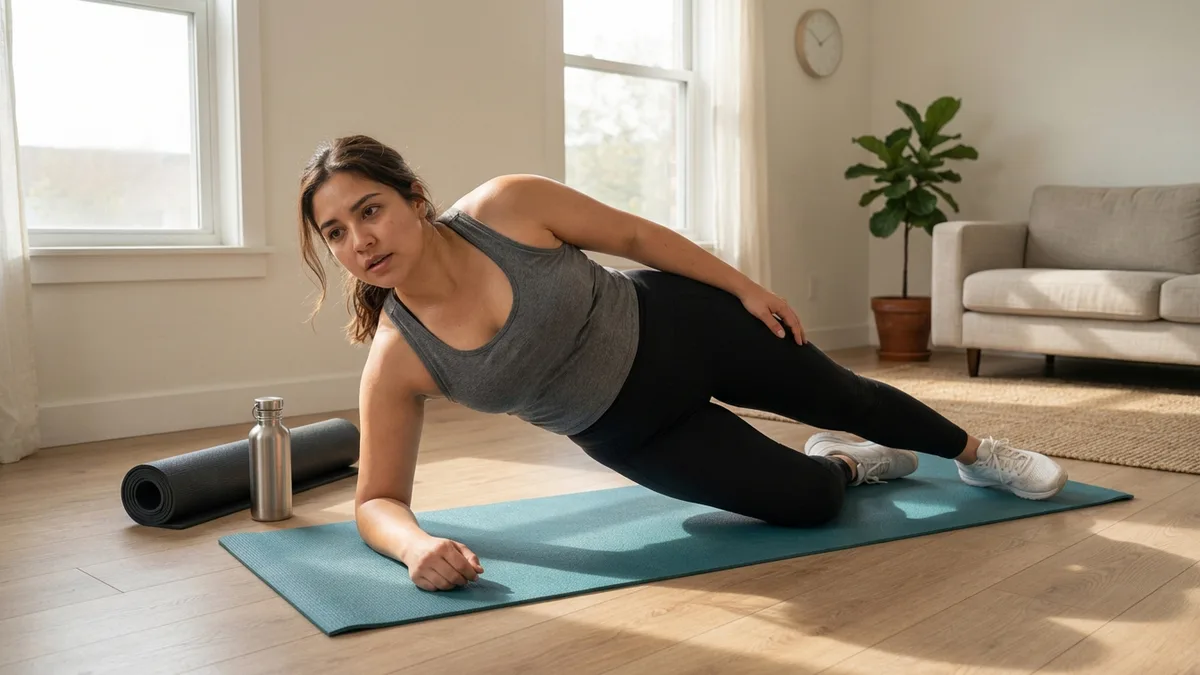
You’ve done the crunches. You’ve done the planks. And the belly fat hasn’t budged. So when a new study says you might be able to target belly fat after all, it’s worth a closer look.
The problem, of course, is that where your body burns fat isn’t something you get to pick. Or at least that’s what we’ve been told for decades. But a 2023 trial just made that advice a lot less certain.
Here’s what the research actually found: a specific combo of ab work and cardio led to 2.5 times more belly fat loss than cardio alone, even when total calories burned were matched. That’s not a typo.
By the end of this article, you’ll know why belly fat is so stubborn, what the new study did differently, where the evidence is still thin, and exactly how to put it into your own week. No hype, no miracle claims.
| Study | What participants did | What changed |
|---|---|---|
| Early sit-up study | Over 5,000 sit-ups in 27 days | No notable site-specific fat loss |
| Leg press study | 12 weeks of high-intensity leg press on one leg | No notable difference in fat loss between legs |
| 2023 trial | 16 overweight men, 4 sessions/week for 10 weeks. Control: 45 min treadmill. Spot group: 27 min treadmill + cable and machine crunches | Similar total fat loss, but 2.5x more belly fat lost in spot group (trunk fat 7% vs 4%); control lost more leg fat |
| 2017 study | Upper-body vs lower-body training + 30 min cardio, 3x/week for 12 weeks | Near-identical total fat loss, but each group lost more fat in the trained region |
| 2021 study | Ab exercises followed by cardio | Promising results, mainly in upper belly |
Belly Fat Gets the Least Blood Flow
Your belly hangs onto fat because the tissue around your abs gets far less blood flow than the fat around your legs and arms. That’s the working theory, anyway.
Think about how much your quads and hamstrings work. Every walk, every flight of stairs, every squat loads them, so they get a huge blood-flow bump almost daily. Your abs don’t get that. Most people train them rarely, and even when they do, it’s often with moves that barely load them.
Here’s the piece that makes the whole spot-reduction idea hang together: strength training doesn’t just build muscle, it also raises blood flow to the fat surrounding the muscle you’re working. More blood flow means more of the fat in that area can be moved out of the cell and into the bloodstream where it’s available to be burned.
So if you can push more blood to a specific patch of fat, maybe you can nudge that patch to shrink first. That’s the hypothesis, and it’s a clean one, which is exactly why it’s worth testing properly rather than dismissing.
And if it works for your belly, why stop there? The same logic should hold for your arms, your legs, your back. That’s precisely what later studies went after, and one of them used a leg press on a single leg for 12 weeks to see whether the trained side would shed more fat than the untrained one.
🌱 GROWING TIP
A Ten-Week Test
Hold the plan for 10 weeks before judging it. That's the length of the 2023 trial, and it's long enough to see a real trend in the mirror and on the tape measure.
Fat Must Be Released, Then Burned
Burning fat takes two separate steps, and that’s the part almost everyone skips. First your body has to release fat from the fat cell. That’s called mobilization. Then it has to actually burn that fat for energy. That’s oxidation.
Strength training is a strong mobilization tool, or so the thinking goes. When you work a muscle, blood flow to the fat around it goes up, and that seems to help free fat from the cell. Researchers at the University of New South Wales have pointed to exactly this as the local mechanism at work.
But releasing fat is not the same as burning it. Here’s a simple way to hold onto it: picture a locked door. Strength work turns the key and swings the door open. You still have to walk through.
That’s the piece most people miss. Years of crunches might well have nudged some belly fat out of its storage. But if you never did anything to burn it off, nothing visible changed. The fat just sat there, released but unused, and got tucked away again soon enough.
So the real question isn’t whether you can mobilize belly fat. It’s whether you can mobilize it and then burn it in the same session. That’s exactly what the newer research set out to test, and next we’ll get into why the old studies missed it.
⚠️ COMMON MISTAKE
The Mistake That Kept Spot Reduction a Myth
Most old studies only tested mobilization (like doing endless sit-ups) and never added cardio to burn the released fat. That's like unlocking a door and never walking through.
Why the Old Studies Got Spot Reduction Wrong

The studies that made spot reduction look like a myth only ever tested the release step, so of course nothing moved.
Take the one where participants cranked out more than 5,000 sit-ups across 27 days. That’s more ab work than most people do in a lifetime, and the fat around the trained area didn’t come off any faster. Or the one where people did 12 weeks of high-intensity leg pressing with one leg only. Same story: no notable difference in fat loss between the trained leg and the untrained one.
Those results are why so many researchers wrote the idea off – including a university fat-loss lab that had answered ‘no’ to the spot-reduction question for years. The data said what it said.
Here’s the flaw. Both studies looked at mobilization and stopped there. Neither one matched calories burned between groups, so you couldn’t tell whether any effect was being drowned out. And neither added a cardio component to burn the fat that had just been released. Fat that gets mobilized and never burned doesn’t leave – it gets re-stored.
So the old verdict wasn’t a lie. It was an answer to a narrower question than the one everyone thought was being asked.
The Numbers That Changed the Conversation
What the 2023 Trial Actually Found
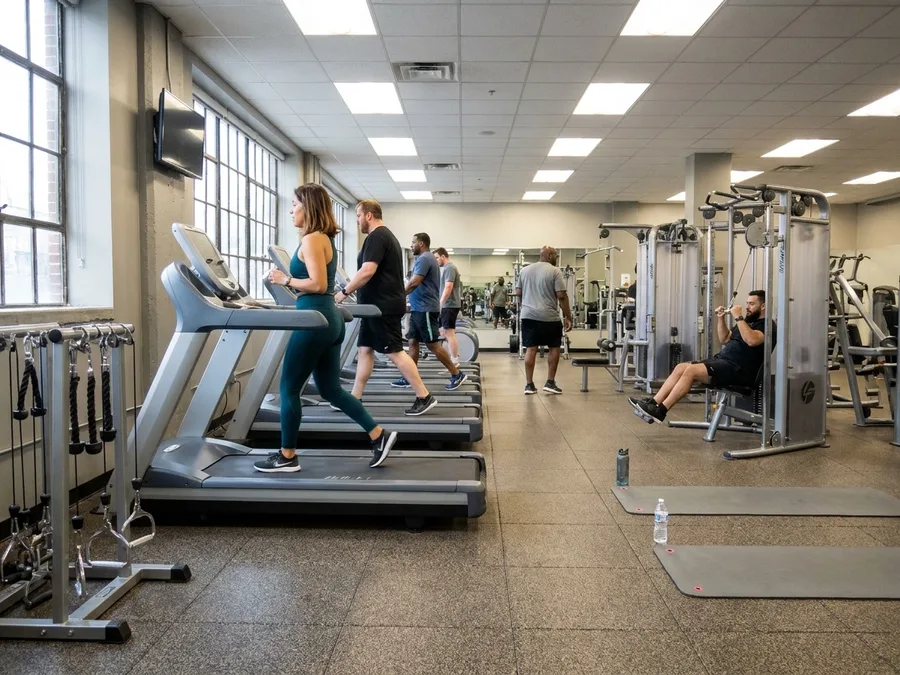
The 2023 trial found the same total fat loss in both groups, but 2.5 times more belly fat lost in the group that trained abs.
It wasn’t big – just 16 overweight men – but it was clever. Both groups trained four days a week for 10 weeks. Those in the control group spent 45 minutes on the treadmill each session. The spot-reduction group did a shorter 27-minute treadmill stint, then two ab exercises: cable crunches and machine crunches.
The clever part is that this was the first study of its kind to equate calories burned between the groups. That matters more than it sounds. In plenty of older research, one group simply burned more calories and lost more fat overall, which tells you nothing about where it came off. Here, the calorie burn was matched.
Both groups ended up with a similar amount of total fat gone. But trunk fat dropped 7% in the ab group against 4% in the treadmill-only group, while the treadmill-only group lost more fat from their legs. The pattern moved, not just the amount – exactly what the blood-flow theory would predict.
Now the brakes. Sixteen men, all overweight, and nobody controlled what they ate. This is a signal worth acting on, not a settled law. The next question is whether other trials land in the same place.
Two More Trials Point the Same Way

It isn’t just one study – a 2017 trial and a 2021 trial both found fat came off where the work was done, which is why the pattern is worth taking seriously.
In 2017, one group did an upper-body workout followed by 30 minutes of cardio, and another did a lower-body workout followed by the same amount of cardio. Exercises, sets and reps were matched, and everyone trained three times a week for 12 weeks.
Both groups lost almost identical amounts of total body fat. But the upper-body group lost more from their upper body, and the lower-body group lost more from their lower body. Same total, different distribution.
Then in 2021, researchers had people do ab exercises to mobilize belly fat and followed it with cardio to burn it. The results were promising, mainly around the upper belly. Not a home run, but another data point pointing the same way.
So what do three trials add up to? A consistent pattern across different designs and different populations, which is more than any single study can claim. What they don’t add up to is proof. They’re small and short, so treat this as a strong hint about direction rather than a promise about your waistline. The practical upshot is simple: when you do train a muscle, give the released fat somewhere to go before the session ends.
Old Advice vs. New Evidence
The Old Rule
- Spot reduction is impossible
- Doing crunches won't target belly fat
- Only total calorie balance matters
- Ab exercises are useless for fat loss
What the New Research Suggests
- Spot reduction may be possible with the right combo
- Ab work plus cardio can shift where fat comes off
- Calorie deficit is still required
- Exercise order and type matter more than we thought
How to Build It Into Your Week
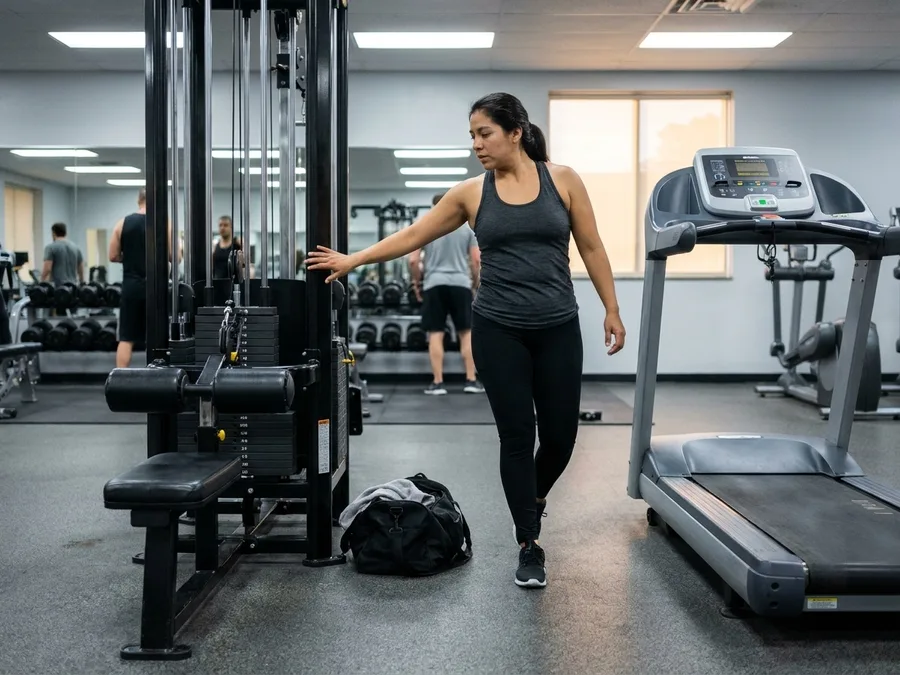
The gym version of this is simpler than you’d think: hold a calorie deficit, then pair weighted ab work with cardio hard enough to actually burn fat, in the same session, in that order.
Start with the part nobody wants to hear. Without a deficit, none of this works. Spot reduction will not outrun a surplus. If you’re eating more than you burn, the crunches are just extra work you’re paying for with nothing back.
Assuming the deficit is in place, put the ab work right before or after cardio. That sequence is what the research points to: mobilize with resistance, then burn with cardio while the fat is available.
The cardio has to be hard or long enough to drive fat oxidation. A three-minute walk doesn’t qualify. You want to be breathing noticeably harder, able to talk in short sentences but not sing. Incline walking, cycling, rowing or intervals all work.
For the ab exercises themselves, favor moves that actually load the abs: crunches, cable crunches, machine crunches, and abdominal torso rotations. Planks are fine for stability, but they don’t hit the abdominal muscles as directly. Direct weighted ab work plus low-to-moderate cardio is the combo to aim for.
🏋️ Your Spot-Reduction Session, Step by Step
Warm up
5 minutes easy cardio to raise blood flow.
Main lift
Squat, deadlift, or press — the big movement that drives overall strength.
Ab work
Cable crunch 3×10-15 and machine crunch 3×10-15, rest 60 seconds between sets.
Cardio
25-30 minutes of incline walking or cycling at a pace where talking is possible but singing is not.
Cool down
2-3 minutes easy walking and stretching.
How Hard Does the Cardio Need to Be?
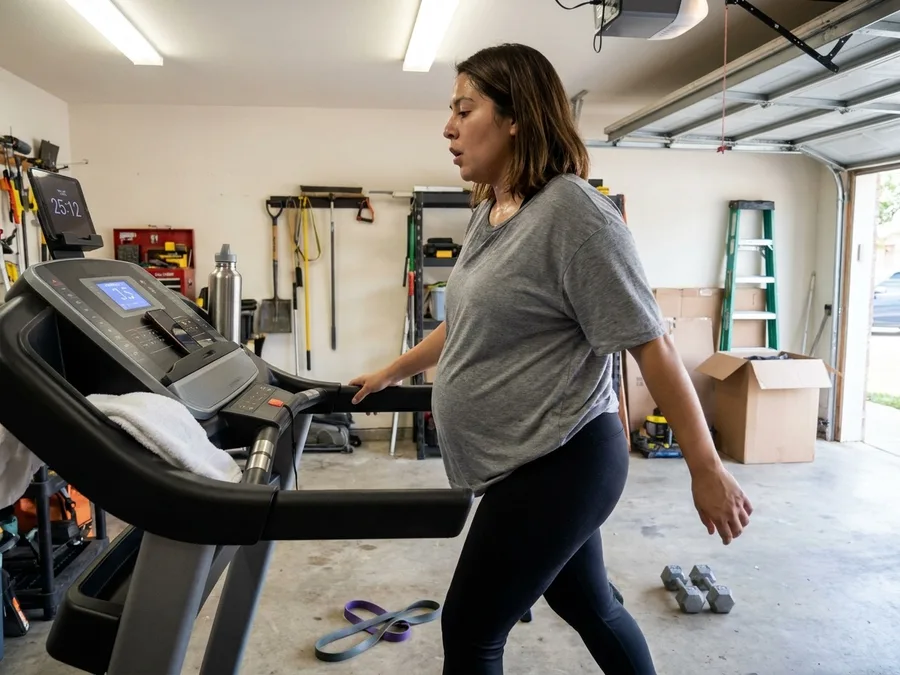
Hard enough that you can talk in short sentences but can’t sing. That’s the whole test, and it’s a good one because you can check it mid-workout without any gadget.
If you can chat comfortably through the whole thing, you’re not there yet. Bump the incline, the pace, or the resistance until talking takes effort.
In the 2023 trial, the spot-reduction group did 27 minutes on the treadmill after their ab work. That’s a solid target: 25-30 minutes after lifting. Long enough to drive meaningful fat oxidation, short enough to fit into a busy session.
A three-minute stroll doesn’t cut it. Too short, too easy, no dent. You need enough duration and intensity to actually oxidize fat, and that takes time as much as effort.
Options include incline walking, cycling, rowing, or intervals. Start with 25 minutes at a moderate pace. When it starts feeling easy, add time or incline – five minutes or a few degrees each week until you’re at 30-35 minutes. Easy is the signal to progress, not to coast.
Sample Session at a Glance
⏱️ Total time
50-60 min
🏋️ Main lift
1 compound movement
🧘 Ab work
2 exercises, 3 sets each
🏃 Cardio
25-30 min moderate
📅 Frequency
2x per week
Key
Do the ab work immediately before or after cardio to maximize the effect.
A Sample Week You Can Copy
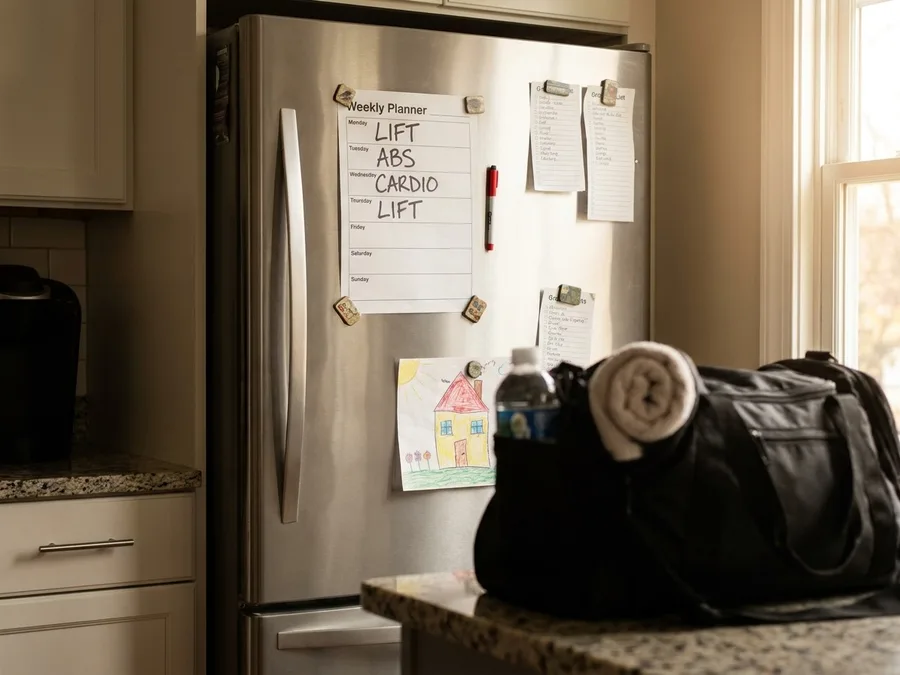
Here’s a four-day structure that puts all of it together. It’s not pulled from the study – it’s a sensible starting point built from what the research points to.
Day 1: main lift (squat or deadlift), then cable crunch 3 x 10-15, machine crunch 3 x 10-15, then 25-30 minutes of incline walking. Day 2: 25-30 minutes of cardio plus the same ab work. Day 3: rest or an easy walk.
Day 4: main lift, abs, cardio. Day 5: cardio plus abs. Days 6 and 7: easy walking or rest.
That gives you two lifting days with abs plus cardio, and two cardio-plus-ab days. The rest is recovery, which is doing real work here – don’t fill it.
Hold this for 10 weeks, matching the length of the trial, before deciding whether it worked for you. Ten weeks is long enough to see a trend and short enough that you’ll actually finish it.
New to ab training? Start lighter than you think and focus on form. The cable crunch and machine crunch were the two exercises used in the trial. They’re not magic, but they load the abs directly, and that’s the point.
What to Fix in the Kitchen First
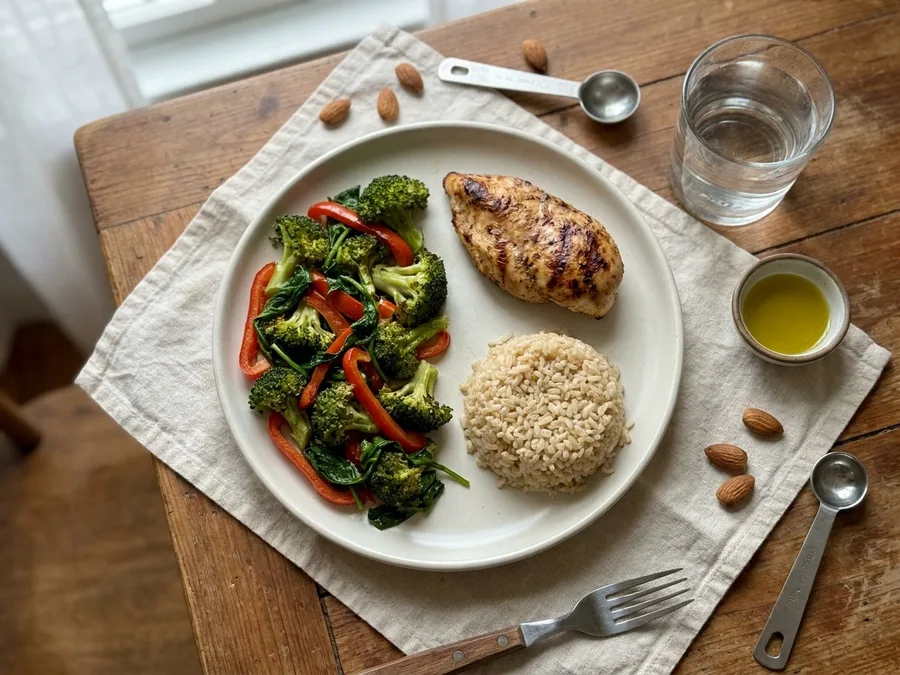
Fix the deficit before you touch the training plan, because the kitchen is where belly fat actually comes off. You don’t have to count every calorie, but you do need to eat less than you burn.
That’s where most people get stuck. They eat clean and still eat too much. Cooking oils, nut butters, dressings, coffee drinks and ‘healthy’ snacks add up fast. A tablespoon of olive oil is 120 calories. A handful of almonds is about 160. A fancy latte can run 250.
None of those are bad foods. They’re just quiet, and quiet calories are the ones that push you into a surplus without you noticing.
Anchor each meal with a palm-sized portion of protein and fill half your plate with vegetables. That makes the deficit easier to hold without weighing every gram.
Cut liquid calories first – soda, juice, specialty coffee drinks. Then track everything for one week to find your own biggest number. Once you know where the calories come from, drop the tracking and keep the swaps.
If you want a real target rather than a guess, use an online calorie calculator or see a dietitian. Guessing is how people end up eating clean and still going nowhere.
Promising, Not Proven: What to Do Anyway
It’s interesting, not settled. The evidence is too new, too small, too short – and a fat-loss researcher who spent years saying spot reduction was impossible still wouldn’t plan it into most people’s routines.
So treat it as a bet worth a small stake, not a proven method.
Here’s what holds up no matter how the debate lands: regularly training your abs with weight makes them more visible. Even during phases where body fat is going up, trained abs show more definition. They respond like any other muscle group.
And most of your result still comes from the basics – diet and calorie control. Exercise selection is a detail. It matters, but it’s not the main event.
Who is this for? You’re already lifting, already in a deficit, and your belly is the last holdout. Adding two weighted ab exercises around your cardio costs nothing and may shift where the fat comes off.
Who is it not for? Anyone hoping it replaces the deficit. If you’re not eating less than you burn, that’s the job before anything else. Spot reduction won’t save you from a surplus.
The Verdict on Spot Reduction, and Your Next Ten Weeks
So is targeting belly fat possible? The honest answer is: maybe. The evidence is promising enough to try, but not strong enough to promise. What we do know is that the old ‘impossible’ verdict was based on incomplete studies.
If you’re already lifting and eating in a deficit and your belly is the last holdout, go ahead and add two weighted ab exercises around your cardio. It costs nothing and might shift where the fat comes off. If you’re not in a deficit, fix that first.
Your one action this week: put cable crunches or machine crunches at the end of two cardio sessions. Do 3 sets of 10-15 reps each. Hold that pattern for 10 weeks before you judge it. That’s the experiment.
Try the Ten-Week Belly Fat Experiment
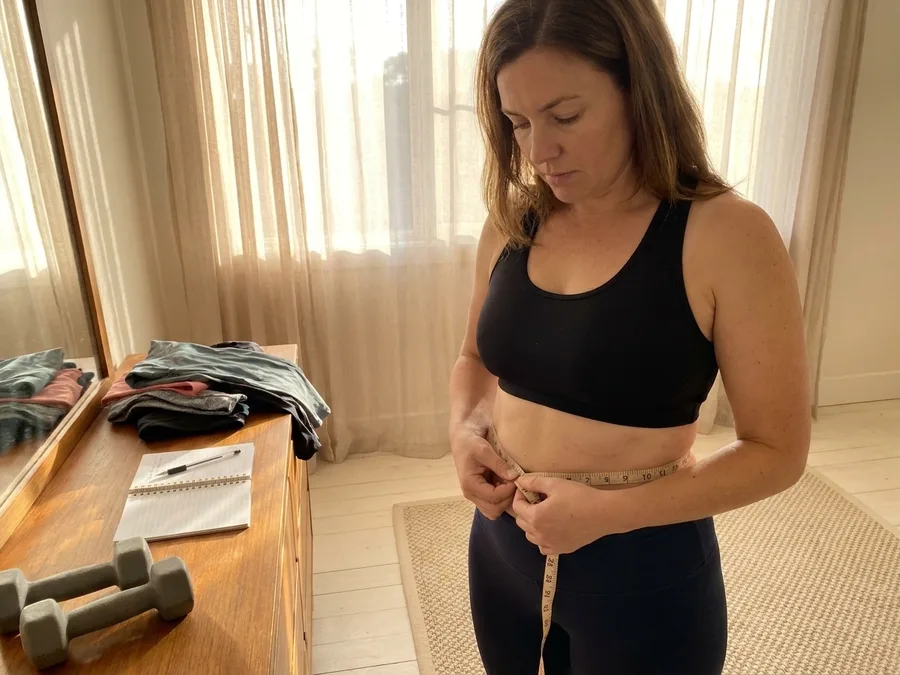
Pick two cardio days this week and add cable crunches and machine crunches after each session. Track your waist measurement and give it ten weeks before deciding.
